

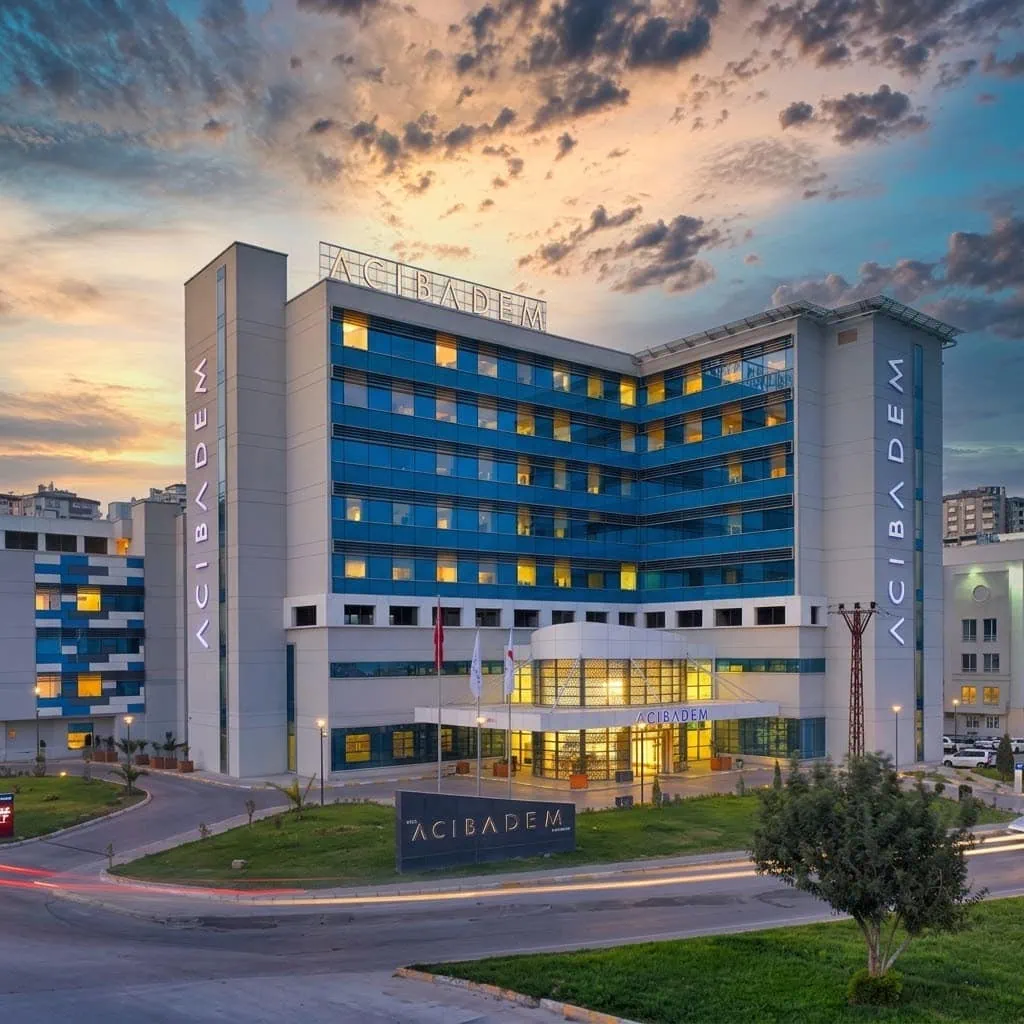
Acibadem Adana Hospital
Overview of Acibadem Adana Hospital in Adana, Türkiye, including multidisciplinary care for local and international patients.
Get directions →
Acibadem Adana Hospital at a Glance
Acibadem Adana Hospital is the group's JCI-accredited campus for southern Türkiye: opened in 2009 and internationally accredited since 2010, a 22,000 m² hospital with 105 beds, 6 operating theatres and 28 intensive-care beds, including cardiovascular-surgery and neonatal intensive care, serving Adana and the neighbouring cities of the region. Its identity in the group is specific and earned: a cancer-weighted hospital whose floors carry medical oncology, radiation oncology and, rarest of all, a paediatric…
The Hospital in Numbers
Rooms & Suites
Choose a room type to see it, every room shares the same clinical infrastructure; suites add space and comfort for companions.
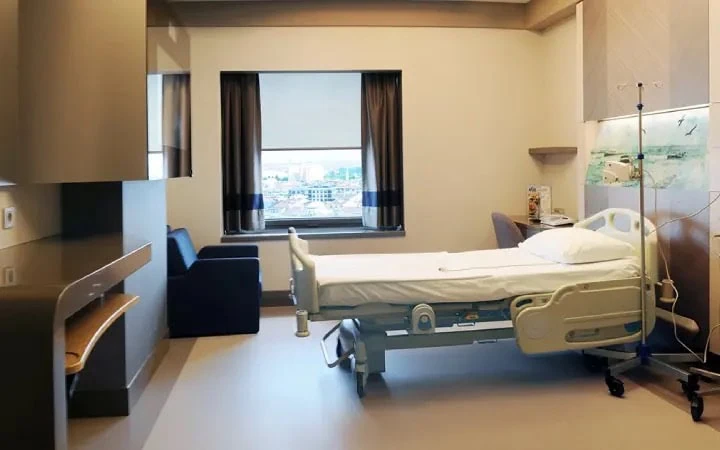 Standard Room
In-Room Features
- Electronic patient-controlled bed
- Smart toilet system
- Spacious bathroom with seat
- Individually adjustable climate control
- Smart TV
- Digital assistant service
- Integrated nurse call system
- Scene lighting and room automation
- Personal safe
- Minibar
- Sofa bed for companion
Accessible RoomIn-Room Features
- Electronic patient-controlled bed
- Smart toilet system
- Spacious bathroom with seat
- Individually adjustable climate control
- Smart TV
- Digital assistant service
- Integrated nurse call system
- Scene lighting and room automation
- Personal safe
- Minibar
- Sofa bed for companion
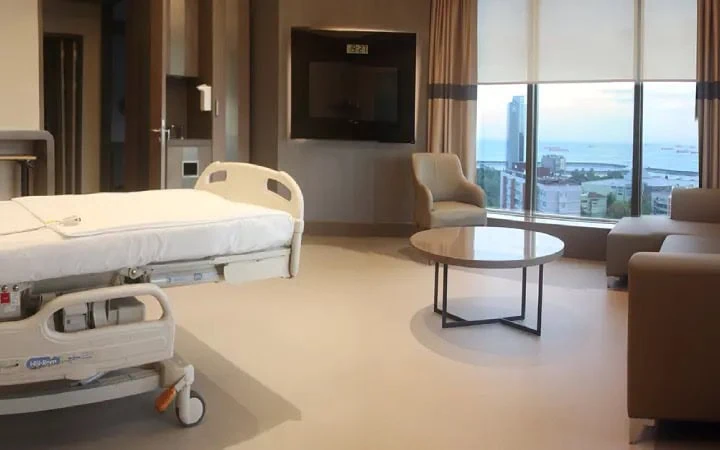 Suite
SuiteIn-Room Features
- Electronic patient-controlled bed
- Smart toilet system
- Spacious bathroom with seat
- Individually adjustable climate control
- Smart TV
- Digital assistant service
- Integrated nurse call system
- Scene lighting and room automation
- Personal safe
- Minibar
- Sofa bed for companion
- Companion dining and rest area
- Companion bathroom
Facility Highlights
Pediatric bone marrow transplant centre with pediatric oncology, pediatric hematology and medical oncology working together.
Cancer diagnosis and treatment planned jointly across specialties, with oncology units and heart-and-vascular teams on one campus.
Obstetrics, IVF and perinatology, with the option of water birth for suitable mothers.
28 intensive care beds, including dedicated cardiovascular surgery and neonatal intensive care units.
Cardiology and cardiovascular surgery for adults, alongside breast health, obesity and dermocosmetic units.
Close to the E-5/D400 highway and Atatürk Avenue, reachable from central Adana and neighbouring provinces.
Rooftop heliport for emergency transfers, serving southern Türkiye since 2009.
General surgery, internal medicine and diagnostic imaging supporting every specialised programme on site.
Amenities & Visiting Guide
- Parking
- Cafeteria
- Prayer room
- Hairdresser
- ATM
- Heliport
Acibadem Adana Hospital, in depth
Acibadem Adana Hospital is the group’s JCI-accredited campus for southern Türkiye: opened in 2009 and internationally accredited since 2010, a 22,000 m² hospital with 105 beds, 6 operating theatres and 28 intensive-care beds, including cardiovascular-surgery and neonatal intensive care, serving Adana and the neighbouring cities of the region. Its identity in the group is specific and earned: a cancer-weighted hospital whose floors carry medical oncology, radiation oncology and, rarest of all, a paediatric bone-marrow transplantation centre with its paediatric oncology and paediatric haematology units. For families across the south, and for international patients who compare accreditations before they compare brochures: this is the group standard, audited, hours closer than Istanbul.
What this building is organised around
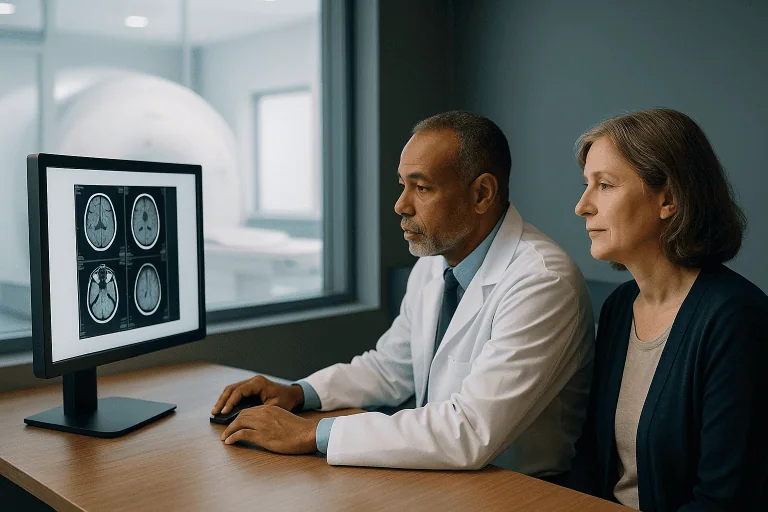
Adana’s brief was to put a full Acıbadem hospital, laboratories, imaging, theatres, intensive care and the group’s records and safety systems, at the centre of a region that would otherwise travel for it, and then to weight that hospital deliberately toward the medicine the region most needs to keep close: cancer care in its adult and paediatric forms. The result is a campus where an oncology question can be answered from first biopsy to radiotherapy without leaving the building, where a child’s leukaemia treatment up to and including bone-marrow transplantation happens under one roof, and where heart surgery and around-the-clock emergency care run alongside. It is not the group’s largest campus and this page will not pretend it is; it is the group’s audited southern anchor, and that is a more useful thing to be.
Quality and safety: the accredited frame
Acibadem Adana Hospital is one of the five Acıbadem hospitals in Türkiye holding JCI accreditation (with Maslak, Altunizade, Atakent and Kent), accredited since 2010: an external audit of the things patients cannot see from a brochure: surgical checklists, medication safety, infection control, credentialing and the honest reporting of outcomes. Diagnostics run through the group’s ISO-accredited laboratory network, and cancer cases are planned by the group’s tumour-board method, several specialists deciding together, minuted, rather than one clinician deciding alone. On this campus the badge is real and current, and it means the same thing it means at Maslak: the systems have been examined by people whose job is to doubt them.
The cancer floors: the campus’s weight
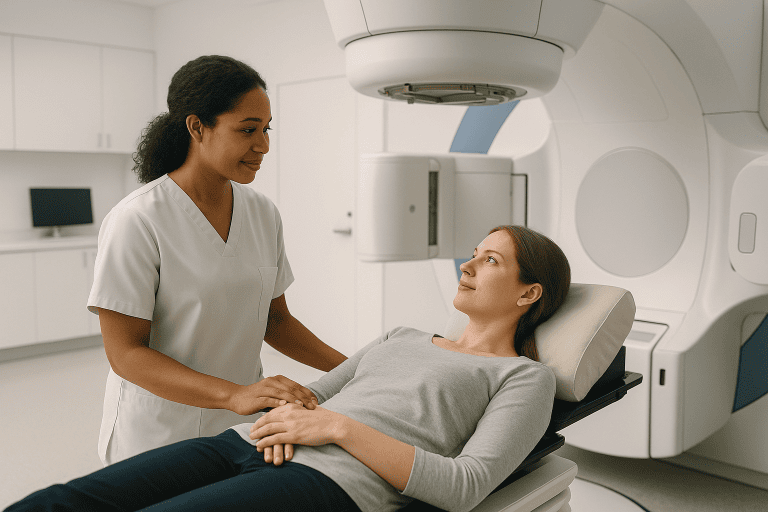
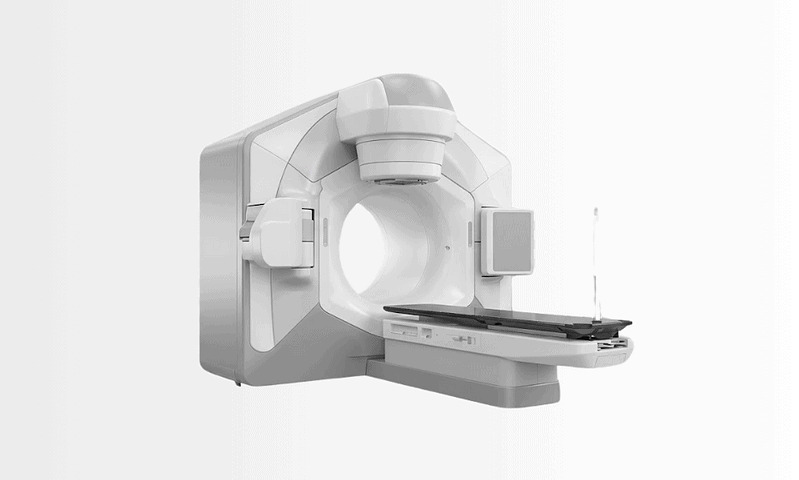
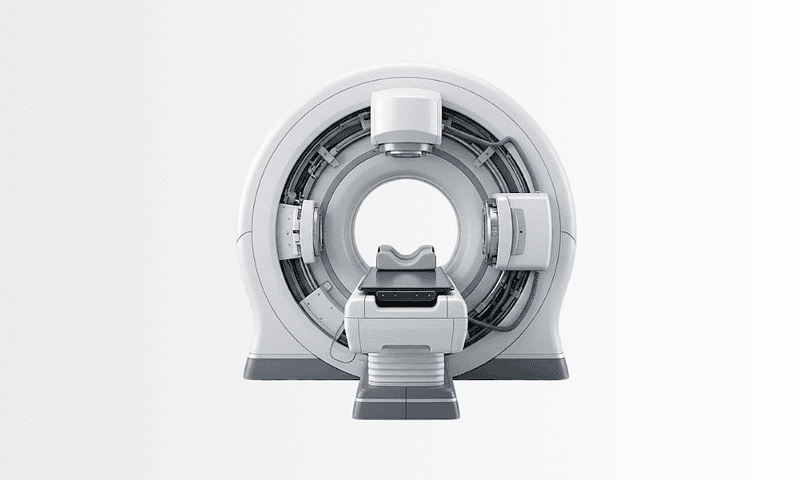
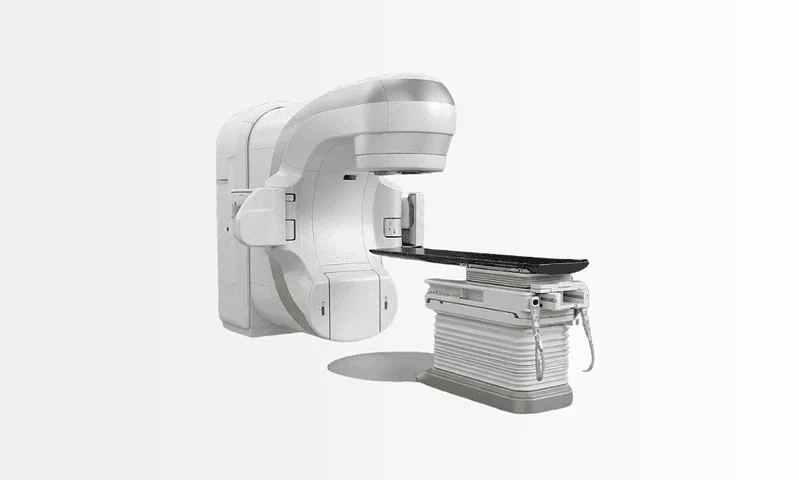
The medical oncology unit anchors the adult pathway: chemotherapy, targeted and immunotherapy planned through tumour boards, delivered on floors built for it. Radiation oncology runs on the same campus, so the common sequence of surgery, systemic treatment and radiotherapy does not require a patient to change cities mid-plan. And the building’s rarest asset is paediatric: a bone-marrow transplantation centre for children, with paediatric oncology and paediatric haematology units beside it: the kind of installation most regions of most countries do not have at all. The haematology guide explains what transplantation involves and who genuinely needs it; the honest sentence here is that this campus is one of the places in the group where that treatment actually lives.
Heart surgery and children’s medicine
Alongside the cancer weight, the campus carries a full cardiovascular surgery service with its own intensive care, and cardiology for the diagnostic and interventional work upstream of it. The neonatal intensive care unit backs the hospital’s maternity and children’s services, and the paediatrics unit covers the everyday medicine of the region’s families, with the paediatric oncology floors above giving this hospital an unusual depth in children’s medicine for its size.
Everyday specialist medicine for the region
Around the named weights, the outpatient floors carry the specialties daily life consults: emergency medicine around the clock, internal medicine, general surgery, gynaecology, urology, ENT, orthopaedics, ophthalmology and dermatology at group standard, with the group’s referral honesty applying in both directions: the rare case needing a flagship-only installation travels to Istanbul with its file, and the far more common case that does not is treated here, hours from home rather than a flight away. The hospital works with SGK coverage in defined branches and with private insurers broadly, which for the region’s families is a practical fact worth stating plainly.
Technology, honestly framed
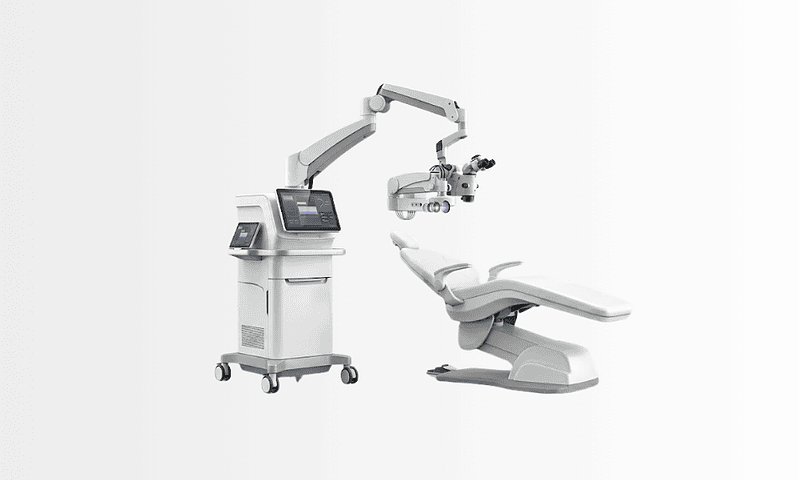
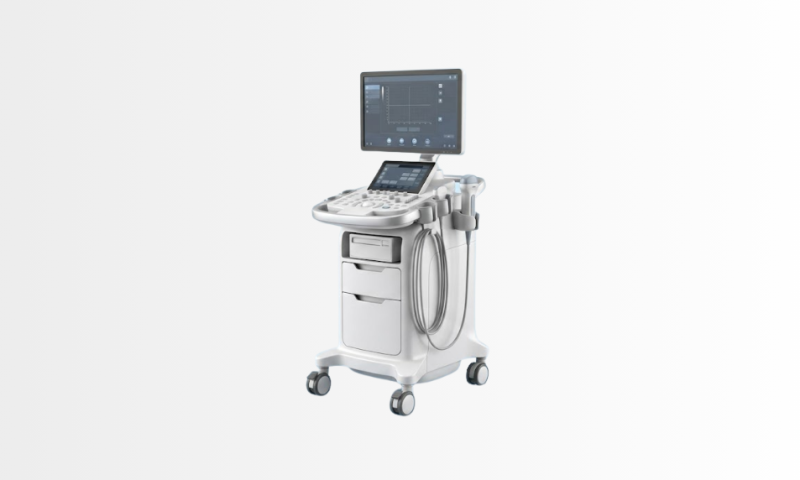
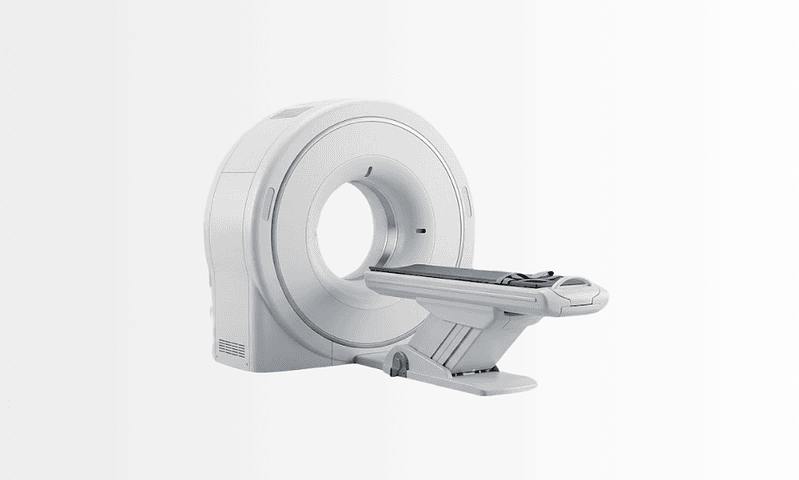
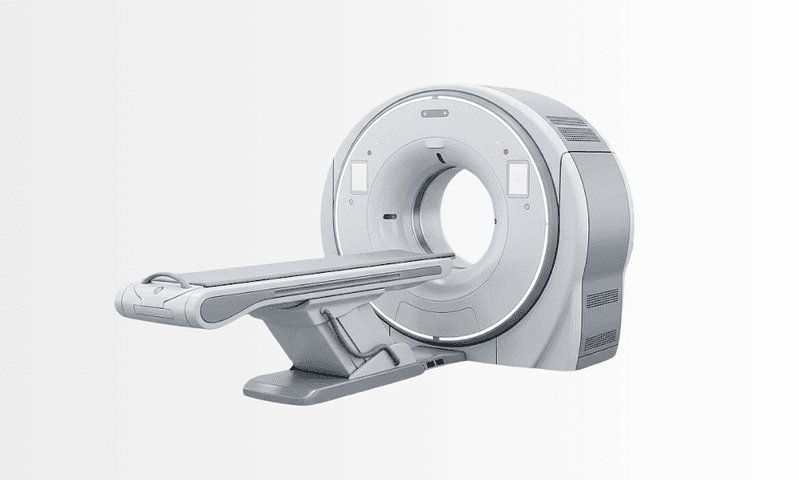
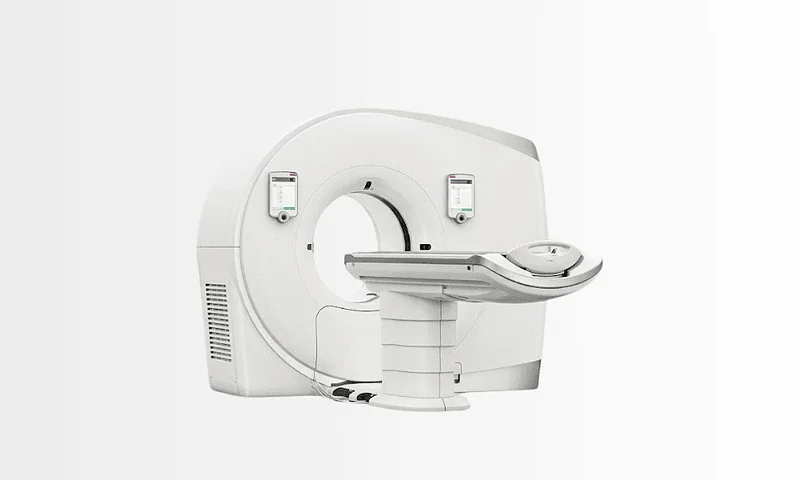
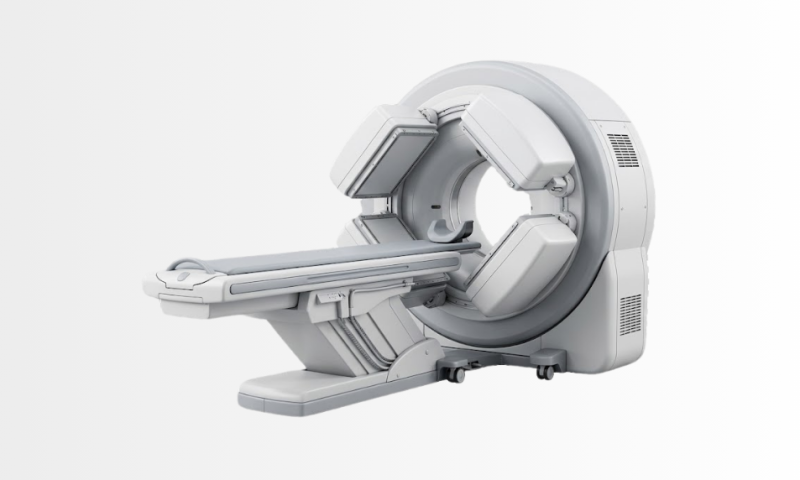
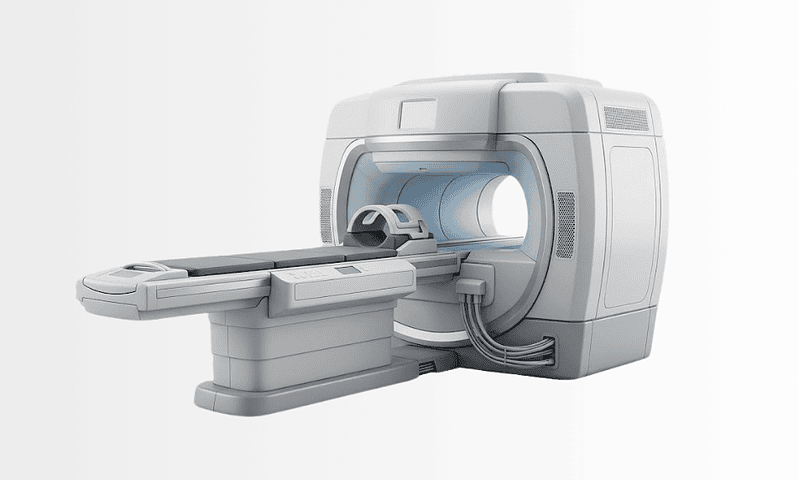
The installation matches the mission: modern imaging and diagnostics, six theatres, cardiovascular and neonatal intensive care, radiotherapy on site, and the paediatric transplantation floors. The group’s standing rule applies here as everywhere: when a plan genuinely needs a machine this campus does not house, MR-Linac work at Maslak, Gamma Knife radiosurgery at Altunizade, the coordinators route you there and say why, with your file travelling ahead of you. A hospital honest about its edges is exactly as trustworthy as one proud of its centre.
International patients at the southern campus
For international patients the campus works exactly as the flagships do: records first, reports and imaging reviewed before you travel, a written plan and cost estimate, interpreter support (English and Arabic routinely, other languages arranged), invitation letters where visas need them, and discharge notes written for the doctor continuing your care at home. Adana’s particular honesty is geographic: for patients from the eastern Mediterranean and the Gulf, this JCI campus is often the nearest audited Acıbadem floor, and for regional families weighing a move to Istanbul the right answer is often that the treatment they need is already here.
Getting here
The hospital serves Adana and the neighbouring cities of the region, with the full address, map link and phone in the identity card at the top of this page. Adana’s airport connects the city domestically and regionally, and for planned international visits the coordinators arrange transfers as standard. Next door, usefully, stands Acibadem Adana Ortopedia Hospital, the group’s dedicated orthopaedic campus, so the two buildings between them cover an unusually wide surgical range for one street.
How to decide whether Adana is your hospital
Choose Adana when the region is yours and the medicine is here: cancer care from diagnosis through chemotherapy and radiotherapy, a child’s haematology or oncology treatment up to bone-marrow transplantation, heart surgery, births backed by neonatal intensive care, or the whole of everyday specialist medicine, all under a JCI audit. Choose a flagship when your case needs an installation that genuinely lives only there, radiosurgery, an MR-Linac course, organ transplantation programmes, and expect the coordinators to say so unprompted. That routing honesty, both ways, is the group’s actual promise.
Frequently asked questions
Is Acibadem Adana Hospital JCI-accredited?
Yes, since 2010, one of five Acıbadem hospitals in Türkiye holding JCI accreditation, alongside Maslak, Altunizade, Atakent and Kent.
What is the hospital best known for?
Cancer care, adult medical and radiation oncology plus a paediatric bone-marrow transplantation centre with paediatric oncology and haematology units, alongside cardiovascular surgery and full emergency care.
Can children receive bone-marrow transplants here?
Yes: the campus houses a dedicated paediatric bone-marrow transplantation centre, one of the group’s rarest installations, with paediatric haematology and oncology units beside it.
How big is the hospital?
22,000 m² with 105 beds, 6 operating theatres and 28 intensive-care beds, including cardiovascular-surgery and neonatal intensive care units.
When did the hospital open?
It entered service in 2009 and gained JCI accreditation the following year.
Is there a 24-hour emergency service?
Yes, around the clock at group standard, with theatres and intensive care in the same building.
Can cancer be treated entirely at this campus?
The common pathway, diagnosis, surgery, chemotherapy, radiotherapy, runs on site, planned by tumour board; the rare case needing a flagship-only machine is routed to Istanbul and told why.
Is radiotherapy available in Adana?
Yes, radiation oncology operates on this campus, so treatment courses do not require relocating to Istanbul.
Does the hospital perform heart surgery?
Yes, cardiovascular surgery with its own intensive care unit, with cardiology handling the diagnostic and interventional work upstream.
Is there a neonatal intensive care unit?
Yes: the NICU backs the hospital’s births and children’s services alongside the paediatric specialty floors.
Which regions does the hospital serve?
Adana and the neighbouring cities of southern Türkiye, and internationally, patients for whom this is the nearest JCI-accredited Acıbadem campus.
Do international patients use this hospital?
Yes, with the group’s records-first process: remote review, a written plan and estimate, interpreter support, and discharge notes written for your home doctor.
Which languages are supported?
English and Arabic routinely, with other languages arranged through the international office.
How does the records-first process work?
Reports and imaging are reviewed before you travel, a written plan and cost estimate follow, and scheduling is coordinated so the visit is as short as the medicine allows.
Does the hospital accept SGK or private insurance?
Both, in defined scopes: SGK in branches including emergency care, cardiology, bone-marrow transplantation, cardiovascular surgery and oncology, and private insurers broadly; confirm your coverage in writing before planned care.
What is a tumour board and is it used here?
A panel of specialists from surgery, oncology, radiology and pathology planning each cancer case together: the group’s standard method, used on this campus.
Can I get a second opinion from Adana?
Yes, including written, records-based opinions without travelling; where a question belongs to a flagship subspecialist, the coordinators place it there and say so.
What happens if my case needs a machine Adana does not have?
You are routed within the group, MR-Linac at Maslak, Gamma Knife at Altunizade, with transport coordinated, your file travelling ahead, and the reason stated.
Is there an orthopaedic hospital nearby?
Directly next door: Acibadem Adana Ortopedia Hospital, the group’s dedicated orthopaedic campus for hip, spine, knee, hand and shoulder surgery.
Can adults receive haematology care here?
Yes, adult haematology runs alongside the paediatric floors, with the haematology unit guide explaining which conditions are treated where.
Do you repeat tests I already had?
Only for a stated reason, existing imaging and laboratory work are integrated wherever usable, as everywhere in the group.
Can my companion stay with me?
Rooms accommodate companions, and intensive care has its own explained visiting protocol.
How do I get to the hospital from abroad?
Via Adana’s airport, with transfers arranged by the international office for planned visits; the identity card at the top of this page carries the address and map link.
Are births attended at this hospital?
Yes, with a neonatal intensive care unit in the same building, which is the fact that matters when a birth stops being routine.
Is paediatric cancer care really available outside Istanbul?
Yes: that is this campus’s defining installation: paediatric oncology, paediatric haematology and bone-marrow transplantation, on site, under a JCI audit.
How fast is scheduling for planned care?
Coordinator-managed and quick; the honest variable is whether your records arrive before you do.
Will my doctor at home receive a handover?
Always, discharge notes and treatment summaries are written for the clinician continuing your care, with imaging and laboratory data included.
What should I bring to a planned visit?
Reports and scans in any language, a complete medication list including supplements, and your written questions: the group’s records-first rule.
Does the emergency department treat visitors and tourists?
Yes, emergencies are walk-in by definition, with insurer paperwork handled after stabilisation and records written so care can continue anywhere.
Why choose Adana over travelling to Istanbul?
Because for most of the region’s medicine, audited cancer care, paediatric transplantation, heart surgery, births, emergencies: the group standard is already here, and the coordinators will honestly tell you the rare cases where it is not.
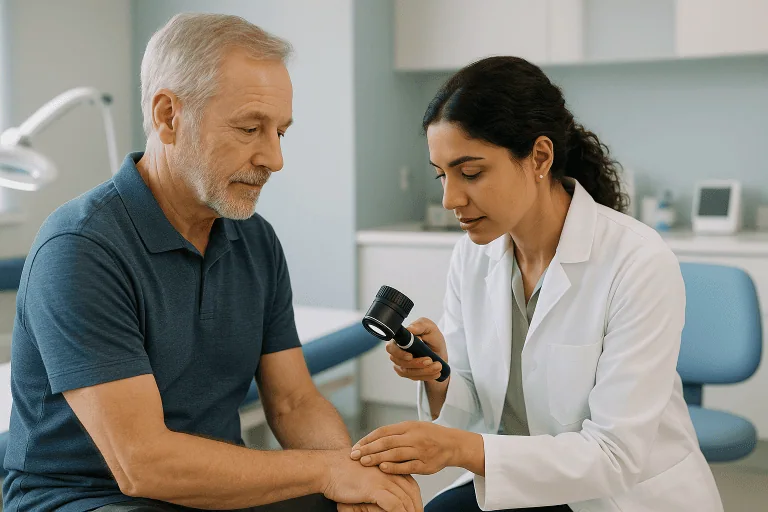
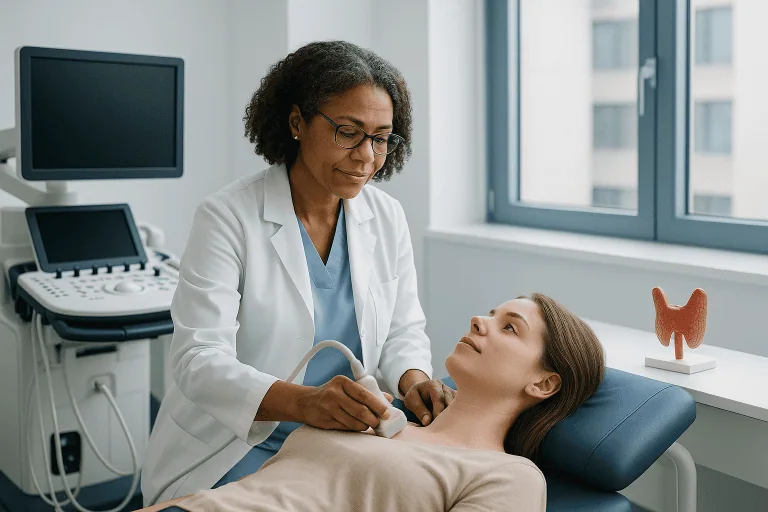
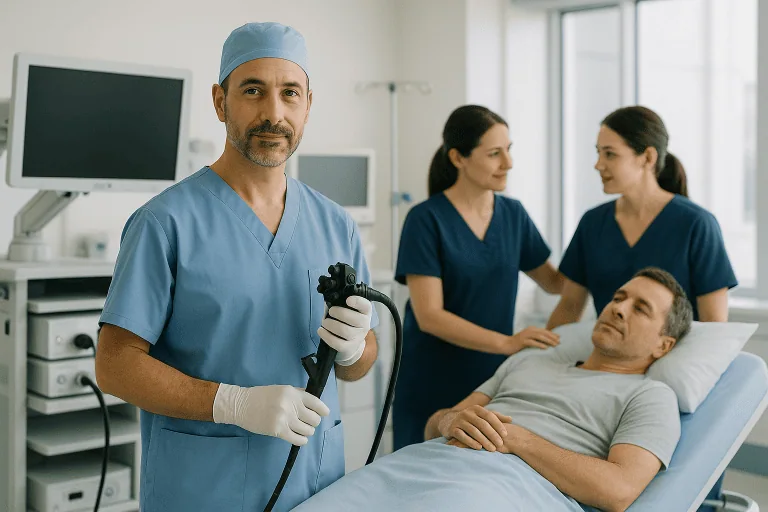
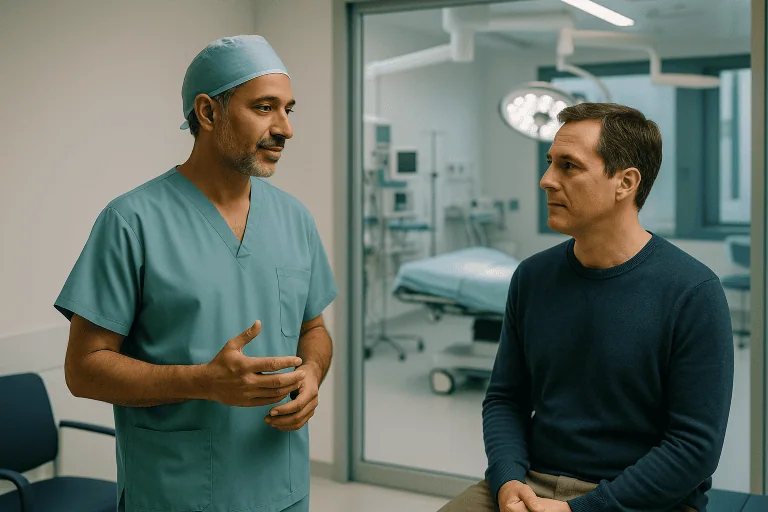
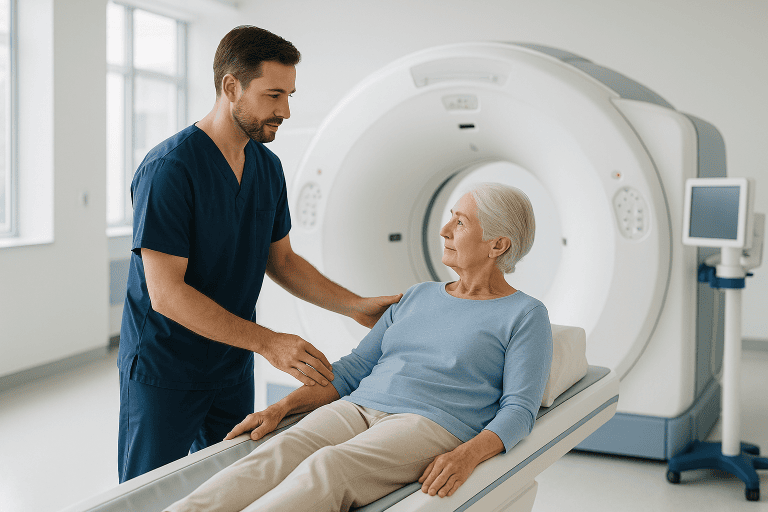
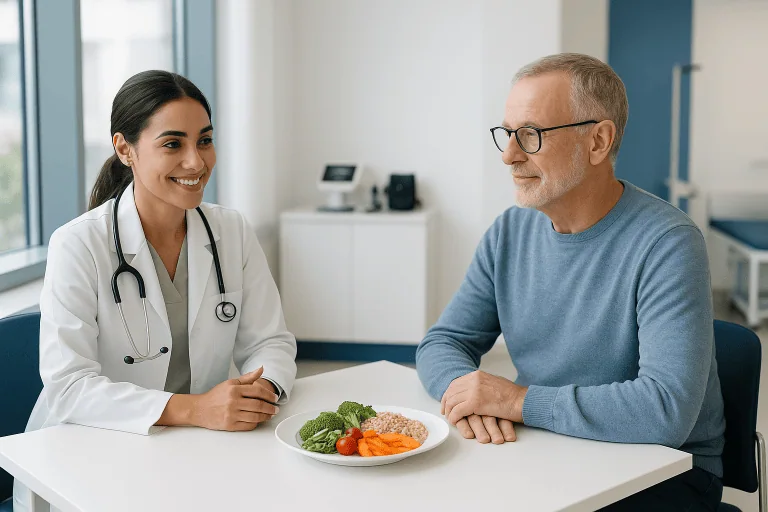
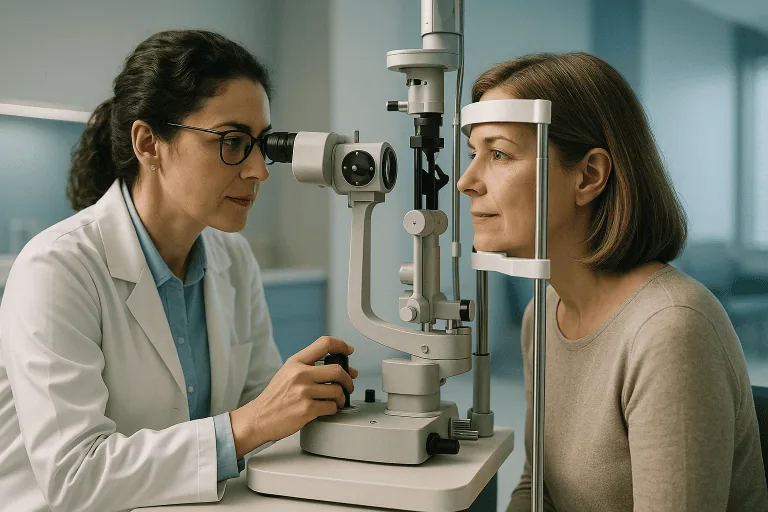
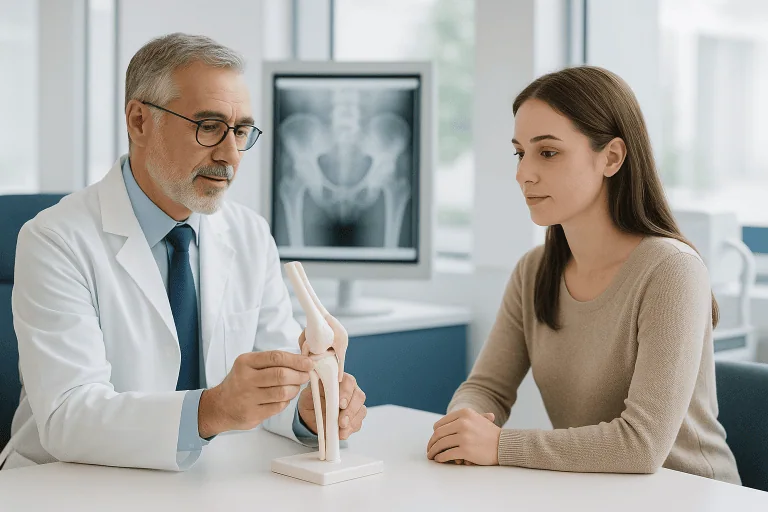
Medical Units at This Hospital
Every department that sees patients here, each one opens its own page with the team, technologies and treatments.







Doctors at This Hospital, Field by Field
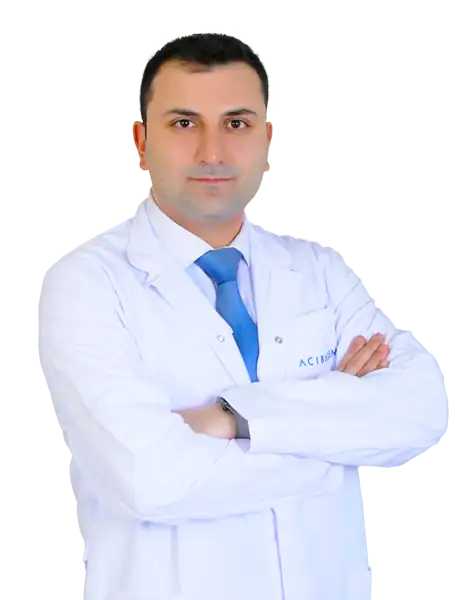
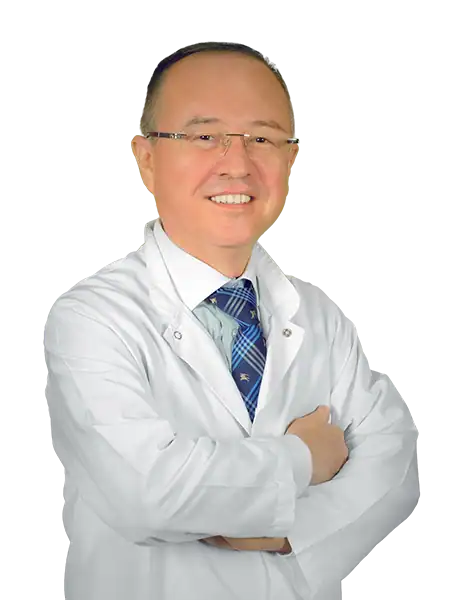
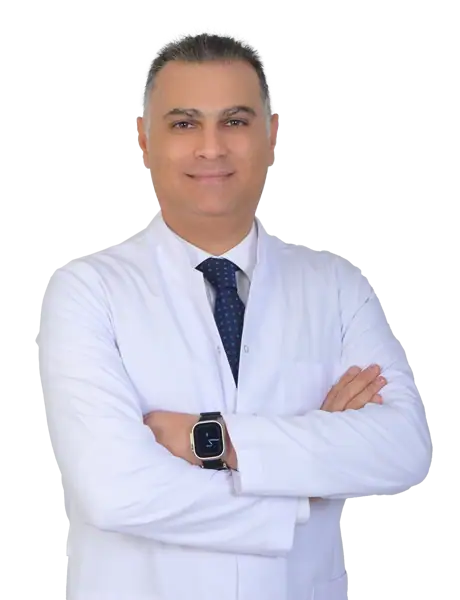
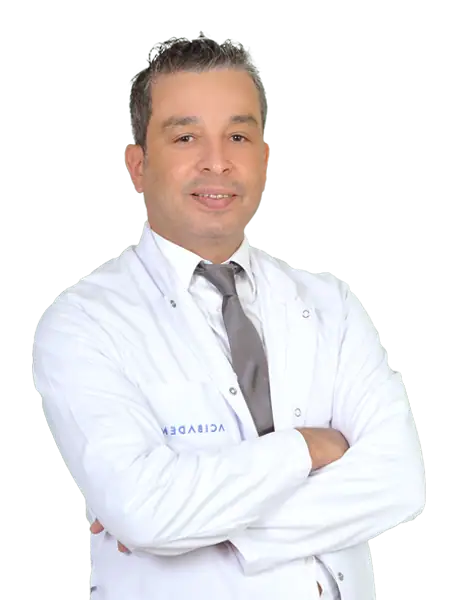
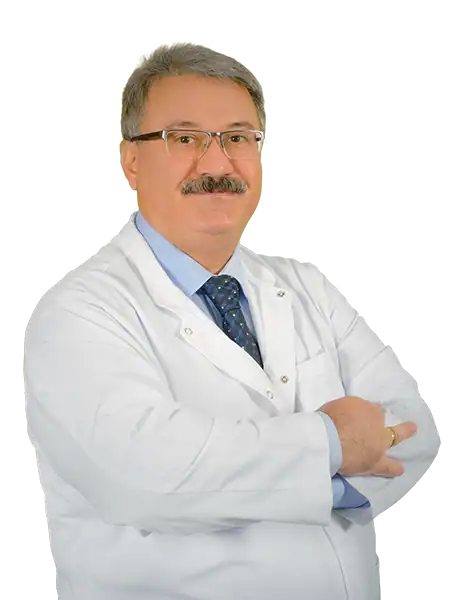
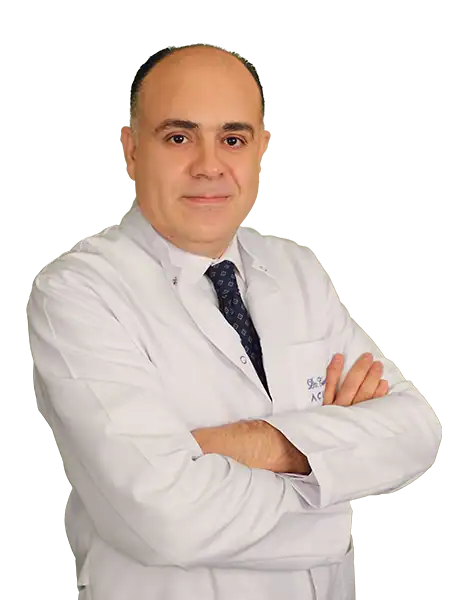
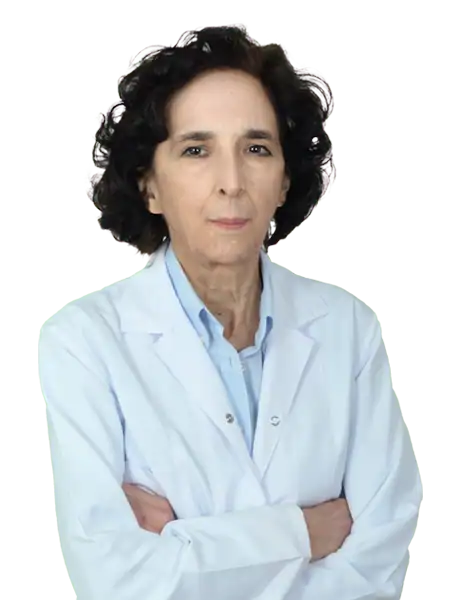
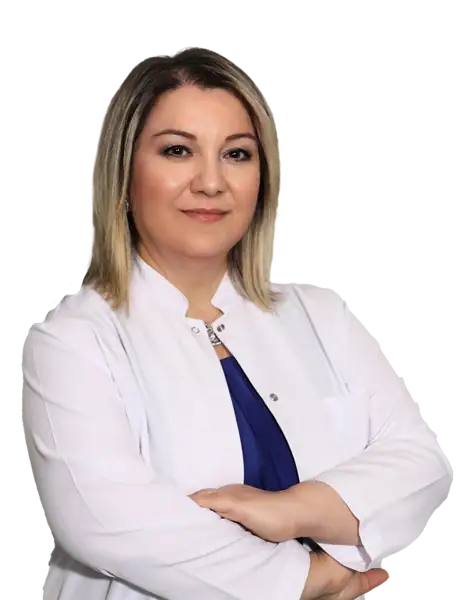
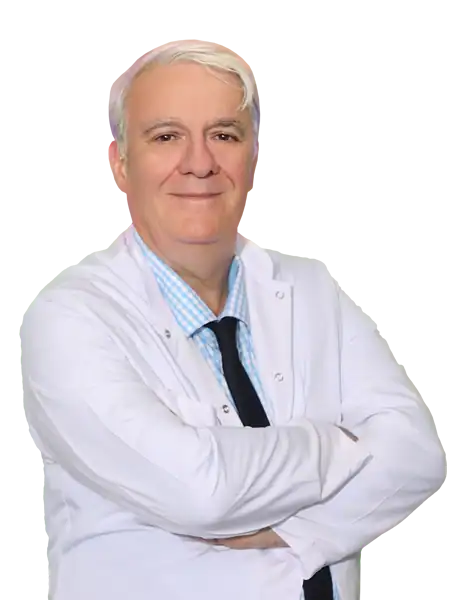
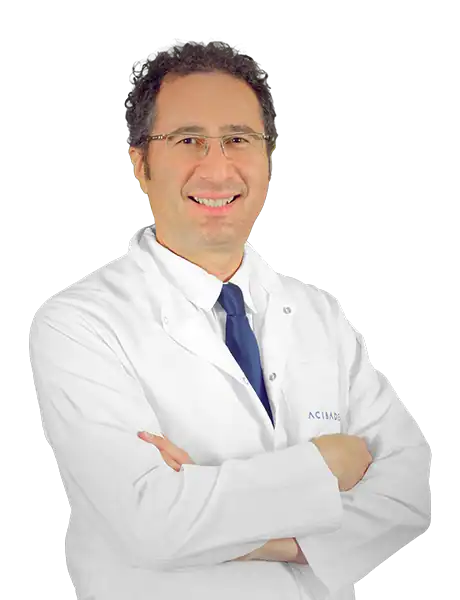
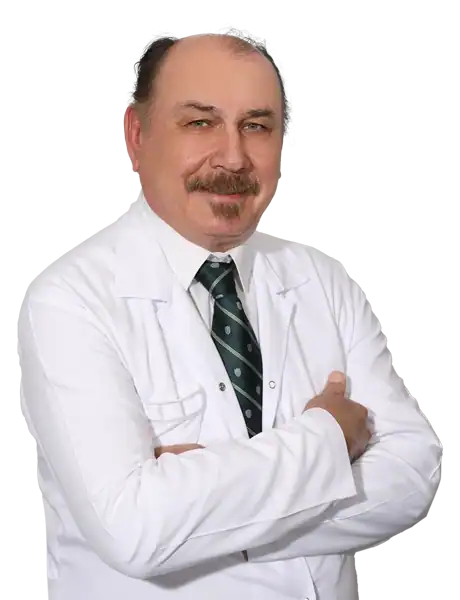
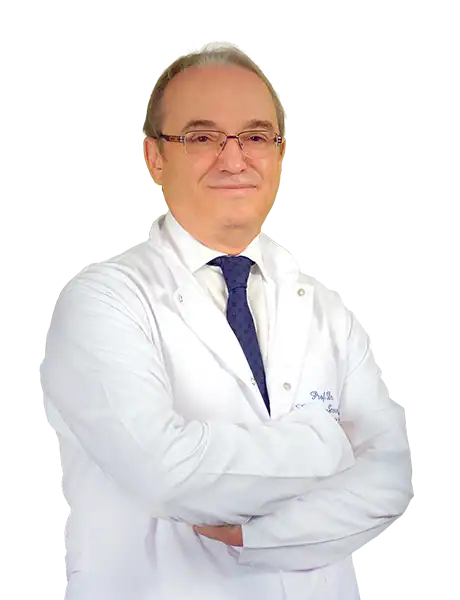
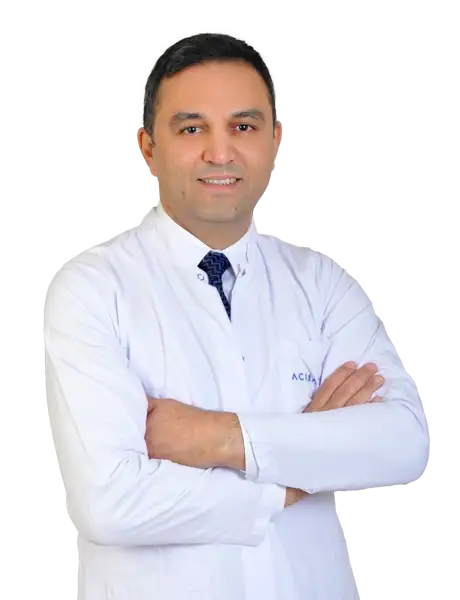
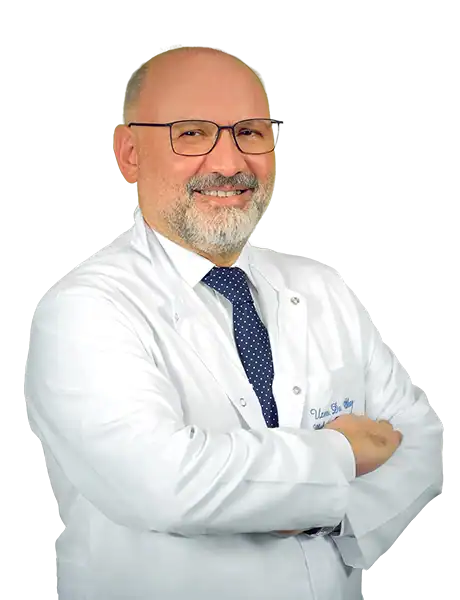
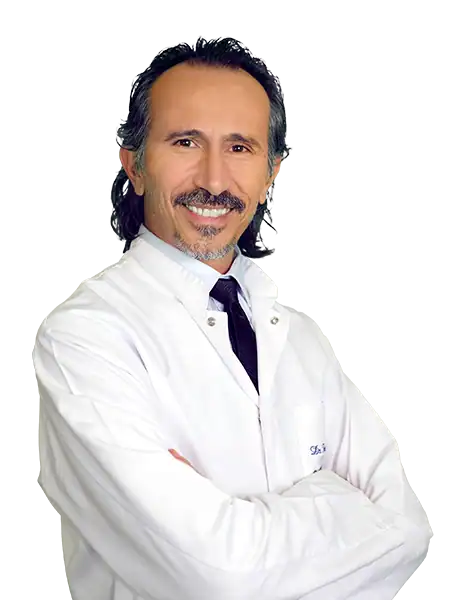
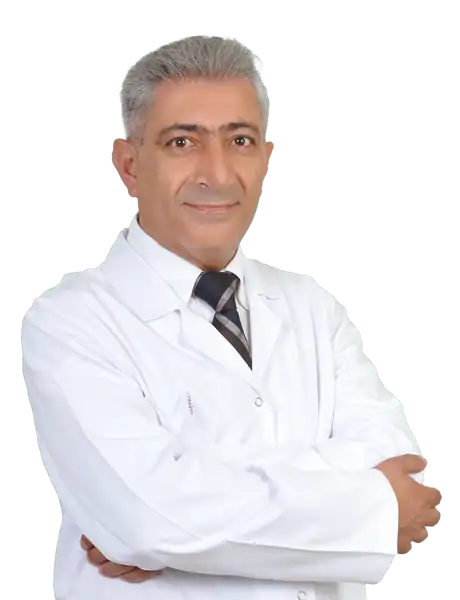
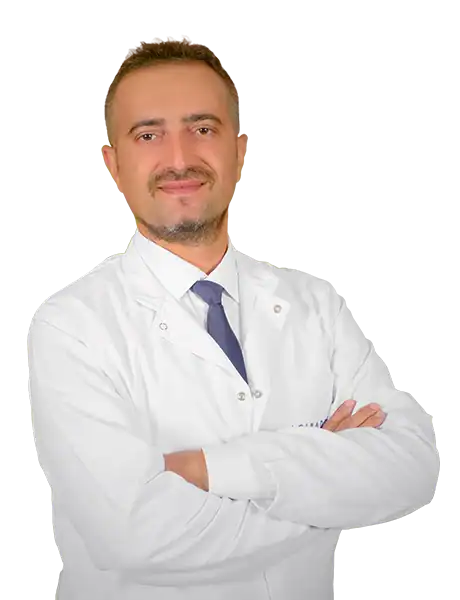
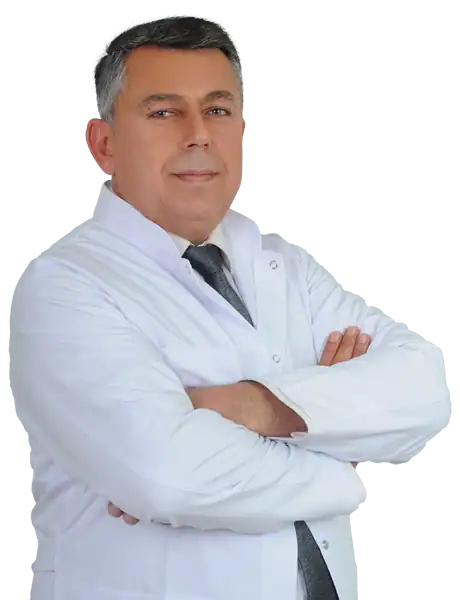
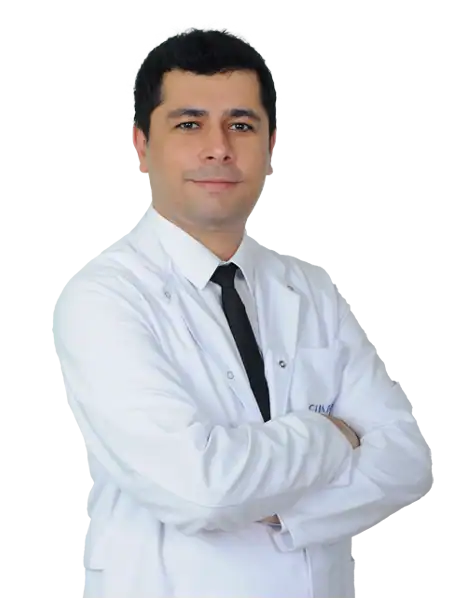
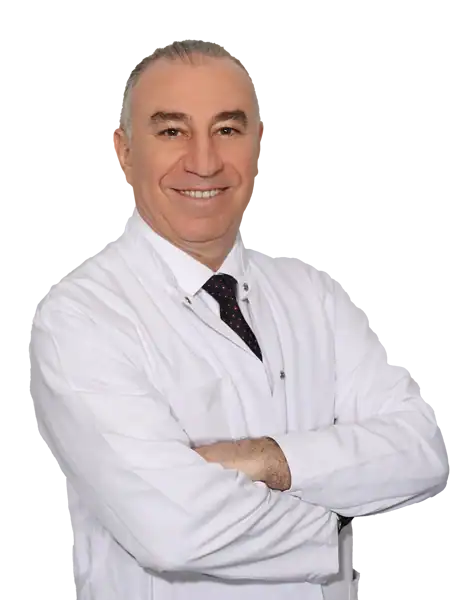
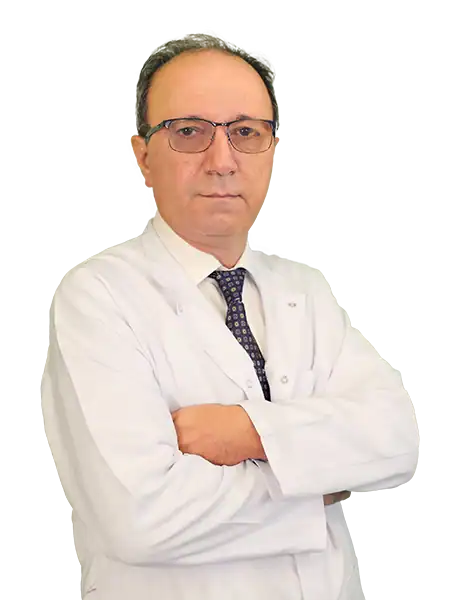
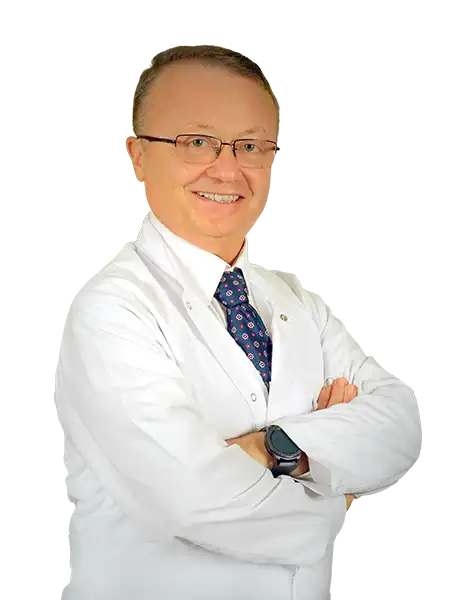
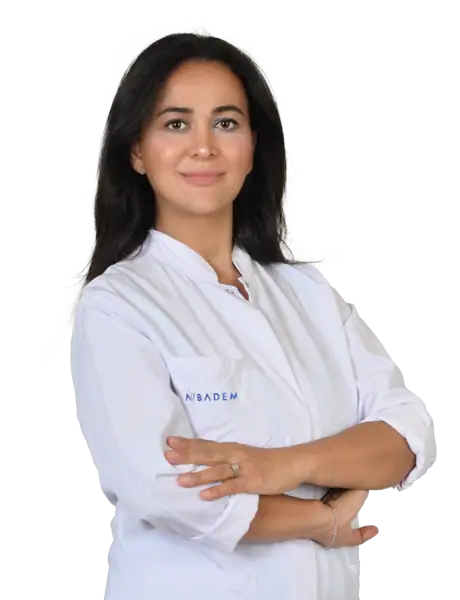
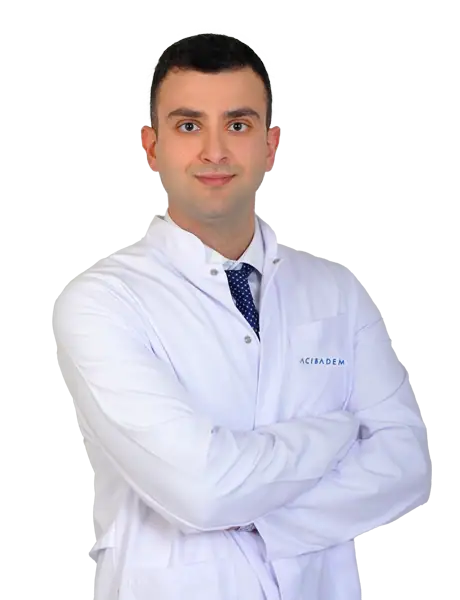
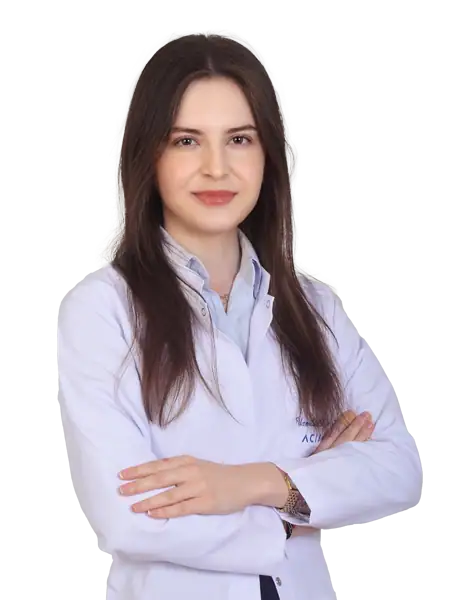
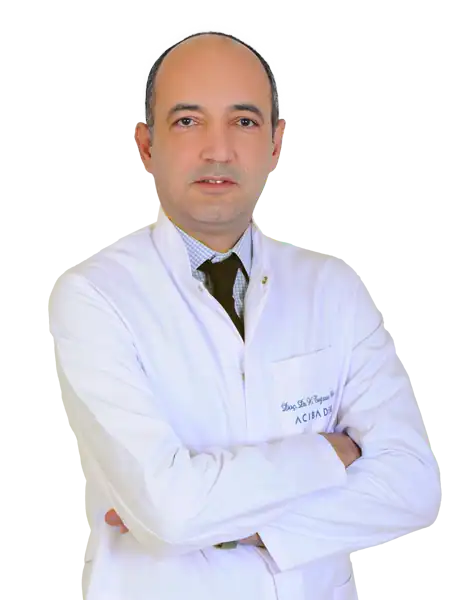
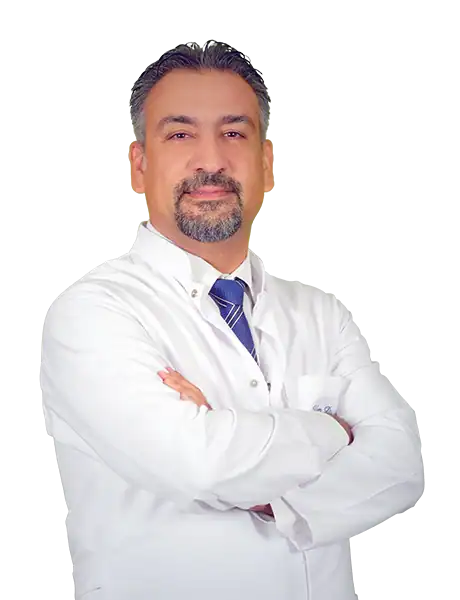
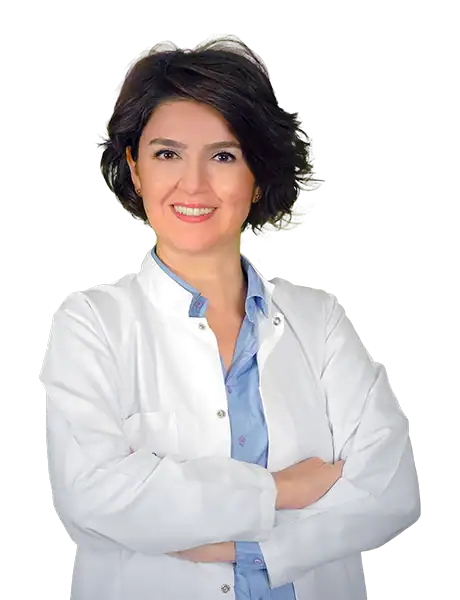
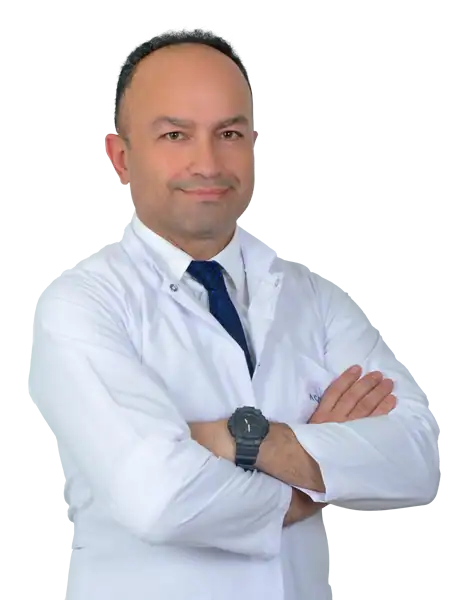
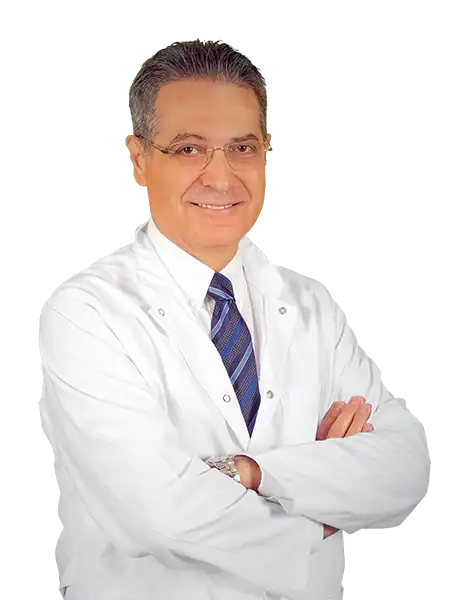
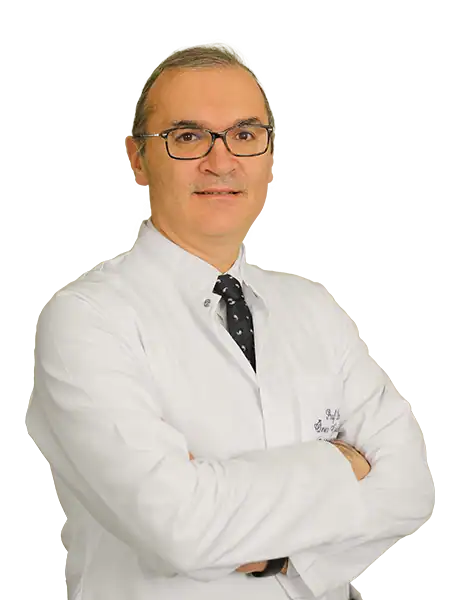
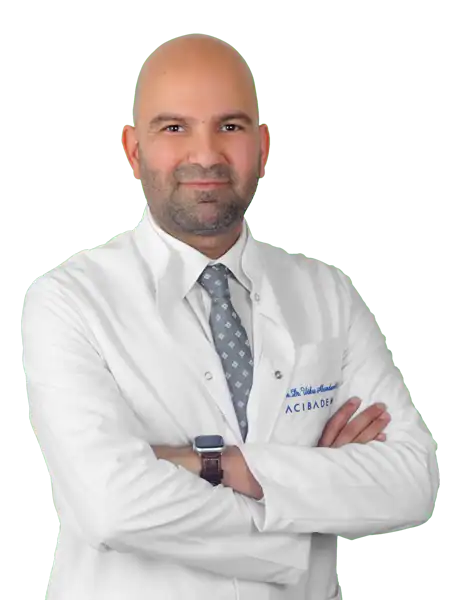
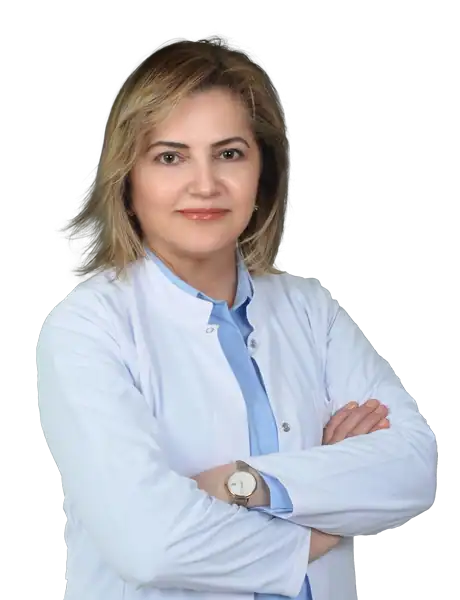
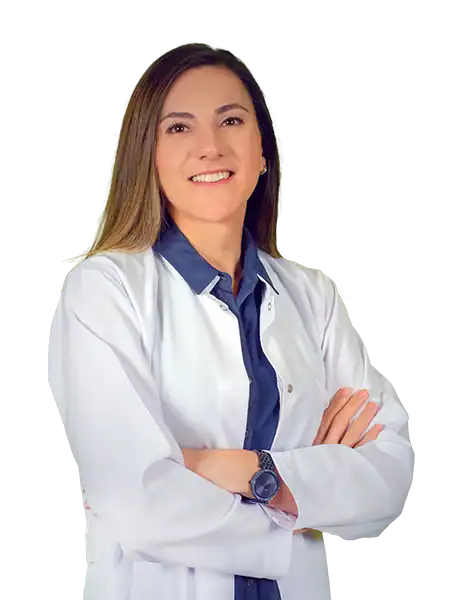
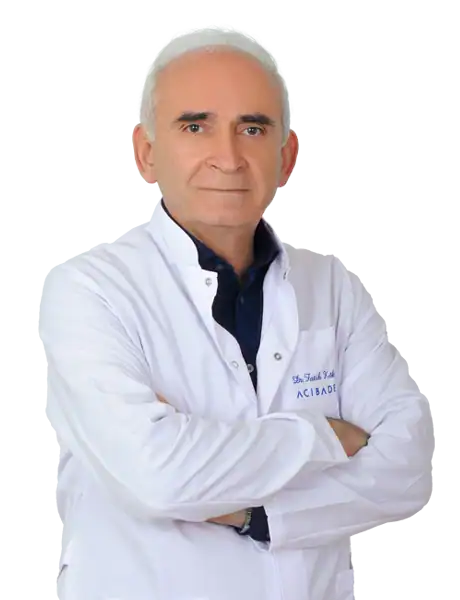
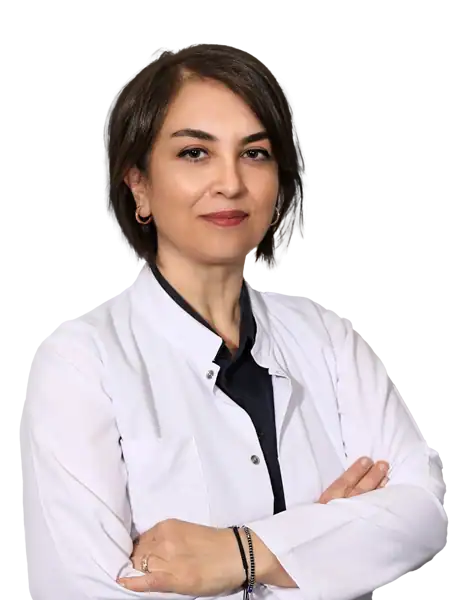
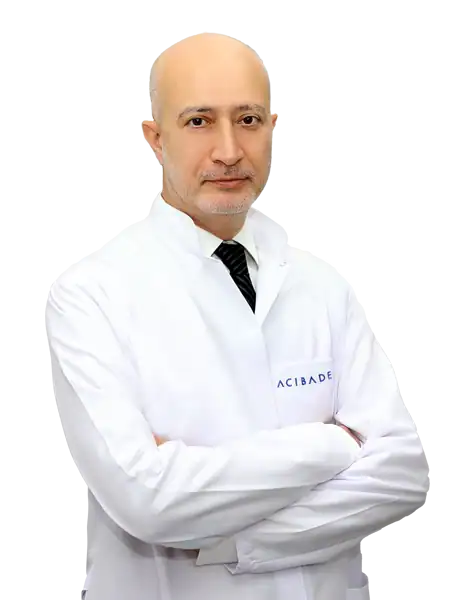
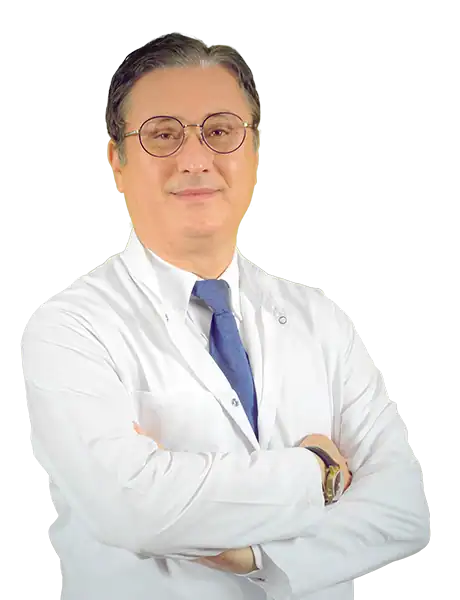
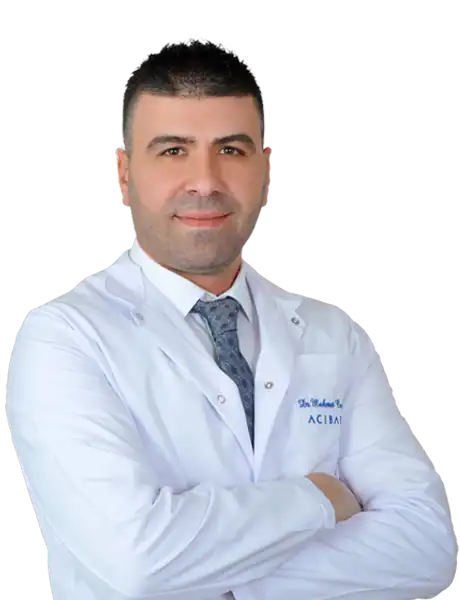
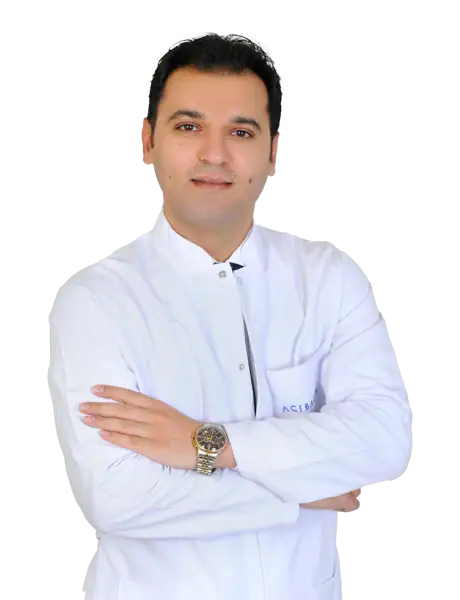
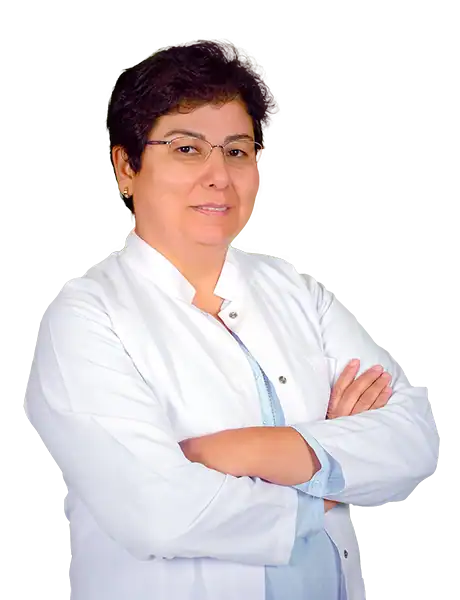
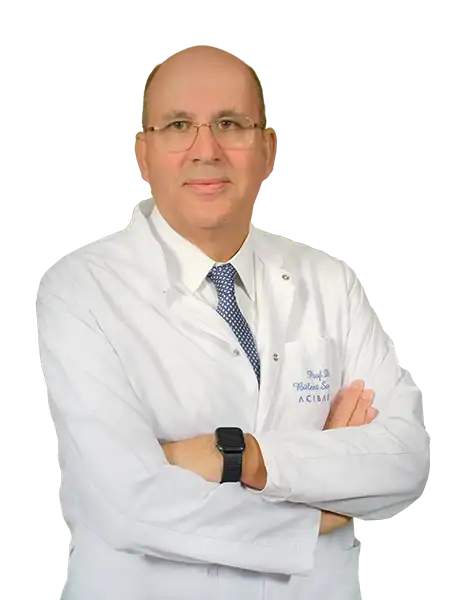
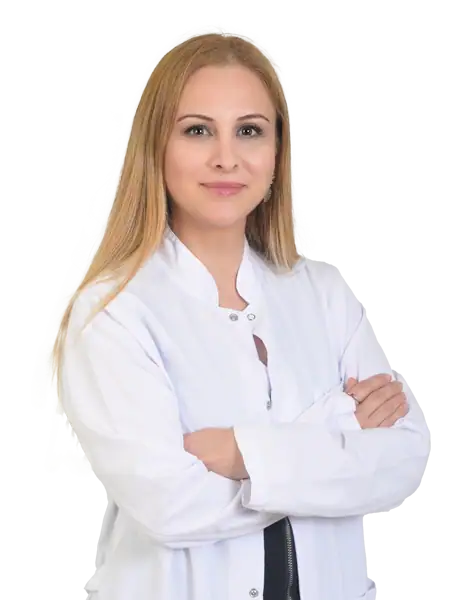
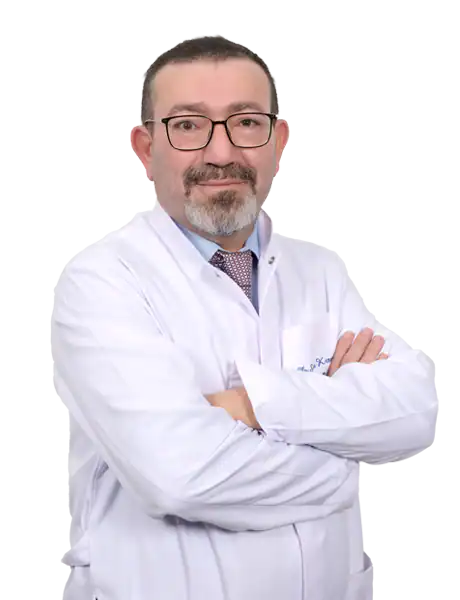
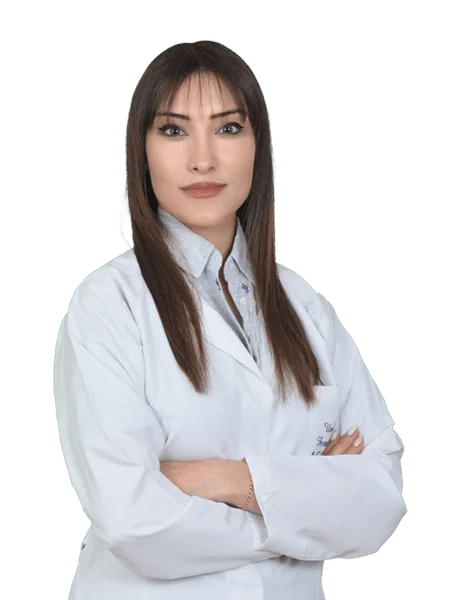
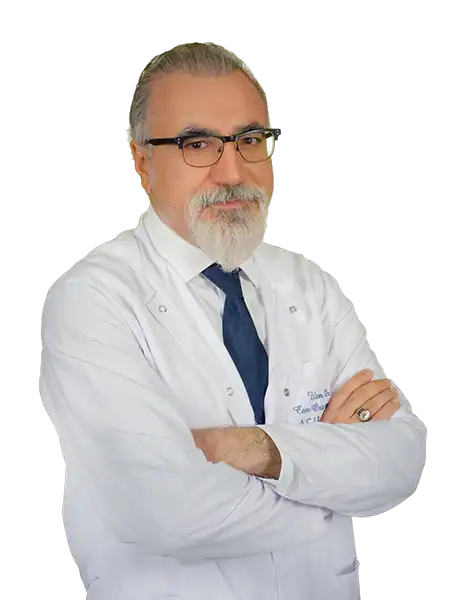
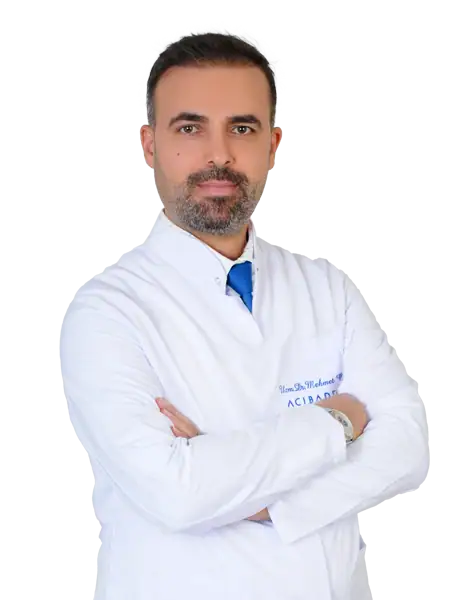
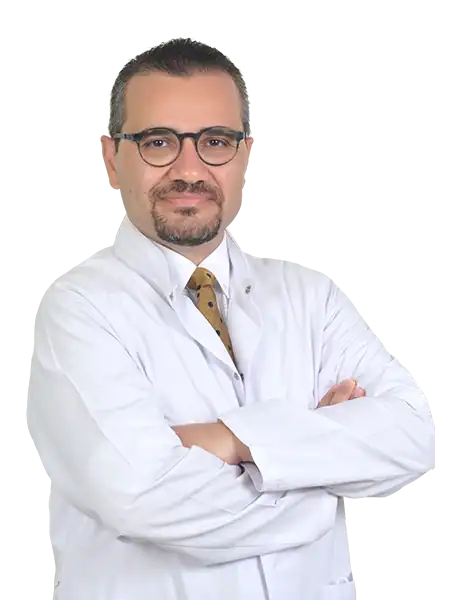
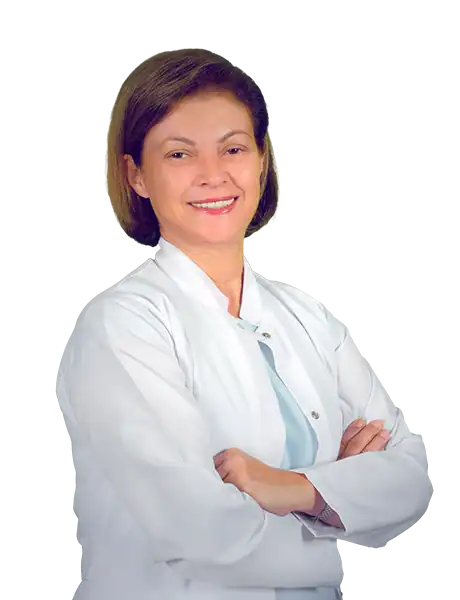
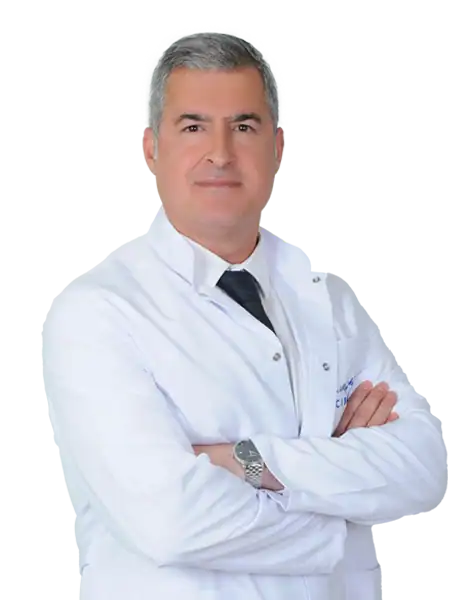
Choose a field to see every specialist who practises here in that department. All 103 doctors are listed.







































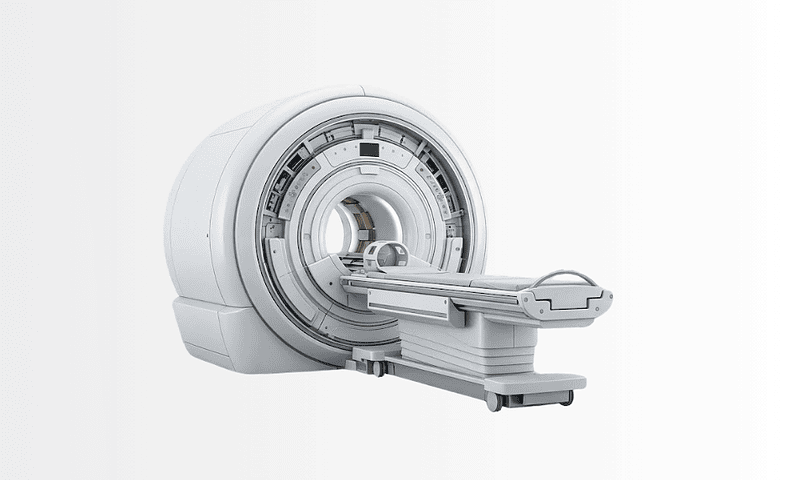
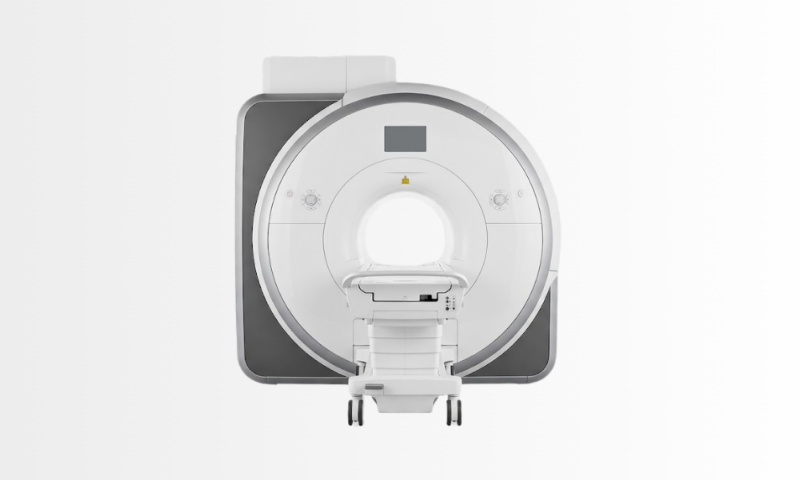
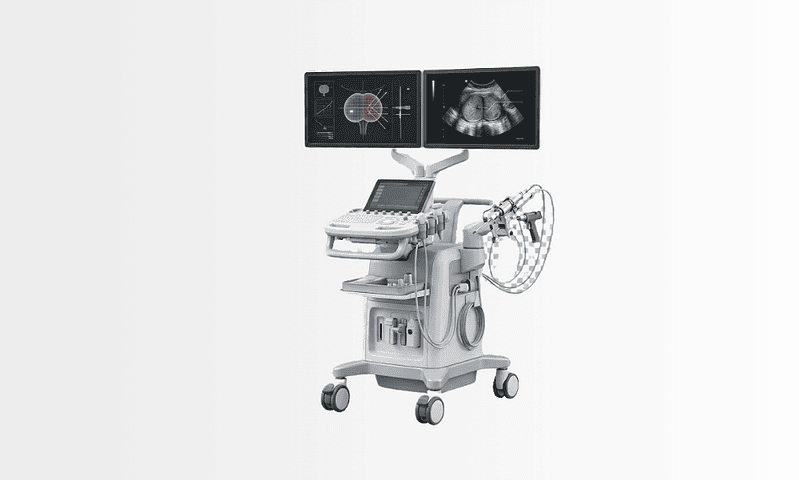
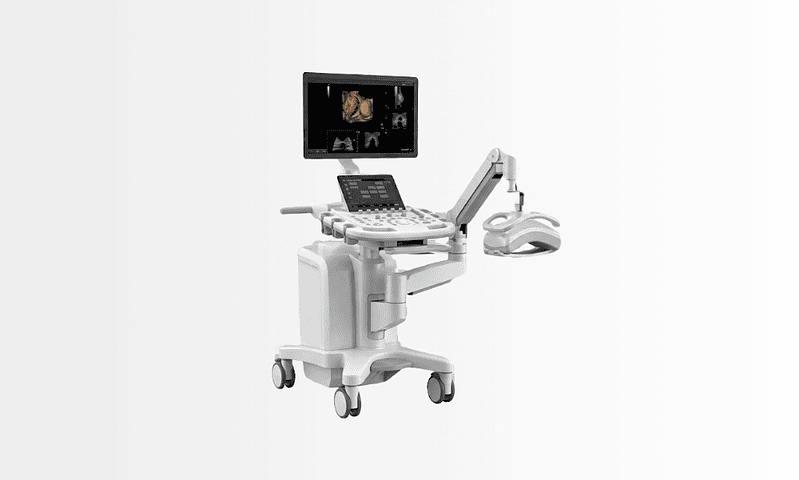
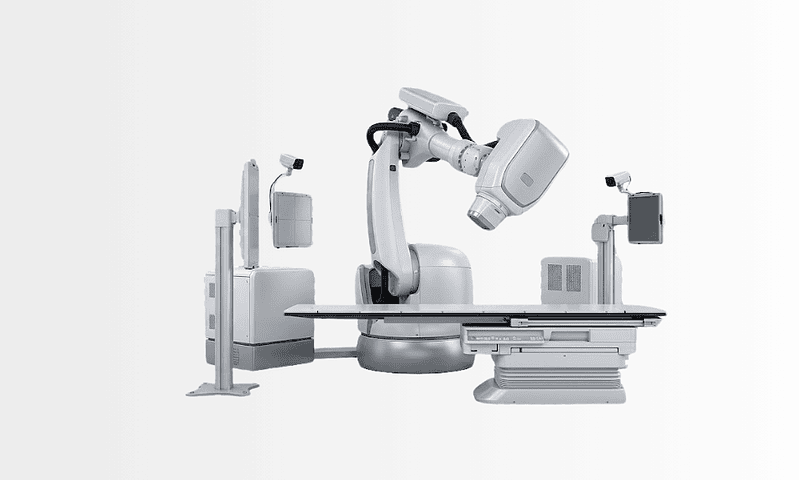
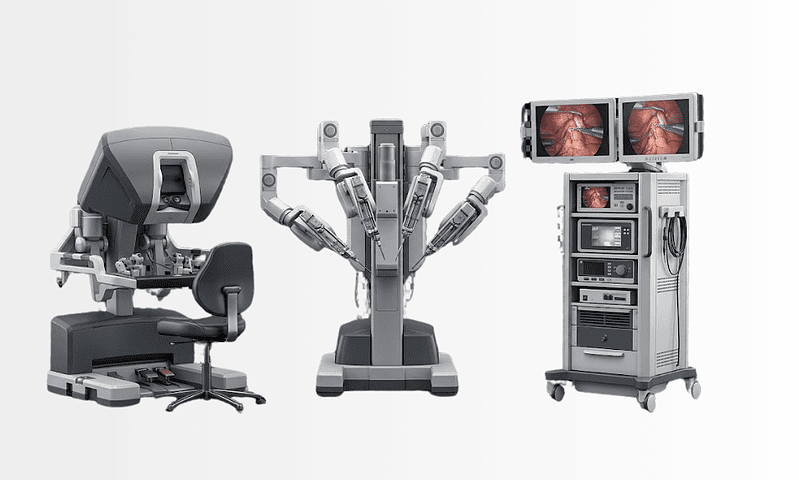
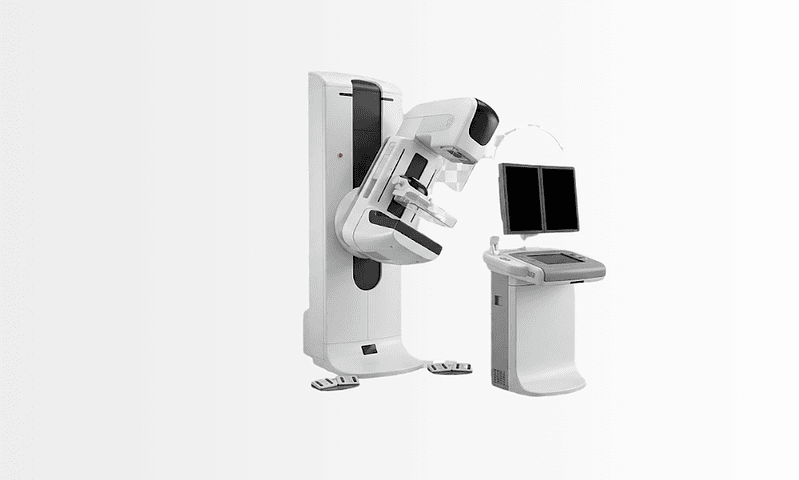
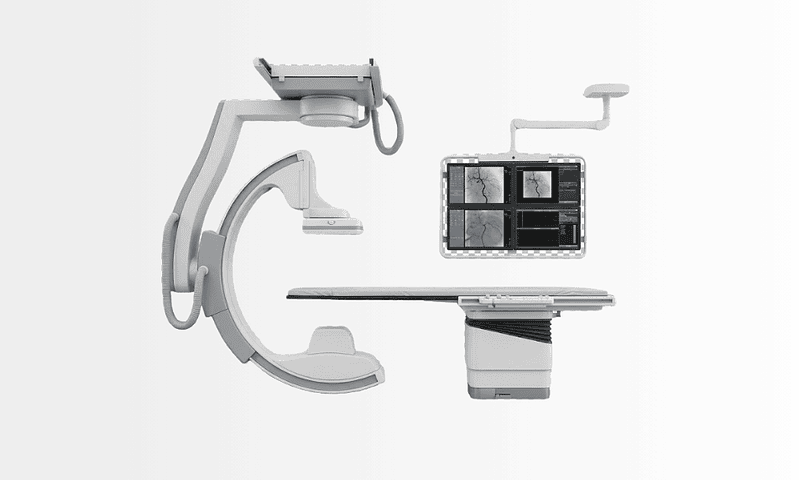
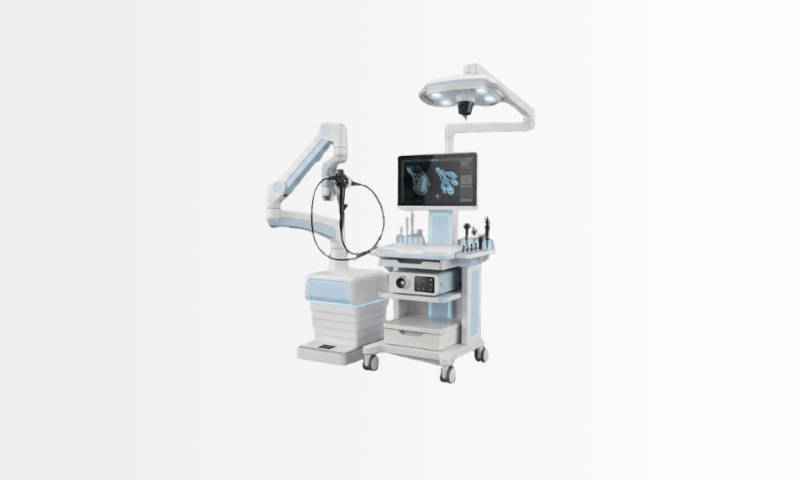
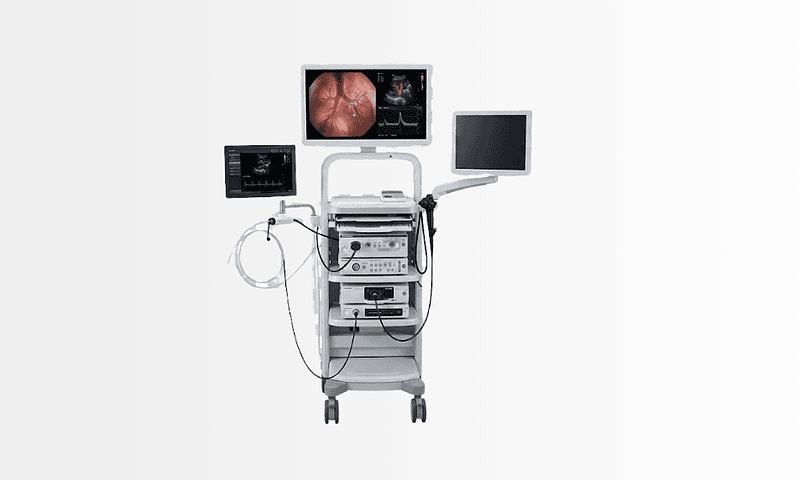
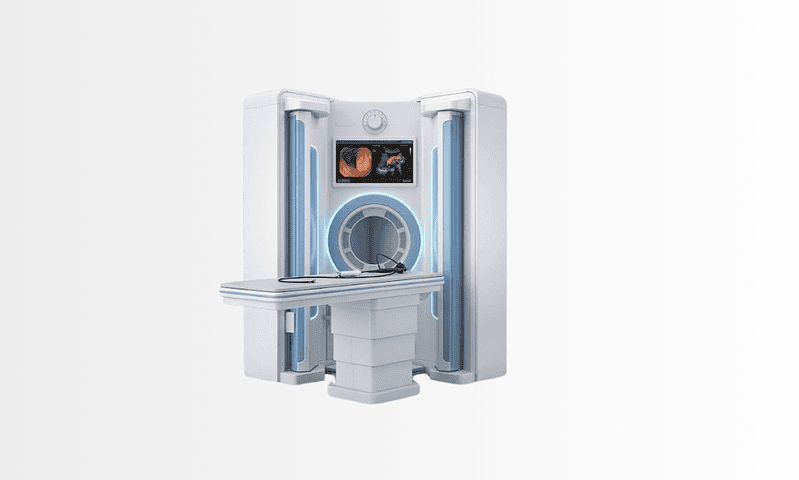
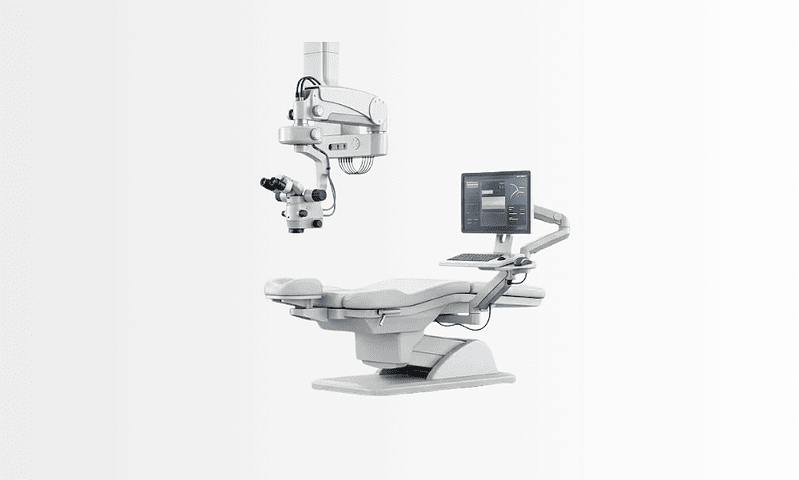
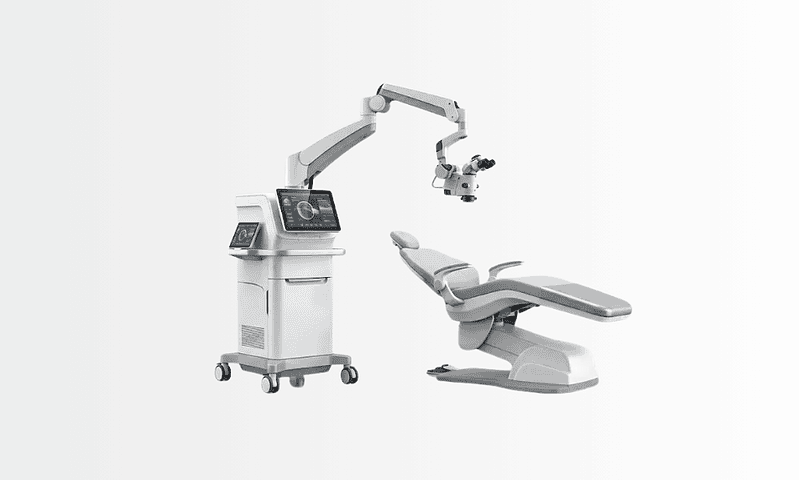
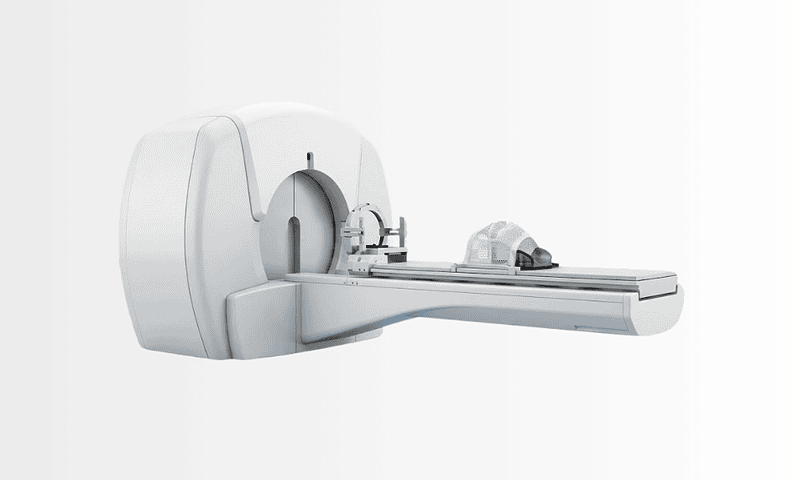
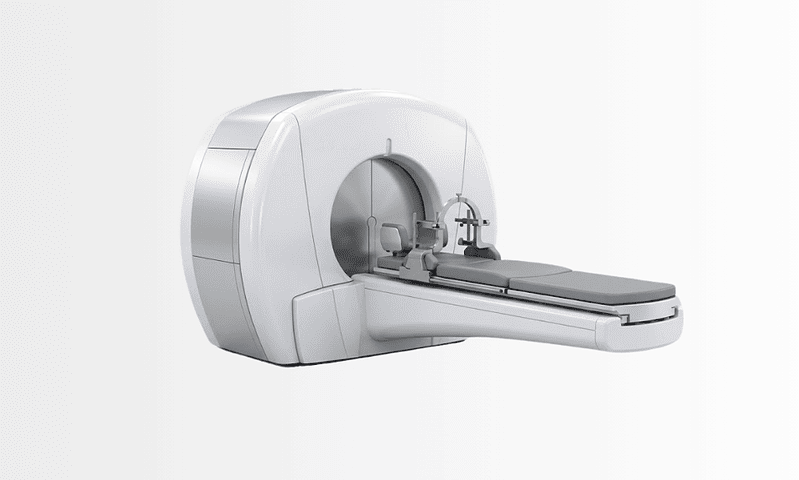
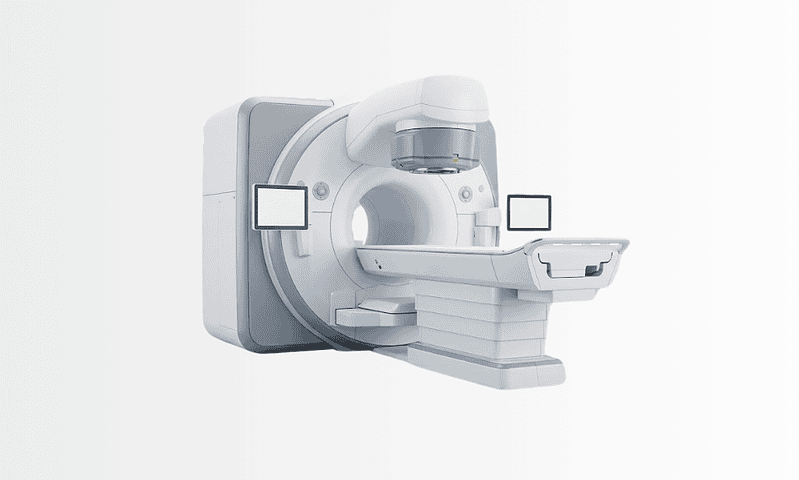
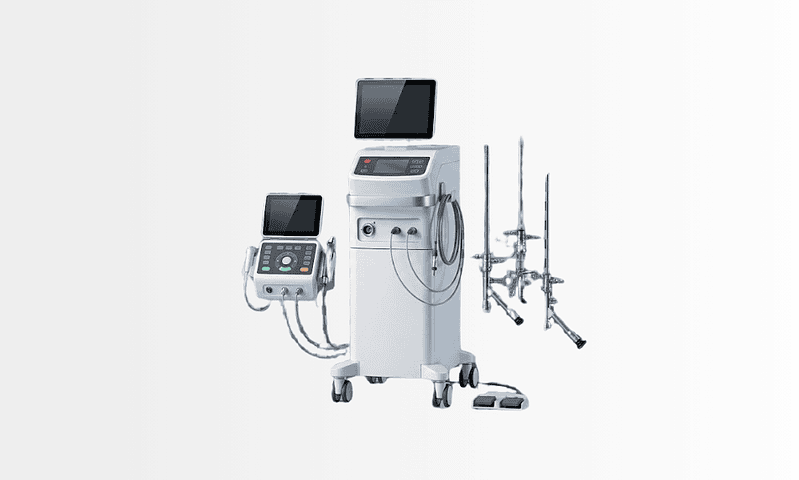
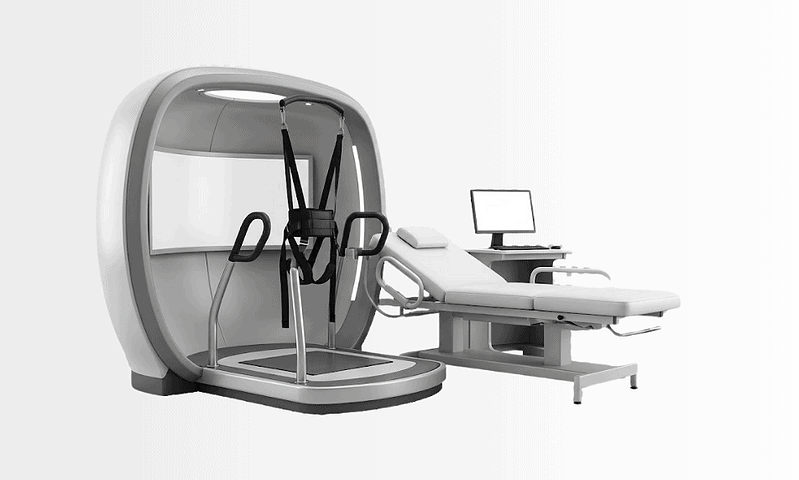
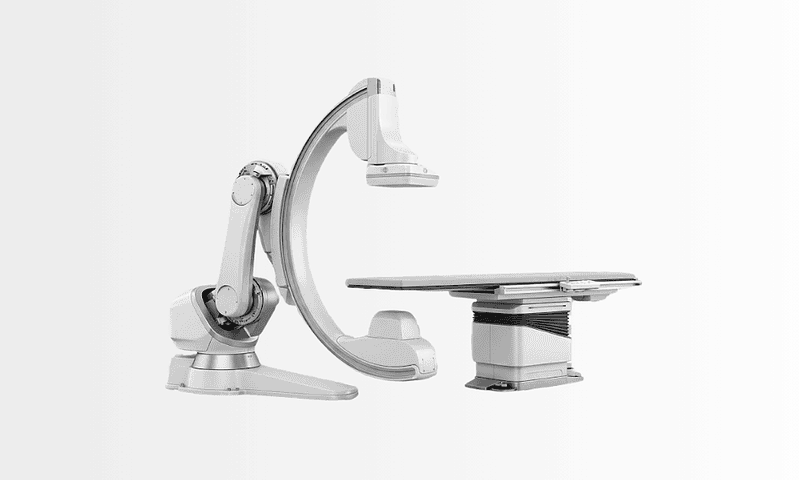
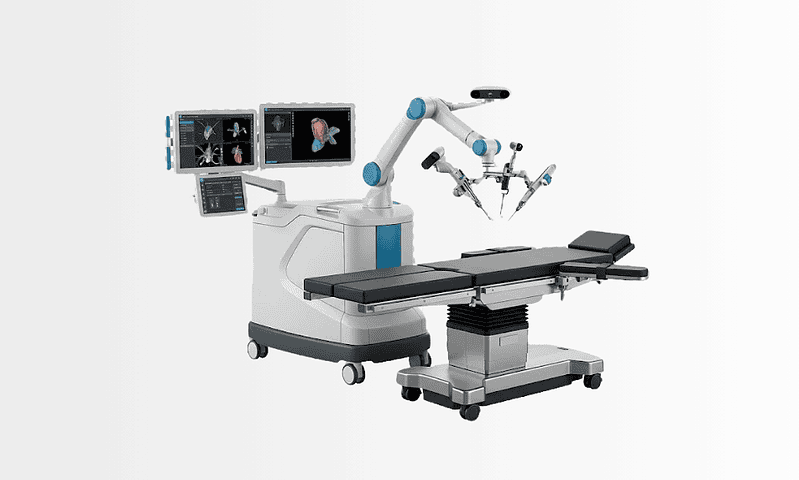
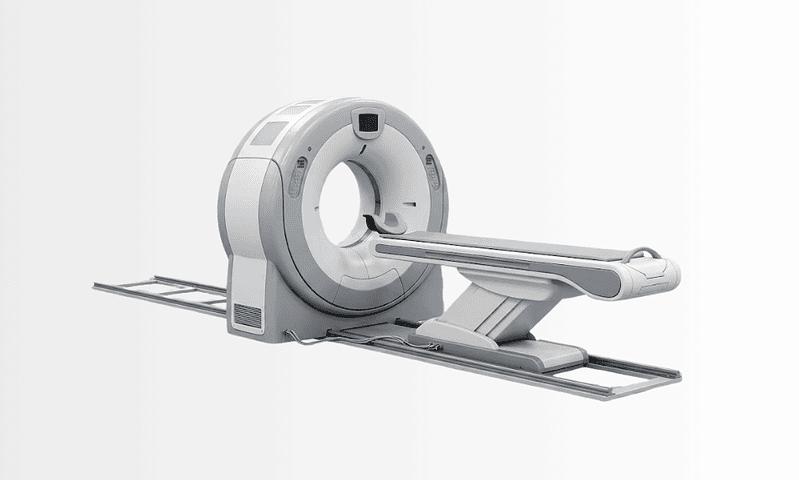
Medical Technologies at This Hospital
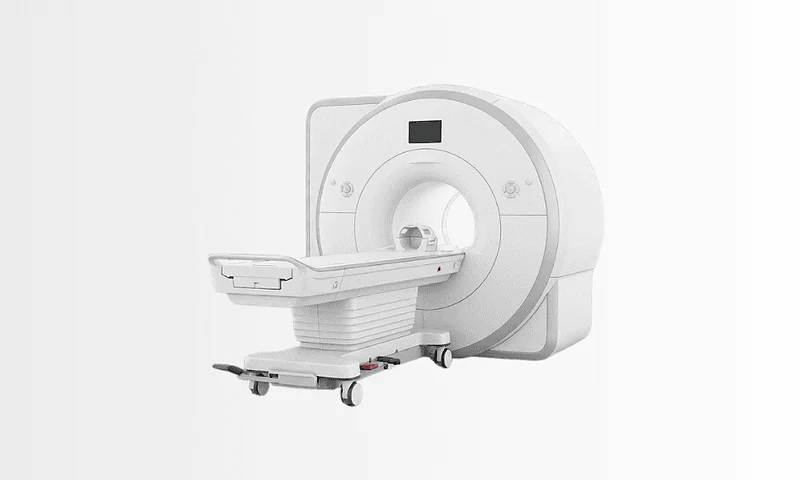
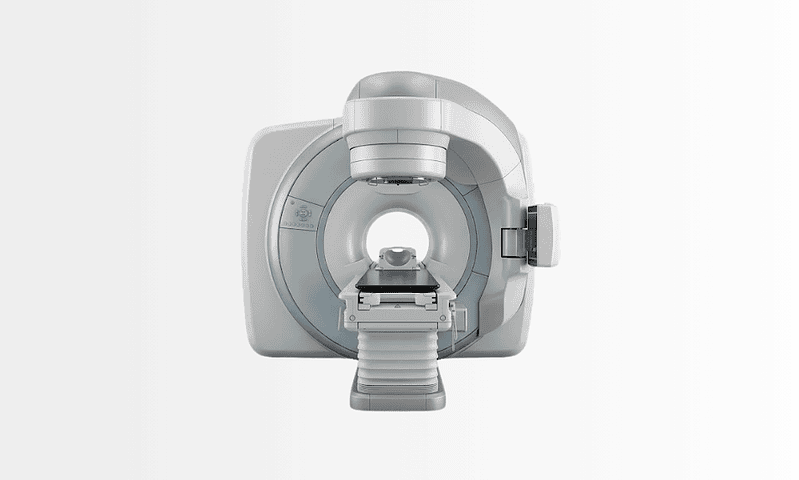
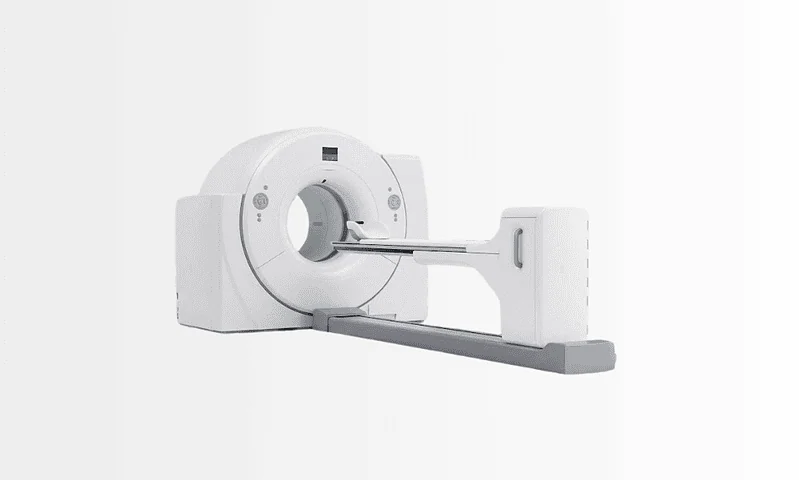
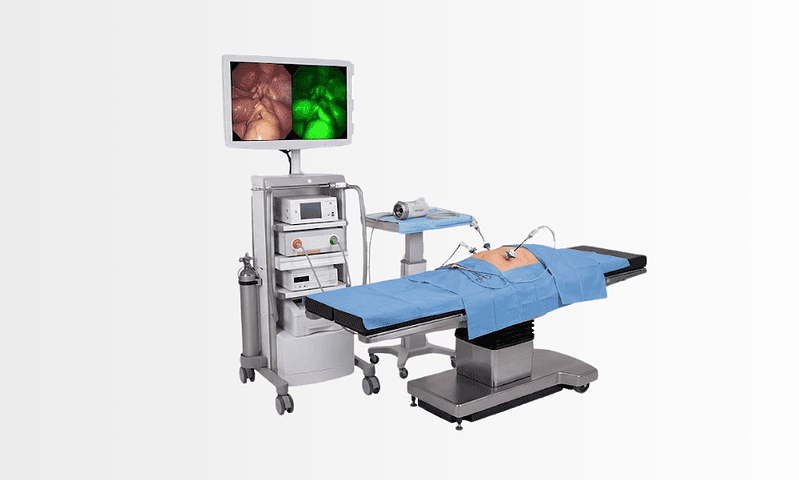
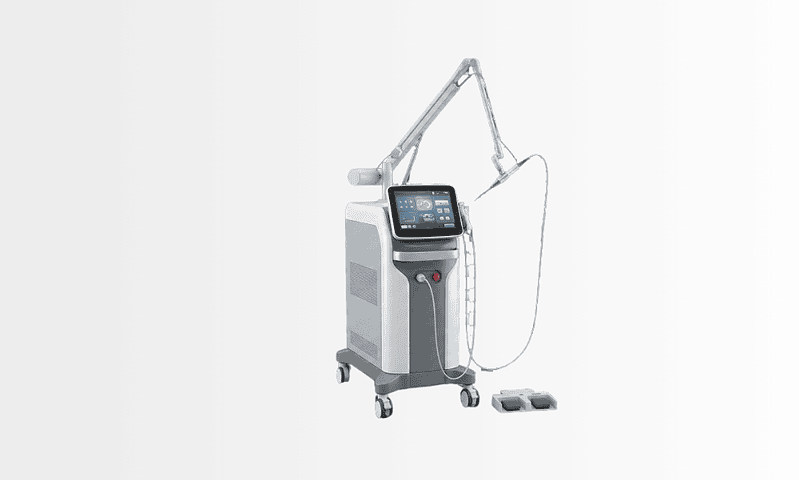
The imaging, radiotherapy, surgical and rehabilitation platforms installed here.
Send your reports: a physician-reviewed plan comes back before you travel.
Free · No obligation · Reply within 24 hours