

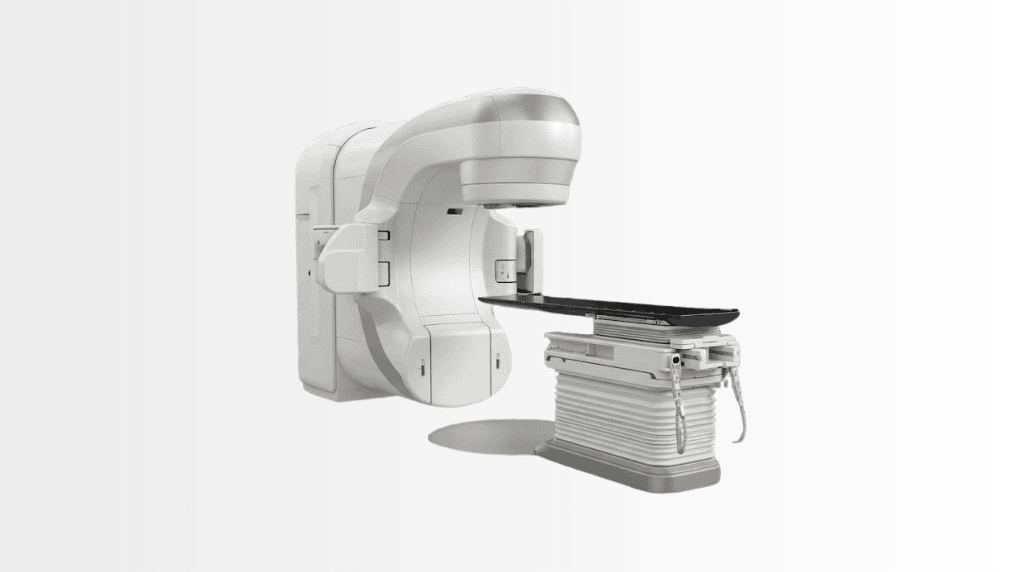
Quick answer
TrueBeam is a radiation therapy platform that delivers precisely targeted external beam treatment using advanced imaging and treatment planning. At Acibadem in Turkey, radiation oncology teams use TrueBeam for conventional radiotherapy and, when appropriate, stereotactic treatments tailored to the patient’s diagnosis and clinical needs.
TrueBeam is what a modern radiotherapy workhorse looks like: a linear accelerator engineered around three demands that older machines traded against each other, precision, speed and imaging. It shapes dose to a tumour’s geometry with a fine multileaf collimator, delivers it in sweeping arcs that cut session times to minutes, verifies position with built-in imaging before every treatment, and manages breathing motion for chest and upper-abdominal targets. From conventional fractionated courses to single-session radiosurgery on its STx configuration, most of modern external radiotherapy fits on this one platform.
What is TrueBeam radiotherapy?
A linear accelerator generates high-energy X-ray beams; TrueBeam’s contribution is control. Its multileaf collimator, over a hundred motorised tungsten leaves, sculpts the beam’s outline continuously while the gantry rotates around you (VMAT, volumetric modulated arc therapy), painting dose onto the target from every angle in one or two sweeps. High-dose-rate modes shorten delivery further; on-board cone-beam CT images you on the couch and auto-corrects position to the millimetre before the beam turns on; and respiratory gating pauses delivery outside the chosen breathing phase, so lung, breast and liver targets are treated where they actually are.
What TrueBeam treats
Essentially the full span of external-beam radiotherapy: prostate, breast, lung, head-and-neck, gynaecological, gastrointestinal and brain tumours in conventional or moderately shortened schedules; and, at the platform’s precise end, stereotactic radiosurgery (SRS) and stereotactic body radiotherapy (SBRT), single or few-session ablative treatments for brain metastases, spine lesions, early lung tumours and oligometastatic disease, particularly on the STx configuration built for exactly this work. Which schedule and technique fits your case is a radiation-oncology planning decision, made target by target.
Treatment: what to expect
The sequence: a planning CT in your treatment position, often with a personal immobilisation device (mask or cradle); days of physics and physician planning you never see; then the course itself, daily weekday sessions for conventional schedules or a handful for SBRT. Each visit: positioning, imaging check, auto-correction, delivery, frequently under fifteen minutes door to door, with the beam-on time itself a few minutes. Nothing is felt during delivery. Side effects are territory-specific, fatigue commonly, skin and organ-specific effects by site, explained per-case before consent and monitored weekly through the course.
Where TrueBeam sits in a radiotherapy fleet
An honest centre matches machine to plan: TrueBeam covers the broad middle and the stereotactic end; TomoTherapy’s helical geometry suits certain complex and extended targets; the MR-Linac watches soft-tissue targets in live MRI and adapts daily; Gamma Knife remains the dedicated intracranial radiosurgery instrument; CyberKnife brings robotic tracking. Acibadem’s radiation oncology practice operates this fleet side by side, so the technique recommended follows your anatomy and plan, not the limits of a single machine.
TrueBeam at Acibadem
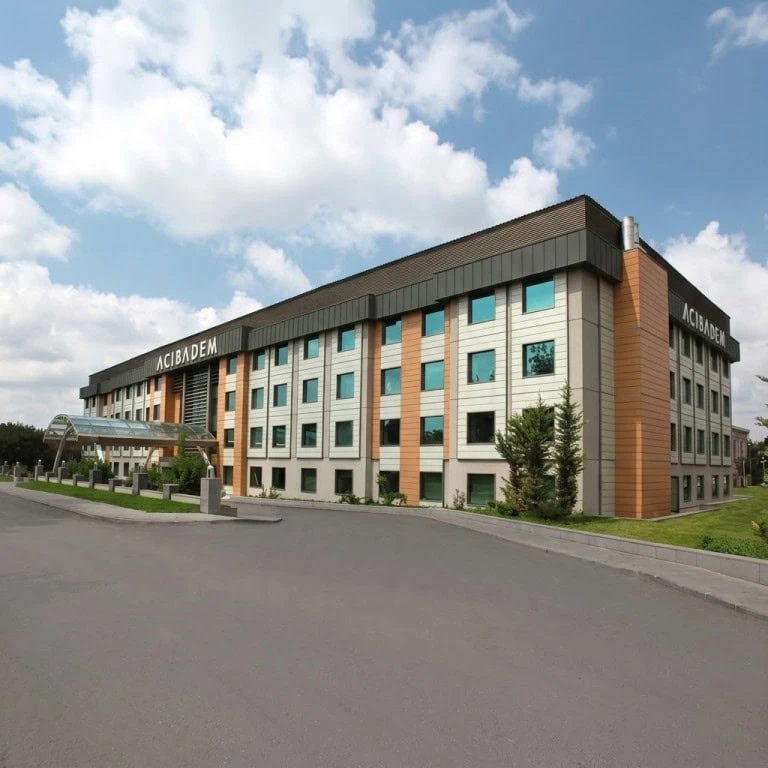
TrueBeam systems operate across the group’s radiotherapy floors, corporate-verified installations include Maslak Hospital’s cancer campus in Istanbul and the TrueBeam STx radiosurgery programme at City Clinic Mladost in Sofia, planned through tumour boards with medical oncology and surgery at the same table. International courses are organised records-first: imaging reviewed, technique and session count stated in writing, and schedules compressed where the medicine allows.
A radiotherapy course, week by week
Knowing the rhythm tames it. Week zero: the planning CT in your treatment position, mask or cradle made, reference marks set, then several days of invisible work while physicists and physicians build and verify your plan. Week one: the first session runs longest, with extra imaging and checks; thereafter the routine settles into its quarter-hour groove, and most patients fold treatment into ordinary days, many keep working throughout. Mid-course: territory-specific effects arrive on schedule rather than by surprise, skin changes where beams enter, swallowing effects in head-and-neck fields, bowel or bladder irritation in pelvic courses, and the fatigue that accumulates like altitude, all monitored in a standing weekly review where dose adjustments to the plan are physics-checked, never improvised. Final week and after: sessions end, but effects peak a week or two later before receding; the completion summary documents doses field by field for every future clinician, and follow-up imaging lands on the calendar before you leave. Radiotherapy asks endurance more than courage, and a course that is explained is measurably easier to endure.
The safety machinery you never see
Radiotherapy’s safety culture rivals aviation’s, and TrueBeam sits inside it rather than substituting for it. Every plan passes independent physics review and is measured on the machine, delivered to detectors before it is ever delivered to you. Every morning, the accelerator proves its beam against tolerances before the first patient; every session logs actual delivery against intent; interlocks freeze the beam for any parameter that drifts. Identity and geometry checks run per fraction: the imaging that verifies position is also verifying it is your plan on the couch. And the multidisciplinary layer above it allradiation oncologists, physicists, dosimetrists and radiotherapy technologists in defined roles with defined sign-offs, is what accreditation surveys actually audit. Patients experience a quiet quarter-hour; underneath it, several professions are counting.
Frequently Asked Questions
Why is my first session longer than the rest?
Extra verification, imaging, position checks and plan confirmation run in full before the routine settles into its short daily rhythm.
When do side effects peak?
Typically late in the course and for a week or two after it ends, then they recede; the weekly review manages them on schedule rather than by surprise.
How is the machine itself kept safe?
Daily beam checks against tolerances, independent physics review of every plan, measured pre-delivery verification and per-session logging: an aviation-grade routine you never see.
How long does a TrueBeam session take?
Frequently under fifteen minutes door to door, positioning and imaging take most of it; beam-on time is a few minutes.
Does radiotherapy on TrueBeam hurt?
No, delivery is painless; side effects build gradually by treatment territory and are monitored weekly.
How many sessions will I need?
Anywhere from one (radiosurgery) to several weeks of weekday sessions: your written plan states the number and the reasoning.
What is VMAT?
Volumetric modulated arc therapy: the machine shapes and delivers dose continuously while rotating around you, painting the target from every angle in one or two sweeps.
How does the machine know I am positioned correctly?
Built-in cone-beam CT images you on the couch before delivery, and the couch auto-corrects to the plan: a millimetre-level check at every session.
What is respiratory gating?
Delivery synchronised with breathing: the beam pauses outside the chosen phase, so moving chest and upper-abdominal targets are treated where they truly are.
What is the difference between TrueBeam and TrueBeam STx?
STx is the stereotactic configuration, finer collimation and radiosurgery tooling for single and few-session ablative treatments of small targets.
Can TrueBeam do radiosurgery like Gamma Knife?
For many targets yes: SRS is core STx work; for certain intracranial cases the dedicated Gamma Knife remains preferable, and a fleet centre chooses honestly per case.
Will I lose my hair?
Only where beams pass, hair effects are local to the treated territory, not general like chemotherapy; your plan discussion covers your specific fields.
Can I work through a radiotherapy course?
Many patients do, sessions are short and daily; fatigue accumulates honestly and is managed with your team through the course.
What side effects should I expect?
Fatigue commonly, plus territory-specific effects, skin, swallowing, bowel or bladder by site, stated per-case before consent, never generically.
Can my radiotherapy be planned before I travel?
The decision and technique usually can, from your imaging and reports; the planning CT itself happens on arrival, and the written plan precedes the journey.
Our Specialists Explain
 TrueBeam STx Radiotherapy at Acibadem | Prof. Dr. Meriç Şengöz
Related Medical Units
Available at these Hospitals









Speak with our medical team
Find out how this technology could support your diagnosis or treatment.