

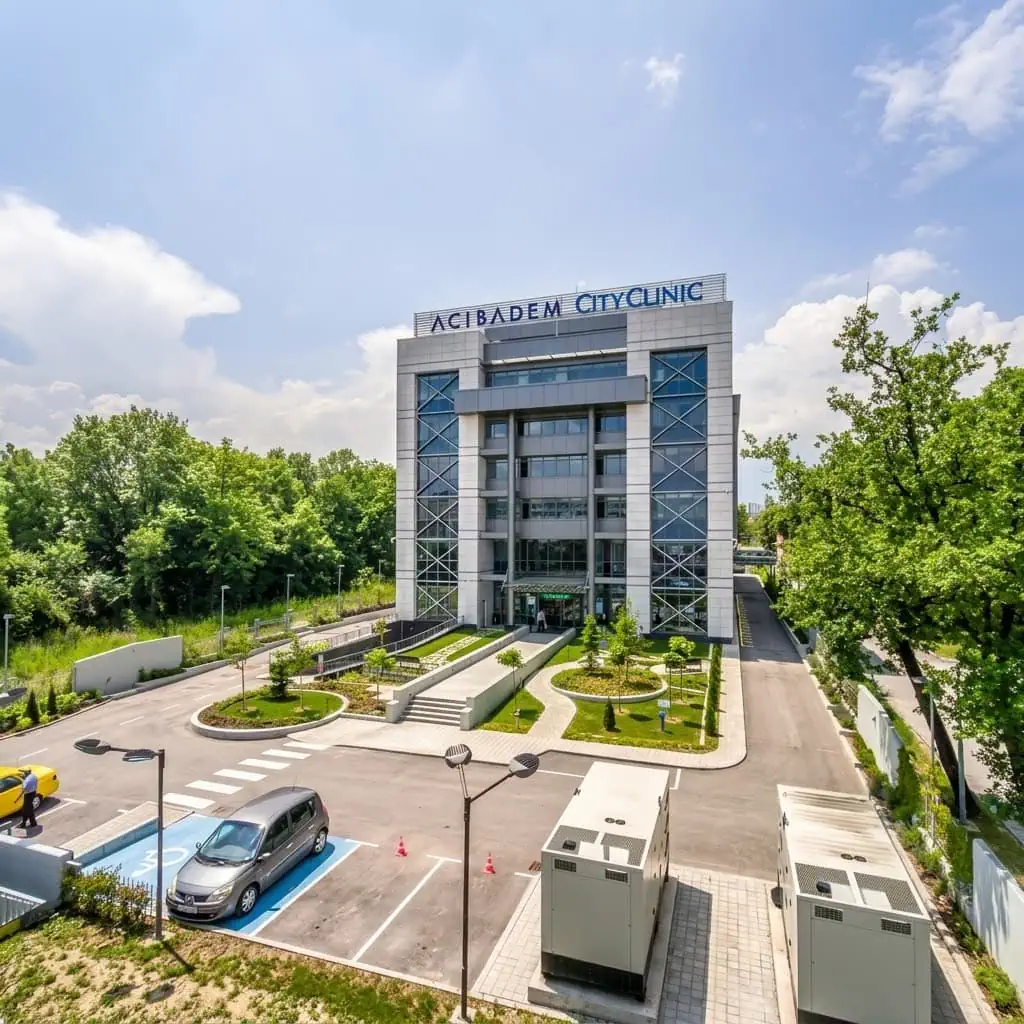
Acibadem City Clinic Mladost Hospital
Sofia, Bulgaria
Get directions →
Acibadem City Clinic Mladost Hospital at a Glance
Acibadem City Clinic Mladost Hospital is Sofia's dedicated cancer campus: opened in late 2015 and part of the Acıbadem group since 2016, an eight-storey, 10,000 m² hospital of 54 beds whose entire design serves one discipline done completely. Its arsenal is the reason patients cross borders the other way: Tomotherapy HDA and TrueBeam STx radiosurgery, brachytherapy, PET-CT and SPECT-CT, whole-body MRI, 3D tomosynthesis digital mammography and endoscopic ultrasound, operated by departments of medical oncology,…
Facility Highlights
Eight-storey, 10,000 m² cancer centre with 54 beds, opened at the end of 2015 and part of Acıbadem since 2016.
TrueBeam STx, Tomotherapy HDA and brachytherapy; radiosurgery alongside radiotherapy.
3D tomosynthesis mammography, 4D breast ultrasound, EUS, SPECT-CT, PET-CT and whole-body MRI.
Every case discussed in a tumour board; medical oncology offers chemotherapy, hormonal therapy, immunotherapy and targeted treatment, day-case or inpatient.
Medical genetics and clinical pathology integrated into diagnosis and treatment selection.
General surgery, cardiology, gynecology, urology, orthopedics and dermatology clinics.
Rehabilitation, psychological support, family training for home care and a social services centre.
More than 250 physicians and healthcare professionals.
Acibadem City Clinic Mladost Hospital, in depth
Acibadem City Clinic Mladost Hospital is Sofia’s dedicated cancer campus: opened in late 2015 and part of the Acıbadem group since 2016, an eight-storey, 10,000 m² hospital of 54 beds whose entire design serves one discipline done completely. Its arsenal is the reason patients cross borders the other way: Tomotherapy HDA and TrueBeam STx radiosurgery, brachytherapy, PET-CT and SPECT-CT, whole-body MRI, 3D tomosynthesis digital mammography and endoscopic ultrasound, operated by departments of medical oncology, radiotherapy and radiosurgery, nuclear medicine, diagnostic imaging, clinical pathology and medical genetics, with rehabilitation and psychological support built in for patients and families alike. In the group’s Sofia system, this building is the cancer answer.
What this building is organised around
Most hospitals treat oncology as one department among many; Mladost inverts the design. Every floor points at the same disease: the diagnostic floors stage it, PET-CT, SPECT-CT, whole-body MRI, tomosynthesis mammography, the pathology and genetics laboratories type it, the medical oncology department treats it systemically, and the radiotherapy floor carries a machine park that most national health systems would envy. Fifty-four beds is not a small hospital’s apology; it is a focused hospital’s honesty, cancer medicine is mostly outpatient medicine, and the building is engineered around courses, follow-ups and tumour boards rather than long stays.
Quality and safety: the honest frame
The hospital runs on the Acıbadem group’s protocols, tumour-board planning, medication safety, infection control and credentialing audited across the group, inside Bulgaria’s City Clinic family, whose university campus in Sofia holds JCI accreditation among the group’s seven accredited hospitals. This page states Mladost’s own credentials the honest way: a machine park and department structure that are verifiable on sight, the group’s audited method behind every plan, and the rule that no treatment decision here is one person’s opinion, solid tumours are followed by boards, minuted, with the pathology and genetics floors in the room.
The radiotherapy floor: Tomotherapy, TrueBeam, brachytherapy
The treatment floor carries three distinct ways of delivering radiation, which matters because plans differ: Tomotherapy HDA for the helical, image-guided courses that wrap dose around complex shapes; TrueBeam STx for stereotactic radiosurgery: the high-precision, few-session treatment of small targets; and brachytherapy for the cancers best treated from within. Around them, PET-CT and SPECT-CT answer the staging questions that decide between those paths. The honest sentence for the region: this combination in one building is why a radiotherapy plan rarely needs to leave Sofia.
Diagnosis to follow-up: the whole pathway
The medical oncology department diagnoses, stages and treats all solid tumours, delivering chemotherapy and systemic treatment on site and following patients through the years that outcomes are actually measured in. Clinical pathology and medical genetics give the pathway its precision, tumour typing and genetic profiles now decide modern plans, and the imaging floor’s tomosynthesis mammography, 4D breast ultrasonography and endoscopic ultrasound carry the early-detection half of the discipline. Rehabilitation and psychological support run alongside, for patients and their families, because a cancer course is a family event and the building is honest about that.
The cancer node of the Sofia system
Mladost works as the oncology anchor of the group’s Sofia campuses: City Clinic Tokudathe JCI-accredited, 550-bed general hospital, carries the surgical share of many plans and everything outside oncology; Vitosha anchors the cardiovascular axis; Ortopedia the musculoskeletal one. One records culture routes between the buildings, and when a rare plan genuinely belongs at an Istanbul flagship: the MR-Linac at Maslak above all: the file travels with the patient and the reason is stated.
Technology, honestly framed
The machine park is named plainly because it is the building’s identity: Tomotherapy HDA, TrueBeam STx, brachytherapy, PET-CT, SPECT-CT, whole-body MRI, 3D tomosynthesis mammography, 4D breast ultrasonography, EUS. What the campus does not house is named just as plainly, surgical oncology at scale lives at Tokuda, and the group’s Istanbul installations remain available through the network. A cancer hospital that tells you which machine your plan actually needs, and where it stands, is the kind worth trusting.
International patients at the cancer campus
The group’s records-first process matters more in oncology than anywhere: reports, imaging and pathology reviewed before travel, a written treatment plan and cost estimate, interpreter support arranged, and follow-up structured so that a course begun in Sofia continues cleanly at home, with discharge summaries written for the continuing oncologist. Mladost’s international patients are usually regional: Bulgaria’s neighbours, for whom a Tomotherapy-and-TrueBeam campus inside the European Union is closer than any alternative, and second-opinion patients, for whom the tumour board reads records without a flight being booked.
Getting here
The hospital stands on Tsarigradsko Shose Boulevard in Sofia’s Mladost district, on the capital’s main southeastern artery, with the full address, map link and phone in the identity card at the top of this page. Sofia’s airport is nearby on the same axis, and for planned visits the coordinators arrange transfers as standard.
How to decide whether Mladost is your hospital
Choose Mladost when the question is cancer: a radiotherapy or radiosurgery course on machines that let the plan choose the technique, systemic treatment through a tumour board, staging that settles the plan before it starts, genetic profiling, or a records-based second opinion. Choose Tokuda across the city for the surgical share and everything outside oncology, and an Istanbul flagship for the rare installation only it houses, every routing said aloud, file included. A focused hospital inside a complete system is exactly what cancer care should look like.
Frequently asked questions
What kind of hospital is Acibadem City Clinic Mladost?
Sofia’s dedicated cancer campus: an eight-storey hospital whose departments, machines and design all serve oncology, opened in late 2015 and part of the Acıbadem group since 2016.
What radiotherapy machines operate here?
Tomotherapy HDA, TrueBeam STx for stereotactic radiosurgery, and brachytherapy, three distinct delivery methods, so the plan chooses the technique rather than the other way round.
What is the difference between Tomotherapy and TrueBeam?
Tomotherapy delivers helical, image-guided courses that wrap dose around complex shapes; TrueBeam STx delivers high-precision radiosurgery to small targets in few sessions: your tumour board explains which your plan needs and why.
Is PET-CT available?
Yes, alongside SPECT-CT and whole-body MRI, so staging and response questions are answered on site.
Is chemotherapy delivered at Mladost?
Yes: the medical oncology department diagnoses, stages and treats all solid tumours, with systemic treatment on site and long-term follow-up built in.
What role does medical genetics play?
Modern plans ride on tumour typing and genetic profiles: the campus’s clinical pathology and medical genetics departments put that precision inside the building.
How big is the hospital?
An eight-storey building of 10,000 m² with 54 beds, deliberately compact, because cancer medicine is mostly outpatient courses, tumour boards and follow-up.
Is Mladost JCI-accredited?
Honestly framed: the group’s seven JCI-accredited hospitals include the City Clinic university campus in Sofia and Sistina in Skopje; Mladost runs on the same group-audited tumour-board protocols, and its machine park speaks for itself.
What is a tumour board and is it used here?
A panel of specialists, oncology, radiotherapy, imaging, pathology, genetics, planning each case together, minuted; it is the house method for every solid tumour followed here.
Can breast cancer be detected early here?
Yes: 3D tomosynthesis digital mammography and 4D breast ultrasonography carry the early-detection floor, with biopsy and pathology closing the question on site.
Is psychological support really available?
Yes, for patients and families both, alongside rehabilitation; a cancer course is a family event and the campus is built to treat it as one.
Which languages are supported?
Bulgarian and English routinely, with other languages arranged through the international office.
Can I get a second opinion without travelling?
Yes, records-based written opinions are oncology’s most valuable first step: send reports, imaging and pathology, and the tumour board answers before any flight is booked.
How does the records-first process work?
Reports, imaging and pathology reviewed remotely, a written treatment plan and cost estimate, and scheduling coordinated so the course starts as soon as the medicine allows.
Can my insurance be used here?
The hospital works with Bulgarian coverage in defined scopes and with private and international insurers, confirm your coverage in writing before a course begins.
How does payment work?
A written estimate precedes planned treatment, course by course, so the financial picture is clear before the medical one begins.
Where is surgery performed?
The surgical share of most plans runs at City Clinic Tokuda: the group’s 550-bed general hospital across Sofia, with the two campuses planning jointly through one records culture.
Can a plan be transferred from another hospital?
Yes, existing diagnoses, imaging and pathology are integrated rather than repeated, and the tumour board takes the case from wherever it actually stands.
Do patients come from outside Bulgaria?
Yes, for much of the region, a Tomotherapy-and-TrueBeam campus inside the European Union is the nearest of its kind, and the records-first process makes the journey a planned one.
How long does a radiotherapy course take?
It depends on the plan, from a few radiosurgery sessions on TrueBeam to multi-week Tomotherapy courses; your written plan states the schedule before you commit.
Can follow-up continue in my home country?
Yes: that is designed in: discharge and course summaries are written for your continuing oncologist, with imaging and laboratory data included.
Is nuclear medicine part of the campus?
Yes: a dedicated department operating the PET-CT and SPECT-CT floor, answering the functional questions anatomy alone cannot.
Do you repeat tests I already had?
Only for a stated reason, existing studies are integrated wherever usable, exactly as across the group.
Can my companion stay with me?
Yes, and the support floors are open to families, because companions carry courses too.
What happens if my case needs a machine Mladost does not house?
The coordinators route you within the group: Tokuda’s theatres across the city, or the MR-Linac at Maslak in Istanbul for the rare plan that needs it, with the reason stated and the file travelling ahead.
Is there an emergency service at this campus?
Mladost is a planned-care cancer campus; emergencies belong to the general hospitals, and patients on active courses receive clear instructions for urgent situations from their team.
How do I reach the hospital from the airport?
The campus sits on Sofia’s main southeastern artery near the airport axis; transfers for planned visits are arranged by the coordinators as standard.
What should I bring to a first oncology consultation?
Every report, scan and pathology slide or block you have, in any language, plus a complete medication list: the records-first rule matters most in oncology.
How fast can a course start?
Once records are reviewed and the tumour board has planned, scheduling is quick: the honest variable is the completeness of your records.
Why choose a dedicated cancer hospital?
Because focus compounds: three radiation techniques, staging, pathology, genetics, systemic treatment and psychological support in one building, inside a group whose general hospitals and Istanbul flagships stand behind every plan.
Send your reports: a physician-reviewed plan comes back before you travel.
Free · No obligation · Reply within 24 hours