

Quick answer
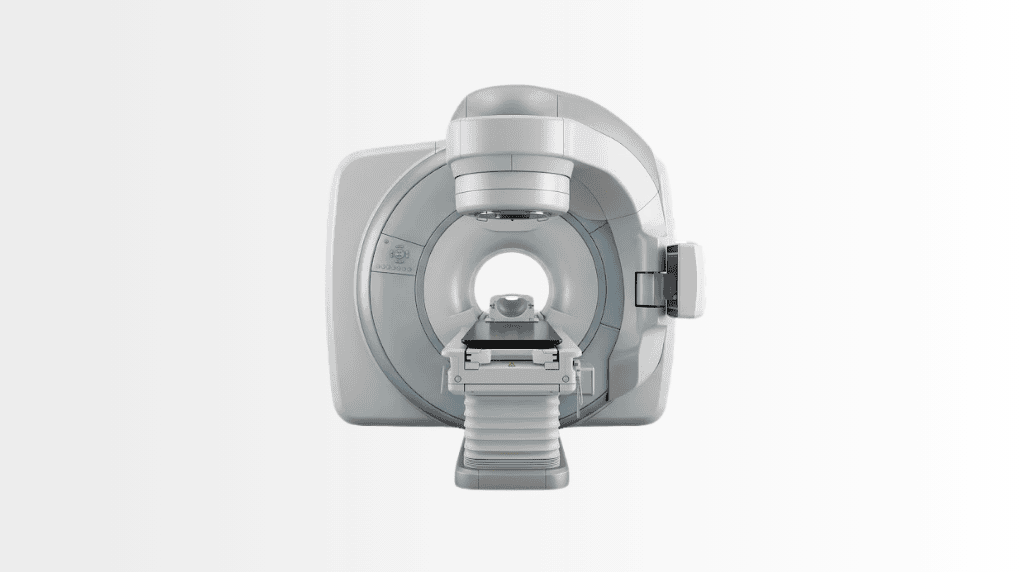
MR Linac is a radiation therapy system that combines MRI imaging with a linear accelerator, allowing clinicians to view the tumour and surrounding organs during treatment. At Acibadem in Turkey, it supports image-guided, adaptive and motion-managed radiotherapy plans for selected cancers.
MR Linac: Smart Radiotherapy Guided by Real-Time MRI
MR Linac is an advanced radiation therapy technology that combines two powerful systems in one treatment platform: high-resolution Magnetic Resonance Imaging (MRI) and a linear accelerator, also called a Linac. The MRI creates detailed images of the tumour and nearby organs, while the linear accelerator delivers carefully planned radiation treatment.
In simple terms, MR Linac allows the radiation oncology team to see the treatment area clearly while radiation is being delivered. This can be especially valuable when a tumour moves with breathing, digestion, bladder filling or other normal body functions.
Often described as “smart radiotherapy,” MR Linac supports a more personalised approach to cancer treatment. Instead of relying only on images taken before a course of treatment begins, the clinical team can assess the anatomy on the day of each session and, when appropriate, adapt the treatment plan to reflect changes in tumour position or nearby healthy tissues.
At Acibadem International, MR Linac may be considered as part of an individual treatment strategy developed by radiation oncologists, medical physicists, radiologists, surgeons, medical oncologists and other specialists. Whether it is suitable depends on the cancer type, location, stage, previous treatments, general health and treatment goals.
What Is MR Linac?
MR Linac is a form of image-guided radiotherapy. It integrates an MRI scanner with a radiation delivery system, enabling the team to obtain highly detailed soft-tissue images during the treatment session.
Traditional radiotherapy planning commonly uses CT imaging, sometimes supported by additional scans. CT remains an important technology in radiation oncology, but MRI can provide particularly clear visualisation of many soft tissues. With MR Linac, clinicians can use this detailed imaging information at the time of treatment to guide radiation more accurately.
The technology is designed to support radiation delivery to a defined target while helping protect nearby organs and healthy tissues. This may be particularly useful for tumours located close to sensitive structures, such as the stomach, bowel, kidneys, spinal cord, heart or bladder.
MR Linac treatment is non-surgical and does not involve an incision. Radiation is delivered from outside the body while the patient lies comfortably on the treatment couch. The session itself is painless, although patients may need to remain still for a period of time while imaging, planning checks and radiation delivery take place.
How MR Linac Works
MR Linac brings imaging and radiation treatment together in a single workflow. Before radiation is delivered, the team positions the patient carefully and obtains MRI images of the treatment area. These images help confirm the current location and shape of the tumour, as well as the position of surrounding organs.
Because internal anatomy can change from one day to another, the team may review whether the original treatment plan remains appropriate. For selected patients, the plan can be adjusted during the appointment through a process known as online adaptive radiotherapy. This means the radiation plan may be refined according to the anatomy seen on that specific day.
During treatment, MRI imaging can continue to monitor the target area. If the tumour moves beyond the planned treatment boundary, for example because of breathing or digestive movement, the system can support motion-managed treatment. Depending on the treatment plan, radiation may be delivered only when the target is in the correct position, or the beam may pause if the target moves outside the agreed range.
Key Elements of the MR Linac Process
- Detailed MRI guidance: MRI provides high-quality soft-tissue images to help identify the tumour and nearby organs.
- Daily anatomy review: The treatment team assesses the treatment area before each session.
- Adaptive planning when appropriate: The radiation plan may be adjusted to reflect changes in tumour position, organ filling or body anatomy.
- Motion management: Real-time imaging supports treatment of tumours affected by breathing and other natural movements.
- Focused radiation delivery: Radiation is shaped and directed according to a carefully prepared individual plan.
MR Linac does not replace the expertise of the oncology team. Rather, it gives specialists more timely imaging information that can support clinical decision-making during treatment.
Clinical Applications of MR Linac
MR Linac may be used for selected cancers where high-quality soft-tissue visualisation, daily adaptation or motion management could be beneficial. It is often considered for tumours in areas that move naturally or are close to organs that need careful protection.
Not every patient requires MR-guided radiotherapy, and not every cancer can be treated with this technology. Your radiation oncologist will review imaging, pathology reports, previous treatment history and multidisciplinary recommendations before advising on the most appropriate approach.
Clinical Applications
| Clinical area | How MR Linac may help | Examples of conditions considered |
|---|---|---|
| Prostate and pelvic tumours | Supports visualisation of targets that may change position with bladder or bowel filling, helping guide daily treatment decisions. | Prostate cancer; selected pelvic lymph node targets; certain gynaecological or pelvic recurrences |
| Pancreatic and upper abdominal tumours | May help distinguish the tumour from nearby digestive organs and support highly focused treatment planning. | Selected pancreatic cancers; selected adrenal or abdominal lesions |
| Liver tumours | Can support monitoring of lesions affected by respiratory movement and help manage proximity to sensitive abdominal structures. | Primary liver tumours; selected liver metastases |
| Lung and thoracic tumours | May assist with motion-aware treatment for tumours that move during breathing, subject to individual clinical assessment. | Selected early-stage lung cancers; selected thoracic recurrences or metastases |
| Breast and chest wall treatment | May support precise targeting in selected cases where protection of the heart and lungs is an important planning consideration. | Selected breast cancers and chest wall targets |
| Oligometastatic disease | May support stereotactic body radiotherapy for a limited number of metastatic lesions in suitable locations. | Selected lymph node, bone, liver, adrenal and other localised metastatic lesions |
Some treatment courses using MR Linac may involve stereotactic body radiotherapy (SBRT), which uses highly focused radiation over a limited number of sessions. However, the number of sessions varies significantly. It is determined by the cancer type, tumour size, location, treatment objective, previous radiation exposure and normal tissue tolerance.
Benefits and Advantages for Patients
The central benefit of MR Linac is the ability to combine detailed imaging with radiation delivery in the same session. This can help clinicians respond to changes that may occur between appointments or during treatment.
For patients with tumours near important organs, a more precise view of the treatment area may help the team shape radiation more closely around the target. This is intended to reduce unnecessary radiation exposure to surrounding healthy tissue wherever clinically possible.
MR Linac can also support a more individualised treatment pathway. On a given day, factors such as breathing pattern, bowel activity, bladder filling or organ movement may alter the relationship between the tumour and nearby structures. MRI guidance helps the team make informed decisions before treatment proceeds.
Patient Benefits at a Glance
| Potential benefit | What it can mean for the patient |
|---|---|
| Real-time imaging | The treatment area can be monitored during the session rather than relying only on images obtained before treatment. |
| Personalised daily planning | For suitable cases, the treatment plan may be adapted to the anatomy seen that day. |
| Motion-managed radiotherapy | Natural movement from breathing or digestion can be considered while radiation is delivered. |
| Protection of nearby organs | Detailed soft-tissue imaging may help the team minimise radiation exposure to adjacent healthy structures. |
| Non-surgical treatment | There are no surgical incisions, and patients usually return home or to their accommodation after each outpatient session. |
| Potentially shorter treatment schedules | Some patients may be candidates for fewer, highly focused sessions, although this is not appropriate for every diagnosis. |
It is important to understand that benefits vary from person to person. Precision technology does not eliminate all side effects, and it does not guarantee a particular treatment outcome. Your oncology team will discuss the expected benefits, limitations, alternatives and possible risks in relation to your own diagnosis.
What to Expect During MR Linac Treatment
Your journey begins with a detailed medical review. International patients can share pathology reports, imaging studies, previous treatment summaries and other relevant documents for an initial specialist assessment. If MR Linac may be appropriate, the team will explain the recommended next steps and coordinate your appointments.
Before Treatment
You will first have a consultation with the radiation oncology team. The specialist will discuss your diagnosis, treatment objectives and whether MR-guided radiotherapy is suitable. You may also meet members of the wider care team, including medical physicists, radiation therapists, nurses and international patient coordinators.
A planning appointment is then arranged. This may include imaging, positioning and the preparation of any personalised supports needed to help you remain comfortably still. Depending on the treatment area, you may receive instructions about meals, hydration, bladder preparation or bowel preparation before future sessions.
For MRI safety, the team will ask about implanted devices, metal fragments, previous surgery, kidney function where contrast imaging is being considered, claustrophobia and other relevant health information. Certain implants or devices may require special review before MRI-based treatment can proceed.
On the Day of a Treatment Session
When you arrive, the team will confirm your identity, review preparation instructions and help you into the treatment position. You will lie on the treatment couch, which moves into the MRI-guided treatment system. The team remains in close communication throughout the session through cameras, microphones and audio systems.
MRI scanners can make rhythmic knocking or tapping sounds. You may be offered hearing protection, and the team will explain what to expect before the scan begins. The treatment itself is painless. You will not feel the radiation beam, but you may need to remain still while the team completes imaging, plan review and treatment delivery.
Some MR Linac appointments may be longer than conventional radiotherapy appointments because the team takes time to review the day’s images and, when indicated, adapt the plan. Your coordinator can help you plan your schedule around appointments, rest periods and travel arrangements.
After Treatment
Most MR Linac treatments are delivered on an outpatient basis. Many patients can return to their hotel, accommodation or daily activities after the session. The medical team will provide individual guidance about work, exercise, nutrition, medication and follow-up care.
Side effects depend mainly on the treatment area, dose, number of sessions, previous therapies and individual health factors. Fatigue, temporary skin changes, bowel or urinary symptoms, nausea, cough, swallowing discomfort or other effects may occur depending on the area being treated. Your care team will explain the side effects most relevant to your plan and advise you on when to contact them.
Safety, Quality and Accreditation
MR Linac treatment requires close collaboration between radiation oncologists, medical physicists, radiation therapists, imaging specialists and oncology nurses. Each treatment plan undergoes structured review and quality assurance before radiation is delivered.
At Acibadem International, cancer care is coordinated through multidisciplinary evaluation and delivered within JCI-accredited hospital environments. This reflects a commitment to established quality and patient safety standards, clinical governance, infection prevention and continuous improvement.
Radiation therapy safety includes careful patient identification, verification of treatment positioning, review of imaging, dose calculation, equipment checks and ongoing monitoring by trained professionals. The team follows defined protocols for MRI safety as well as radiation safety.
MR Linac is not suitable for every patient. MRI compatibility, the ability to lie still during treatment, tumour location, treatment goals, previous radiation therapy and the presence of certain medical devices are among the factors reviewed before a recommendation is made. If another radiation technique, surgery, systemic treatment or combined approach is more suitable, your specialists will explain why.
Why MR Linac Matters for International Patients
Travelling abroad for cancer treatment can involve many practical and emotional decisions. International patients often need a clear treatment recommendation, coordinated appointments, support with medical documentation and a realistic understanding of how long they may need to stay.
MR Linac can be especially relevant when a specialist recommends a focused radiotherapy pathway for an appropriately selected case. In some situations, treatment may be delivered over a limited number of sessions, which may make travel planning more manageable. However, the length of stay should always be based on your individual treatment plan, any required planning scans, clinical reviews and follow-up needs.
Acibadem International’s patient coordination teams help international patients navigate the process from the first enquiry through treatment and return-home planning. Support may include review of medical documents, appointment scheduling, interpretation and language assistance, coordination between specialties, hospital guidance and communication about the treatment timeline.
Before you travel, it is helpful to share recent imaging, pathology results, treatment summaries, medication lists and details of any implants or previous procedures. The oncology team can then assess your case more efficiently and advise whether further imaging or in-person evaluation is required.
Insurance coverage varies by policy and treatment indication. The international patient team can help you understand the documentation your insurer may require and provide clear information about the planned care pathway before treatment begins.
A Personalised Approach to Precision Cancer Care
MR Linac is an important development in radiation oncology because it brings high-resolution MRI guidance into the treatment session itself. By allowing the team to visualise tumours and nearby anatomy in real time, it supports adaptive, motion-aware radiotherapy for carefully selected patients.
The right cancer treatment is always individual. Your specialist will consider the nature of your diagnosis, all available treatment options and your personal priorities before recommending a plan. For some patients, MR Linac may offer a highly precise non-surgical radiation option within a broader multidisciplinary cancer care strategy.
Acibadem International can coordinate a specialist review of your medical reports and help you understand whether MR Linac may have a role in your treatment plan. Our teams are available to support you with clear communication, coordinated care and guidance throughout your international treatment journey.
Frequently Asked Questions
What is MR Linac?
MR Linac is a radiation therapy system that combines high-resolution magnetic resonance imaging with a linear accelerator in one treatment platform. The MRI produces detailed images of the tumour and nearby organs while the linear accelerator delivers the planned radiation. This allows the radiation oncology team to see the treatment area clearly during each session and, when appropriate, adapt the plan to the anatomy seen that day.
How is MR Linac different from conventional radiotherapy?
Conventional radiotherapy planning usually relies on CT images taken before the course begins, with limited soft-tissue detail during treatment. MR Linac provides MRI-quality soft-tissue images at the time of each session, so clinicians can confirm the current position of the tumour and surrounding organs and refine the plan through online adaptive radiotherapy. Both approaches aim to treat the target while protecting healthy tissue; MR Linac adds daily visibility.
Which cancers may be treated with MR Linac?
MR Linac may be considered for tumours that move with breathing, digestion or bladder filling, or that lie close to sensitive organs such as the stomach, bowel, kidneys, spinal cord, heart or bladder. Examples include selected prostate, pancreatic, liver, kidney, adrenal, lymph node and some abdominal or pelvic tumours. Suitability depends on cancer type, location, stage, previous treatments, general health and the goals of treatment, decided by a multidisciplinary team.
What happens during an MR Linac treatment session?
The patient lies on the treatment couch and is positioned carefully. MRI images are taken to confirm the location and shape of the tumour and nearby organs. The team reviews whether the original plan is still appropriate and may adjust it on the spot. Radiation is then delivered from outside the body without an incision. The session is painless, but patients need to remain still for longer than in standard radiotherapy.
Is MR Linac treatment painful or does it involve surgery?
No. MR Linac treatment is non-surgical and involves no incision. Radiation is delivered from outside the body while the patient lies on the couch, and the session itself is painless. Some people find lying still inside the MRI environment for an extended period tiring, and those with certain implants or claustrophobia need assessment beforehand. Side effects depend on the area treated and are discussed by the radiation oncologist.
Related Medical Units
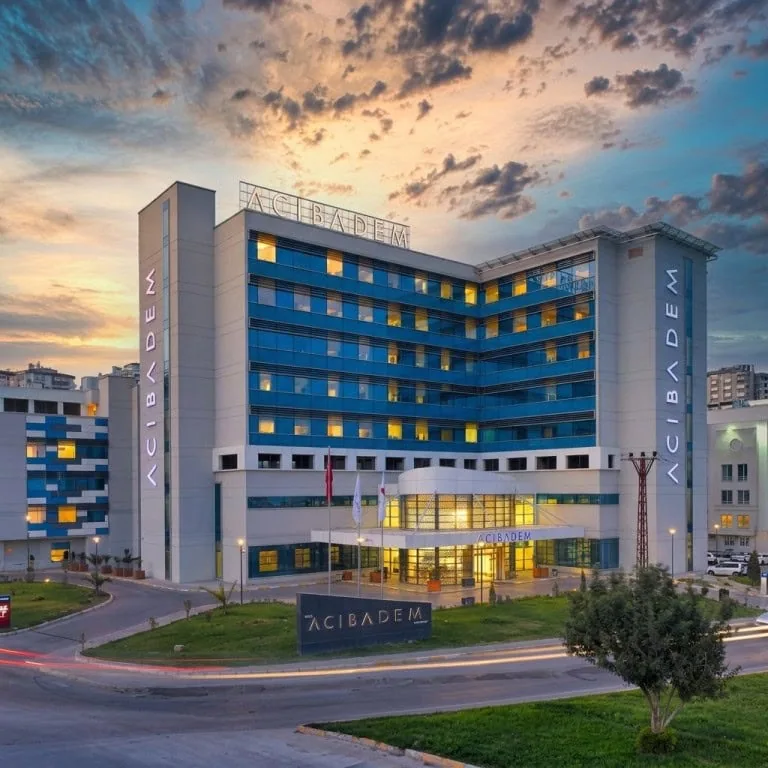
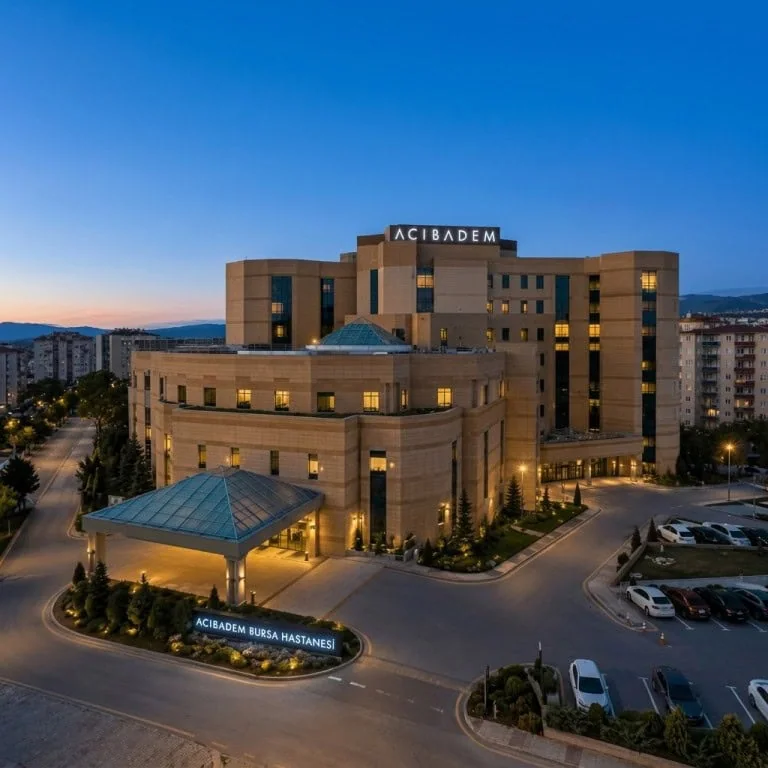
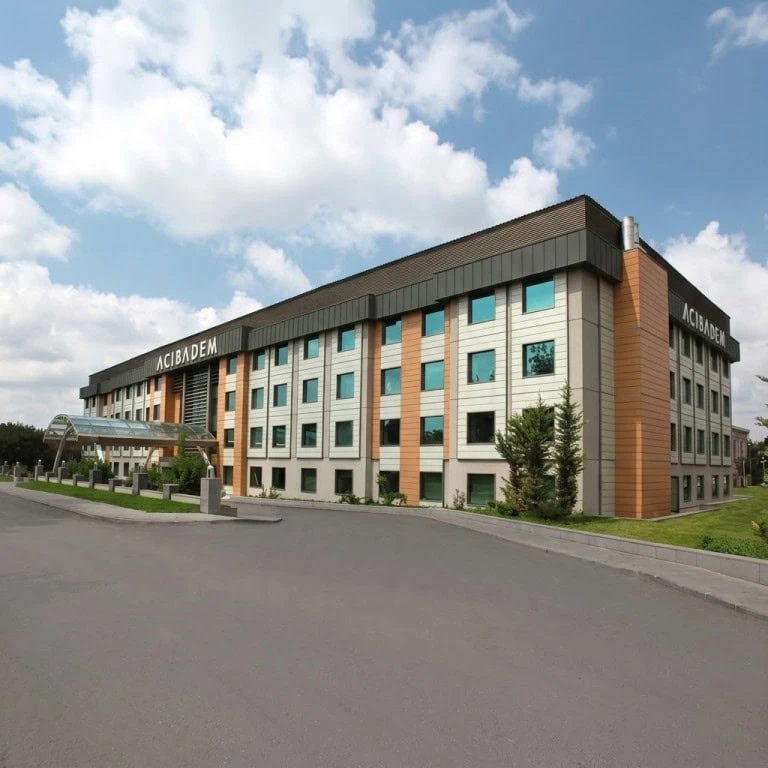
Available at these Hospitals







Related Treatments
Speak with our medical team
Find out how this technology could support your diagnosis or treatment.