

Gallbladder Surgery in Turkey: Treatment Guide
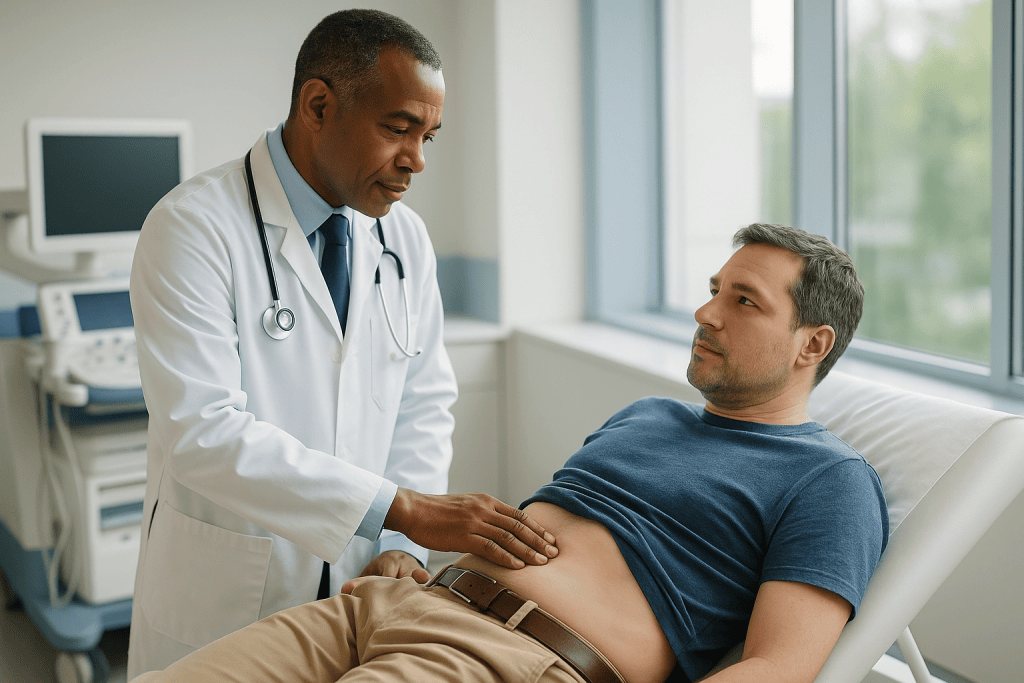
Gallbladder surgery in Turkey usually means laparoscopic cholecystectomy: removal of the gallbladder through small incisions under general anaesthesia. It is recommended for symptomatic gallstones, cholecystitis and selected polyps. Most international patients plan for a consultation, pre-operative tests, the operation, a short hospital stay and a control visit before flying home. Quotations are prepared individually after a review of your medical records.
Gallbladder removal is one of the world’s most performed operations, and the questions patients actually ask about it are refreshingly practical: how long until I feel normal, what can I eat, and do I really not need this organ? The honest answers are encouraging, laparoscopic cholecystectomy has one of the gentlest recovery curves in abdominal surgery, most people eat normally within weeks, and the body adapts to gallbladder-free digestion remarkably well, with a few truths worth knowing in advance, which this guide covers plainly.
The operation itself, in one paragraph: the gallbladder is a storage pouch for bile, and when gallstones inflame it or block its plumbing: the classic right-upper-abdomen pain after fatty meals, sometimes escalating to infection or pancreatitisremoval is the definitive treatment. Four small incisions, a camera, under an hour of surgery in routine cases, and bile simply flows directly from liver to intestine thereafter.
One honest framing note: “remove it electively or wait” has a real answer in symptomatic gallstone disease, recurrent attacks tend to continue and can escalate, and the planned operation is far kinder than the emergency version of the same surgery.
How the laparoscopic operation actually runs
Under general anaesthesia, the surgeon works through three to four small ports: the gallbladder is freed from the liver bed, its duct and artery are securely clipped, and the organ is removed through one of the small incisions. Routine cases finish within the hour. Conversion to open surgery, a larger incision, remains an uncommon but honest possibility when inflammation or anatomy demands it, and consenting to that possibility in advance is standard practice, not pessimism.
Same-day discharge or one overnight stay is typical; complicated inflammation earns longer observation. Where stones have escaped into the main bile duct, an endoscopic procedure (ERCP) may precede or accompany surgery, one of several reasons this operation belongs in facilities with endoscopy and imaging on campus, a point the hospital-comparison logic of our gastroenterology hospitals in Turkey page covers.
Recovery: the honest week-by-week
Days one to three: shoulder-tip discomfort from the laparoscopy gas (real, odd, brief), sore incisions managed with simple medication, short frequent walks from day one. Days four to seven: most patients move freely at home; showers per wound instructions; desk work often feasible by the end of week one. Week two: many return to normal routines, commonly the full return-to-work week for non-physical jobs. Weeks three to four: lifting restrictions ease; most exercise resumes with clearance. By week four to six, routine cases feel closed.
The eating curve runs parallel: light, low-fat meals in the first days while digestion recalibrates; gradual reintroduction of normal foods across two to four weeks; and for most people, an unrestricted diet by the one-month mark. A minority notice looser digestion after fatty meals for longer, usually settling over months and manageable by moderating the greasiest triggers.
Life without a gallbladder: myths vs medicine
The organ stored and concentrated bile; without it, bile flows continuously, and the digestive system adapts to this new plumbing with impressive reliability. The myth that gallbladder-free life means permanent dietary restriction is exactly that: the majority of patients eat normally, including fats in sensible quantities. The kernel of truth behind the myth: very fatty meals can move through faster in the early months, and a small minority keep a longer-term sensitivity worth managing pragmatically.
Two honest post-operative notes: stones can very rarely re-form in the bile duct itself (the operation removes the factory’s warehouse, not the entire supply chain), persistent pain months later deserves review rather than resignation; and the pre-existing attacks’ companion symptoms (bloating, indigestion) improve most reliably when they were genuinely stone-driven, which is why good pre-operative diagnosis matters: surgery cures gallstone disease, not every abdominal complaint that coexisted with it.
When surgery is the right call, and the urgency spectrum
Clear indications: recurrent biliary colic (the classic post-meal attacks), acute cholecystitis (the inflamed emergency admission), gallstone pancreatitis (once settled, removal prevents the next episode), and certain stone-plus-duct scenarios. Incidental silent stones found on unrelated scans generally do not need prophylactic surgery, an honest surgeon says so, with defined exceptions your team will name.
The urgency spectrum matters for planning: elective removal after colic is a scheduled, calm operation; hot gallbladders admitted with infection are operated during or soon after the admission, on the inflammation’s timetable rather than yours. It is one more argument for electing the calm version once attacks declare themselves, including for international patients, for whom the assessment, ultrasound confirmation, surgery and pre-flight review fit comfortably within a week’s stay.
Frequently asked questions
How long is recovery after gallbladder surgery?
Laparoscopic: moving freely within days, desk work around one week, normal routines by two, lifting and full exercise from three to four with clearance. Open-conversion cases run weeks longer: your discharge letter’s version governs.
What can I eat after gallbladder removal?
Light and low-fat for the first days, expanding steadily; most patients reach an unrestricted normal diet within a month. If very fatty meals provoke urgency early on, moderate them and re-trial later: the adaptation curve is real.
Is life normal without a gallbladder?
For the overwhelming majority, entirely: bile flows directly to the intestine and digestion adapts. A small minority manage a longer-term fat sensitivity pragmatically. Permanent strict dieting is myth, not medicine.
How is the surgery performed?
Laparoscopically through three to four small ports in under an hour for routine cases, with same-day or one-night discharge. Conversion to open surgery is an uncommon, pre-consented possibility when inflammation demands it.
What is the shoulder pain after laparoscopy?
Referred irritation from the gas used to create working space, odd, harmless and brief, easing within days with walking and simple analgesia. It surprises everyone; now it will not surprise you.
Do silent gallstones need surgery?
Generally no, incidental stones without symptoms are usually watched, with specific exceptions your doctor will name. Surgery earns its place once attacks, inflammation or complications enter the story.
Can gallstones come back after surgery?
Not in the removed gallbladder, but stones can rarely form or linger in the bile duct itself. Persistent typical pain months after surgery warrants review and imaging rather than assumption.
When can I fly home after gallbladder surgery in Turkey?
Commonly within three to five days of routine laparoscopic removal, after review, walk the aisle, hydrate, and let the written clearance set the date.
Why did my attacks happen after fatty meals?
Fat triggers gallbladder contraction; a stone-blocked contraction is the classic colic. Removal ends that mechanism, which is why the operation is so reliably curative for genuine gallstone disease.
How much does gallbladder surgery cost in Turkey?
A fraction of UK or US self-pay pricing, typically packaged with the laparoscopic operation and hospital stay. The honest figure follows examination and ultrasound, itemised in writing, in a facility with endoscopy backup on campus.
Add us as a Preferred Source to see more of our trusted health content across Google Search, AI Overviews and Discover.

Update history
- PublishedJune 9, 2026
- Medical review approvedSeptember 1, 2026
- Last content updateSeptember 2, 2026
References3
- Gallbladder removal (cholecystectomy): NHS nhs.uk
- Gallbladder Diseases: MedlinePlus medlineplus.gov
- Gallbladder Removal (Cholecystectomy): Cleveland Clinic my.clevelandclinic.org
More Patient Guides

HoLEP in Turkey: How It Compares With TURP and What Recovery Involves
HoLEP in Turkey treats enlarged prostate tissue with laser enucleation; learn how it compares with TURP, recovery, travel and follow-up.

Porcelain Veneers in Turkey: Who Is Suitable and How Many Visits Are Needed?
Porcelain veneers in Turkey can enhance tooth shape and colour in two visits for suitable patients after a personalised dental assessment.

How to Prepare for a Sedation Procedure in Turkey
Prepare safely for a sedation procedure in Turkey with guidance on fasting, medicines, travel, recovery and follow-up.
Treatment Delays in Turkey: What Happens If Tests or Recovery Change Your Schedule
Treatment delays in Turkey can happen if tests or recovery change your plan. Learn how to manage appointments, travel, accommodation and follow-up.