

How to Prepare for a Sedation Procedure in Turkey

To prepare for sedation in Turkey, follow the exact fasting time your team gives you, share every medicine, supplement and health condition in advance, and arrange a responsible adult to take you back to your accommodation. Most sedation is same-day, with hours of observation. Expect drowsiness until the next day, so plan no driving, travel alone or important decisions.
Wondering how many hours you should stop eating, or whether you can fly home the same evening? These are the questions most patients ask first when a procedure in Turkey will be done with sedation.
This guide walks you through what to prepare, from medical assessment and fasting instructions to travel planning and safe recovery. It covers the practical side: what to send ahead, who should accompany you, and how to organise the hours after your procedure.
One thing to keep in mind. Your final plan will be tailored by your physician and anesthesia team after they review your health information, so treat what follows as preparation, not a fixed schedule.
At a glance
- Procedure type: Preparation guide for procedures performed under sedation
- Purpose: To support safe, comfortable planning before, during and after sedation
- Anesthesia: Sedation level is selected individually by the anesthesia team
- Hospital stay: Usually same-day observation; overnight stay may be advised in some cases
- Estimated recovery: Most sedative effects settle within hours, but full alertness may take until the next day
- Return to daily life: Light activities may resume the following day if your physician agrees
- Final result timeline: Depends on the underlying procedure, not sedation itself
- Suitable department: Anesthesiology and Reanimation, with the relevant treatment specialty
- International patient support: Coordination, interpreters, transfer guidance and remote follow-up through Acibadem International
What is this treatment?
Sedation is not a single treatment; it is a planned use of medicines that helps you feel calm, sleepy or unaware during a medical, diagnostic, dental or surgical procedure. Depending on the procedure and your health needs, you may remain awake but relaxed, become drowsy and less aware, or sleep more deeply while continuing to breathe on your own or with additional airway support.
Your sedation plan is made by an anesthesia professional in collaboration with the physician performing your procedure. The team considers the type and duration of treatment, your medical history, current medicines, airway assessment, previous anesthesia experiences and personal needs.
In Turkey, Acibadem International coordinates your care with the relevant clinical department and anesthesiology team. The goal is to help you understand what to do before sedation, what monitoring is used during care, and how to recover safely afterward.
When is it recommended?
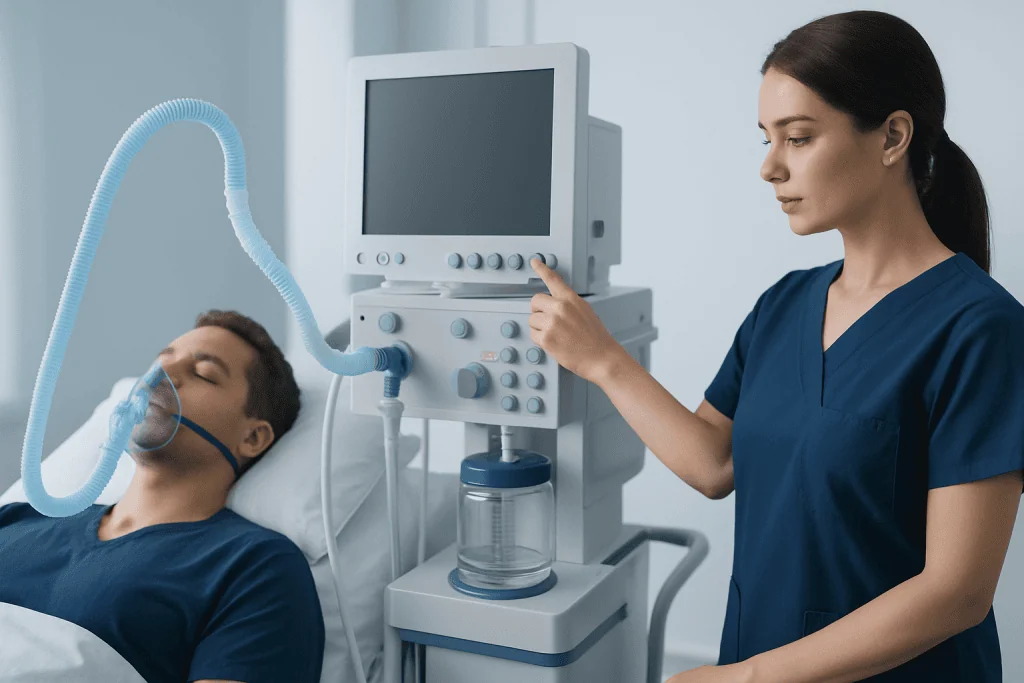
Sedation may be recommended when a procedure would otherwise be uncomfortable, painful, anxiety-provoking or difficult to complete while fully awake. It can be used for selected endoscopic examinations, imaging, dental procedures, minor interventions, fertility-related procedures and certain surgical treatments, among other indications.
The appropriate approach depends on the procedure. Some treatments can be managed with local anesthesia alone, while others may benefit from mild or moderate sedation. More complex or longer procedures may require deep sedation or general anesthesia instead.
Your physician will explain why sedation is being considered and whether an alternative is appropriate for you. Sedation is recommended only when its potential benefits and the available safety measures are appropriate for your individual circumstances.
Who is a good candidate?

You may be a suitable candidate if you need a procedure that can be safely performed with sedation and your health assessment supports this approach. Many people with stable medical conditions can receive sedation, but the plan may need adjustment, additional tests or a different anesthesia method.
It is especially important to share information about obstructive sleep apnea, obesity, heart disease, high blood pressure, lung disease, diabetes, reflux, kidney or liver conditions, neurological conditions, pregnancy or the possibility of pregnancy, and any history of difficult anesthesia or airway management.
Your team also needs to know about all prescription medicines, over-the-counter products, supplements, alcohol intake, smoking, recreational substances and allergies. A physician evaluation is essential because suitability cannot be confirmed from symptoms, photos or a questionnaire alone.
Treatment options
The main options are usually local anesthesia without sedation, minimal sedation, moderate sedation, deep sedation and general anesthesia. With minimal sedation, you are relaxed and responsive. With moderate sedation, you are more drowsy and may remember little of the procedure, but you can often respond to instructions.
Deep sedation produces a lower level of awareness and may require closer airway support. General anesthesia is different: you are fully unconscious and require a more comprehensive anesthesia plan. The best option depends on your procedure, anxiety level, physical health, expected duration and the clinician’s assessment.
Some procedures can also be completed in stages, with non-medication comfort measures or with local anesthetic techniques. Your team will discuss realistic alternatives, including whether sedation is necessary, before asking for your informed consent.
Online evaluation before travel
Before you travel, Acibadem International may request your medical history, medication list, allergies, previous procedure or anesthesia records, relevant laboratory results and reports from your treating physician. Depending on the planned procedure, imaging, photographs or a recent specialist evaluation may also be useful.
An online review helps the team identify information that may be needed before your arrival, but it does not replace an in-person examination. The final sedation decision is made after assessment by the responsible physician and anesthesia team in Turkey.
Please be open about all health conditions and medicines, including products you may not consider medically important. Accurate information supports safer planning and helps avoid unnecessary changes or delays on the day of your procedure.
Before the treatment
You will receive personalized instructions about fasting, drinking fluids and taking or pausing regular medicines. These instructions are important because food or liquid in the stomach can increase the risk of regurgitation and aspiration during sedation. Follow the instructions provided by your own clinical team, as they may differ according to your procedure and medical history.
Do not stop medicines such as blood pressure treatment, diabetes medicines, blood thinners, weight-management medicines, pain medicines or supplements without medical advice. Some medicines need adjustment before sedation, while others should be continued. Ask early if any instruction is unclear.
Arrange for a responsible adult to accompany you after the procedure and remain available as instructed. Wear comfortable clothing, remove contact lenses if advised, avoid valuables, and bring your identification, documents and any assistive devices you use.
- Follow the exact fasting time given by your team.
- Tell the team if you develop a fever, cough, vomiting, diarrhea or other new illness before treatment.
- Avoid alcohol and recreational substances before the procedure as instructed.
- Confirm your transport and post-procedure accommodation plan in advance.
What happens during the treatment
Before sedation starts, the team will confirm your identity, planned procedure, allergies, medical history, fasting status and consent. Your vital signs are checked, and an intravenous line may be placed if needed. You will have an opportunity to ask final questions before the procedure begins.
During sedation, trained professionals continuously monitor measures such as breathing, oxygen level, heart rate and blood pressure. The exact monitoring and airway support used depend on the sedation depth and procedure. Your comfort, responsiveness and safety are assessed throughout.
Once the planned procedure is complete, sedative medicines are stopped and you are moved to a recovery area for observation. You may have little memory of the procedure, which can be normal with certain sedation approaches.
Hospital stay and discharge
Many sedation procedures are performed on a same-day basis. You will remain in recovery until the team is satisfied that you are awake enough, your vital signs are stable, pain or nausea is controlled, and you can drink or move as appropriate for your procedure.
Discharge timing varies. It depends on the medicines used, the treatment performed, your health conditions and whether you have any symptoms that need further observation. An overnight stay may be recommended for selected procedures or when closer monitoring is appropriate.
Before leaving, you should receive written aftercare instructions, details of any prescribed medicines and contact information for questions. Do not leave alone after sedation. Your escort should help you return safely to your hotel or accommodation and follow the discharge advice with you.
Recovery timeline
Recovery from sedation is usually gradual. While many people feel more alert within a few hours, tiredness, dizziness, short-term memory changes or reduced concentration can last until the next day. Recovery from the underlying procedure may take longer and follows its own aftercare plan.
| Timeframe | What to expect |
|---|---|
| First 24 hours | You may feel sleepy, unsteady, forgetful or mildly nauseated. Rest with a responsible adult available and follow your discharge instructions. |
| First week | Most sedation effects should have resolved. Your comfort and activity level depend mainly on the procedure performed. |
| Weeks 2-4 | Follow-up needs vary by procedure. Attend scheduled reviews and report persistent concerns. |
| Months 1-3 | For procedures with longer healing, your specialist monitors recovery and treatment response. |
| Final result | Sedation itself has no visible final result; the outcome timeline is determined by your underlying procedure. |
Do not judge your recovery solely by how awake you feel. Reaction time and decision-making may remain impaired for longer than expected, so follow precautions for the full period recommended by your care team.
What to avoid after treatment
For at least the period specified in your discharge instructions, do not drive, cycle, operate machinery, travel alone, sign important documents, make major decisions or return to work requiring concentration. Sedative effects can be unpredictable, even if you feel well.
Avoid alcohol, recreational substances and non-approved sedating medicines after the procedure. Take only the medicines your physician has advised, and ask before combining pain relief, sleep aids, anti-anxiety medicines, antihistamines or other products that can cause drowsiness.
Start eating and drinking according to your post-procedure advice. If you feel nauseated, begin with small amounts of fluid as directed. Your care team may set additional restrictions based on the procedure, such as exercise limits, dietary changes or wound-care instructions.
Risks and possible complications
Modern sedation is carefully monitored, but all sedation carries potential risks. These can include nausea, vomiting, dizziness, low blood pressure, changes in breathing, reduced oxygen levels, allergic reactions, confusion, aspiration of stomach contents, or effects related to the intravenous line or airway support.
Risk can be higher when you have certain health conditions, are taking particular medicines, have not followed fasting instructions, or have a history of sleep apnea, difficult airway management or prior anesthesia reactions. Serious complications are uncommon but can occur, which is why appropriate assessment, monitoring and recovery observation are important.
Your anesthesia team will discuss material risks relevant to your situation and explain the safety measures available. No procedure can be guaranteed to be risk-free, and the plan may be changed if an in-person evaluation suggests a safer alternative.
Warning signs: when to contact a doctor
Follow the specific contact instructions provided at discharge, as warning signs can differ according to the procedure you have had. If you are still in Turkey, contact your Acibadem International coordinator or the clinical team promptly for guidance.
- Difficulty breathing, persistent wheezing, chest pain or blue/grey lips.
- Fainting, severe or worsening dizziness, confusion that does not improve, or difficulty waking.
- Repeated vomiting, inability to keep fluids down, or signs of dehydration.
- Severe or increasing pain not controlled by the prescribed plan.
- Heavy bleeding, rapidly increasing swelling, or unexpected discharge related to the procedure.
- Fever, chills, new weakness, rash, facial swelling or signs of an allergic reaction.
- Any symptom that feels urgent, severe or significantly different from the instructions you received.
For severe symptoms or an emergency, seek urgent local medical care immediately. Do not wait for a remote response if you believe you need emergency help.
Results and expectations
Sedation is designed to support comfort and safe completion of your planned procedure; it does not determine the medical or aesthetic result of that procedure. Some people remember little or nothing, while others retain partial awareness. Both experiences can be normal depending on the intended sedation level.
Your experience may be influenced by the procedure, sedation method, anxiety level, medicines and individual response. The team cannot promise that you will have no discomfort, no memory or no side effects, but they will aim to make your care as safe and comfortable as possible.
Any final treatment result, healing timeline and possibility of further care should be discussed with the specialist performing your procedure. In some circumstances, an incomplete procedure, a change in anesthesia approach or additional treatment may be necessary for safety or clinical reasons.
International patient travel planning
Plan your trip around more than the procedure date. You may need time for an in-person consultation, pre-procedure testing, recovery and medical clearance before flying. The recommended stay in Turkey varies according to the procedure, your health status and the sedation plan.
Do not schedule a flight immediately after sedation unless your physician has specifically cleared it. You will need a companion for the journey back to your accommodation, and you should consider flexible travel arrangements in case the clinical team advises additional observation or changes the schedule.
Acibadem International can help coordinate appointments, interpreter services, transfer guidance and practical accommodation information. Bring travel insurance details where applicable, and ensure your companion understands the post-sedation precautions and how to contact the care team.
Cost and package information
The overall cost depends on the underlying procedure, sedation depth, expected duration, required monitoring, anesthesia professional involvement, pre-procedure tests, facility requirements, recovery observation and whether an overnight stay is needed. Your medical history may also affect the level of assessment or monitoring recommended.
A written quotation commonly clarifies which planned clinical services are included, such as consultations, the procedure, anesthesia or sedation services, standard tests where applicable, use of the treatment area, recovery observation and scheduled follow-up. The exact inclusions depend on your personalized plan.
Items that may not be included can involve additional investigations, treatment for unexpected findings or complications, extra hospital nights, non-standard medicines, companion expenses, travel, accommodation and services outside the agreed plan. Ask for a clear written explanation and discuss any questions before confirming arrangements.
Why choose Acibadem
Acibadem International coordinates care for patients travelling to Turkey through multidisciplinary clinical teams, including anesthesiology specialists and the department responsible for your procedure. The focus is on individualized planning, clear communication and continuity from the initial review through recovery.
Acibadem hospitals include JCI-accredited facilities, with clinical processes designed to support patient safety, appropriate monitoring and coordinated care. Accreditation does not remove all medical risk, but it reflects a structured approach to quality and patient safety standards.
International patient services can assist with interpreters, appointment coordination, transfer guidance and remote follow-up planning. Your care remains centered on the physician assessment and the treatment plan that is appropriate for you.
Medical review and disclaimer
This guide has been medically reviewed by the Acibadem International medical team. It is intended to provide general information for international patients preparing for a procedure involving sedation.
It does not replace a consultation, examination, anesthesia assessment, informed-consent discussion or individualized medical advice. Instructions about fasting, medicines, travel and recovery must come from the physician and anesthesia team responsible for your care.
Your suitability for sedation requires physician evaluation. If your condition changes before treatment, or if you are unsure about any instruction, contact your clinical team before proceeding.
Step by step
- Initial contact. Contact Acibadem International with the procedure you are considering, your preferred travel dates and any known medical concerns.
- Medical record / photo submission. Share your medical history, medicine and allergy list, prior reports and any relevant imaging, photographs or procedure records.
- Preliminary medical review. The relevant specialty team reviews the available information to determine what further details or assessments may be needed.
- Treatment plan and quotation. You receive a proposed clinical pathway and a written explanation of planned services, subject to in-person physician and anesthesia assessment.
- Travel planning. Plan enough time for consultation, testing, treatment, recovery and travel clearance; arrange a responsible companion after sedation.
- Arrival. Arrive in Turkey with your passport, health documents and current medicine information, and confirm your appointments with the coordinator.
- In-person consultation. Meet the treating physician and anesthesia team for examination, questions, consent and final confirmation of the appropriate sedation approach.
- Pre-operative tests. Complete any tests requested for your age, health history and planned procedure. Additional review may be recommended if needed.
- Treatment. Your identity, fasting status and plan are checked before monitored sedation and the planned procedure are carried out.
- Hospital stay. Recover under observation until the care team confirms that discharge criteria are met or recommends a longer stay.
- First control. Receive an initial recovery assessment and individualized aftercare guidance before you leave the clinical setting.
- Discharge / travel clearance. Leave with written instructions and only travel when your physician considers it medically appropriate.
- Remote follow-up. Stay in contact with Acibadem International and your clinical team for planned follow-up and questions after you return home.
Your checklist
- Passport and travel details
- Complete medical history, including chronic conditions and sleep apnea
- Current medication list, including doses, supplements and non-prescription products
- Known allergies and details of prior reactions to anesthesia or sedation
- Information about previous surgeries, hospitalizations or difficult airway management
- Description of current symptoms and any recent illness, fever, cough, vomiting or diarrhea
- Relevant laboratory results, imaging, specialist reports or procedure records
- Pregnancy status or possibility of pregnancy where relevant
- Emergency contact and responsible adult companion details
- Travel insurance information, if applicable
- Relevant photos or imaging requested for the planned procedure
Key takeaways
- Sedation should be planned after a review of your medical history, medicines, allergies and procedure needs.
- Follow your individualized fasting and medication instructions exactly; do not rely on generic online advice alone.
- You will need a responsible adult to accompany you after sedation and should not drive or make important decisions the same day.
- International patients should allow enough time in Turkey for assessment, the procedure and medical clearance before travel.
- Tell your care team about sleep apnea, heart or lung conditions, pregnancy, alcohol or substance use, and any prior anesthesia reaction.
Frequently asked questions
Is sedation safe for international patients?
Sedation can be provided safely when it is planned after an appropriate medical assessment and delivered with suitable monitoring by trained professionals. Every procedure carries some risk, so the anesthesia team reviews your health conditions, medicines, fasting status and procedure needs before confirming the plan.
How long should I stay in Turkey after a sedation procedure?
The right length of stay depends mainly on the procedure you are having, your recovery and your physician's travel advice. You should not book return travel too close to the procedure date and should wait for medical clearance before flying.
Can I travel alone for a procedure with sedation?
You should arrange for a responsible adult to accompany you after sedation and help you return to your accommodation. Because alertness, balance and judgment may be reduced, travelling alone immediately after sedation is generally not appropriate.
Do I need to fast before sedation?
Yes, fasting is commonly required, but the exact timing for food and drinks must come from your own care team. Follow those instructions precisely and tell the team if you have eaten or drunk anything outside the permitted plan.
Should I stop my regular medicines before sedation?
Do not stop or change any medicine without instructions from the physician or anesthesia team. Some medicines may need adjustment before sedation, particularly medicines affecting blood sugar, blood clotting, appetite, pain, sleep or anxiety.
What if I have sleep apnea or a heart or lung condition?
Tell the team as early as possible, as these conditions can affect sedation planning and recovery monitoring. You may still be eligible, but the team may recommend additional evaluation, a modified plan or a different level of care.
When can I drive or work after sedation?
You should not drive, operate machinery, make important decisions or perform work requiring concentration for the period stated in your discharge instructions. Many people need the remainder of the day to recover, and some may need longer depending on the medicines and procedure.
What affects the cost of a procedure involving sedation in Turkey?
Cost depends on the procedure itself, the level and duration of sedation, pre-procedure assessment, tests, monitoring, recovery needs and whether hospital observation is required. Your written plan should explain the included clinical services and any potential exclusions.
Will I remember the procedure?
Memory varies with the type and depth of sedation, the medicines used and your individual response. You may remember parts of the procedure or very little of it; your anesthesia team can explain what is realistic for the plan being considered.
Can the sedation plan change on the day of treatment?
Yes. The plan may be adjusted if your examination, test results, fasting status, new symptoms or safety assessment indicate that a different approach is better. This is part of individualized care and is intended to support your safety.
Add us as a Preferred Source to see more of our trusted health content across Google Search, AI Overviews and Discover.

Update history
- PublishedAugust 21, 2026
- Medical review approvedAugust 25, 2026
- Last content updateAugust 24, 2026
References2
- Anesthesia - MedlinePlus medlineplus.gov
- CDC Travelers' Health wwwnc.cdc.gov
More Patient Guides

HoLEP in Turkey: How It Compares With TURP and What Recovery Involves
HoLEP in Turkey treats enlarged prostate tissue with laser enucleation; learn how it compares with TURP, recovery, travel and follow-up.

Porcelain Veneers in Turkey: Who Is Suitable and How Many Visits Are Needed?
Porcelain veneers in Turkey can enhance tooth shape and colour in two visits for suitable patients after a personalised dental assessment.

Treatment Delays in Turkey: What Happens If Tests or Recovery Change Your Schedule
Treatment delays in Turkey can happen if tests or recovery change your plan. Learn how to manage appointments, travel, accommodation and follow-up.

Can You Travel to Turkey Alone for Treatment?
You can travel to Turkey alone for treatment when your care team confirms it is suitable and you plan support, transport and…