Hysterectomy
Hysterectomy is surgery to remove the uterus, sometimes with the cervix, ovaries, or fallopian tubes. It is used to treat several gynecologic conditions when other treatments are unsuitable or ineffective.

Quick answer
A hysterectomy is an operation to remove the uterus, sometimes together with the cervix, fallopian tubes or ovaries. It treats conditions such as fibroids, adenomyosis, heavy bleeding, uterine prolapse and certain gynaecological cancers. The uterus can be removed through the vagina, through small keyhole incisions or through an abdominal incision. Pregnancy is not possible afterwards, and menstrual periods stop.
What Is a Hysterectomy?
A hysterectomy is an operation to remove the uterus, the organ in which a pregnancy develops. It is used to treat conditions such as uterine fibroids, adenomyosis, endometriosis, heavy or abnormal bleeding, uterine prolapse and certain gynaecological cancers. Because the uterus is removed, pregnancy is no longer possible after the operation, and menstrual periods stop.
Depending on the reason for surgery, a hysterectomy may involve only the uterus, or it may also include the cervix, one or both fallopian tubes, the ovaries and, in cancer surgery, some of the surrounding tissue. Which structures are removed, and why, is the single most useful question to ask before you consent to the operation, because the answer shapes everything from hormonal changes to follow-up care.
Few treatment decisions feel as personal as this one. For many women the conversation begins after months or years of heavy bleeding, pelvic pain, pressure, anaemia or repeated disruption to work and family life. For others it follows a diagnosis such as gynaecological cancer, severe precancerous changes, or a condition that has not improved with medication or less invasive procedures. By the time a hysterectomy is on the table, you may be carrying not only symptoms but also fatigue, uncertainty and entirely reasonable questions about pain, recovery time, fertility, hormones and sexual function. Those questions deserve direct answers, and this page works through them one by one.
How do you spell hysterectomy?
Hysterectomy is spelt h-y-s-t-e-r-e-c-t-o-m-y. The word comes from the Greek hystera, meaning womb, and ektome, meaning cutting out. You will meet related terms built the same way: salpingectomy is removal of a fallopian tube, oophorectomy is removal of an ovary, and myomectomy is removal of a fibroid while the uterus stays in place. Knowing these words makes it far easier to read your own consent form and operation report with confidence.
The main types of hysterectomy
There are several types of hysterectomy, and they are not interchangeable. A total hysterectomy removes the uterus and the cervix: this is the most common form, and despite the name it does not automatically include the ovaries. A supracervical or subtotal hysterectomy removes the upper part of the uterus while leaving the cervix in place; this approach is used selectively, and if the cervix remains, cervical screening usually still matters: your gynaecologist will explain what applies in your case. A radical hysterectomy, performed for certain cancers, removes the uterus, cervix, surrounding supporting tissue and often part of the upper vagina, with the exact extent guided by the disease.
In some operations the surgeon also removes one or both fallopian tubes (salpingectomy) or ovaries (oophorectomy). Removing the tubes is sometimes proposed even in benign surgery to reduce the future risk of tubal disease; removing the ovaries is a separate decision with its own consequences, discussed below. The point to hold on to is that a hysterectomy is a family of operations, not a single fixed procedure, and the right version depends on your diagnosis, age, anatomy and goals.
What is a partial hysterectomy?
A partial hysterectomy is the everyday name for a supracervical or subtotal hysterectomy, removal of the body of the uterus while the cervix is left in place. Patients often use the phrase loosely to mean “a hysterectomy that keeps the ovaries”, but that is not what surgeons mean by it, and the confusion causes real misunderstandings in consultations. If someone tells you that you need a partial hysterectomy, ask two separate questions: is the cervix being kept, and are the ovaries being kept? The answers are independent of each other, and each has its own implications for screening, hormones and follow-up.
Will the ovaries be removed as well?
Not necessarily, and this distinction matters more than almost any other. If the ovaries are left in place, they can continue producing hormones until natural menopause, even though periods stop once the uterus is gone. If both ovaries are removed before menopause, you enter surgical menopause at once, which can bring hot flushes, sleep changes and vaginal dryness, and has longer-term implications for bone and cardiovascular health. Whether to preserve or remove the ovaries therefore sits at the centre of treatment planning. It depends on your age, the condition being treated, your family history and, in cancer care, on what the disease requires. A younger patient with benign fibroids will usually have a very different discussion from a postmenopausal patient with a suspicious mass, and a good surgical team will walk you through the reasoning rather than presenting the decision as automatic.
Who May Need a Hysterectomy
A hysterectomy is usually considered when symptoms are significant, when other treatment is unlikely to solve the problem, or when removing the uterus is the most appropriate way to treat or control a serious condition. Patients who reach this point often describe heavy menstrual bleeding, bleeding between periods, pelvic pain or cramping, a feeling of pressure or fullness in the lower abdomen, pain during intercourse, urinary frequency from pressure on the bladder, constipation from mass effect, or the deep fatigue that comes with chronic blood loss and iron-deficiency anaemia.
In some cases the issue is structural rather than painful. The uterus may descend into the vagina because of pelvic organ prolapse. The uterine lining may show complex or precancerous changes on biopsy. A mass may raise concern for cancer. In other cases the symptoms stem from adenomyosis or severe endometriosis that has persisted despite medication, hormone therapy or previous procedures.
Diagnosis begins with a detailed gynaecological evaluation: medical and menstrual history, symptom review, pelvic examination and blood tests where indicated, particularly if heavy bleeding has caused anaemia. Imaging plays a central role. Pelvic ultrasound is the usual first step for assessing fibroids, uterine size, the uterine lining and ovarian cysts. In selected cases magnetic resonance imaging helps define fibroids, adenomyosis, deep endometriosis, congenital differences or the extent of a suspected tumour. Depending on symptoms and age, further tests may include cervical screening, endometrial biopsy to evaluate abnormal bleeding or rule out cancer, hysteroscopy to inspect the inside of the uterus, and laboratory tests related to hormonal status or infection. Where prolapse or urinary symptoms are part of the picture, a urogynaecological assessment may be added. For known or suspected cancer, staging studies and pathology review determine whether a hysterectomy is the right treatment and how extensive it needs to be.
A hysterectomy is rarely the first step for a benign condition. Many patients have already tried anti-inflammatory medication, hormone therapy, hormonal intrauterine devices, endometrial ablation, myomectomy, uterine artery embolisation or conservative surgery for endometriosis. One of the most important parts of any consultation is establishing what has been tried, what has and has not worked, and whether preserving the uterus is still realistic and still what you want. If you hope to carry a pregnancy in future, say so early: it changes the entire decision tree.
Conditions a Hysterectomy Can Treat
Among benign conditions, one of the most common indications is uterine fibroids, particularly when they cause heavy bleeding, pelvic pressure, pain, frequent urination or an enlarged uterus that intrudes on daily life. Fibroids can often be managed without a hysterectomy, but surgery becomes a reasonable option when symptoms are severe, the fibroids are numerous or very large, and preserving fertility is no longer a goal.
Adenomyosis is another frequent reason. Here, tissue similar to the uterine lining grows into the muscular wall of the uterus, typically causing painful periods, heavy bleeding and a tender, enlarged uterus. When symptoms persist despite medication or conservative procedures, removing the uterus addresses the disease at its source.
Endometriosis can lead to a hysterectomy in selected cases, usually when pain is severe, disease is extensive, other treatments have failed, and symptoms appear linked to the uterus as well as to disease elsewhere in the pelvis. Because endometriosis can involve the ovaries, bowel, bladder or pelvic nerves, surgical planning here may require input from more than one specialty, and removing the uterus alone does not always resolve pain that originates outside it. An honest surgeon will tell you this before the operation, not after.
Abnormal uterine bleeding that does not respond to medication or minimally invasive procedures is a common indication, especially when it causes anaemia, repeated emergency visits or major disruption to daily life. Uterine prolapse is another: when the uterus has descended and pressure, discomfort or urinary difficulties are significant, a hysterectomy is often combined with pelvic floor repair in the same operation.
In oncology, a hysterectomy can be central to treatment for endometrial cancer, cervical cancer, certain ovarian and fallopian tube cancers and some precancerous conditions. The exact operation depends on disease type, stage and pathology, and on whether lymph node assessment or additional procedures are needed. Planning here is typically multidisciplinary, drawing on gynaecological oncology, radiology, pathology and, where required, medical and radiation oncology. Less commonly, a hysterectomy is used for chronic infection, severe postpartum complications, congenital abnormalities or persistent symptoms after previous gynaecological surgery. The unifying principle: the operation should fit the condition, the evidence and your goals, never the other way round.
Would having a hysterectomy help PCOS?
Usually not. Polycystic ovary syndrome is a hormonal and metabolic condition driven largely by the ovaries and by factors such as insulin resistance, removing the uterus does not correct any of that. After a hysterectomy that preserves the ovaries, the hormonal features of PCOS, including irregular ovulation, acne and unwanted hair growth, can continue exactly as before. A hysterectomy may occasionally enter the conversation for a woman with PCOS who also has a separate uterine problem, such as persistent abnormal thickening of the uterine lining that has not responded to hormonal treatment, but in that situation the operation is treating the uterine finding, not the PCOS itself. If PCOS is your primary diagnosis, the mainstays of care lie elsewhere, and it is worth discussing them with a gynaecologist or endocrinologist before considering surgery of any kind.
How Hysterectomy Surgery Is Performed
Hysterectomy surgery is performed under general anaesthesia, but the process begins well before the day of the operation. Preoperative preparation usually includes a consultation with the gynaecological surgeon, review of imaging and biopsy results, discussion of the alternatives, and planning of the surgical route. Blood tests, an anaesthesia assessment and sometimes cardiac or general medical clearance are arranged depending on age and health. Your team will also review your regular medicines, some, such as certain blood thinners, may need adjusting around surgery, and those decisions belong entirely to the treating doctors, and will explain fasting requirements for the day itself.
An equally important part of preparation is fixing the extent of surgery in advance. Will the cervix be removed? Should the fallopian tubes come out to reduce future disease risk? Is there a reason to keep the ovaries, or a reason to remove them? If prolapse is present, should a pelvic floor repair happen at the same time? If cancer is suspected or confirmed, will lymph nodes or surrounding tissue need assessment? These questions shape the operative plan, and you should hear clear answers to each before the day of surgery.
Whatever the route, the operation follows the same core sequence:
- Step 1: the surgeon gains access, through the vagina, through small keyhole incisions, or through an abdominal incision.
- Step 2: the uterus is carefully separated from its supporting ligaments and its blood supply is sealed.
- Step 3: nearby structures, bladder, ureters, bowel and major blood vessels, are identified and protected throughout.
- Step 4: the uterus (and any other planned structures) is removed, and the tissues are closed in layers.
Vaginal hysterectomy
In a vaginal hysterectomy the uterus is removed through the vagina, with no external abdominal incision. This route is particularly suitable for uterine prolapse and for some benign conditions when the uterus is not excessively enlarged. It leaves no visible scar and, for the right patient, supports a relatively smooth early recovery, though “smooth” is not the same as effortless, and the usual activity restrictions still apply.
What is a laparoscopic hysterectomy?
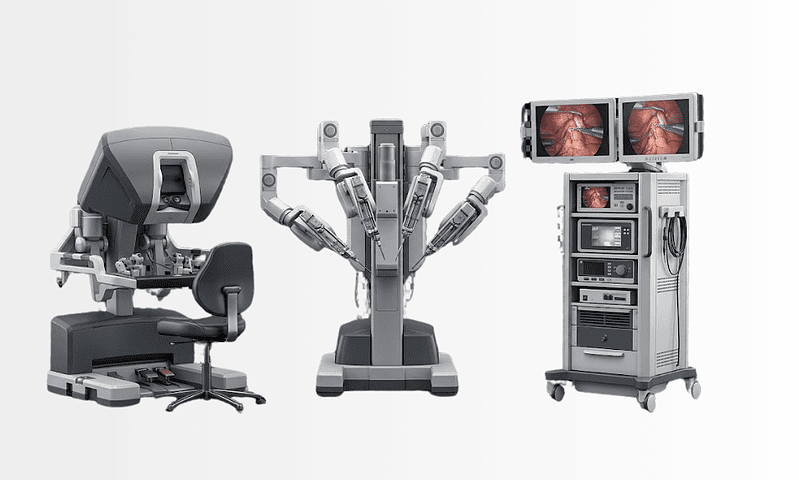
A laparoscopic hysterectomy, sometimes shortened to “lap hyst” in clinical notes, is a keyhole operation in which the surgeon works through a few small abdominal incisions using a camera and specialised instruments. The uterus is detached laparoscopically and usually removed through the vagina or, in selected cases, through a small protected abdominal opening. A robotic-assisted hysterectomy follows the same minimally invasive principles, with the surgeon controlling instruments that support precise movement and magnified visualisation in confined spaces; you can read more about how these platforms are used across specialties on our Robotic Surgery page. For appropriate patients, minimally invasive approaches may mean less blood loss, less postoperative pain and a shorter hospital stay, but suitability is individual, and the smallest incision is not automatically the safest choice.
Abdominal hysterectomy
An abdominal hysterectomy is performed through an incision in the lower abdomen. This route is chosen when the uterus is very large, when extensive adhesions from previous surgery are expected, when cancer requires a wider operation, or when anatomy or safety concerns make a minimally invasive approach unwise. Recovery is generally slower than after keyhole or vaginal surgery, but in the right circumstances the open approach is the safest and most effective option, and a surgeon who recommends it is usually protecting you from a riskier alternative rather than denying you a modern one.
How long does a hysterectomy take?
Most hysterectomies take somewhere between one and three hours of operating time, though this varies widely with the case. A straightforward minimally invasive operation for benign disease sits at the shorter end; a complex procedure involving severe endometriosis, dense scar tissue from prior surgery, a simultaneous prolapse repair or oncological staging can take considerably longer. Total time away from the ward is longer still, because it includes anaesthesia induction and recovery-room monitoring. Hospital stay also varies: some minimally invasive procedures involve only a short admission, while abdominal or complex surgery usually requires more days in hospital. Your surgeon can give you a realistic estimate for your specific plan: a generic figure from the internet cannot.
During the operation itself, modern theatre technology supports accuracy and safety: high-definition imaging for magnified views of delicate anatomy, advanced energy devices that seal blood vessels and limit bleeding, continuous anaesthesia monitoring, and pathology support when tissue needs evaluating during or after surgery. In cancer cases, imaging review, pathology correlation and structured staging pathways guide how extensive the operation should be, and when disease involves more than one organ system, collaboration with other surgical specialists is arranged in advance rather than improvised on the day.
What happens immediately after the operation?
Recovery begins straight away with pain control, early movement and close monitoring of bleeding, urination, bowel function and any signs of infection. Most patients are encouraged to walk on the day of surgery or the next day, because early mobilisation reduces the risk of blood clots and helps the bowel restart. Depending on the operation, a urinary catheter may stay in place for a short period. Before discharge you receive practical guidance covering wound care, bathing, activity limits, constipation prevention, when travel becomes reasonable, and the warning signs your team wants to hear about during healing.
Discharge planning deserves as much attention as the operation itself. Practical preparation at home makes the first weeks noticeably easier: arrange help with lifting, shopping and childcare in advance, set up a comfortable resting place on the floor of the house you use most, keep water and regular medication within easy reach, and plan simple, fibre-rich meals to counter the constipation that pain relief can cause. Longer journeys, including flights, carry a higher risk of blood clots in the weeks after major surgery, so ask your team when travel becomes reasonable for your specific operation and follow their guidance on movement, hydration and compression stockings if a journey cannot be postponed.
Why Acting Early Matters
Not every gynaecological condition needs immediate surgery, but delaying evaluation lets symptoms and disease burden grow. Heavy bleeding can deepen anaemia, bringing fatigue, dizziness and repeated iron treatment or transfusion. Fibroids can enlarge, making eventual surgery more technically demanding. Endometriosis and chronic pelvic inflammation can add scarring and entrench pain. Prolapse can progress and start to affect bladder or bowel function. Months of disrupted sleep, restricted activity and uncertainty quietly erode quality of life long before anything becomes an emergency.
When abnormal bleeding, a pelvic mass or a biopsy finding raises concern for cancer or precancer, timing matters even more. Prompt diagnosis clarifies whether a hysterectomy is needed, how extensive it should be and whether additional treatment will follow; in oncology, delay can change the stage of disease, the complexity of treatment and the range of options still open.
Acting early does not mean rushing into an operation. It means completing the right workup, understanding the alternatives, and making the decision before complications, severe symptoms or repeated treatment failures narrow the path forward. The strongest position to decide from is one where you still have choices.
Potential Benefits of Hysterectomy
The benefits depend on why the surgery is being done and which type of procedure is performed, but these are the main goals patients and physicians weigh together.
| Benefit | What It Means for You |
|---|---|
| Definitive treatment of uterine bleeding | For many patients, periods stop completely, which can relieve chronic heavy bleeding and help correct anaemia over time. |
| Relief from pressure or pain caused by uterine disease | Symptoms related to fibroids, adenomyosis, prolapse or some forms of endometriosis may improve substantially once the uterus is removed. |
| Treatment of cancer or precancer | In selected gynaecological cancers and premalignant conditions, hysterectomy can be a central step in removing disease and guiding further care. |
| Reduced need for repeated procedures | Compared with temporary or partial treatments, hysterectomy may break the cycle of recurrent symptoms, emergency visits and additional interventions. |
| Improved daily functioning | Many patients find they can work, travel, exercise and take part in family and social life again once bleeding and pain no longer dominate the routine. |
Hysterectomy Recovery: A Typical Timeline
Hysterectomy recovery is individual, and the pace depends on the surgical route, your overall health and whether additional procedures such as prolapse repair were performed at the same time. The table below is a general guide, not a schedule to measure yourself against.
| Time Period | What Patients Can Expect |
|---|---|
| Day 1 | Monitoring in hospital, pain control, early walking, gradual return to fluids and food, and assessment of urination and bowel function. Some patients go home quickly after minimally invasive surgery; others stay longer. |
| First week | Fatigue is common. Light walking is encouraged, but lifting, strenuous exercise and sexual activity are restricted. Mild vaginal spotting can occur. The focus is rest, hydration and preventing constipation. |
| First month | Discomfort steadily improves. Many patients resume light daily activities, though abdominal surgery demands a slower pace than minimally invasive routes. Follow-up visits review healing and pathology results. |
| Longer term | Return to fuller activity depends on healing, surgical approach and the reason for surgery. If the ovaries were removed before menopause, hormonal changes may need ongoing management. Cancer-related plans may include further therapy or surveillance. |
How long does it take to recover from a hysterectomy?
Most patients need several weeks before returning to normal activity, commonly a few weeks after vaginal or laparoscopic surgery and noticeably longer after an abdominal operation, with heavy lifting and strenuous exercise deferred until the deeper tissues have healed. Internal healing takes longer than the visible wounds suggest, which is why activity restrictions continue even when you feel well on the surface. Desk-based work is usually possible sooner than physical work; driving waits until you can move freely and brake sharply without pain; and your surgical team will tell you when sexual activity and long-haul travel become sensible for your specific operation. Recovering slowly is not a failure: it is what healing after major surgery normally looks like. Practical details help too: gentle, protein- and fibre-rich nutrition supports tissue repair, sleeping slightly propped on pillows can ease abdominal discomfort in the first days, and short, frequent walks do more for recovery than occasional long efforts.
What happens after a hysterectomy?
In the first days, expect tiredness, some pain that medication controls, mild vaginal bleeding or discharge, and slower bowels. Over the following weeks the fatigue lifts gradually rather than suddenly. Periods stop permanently, and pregnancy is no longer possible. If the ovaries were kept, your hormones continue their natural pattern until menopause arrives at its own time; if both ovaries were removed before menopause, menopausal symptoms can begin promptly, and managing them is a conversation for your treating doctor. A follow-up appointment reviews the wounds, your recovery and, importantly, the pathology report on the removed tissue, which occasionally changes or refines the diagnosis. If the cervix was removed for a benign condition, your team will explain what this means for future cervical screening; if it was kept, screening usually continues.
Risks and Life After a Hysterectomy
Any honest account of this operation has to cover its downsides as clearly as its benefits. A hysterectomy is major surgery, and the decision to have one should be made with the trade-offs in full view.
What is the negative side of having a hysterectomy?
The most fundamental one is permanence: fertility ends with the operation, and this deserves genuine reflection even for patients who feel certain their family is complete. Surgical risks exist as with any major operation, bleeding, infection, blood clots, reaction to anaesthesia, and injury to nearby structures such as the bladder, ureters or bowel, which can require repair. If both ovaries are removed before menopause, surgical menopause begins immediately rather than gradually, with consequences for symptoms, bones and heart health that need active management. Some patients notice changes in pelvic floor support, urinary function or sexual sensation over time, although many notice improvement instead, particularly when pain and bleeding were the dominant problems beforehand. There is also an emotional dimension: even when the surgery is clearly the right choice, some women grieve the loss of the uterus or of fertility, and that response is normal and worth acknowledging rather than suppressing. Finally, a hysterectomy does not treat everything, pain from endometriosis outside the uterus, for instance, can persist after the uterus is gone, which is exactly why the diagnosis has to be right before the operation is chosen.
What is life like after a hysterectomy?
For most patients treated for benign disease, daily life eventually looks like life before the symptoms began: no periods, no cycle-driven pain, no planning around bleeding. Energy typically rebuilds as anaemia corrects. Sexual activity can resume once healing is complete and your team confirms it is safe; many patients report that intimacy improves once pain and bleeding no longer interfere, while others need time to adjust physically and emotionally. Hormonally, life depends on the ovaries: kept, they carry on; removed, menopause management becomes part of the picture. Body weight, mood and general health are shaped by the same factors as before surgery: the operation itself does not rewrite them. What changes most reliably is the removal of the disease that made the surgery necessary, and for women who spent years organising their lives around symptoms, that change is the entire point.
What Influences Outcomes and a Good Result
Several factors shape the result. The first is the underlying diagnosis. Surgery for fibroids or abnormal bleeding runs a different course from complex surgery for deep endometriosis, prolapse or cancer, and a precise diagnosis is what ensures the operation matches the actual problem.
The second is the surgical approach. Where a minimally invasive route is appropriate, it may mean less postoperative pain and a faster return to routine. But the best outcome comes from the safest route, not the smallest incision: a larger operation is sometimes the right one when anatomy, disease extent or oncological completeness demands it.
Surgeon experience and team planning matter next. Hysterectomy is a common operation, but not every case is simple: large fibroids, obesity, previous abdominal surgery, endometriosis involving bowel or bladder, advanced prolapse or known cancer all raise the complexity. Careful planning, review of imaging and pathology, and ready access to other specialties when needed contribute to a safer procedure and a more effective result.
General health shapes healing too. Anaemia, diabetes, smoking, obesity, clotting disorders and heart or lung conditions can increase surgical risk or slow recovery, and addressing them before surgery improves readiness for anaesthesia. For patients with heavy bleeding, correcting iron deficiency in advance can make a real difference to postoperative strength.
Postoperative adherence counts for more than most patients expect. Lifting too soon, resuming strenuous activity before the deep tissues have healed, or flying long-haul too early can set recovery back. Good results are supported by following the discharge plan, attending follow-up and keeping the care team informed of anything unexpected during healing.
Finally, a good outcome is more than technical success. It includes symptom relief, informed decisions about fertility and hormones, emotional adjustment and confidence in the longer-term plan. Patients tend to do best when they fully understand why the procedure was recommended and what will change afterwards, which is a strong argument for asking every question you have before the operation, however small it feels.
How Acibadem Organises Hysterectomy Care
For a patient weighing up this operation, the quality of a hysterectomy programme is not measured by the operation alone. It also depends on how carefully the diagnosis is reviewed, whether the alternatives are discussed honestly, how well different specialists work together, and how the hospital supports recovery and communication.
At Acibadem, hysterectomy care runs through a structured gynaecology pathway that can draw on related expertise when a case requires it. Patients with benign conditions are evaluated by gynaecologists experienced in minimally invasive surgery, complex fibroids, adenomyosis, endometriosis and pelvic floor disorders. Where cancer is suspected or confirmed, gynaecological oncologists, radiologists, pathologists and oncology teams review the case together in specialist boards to shape the treatment plan. This multidisciplinary model matters precisely because a hysterectomy is not one uniform procedure: one patient needs a vaginal operation for prolapse, another a laparoscopic hysterectomy for symptomatic fibroids, another a wider oncological resection, and decisions about ovarian preservation, lymph node assessment or simultaneous pelvic repair are stronger when several sets of eyes have examined them.
Technology plays a practical rather than decorative role. Enhanced visualisation helps surgeons see delicate anatomy clearly; minimally invasive and robotic-assisted techniques, where appropriate, reduce tissue trauma; advanced vessel-sealing platforms support bleeding control; and close correlation between imaging and pathology keeps the treatment matched to the diagnosis. Plans are individualised throughout: a younger patient hoping to preserve ovarian function needs a different discussion from a postmenopausal patient with bleeding and concern for malignancy, and a patient with prior caesarean sections and large fibroids needs different surgical planning from one with prolapse and no abdominal surgical history. The aim is never to move anyone quickly towards an operation, but to make sure that whatever is decided rests on a clear diagnosis, a realistic recovery picture and a follow-up plan that continues smoothly after discharge.
Considering Your Next Step
If a hysterectomy has been recommended to you, or if you are living with symptoms that keep returning despite treatment, wanting clarity before deciding is not hesitation: it is good judgement. Understanding why surgery is being considered, which type of hysterectomy is proposed, whether the ovaries should be preserved and what recovery will genuinely involve makes the whole process more manageable.
Useful questions to bring to that discussion include: which type of hysterectomy is proposed and why; whether the cervix, fallopian tubes or ovaries will be removed; what the realistic alternatives are and what is likely to happen if you wait; which surgical route is planned and what would change that plan on the day; how long the hospital stay and recovery are expected to take in your particular case; and how the pathology result will be shared with you and acted on afterwards. Writing the answers down during the consultation is worth the small awkwardness, few patients remember every detail of a conversation this consequential.
For some women, this operation brings definitive relief after years of disruption. For others, it is one stage in a broader cancer treatment plan. In either case, the soundest next step is a careful review of your diagnosis, imaging, prior treatments, symptoms and goals, and, where anything remains unclear, a structured second opinion from an experienced gynaecological team. The operation is permanent; the decision deserves the time it takes to be sure.
Preparation
- Before hysterectomy, your gynecologist reviews your symptoms, medical history, imaging, and lab tests to confirm the best surgical approach. You may need to stop certain medications, fast before surgery, and arrange help at home for the first days after discharge.
Aftercare
- After surgery, walking early, pain control, wound care, and avoiding heavy lifting support recovery. Follow-up visits help monitor healing, discuss pathology results if relevant, and guide a gradual return to normal activities.
Frequently Asked Questions
What is a hysterectomy and when is it recommended?
A hysterectomy is surgery to remove the uterus. It may be recommended for conditions such as large fibroids, heavy or prolonged bleeding, endometriosis, adenomyosis, uterine prolapse, chronic pelvic pain, or certain gynecologic cancers. The right approach depends on your diagnosis, age, symptoms, and future health plans. At Acibadem, gynecology specialists review imaging, test results, and your medical history to decide whether hysterectomy is the most suitable treatment for you.
What are the different types of hysterectomy?
The main types are total hysterectomy, which removes the uterus and cervix, partial or supracervical hysterectomy, which removes the uterus but leaves the cervix, and radical hysterectomy, used in selected cancer cases. Sometimes the ovaries and fallopian tubes are also removed, depending on your condition and age. Your surgeon will explain why a specific option is advised. Acibadem specialists provide a personalized assessment to match the procedure to your diagnosis and long-term health needs.
Can I have a minimally invasive hysterectomy in Turkey?
Many patients are eligible for minimally invasive hysterectomy, including laparoscopic, robotic, or vaginal techniques. These methods usually involve smaller incisions, less postoperative discomfort, and a faster return to daily activities compared with open surgery. However, the best technique depends on factors such as uterine size, prior surgeries, scar tissue, and the reason for treatment. At Acibadem, your gynecologic surgeon evaluates your scans and overall health to recommend the safest and most effective surgical approach.
Will I go into menopause after a hysterectomy?
A hysterectomy alone does not always cause menopause. If your ovaries are kept, they may continue producing hormones, although some women notice hormonal changes earlier than expected. If both ovaries are removed during the same surgery, menopause begins right away. Symptoms can include hot flashes, night sweats, mood changes, and vaginal dryness. Your doctor will discuss whether your ovaries should be preserved and whether hormone-related support may be appropriate based on your age and medical history.
Can I get pregnant after a hysterectomy?
No. After a hysterectomy, pregnancy is no longer possible because the uterus is removed. If preserving fertility is important to you, tell your gynecologist before making a treatment decision. In some cases, other treatments may be considered depending on the underlying condition, your age, and your reproductive goals. Acibadem specialists understand that this is an important concern for many international patients and can offer a personalized assessment of available alternatives before surgery is planned.
How long does it take to recover from hysterectomy surgery?
Recovery time depends on the surgical method, your general health, and whether additional procedures are performed. Many women recover faster after laparoscopic, robotic, or vaginal hysterectomy than after open abdominal surgery. You may need a few weeks before returning to light activities and longer for full recovery. Your care team will guide you on walking, lifting restrictions, wound care, travel timing, and follow-up. Acibadem provides tailored postoperative instructions to support a safe and comfortable recovery.
Is hysterectomy a major surgery and what are the risks?
Hysterectomy is considered major surgery, although many cases are performed with minimally invasive techniques. As with any operation, risks can include bleeding, infection, blood clots, anesthesia-related problems, and injury to nearby organs such as the bladder, bowel, or ureters. The overall risk varies based on your diagnosis, previous surgeries, weight, and general health. Before treatment, Acibadem specialists explain the benefits, possible complications, and ways your team works to reduce surgical risk and improve recovery.
How many days do I need to stay in the hospital after a hysterectomy?
Hospital stay varies depending on whether your surgery is vaginal, laparoscopic, robotic, or open abdominal. Some minimally invasive procedures may require only a short stay, while open surgery often needs a longer admission. Your doctor also considers pain control, mobility, bowel function, and any other medical conditions before discharge. For international patients, Acibadem teams help plan the expected hospital stay, local recovery period, and follow-up schedule so your travel arrangements are realistic and safe.
Will hysterectomy affect my sex life?
Many women are concerned about intimacy after hysterectomy. Once healing is complete, some patients report improvement because symptoms such as pain, heavy bleeding, or pressure are relieved. Others may need time to adjust physically and emotionally. Sexual function can also be influenced by whether the ovaries are removed, vaginal dryness, and preexisting pelvic pain. Your surgeon will advise when intercourse is safe again. Acibadem specialists can also discuss symptom management and supportive care if needed.
How do I prepare for hysterectomy surgery as an international patient in Turkey?
Preparation usually includes a gynecologic examination, imaging, blood tests, and a review of your medications and medical history. You may be asked to stop certain drugs before surgery and avoid eating or drinking for a set period beforehand. It is also wise to plan comfortable accommodation and allow enough time in Turkey for recovery and follow-up. At Acibadem, international patient services coordinate appointments, interpreter support, and practical planning alongside your personalized surgical assessment.
Medically reviewed by the Acıbadem International Medical Board September 8, 2026
See our medical review board →
Update history
- PublishedJuly 20, 2026
- Medical review approvedSeptember 8, 2026
- Last content updateSeptember 8, 2026
From the Acibadem Blog

Life After Hysterectomy: Returning to Work, Exercise and Intimacy at a Safe Pace
Life after hysterectomy usually follows a phased return: most people are home within days, walking from the first day, back to desk-based work in…

Hysterectomy: The Types, How It Is Performed and Why It Counts as Major Surgery
A hysterectomy is an operation to remove the uterus (womb), sometimes together with the cervix, fallopian tubes or ovaries. It is performed for problems…

Vaginal Cuff Problems or Prolapse After Hysterectomy: When Further Treatment Is Needed
Prolapse after hysterectomy happens when the top of the vagina, the bladder or the bowel loses support and bulges downward. Mild cases are often…

Hysterectomy Recovery: Two Weeks, Three Months, Walking and Driving
Most people need 2 to 6 weeks to recover from a hysterectomy, depending on how it was done. Vaginal or laparoscopic surgery typically allows…

Does a Hysterectomy Cure Endometriosis? What It Resolves and What It Does Not
A hysterectomy does not cure endometriosis, because the condition is tissue growing outside the uterus, and removing the uterus leaves those lesions behind. Surgery…

How Long a Hysterectomy Takes: Surgery Time, Hospital Stay and Recovery Timeline
A hysterectomy usually takes about one hour in the operating room, though complex or cancer-related procedures can run two to three hours. Most people…