Quick answer
Endometriosis is a condition in which tissue similar to the uterine lining grows outside the uterus, often causing pelvic pain, painful periods, and fertility problems. At Acibadem in Turkey, diagnosis may include gynecologic evaluation and imaging, and treatment is tailored to symptoms and fertility goals with options such as pain management, hormone therapy, and minimally invasive surgery.
What is endometriosis?
Endometriosis is a chronic (long-lasting) condition in which tissue similar to the lining of the uterus, called the endometrium, grows outside the uterus. The uterus, also known as the womb, is the organ where a pregnancy develops. In endometriosis, patches of endometrium-like tissue can appear on the ovaries, the fallopian tubes (the tubes that carry eggs to the uterus), the outer surface of the uterus, the tissue lining the pelvis, and in some cases other organs such as the bladder or bowel.
To answer the common question “what is endometriosis” in the simplest terms: it is misplaced uterine-type tissue that responds to the monthly hormone cycle just as the normal uterine lining does. This tissue thickens, breaks down, and bleeds with each menstrual cycle, but unlike the tissue inside the uterus, it has no way to leave the body. Over time, this can cause inflammation, pain, scar tissue, and bands of fibrous tissue called adhesions that can make pelvic organs stick to one another.
Endometriosis mainly affects people of reproductive age, most often between the first menstrual period and menopause (the point when periods stop permanently). It is one of the most common gynecologic conditions worldwide. Although symptoms often improve after menopause, endometriosis can occasionally continue to cause problems afterward, particularly in people taking hormone therapy. Endometriosis is not an infection, it is not contagious, and it is not a form of cancer, although in rare cases it has been associated with a slightly increased risk of certain ovarian cancers.
Symptoms of endometriosis
Endometriosis symptoms vary widely from person to person. Some people have severe pain, while others have few or no symptoms and only discover the condition during an evaluation for infertility (difficulty becoming pregnant). Importantly, the amount of pain does not always match the extent of the disease: a person with a small amount of endometriosis can have intense pain, while someone with extensive disease may feel relatively little.
Common endometriosis symptoms include:
- Painful periods (dysmenorrhea): cramping pelvic pain that often begins before the period starts and may last several days. The pain is often more severe than typical menstrual cramps.
- Chronic pelvic pain: ongoing pain in the lower abdomen or lower back, which may occur outside of menstruation.
- Pain during or after sexual intercourse (dyspareunia).
- Pain with bowel movements or urination, especially during a period.
- Heavy menstrual bleeding or bleeding between periods.
- Difficulty becoming pregnant. Endometriosis is a recognized cause of infertility, although many people with the condition do conceive.
- Fatigue, bloating, nausea, diarrhea, or constipation, particularly around menstrual periods.
Doctors often describe endometriosis in stages (typically stage I, minimal, through stage IV, severe) based on the location, amount, and depth of the tissue found during surgery. The stage reflects the extent of the disease, not the intensity of symptoms. Symptoms can also differ depending on the type of endometriosis. Superficial disease on the pelvic lining may cause cyclical pain. Ovarian endometriomas, cysts on the ovaries filled with old blood, sometimes called “chocolate cysts”, may cause one-sided pelvic pain or be found on imaging. Deep infiltrating endometriosis, in which the tissue grows into structures such as the bowel, bladder, or the ligaments supporting the uterus, is more likely to cause pain with bowel movements, urinary symptoms, or deep pain during intercourse.
Causes and risk factors
The exact cause of endometriosis is not fully understood, and researchers believe several mechanisms may contribute. Recognized theories about endometriosis causes include:
- Retrograde menstruation: menstrual blood containing endometrial cells flows backward through the fallopian tubes into the pelvis instead of leaving the body. Some of these cells may implant and grow. Retrograde flow is common in many people, however, so other factors likely determine who develops the disease.
- Cell transformation: cells lining the pelvis may change into endometrium-like cells, possibly under the influence of hormones or immune factors.
- Immune system factors: the immune system may fail to recognize and remove misplaced endometrial-type tissue.
- Spread through blood or lymph vessels: this may explain the rare cases of endometriosis found far from the pelvis.
- Surgical implantation: after operations such as cesarean delivery, endometrial cells may occasionally attach to a surgical scar.
Certain factors are associated with a higher likelihood of developing endometriosis, although having one or more of them does not mean the condition will occur:
- A close relative, such as a mother or sister, with endometriosis
- Starting periods at an early age or reaching menopause late
- Short menstrual cycles (for example, cycles shorter than about 27 days) or long, heavy periods
- Never having given birth
- Conditions that block the normal flow of menstrual blood from the body
- Low body mass in some studies, although this association is not fully explained
Endometriosis is not caused by anything a person did or failed to do, and it cannot be prevented with certainty. Pregnancy and hormonal contraception may temporarily reduce symptoms in some people, but they do not cure the condition.
Diagnosis
Endometriosis diagnosis often takes time, in part because the symptoms overlap with other conditions such as irritable bowel syndrome, pelvic inflammatory disease, and ovarian cysts. Doctors usually combine several steps:
- Medical history: your doctor will ask about the pattern of your pain, its relationship to your periods, bowel and bladder symptoms, sexual pain, and any family history of endometriosis.
- Pelvic examination: the doctor feels for areas of tenderness, nodules (small firm lumps), or cysts. Small patches of endometriosis usually cannot be felt on examination.
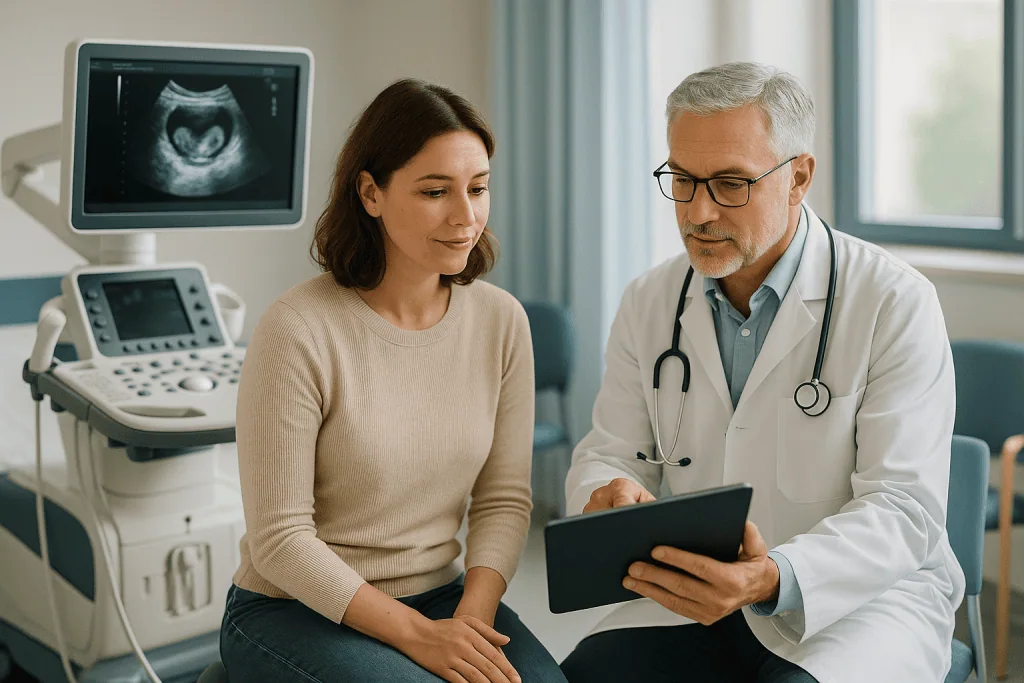
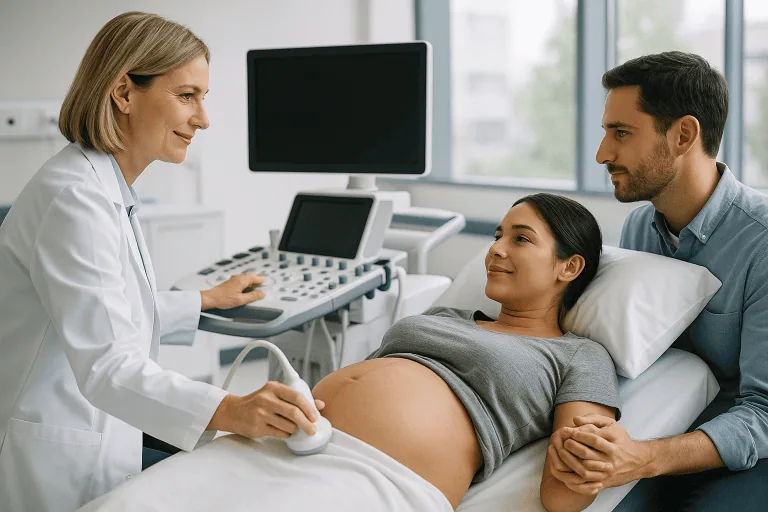
- Ultrasound: a transvaginal ultrasound (a scan performed with a probe placed in the vagina) can identify ovarian endometriomas and, in experienced hands, some forms of deep disease. A normal ultrasound does not rule out endometriosis, because superficial patches are usually not visible.
- Magnetic resonance imaging (MRI): a detailed scan sometimes used to map deep infiltrating endometriosis before surgery.
- Laparoscopy: a keyhole operation in which a surgeon inserts a thin camera through a small cut in the abdomen to look directly at the pelvic organs. Laparoscopy with a biopsy (removal of a small tissue sample for laboratory examination) has traditionally been considered the definitive way to confirm endometriosis, and it also allows the surgeon to describe the stage of the disease.
In recent years, many clinical guidelines have moved toward allowing a working diagnosis based on symptoms and imaging, so that treatment can begin without requiring surgery in every case. There is currently no reliable blood test that can confirm or exclude endometriosis. If your symptoms suggest the condition, your doctor may recommend starting treatment and reserving laparoscopy for cases where the diagnosis remains uncertain or where surgery is needed for treatment.
Treatment options
There is no known permanent cure for endometriosis, but a range of treatments can control symptoms, and many people achieve meaningful relief. The choice of endometriosis treatment depends on the severity of symptoms, the extent of the disease, whether pregnancy is desired now or in the future, age, and personal preference. Care is usually coordinated by a gynecologist, a doctor specializing in the female reproductive system; at Acibadem, for example, this condition is managed within the Gynecology & Obstetrics department. An overview of the condition and its management is also available on the endometriosis treatment page.
Watchful waiting
If symptoms are mild, or if endometriosis is discovered incidentally without causing problems, your doctor may suggest monitoring the condition rather than treating it immediately. Regular check-ups allow treatment to begin promptly if symptoms worsen.
Pain relief medication
Nonsteroidal anti-inflammatory drugs (NSAIDs), such as ibuprofen, are often the first step for menstrual pain. They reduce inflammation and cramping but do not affect the endometriosis tissue itself. Your doctor can advise on safe use, particularly if you have stomach, kidney, or heart conditions.
Hormonal treatment
Because endometriosis tissue responds to the hormone estrogen, treatments that lower estrogen levels or steady hormonal fluctuations often reduce pain. Options may include:
- Combined hormonal contraceptives: birth control pills, patches, or rings, which can make periods lighter and less painful.
- Progestin-only treatments: pills, injections, implants, or a hormone-releasing intrauterine device (a small device placed inside the uterus), which can thin the endometrium-like tissue.
- GnRH agonists and antagonists: medications that temporarily lower estrogen to menopause-like levels. They can be effective for pain but may cause hot flashes and bone thinning, so they are usually used for limited periods, sometimes with small doses of “add-back” hormones to reduce side effects.
- Other hormonal agents, which your doctor may consider in specific situations.
Hormonal treatments suppress the disease rather than remove it, and symptoms often return after stopping them. Most hormonal treatments also prevent pregnancy while they are being used, so they are not suitable for people actively trying to conceive.
Surgery
Surgery aims to remove or destroy endometriosis tissue while preserving healthy organs. It is usually performed by laparoscopy. Surgery is often considered when pain does not respond to medication, when there are large ovarian endometriomas, when deep disease affects the bowel or bladder, or as part of fertility care. Removing visible endometriosis can relieve pain and, in some cases, improve the chances of pregnancy, although the disease can recur over time.
For people with severe symptoms who have completed their families and have not been helped by other treatments, removal of the uterus: a hysterectomysometimes combined with removal of the ovaries, may be discussed as a last-resort option. This is a major, irreversible operation that ends the ability to carry a pregnancy, and it does not guarantee complete relief, particularly if endometriosis tissue remains elsewhere in the pelvis. The decision requires careful discussion of benefits, risks, and alternatives with your doctor.
Fertility treatment
If endometriosis is contributing to difficulty conceiving, options may include surgery to remove endometriosis tissue or assisted reproductive techniques such as in vitro fertilization (IVF), in which eggs are fertilized outside the body. A fertility specialist can help weigh these options based on age, disease extent, and other factors.
Living with endometriosis and outlook
Endometriosis is a long-term condition, and for many people managing it is an ongoing process rather than a one-time treatment. The outlook varies: some people achieve lasting symptom control with medication or a single operation, while others experience recurring symptoms that need adjustments in treatment over the years. Symptoms often lessen during pregnancy and usually improve after menopause, when estrogen levels fall, although this is not guaranteed in every case.
Alongside medical care, many people find the following helpful:
- Heat therapy: a heating pad or warm bath may ease cramping pain.
- Regular gentle exercise: physical activity may help with pain and overall well-being for some people.
- Pelvic floor physical therapy: specialized physiotherapy that can help when pelvic muscles have become tense in response to chronic pain.
- Psychological support: living with chronic pain can affect mood, relationships, and work. Counseling and patient support groups can provide practical and emotional help.
- Symptom tracking: keeping a diary of pain, bleeding, and other symptoms can help you and your doctor judge how well treatment is working.
Endometriosis does not automatically mean infertility. Many people with the condition become pregnant, sometimes without any treatment. If pregnancy is a goal, it is reasonable to discuss family planning early with your gynecologist so that treatment can be chosen with fertility in mind.
Frequently asked questions
What is endometriosis in simple terms?
Endometriosis is a condition in which tissue similar to the lining of the uterus grows outside the uterus, most often on the ovaries, fallopian tubes, and the lining of the pelvis. This tissue reacts to the monthly hormone cycle and bleeds during periods, but the blood cannot leave the body, which leads to inflammation, pain, and sometimes scar tissue. It mainly affects people of reproductive age and is one of the most common gynecologic conditions.
Can endometriosis heal on its own?
Endometriosis does not usually disappear on its own during the reproductive years, although symptoms can fluctuate and, in some people, remain mild for long periods. Symptoms often improve after menopause because estrogen levels drop. While there is no known cure, treatments such as pain relievers, hormonal therapy, and surgery can control symptoms effectively in many cases. Your doctor can help you find the approach that suits your situation.
How serious is endometriosis?
Endometriosis is not life-threatening in the vast majority of cases and is not a form of cancer. However, it can seriously affect quality of life through chronic pain, heavy periods, and difficulty conceiving, and severe disease can involve the bowel or bladder. Rarely, complications such as a ruptured ovarian cyst require urgent care. Early evaluation and appropriate treatment often prevent symptoms from dominating daily life.
Can I still get pregnant if I have endometriosis?
Many people with endometriosis become pregnant, some without any medical help. The condition can make conception more difficult, particularly when it distorts the pelvic anatomy or affects the ovaries, but it does not mean pregnancy is impossible. Options such as surgery to remove endometriosis tissue or assisted reproduction, including IVF, may improve the chances of pregnancy in selected cases. A fertility evaluation can clarify your individual outlook.
How do doctors confirm an endometriosis diagnosis?
Doctors usually start with a detailed history, a pelvic examination, and imaging such as transvaginal ultrasound or MRI. The traditional way to confirm the diagnosis is laparoscopy, a keyhole operation that allows the surgeon to see the tissue directly and take a biopsy. Increasingly, doctors may make a working diagnosis based on symptoms and imaging and begin treatment without surgery, reserving laparoscopy for uncertain or complex cases.
What is the recovery like after endometriosis surgery?
Most endometriosis surgery is performed laparoscopically through small incisions, and many people go home within a day or two and return to light activities within one to two weeks, although recovery times vary with the extent of surgery and individual factors. More extensive operations, such as those involving the bowel or a hysterectomy, generally require a longer recovery. Your surgical team will give you specific guidance on activity, wound care, and follow-up.
Does endometriosis come back after treatment?
Endometriosis can recur after both medical and surgical treatment, because current treatments control the disease rather than cure it. Hormonal therapy after surgery is often recommended to lower the chance of symptoms returning in people who are not trying to conceive. Regular follow-up allows your doctor to detect and manage any recurrence early.
When to see a doctor
Consider making an appointment with a gynecologist if you have period pain that interferes with school, work, or daily activities, pain during intercourse, pain with bowel movements or urination around your period, or if you have been trying to conceive for a year (or six months if you are over 35) without success. Painful periods are common, but pain that disrupts your life is not something you simply have to accept, and evaluation can identify treatable causes.
Seek urgent medical care if you experience any of the following red-flag warning signs:
- Sudden, severe pelvic or abdominal pain, especially with fever, vomiting, or fainting, which could indicate a ruptured or twisted ovarian cyst or another emergency
- Very heavy vaginal bleeding, such as soaking through pads or tampons every hour for several hours
- Signs of significant blood loss, including dizziness, rapid heartbeat, or pale, clammy skin
- Inability to pass urine or stool, or blood in the urine or stool along with severe pain
- Severe pain during pregnancy, or pelvic pain with a positive pregnancy test and vaginal bleeding, which needs prompt assessment
- Fever with pelvic pain, which may signal an infection
If you are unsure whether your symptoms are urgent, it is safer to seek medical advice promptly. A doctor can assess your symptoms, arrange the appropriate tests, and discuss the treatment options that fit your health goals.
Period Calculator
Check your own numbers in seconds, free, instant and doctor-reviewed ranges.
Medically reviewed by the Acıbadem International Medical Board September 2, 2026
See our medical review board →
Update history
- PublishedJune 14, 2026
- Medical review approvedSeptember 2, 2026
- Last content updateSeptember 2, 2026
Treatments for This Condition
Care at Acibadem
Doctors Who Treat This Condition

Vitro Fertilization and Reproductive Medicine Center
Assoc. Prof. Burak Elmas, MD

Vitro Fertilization and Reproductive Medicine Center
Assoc. Prof. Eser Çolak, MD




Vitro Fertilization and Reproductive Medicine Center