Pediatric Surgery
Pediatric Surgery involves surgical evaluation and treatment of infants, children, and adolescents with congenital, abdominal, thoracic, and soft-tissue conditions using child-centered techniques and multidisciplinary care.
Quick answer
Pediatric surgery is the surgical care of infants, children and adolescents, covering conditions of the abdomen, chest, groin, skin and soft tissues, including congenital anomalies present at birth. It includes emergency operations such as appendicitis and planned procedures such as hernia repair, performed by pediatric surgeons with anaesthesia, monitoring and recovery adapted to a growing child.
What is pediatric surgery?
Pediatric surgery is the surgical evaluation and treatment of infants, children and adolescents, from newborns with structural conditions present at birth to teenagers with acquired disease. It covers operations on the abdomen, chest, groin, skin, soft tissues and certain congenital structures, and it includes both emergency procedures and carefully planned ones. It exists as a separate specialty for a simple reason: children are not small adults. Operating on a body that is still growing calls for different judgement, different instruments, different anaesthesia and a different kind of team.
Many parents first meet the specialty while researching hospitals rather than procedures. Searches for a well-known children’s hospital by name are often, underneath, a search for something simpler: what does pediatric surgery actually involve, who performs it, and what should a family expect before, during and after an operation? This page answers those questions in plain terms, whichever hospital ends up treating your child.
The specialty is not defined only by the operation itself, but by how care is delivered around it. The range is wide: at one end sit relatively straightforward procedures such as hernia repair; at the other, complex surgery for congenital anomalies, gastrointestinal disorders, thoracic conditions, neonatal problems and childhood tumours. In every case, the plan is adapted to the child’s age, size, diagnosis and nutritional status, and to the likely impact of both the condition and the operation on future growth and function. A treatment that suits a premature newborn will rarely suit a fourteen-year-old, even when the diagnosis carries the same name.
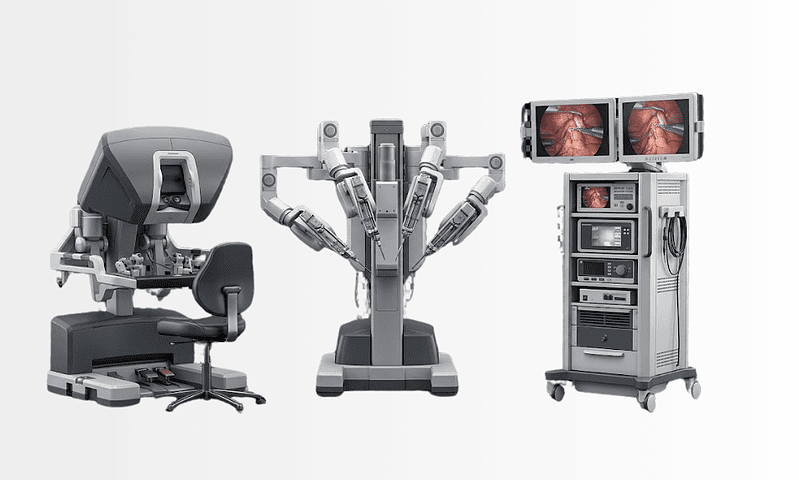
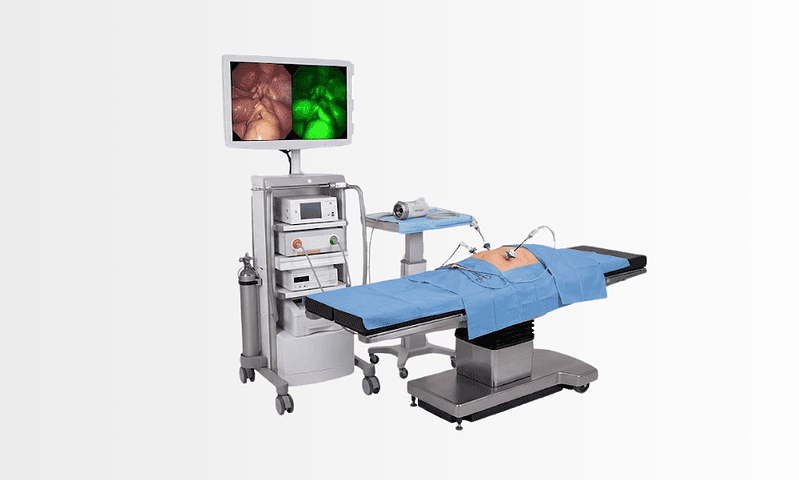
Whenever appropriate, operations may be performed using minimally invasive methods. These use small incisions and fine instruments, usually with camera guidance, to reduce tissue disruption. For selected children this can mean less discomfort after surgery, a shorter hospital stay and a quicker return to normal activity. Minimally invasive surgery is not always the better option, though. In some situations, open surgery offers safer access or a more reliable repair, and a good surgical team will say so plainly. The right technique depends on the child’s condition and the team’s assessment, not on what sounds most modern.
The specialty also includes diagnostic procedures, preoperative evaluation and postoperative follow-up. In some children, an operation confirms a diagnosis or defines the full extent of a problem. In others, surgery is one part of a longer pathway that also involves imaging, endoscopy, medication, nutritional support, intensive care or long-term monitoring.
Pediatric surgery, surgical paediatrics and “ped surg”: one field, several names
Surgical paediatrics is the British and international English name for exactly the same field; North American hospitals write pediatric surgery, and clinicians shorten it to ped surg on rotas, referral letters and hospital signage. The spelling differs, the specialty does not. If a referral note mentions any of these terms, your child is being sent to the same kind of doctor.
Parents tend to type whatever is in front of them: a hospital name, a local phrase, or an abbreviation copied from a discharge summary. All of these searches lead towards the same specialty and the same underlying questions: is an operation necessary, who should perform it, and what does the path afterwards look like? The sections below take those questions in order.
Do pediatrics do surgery?
No, paediatricians do not perform operations. Paediatrics is the medical care of children: diagnosis, medication, growth and development, vaccination, and the management of illness that does not need an operation. When a paediatrician suspects a surgical problem, a hernia, appendicitis, an obstruction, a mass, they refer the child to a pediatric surgeon, who decides whether an operation is needed and, if so, performs it. The two specialties work closely together before and after surgery, but the operating itself belongs to the surgical side. The same division applies to most organ-specific children’s specialists, as explained further below.
When your child may need surgery, the decision can feel overwhelming
Few words are harder for a parent to hear than your child may need surgery. Even when the condition is common and treatable, families find themselves balancing fear, urgency and a long list of practical questions at the same time. Is the operation truly necessary? Is there a safer alternative? How experienced is the team with children of this exact age? What will recovery look like, and how will pain, feeding, sleep and school be managed afterwards? These are reasonable questions, and a well-run surgical service expects them.
Children differ from adult surgical patients in ways that shape every stage of care. Their anatomy is smaller, their physiology is different, their fluid balance and temperature control are less forgiving, and their emotional needs are their own. A newborn with a congenital condition, a toddler with a hernia, a school-age child with abdominal pain and a teenager with a soft-tissue mass each need an approach designed around age, development and the likely course of recovery. That is why pediatric surgical care is typically planned with close input from paediatric anaesthetists, radiologists, neonatologists, intensivists, gastroenterologists, urologists, oncologists and other specialists when needed.
Treatment matters not only because it addresses the immediate problem, but because it can protect growth, organ function, comfort and long-term health. Some pediatric surgical conditions are urgent and cannot wait. Others can be scheduled carefully after a thorough diagnostic evaluation, sometimes after a period of watching and re-checking. In both situations, clear communication and unhurried explanation help parents understand what is happening and what comes next.
International families carry an added layer of questions. They may be seeking a second opinion, a more specialised paediatric team, or access to particular diagnostics and minimally invasive techniques. Families who have already read about large dedicated children’s hospitals usually arrive with a clear picture of what a children’s hospital can offer and want to know how a given programme compares in team depth and coordination. They also need practical help: records, timelines, travel and communication in a language they understand. A good pediatric surgery programme recognises that caring for a child also means caring for the family around that child.
What does a pediatric surgeon do?
A pediatric surgeon is a doctor trained first in general surgery and then, additionally, in the surgical care of children specifically. The role covers more than operating. A pediatric surgeon evaluates whether surgery is needed at all, chooses the timing, selects the technique, performs the procedure with a paediatric anaesthesia team, and follows the child through recovery. Deciding not to operate, or to wait, is as much a part of the job as the operation itself, and families should expect a clear explanation of that reasoning either way.
How long is pediatric surgery fellowship?
In the United States, pediatric surgery fellowship typically lasts two years and follows a five-year general surgery residency, which itself follows medical school. Training pathways in the United Kingdom, Europe and elsewhere are organised differently and use different titles, but the pattern is similar: a long general surgical foundation, then dedicated years spent operating on children under supervision. By the time pediatric surgeons practise independently, they have usually spent well over a decade in training, much of it in children’s hospitals and neonatal units. This is worth knowing as a parent, because it explains why the specialty is relatively small and why complex childhood conditions tend to be concentrated in centres that see them regularly.
Do pediatric cardiologists perform surgery?
No. Pediatric cardiologists diagnose and manage children’s heart conditions medically, with assessment, imaging, monitoring and medication, and some perform catheter-based procedures through blood vessels. Operations on a child’s heart are performed by congenital heart surgeons, a distinct surgical specialty covered on our pediatric cardiac surgery page. The two roles work as a pair: the cardiologist typically identifies the problem, follows the child long term, and refers to the surgeon when an operation is the right treatment. If your child sees a cardiologist, that visit is not, by itself, a sign that surgery is coming; most childhood heart concerns are managed without an operation.
What is pediatric orthopedic surgery?
Pediatric orthopedic surgery is a related but separate subspecialty that treats bones, joints, muscles and the spine in growing children, conditions such as fractures, limb and hip disorders, and spinal curvature. It sits alongside general pediatric surgery rather than within it: the general pediatric surgeon deals mainly with the abdomen, chest, groin and soft tissues, while the orthopaedic specialist deals with the skeleton. The distinction matters when you are reading referral letters, because “your child needs a surgeon” can mean several different doors.
Other subspecialties follow the same logic. Operations on a child’s brain, spine and nervous system belong to pediatric neurosurgery; the correction of congenital differences such as cleft lip, and the reconstruction of skin and soft tissue after injury, belong to pediatric plastic surgery. A well-organised children’s programme brings these fields together around the individual child, so that a complex case is not passed from door to door but reviewed by the right combination of specialists from the start.
Who may need pediatric surgery
Children come to surgical evaluation by many routes. Some are born with abnormalities detected before birth on prenatal imaging, or recognised shortly after delivery. Others develop symptoms later in infancy, childhood or adolescence. Surgery is considered when a condition is unlikely to resolve on its own, when symptoms are significant, when there is a real risk of complications, or when an operation offers the most effective treatment available.
Common symptoms and signs that lead to a surgical assessment include persistent vomiting, feeding difficulties, abdominal swelling, severe constipation, unexplained abdominal pain, a visible or painful bulge in the groin or around the belly button, chest wall abnormalities, recurrent infections, drainage from the skin, a lump or mass, intestinal obstruction, blood in the stool, or failure to thrive. In adolescents, surgery may also be needed for gallbladder problems, appendicitis, inflammatory conditions, or selected benign and malignant masses.
Diagnosis begins with a careful history and physical examination. Parents are usually asked when the symptoms started, whether they are worsening, whether feeding or bowel habits have changed, and whether the child has had fevers, weight loss, breathing problems or previous hospital stays. In newborns and infants, the prenatal and birth history can be especially important, because many surgical conditions of early life are linked to how the body formed before delivery.
Depending on the suspected condition, the workup may include blood tests, urine studies, ultrasound, X-rays, contrast studies, CT or MRI scans, and in some cases endoscopic evaluation. Imaging in children is chosen deliberately, weighing diagnostic value against unnecessary exposure. Ultrasound is particularly valuable in paediatrics because it is non-invasive, uses no radiation, and can often be repeated to watch how a condition evolves over days or weeks.
Families arrive from different directions. Some are referred after an emergency visit for acute abdominal pain or suspected appendicitis. Others come after repeated paediatric appointments for chronic complaints, reflux-like symptoms, constipation, a hernia swelling that keeps returning, or a lump that has changed in size. Still others seek a specialist review after a prenatal diagnosis of a congenital anomaly, wanting to understand what will happen once the baby is born. In each setting the goal is the same: define the problem clearly and determine whether surgery is needed now, later, or not at all.
Conditions and indications pediatric surgery can address
The exact scope varies by centre and by the child’s age and needs, but the common indications fall into a few broad groups covering congenital, abdominal, thoracic and soft-tissue disorders.
- Congenital anomalies: structural conditions present at birth, including selected gastrointestinal, abdominal wall, thoracic and soft-tissue abnormalities that need repair or reconstruction.
- Hernias: inguinal hernias, umbilical hernias and related groin conditions that cause swelling or discomfort, or carry a risk of the tissue becoming trapped.
- Appendicitis: one of the most frequent urgent operations in childhood, typically presenting with abdominal pain, nausea, fever and loss of appetite.
- Gastrointestinal conditions: bowel obstruction, selected reflux-related problems, pyloric obstruction in infants, Meckel-related issues, and disorders that interfere with feeding or intestinal function.
- Soft-tissue masses and cysts: benign lumps, congenital cysts, skin or subcutaneous lesions, and masses that need removal or biopsy to establish what they are.
- Thoracic conditions: selected chest wall or intrathoracic abnormalities requiring surgical assessment and treatment.
- Neonatal surgical problems: urgent or complex conditions recognised around birth that affect breathing, feeding or the passage of the intestine.
- Trauma-related surgical needs: injuries in children that require an operation or close surgical observation in hospital.
- Oncologic surgery in children: biopsy or removal of tumours as one part of a coordinated childhood cancer treatment plan.
Not every child with one of these conditions needs immediate surgery. Some can be monitored, some respond to medical treatment, and some are best operated on after a short period of growth or stabilisation. The pediatric surgeon’s role is to decide not only how to operate, but whether operating is the right next step at all.
How pediatric surgery is performed
The process usually begins well before the day of the operation. After diagnosis, the surgical team reviews the child’s symptoms, imaging, laboratory results and overall health. For complex cases, the plan is discussed in a multidisciplinary board so that surgeons, anaesthetists, radiologists, neonatologists, paediatricians and other experts agree on timing and technique before anything is scheduled. This matters most for newborns, children with several medical problems at once, and children with suspected tumours or rare congenital anomalies, where the order of treatments can be as important as the treatments themselves.
Preoperative preparation focuses on making the operation as safe as possible. Parents receive instructions about eating and drinking before anaesthesia and about any additional tests needed; questions about a child’s regular medicines are answered directly by the treating team, because the right answer depends on the drug, the child and the operation. Some children need blood work, a repeat ultrasound, a chest assessment or a consultation with another paediatric specialist first. A recent respiratory infection, a heart condition, a history of prematurity or a nutritional concern are all reviewed carefully, because each can change how anaesthesia and recovery are managed.
On the day of surgery, care follows a deliberate sequence:
- The child is checked in and assessed again. The team confirms identity, the planned procedure, allergies, recent symptoms and, where relevant, the surgical site.
- Paediatric anaesthetists guide the child to sleep and monitor breathing, heart function, blood pressure, temperature and comfort throughout the procedure. Pain control is planned in advance and may include age-appropriate medication, local anaesthetic techniques or regional blocks in selected cases.
- The operation is performed using the technique agreed in advance, minimally invasive or open, adjusted only if the findings require it for safety.
- The child wakes in a recovery area, where nurses and anaesthetists monitor waking, breathing, pain, hydration and nausea.
- Before going home, the same day or after a hospital stay, the team confirms that pain is controlled, that fluids or feeding are tolerated where appropriate, and that parents understand wound care, medication schedules, warning signs and the follow-up plan.
What happens during the procedure itself depends entirely on the diagnosis. In minimally invasive operations, the surgeon makes a few small incisions and works with a camera and fine instruments; the magnified view can improve precision in small anatomical spaces. In open surgery, a single larger incision is made when direct access is safer or more effective, often the case in complex reconstruction or when tissue is fragile. Both approaches aim at the same thing: correct the problem while protecting normal, growing tissue as much as possible.
Technology plays a supportive but genuine role. High-resolution imaging defines the anatomy before the operation. In theatre, specialised paediatric anaesthesia monitoring supports safety in small and medically complex patients, while minimally invasive visualisation systems reduce tissue trauma in suitable cases. Fine energy devices and delicate instruments help limit bleeding and improve precision. For children with unusual anatomy, a detailed pre-operative imaging review lets the team rehearse the operation before making the first incision.
How long an operation takes varies widely. A straightforward hernia repair may be brief; neonatal reconstruction or surgery for a congenital anomaly can take much longer. Parents are given a time estimate, but the honest caveat is worth stating: the safest operation is not always the fastest. If the team finds something unexpected, or adjusts the plan for safety, the procedure can run longer than first predicted, and that is usually a sign of care, not trouble.
Recovery at home depends on the type of operation. Many children are tired, irritable or less hungry for a short period after anaesthesia. Mild swelling or bruising around the incision can be normal. Activity may be limited for a time, particularly after abdominal or groin procedures, and school or nursery return is planned around the individual child. Follow-up visits let the team assess healing, review pathology results if tissue was removed, and confirm that the child is returning to normal growth and activity.
Why acting early can matter
In pediatric surgery, timing can make a meaningful difference. Some conditions become harder to treat if they are allowed to progress. A hernia can become trapped. Appendicitis can perforate. An intestinal obstruction can lead to dehydration, infection or a compromised blood supply. A mass that seems stable may grow, change or begin to press on nearby structures. In newborns with congenital anomalies, delay can interfere with feeding, breathing or normal organ function.
Acting early does not always mean operating early. It means obtaining the right evaluation at the right time. For some children, an early assessment allows the team to monitor the condition and choose the safest window for surgery before complications develop. For others, it confirms that the operation is urgent and should not be postponed. Either answer is more useful than uncertainty.
Delay carries a quieter cost, too. Repeated emergency visits, recurrent pain, poor feeding, disturbed sleep and missed school or work weigh on a family even when a condition is not dangerous. A timely specialist opinion often brings clarity: it may show that surgery can wait, that another treatment should be tried first, or that proceeding now is the best way to protect the child’s health.
Potential benefits of pediatric surgical treatment
The expected benefits depend on the diagnosis and the operation, but the goals are usually both immediate and long term:
- Correction of the underlying problem. Surgery can repair an anatomical issue, remove diseased tissue or relieve an obstruction that medicine alone cannot fix.
- Relief of pain and distressing symptoms. Many children improve in pain, swelling, vomiting or feeding difficulty once the cause is treated.
- Lower risk of complications. Treating a condition before it worsens can reduce the chance of emergency events such as infection, incarceration, perforation or organ damage.
- Support for growth and development. When feeding, digestion, breathing and physical comfort improve, children are better placed to grow, sleep, move and take part in daily life.
- A more accurate diagnosis where needed. Some operations include biopsy or direct evaluation, clarifying the diagnosis and guiding the next stage of care.
- Smaller incisions in selected cases. Where minimally invasive surgery is appropriate, children may have less postoperative discomfort and a quicker return to routine activity.
What recovery may look like
Every child recovers at a different pace, and the operation itself sets the frame: a day-case hernia repair and neonatal bowel surgery are different worlds. The timeline below offers a general sense of what families often experience.
| Time period | What families can expect |
|---|---|
| Day 1 | Close monitoring after anaesthesia, attention to pain control, and a gradual return to fluids or feeding depending on the operation. |
| First week | Tiredness, mild soreness and reduced activity are common. Parents focus on medication, incision care, hydration, bowel function and the warning signs explained at discharge. |
| First month | Many children resume much of their normal routine, although strenuous activity may still be restricted after some procedures. Follow-up appointments assess healing. |
| Longer term | Most children continue returning to regular growth and activity. Those treated for complex congenital or oncologic conditions may need longer follow-up and coordinated specialist care. |
What influences outcomes and a good result
Outcomes in pediatric surgery depend on several factors at once. The child’s age, birth history, nutritional status and underlying diagnosis all matter, as does whether the condition is simple, urgent or complex. A straightforward elective hernia repair carries different considerations than neonatal bowel surgery or tumour-related treatment. Early diagnosis generally helps, but so does choosing a centre that can provide the level of paediatric support the child may need before, during and after the operation, including intensive care if it becomes necessary.
The experience of the surgical and anaesthesia teams is especially important for infants, newborns and rare congenital conditions. Safe paediatric anaesthesia, fluid management, temperature control and pain management require specific expertise, and access to paediatric imaging, neonatal or paediatric intensive care, and specialist consultation shapes how smoothly recovery goes. Families comparing large dedicated centres: a university children’s hospital, a specialist paediatric unit within a general hospital, or an international programme, tend to weigh the same things: how often the team treats this exact condition at this exact age, what support sits around the operating theatre, and how follow-up is organised.
Another major factor is whether the plan is genuinely individualised. The best approach is not always the newest or the least invasive. A good result depends on selecting the right operation, at the right time, for the right child. Families should expect a clear explanation of why surgery is recommended, what the alternatives are, what the likely benefits and risks look like for their child specifically, and what follow-up will involve. Vague answers to those questions are a reason to ask again.
Parents themselves play a meaningful role. Following fasting instructions, sharing a complete medical history, giving prescribed medication as directed by the treating team and attending follow-up visits all support safe care. At home, attentive observation during recovery helps identify concerns early, fever, poor oral intake, unusual swelling, breathing difficulty, persistent vomiting or changes in bowel function are the kinds of changes the discharge instructions will ask you to watch for.
How pediatric surgery is organised at Acibadem
Acibadem’s pediatric surgery department works on a multidisciplinary model, which matters most for children with congenital anomalies, abdominal disorders, thoracic conditions, complex neonatal needs or suspected tumours. Where appropriate, cases are reviewed together with paediatricians and other subspecialists so that diagnosis, timing, anaesthesia, the operation itself and postoperative care are aligned as one plan rather than a series of separate appointments. For parents, the practical effect is that the conversation covers the whole pathway, not just the procedure.
For families travelling from abroad, coordination is part of the clinical work rather than an afterthought: medical record review before travel, appointment scheduling across specialties, interpreter support and help with the practical sequence of a treatment stay. Clear communication carries particular weight in paediatric care, because parents are making decisions on behalf of a child and need time to understand the diagnosis, the recommendation and the alternatives before anything is scheduled.
Equally central is individualised planning. No two children are alike, even with the same diagnosis on paper. A premature infant, a school-age child and an adolescent may each need a different perioperative strategy, and the aim is always to match the surgical plan to the child’s age, anatomy, general health and family circumstances while following evidence-based treatment principles. Where a less invasive technique is suitable, it is offered; where open surgery is the safer choice, that is said plainly, with the reasoning explained.
Preparing for a surgical consultation
If your child has been advised to see a pediatric surgeon, the consultation goes further when the right information is in the room, and this holds at any centre, in any country. Previous medical reports, imaging studies on disc or file, pathology results if tissue has already been examined, a current medication list and a short written summary of symptoms and their timeline all make the specialist’s assessment more precise. Prenatal records can be valuable for infants.
It also helps to arrive with your own questions written down. The ones parents most often wish they had asked include: what exactly is the diagnosis, and how certain is it? What happens if we wait? What are the realistic alternatives to surgery? Which technique is proposed, and why that one for this child? What will the first days and weeks of recovery involve at home, and what follow-up will be needed afterwards? A specialist review, including a second opinion, which is a normal part of surgical care rather than a discourtesy, exists to answer precisely these questions, so that whatever decision you make about your child’s treatment is an informed one.
Preparation
- Preparation depends on the child’s age, diagnosis, and planned operation. Preoperative assessment may include blood tests, imaging, and pediatric anesthesia review. Families are usually advised about fasting, regular medicines, and what to expect before and after surgery.
Aftercare
- Aftercare focuses on pain control, wound care, hydration, and a gradual return to normal activity. Parents receive instructions about bathing, diet, school attendance, and warning signs such as fever, vomiting, or wound redness. Follow-up visits help monitor healing and recovery.
Frequently Asked Questions
What conditions does pediatric surgery treat?
Pediatric surgery treats a wide range of conditions in babies, children, and teenagers, from common issues such as hernias, appendicitis, and undescended testicles to more complex congenital abnormalities affecting the digestive system, chest, or urinary tract. Some children also need surgery for masses, trauma, or infections. At Acibadem, pediatric surgeons work closely with diagnostic and anesthesia teams to create a treatment plan tailored to your child’s age, condition, and overall health.
How do I know if my child needs pediatric surgery?
A child may need pediatric surgery if they have ongoing pain, swelling, vomiting, feeding problems, repeated infections, a visible lump, or a condition identified before or after birth. In some cases, surgery is urgent, while in others it can be planned after detailed evaluation. Imaging, blood tests, and specialist examination help clarify the diagnosis. Acibadem specialists provide a personalized assessment to decide whether surgery is the best option or if monitoring is appropriate.
Is pediatric surgery safe for babies and children?
Pediatric surgery is generally safe when performed by experienced surgeons, pediatric anesthesiologists, and specialized hospital teams. Children are not simply treated as small adults; they need age-appropriate equipment, monitoring, pain control, and recovery care. Before any procedure, the team evaluates your child’s medical history, tests, and any special needs to reduce risks. At Acibadem, safety planning and family communication are important parts of the process, helping parents feel informed and supported throughout treatment.
What tests are done before pediatric surgery?
Preoperative tests depend on your child’s age, symptoms, and the planned procedure. Common evaluations may include blood tests, ultrasound, X-ray, MRI, CT, urine analysis, or cardiac assessment if needed. The surgeon and anesthesiologist also review allergies, medications, previous illnesses, and any family history relevant to anesthesia or bleeding. Not every child needs every test. Acibadem specialists recommend only the investigations necessary to diagnose the condition accurately and prepare your child safely for surgery.
Can international patients arrange pediatric surgery in Turkey easily?
Yes, many international families travel to Turkey for pediatric surgery and benefit from coordinated care. Typically, the process begins with sharing medical records, imaging, and previous reports for review. After this, the team may suggest further tests, an online consultation, or direct admission planning. Acibadem supports international patients with appointment organization, treatment planning, and hospital guidance. A personalized assessment helps families understand expected timelines, possible hospital stay, and the next steps before travel.
How long does my child need to stay in the hospital after pediatric surgery?
Hospital stay varies depending on the type of surgery, your child’s age, and how quickly they recover. Some procedures are done as day surgery, allowing children to go home the same day, while more complex operations may require several days of monitoring. Pain control, feeding, wound healing, and activity level all influence discharge timing. The pediatric surgery team at Acibadem explains what to expect in advance and adjusts recovery planning according to your child’s individual needs.
Will my child be in pain after pediatric surgery?
Some discomfort is normal after surgery, but pain is carefully managed so children can rest, drink, eat, and move more comfortably. Pain relief may include medications by mouth, vein, or other child-appropriate methods depending on the procedure. The care team also uses non-drug support such as positioning, reassurance, and recovery monitoring. At Acibadem, pediatric specialists tailor pain management to the child’s age and surgery type, aiming to keep them as comfortable and calm as possible.
Are minimally invasive or laparoscopic options available in pediatric surgery?
In many cases, yes. Minimally invasive pediatric surgery, including laparoscopy, can be used for selected abdominal and chest procedures. These techniques often involve smaller incisions and may support faster recovery, less visible scarring, and shorter hospital stay for suitable patients. However, not every condition can be treated this way, especially if the anatomy or urgency requires open surgery. Acibadem pediatric surgeons assess each child individually to recommend the safest and most effective surgical approach.
What should parents bring and prepare before a child’s surgery?
Parents should bring the child’s passport or identification, medical reports, imaging discs, medication list, allergy information, and any previous surgery records. It also helps to pack comfort items such as a favorite toy, blanket, or age-appropriate entertainment. Follow fasting instructions carefully, as eating or drinking too close to anesthesia can be unsafe. The hospital team will explain admission timing and practical details. At Acibadem, families receive guidance to help the process feel organized and less stressful.
How soon can my child return to normal activities after pediatric surgery?
Recovery time depends on the operation, your child’s age, and overall health. Some children return to light activities within days, while others need a longer period before school, sports, swimming, or full physical play. The surgeon will advise when bathing, wound care, travel, and exercise are safe. It is important not to rush healing. Acibadem specialists provide individualized discharge instructions and follow-up planning so parents know what signs of recovery to expect at home.
Medically reviewed by the Acıbadem International Medical Board September 13, 2026
See our medical review board →
Update history
- PublishedJuly 19, 2026
- Medical review approvedSeptember 13, 2026
- Last content updateSeptember 12, 2026
From the Acibadem Blog

Which Changes After Pediatric Surgery Mean Parents Call the Team? Fever, Vomiting and Wounds
After a child's surgery, call the surgical team the same day for a temperature of 38°C (100.4°F) or higher, vomiting that stops fluids staying…

How Do You Prepare a Child for Pediatric Surgery? Age-Appropriate Words, Fasting and Comfort
To prepare a child for surgery, match honest, simple explanations to their age, follow the fasting instructions the anesthesia team gives you exactly, and…