

Gastric Sleeve in Turkey: Candidacy, Safety Record and Cost

Gastric sleeve surgery in Turkey has become one of the most frequently considered options for adults in the United Kingdom, Ireland, the United States, Canada and Australia who have struggled with obesity for years and have reached the point where lifestyle measures alone are not working. The operation reduces the size of the stomach so that a person feels full sooner, eats less and, with dietetic support, loses weight steadily while obesity-related conditions such as type 2 diabetes, high blood pressure and sleep apnoea often improve.
This page sets out what the procedure involves, who is and is not a candidate, how safety and mortality should be understood, how a hospital-based pathway with Acıbadem works from the first remote review to follow-up at home, and what the cost of a gastric sleeve in Turkey does and does not reflect compared with the UK and US. It is written to help you have an informed conversation with your own doctor and with a bariatric team, not to replace either.
What gastric sleeve surgery is and who it suits
Gastric sleeve surgery, also called sleeve gastrectomy, is a bariatric procedure that reduces the size of the stomach to support long-term weight loss and improve obesity-related health risks when lifestyle measures have proved insufficient. A large part of the stomach is removed, leaving a narrower tube-shaped organ. Because the stomach holds less, hunger and portion size fall, and many patients also notice a change in appetite-related hormones.
It is a surgical procedure performed under general anaesthesia, and it is not reversible. That is why candidacy is assessed carefully rather than assumed.
Who is usually considered a candidate
- Adults with a body mass index in the severely obese range, or a lower BMI accompanied by weight-related conditions such as type 2 diabetes, hypertension or obstructive sleep apnoea.
- People who have made sustained, documented attempts at weight loss through diet, exercise and, where appropriate, medication.
- People who understand that surgery is a tool that works alongside permanent changes in eating and activity, and who are willing to attend long-term follow-up.
Who should not have it, or should pause
- Anyone with an uncontrolled medical or psychiatric condition that would make general anaesthesia or the recovery period unsafe.
- People with active substance misuse, an untreated eating disorder, or an inability to commit to dietary follow-up and vitamin supplementation.
- Women who are pregnant or planning pregnancy in the near term; bariatric teams usually advise a waiting interval after surgery.
- Patients with certain conditions of the oesophagus or stomach, where the surgeon may recommend a different bariatric operation or none at all.
The bariatric evaluation, described later on this page, is the point at which these questions are resolved with a surgeon, an anaesthetist and a dietitian rather than by the patient alone.
Why patients from the UK and the US travel to Turkey for gastric sleeve surgery
Two very different reasons bring British and American patients to Türkiye for bariatric surgery. The first is access. In the UK, NHS bariatric pathways involve strict eligibility thresholds and, in many regions, long waits between referral, tier-three weight-management programmes and an operating date. In the US, insurance authorisation for bariatric surgery is often lengthy and may be refused, leaving self-pay as the only route. In Türkiye, a hospital can usually schedule surgery within weeks once the medical review is complete.
The second reason is the kind of medicine on offer. Bariatric surgery is major abdominal surgery, and it belongs in a hospital rather than a stand-alone clinic. Acıbadem operates a network of more than 20 hospitals, seven of which hold Joint Commission International accreditation, with more than 3,300 physicians. Gastric sleeve surgery is performed at several of these, including Acıbadem Altunizade Hospital in Istanbul.
What this means in practice:
- Anaesthesia, intensive care, radiology, endoscopy and a laboratory are on the same site as the operating theatre, so a complication can be recognised and treated immediately rather than after a transfer.
- The surgeon is part of a multidisciplinary bariatric team with dietitians, endocrinologists and psychologists, which mirrors the model used by NHS and US academic centres.
- International patient departments handle interpretation, records in English and coordination with your doctor at home, and have long experience with patients travelling from the UK, Ireland, North America and Australia.
Cost is a factor too, and it is addressed honestly further down this page, but the decision to travel for surgery should begin with the question of where the operation is safest, not where it is cheapest.
How gastric sleeve surgery in Turkey works with Acıbadem, step by step
A hospital pathway is deliberately slower at the front end than a package sold online, because the medical review happens before any date or price is confirmed.
- Remote medical review. You send a health questionnaire, current weight and height, a list of medications and any relevant records, such as recent blood tests or a GP summary. A bariatric surgeon reviews them free of charge and tells you whether you appear to be a candidate, and if so for which operation.
- Personal plan and quote. If surgery is appropriate, you receive a written plan setting out the proposed procedure, the hospital, the length of stay, what is included and a personal quote. This is the moment to ask questions in writing.
- Arrival and coordinator. On landing in Istanbul you are met and taken to your accommodation or directly to the hospital. A named coordinator from the international patient department is your point of contact throughout.
- Consultation and pre-operative tests. You meet the surgeon in person and undergo the detailed bariatric evaluation: blood tests, imaging, an anaesthesia assessment and a nutritional review. Surgery goes ahead only if these confirm the remote assessment.
- The operation. Gastric sleeve surgery is performed under general anaesthesia and takes one to two hours.
- Hospital stay and early recovery in Istanbul. You stay in hospital for two to three nights and then remain in the city for a short period so the team can review you before you fly.
- Follow-up after returning home. You leave with a discharge summary, dietary staging plan and supplement schedule in English, and remote follow-up appointments are arranged at agreed intervals.
At every stage the team can decline to proceed if something in the evaluation changes the risk picture; that is a feature of hospital medicine, not a failure of the service.
The gastric sleeve procedure: technique, anaesthesia, duration and hospital stay
Gastric sleeve surgery is a surgical procedure performed under general anaesthesia, which means you are fully asleep and monitored by an anaesthetist throughout. The operation itself usually takes one to two hours, followed by a period in recovery before you return to the ward.
Preparation before the operation
Preparation is as much a part of the procedure as the surgery itself. Candidates undergo a detailed bariatric evaluation that includes blood tests, imaging, an anaesthesia assessment and a nutritional review. Depending on the findings, you may be asked to:
- follow a pre-operative diet for a set period to reduce liver size and surgical risk;
- stop smoking, because smoking impairs wound and staple-line healing and increases anaesthetic risk;
- adjust certain medications, particularly blood thinners, diabetes drugs and some supplements;
- avoid eating and drinking for the hours before surgery exactly as instructed.
The hospital stay
Patients typically stay in hospital for two to three nights. During this time the team manages pain and nausea, encourages early walking to reduce the risk of blood clots, checks that you can tolerate clear fluids, and watches for the early warning signs of complications such as a raised heart rate, fever or abdominal pain that is out of proportion. Because the hospital has intensive care, imaging and endoscopy on site, any concern can be investigated the same day.
You are discharged with written instructions on wound care, fluid intake, medication and the staged reintroduction of food, and with the contact details of the team for the days you remain in Istanbul and after you return home.
Recovery and aftercare timeline
Overall recovery from gastric sleeve surgery takes roughly two to four weeks, although the dietary transition and the lifestyle adaptation continue for many months. The timeline below is typical; your own team will adjust it.
Days 1 to 3: in hospital
Clear liquids in small, frequent sips, gentle walking several times a day, and monitoring for pain, nausea and early complications. Most patients are discharged on the second or third night.
Days 3 to 7: in Istanbul
You continue on liquids, keep mobile, and attend a review with the surgical team before you are cleared to fly. Wound checks are done and any concerns are dealt with in person.
Weeks 1 to 4: at home
Under dietitian guidance you progress from liquids to soft, puréed foods and then gradually to solid foods. Most people feel able to return to desk-based work within two to three weeks; physically demanding work and heavy lifting usually wait longer. Fatigue is common as calorie intake is very low, and hydration is the priority.
Months 2 to 12 and beyond
Regular follow-up is important to monitor weight loss, nutrition, vitamin and mineral levels, wound healing and lifestyle adaptation. Lifelong vitamin supplementation is standard after sleeve gastrectomy, and blood tests at intervals check for deficiencies. Follow-up with the Acıbadem team is arranged remotely, and your GP or own doctor should be kept informed so that blood tests and prescriptions can be organised locally.
Patients who do well long term are almost always those who attend follow-up, take supplements and treat the operation as the start of a programme rather than its conclusion.
Safety and risks
Gastric sleeve surgery is a well-established operation, but it is major surgery and carries risks that every candidate should understand before travelling.
Gastric sleeve death rate in Turkey: what the figures do and do not tell you
Deaths following bariatric surgery abroad have been reported in the UK press, and it is reasonable to ask about mortality. No national figure exists that reliably separates operations performed in accredited hospitals from those performed in unregulated settings, so any single death rate quoted online should be treated with caution. What can be said honestly is that mortality after sleeve gastrectomy in properly selected patients treated in a full hospital is low but not zero, and that the risk is influenced far more by where and how the operation is done than by the country on the map.
Complications to be aware of
- Leak from the staple line, the most serious early complication, which needs rapid imaging and treatment.
- Bleeding, infection and blood clots in the legs or lungs.
- Anaesthetic complications, more likely in patients with sleep apnoea or heart and lung disease.
- Later problems: acid reflux, narrowing of the sleeve, gallstones, nutritional deficiencies and, in some patients, weight regain.
What cases that go wrong abroad usually share
Reviews of poor outcomes tend to find the same pattern: surgery booked on price without a proper medical review, patients accepted despite conditions that should have delayed or excluded them, operations performed in facilities with no intensive care or out-of-hours surgical cover, flights home within a day or two, and no structured follow-up once the patient has left. A hospital setting changes each of those variables: a team can decline to operate, complications are treated on site, discharge is clinical rather than commercial, and follow-up is planned. Patients who are not suitable are told so.
UK and US vs Türkiye: how the pathway and the cost differ
In the UK, most gastric sleeve surgery is either NHS-funded after a lengthy tiered pathway with strict criteria, or self-funded privately with the full cost paid up front. In the US, insurance may cover surgery after documentation of supervised weight-loss attempts, but denials are common and deductibles high; self-pay is frequent. In both countries the surgery is close to home, aftercare is local, and complications are handled by the same system. In Türkiye there is no waiting list, the pathway is self-pay, and aftercare is shared between the treating hospital, remote follow-up and your own doctor, with travel added to the equation.
How much is a gastric sleeve in Turkey, and why is the price lower?
The verified UK, US and Türkiye price band appears below these sections, and a personal quote follows the free medical review. The lower cost reflects lower salaries, property costs and overheads in Türkiye, not different materials: staplers, sutures, anaesthetic agents and monitoring equipment come from the same international manufacturers used in British and American operating theatres. Lower cost is not evidence of lower standards, but it is also not evidence of higher ones; the accreditation, the team and the hospital infrastructure are what to judge.
Gastric sleeve packages, and packages including flights
Many offers are sold as all-inclusive packages, some including flights. When comparing, check like for like: is the operation in a hospital with intensive care, is the pre-operative evaluation included and can it lead to a refusal, how many nights in hospital and in the city are covered, are transfers and interpretation included, what happens if a complication extends your stay, and what follow-up is provided after you fly home. A price that includes flights but excludes hospital backup is not a bargain.
Planning the trip to Istanbul
Istanbul is about four hours by air from London and around ten hours from New York, with frequent direct flights from most UK and major US airports.
Passport and entry
UK, Irish, US, Canadian and Australian passport holders enter Türkiye visa-free for up to 90 days. Check the current rules and your passport’s validity before booking, as requirements can change.
How long to stay
Plan for roughly a week to ten days in total: a day or two for the in-person consultation and pre-operative tests, two to three nights in hospital, and several days afterwards for review before you are cleared to fly. Your surgeon will set the exact day you can travel; booking a fixed return flight before that advice is a common mistake.
Companion
Bringing a partner, relative or friend is strongly recommended. You will be tired, on a liquid diet and adjusting to new routines, and a companion can help with luggage, communication and simply noticing if something is not right.
Travel insurance
Standard travel insurance excludes planned medical treatment and often excludes complications arising from it. Look for a specialist policy that explicitly covers elective surgery abroad, including repatriation and extended stay, and read the exclusions carefully.
What to bring
- Printed and digital copies of your medical records, medication list and the plan agreed with the hospital.
- Your regular medications in original packaging, plus any pre-operative supplements advised.
- Loose, comfortable clothing, slip-on shoes and a small pillow for the flight home.
- A refillable bottle for the frequent small sips of fluid you will need.
- Contact details for your GP or own doctor and for the international patient coordinator.
Back home: follow-up, your GP and insurance
Recovery does not end at the airport. Before leaving Istanbul you should have a discharge summary in English, an operation note, the dietary staging plan, a vitamin and supplement schedule, and dates for remote follow-up with the Acıbadem team.
Follow-up with your GP or own doctor
Give your GP or primary care physician a copy of all records as soon as you are home, ideally before you travel as well. They can arrange the blood tests that monitor iron, vitamin B12, vitamin D, folate and other levels, adjust medication for diabetes or blood pressure as your weight changes, and refer you to a local dietitian if needed. Never treat the operation as a reason to bypass your own doctor; the two teams work better together.
When to seek help urgently
Contact a doctor or emergency service without delay if you develop fever, a racing heart, worsening abdominal or shoulder-tip pain, persistent vomiting, inability to keep fluids down, calf pain or swelling, chest pain or breathlessness. These can signal a leak, infection or a blood clot and need same-day assessment.
Insurance, NHS and your own doctor
Private medical insurance in the UK and Ireland rarely covers elective treatment abroad or its consequences; check your policy wording. The NHS will treat complications as it would for any other patient, but it is not obliged to provide routine bariatric follow-up for surgery performed privately, so ask your GP what is available locally. In the US, HSA and FSA eligibility and travel-medical policies vary by plan and provider; confirm in writing before you commit.
Questions to ask before deciding
Whether you are considering Acıbadem or any other provider, the following questions help you compare hospitals in Turkey for gastric sleeve surgery on the things that matter clinically rather than on marketing.
About the hospital
- Is the operation performed in a fully licensed hospital with an intensive care unit, imaging and endoscopy on the same site, and does it hold an international accreditation such as JCI?
- Who covers the ward and theatre overnight, and what happens if a complication arises after the surgeon has gone home?
About the team and the assessment
- Will a bariatric surgeon review my records before I book, and can the team decline to operate after the in-person evaluation?
- Does the pre-operative work-up include blood tests, imaging, an anaesthesia assessment and a nutritional review, and is a dietitian involved before and after surgery?
- Will I meet the anaesthetist before the operation?
About the plan and aftercare
- How many nights in hospital and in Istanbul are planned, and who decides when I can fly?
- What exactly is included in the quote, and what would an extended stay for a complication cost?
- What follow-up is provided after I return home, in what form and for how long?
- What records will I receive in English, and will the hospital communicate with my GP or own doctor?
About yourself
- Have I discussed this with my own doctor, and do I understand the lifelong dietary and supplement commitments?
- Do I have a companion, appropriate insurance and enough time off work for a two-to-four-week recovery?
Answers you can obtain in writing are worth more than reassurances given by telephone. Ultimately, whether gastric sleeve surgery is right for you is determined by a physician’s evaluation.
What is the gastric sleeve death rate in Turkey?
No reliable national figure separates operations done in accredited hospitals from those done in unregulated settings, so any single number quoted online should be treated with caution. Mortality after sleeve gastrectomy in properly selected patients treated in a full hospital is low but not zero. The setting, the pre-operative assessment and the follow-up influence risk far more than the country itself.
How much is a gastric sleeve in Turkey?
The verified UK, US and Türkiye price band is shown beneath the sections above, and a personal quote follows a free medical review of your records. The cost depends on the hospital, the length of stay and what is included, such as tests, transfers and follow-up. Compare quotes item by item rather than by headline figure.
Why is gastric sleeve surgery cheaper in Turkey than in the UK or US?
Salaries, property costs and hospital overheads are lower in Türkiye, and that difference is passed on to self-paying patients. The surgical staplers, sutures, anaesthetic agents and monitoring equipment come from the same international manufacturers used in British and American theatres. Lower cost does not by itself indicate lower or higher standards; accreditation and infrastructure are what to check.
Do gastric sleeve packages in Turkey include flights?
Some agencies sell packages that include flights, while hospital-based plans more commonly cover the medical care, hospital stay, transfers and coordination and leave you to book travel. Either can be legitimate, but check what happens if your stay must be extended for medical reasons. A package that includes flights but lacks hospital backup is not a good trade.
How long does gastric sleeve surgery take and how long is the hospital stay?
The operation is performed under general anaesthesia and usually takes one to two hours. Patients typically stay in hospital for two to three nights so that pain, fluid tolerance and early warning signs can be monitored. You then remain in Istanbul for a few days before being cleared to fly.
How long is recovery after a gastric sleeve?
Overall recovery takes roughly two to four weeks, with most people back to desk-based work within two to three weeks. Food is reintroduced in stages from liquids to soft foods and then solids under dietitian guidance. Vitamin supplementation and follow-up blood tests continue long term.
Who is not suitable for gastric sleeve surgery?
People with uncontrolled medical or psychiatric conditions, active substance misuse, an untreated eating disorder, or those unable to commit to lifelong follow-up and supplementation are generally not suitable. Pregnancy or plans for pregnancy in the near term usually mean waiting. The bariatric evaluation, including anaesthesia assessment, is where suitability is decided.
How do I choose a hospital in Turkey for gastric sleeve surgery?
Look for a fully licensed hospital with intensive care, imaging and endoscopy on site, international accreditation such as JCI, and a multidisciplinary bariatric team including a dietitian. Ask whether a surgeon reviews your records before booking and can decline to operate after the in-person evaluation. Written answers about aftercare and complication management matter more than marketing claims.
Your care team
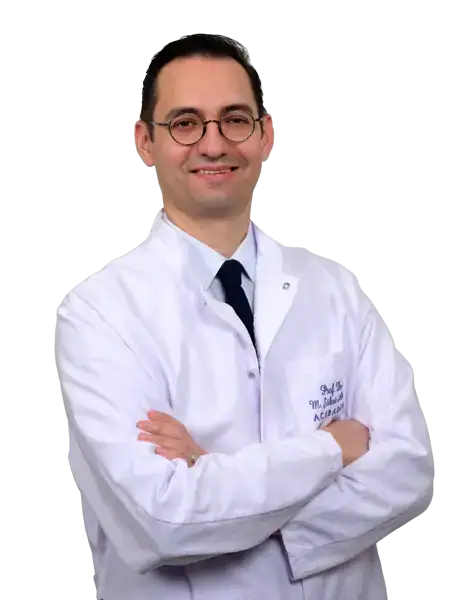
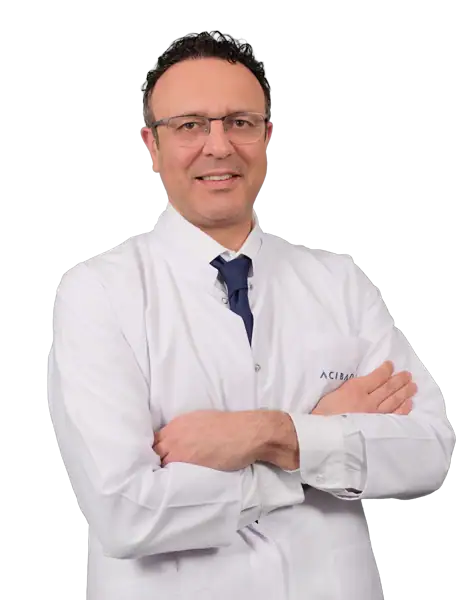
Physicians of the Acıbadem network who perform this treatment in Istanbul.
 Where it is performed Acibadem Maslak Hospital İstanbul · JCI-accredited hospitals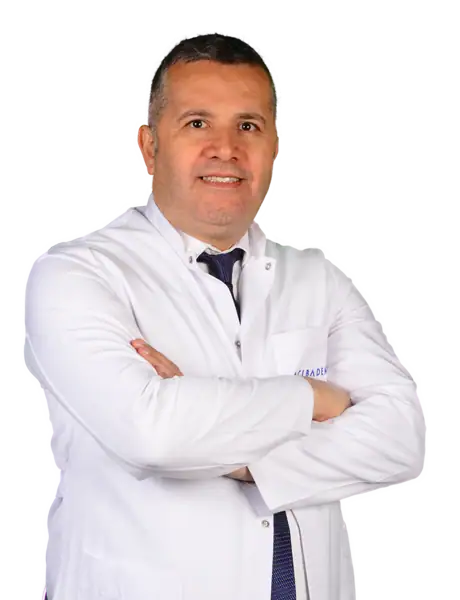
Clinical guide & data
The evidence-based pages behind this guide.
Read this treatment guide in your language
Planning tools for this treatment
Indicative figures for orientation only: your written plan and quote follow a free medical review.