

Weight Loss Surgery in Turkey: Sleeve, Bypass and Balloon

In this section

Weight loss surgery in Turkey is now a well-established route for adults in the United Kingdom, Ireland and North America who have reached the limit of what diet, exercise and medication can achieve and who face long waits or high self-pay costs at home. The term covers several different procedures, gastric sleeve, gastric bypass, the adjustable gastric band and the endoscopic gastric balloon, each with its own mechanism, recovery and trade-offs.
Choosing between them starts with understanding what each does, who tends to benefit, and how a hospital-based bariatric programme plans treatment for someone arriving from abroad. The sections that follow set out the options at an overview level, describe the pathway from first enquiry to follow-up at home, and compare the Turkish route honestly with the UK and US alternatives, so that the conversation with your own doctor and with the bariatric team is an informed one.
What weight loss surgery is and who it suits
Bariatric surgery, the clinical term for weight loss surgery, describes a group of procedures that alter the stomach, the small intestine or both so that a person feels full sooner, absorbs fewer calories, or experiences changes in the hormones that govern appetite. It is intended for people with severe obesity in whom lifestyle measures and medical treatment have not produced lasting results, and it is planned as one part of a long-term programme of dietary change, supplementation and follow-up rather than as a stand-alone event.
The main options at a glance
- Gastric sleevea large portion of the stomach is removed, leaving a narrow tube. Capacity and appetite are reduced; the intestine is not re-routed.
- Gastric bypassa small stomach pouch is created and joined directly to the small intestine, combining restriction with reduced absorption.
- Adjustable gastric banda silicone ring is placed around the upper stomach and adjusted through a port under the skin; no stomach tissue is removed.
- Gastric balloona non-surgical option in which a soft balloon is placed in the stomach endoscopically for a limited period to reduce the space available for food.
Who is usually a candidate
Bariatric teams generally consider adults whose body mass index sits above the thresholds set out in clinical guidance, particularly where obesity-related conditions such as type 2 diabetes, sleep apnoea or high blood pressure are present, and who have already attempted supervised weight management. Willingness to attend follow-up and to change eating habits permanently matters as much as any measurement.
Who should not have it
Surgery is usually inappropriate for people with an untreated eating disorder, active alcohol or substance misuse, unstable psychiatric illness, current pregnancy, or medical conditions that make general anaesthesia unsafe. Anyone unable or unwilling to commit to lifelong supplementation and review should discuss alternatives with their own doctor before considering travel.
Why patients from the UK and the US travel to Turkey for bariatric surgery
The reasons people give for choosing Turkey for weight loss surgery are fairly consistent, and they are worth separating from the marketing that surrounds the subject.
Hospital medicine rather than a stand-alone clinic. Bariatric procedures involve general anaesthesia, work on the digestive tract and a real, if uncommon, risk of complications such as leaks or bleeding. In a multi-specialty hospital, the operating theatre, the anaesthetic team, the intensive care unit, endoscopy, interventional radiology and laboratory services are on the same site. If something unexpected happens at two in the morning, the response comes from within the building, not from a transfer to a facility the patient has never seen.
Accreditation. Joint Commission International accreditation is an external, periodically renewed audit of patient-safety systems, infection control, medication management and staff credentialing. Acıbadem operates 7 JCI-accredited hospitals within a network of more than 20 hospitals, supported by 3,300+ physicians across specialties, including the endocrinologists, dietitians, psychologists and gastroenterologists a bariatric pathway draws on.
Experience with international patients. English-speaking coordinators, translated records, structured pre-arrival review and remote follow-up are routine rather than improvised, because a large proportion of bariatric patients in these hospitals come from abroad.
No waiting list. In the UK, NHS bariatric pathways can involve lengthy tiered weight-management programmes before surgery is even considered, and private self-pay in either the UK or the US is expensive. In Türkiye a medically suitable patient can usually be scheduled within weeks of completing the review process.
Geography also plays a part: Istanbul is roughly 4 hours’ flight from London and around 10 hours from New York, which makes a planned return visit realistic rather than theoretical.
How weight loss surgery works with Acıbadem, step by step
The pathway is deliberately structured so that the clinical decision is made before travel is booked, not after arrival. In outline, it runs as follows.
- Remote medical review. You submit your medical history, current medications, height and weight, previous weight-management attempts and any recent test results. A bariatric surgeon and the international patient team review these and indicate whether you appear to be a candidate and, if so, which procedures are worth discussing. This review is free and carries no obligation.
- Personal plan. If you wish to proceed, you receive a written plan setting out the proposed procedure, the expected length of stay, the pre-operative tests required and a personal quote. The verified price band below gives context for that quote.
- Arrival and coordinator. A coordinator meets you at the airport, arranges transfers and remains your single point of contact throughout the stay, including interpretation where needed.
- Consultation and pre-operative tests. In person, the surgeon confirms the plan, and you complete the bariatric evaluation: blood tests, imaging, an anaesthesia assessment and a nutritional review with a dietitian. Nothing is scheduled until these are satisfactory.
- The treatment. Surgery takes place in the hospital under general anaesthesia, followed by a monitored stay on the ward.
- Recovery in Istanbul. After discharge you remain nearby for a short period so that the team can check wound healing, tolerance of liquids and early mobility before you fly.
- Follow-up after returning home. Scheduled remote consultations with the surgeon and dietitian continue as you progress through the dietary stages, with a full discharge summary provided for your GP or own doctor.
Procedures are carried out at hospitals within the network such as Acıbadem Altunizade in Istanbul, where the international patient service is based alongside the bariatric team.
Gastric sleeve, bypass, balloon and band: the procedures explained
The clinical details below describe the gastric sleeve, the most frequently performed of the four options; the bariatric team confirms the specific timings for any other procedure during the personal plan.
Gastric sleeve
Gastric sleeve surgery is a bariatric procedure that reduces the size of the stomach to support long-term weight loss and improve obesity-related health risks when lifestyle measures are insufficient. It is performed under general anaesthesia and typically takes between 1 and 2 hours. Patients stay in hospital for 2 to 3 nights so that pain control, fluid tolerance and early mobilisation can be supervised, and the overall recovery period is usually 2 to 4 weeks.
Preparation matters as much as the operation itself. Candidates undergo a detailed bariatric evaluation including blood tests, imaging, an anaesthesia assessment and a nutritional review. Patients may be asked to follow a preoperative diet, stop smoking, adjust certain medications and avoid eating or drinking before surgery as instructed.
How the other options differ
- Gastric bypass is also performed surgically under general anaesthesia. Because it re-routes part of the intestine, it is often considered where reflux is a problem or where a stronger metabolic effect is sought, and it carries a greater need for lifelong vitamin and mineral monitoring.
- Adjustable gastric band is a surgical implant rather than a permanent change to the stomach. It is adjustable and reversible, but depends on regular band adjustments over time.
- Gastric balloon is placed and later removed by endoscopy without incisions. It suits people who do not meet surgical criteria or who wish to avoid an operation, and it is a temporary measure that relies on dietary support during and after the placement period.
Which option is proposed depends on body mass index, existing conditions, previous abdominal surgery and the patient’s own priorities, and is decided jointly with the surgeon rather than chosen from a menu.
Recovery and aftercare timeline
Recovery from bariatric surgery is less about the incisions, which are small, and more about retraining the digestive system and the habits around it. The stages below reflect the aftercare pattern used for the gastric sleeve; other procedures follow a similar structure with adjustments set by the team.
In hospital
During the 2 to 3 nights on the ward, the priorities are pain control, early walking to reduce the risk of blood clots, and confirming that small sips of clear liquid are tolerated. Wounds are checked before discharge and you receive written instructions on hydration, medication and warning signs.
The first weeks
After surgery, patients progress from liquids to soft foods and then to solid foods under dietitian guidance. Each stage is introduced gradually; rushing ahead is a common cause of nausea and discomfort. Most people are able to move about comfortably within days and return to sedentary work and normal daily activity over the 2 to 4 week recovery period. Heavier physical activity is reintroduced on the team’s advice.
Ongoing follow-up
Regular follow-up is important to monitor weight loss, nutrition, vitamin supplementation, wound healing and lifestyle adaptation. Remote reviews with the surgeon and dietitian continue after you return home, and blood tests arranged locally are shared with the team so that supplementation can be adjusted. Longer-term, the aim is to consolidate new eating patterns, address any nutritional deficiencies early and support the psychological adjustment that accompanies significant weight change.
People who do well over the long term tend to be those who treat the follow-up schedule as part of the treatment rather than as an optional extra.
Safety and risks
Is weight loss surgery in Turkey safe?
The honest answer is that safety depends far more on where and how the surgery is done than on the country in which it takes place. Bariatric surgery carries recognised risks everywhere: bleeding, infection, leakage from the staple line or anastomosis, blood clots, strictures, reflux, gallstones and, later, nutritional deficiencies. These occur in a small minority of patients but require prompt recognition and, occasionally, urgent intervention. The relevant question is whether the facility can recognise and manage them without delay.
Who is not suitable
People with an untreated eating disorder, active substance misuse, unstable psychiatric illness, pregnancy, or medical conditions that make general anaesthesia hazardous are generally not accepted for surgery. Some patients who are not suitable for an operation may still be considered for a gastric balloon, but that is a clinical decision, not a fallback for a refused surgical application.
What cases that go wrong abroad tend to share
Reports of poor outcomes after bariatric surgery abroad, from any country, usually involve a combination of the following: acceptance without a genuine medical review, surgery scheduled within a day of arrival, treatment in a stand-alone clinic with no intensive care or interventional radiology on site, discharge to a hotel too early, flying home before complications would typically appear, and no structured follow-up afterwards. Patients then present to emergency departments at home with a problem that could have been identified far earlier.
How a hospital setting changes that
In a hospital programme, the anaesthesia assessment can exclude unsuitable patients before travel, the surgery takes place where intensive care and imaging are available around the clock, the 2 to 3 night stay is spent under nursing observation, and discharge and flight timing are set by the team rather than by the airline booking. None of this removes risk; it means that when problems arise, they are dealt with by the people who performed the operation.
UK and US vs Türkiye: how the pathway differs
Comparing the three routes fairly means comparing pathways, not just headline figures.
Access and waiting
In the UK, NHS bariatric surgery is available but involves referral through tiered weight-management services, strict eligibility criteria and waits that can stretch over a long period. Private UK surgery avoids the wait but is a significant self-pay commitment. In the US, coverage depends on the individual insurance plan; many plans require documented supervised weight-loss attempts, and out-of-pocket costs can be substantial. In Türkiye, a medically suitable patient is scheduled once the review is complete, and the cost is a single quoted package.
What the lower cost does and does not mean
The difference in cost reflects lower salaries, lower property and operating overheads, and favourable exchange rates. It does not reflect different staplers, sutures, balloons or bands, these are sourced from the same international manufacturers, nor a shorter operation or a lighter anaesthetic. What it can reflect, at the lower end of the market, is a stand-alone clinic rather than a hospital, less pre-operative testing, and no aftercare, which is why the package contents matter more than the number. The price band below sets out verified UK, US and Türkiye ranges for context.
Aftercare and travel
Aftercare is the area where the routes differ most. At home, your surgeon is a short journey away. Abroad, follow-up is remote unless a return visit is planned, so the quality of the remote programme and the willingness of your GP to arrange local blood tests become important. Travel itself adds a modest clot risk in the early post-operative period, which is why flight timing is decided by the medical team.
What to compare like for like
- Hospital or clinic, and what emergency facilities are on site
- Surgeon’s bariatric training and the volume of the unit
- Which tests and consultations are included before surgery
- Length of the supervised stay before flying
- Duration and format of dietetic follow-up
- What happens, and who pays, if a complication needs treatment
Planning the trip to Istanbul
Once the clinical decision is made, the practical planning is straightforward, but a few points deserve attention.
Documents and entry
UK, Irish, US, Canadian and Australian passport holders enter Türkiye visa-free for up to 90 days; check the current rules before travel, and make sure your passport has adequate validity. Bring printed and digital copies of your medical records, medication list and the correspondence with the hospital.
How long to stay
For a gastric sleeve, plan for the 2 to 3 night hospital stay plus a further period nearby for wound checks and to confirm that liquids are tolerated before flying. The team sets the earliest safe departure date; building a small margin into flights and accommodation avoids pressure to leave early. Balloon patients typically need a shorter stay; bypass and band patients receive their own guidance in the personal plan.
Companion
A companion is strongly advisable. The first days after surgery involve fatigue and small, frequent sips of fluid, and having someone to manage logistics, medications and the hotel makes a real difference. Hospitals can usually accommodate a companion on the ward.
Insurance
Standard travel insurance excludes planned medical treatment and its complications. Look for a specialist policy that explicitly covers elective treatment abroad, including repatriation, and read the exclusions carefully. Ask the hospital in writing how complications during the stay are handled.
What to bring
- Loose, front-opening clothing and slip-on shoes
- Regular medications in original packaging
- Lip balm, a small water bottle and sugar-free electrolyte sachets
- A UK-to-Türkiye plug adapter, chargers and any CPAP equipment if you use one
- Contact details for your GP or own doctor
Back home: follow-up with your GP or own doctor
The weeks and months after you return are where long-term results are decided, and your own doctor is part of that process from the outset.
Sharing records
You leave hospital with a discharge summary describing the procedure, the findings, medications and the follow-up schedule. Give a copy to your GP or primary care physician as soon as you are home so that it sits on your record before any problem arises. It also helps them interpret later blood results and adjust medications for diabetes or blood pressure, which frequently need reducing as weight falls.
When to seek help
Contact a doctor promptly, and do not wait for a scheduled remote review, if you experience persistent vomiting, inability to keep fluids down, fever, a racing heart, worsening abdominal or shoulder-tip pain, calf pain or swelling, breathlessness, or redness and discharge at a wound. These can indicate dehydration, a leak, infection or a blood clot and need in-person assessment.
Insurance, NHS and your own doctor
Private medical insurance in the UK rarely covers elective treatment abroad, and policies vary in how they treat its complications, so check with your provider before travelling. The NHS treats complications of surgery performed abroad as it would any other patient presenting for care, but it does not provide the routine bariatric follow-up that a patient operated on within the NHS would receive; that follow-up comes from the hospital in Türkiye and, where possible, from your GP arranging local blood tests. US readers should note that HSA and FSA eligibility for treatment abroad, and the terms of travel-medical policies, vary widely, and should be confirmed in writing with the plan administrator beforehand.
Keeping your own doctor informed is not a formality; it is the safety net that makes remote follow-up work.
Questions to ask before deciding
A good bariatric team expects to be questioned and answers plainly. Use the checklist below in the remote review and again at the in-person consultation.
About the team and setting
- Is the surgery performed in a hospital with intensive care, endoscopy and interventional radiology on site?
- Is the hospital accredited by an external body, and when was that last renewed?
- What is the surgeon’s bariatric training, and does the same surgeon see me before and after the operation?
- Who provides the anaesthetic, and is an anaesthesia assessment done before I travel or only on arrival?
About the plan
- Why is this procedure recommended for me rather than the alternatives?
- Which tests and consultations are included, and what would lead you to cancel or postpone?
- How many nights in hospital, and how many further nights nearby before I may fly?
- What exactly does the quoted package include, and what falls outside it?
About aftercare and risk
- What is the dietetic follow-up schedule after I return home, and for how long?
- How are complications handled during the stay, and who pays?
- What should my GP be asked to monitor, and how often?
- What written material can I take to my own doctor?
Write the answers down, compare them across any providers you are considering, and discuss them with your GP before making a decision. A reputable programme is comfortable with a patient who takes time, seeks a second opinion and asks about what happens when things do not go to plan.
Whether weight loss surgery is appropriate at all, and which procedure is suitable, is determined by a physician’s evaluation rather than by any general guide.
Is weight loss surgery in Turkey safe?
Safety depends on the setting and the programme rather than the country. Bariatric surgery carries recognised risks such as leaks, bleeding, clots and later nutritional deficiencies wherever it is performed. In a JCI-accredited hospital with intensive care and imaging on site, a proper pre-operative assessment and structured follow-up, those risks are managed as they would be in a UK or US hospital. Problems reported abroad usually involve rushed planning, stand-alone clinics and no aftercare.
What is the difference between gastric sleeve and gastric bypass in Turkey?
A gastric sleeve removes a large part of the stomach to reduce capacity and appetite without altering the intestine. A gastric bypass creates a small pouch and joins it to the small intestine, adding reduced absorption to restriction. Bypass is often considered where reflux is a problem or a stronger metabolic effect is sought, and it requires closer lifelong nutritional monitoring. The choice is made with the surgeon based on your health profile.
Who is a gastric balloon in Turkey suitable for?
A gastric balloon is a non-surgical, temporary option placed and later removed by endoscopy. It tends to suit people who do not meet the criteria for surgery, who wish to avoid an operation, or who need to lose weight before another procedure. It only works alongside dietary support and its effect depends on the habits established during the placement period.
Is gastric band surgery still offered in Turkey?
The adjustable gastric band remains available in some hospital programmes, though it is proposed less often than the sleeve or bypass. It is reversible and involves no removal of stomach tissue, but it relies on regular adjustments over time, which can be difficult to arrange from abroad. The bariatric team advises whether it is a realistic option for your circumstances.
How long do I need to stay in Turkey for weight loss surgery?
For a gastric sleeve, the hospital stay is 2 to 3 nights, followed by a short period nearby so that wound healing and fluid tolerance can be checked before flying. The team sets the earliest safe departure date. Overall recovery is around 2 to 4 weeks, most of which takes place at home with remote follow-up.
What does bariatric surgery in Turkey involve before the operation?
Candidates undergo a detailed bariatric evaluation including blood tests, imaging, an anaesthesia assessment and a nutritional review. You may be asked to follow a pre-operative diet, stop smoking, adjust certain medications and avoid eating or drinking before surgery as instructed. Surgery is only scheduled once these results are satisfactory.
How does follow-up work after I return to the UK?
Remote consultations with the surgeon and dietitian continue as you progress from liquids to soft and then solid foods. Blood tests arranged locally are shared with the team so that vitamin supplementation can be adjusted. You receive a discharge summary for your GP, who should be told about the surgery and consulted promptly if warning signs appear.
How do I find out what weight loss surgery in Turkey would cost for me?
A personal quote follows a free remote medical review, in which a surgeon assesses your history and indicates which procedures are appropriate. The verified UK, US and Türkiye price band below gives context, but the meaningful comparison is what the package includes: hospital setting, pre-operative tests, length of stay and aftercare.
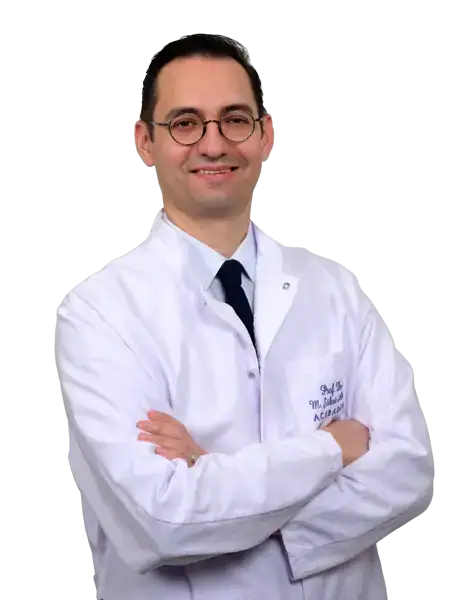
Your care team
Physicians of the Acıbadem network who perform this treatment in Istanbul.
 Where it is performed Acibadem Maslak Hospital İstanbul · JCI-accredited hospitals

Clinical guide & data
The evidence-based pages behind this guide.
Read this treatment guide in your language
Planning tools for this treatment
Indicative figures for orientation only: your written plan and quote follow a free medical review.