Gastric Laparoscopic Surgery
Gastric laparoscopic surgery uses small incisions and a camera-guided approach to treat selected stomach conditions, including bariatric procedures. It may reduce pain, scarring, and recovery time compared with open surgery.
Quick answer
Gastric laparoscopic surgery treats stomach conditions through several small incisions using a camera-guided technique instead of one large cut. It covers weight-loss operations such as sleeve gastrectomy and gastric bypass, removal of selected stomach tumours, and correction of structural problems. Performed under general anaesthesia, it may mean less wound discomfort, smaller scars and a shorter hospital stay than open surgery for suitable patients.
What Is Gastric Laparoscopic Surgery?
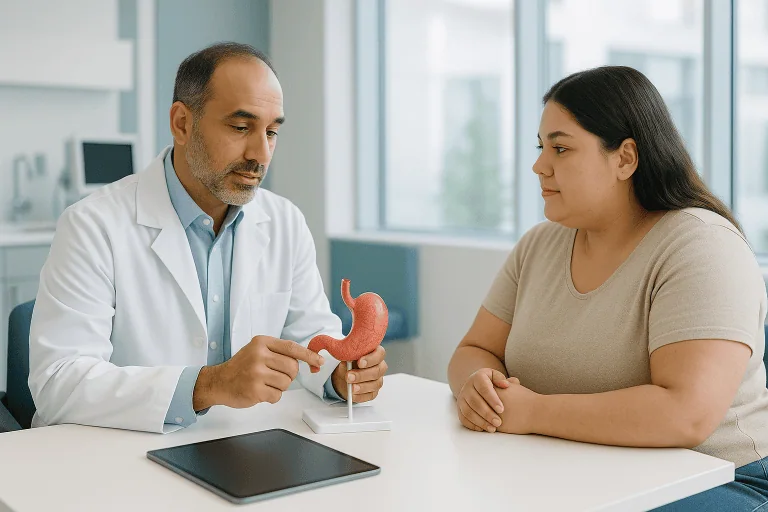
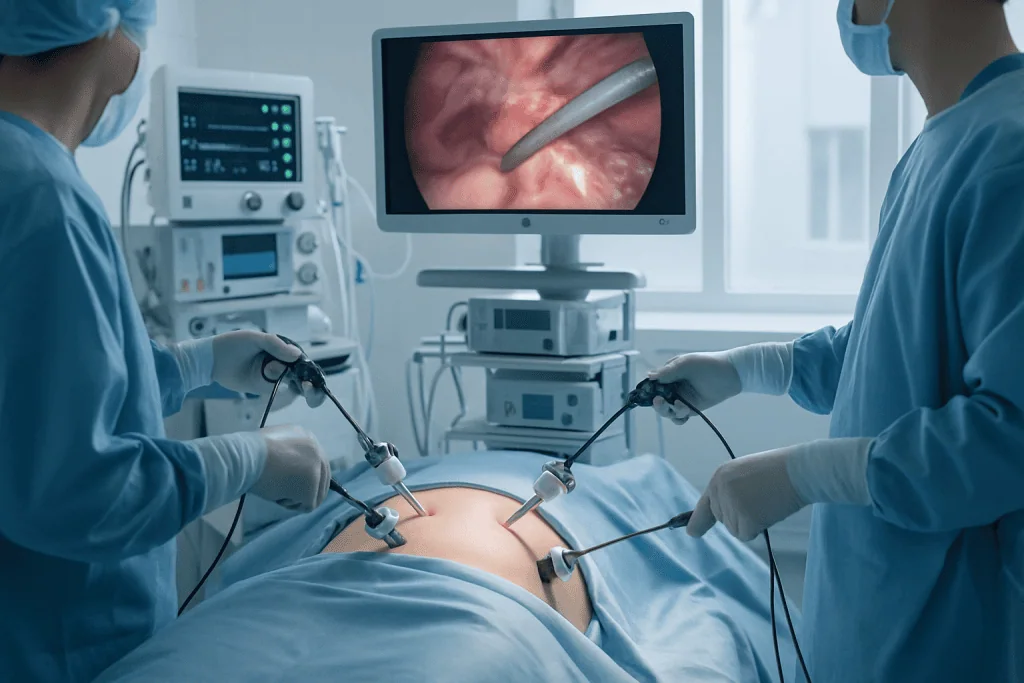
Gastric laparoscopic surgery is a minimally invasive way of operating on the stomach through several small incisions instead of one long abdominal cut. A thin camera called a laparoscope shows the stomach and the organs around it on a high-resolution monitor, while the surgeon works with long, fine instruments passed through the other incisions. The approach is used for weight-loss operations such as sleeve gastrectomy and gastric bypass, for the removal of selected stomach tumours, and for correcting structural or functional problems that affect how the stomach works. If a stomach condition has begun to affect your nutrition, weight, comfort or long-term health, this is often the surgical approach your doctors will discuss first.
It helps to be clear about one point from the start: gastric laparoscopic surgery is not simply a smaller version of open surgery. The incisions are different, but so is almost everything around them. The technique demands careful patient selection, precise imaging and endoscopic evaluation before the operation, experienced surgical technique during it, thoughtful anaesthesia planning, and structured recovery support afterwards. The goal is never just to complete an operation safely. It is to choose the right operation for the right reason, with a plan that supports healing, nutrition and long-term follow-up once you leave hospital.
Depending on the diagnosis, the procedure may involve removing part of the stomach, changing the stomach’s size or shape, repairing a problem that affects stomach function, removing a localised lesion, or creating a new pathway for food as part of a bariatric or metabolic operation. Some operations are performed entirely laparoscopically. Others combine laparoscopy with endoscopy or other imaging during the procedure, so the team can check the inside of the stomach while working on the outside. In selected complex cases, the surgeon may decide to convert to an open operation for safety. That is a recognised surgical judgement made in your interest, not a complication in itself, and it is discussed with you before surgery as a possibility.
The laparoscopic approach covers a wide family of gastric procedures: sleeve gastrectomy, gastric bypass, revision of previous bariatric operations, removal of selected benign or malignant stomach tumours, management of certain gastric outlet problems, and other carefully chosen conditions. Which operation is right depends on the diagnosis, your anatomy, any previous surgery, your overall health and what the treatment is meant to achieve. Two patients with the same symptom may need entirely different operations, which is why the evaluation stage matters as much as the surgery itself.
Do they put gas in you for laparoscopic surgery?
Yes. Carbon dioxide gas is introduced into the abdomen at the start of the operation to gently lift the abdominal wall away from the organs, creating the working space the surgeon needs to see and operate safely. Carbon dioxide is used because the body absorbs it readily and clears it through normal breathing. At the end of the procedure, the team releases as much gas as possible before closing the small incisions. Some gas usually remains for a short time, and this is why many patients notice bloating or an ache in the shoulder tip during the first days after surgery: the trapped gas irritates the diaphragm, which shares a nerve pathway with the shoulder. Walking and gentle movement help the body absorb the remaining gas, and the sensation settles as recovery progresses.
Can gastric bypass surgery be done laparoscopically?
Yes. In experienced centres, laparoscopy is now the standard approach for gastric bypass rather than the exception. The surgeon creates a small stomach pouch and connects it to the small intestine through the small incisions, using stapling systems and energy devices under camera guidance. The internal operation is the same as an open bypass; what changes is the way the surgeon reaches the stomach. Suitability still depends on individual factors, extensive previous abdominal surgery, dense scar tissue or certain medical conditions can make laparoscopy more demanding, which is why the decision is made after a full assessment rather than assumed in advance.
Can gastric sleeve surgery be performed laparoscopically?
Yes. Gastric sleeve surgery, formally called sleeve gastrectomy, is almost always performed laparoscopically in modern practice. The surgeon removes a large portion of the stomach along its outer curve and staples the remainder into a narrower tube, all through the small incisions. Because the operation involves one staple line and no rerouting of the intestine, it is technically less complex than a bypass, though it remains a major operation that permanently changes the stomach and requires the same careful preparation, anaesthesia planning and follow-up as any other bariatric procedure.
Who May Need Gastric Laparoscopic Surgery?
You may be considered for gastric laparoscopic surgery when a stomach condition is unlikely to be managed adequately with medication, endoscopic treatment, lifestyle measures or observation alone. The pathway usually begins in one of a few ways: persistent symptoms, an abnormal finding on imaging or endoscopy, or a long-standing weight-related health condition that has not responded sufficiently to non-surgical treatment. Surgery is a considered step at the end of that pathway, not the starting point.
Symptoms that commonly lead to evaluation include persistent upper abdominal pain, nausea, vomiting, feeling full unusually early after eating, unexplained weight loss, anaemia, gastrointestinal bleeding, difficulty tolerating food, severe reflux-related symptoms, or recurring problems after a previous stomach operation. In bariatric and metabolic care, the trigger is often not pain at all but the medical weight of excess weight itself: worsening type 2 diabetes, limited mobility, sleep apnoea, fatty liver disease or rising cardiovascular risk.
Diagnosis starts with a detailed medical history and physical examination. Your physician will ask about symptoms, previous operations, medications, allergies, weight history, eating patterns, family history and known medical conditions. If you have prior test results, endoscopy reports, pathology reports, imaging scans, medication lists, operative records, having them available at the evaluation helps the team plan efficiently and avoid repeating tests unnecessarily. This is particularly true for revisional surgery, where the details of the original operation shape everything that follows.
Diagnostic tests may include upper gastrointestinal endoscopy, biopsy, abdominal ultrasound, computed tomography, magnetic resonance imaging, contrast swallow studies, blood tests, metabolic evaluation, heart and lung assessment, and nutritional testing. Where cancer is suspected, staging investigations establish whether laparoscopic surgery is appropriate and whether chemotherapy, radiotherapy or other treatments should come before or after the operation. For bariatric surgery, the assessment also covers psychological readiness, nutritional status and your ability to take part in long-term follow-up, because the operation only works as part of a sustained plan.
Not every patient is an immediate candidate for laparoscopy, and honesty about this protects you. Severe heart or lung disease, uncontrolled bleeding risk, extensive previous abdominal surgery, advanced cancer spread, severe nutritional deficiency or active infection can all affect the timing or the type of treatment. In some cases, preparation comes first: weight reduction, correction of anaemia, better diabetes control, smoking cessation or treatment of nutritional deficiencies can meaningfully improve the safety of the eventual operation. A postponed operation done in better conditions is often the wiser plan.
Conditions Treated With Gastric Laparoscopic Surgery
The indication, the medical reason for operating, determines both the surgical technique and the expected recovery. Some gastric operations aim to improve metabolic health, some remove diseased tissue, and others correct anatomy or restore function. Understanding which category your situation falls into makes the rest of the pathway easier to follow.
Bariatric and metabolic indications are among the most common reasons for gastric laparoscopic surgery. Procedures such as sleeve gastrectomy and gastric bypass may be recommended for patients with clinically significant obesity, particularly when weight-related conditions such as type 2 diabetes, high blood pressure, sleep apnoea, fatty liver disease or joint strain are present. These are not cosmetic procedures. They work through changes in stomach capacity, gut hormones, appetite regulation and nutrient flow, and they commit you to lifelong attention to nutrition and follow-up. They sit within the broader field of bariatric and metabolic surgery, where the operation is one element in a programme that includes dietetic, medical and, where indicated, psychological support.
What is the safest stomach surgery for weight loss?
There is no single operation that is safest for every patient, safety depends on your health, your anatomy and what the treatment needs to achieve. As a general principle, less invasive options carry less procedural risk but also do less: a gastric balloon, for example, is placed endoscopically without any incisions, but it is temporary and does not change the stomach permanently. Among surgical options, sleeve gastrectomy is technically less complex than gastric bypass because it involves a single staple line and no rejoining of the intestine, while bypass offers different metabolic effects that may matter for certain patients, particularly those with reflux or diabetes. The honest answer is that the safest operation is the one matched correctly to your individual situation by a team that has assessed you fully, not the one with the most reassuring name.
Gastric tumours and suspicious lesions can also be treated laparoscopically in selected cases. These include early gastric cancers, gastrointestinal stromal tumours and certain benign masses. Whether laparoscopy is appropriate depends on the tumour’s size, location and depth, on lymph node involvement, and on whether a complete and oncologically sound resection can be achieved through the minimally invasive approach. When cancer is suspected or confirmed, treatment is usually discussed by a multidisciplinary tumour board, so that surgery is planned alongside pathology, medical oncology, radiation oncology where needed, radiology and gastroenterology rather than in isolation. The priority is always the completeness of the cancer treatment, not the size of the incisions.
Complications of previous gastric procedures sometimes call for revisional laparoscopic surgery. Problems after earlier bariatric surgery, severe reflux, narrowing of the stomach or its connections, an inadequate weight response, weight regain, or anatomical complications, may be correctable with a revision. Revisional surgery is technically more demanding than a first operation. Scar tissue changes the anatomy, previous staple lines constrain the options, and the original operative records become genuinely important documents. Expect a more detailed evaluation before any revision is proposed.
Functional or obstructive gastric problems lead to surgery when food does not pass through the stomach properly, or when a structural abnormality causes repeated symptoms. In some situations, endoscopic treatment is tried first, and surgery is reserved for cases where symptoms persist, complications develop or the anatomy itself needs correcting. This staged approach means you are not offered an operation until simpler measures have had a fair chance.
Selected emergency or urgent conditions involving the stomach can sometimes be approached laparoscopically, depending on how stable the patient is and what the surgeon finds. Emergency decisions are individualised: the deciding factors are safety, the available findings and the need for rapid treatment, and the surgical approach follows from those rather than leading them.
How Gastric Laparoscopic Surgery Is Performed
Preoperative evaluation and preparation
Preparation begins well before the day of surgery. The surgical team reviews your diagnosis, test results, medical history, current medications and any previous abdominal procedures, then decides which additional tests are needed: blood tests, imaging, endoscopy, cardiology or pulmonology consultation, anaesthesia assessment, nutritional evaluation. Nothing about this stage is a formality. The quality of the evaluation is what allows the operation itself to be predictable rather than exploratory.
You will usually be asked to stop smoking before surgery, because smoking raises the risk of poor wound healing, respiratory complications and ulcers after certain gastric operations. Blood-thinning medications, diabetes medications and some supplements may need adjustment before surgery: those decisions are made by the treating team, who will give you specific instructions based on your medication list. Patients preparing for bariatric surgery often follow a preoperative diet to reduce the size of the liver, which sits directly over the stomach and can otherwise limit the surgeon’s view. Patients with a suspected or confirmed tumour may need staging completed first, along with a decision about whether other treatment should come before the operation.
Before surgery, your physician explains the planned operation, the realistic alternatives, the expected benefits, the risks, the recovery process and the follow-up you will need. Consent covers not only the planned laparoscopic technique but also the possibility of conversion to open surgery if that becomes the safer course during the operation. Anaesthesia specialists assess your airway, heart and lung status, and medication use, and plan how your pain will be controlled afterwards. Ask every question you have at this stage: a good surgical team expects them and answers plainly.
What happens on the day of surgery
Gastric laparoscopic surgery is performed under general anaesthesia, within the setting of a fully equipped operating theatre supported by a general surgery team. The sequence of the operation is broadly consistent across procedures, even though the internal steps differ:
- You are put to sleep under general anaesthesia and positioned carefully on the operating table.
- The abdomen is cleaned and prepared using sterile technique.
- The surgeon makes several small incisions, usually in the upper abdomen.
- Carbon dioxide gas gently expands the abdomen, creating space to see and work safely.
- The laparoscope is inserted, giving magnified views of the stomach, liver, spleen, intestines, blood vessels and surrounding structures.
- The operation itself is performed with long instruments passed through the other incisions, dividing, removing, reshaping or reconnecting tissue according to the plan.
- The team checks the surgical field, and in some cases uses endoscopy during the operation to inspect the inside of the stomach, confirm the passage is open or assess the staple line.
- The gas is released, the instruments are withdrawn and the small incisions are closed.
The internal steps depend entirely on the procedure. In a sleeve gastrectomy, a large portion of the stomach is removed to create a narrower stomach tube. In a gastric bypass, a small stomach pouch is created and connected to the small intestine to change the flow of food. In tumour surgery, the surgeon removes the lesion with an appropriate margin, and lymph nodes are removed when cancer treatment requires it. In revisional operations, scar tissue is carefully separated and the anatomy reconstructed or corrected. Modern laparoscopic theatres combine high-definition visualisation, energy devices that seal and divide tissue, stapling systems, and continuous anaesthesia monitoring; in some centres and for some indications, robotic surgery platforms extend the same minimally invasive principles with additional instrument articulation. The technology serves one purpose: precision, treating the disease adequately while minimising trauma to healthy tissue wherever possible.
How long does laparoscopic gastric sleeve surgery take?
A straightforward laparoscopic sleeve gastrectomy commonly takes in the region of one to two hours of operating time, though the total time away from the ward is longer once anaesthesia induction, positioning and recovery-room monitoring are included. Anatomy, body composition, liver size and any previous surgery all influence the duration, which is why your own team’s estimate matters more than a general figure. Treat the estimate as a planning guide, not a measure of quality: a careful operation takes as long as safety requires.
How long does laparoscopic gastric bypass surgery take?
Laparoscopic gastric bypass generally takes longer than a sleeve, often in the region of two to three hours of operating time, because it involves creating the stomach pouch and then constructing new connections to the small intestine. Revisional bypasses and operations in patients with previous abdominal surgery can take longer still, as scar tissue must be separated before the reconstruction begins. Complex tumour operations follow their own timescales, driven by the extent of resection and any lymph node dissection. In every case, the finishing time is decided by the findings inside the abdomen, not by the clock.
Immediately after surgery
After the procedure you are taken to a recovery area, where nurses and physicians monitor your breathing, blood pressure, pulse, oxygen levels, pain, nausea and any early signs of bleeding or leakage. Some patients then return to a standard hospital room; others are monitored in a higher-acuity unit for a period, depending on the complexity of the surgery and their medical background. Neither pathway signals a problem: it reflects the plan made for you before the operation.
Pain is usually managed with a combination of medications, and laparoscopic patients often need less opioid medication than they would after open surgery. Early walking is actively encouraged, because it lowers the risk of blood clots, supports lung function and helps the body absorb the remaining carbon dioxide gas. Breathing exercises are often recommended for the same reasons. Depending on the operation, fluids are started gradually, sometimes after a contrast study or a clinical assessment confirms the surgical connections are sound. After bariatric procedures, the diet progresses through carefully staged phases, from liquids to purées and then to soft foods, under the guidance of the surgical team and dietitian.
Hospital stay and going home
The length of the hospital stay depends on the operation and on how your recovery goes. Some laparoscopic gastric procedures need only a short inpatient stay; complex tumour or revisional surgery may require longer monitoring. Before discharge, the care team reviews your medications, wound care, diet, warning signs, activity restrictions and follow-up schedule, and puts the essentials in writing so you are not relying on memory during a tiring week.
Wherever you recover, the early rules are consistent: walk frequently, avoid heavy lifting for the period your team specifies, keep the incision sites clean and dry as instructed, and follow the dietary plan precisely. Eating after gastric surgery typically means smaller portions, slower meals, thorough chewing, adequate protein, drinking between rather than during meals, and vitamin and mineral supplementation when indicated. Recovery is both physical and behavioural, and that is especially true after bariatric surgery, where the habits built in the first weeks tend to set the pattern for the years that follow.
Why Acting Early Matters
Timely evaluation changes what is possible. Many stomach conditions progress gradually, and an early assessment often preserves a broader range of options, including less extensive surgery, or non-surgical treatment in selected cases. Delay tends to narrow those options: symptoms worsen, nutritional status declines, anaemia develops, or complications such as obstruction, bleeding, ulceration or severe reflux become harder to manage. None of this means an operation must happen quickly; it means the decision should be informed early.
For patients considering bariatric surgery, delay means longer exposure to obesity-related health risks: worsening diabetes, high blood pressure, sleep apnoea, fatty liver disease, fertility concerns, joint deterioration and cardiovascular strain. Surgery is not appropriate for every patient, and a responsible team will say so when it applies to you. But early consultation buys the time needed to evaluate risks properly, prepare safely and consider alternatives before complications advance.
For suspected gastric tumours, timing matters in a different way. Accurate staging and treatment planning determine whether surgery should come first or whether other therapies should be used before an operation. Waiting without medical guidance risks two failures at once: disease that progresses, and decisions eventually made on incomplete information. A structured diagnostic pathway protects against both undertreatment and overtreatment.
Acting early does not mean rushing into an operation. It means obtaining a careful diagnosis, understanding your options and making an informed decision with physicians who can explain the benefits, limitations and risks in the context of your own health, while all the options are still open.
Benefits of Gastric Laparoscopic Surgery
For appropriately selected patients, the laparoscopic approach may offer several practical and medical advantages over traditional open surgery. These are comparative advantages, not promises: every operation carries risk, and the balance depends on your diagnosis, your anatomy and your general health. With that stated plainly, the table below summarises what the minimally invasive approach can mean in practice.
| Benefit | What It Means for You |
|---|---|
| Smaller incisions | Less visible scarring and often reduced wound discomfort compared with a large open incision. |
| Reduced tissue trauma | The camera-guided approach may support earlier mobilisation and a more comfortable early recovery. |
| Shorter hospital stay in many cases | Many patients can return to a home environment sooner, depending on the procedure and how recovery goes. |
| Earlier return to daily activities | Light activities often resume gradually within days; heavier activity restarts only with medical approval. |
| Improved visualisation for the surgeon | Magnified images help the surgical team work precisely around important structures such as blood vessels and the spleen. |
| Potential disease-specific benefit | Depending on the indication, surgery may support weight-related health improvement, symptom relief, tumour removal or correction of an anatomical problem. |
Risks and Possible Complications
An honest discussion of gastric laparoscopic surgery includes its risks, because they are real even when the incisions are small. As with any operation under general anaesthesia, there are anaesthesia-related risks, along with the general surgical risks of bleeding, infection, blood clots in the legs or lungs, and injury to nearby organs such as the spleen, liver or bowel. Laparoscopy adds a few of its own considerations: the carbon dioxide gas can cause temporary bloating and shoulder discomfort, and in a minority of cases the surgeon converts to an open operation when that is the safer course.
Procedure-specific risks depend on what is done inside the abdomen. Operations that involve staple lines or new connections between the stomach and intestine carry a risk of leakage or narrowing at those sites, which is why teams monitor closely in the early days and investigate promptly if recovery does not follow the expected course. After gastric bypass, ulcers can develop at the new connection, particularly in smokers or with certain anti-inflammatory painkillers, which is one reason medication use is reviewed by the treating doctor rather than assumed safe. Bariatric procedures can also lead to longer-term issues such as vitamin and mineral deficiencies, dumping symptoms after sugary meals, gallstones during rapid weight loss, or reflux, all of which are the reason structured follow-up is built into the treatment rather than offered as an optional extra.
None of this is an argument against surgery when surgery is indicated. It is the context in which an informed decision is made: your surgeon should explain which of these risks apply to your specific operation and your specific health profile, how they are reduced, and how they would be recognised and treated if they occurred. That conversation, held before consent, is part of good care.
Recovery After Gastric Laparoscopic Surgery
Recovery varies with the procedure, the diagnosis, your age, medical history and nutritional status: a sleeve gastrectomy, a cancer resection and a complex revision each follow different curves. The timeline below describes what many patients can generally expect, and your own team will adjust it to your operation.
| Time Period | What Patients Can Expect |
|---|---|
| Day 1 | Monitoring after anaesthesia, pain and nausea control, early walking, breathing exercises, and gradual introduction of fluids where appropriate. |
| First week | Increasing mobility, staged fluid or soft-diet phases depending on the operation, incision care, and attention to the warning signs the discharge plan sets out, such as fever, worsening pain, persistent vomiting or shortness of breath. |
| First month | Progressive return to normal daily activities, continued dietary advancement, follow-up visits, and no heavy lifting until the surgical team clears it. |
| Longer term | Ongoing nutritional monitoring, vitamin and mineral supplementation when needed, weight and metabolic follow-up after bariatric surgery, or surveillance planning after tumour surgery. |
How long does it take to recover from laparoscopic stomach surgery?
Most patients move through recovery in stages: walking on the day of or the day after surgery, managing at home within the first week, resuming light daily activities over the following weeks, and returning to heavier physical work or exercise only once the surgical team confirms the incisions and internal healing allow it. Desk-based work often resumes sooner than physically demanding work. The internal healing, the staple lines, the new connections, the changed anatomy, continues well beyond the point at which the small external scars have settled, which is why activity restrictions outlast visible healing. Dietary recovery after bariatric procedures follows its own staged schedule, typically progressing from liquids through purées to normal-textured food over a number of weeks under dietetic guidance.
How long are you sore after laparoscopic gastric bypass surgery?
Soreness is usually most noticeable in the first few days, when the incision sites, the stretched abdominal wall and the residual carbon dioxide gas all contribute. The gas-related shoulder and abdominal ache tends to settle within days as the body absorbs the remaining gas; incision-site tenderness commonly eases over the first one to two weeks, though twinges with coughing, twisting or lifting can persist a little longer. Most patients find the discomfort manageable with the medications prescribed at discharge and notice steady day-on-day improvement. Pain that worsens rather than improves is one of the warning signs your discharge instructions will tell you to report to the treating team without delay.
What can you never do again after bariatric surgery?
There are fewer absolute “nevers” than many patients fear, but there are permanent changes in habit that the operation only works with, not without. Portion sizes remain small for life, meals are eaten slowly and chewed thoroughly, and protein takes priority on the plate. Vitamin and mineral supplementation is typically lifelong, because the changed anatomy alters how some nutrients are absorbed, and periodic blood tests monitor for deficiencies. Many teams advise permanently avoiding or strictly limiting carbonated drinks, very large meals, and eating and drinking at the same time. After gastric bypass specifically, certain anti-inflammatory painkillers can raise the risk of ulcers at the new connection, so the suitability of any such medicine is something the treating doctor reviews rather than something to assume. Smoking is strongly discouraged for the same reason. Framed honestly: bariatric surgery does not forbid a normal life: it requires a permanently different relationship with food, supported by follow-up.
Factors That Influence Outcomes
A good outcome after laparoscopic stomach surgery depends on far more than the size of the incisions. It begins with the correct diagnosis and the selection of the most appropriate treatment. Patients with the same symptom may need very different operations, and some patients are better served by medication, endoscopic therapy, lifestyle treatment or cancer therapies before surgery is considered at all. An operation chosen well is half the outcome.
Surgeon experience carries real weight, particularly for revisional bariatric surgery, cancer-related gastric surgery and patients with previous abdominal operations. Familiarity with altered anatomy, scar tissue, lymph node dissection, stapling techniques, bleeding control and unexpected intraoperative findings shapes the decisions made minute by minute inside the abdomen. Just as important is the infrastructure around the surgeon: anaesthesia, nursing, radiology, endoscopy, pathology, intensive care when needed, dietitians and rehabilitation services all contribute to the result.
Your own health matters too. Age, smoking status, diabetes control, heart and lung health, body mass index, nutritional reserves, anaemia, sleep apnoea, liver disease and medication use all influence risk and recovery. For bariatric patients, long-term results are strongly connected to eating behaviour, physical activity, supplementation, attendance at follow-up visits and the management of emotional or psychological factors related to eating and weight. The operation changes the anatomy; the follow-up sustains the result.
For tumour surgery, outcomes depend on tumour biology, stage, completeness of resection, lymph node status, the final pathology findings and whether additional treatment is needed afterwards. Multidisciplinary review keeps the operation aligned with evidence-based protocols and reduces the risk of fragmented decision-making. Pathology review after surgery is often essential, because the final treatment plan can change once the removed tissue has been examined in detail: a point worth understanding before surgery, so a change of plan afterwards does not come as a shock.
Following the postoperative instructions is the final factor, and it belongs to you. Discharge plans set out which signs should be reported to the treating team without delay, fever, increasing abdominal pain, persistent vomiting, inability to keep fluids down, chest pain, shortness of breath, leg swelling, black stools or discharge from the incisions, because early recognition allows early intervention. A well-organised discharge also includes written operative details, pathology results where applicable, medication instructions, nutritional guidance and a recommended follow-up schedule, so that continuing care can be coordinated smoothly with your own physicians. Long-term care matters most after bariatric surgery and cancer-related procedures, where the operation is the beginning of the plan rather than the end of it.
Gastric Laparoscopic Surgery at Acibadem
At Acibadem, laparoscopic stomach surgery sits within care pathways organised around the patient’s condition rather than around a single procedure. A person being evaluated for bariatric surgery may be seen by surgeons, endocrinology or internal medicine specialists, dietitians, psychologists or psychiatrists when indicated, anaesthesiologists and cardiopulmonary specialists. A patient with a gastric tumour may be discussed by a tumour board bringing together surgery, gastroenterology, medical oncology, radiation oncology, radiology, nuclear medicine, pathology and supportive care. This multidisciplinary review is most valuable precisely when several treatment sequences are possible and the order of steps matters.
The hospitals use modern diagnostic and surgical pathways, advanced imaging, endoscopy, minimally invasive operating theatres, intraoperative visualisation, anaesthesia monitoring, intensive care resources when needed, and laboratory and pathology services that support complex decisions. The point of the technology is not that it exists; it is that it lets physicians see anatomy clearly, assess disease accurately, reduce unnecessary tissue trauma and tailor the operation to the individual patient. Experienced physicians also play the less visible role of saying no when appropriate: some patients who request a minimally invasive operation need preparation first, and others learn that an endoscopic procedure, medical therapy or a staged cancer treatment plan serves them better. A sound recommendation, not an available operation, is the standard.
Follow-up is treated as part of the operation rather than an appendix to it. After bariatric procedures, that means structured dietetic reviews, staged dietary progression, blood tests for nutritional monitoring and long-term metabolic follow-up. After tumour surgery, it means pathology review, multidisciplinary discussion of any further treatment, and a surveillance plan appropriate to the diagnosis. After revisional or functional surgery, it means confirming that the corrected anatomy is doing what it was designed to do. In every pathway, the aim is the same: the result achieved in the operating theatre should still be a good result years later.
Moving Forward With an Informed Decision
Gastric laparoscopic surgery is an established treatment approach for selected stomach conditions: bariatric and metabolic procedures, certain tumours, revisional operations, and structural or functional problems of the stomach. Its minimally invasive nature may support reduced pain, smaller scars and an earlier return to daily life for appropriate patients, but the best results consistently come from careful diagnosis, individualised planning, surgical expertise and committed follow-up, in that order.
The most useful thing you can do while weighing the decision is assemble the full picture: your current symptoms, previous test results, endoscopy findings, imaging studies, pathology reports, medication list and surgical history. That record is what allows any medical team to assess your options honestly and recommend an evidence-based pathway, which for some patients is surgery, and for others is further testing, preparation or an alternative treatment entirely. The right questions to have answered before consenting to any gastric operation are direct ones: Why this procedure rather than the alternatives? What are the risks in my specific case? How long is the hospital stay and the recovery? What follow-up will I need, and for how long? A responsible surgical programme welcomes those questions and answers them plainly.
Preparation
- Before surgery, patients usually undergo blood tests, imaging, anesthesia evaluation, and assessment by the surgical team. Some patients may need nutritional counseling, medication adjustments, or a special preoperative diet. Fasting is typically required for several hours before the procedure.
Aftercare
- After surgery, patients are monitored for pain control, hydration, wound healing, and early mobilization. Diet is reintroduced gradually according to the procedure performed and the surgeon’s instructions. Follow-up visits help assess recovery and detect complications early.
Frequently Asked Questions
What affects the cost of gastric laparoscopic surgery?
The final cost depends on the exact procedure, surgical complexity, diagnostic tests, hospital stay, anaesthesia, surgeon and hospital factors, medications, pathology if needed, and follow-up requirements. Travel, accommodation, and interpreter support may also affect the overall budget for international patients.
How can I get a personalised quote from Acibadem?
You can request a free consultation and share your medical reports, test results, previous surgery details if any, and current symptoms or weight-related goals. A specialist team reviews the information and prepares a personalised plan and quote based on clinical suitability.
Are international patient packages available for gastric laparoscopic surgery in Turkey?
International patient packages may be available and can include items such as consultations, pre-operative tests, surgery, anaesthesia, hospital stay, nursing care, and coordination services. The exact inclusions should be confirmed in your written quote.
Will the lowest quote always be the best option?
Not necessarily. Patients should compare what is included, the hospital setting, surgeon experience, accreditation, follow-up planning, emergency support, and transparency about possible additional costs. This information is general and is not medical or financial advice.
Does insurance cover gastric laparoscopic surgery?
Coverage depends on your insurer, country, medical indication, policy terms, and prior authorisation rules. Bariatric, reflux, hernia, or tumour-related procedures may be assessed differently, so patients should confirm coverage directly with their insurer.
What information is usually needed before confirming the treatment plan?
Specialists commonly review medical history, current medications, previous operations, imaging, endoscopy findings where relevant, laboratory tests, and any obesity-related or digestive conditions. Further tests may be requested before confirming suitability and the final quote.
Medically reviewed by the Acıbadem International Medical Board September 1, 2026
See our medical review board →
Update history
- PublishedJune 8, 2026
- Medical review approvedSeptember 1, 2026
- Last content updateSeptember 1, 2026
References1
- Gastric bypass surgery medlineplus.gov