Stomach Reduction Without Surgery
Stomach reduction without surgery uses endoscopic methods such as gastric balloon placement to reduce stomach capacity and support weight loss without incisions.
Quick answer
Stomach reduction without surgery refers to endoscopic weight-loss procedures, mainly gastric balloon placement and endoscopic sleeve gastroplasty, performed through the mouth with no abdominal incisions. A balloon occupies space in the stomach, or internal sutures fold it smaller, so you feel full with smaller meals. Both require a staged diet, medical follow-up and lasting lifestyle change to produce meaningful weight loss.
What Is Stomach Reduction Without Surgery?
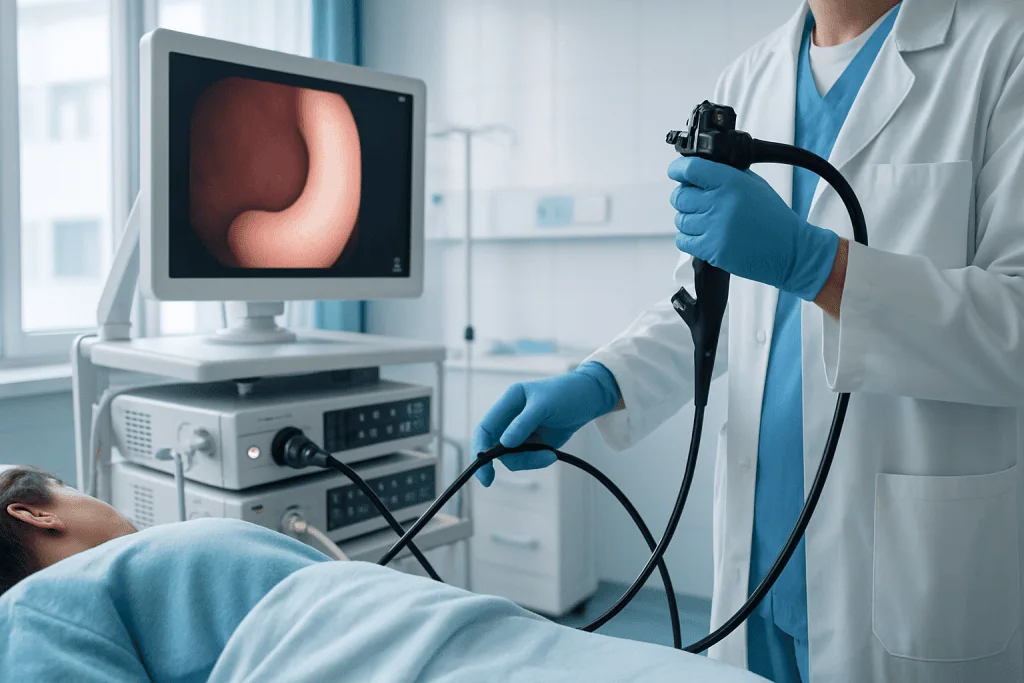
Stomach reduction without surgery is a group of endoscopic procedures that reduce how much food your stomach can comfortably hold, without a single cut on the abdomen. Instead of operating through incisions, the physician passes a flexible endoscope through your mouth into the stomach and either places a temporary balloon inside it or stitches the stomach smaller from within. These procedures are intended for people with overweight or obesity who need more than lifestyle advice alone, but who are not ready for, not eligible for, or simply not interested in bariatric surgery.
The purpose is not only to make the stomach smaller in a mechanical sense. The point is to create a medically supervised window for change: you feel full earlier, you eat smaller portions, hunger-driven overeating becomes easier to interrupt, and a nutrition team helps you build habits that can outlast the procedure itself. Stomach reduction without surgery is not a quick fix, and it does not remove the need for long-term lifestyle change. What it can do, when carefully selected and properly supported, is give weight loss a realistic starting point with less invasiveness than a traditional operation.
What is a gastric balloon?
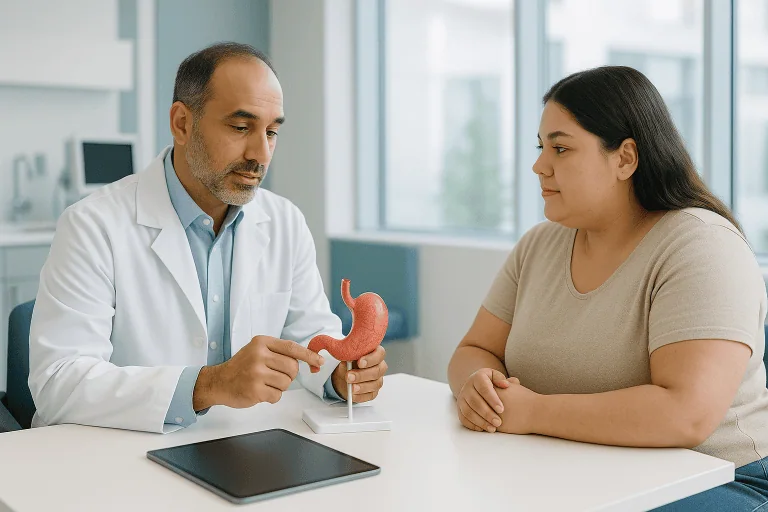
A gastric balloon is a soft balloon placed into the stomach through the mouth and then filled so that it occupies space. Using an endoscope with a small camera, the physician guides the deflated balloon into position and fills it with liquid or gas, depending on the balloon type. Once filled, it sits freely inside the stomach. Because part of the stomach is already occupied, you feel full with smaller meals, and the constant pressure of a large appetite eases for many patients.
The balloon is temporary by design. It is removed endoscopically at the end of a planned treatment period, often several months, depending on the type of balloon and your physician’s recommendation. That window is the working part of the treatment: the time in which portion sizes shrink, eating patterns are retrained, and weight loss begins under medical and nutritional supervision.
What is endoscopic sleeve gastroplasty?
Endoscopic sleeve gastroplasty, also called endoscopic stomach plication, is a procedure in which sutures are placed inside the stomach through the mouth, folding the stomach in on itself to reduce its internal volume. Specialised instruments passed through the endoscope fasten the tissue from within, creating a narrower, shorter gastric channel. Food passes more slowly, and the amount you can eat comfortably drops.
Unlike a balloon, this method leaves no implanted device occupying the stomach. It does, however, involve endoscopic tissue fastening, so the early diet must be followed strictly to protect the internal sutures while they settle. Suitability depends on your anatomy, body mass index, any previous operations and the physician’s overall assessment: it is not interchangeable with a balloon, and the right choice differs from patient to patient.
How is this different from bariatric surgery?
The difference lies in the route into the body and in what is done to the stomach once there. In surgical bariatric procedures such as sleeve gastrectomy or gastric bypass, the surgeon operates through small abdominal incisions and permanently removes or reroutes parts of the digestive system. In endoscopic stomach reduction, the stomach is reached through the mouth. There are no abdominal incisions and no external scars, initial recovery is usually shorter, and early discomfort is generally milder.
There is a trade-off, and it should be stated plainly: the expected weight loss with endoscopic methods is usually more moderate than with major bariatric and metabolic surgery. Long-term success depends heavily on dietary change, physical activity, follow-up appointments and treatment of any underlying eating behaviours. For some patients, an endoscopic procedure is the main intervention. For others, it is one stage in a broader plan that may include medication, metabolic monitoring, psychological support, or later consideration of bariatric surgery if results fall short of what health requires.
Deciding Whether Non-Surgical Stomach Reduction Is Right for You
Choosing a weight-loss treatment is a personal and often emotional decision. Many people arrive at this question after years of dieting, exercise programmes, medications, or repeated cycles of losing and regaining weight. Others have just been diagnosed with an obesity-related health problem and want to act before it becomes harder to manage. Concerns about surgery, anaesthesia, time away from work, visible scars and long recoveries are common, and they are legitimate reasons to ask what can be done without an operation.
What matters is that the decision is treated as a medical one, not a cosmetic one. Before recommending any endoscopic method, physicians assess weight history, body mass index, metabolic health, eating patterns, previous treatments, digestive symptoms and personal goals. The question is never simply “can a balloon be placed?” but “is this the intervention most likely to help this particular patient, at this point, with this medical picture?”
Non-surgical stomach reduction can be a meaningful step when excess weight is affecting daily life, mobility, fertility, sleep, blood sugar, blood pressure or emotional wellbeing. It works best for patients who understand its limits and are prepared to use the opportunity it creates. Approached that way, it is neither a shortcut nor a compromise: it is a defined, supervised starting point.
Who May Need Stomach Reduction Without Surgery?
Patients who consider stomach reduction without surgery usually have excess weight that has not improved sufficiently with lifestyle measures alone. They may have tried structured diets, exercise plans, meal replacements, behavioural programmes or weight-loss medications. Some have lost weight in the past only to regain it. Others struggle specifically with portion size, feel hungry again soon after eating, or find that evening eating and frequent snacking undo their progress.
Typical situations that lead to evaluation include a body mass index in the overweight or obesity range, especially when accompanied by weight-related conditions: prediabetes, type 2 diabetes, high blood pressure, abnormal cholesterol, fatty liver disease, sleep apnoea, joint pain, reflux symptoms, menstrual irregularity, fertility concerns or reduced exercise tolerance. A physician may also consider a non-surgical option for patients who need to lose weight before another planned treatment: an orthopaedic operation, fertility treatment, or certain abdominal procedures carried out by a general surgery team.
How is candidacy assessed?
Assessment begins with a detailed consultation, not a booking form. The medical team reviews your weight history, eating habits, previous weight-loss attempts, current medications, allergies, digestive symptoms, pregnancy plans, alcohol use and any psychological factors that influence eating. Body mass index is calculated, but BMI alone is not enough to decide anything. Waist circumference, metabolic test results, liver health, cardiovascular risk and overall fitness all inform the recommendation.
Before an endoscopic procedure, you will usually have blood tests, and you may need an electrocardiogram, an anaesthesia evaluation, abdominal imaging or an upper gastrointestinal endoscopy. The purpose is to find anything that could raise risk or change the plan: active stomach ulcers, severe oesophagitis, a large hiatal hernia, previous gastric surgery, bleeding disorders, certain inflammatory conditions or pregnancy. Some patients need reflux, gastritis or Helicobacter pylori infection treated before the stomach reduction can go ahead.
Candidacy also means readiness. Non-surgical stomach reduction works when the patient follows a staged diet, attends follow-up visits, stays hydrated, increases activity as advised and works with nutrition professionals. Someone looking for an entirely passive solution is unlikely to see durable results. The procedure creates the conditions for weight loss; the daily decisions still belong to you, with the team’s support behind them.
Conditions and Indications Non-Surgical Stomach Reduction Can Address
These procedures are used primarily to treat overweight and obesity when medically appropriate. They may be considered for patients who are not candidates for bariatric surgery, who prefer a less invasive approach, or who need a bridge therapy before a more complex procedure. They can also suit patients who do not meet the criteria for surgical bariatric treatment yet still carry clinically significant weight-related health concerns.
Common indications include difficulty losing weight despite supervised diet and exercise, recurrent weight regain, persistent portion-control challenges and weight-related metabolic risk. In many patients, the intention is to reduce weight enough to improve blood sugar control, blood pressure, cholesterol, fatty liver disease, sleep quality, joint stress and general stamina. Some patients also seek treatment because excess weight affects self-confidence, travel comfort, clothing choices, professional life or social activity. Those concerns are entirely valid, but the procedure is still assessed through a medical lens, because that is what keeps it safe and worthwhile.
Non-surgical stomach reduction may be discussed for patients with:
- Overweight or obesity with insufficient response to lifestyle changes alone.
- Early metabolic problems such as prediabetes, insulin resistance, high cholesterol or fatty liver disease.
- Weight-related joint pain or mobility limitations.
- Sleep apnoea or snoring associated with excess weight.
- A need for weight reduction before another planned treatment or operation.
- A preference for an endoscopic option without abdominal incisions, when medically suitable.
- Concern about the permanence or invasiveness of bariatric surgery.
There are also situations in which these procedures are not advisable. Active stomach ulcers, certain bleeding risks, severe uncontrolled reflux, a large hiatal hernia, inflammatory bowel disease affecting the upper digestive tract, previous complex stomach surgery, serious eating disorders, pregnancy, or an inability to follow post-procedure instructions may all lead the team to recommend a different path. Careful selection is not an obstacle to treatment: it is the foundation of a good outcome.
Stomach Reduction or Non-Surgical Fat Removal? Two Different Questions
The phrase “stomach reduction without surgery” is often confused online with non-surgical fat removal, and the two answer entirely different problems. Fat-reduction treatments, cryolipolysis, injection-based fat dissolving, radiofrequency and ultrasound-based body contouring, act from outside the body on pockets of fat under the skin. Endoscopic stomach reduction acts on the stomach itself, changing how much you eat. Contouring reshapes an area in someone already near a stable weight; stomach reduction addresses overall weight and the metabolic risk that comes with it. Knowing which question you are actually asking saves time, money and disappointment.
Can belly fat be removed without surgery?
Localised fat under the skin can be reduced without surgery using body-contouring treatments, but the deeper visceral fat that sits around the organs cannot be treated with any external device. Visceral fat, the type most closely linked to diabetes, fatty liver and cardiovascular risk, responds to overall weight loss: nutrition, physical activity, medical weight management, and procedures that reduce food intake. A prominent abdomen is usually a mix of subcutaneous fat, visceral fat, skin and abdominal muscle tone, and the right approach depends on which component dominates. That is a clinical judgement, not something a treatment menu can answer for you.
What is the most successful non-surgical fat removal?
There is no single most successful non-surgical fat removal, because contouring treatments and weight-loss procedures solve different problems and cannot be ranked against each other. If your overall weight is the issue, no external device substitutes for reducing intake and changing habits: that is the territory of endoscopic stomach reduction combined with supervised nutrition. If you are near a stable, healthy weight with one stubborn localised pocket, a contouring option may be worth discussing with an aesthetic specialist. The most successful treatment is the one matched honestly to the actual problem, which is why assessment matters more than the name of any device.
Is it possible to get rid of belly overhang without surgery?
Sometimes partially, rarely completely. An overhang, or pannus, usually combines excess fat with skin that has been stretched over time. Weight loss, including weight loss supported by endoscopic stomach reduction, can shrink the fat component substantially. The skin component is less cooperative: skin that has been stretched for years, or through pregnancy or large weight changes, often does not retract fully on its own. Removing redundant skin is a surgical matter, belonging to the field of plastic, reconstructive and aesthetic surgery. A sensible sequence for many patients is to reach a healthier, stable weight first, and only then assess whether the remaining skin justifies a surgical discussion.
How Stomach Reduction Without Surgery Is Performed
Preparation Before the Procedure
Preparation begins with the medical evaluation and a frank discussion of realistic goals. Your physician explains which endoscopic method fits your situation, what results can reasonably be expected, what side effects may occur, and what will be asked of you afterwards. Patients travelling for treatment usually go through a review of recent medical records, medication lists, laboratory results and any previous endoscopy or imaging reports before the journey, so the team can anticipate additional testing rather than discover the need for it on arrival.
Pre-procedure testing typically covers blood work, heart assessment, an anaesthesia consultation and, where indicated, an upper endoscopy to examine the oesophagus, stomach and the first part of the small intestine. If inflammation, ulcers or infection are found, these are treated first. If you take blood thinners, diabetes medications or weight-loss injections, any decision about pausing or adjusting them, and the exact timing, belongs to your treating doctor and is settled before the procedure. The team will also advise you on smoking, alcohol and supplements in the days beforehand.
Dietary preparation varies by procedure and physician preference. Many patients follow a lighter diet shortly before treatment and stop eating and drinking for a defined period before anaesthesia. The post-procedure diet is discussed in advance, deliberately: success depends on moving gradually from liquids to soft foods to balanced solid meals, and it helps to know the whole staircase before you take the first step.
What Happens During Gastric Balloon Placement?
Balloon placement is usually performed in an endoscopy unit under sedation or anaesthesia, so you are comfortable and unaware of the procedure as it happens. The sequence is straightforward:
- Step 1 Sedation or anaesthesia is given, with continuous monitoring throughout.
- Step 2 A flexible endoscope with a small camera is passed through the mouth into the stomach, and the lining is inspected to confirm it is safe to proceed.
- Step 3 The deflated balloon is guided into the stomach and filled with a sterile solution or gas, depending on the balloon type.
- Step 4 Once filled, the balloon remains free inside the stomach, occupying space, and the endoscope is withdrawn.
The procedure itself is typically brief, though preparation and recovery from sedation add time either side. Most patients return home or to their accommodation the same day if they are stable and able to drink small amounts of fluid. Because the stomach is adjusting to a new occupant, nausea, cramping, bloating, reflux or vomiting can occur, especially in the first several days. Medications to reduce nausea and stomach acid are commonly prescribed, and hydration is emphasised at every follow-up contact.
How is a gastric balloon removed?
A gastric balloon is removed by endoscopy, through the mouth, under sedation or anaesthesia: the same route used to place it. The balloon is emptied and taken out with endoscopic instruments. Removal is planned from the very beginning and is an essential part of the treatment, not an optional extra: the balloon should not stay in place beyond the physician’s recommended period. Confirm the removal timing before placement, including whether it will happen at the treating hospital or with a qualified provider closer to home: this matters particularly if your follow-up will continue in another country.
What Happens During Endoscopic Sleeve Gastroplasty?
When endoscopic suturing is the chosen method, the procedure is also performed through the mouth, under anaesthesia, using an endoscope fitted with a specialised suturing device. The physician places a series of internal sutures that fold the stomach in on itself, creating a narrower, shorter gastric channel that limits how much can be eaten comfortably. The reshaped stomach may also empty more slowly, so the feeling of fullness lasts longer after meals.
This procedure usually takes longer than balloon placement and may call for closer observation afterwards. Because tissue has been sutured, the staged diet must be followed carefully to protect the repair while it settles. Discomfort, nausea, throat irritation, abdominal pressure and fatigue are common in the early recovery period. The care team gives you clear instructions on pain control, acid suppression, hydration, activity levels and which symptoms should prompt a review.
Technology Used and How It Helps
Endoscopic stomach reduction relies on high-resolution imaging, flexible endoscopes, controlled sedation or anaesthesia, and instruments purpose-built for working inside the digestive tract. The camera lets the physician view the stomach lining directly, identify inflammation or ulcers before proceeding, guide device placement precisely, and check the final result before finishing. In balloon procedures, dedicated filling systems create the planned balloon volume. In suturing procedures, endoscopic tissue-fastening tools place the internal folds without any external incision.
Monitoring is the quieter half of the technology. During the procedure, anaesthesia and nursing teams track oxygen levels, heart rhythm, blood pressure and breathing continuously. Afterwards, you are observed until you are awake, stable and able to begin the early hydration plan. For patients with diabetes, sleep apnoea, heart conditions or other medical issues, monitoring and medication planning are individualised by the treating physicians.
Recovery After Non-Surgical Stomach Reduction
Recovery is usually shorter than after surgical bariatric procedures, but it is still a medical recovery, and it deserves respect. The first days are often the most uncomfortable, particularly after gastric balloon placement: nausea, stomach spasms, bloating, reflux, burping and a sharply reduced appetite are expected while the stomach adapts. These symptoms generally improve with time, medication and careful fluid intake. Your team gives you written guidance before discharge on how recovery should progress and which symptoms warrant prompt medical review.
Diet advances in deliberate stages: clear or full liquids first, then puréed or soft foods, then small, protein-focused meals. Eating slowly, chewing thoroughly, avoiding carbonated drinks, limiting high-calorie liquids and stopping at the first sign of fullness are the habits that decide whether the procedure delivers. Physical activity usually starts with gentle walking and increases gradually as energy returns. Follow-up with the nutrition and medical teams keeps the plan adjusted, tracks weight loss and catches problems before they become setbacks.
If you are travelling for treatment, discuss timing before you book anything. Many patients can fly home after a short observation period, but the exact schedule depends on the procedure, your symptoms, your medical history and the flight duration. The team may advise staying locally until hydration, medication tolerance and early recovery are clearly stable. A written post-procedure plan matters most for patients continuing follow-up in another country. If a partner or relative travels with you, the first days usually go more smoothly, practical help with hydration reminders, medication timing and gentle walks is worth more than it sounds.
| Time Period | What Patients Can Expect |
|---|---|
| Day 1 | You recover from sedation or anaesthesia under observation. Liquids are introduced gradually. Nausea, cramping, throat irritation, bloating or sleepiness may occur. |
| First Week | The stomach adapts to the balloon or internal sutures. Symptoms usually ease with medication and hydration. Diet is liquid or very soft, according to the physician’s plan. |
| First Month | Most patients progress towards small, structured meals. Energy improves, walking and light activity increase, and early weight loss may become noticeable. |
| Months 2 to 6 | Progress depends heavily on nutrition, activity and follow-up. Patients work on protein intake, portion size, meal timing and avoiding high-calorie liquids or grazing. |
| Longer Term | Gastric balloons are removed at the planned time. Continued weight management requires durable eating habits, physical activity, medical monitoring and support at home. |
Why Acting Early Matters
Excess weight tends to become harder to treat the longer it has been present, particularly once it leads to insulin resistance, diabetes, fatty liver disease, sleep apnoea, joint damage or cardiovascular risk. Acting early does not mean rushing into a procedure. It means getting a qualified evaluation before weight-related conditions progress, and before more invasive treatment becomes the only remaining option.
Delay allows metabolic changes to deepen. Prediabetes may progress to type 2 diabetes. Fatty liver disease may advance. Blood pressure and cholesterol may become harder to control. Joint pain may limit activity, which in turn makes further weight gain more likely. Sleep apnoea drains daytime energy and strains the heart. And the emotional cost of repeated attempts that do not last is real, even if it never appears on a lab report.
Early intervention creates momentum. A non-surgical stomach reduction can help you cut portion sizes and begin losing weight while you still have the energy and mobility to build healthier habits around it. It may reduce risk ahead of other planned medical procedures, and it gives clinicians a structured opportunity to monitor nutrition, medications and metabolic markers over time. The decision should be timely, but it should also be thorough, resting on proper testing and a realistic understanding of what the procedure can and cannot do.
Benefits of Stomach Reduction Without Surgery
The potential benefits depend on the method chosen, your medical profile and how fully you engage with follow-up care. Stated honestly, they look like this:
| Benefit | What It Means for You |
|---|---|
| No abdominal incisions | The procedure is performed through the mouth using endoscopy, so there are no external surgical cuts and no abdominal scars. |
| Shorter initial recovery than many operations | Many patients resume light daily activities within days, although nausea, reflux or fatigue may occur early and should be managed medically. |
| Support for portion control | Reduced stomach capacity helps you feel full sooner, making a structured nutrition plan easier to follow in practice. |
| Potential improvement in weight-related health risks | Weight loss may help improve blood sugar, blood pressure, cholesterol, fatty liver, sleep apnoea symptoms, mobility and energy in selected patients. |
| An option when bariatric surgery is not the right step | Endoscopic treatment may be considered when a less invasive approach is appropriate and you understand the expected, more moderate level of weight loss. |
| A medically supervised lifestyle reset | The procedure creates a defined period for nutritional guidance, behaviour change and follow-up: the elements that actually determine long-term results. |
Factors That Influence Outcomes
The outcome of an endoscopic stomach reduction depends on far more than the technical procedure. Patient selection comes first. People with an appropriate body mass index, realistic expectations, manageable digestive symptoms and genuine readiness for change tend to do better. Someone with untreated binge eating disorder, severe emotional eating or a heavy intake of calorie-dense liquids may need additional support before, or alongside, the procedure, and a responsible team will say so.
The chosen method matters too. Gastric balloons are temporary and rely on the placement period to establish new habits; when the balloon comes out, the habits are what remain. Endoscopic suturing may provide a longer-lasting reduction in stomach volume, but it demands strict adherence to the staged diet and to follow-up. Neither approach prevents weight regain if high-calorie eating patterns return. That is not a flaw in the technology; it is the honest boundary of what any stomach-capacity procedure can do.
Nutritional follow-up is central. You need guidance on protein intake, hydration, vitamins where recommended, meal structure and the recognition of fullness cues. Eating too quickly, drinking your calories, constant snacking, alcohol and a slow drift back to large portions all erode the benefit. Physical activity supports weight maintenance, muscle preservation, insulin sensitivity, mood and cardiovascular health, and the activity plan should be realistic for your age, joints, schedule and medical conditions, or it will not survive contact with ordinary life.
Medical factors shape progress as well. Diabetes medications may need adjustment by your treating doctor as weight changes. Reflux, constipation, gallbladder symptoms, fatigue or food intolerance should be managed early rather than endured. Sleep apnoea, depression, thyroid disease, polycystic ovary syndrome and chronic pain can all influence results and may need coordinated care, one reason a multidisciplinary setting is genuinely valuable rather than a marketing phrase.
Finally, expectations should be evidence-aware. Many patients achieve meaningful weight loss when they engage fully with the programme, but results vary: some lose more, some less, and some regain weight if follow-up stops or old habits return. A good outcome is not defined only by the number on the scale. Improvements in waist size, stamina, blood tests, sleep, mobility, confidence around food and reduced medication burden are real markers of progress, and they deserve to be counted.
Sustaining Weight Loss After the Procedure
How to lose weight fast naturally and permanently?
You cannot reliably have both at once, rapid weight loss and permanent weight loss tend to pull in opposite directions. Crash approaches strip water and muscle along with fat, slow the metabolism’s cooperation, and set up the rebound that brought many patients to this page in the first place. Weight loss that lasts is built on gradual, sustainable change: consistent meals, adequate protein, regular movement, decent sleep and support for the emotional side of eating. An endoscopic procedure does not change this arithmetic. What it changes is feasibility, smaller portions become physically easier to keep, which gives the slower, durable process a fair chance to take hold.
The habits that protect your result after stomach reduction are unglamorous and effective:
- Structure meals around protein first, then vegetables, then the rest.
- Eat slowly, chew thoroughly and stop at the first clear signal of fullness.
- Keep high-calorie liquids, sugary drinks, juices, alcohol, milky coffees, to a minimum, because liquids bypass the restriction the procedure created.
- Stay hydrated through the day rather than drinking large volumes with meals.
- Build activity you can actually maintain: walking counts, and consistency beats intensity.
- Keep every follow-up appointment, even when things are going well.
- Ask for help with emotional or stress-driven eating early, not after regain has started.
How Acibadem Approaches Non-Surgical Stomach Reduction
At Acibadem, non-surgical stomach reduction is evaluated within an established hospital environment where gastroenterology, bariatric and metabolic specialists, anaesthesiology, nutrition, internal medicine, endocrinology, cardiology, radiology and psychology can each be involved when the individual case calls for it. That breadth matters, because endoscopic weight-loss treatment is more than the technical placement of a balloon or sutures: it requires candidacy assessment, anaesthesia planning, recognition of risk factors, post-procedure monitoring and a practical follow-up plan.
Complex cases, patients with previous procedures, metabolic disease or other conditions that influence treatment choice, may be reviewed by the relevant specialists together. This review helps determine whether a gastric balloon, an endoscopic suturing procedure, medication-based weight management, a surgical bariatric procedure or a staged combination is the safer and more effective path. Evidence-based protocols guide these decisions, and the final plan is fitted to the patient’s anatomy, health status and goals rather than to a standard package.
Diagnostic pathways support the decision before anything is scheduled. High-quality endoscopic imaging allows direct examination of the stomach. Laboratory testing assesses blood sugar, liver function, nutritional status, inflammation and other relevant markers. Imaging and cardiac evaluation are added when indicated. During procedures, modern endoscopy systems, anaesthesia monitoring and specialised instruments support precision.
For patients coming from abroad, the practical layer is organised deliberately: multilingual communication, appointment coordination, transfer of medical records, treatment planning, hospital admission support and help with the logistics surrounding the visit. Clarity is treated as a safety measure. No patient should leave the hospital uncertain about what to drink, what to eat, how the diet progresses, or when a balloon must be removed.
Experienced physicians also help patients find the right level of intervention. Some arrive asking for a gastric balloon but are better suited to a different approach. Others assume surgery is their only option when an endoscopic method may be reasonable. Conversely, patients with higher-risk obesity or severe metabolic disease may benefit more from bariatric surgery than from a temporary balloon. Careful counselling protects patients from under-treatment as much as from over-treatment.
Continuity is the last piece. The medical team can prepare documentation and follow-up recommendations for your local physician, and remote communication may support the early post-procedure period where appropriate. If a balloon is placed, the removal plan, timing and location, is confirmed before treatment begins. If you are weighing programmes in different clinics or countries, it is worth understanding exactly what any quoted package includes before comparing figures; this guide on comparing package prices without missing hidden costs explains what to check.
Moving Forward With a Clear Plan
Non-surgical stomach reduction offers a genuine option for people who want medical help with weight loss but prefer to avoid abdominal incisions. By reducing stomach capacity through endoscopic methods, a gastric balloon or internal suturing, it can help you eat smaller portions, begin losing weight and improve weight-related health risks, provided the procedure sits inside a sustained programme of lifestyle change rather than replacing one.
The most important step is an accurate evaluation. The right procedure, or the decision that a different approach serves you better, depends on your body mass index, medical history, digestive anatomy, metabolic health, previous treatments and personal expectations. A thorough assessment clarifies what preparation is needed, how long you should plan to stay if travelling, and what follow-up will look like once you are home.
Wherever you choose to be treated, ask for a plan that spells out the recommended method, the anaesthesia approach, the recovery timeline, the diet progression, medication instructions from your treating doctor, possible side effects, warning signs and the long-term weight-management support on offer. Clear information is what turns a procedure into a decision, one that is medically sound and personally realistic.
Preparation
- Patients are evaluated with medical history, body mass index assessment, blood tests, and anesthesia consultation. Eating and drinking are usually stopped several hours before the procedure. Current medications, previous stomach surgery, reflux symptoms, and pregnancy status should be discussed with the doctor.
Aftercare
- Mild nausea, cramps, or bloating can occur during the first days and are managed with prescribed medication and hydration. Patients follow a staged diet, progressing from liquids to soft foods and then balanced meals. Long-term success depends on nutrition counseling, regular follow-up, and lifestyle changes.
Frequently Asked Questions
What affects the cost of stomach reduction without surgery?
The main factors are the chosen endoscopic method, device type, hospital and endoscopy unit fees, anesthesia, diagnostic tests, specialist experience, dietitian support, and follow-up plan. Travel, accommodation, and language support may also affect the total cost for international patients.
How can I get a personalised quote?
A personalised quote usually requires a medical review by a specialist team. You may be asked to share your health history, previous weight loss attempts, current medications, and relevant test results. Acibadem International can arrange a free consultation to assess suitability and prepare a tailored plan.
Is the gastric balloon included in the package price?
Package inclusions vary by provider and by balloon type. A clear quotation should explain whether consultation, the device, endoscopy, anesthesia, hospital services, dietitian guidance, follow-up, and later removal are included.
Why can the same treatment cost differently between hospitals?
Differences may reflect hospital accreditation, endoscopy unit standards, specialist expertise, anesthesia arrangements, device selection, diagnostic testing, follow-up intensity, and international patient services such as interpretation and coordination.
Does a lower cost mean lower quality?
Not necessarily. Cost is influenced by local healthcare systems, operational costs, package structure, and what is included. Patients should review hospital accreditation, specialist qualifications, safety protocols, aftercare, and the clarity of the quotation rather than comparing cost alone.
Is this information medical or financial advice?
No. This is general educational information. Suitability, expected outcomes, risks, and final cost should be discussed with a qualified specialist during a personal consultation.
Medically reviewed by the Acıbadem International Medical Board September 13, 2026
See our medical review board →
Update history
- PublishedJune 8, 2026
- Medical review approvedSeptember 13, 2026
- Last content updateSeptember 12, 2026