

Turkey Medical Tourism Packages: What Is Included and What They Cost

Turkey medical tourism packages typically combine consultation, planned treatment, a defined hospital stay, interpreter support, airport transfers and sometimes accommodation into one coordinated plan. Flights, extra tests, complication care and extended stays are usually separate. There is no standard price: each quote is built around your diagnosis, procedure and recovery needs, which is why an itemised written quotation matters more than any headline figure.
You have found a package advertised online, and now you are trying to work out what it actually buys you. That is the right question. A package price tells you very little until you know what sits behind it, which medical services, how many hospital nights, what happens if the plan changes. This guide explains how Turkey medical tourism packages are built, what they usually include, what they usually leave out, and how to compare quotes without being misled by headline figures.
At a glance
- What a package is: A coordinated plan combining defined medical services with selected travel support, not a fixed product
- Costs: Quoted individually after clinical review of your records; headline prices rarely reflect your final quote
- Common inclusions: Consultation, planned treatment, a defined hospital stay, interpreter, transfers and coordination
- Common exclusions: Flights, complications, extra tests, non-routine medicines and additional nights unless listed in writing
- Insurance: Most insurers do not cover planned treatment abroad; confirm your own policy in writing before booking
- Aftercare: Your departure date should follow your treating clinician’s advice, not your original flight booking
What is medical tourism, and where do packages fit?
If you are asking what is medical tourism, the definition is simple: travelling to another country for planned medical care. That covers everything from a dental crown to complex cancer surgery. Health tourism to Turkey spans the same range, from short outpatient visits to multi-week treatment plans involving several specialties.
The practical answer to what is medical tourism is more useful than the definition. It means managing two projects at once: a clinical one, diagnosis, consent, treatment, recovery, and a travel one, flights, visas, accommodation, timing. A package exists to reduce the friction between the two. It bundles selected clinical services with selected travel support so that you deal with one coordinated plan rather than a dozen separate bookings.
In medical tourism, Turkey sits among the most-visited destinations, largely because of Istanbul’s concentration of large private hospitals and its flight connections. That scale is why so many packages exist here, and why they vary so widely. Two offers using the same label can contain very different things. Anyone researching what is medical tourism in Turkey specifically should read the complete guide to medical tourism in Turkey alongside this one, because the package is only one part of a longer planning process.
What Turkey medical tourism packages usually include
Turkey medical tourism packages are coordinated treatment plans, not standardised products. A typical package brings together your specialist consultation, the pre-treatment assessment, the planned procedure or course of treatment, hospital services and practical support such as airport transfers or accommodation coordination. The exact contents should be written down in a personalised quotation, if they are not, treat the package as undefined.
On the clinical side, a package may cover the consultation, standard blood tests or imaging requested before treatment, operating-room or treatment-unit charges, anaesthesia where applicable, a defined number of hospital nights, nursing care, routine medication during admission and discharge documentation. For international patients, it often adds an interpreter, a patient coordinator, transport between airport, hotel and hospital, and help arranging accommodation.
It is important to separate what is clinically included from what is merely convenient. Flights, visa fees, companion costs, meals, room upgrades, non-routine medicines, additional investigations and extra nights are usually separate unless the written plan says otherwise. There is a fuller breakdown of typical line items in what is included in a medical treatment package in Turkey. Before you confirm anything, ask for a line-by-line explanation and check these points:
- The name and scope of every included medical service, including anaesthesia and pathology where relevant.
- How many hospital nights, transfer journeys and follow-up appointments are covered, with numbers, not adjectives.
- Whether implants, devices or specialised materials are included, and at what specification.
- What happens to the price and schedule if the treatment plan changes after in-person examination.
- Cancellation and rescheduling terms, in writing, before you book non-refundable travel.
Is there an all-inclusive medical tourism package for Turkey?
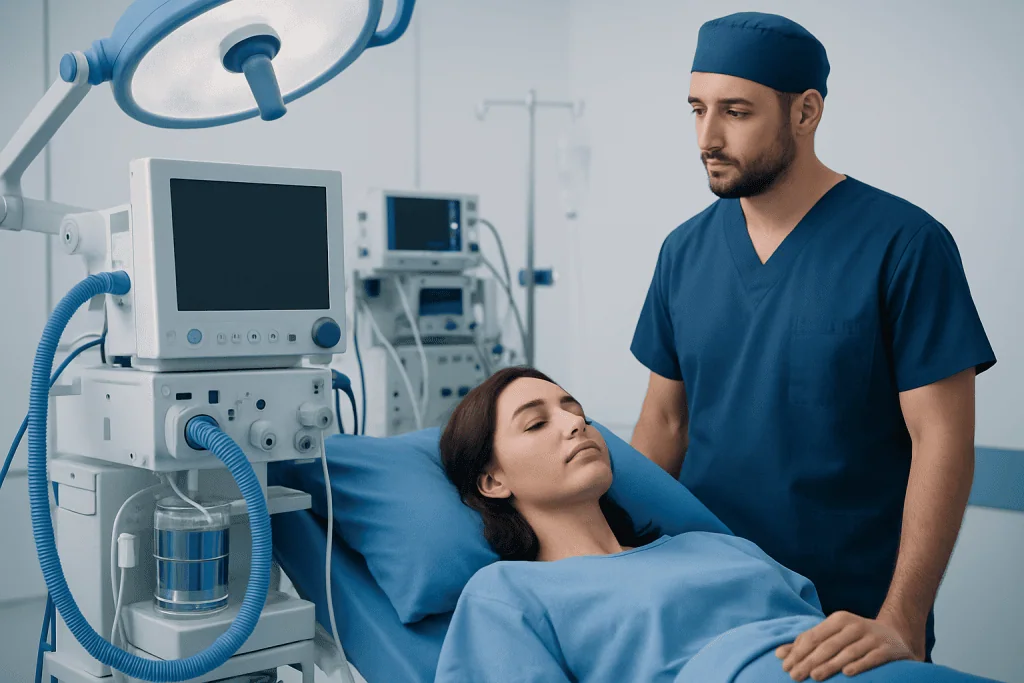
Yes, many providers advertise all-inclusive packages, but “all-inclusive” has no fixed legal or medical meaning. For one provider it means the planned hospital treatment plus local transfers. For another it means treatment, hotel, transfers, interpreter and a set number of follow-up visits. It never means that every possible cost and every clinical eventuality is covered, whatever the marketing suggests.
A trustworthy all-inclusive quote identifies the specific procedure or treatment plan, the planned admission, the included tests, any medical devices or implants, standard medication during admission, follow-up visits before departure, the number of transfer journeys and the accommodation details. It also states its limits plainly: how many nights, which room category, which hotel or hotel standard, and whether a companion is included.
Then ask the harder questions. What happens if you need additional investigations, a change of anaesthetic approach, an extra hospital night, closer monitoring, revision treatment or care for an unrelated health problem discovered during assessment? None of this can be fully predicted in advance. A responsible provider explains the process for handling it rather than promising that everything is covered. If the answer is vague, the package is not as inclusive as its name. And in every case, the treating clinician’s assessment takes priority over the travel schedule: a package that cannot flex around a clinical decision is a badly designed package.
How much do medical tourism packages cost in Istanbul?

There is no standard price, and any figure you see before a clinical review of your records is an estimate at best. What you pay depends on the treatment recommended for you, the complexity of your health needs, the surgeon and anaesthesia requirements, the length of hospital stay, any devices or implants, the laboratory and imaging work-up, and how much local recovery support you need before flying home.
Two people seeking the same named procedure can receive genuinely different quotes, because their medical histories, examination findings and safety requirements differ. That is not a pricing trick; it is how individualised medicine works. The pricing tricks live elsewhere, in low advertised starting figures that quietly exclude pre-operative tests, anaesthesia, implants, pathology, medicines, post-treatment checks, transfers, accommodation or taxes. The guide on spotting hidden costs in medical travel quotes for Turkey covers the most common gaps in detail.
The only meaningful comparison is between detailed written quotes with like-for-like inclusions. Before committing, ask for the total expected amount in a stated currency, an itemised or clearly grouped list of inclusions and exclusions, the payment schedule, accepted payment methods and the terms for cancellation or rescheduling. Ask specifically what happens to the price if clinical review changes the plan. A useful benchmark for completeness is what a proper medical cost estimate should contain before you travelmeasure any quote you receive against that standard.
Does insurance cover medical tourism?
Usually not, and this catches many travellers out. Most national health systems and most private health policies do not pay for planned elective treatment abroad, except in narrow, pre-authorised circumstances that vary by country. If you believe your policy might contribute, get that confirmation in writing before you book anything.
Standard travel insurance is a separate trap. Most travel policies cover unexpected illness or accidents during a trip: they explicitly exclude trips taken for the purpose of treatment, and they exclude complications arising from that treatment. Some specialist insurers offer medical-travel policies designed for this situation. Whether one suits you depends on your procedure, your health history and the policy wording, which you should read in full rather than rely on a summary.
Because insurance rarely applies, your written quotation effectively is your financial protection. That is another reason to insist on itemised documents and to budget for the items packages rarely mention: the guide on hidden costs patients often miss when budgeting for Turkey lists the usual suspects, from ticket-change fees to extended hotel nights during a slower recovery.
A typical treatment-trip timeline in Turkey
Your schedule depends on the treatment and on your clinician’s assessment. Some outpatient care needs only a short visit; surgery or complex treatment can require several days in hospital and more time nearby for safe review before flying. Do not book a fixed return flight until your treating team has discussed travel timing with you.
The table below is a planning example, not a medical timetable. Your clinician may advise a shorter or longer stay, additional appointments or a different follow-up plan.
| Stage | Typical focus |
|---|---|
| Before travel | Records review, preliminary plan, quote clarification, visa and travel documents, accommodation planning. |
| Arrival day | Rest and settle in; confirm appointment times; allow for travel fatigue. If assistance was arranged, it usually begins at the airport, see what to expect at medical check-in at Istanbul airport. |
| Day 1–2 | In-person consultation, examination, consent discussion and any clinically required tests. |
| Treatment day | Planned procedure or treatment, admission where needed, early recovery monitoring. |
| Following days | Hospital recovery or outpatient review, medication guidance from the treating team, wound or progress checks as appropriate. |
| Before departure | Fitness-to-travel discussion, discharge summary and test results, follow-up arrangements, instructions for the journey. |
| Back home | Follow the care plan, share records with your local clinician where appropriate, attend recommended follow-up. |
Build flexibility into both flights and accommodation. Recovery is individual, and the safest departure date is the one agreed with your treating clinician, not the one that was cheapest to book.
How to choose a hospital for medical tourism in Turkey
No single hospital is best for every international patient, and country-level rankings do not answer the question either. You may notice that individual hospital brand names dominate the first pages of results; the sensible approach is the same whichever name you start from. Judge the specific team and facility against your specific needs: the treatment you require, the experience and availability of the relevant specialists, the hospital’s quality systems, its diagnostic capability, language support, location and the follow-up you will need after leaving Turkey.
Look for a hospital that can clearly explain its accreditation status, specialist services, infection-prevention practices, emergency support and approach to coordinating international patients. Accreditation is one signal among several, useful, but never a substitute for direct questions about your proposed care team, the facility where you will actually be treated, the expected length of stay and who is responsible for follow-up once you are home.
You will also encounter big numbers about the sector itself, patient volumes, national revenue, growth claims. Turkey medical tourism is a significant part of the country’s visitor economy, and the totals change year to year depending on what is counted: patients, companions, health-service revenue or related travel spending. None of it tells you whether a particular hospital suits you, whether a quote covers your required services, or whether your itinerary leaves enough recovery time. Check the source and year of any broad claim, then set it aside and return to your own documents.
A reputable provider allows time for questions, asks for relevant medical records before quoting, explains uncertainty honestly and avoids guaranteeing any particular outcome. If the conversation is all reassurance and no detail, keep looking.
Step by step
- Prepare your medical information for review. Gather relevant reports, imaging, medication lists, allergies and details of previous treatment. Hospitals build a preliminary plan from these, but expect the final plan to be confirmed, and possibly adjusted, after in-person examination.
- Request an itemised written quotation. Medical services, hospital nights, testing, anaesthesia, devices, medicines, transfers and accommodation support should be listed separately or clearly grouped. Confirm exclusions and the process if extra care becomes clinically necessary.
- Plan travel with recovery time in mind. Choose flexible flights and accommodation where possible, especially if your treatment may affect mobility or fitness to fly. Do not compress treatment, discharge and a long-haul return into an unrealistic schedule.
- Prepare for the arrival consultation. Bring original or accessible digital copies of key records and a current medication list. Use the consultation to confirm the recommended plan and to discuss risks, expected recovery and travel timing.
- Keep your discharge documents organised. Before leaving, obtain your discharge summary, test results, procedure details, medication instructions and follow-up contact information, ideally in a format your clinician at home can use.
- Follow the recovery plan after treatment. Take medicines only as directed by your treating doctor, attend planned reviews and observe any restrictions on activity, wound care, diet or travel set out in your discharge instructions.
Your checklist
- A detailed medical history, current medication list and allergy information
- Recent test reports, imaging files and previous procedure records where relevant
- A written, itemised quote with inclusions, exclusions and payment terms
- Written confirmation of anything your insurer has agreed to cover
- Passport, visa requirements and travel documents
- Flexible flight and accommodation arrangements where possible
- Contact details for your patient coordinator, hospital and accommodation
- A companion plan if you may need practical support after treatment
- Enough recovery time before travelling home, subject to your clinician’s advice
- Discharge documents and a follow-up plan for your clinician at home
Key takeaways
- Turkey medical tourism packages vary widely; the written quotation, not the label, defines what you are buying.
- “All-inclusive” has no fixed meaning: it is only as good as the itemised list of inclusions, limits and exclusions behind it.
- There is no standard Istanbul package price; compare detailed like-for-like quotes, never headline figures.
- Most insurance does not cover planned treatment abroad or its complications; confirm your own cover in writing.
- Choose a hospital on clinical suitability, quality systems and communication, not rankings or sector statistics.
- Keep flights and accommodation flexible, and travel home only when your treating clinician agrees it is appropriate.
Frequently asked questions
Is Turkey good for medical tourism, and what do VIP treatment packages include?
Turkey has one of the largest medical travel sectors in the world, with a concentration of modern private hospitals in Istanbul and strong flight connections. “VIP” packages usually refer to comfort rather than different medicine: private transfers, upgraded rooms, dedicated coordinators, sometimes companion arrangements. Judge the clinical team and the itemised quote first; treat VIP extras as secondary and confirm exactly what each one means in writing.
Do Turkish hair transplant clinics really offer all-inclusive packages?
Many advertise them, typically bundling the procedure, a set number of hotel nights, transfers and some aftercare products. The label varies enormously in practice. Check whether the facility is a licensed medical clinic, who actually performs and supervises the procedure, what “aftercare” specifically includes, whether medications and follow-up checks are listed, and what happens if a review before departure is needed. The itemised list matters more than the word “all-inclusive”.
Do Turkey medical tourism packages include flights?
Rarely by default. Most packages cover medical services and selected local support such as airport transfers or accommodation; international flights, baggage, ticket changes and companion travel are usually your responsibility. Check the written quote line by line, and factor in the cost of changing a return flight if recovery takes longer than planned.
Does insurance cover medical tourism?
Usually not. Most national systems and private policies exclude planned elective treatment abroad, and standard travel insurance excludes both trips taken for treatment and complications arising from it. Some specialist insurers offer medical-travel policies. Whatever your situation, get any confirmation of cover in writing before booking, and read the full policy wording rather than a summary.
What should I ask before paying for a package?
Ask for an itemised quote, the clinical basis for the proposed plan, the expected length of stay and every exclusion. Cover cancellation terms, payment timing, interpreter availability, the process if extra care becomes necessary, and how follow-up works after you return home. Do not make non-refundable travel bookings until you understand and have written answers to all of these.
Can my treatment plan change after I arrive in Istanbul?
Yes. A clinician may adjust or postpone the plan after examining you, reviewing updated tests or identifying a safety concern. A preliminary remote assessment is a starting point, not a final medical decision. Ask in advance how a change of plan would affect timing and costs, so a clinical adjustment does not become a financial surprise.
How long should I stay in Turkey after treatment?
It varies substantially by treatment, your overall health and how recovery progresses. Your treating clinician will advise when travel is appropriate and whether a review is needed before departure. Generic online timelines and fixed flight dates are poor guides; flexible bookings cost a little more and remove a lot of pressure.
Is it legal to travel abroad for medical treatment?
Yes. Residents of the US, UK, EU and most other countries are free to travel abroad for planned care. The legal questions sit around the edges: whether your insurer contributes, what documents you need to carry medication home, and how liability and complaints work under the destination country’s law rather than your own. These are worth understanding before you commit, not after.
Add us as a Preferred Source to see more of our trusted health content across Google Search, AI Overviews and Discover.

Update history
- PublishedAugust 21, 2026
- Medical review approvedSeptember 13, 2026
- Last content updateSeptember 12, 2026
References1
- CDC Yellow Book: Medical Tourism wwwnc.cdc.gov
More Patient Guides

Septoplasty Recovery: Week by Week
Learn what to expect after deviated septum surgery: a week-by-week septoplasty recovery timeline, when it is usually safe to fly home, and…

Gallbladder Surgery Recovery: Week by Week
Learn what to expect after gallbladder surgery: a week-by-week recovery timeline, pain, diet, wound care, when it is safe to fly home…

Robotic Hysterectomy Recovery: Week by Week
Recovery from robotic hysterectomy week by week: pain, lifting, wounds, driving, flying home safely, warning signs and questions to ask before you…

Breast Reconstruction Recovery: Week by Week
DIEP flap recovery week by week: hospital stay, drains, pain, walking, showering, driving, when it is usually safe to fly home, and…