

Medical Tourism in Turkey: The Complete Guide
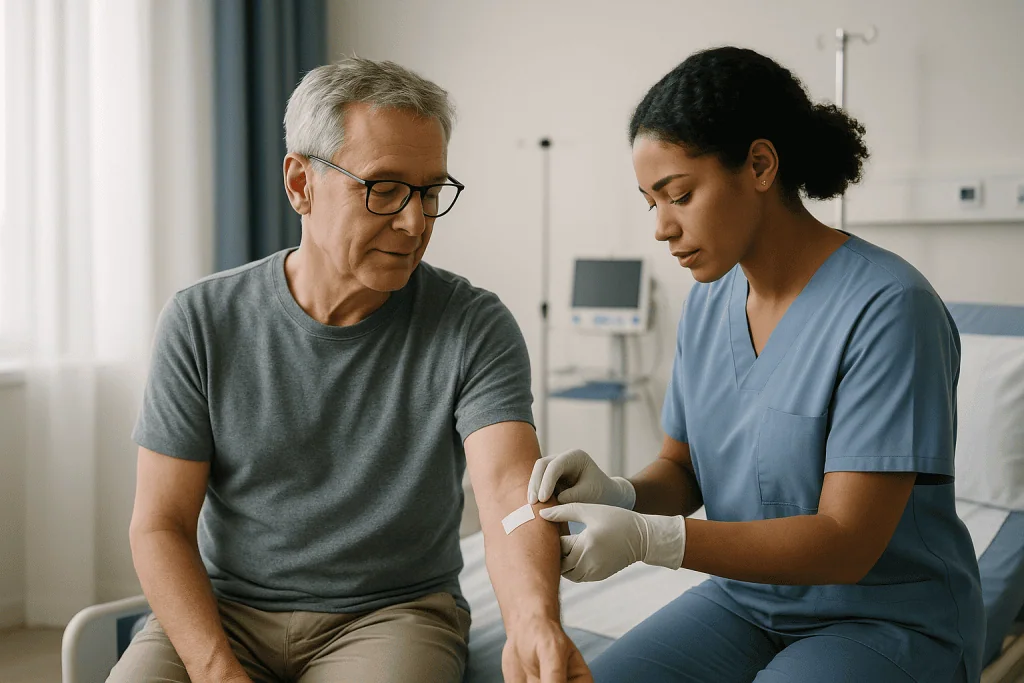
Medical tourism means travelling to another country for planned healthcare, from dental work and IVF to surgery and cancer treatment, and organising the travel, recovery and follow-up around it. In Turkey, that means choosing a licensed, appropriately accredited hospital, getting a written treatment plan and itemised estimate before booking flights, allowing realistic recovery time, and agreeing follow-up arrangements for when you return home.
Wondering how much time to book off work, or whether you can fly home three days after treatment? Those are the right questions. Medical tourism in Turkey means travelling for planned healthcare while arranging the practical details that make treatment, recovery and the journey home work safely, and most of those details need sorting before you buy a ticket.
This guide explains what medical tourism actually involves, how to judge a hospital, how quotes and packages are structured, where insurance fits, and how to build a travel timeline around your recovery rather than around a return flight.
At a glance
- What it is: Planned treatment abroad, with travel, accommodation and follow-up organised around a clinical plan.
- Best starting point: A written treatment plan and itemised estimate before you book any travel.
- Safety check: Verify hospital licensing, accreditation, the treating specialist’s credentials and how complications are handled.
- Money: Quotes depend on the treatment, tests, stay length and what is excluded, read them line by line.
- Travel timing: Build in assessment days, recovery time and flexibility for changes.
- Going home: Travel only when your treating team confirms it is appropriate, with discharge documents in hand.
What Is Medical Tourism, and How Does It Work in Turkey?
If you have been asking what is medical tourism, the honest definition is simple: it is travelling across a border to receive planned, non-emergency healthcare. That covers a wide range, dental treatment, IVF and reproductive health, orthopaedic and eye surgery, weight-loss procedures, cosmetic surgery, and complex care such as oncology. What is medical tourism in practice, though, is less about the flight and more about the sequence: sharing records, receiving a treatment recommendation, agreeing a plan and price structure, travelling for assessment and treatment, recovering on site, and returning home with a follow-up arrangement that your local doctor can work with.
Health tourism to Turkey has grown because the country combines large hospital groups, a wide range of specialties, established international patient departments and relatively short flight times from Europe, the Middle East and Central Asia. Turkey health authorities also regulate the sector directly: hospitals and intermediaries that treat international patients are expected to hold licensing from the Ministry of Health, which gives you something concrete to verify before committing.
Understanding what is medical tourism also means understanding what it is not. It is not a holiday with a procedure attached, and it is not a way to skip the assessment, consent and recovery stages that the same treatment would involve at home. Approached as a healthcare journey with travel logistics wrapped around it, medical tourism in Turkey can be a practical option. Approached as a bargain trip with a fixed return date, it creates avoidable risk. Your own surgeon or treating clinician’s instructions always take priority over general travel guidance, including this guide.
At Acibadem International, international patient teams coordinate the non-clinical side of a visit, appointments, interpreters, records, airport arrangements and accommodation information, around the clinical plan. Practical coordination makes communication easier, but it does not replace your own understanding of the proposed care, the likely recovery needs and the arrangements for going home.
Which hospitals in Turkey are good for medical tourism?
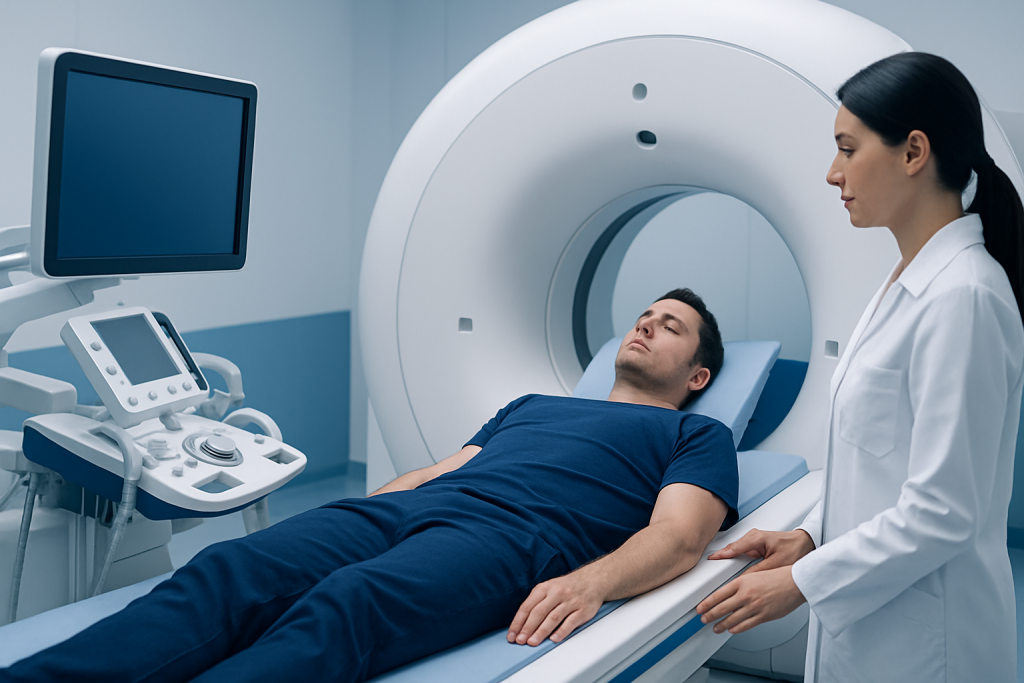
A good hospital for your treatment is not the one with the most attractive website or the fastest quote. It is the one that can demonstrate recognised quality standards, has specialists genuinely relevant to your condition, gives you transparent clinical information and has working systems for international patient communication, emergency care and discharge planning.
Much of what you will find when searching medical tourism Turkey is agency marketing rather than clinical information, so it helps to separate the layers. The Turkey medical tourism sector includes hospital groups that treat you directly, standalone clinics, and intermediary agencies that book you into facilities they do not run. If an agency is involved, ask which hospital and which named specialist will actually be responsible for your care, and verify both independently.
JCI accreditation is one recognised indicator that a hospital has been assessed against international standards for quality and patient safety. Treat it as one input, alongside the hospital’s relevant clinical services, diagnostic capability, infection-control practices, intensive care availability where appropriate, and the credentials of the specialist team. Turkey health tourism rules add a further check: facilities and intermediaries serving international patients should hold Ministry of Health authorisation, which you can ask to see.
- Confirm accreditation status through the accrediting organisation where possible, not just the hospital’s own claim.
- Ask for the treating specialist’s qualifications and relevant experience with your specific procedure.
- Check whether the hospital can manage your care if recovery is more complex than expected, including intensive care and unplanned readmission.
- Request a written clinical plan, including what may change after an in-person assessment.
- Ask how records will be shared with your doctor at home after discharge.
How much does medical tourism in Turkey cost?
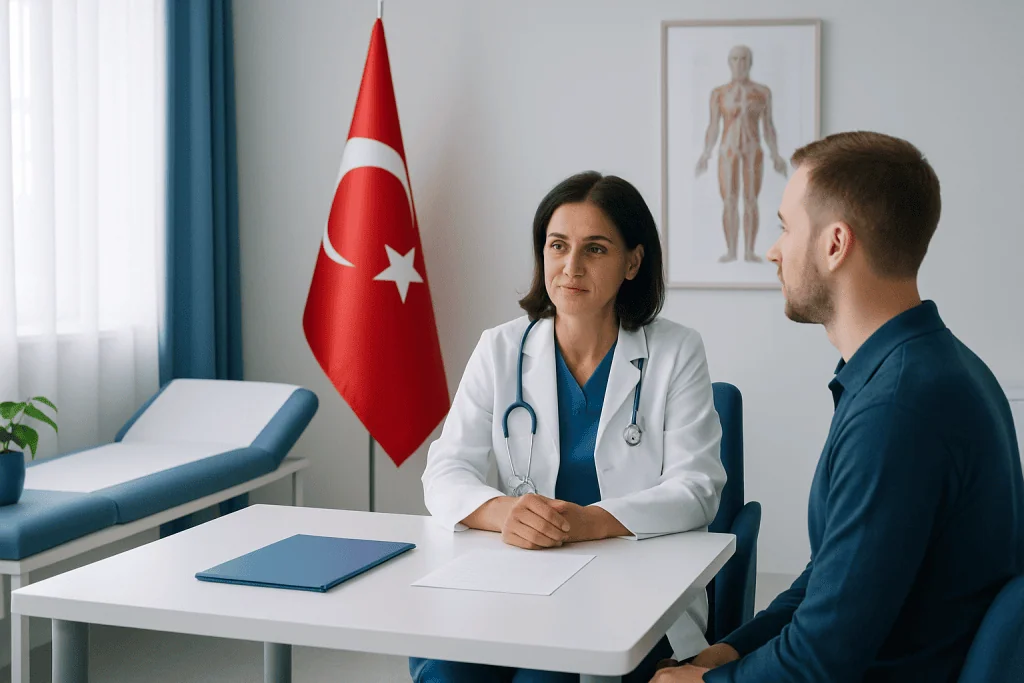
Costs vary widely, and any figure quoted before a specialist has assessed you in person is an estimate, not a commitment. What you pay depends on the treatment itself, the hospital and team, the tests ordered, anaesthesia where relevant, length of stay, medicines, rehabilitation needs, travel dates and whether any unexpected care becomes necessary.
Ask for an itemised written estimate that states clearly what is included and what is excluded. Beyond the clinical estimate, you will usually need to budget separately for flights, visas where required, accommodation, meals, local transport, a companion’s costs, additional investigations, prescribed medicines, compression garments or aids, an extended stay if medically advised, and follow-up once you return home. Our patient budget checklist for medical expenses in Turkey works through these categories one by one.
If a lower price is a key reason for travelling, compare more than the headline figure. Consider the qualifications and facilities behind the quote, the cost of staying longer if your team advises it, cancellation terms, and what arranging care at home would involve if a complication arose after your return. A responsible provider explains cost variables plainly rather than promising a fixed result before assessment.
Does insurance cover medical tourism?
Usually not by default, and this catches many patients out. Domestic health insurance and national health systems generally do not pay for planned treatment abroad, though some insurers offer specific cross-border arrangements: the only way to know is to read your policy and ask in writing. Standard travel insurance typically excludes planned procedures and any complications arising from them; it covers unexpected illness, not the treatment you travelled for. Separate medical travel or complications insurance exists and is worth investigating before you book. Whatever cover you arrange, keep the written terms with your travel documents.
Is medical tourism safe in Turkey?
It can be, when you select a properly regulated, appropriately equipped hospital and follow a clinical plan designed for you. Safety is not a property of a country. It depends on your medical suitability for travel, the complexity of the treatment, the quality of communication, infection prevention, emergency readiness, responsible prescribing and continuity of care after you leave. The same logic applies whether you are considering Turkey, Mexico, Thailand or anywhere else: the facility and the clinician matter more than the flag.
Before travelling, disclose your full health history, allergies, medications, previous operations and any condition that may affect anaesthesia, healing or flying. Do not minimise symptoms or leave things out because they feel unrelated; your clinical team needs an accurate picture to judge whether treatment and travel are appropriate for you. Some pre-treatment testing can often be done at home first, which our guide to which medical tests to complete before flying to Turkey explains in detail.
Be cautious about pressure to book quickly, promises of a particular outcome, vague descriptions of the procedure, cash-only arrangements without documentation, or providers who discourage questions. You should have enough time to review the plan, seek another medical opinion if you want one, and understand the risks, alternatives and expected recovery requirements. A provider confident in its clinical case does not need urgency to close a booking.
After treatment, safety continues at discharge. Before you leave the hospital, make sure you understand your medicines as prescribed, your activity limits, wound care where relevant, and the specific signs your treating team wants reviewed. Follow their instructions on movement, diet, showering, driving, alcohol and air travel: these are individual to your treatment, and general advice cannot substitute for them.
Is there an all-inclusive medical tourism package for Turkey?
Some providers market coordinated arrangements as all-inclusive packages. These may combine clinical services with selected non-clinical support such as airport transfers, hotel arrangements, interpreter assistance or a companion option. The term is not standardised, so treat every package as a list to be verified: ask for a written breakdown of every included service and every possible extra charge. We cover the typical inclusions and gaps in our guide to Turkey medical tourism packages.
A package never overrides clinical judgement. Your final plan may change after consultation, examination or testing, and an extended recovery period may be medically advised. Make sure you understand, in writing, what happens if your treatment is postponed, altered, cancelled or requires additional care.
- Ask whether consultation, tests, anaesthesia, hospital stay and medicines are included.
- Clarify accommodation standards, transfer routes and the number of included nights.
- Check companion arrangements and whether the package flexes if recovery takes longer.
- Read cancellation, refund and additional-treatment terms before paying a deposit.
- Keep copies of all confirmations, consent documents, clinical recommendations and payment records.
A Typical Turkey Medical Travel Timeline
Your schedule should be built around clinical safety, not the earliest available return flight. Exact timing varies by treatment, your health and your specialist’s advice, but this outline gives you a framework for planning conversations with the hospital and your support person.
| When | What you may need to do |
|---|---|
| 4–8 weeks before travel | Share records securely, receive a preliminary plan and estimate, check passport and visa requirements, investigate insurance options and arrange time away from work or caring responsibilities. |
| 1–2 weeks before travel | Confirm itinerary, accommodation, companion plans and documents. Ask the clinical team about pre-treatment instructions and raise any medication questions with them directly. |
| Arrival and assessment day | Attend consultation and any recommended examinations or tests. The plan may be refined once the specialist has assessed you in person. |
| Treatment and early recovery | Follow hospital guidance, use interpreter support if needed and make sure you understand your medicines, activity limits and review schedule before discharge. |
| Before return travel | Attend any required review. Confirm your clinician considers travel appropriate, collect discharge papers and confirm how post-discharge communication works. |
| First weeks at home | Follow recovery instructions, share records with your usual clinician where appropriate and keep scheduled remote or local follow-up appointments. |
Do not book a non-changeable return ticket if your treatment could require review, observation or a longer recovery. Airlines also set their own fitness-to-fly requirements after illness or surgery, check directly with the airline and follow your treating clinician’s advice on timing.
Preparing for Recovery and Follow-up at Home
Your recovery plan begins before you travel. Identify who will help you at home during the first days after your return, and think through practical needs: meals, transport, childcare, pet care, stairs, bathing and time off work. If you will travel alone, tell the care team in advance so the discharge and travel plan can be discussed realistically. A well-prepared bag helps too, see our packing list for hospital and recovery in Turkey.
Before leaving Turkey, obtain your discharge summary, procedure or treatment report where applicable, test results, imaging reports, medication list, prescription details and follow-up contact information. Ask for documents in a format and language your local doctor can use. Keep paper and secure digital copies, and carry the essentials in your hand luggage. If you needed to send records to Turkey before treatment, the same secure methods work in reverse: our guide to sending medical records securely explains how.
Agree before departure who handles what once you are home: which follow-up happens remotely with the treating team, which happens with your local doctor, and how the two share information. Remote follow-up is useful, but it is not a substitute for in-person assessment when your team has advised one.
Step by step
- Define your treatment and recovery needs. Start with the clinical question, not with a destination or package. Consider your diagnosis, prior treatment, health conditions, medication needs and how much help you may need after care.
- Share complete medical information. Send the records the provider requests, including recent reports, relevant imaging, allergies and medication lists. Mention previous complications, smoking, the possibility of pregnancy and anything that may affect treatment or travel.
- Check the hospital and care team. Verify licensing, accreditation, specialty services and the credentials of the clinician responsible for your treatment. Ask how emergencies, unplanned admission and post-discharge questions are managed.
- Review the written plan and estimate. Understand the purpose of treatment, the alternatives, the expected stay and the reasons the plan could change. Go through the quote line by line and ask what is excluded, conditional or subject to assessment.
- Sort insurance and documents. Confirm in writing what your existing policies cover, investigate complications cover, and check passport and visa requirements early.
- Build a flexible itinerary. Allow time for arrival, consultation, treatment and recovery reviews. Choose changeable transport and accommodation where possible, and keep early recovery free of sightseeing and commitments.
- Prepare for discharge before treatment. Decide who supports you in Turkey and at home, arrange local follow-up where appropriate, and confirm which records and prescriptions you will receive.
- Follow recovery and travel instructions. Take medicines only as prescribed by your treating doctor and observe the restrictions on activity, wound care, diet and flying that your team sets for you.
Your checklist
- Passport, visa status and travel itinerary checked
- Written treatment plan and itemised estimate saved
- Medical records, imaging, allergy list and medication list prepared
- Hospital licensing, accreditation and specialist credentials verified
- Insurance terms, exclusions and complications cover reviewed in writing
- Travel and accommodation bookings allow flexibility
- Companion or home-support plan confirmed
- Discharge documents and follow-up contacts requested before departure
- Enough prescribed medication and a medication timetable arranged with your doctor
Key takeaways
- Medical tourism is a healthcare journey with travel attached, plan the clinical stages first and the flights second.
- Choose a hospital on verifiable standards, relevant specialists and clear communication, not price alone.
- A written treatment plan and itemised estimate let you compare options honestly; no quote is final before in-person assessment.
- Insurance rarely covers planned treatment abroad by default, confirm your cover in writing before booking.
- Packages vary and the term is not standardised; verify every inclusion and every exit clause.
- Follow your own treating clinician’s instructions on medicines, activity, wound care and flying.
Frequently asked questions
Which companies are leading in medical tourism in Turkey, and which hospitals are best?
There is no official ranking, and lists you find online are usually marketing. Instead of searching for a “best” name, verify what matters for your case: Ministry of Health licensing for international patients, accreditation you can confirm with the accrediting body, specialists experienced in your specific treatment, and clear written answers about complications, records and follow-up. Large hospital groups such as Acibadem treat international patients directly through their own international departments; intermediary agencies book you into facilities they do not run, so always identify the actual hospital and clinician behind any agency offer.
What country has the most medical tourism?
No single authoritative count exists, because countries measure international patients differently and estimates vary widely. Turkey, Thailand, India, Mexico, Malaysia, South Korea and several European countries are all frequently cited as major destinations, each with different strengths by specialty. For a patient, the volume a country handles matters far less than whether the specific hospital and specialist are right for your treatment.
Does insurance cover medical tourism?
Usually not automatically. Domestic health insurance and national health systems generally exclude planned treatment abroad, and standard travel insurance excludes planned procedures and their complications. Some insurers offer specific cross-border or complications cover. Read your policy, ask your insurer in writing, and keep the written confirmation, assumptions about cover are one of the most common and expensive planning mistakes.
Is medical tourism legal in the US and other countries?
Yes. Travelling abroad for planned healthcare is legal for residents of the US, the UK and most other countries. What varies is the practical framework: your home doctors are not obliged to have been involved in the decision, legal remedies if something goes wrong sit under the destination country’s law, and bringing medicines home is subject to your country’s customs and import rules. These are planning considerations, not legal barriers.
Is medical tourism safe in Mexico, Turkey or anywhere else?
Safety is decided at the level of the facility and the clinician, not the country. In any destination, Mexico, Turkey or elsewhere, the same checks apply: verifiable licensing and accreditation, a specialist with relevant experience, honest written information about risks and alternatives, working emergency and intensive care capacity, and a realistic plan for recovery and follow-up. Public health bodies such as the CDC publish general guidance on assessing healthcare abroad, which is a sensible starting point wherever you are considering.
Do I need to stay in Turkey after treatment?
In most cases, yes, for the period your treating clinician advises, including any required review appointments. The right length depends on the treatment, your health and how recovery is progressing. Do not fly home simply because a pre-booked itinerary says it is time to leave; book flexible tickets so the clinical timeline can lead.
What should be included in a medical tourism quote?
A useful quote names the planned clinical services and states what is included, excluded or dependent on assessment. Check consultation, tests, hospital stay, anaesthesia where relevant, medicines, transfers, accommodation, interpreter support and how additional care would be charged. Remember that plans and costs can change if the in-person assessment identifies a different need: a quote that pretends otherwise is a warning sign, not a reassurance.
Can I travel alone for treatment in Turkey?
It depends on the treatment and your expected recovery. Some patients manage alone with coordinated support; others need a companion for transport, communication, mobility or the first days after discharge. Discuss it honestly with the clinical team before booking, and if you will be alone, say so early so the discharge and travel plan reflects reality rather than optimism.
Add us as a Preferred Source to see more of our trusted health content across Google Search, AI Overviews and Discover.

Update history
- PublishedAugust 21, 2026
- Medical review approvedSeptember 2, 2026
- Last content updateSeptember 2, 2026
References1
- CDC Yellow Book: Medical Tourism wwwnc.cdc.gov
More Patient Guides

Septoplasty Recovery: Week by Week
Learn what to expect after deviated septum surgery: a week-by-week septoplasty recovery timeline, when it is usually safe to fly home, and…

Gallbladder Surgery Recovery: Week by Week
Learn what to expect after gallbladder surgery: a week-by-week recovery timeline, pain, diet, wound care, when it is safe to fly home…
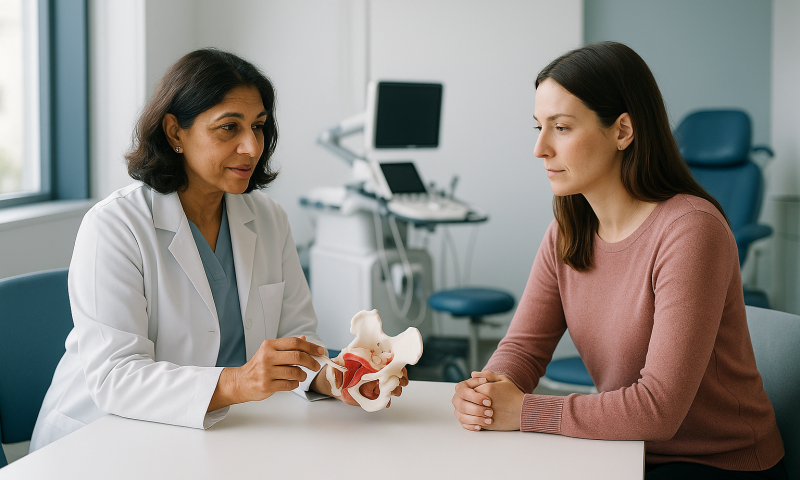
Robotic Hysterectomy Recovery: Week by Week
Recovery from robotic hysterectomy week by week: pain, lifting, wounds, driving, flying home safely, warning signs and questions to ask before you…

Breast Reconstruction Recovery: Week by Week
DIEP flap recovery week by week: hospital stay, drains, pain, walking, showering, driving, when it is usually safe to fly home, and…