

Medical Treatment in Turkey: A Practical Packing List for Hospital and Recovery

Pack in three categories: paperwork (passport, medical records, medication list), daily essentials (regular medicines in original packaging, loose clothing, toiletries, chargers) and recovery items (a soft discharge outfit, slip-on shoes, a small comfort kit). Keep documents and medicines in hand luggage, never in checked bags, and leave valuables at home. One carry-on plus one main suitcase is enough for most hospital trips to Turkey.
Packing for medical treatment in Turkey is not the same as packing for a holiday. Your suitcase has one job: make admission, the hospital stay and the first days of recovery easier. This guide tells you what to bring, what to leave at home, and how to organise it so nothing important is buried at the bottom of a bag on a tired day.
It covers documents, medicines, clothing, technology and money, and it answers the practical questions international patients ask most often about travelling to Turkey for treatment.
At a glance
- Best for: International patients preparing for hospital treatment and short-term recovery in Turkey
- Main goal: Pack documents, medicines, clothing, devices and comfort items in three organised categories
- Do not forget: Passport, medical records, regular medicines in original packaging, chargers, and a soft discharge outfit
- Highest priority: Your document folder and your medicines travel in hand luggage, never in the hold
- Pack light: One carry-on plus one main case is enough for most hospital trips; valuables stay at home
Packing for medical treatment in Turkey: three categories that matter
The most useful packing strategy for medical treatment in Turkey is to think in three categories: hospital paperwork, everyday essentials, and recovery needs. Everything you pack should fit one of the three. This stops you from overpacking and means the items that matter most are easy to find when you arrive, when you are admitted, and when you return to your hotel or apartment after discharge.
Your exact list depends on the type of trip. A day procedure needs less than surgery with an inpatient stay; imaging appointments need less again. Whatever the plan, the priorities are the same: identification, communication, mobility, hygiene and comfort. Valuables, bulky items and anything you would struggle to manage while tired belong at home.
Hospitals in Turkey that treat international patients, including Acibadem, usually have international patient services teams who coordinate practical details such as record sharing before arrival, interpreters and transfers. Even so, prepare your own organised list. On travel days, nobody hands you what you need faster than a well-packed bag.
Your document folder matters more than your suitcase
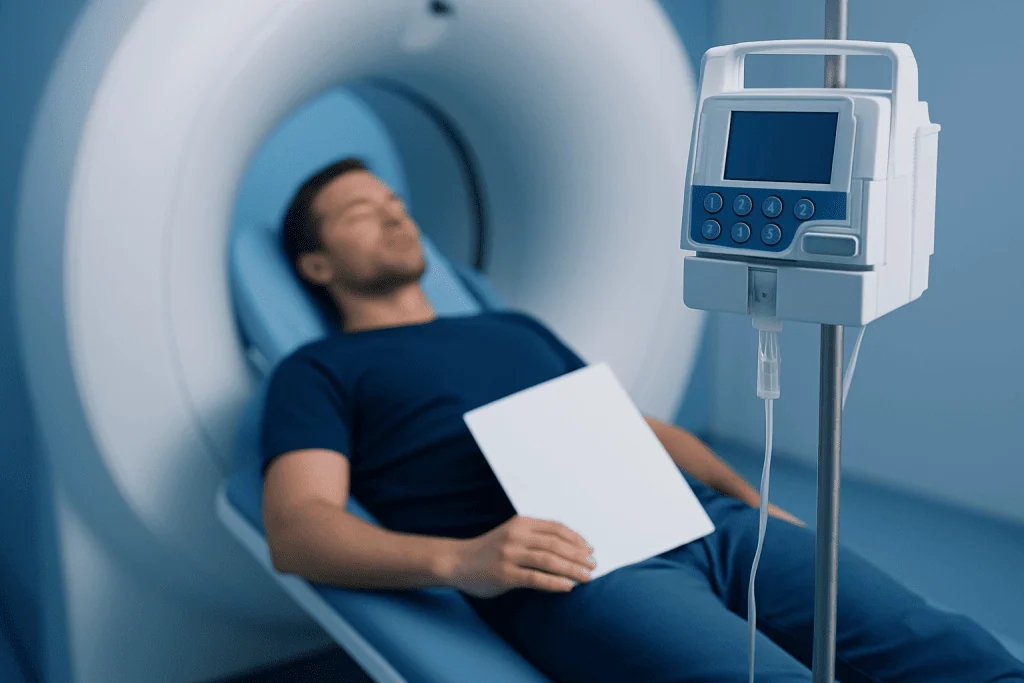
Your most important item is not clothing. It is a slim, clearly organised document folder that stays in your hand luggage at all times. It should hold your passport, any visa or entry paperwork, travel insurance details, hospital appointment confirmations and emergency contacts. Never put essential documents in checked luggage; a delayed suitcase should be an inconvenience, not a crisis. The Turkey medical visa and entry documents checklist walks through the entry paperwork in detail.
Alongside travel documents, bring the medical records your care team will actually use: clinic letters, diagnosis summaries, imaging reports, scan discs or USB files if requested, recent blood results, a current medication list, allergy information, and details of previous surgeries. If your records are not in English or Turkish, ask in advance whether full translation is needed or whether an English summary is enough. The medical records checklist for treatment in Turkey lists what is usually worth carrying and what can stay home.
Carry printed copies as well as digital backups on your phone or secure cloud storage. In a busy reception queue, paper is faster to hand over, and it works when the Wi-Fi does not. Records are often coordinated before arrival, but your own set is insurance against delays.
Medicines and medical essentials: bring more than you think you need

If you take regular medicines, pack enough for the whole trip plus a margin for travel delays. Keep everything in original packaging with pharmacy labels visible, and carry a written list showing each medicine’s name, dose and schedule. This matters more than it sounds: brand names differ between countries, and the generic name on a label is what a Turkish pharmacist or doctor will recognise.
Bring the medical items you rely on day to day: inhalers, glasses, contact lenses and solution, hearing aid batteries, mobility aids, and a pill organiser for use after admission. If you travel with breathing equipment, read the guide to travelling to Turkey with CPAP or oxygen support before booking flights, because airlines have their own device rules. If you have allergies to medicines, latex, food or dressings, keep that information somewhere you can show in seconds.
Be careful with over-the-counter painkillers, supplements, herbal products and anything that affects blood clotting. Some can interfere with procedures or recovery, and decisions about what to continue, pause or bring for review belong to your treating doctor, not to a packing list. Do not change anything on your own; raise it with the team managing your treatment before you travel, and pack accordingly.
What to wear and use during your hospital stay
For admission, pack loose, comfortable clothing that is easy to put on and take off. Front-opening pyjamas or a soft sleep shirt, underwear, non-slip slippers and a lightweight robe are more practical than anything fitted or fiddly. If you expect swelling, dressings or reduced mobility after treatment, choose clothes with extra room and as few fastenings as possible.
A small toiletry bag covers the rest: toothbrush and toothpaste, lip balm, face wipes, hairbrush, moisturiser, deodorant, tissues and any personal hygiene products you prefer. Hospitals provide core care items, but familiar basics help you settle, especially overnight. Skip strongly scented products, elaborate cosmetics and anything fragile.
Comfort items earn their place if they help you rest: earplugs, an eye mask, a light scarf or shawl, and a refillable water bottle if your care team permits it. Hospital rooms work best uncluttered, so choose a few items that support sleep, privacy and calm rather than a large collection of nonessentials that someone has to repack on discharge day.
Plan for the days after discharge, not just the day of treatment
Many patients pack for the hospital and forget that recovery continues afterwards. Think ahead to your first several days in a hotel, serviced apartment or family accommodation. You may be more tired, less mobile, or told to rest more than usual, so plan for simple routines. The hotel recovery room setup checklist covers how to arrange the room itself; here, focus on what goes in the bag.
Pack easy recovery clothes: loose trousers or joggers, tops that do not rub the treatment area, extra underwear, and slip-on shoes so you are not bending to tie laces. If your flight home comes soon after discharge, set aside one outfit specifically for travel, soft, non-restrictive and comfortable for hours of sitting. Season matters too: recovery clothing for an Istanbul August is not the same as for February, and the guide to medical travel to Turkey in summer or winter explains how weather can shape recovery plans.
Useful extras include a small neck pillow for transfers, a phone stand, chargers with long cables (hospital and hotel sockets are rarely where you want them), simple entertainment, and any doctor-approved support items you were advised to bring. It is also worth noting the nearest pharmacy and supermarket to your accommodation before you travel, while you have energy to spare.
Technology, money, and practical travel items
Your phone becomes your main tool for navigation, translation, updates and family contact. Pack the charger, a power bank, spare cables and a travel adapter if your home country uses a different plug type: Turkey uses the two-pin European style. Before departure, save hospital contact numbers, hotel details, transfer information and offline maps.
For money, bring one payment card, a backup card if possible, and a small amount of local currency for minor daily expenses. Do not carry large amounts of cash or expensive jewellery. Keep your wallet and documents in one secure, easy-to-reach bag, particularly on transfer and admission days when you are juggling papers.
If language is a concern, prepare supports in advance: translated key phrases, screenshots of your address and appointment details, and notes on any dietary or mobility needs. Interpreter support is common at hospitals serving international patients, but having your own key information on your phone and on paper means you never depend entirely on it.
What not to pack, and how to keep everything manageable
Overpacking is the most common mistake. Leave behind expensive jewellery, large electronics you do not need, irreplaceable sentimental items and multiple outfit changes. Hospital stays are simpler than most people imagine, and every extra item makes admission, room changes and discharge harder to manage.
Avoid loose, unlabelled medicines, unapproved supplements, and food that may not fit your treatment plan. If you use sharps, liquids or medical devices, check airline and hospital guidance before flying. Separate pouches for medicines, chargers and documents save real time when you are asked for something specific.
Aim for one small carry-on with essentials and one main suitcase for clothing and recovery items. If a companion travels with you, split important items between bags so a misplaced suitcase does not leave either of you without necessities. A calm, organised bag is easier to handle when you are tired, and tired days are exactly when it matters.
Common questions about medical treatment in Turkey, answered plainly
Alongside packing, most patients researching medical treatment in Turkey want three practical questions settled: whether care is free, what determines cost, and whether the country is a reasonable place to travel for treatment.
Turkey has a public health system that covers its citizens and registered residents. It does not extend free planned treatment to visitors. As an international patient, you pay for private care yourself or through insurance, so travel insurance and a clear written quote both matter. What a quote covers varies by hospital and procedure, surgeon and anaesthesia fees, implants or materials, nights in hospital, and follow-up may be bundled or listed separately, which is why an itemised quote is worth insisting on. The Turkey medical travel budget checklist covers the costs that sit outside the quote, such as flights, accommodation and extra nights if recovery runs long.
Turkey has a large private hospital sector with substantial experience treating international patients, particularly in Istanbul and other major cities. That does not remove your responsibility to check the specific hospital and doctor, ask questions before confirming, and read your country’s current travel guidance, advisories change, and the sensible habit is to check them close to your departure date rather than relying on what you read months earlier.
Step by step
- Confirm what your hospital specifically recommends. Before you pack, ask whether your treatment requires particular clothing, equipment or paperwork, and whether any items you normally use should be brought for the team to review.
- Prepare one dedicated document pack. Passport, insurance details, appointment confirmations, medical records, test results and medication list, all in one folder. Printed copies in hand luggage, digital backups on your phone or secure cloud storage.
- Sort medicines into a travel-safe pouch. Regular medicines in original packaging, prescription copies and allergy information together, carried with you rather than checked into the hold.
- Pack admission day and discharge day separately. One outfit for arriving, one very soft outfit for leaving. After treatment, you will not want to dig through a suitcase for socks.
- Build a small recovery kit. Chargers, lip balm, tissues, slippers, easy clothes and entertainment, kept near the top of the bag for the first days after discharge.
- Leave space for changes. Discharge timing shifts, pharmacies get visited, supplies get bought locally. Packing slightly light gives you flexibility and makes every transfer easier.
Your checklist
- Passport, visa or entry documents if needed, and hospital appointment confirmations
- Printed and digital copies of medical records, scans and test results
- Written list of current medicines, doses, allergies and emergency contacts
- Regular prescription medicines in original packaging, in hand luggage
- Loose clothing, underwear, robe and non-slip slippers
- Toiletries: toothbrush, toothpaste, lip balm, wipes, moisturiser, deodorant
- Phone, charger, power bank, cables and travel adapter
- Soft, non-restrictive outfit reserved for discharge and travel home
- Payment card, backup card, small amount of local currency, insurance details
- Any devices you rely on: glasses, hearing aid batteries, CPAP if relevant
Key takeaways
- Documents, medical records and medicines are the highest-priority items, and they travel in hand luggage.
- Pack loose, easy clothing and a few chosen comfort items rather than many nonessentials.
- Plan for the days after discharge, not only the hospital stay itself.
- Keep medicines labelled, and leave decisions about supplements and medication changes to your treating doctor.
- Turkey’s public system does not cover planned treatment for visitors; insurance and a clear itemised quote are your responsibility.
Frequently asked questions
Is medical treatment free in Turkey?
Not for international patients. Turkey’s public health system covers its citizens and registered residents. If you travel to Turkey for planned treatment, you pay for private care yourself or through insurance, which is why a written, itemised quote and adequate travel insurance both matter before you book.
Do tourists get free healthcare in Turkey?
No. Visitors are not covered by the Turkish public system. Emergency departments will treat urgent cases, but visitors are generally billed for care, so travel with insurance that covers medical events abroad and check whether it covers complications of planned treatment, as many standard policies do not.
Is Turkey good for medical treatment?
Turkey has a large private hospital sector with long experience of international patients, particularly in major cities such as Istanbul. Quality still varies between providers, as it does anywhere, so research the specific hospital and doctor, ask detailed questions before confirming, and get everything important in writing.
How much does medical treatment cost in Turkey?
There is no single answer, because cost depends on the procedure, the hospital, the doctor’s fees, materials or implants, anaesthesia, nights in hospital and follow-up care. The practical approach is to request an itemised quote, ask exactly what it includes and excludes, and budget separately for flights, accommodation and extra recovery nights.
Is Turkey safe for Americans now?
Check the current U.S. State Department country information for Türkiye before you book and again before you fly, since advisories change and can differ by region. Most international patients travel to major cities; reading the up-to-date official guidance for your destination is the honest answer to this question at any given time.
Should I keep medicines in checked luggage or hand luggage?
Hand luggage, always. This protects you if checked baggage is delayed and makes it easy to show original packaging or prescriptions during travel. Keep a written medication list with generic names alongside the medicines themselves.
Can I buy toiletries and basic items in Turkey instead of packing everything?
Yes. Everyday items are easy to buy locally, especially in large cities. Still pack the basics you will want on the first night, because you may not feel like shopping straight after a long flight or after treatment.
What if I do not speak Turkish?
Save key addresses, appointment details and translated phrases on your phone, and keep printed copies of your accommodation address. Hospitals that serve international patients commonly provide interpreter support, but your own prepared information means you are never entirely dependent on it.
Add us as a Preferred Source to see more of our trusted health content across Google Search, AI Overviews and Discover.

Update history
- PublishedJuly 25, 2026
- Medical review approvedSeptember 13, 2026
- Last content updateSeptember 12, 2026
References1
- Medical Tourism: CDC Travelers' Health wwwnc.cdc.gov
More Patient Guides

HoLEP in Turkey: How It Compares With TURP and What Recovery Involves
HoLEP in Turkey treats enlarged prostate tissue with laser enucleation; learn how it compares with TURP, recovery, travel and follow-up.

Porcelain Veneers in Turkey: Who Is Suitable and How Many Visits Are Needed?
Porcelain veneers in Turkey can enhance tooth shape and colour in two visits for suitable patients after a personalised dental assessment.

How to Prepare for a Sedation Procedure in Turkey
Prepare safely for a sedation procedure in Turkey with guidance on fasting, medicines, travel, recovery and follow-up.

Treatment Delays in Turkey: What Happens If Tests or Recovery Change Your Schedule
Treatment delays in Turkey can happen if tests or recovery change your plan. Learn how to manage appointments, travel, accommodation and follow-up.