

Hotel Recovery After Surgery in Turkey: Room Setup Checklist
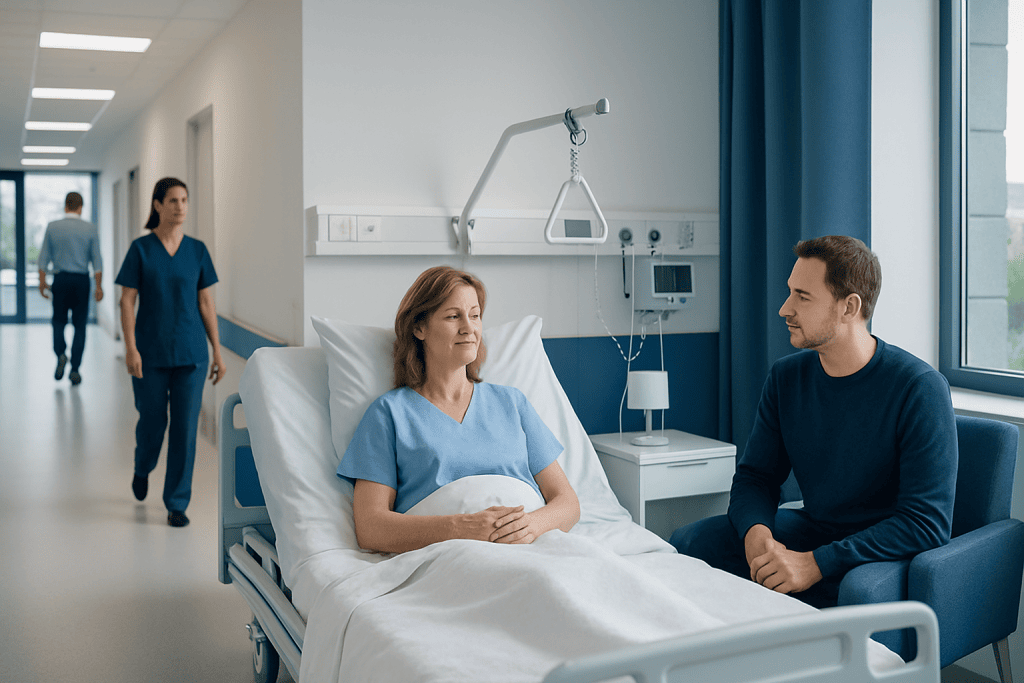
Set up your hotel room before surgery if you can. Keep water, medication, phone, charger and discharge papers within arm's reach of the bed, clear the path to the bathroom, place toiletries at waist height, and plan simple meals for the first days. Follow your discharge instructions for medication, bathing, diet and movement: the room setup exists to support those instructions, not replace them.
Where will you sleep the night you leave the hospital, and can you reach your water and medication without getting up? Most international patients start asking these questions a few days before surgery, once the medical plan is settled and the practical side becomes real.
Your hotel room is your temporary recovery base, and how you arrange it shapes how the first days after discharge feel. This guide walks you through hotel recovery after surgery in Turkey in practical detail: choosing the right room, setting up a bedside station, making the bathroom safer, organising meals and medication timing, and knowing exactly who to contact if something feels wrong.
At a glance
- Best timing: Arrange the room before surgery, not after discharge when you are tired
- Main goal: Reduce unnecessary movement, everything you use often should be within arm’s reach
- Helpful support: A companion, interpreter or your international patient services contact makes the first days easier
- Safety priority: Your discharge instructions override general travel advice on bathing, diet, medication and movement
- Room focus: Bed access, bathroom safety, hydration, medication routine, meals, sleep and communication
Why your hotel room setup matters after surgery
After an operation, your energy, balance and concentration are usually not what they were the week before. Bending to a low shelf, stretching across a bed, or crossing a dark room at 3am for water are minor tasks on an ordinary trip. In the first days after discharge they become the moments where things go wrong: a missed step, a pulled stitch site, a fall in a slippery bathroom.
A well-prepared room removes most of those moments before they happen. That is the whole logic of hotel recovery after surgery in Turkey: you are medically discharged but still nearby for wound checks and follow-up, so the room needs to work as a quiet, organised base rather than a normal holiday room. The difference is not expensive equipment. It is placement, lighting and routine.
Turkey receives a large number of international patients each year, and many surgeons ask you to stay locally for a period before flying home so they can review your healing in person. If you are treated through Acibadem, the international patient services team can help with the logistics around that stay, follow-up appointment scheduling, interpreter support and practical questions about the days between discharge and departure. Your clinical instructions always come from your treating team; the room setup below exists to make those instructions easy to follow in daily life.
If you have not yet booked accommodation, start with our guide on what to check in a hotel before you book, then come back here for the room-level detail.
Choose the right room before you arrive
If you can choose your accommodation before treatment, look past the photographs. What matters for recovery is rarely visible in a booking listing: whether there is a working lift, how far the room is from it, whether the shower has a step, and whether the front desk answers the phone at night. A quiet room away from the lift lobby, nightlife and construction will do more for your recovery than a sea view.
What to ask when you book
Tell the hotel you will be recovering from surgery and may need practical support. You do not need to share any medical detail, “I am recovering from an operation” is enough. Reasonable requests include:
- A room close to the lift, with a step-free route from the entrance
- Early check-in or late check-out around your hospital dates
- Extra pillows, most patients need at least two or three more than standard
- A shower chair or bath stool, if the hotel has one
- Help with luggage on arrival and departure
- A quiet floor, away from the bar, breakfast room or street-facing traffic noise
Useful room features to confirm before you commit:
- A lift and minimal stairs between entrance, lobby and room
- A walk-in shower or low shower threshold where possible
- Clear space on at least one side of the bed, so you can get in and out without twisting
- A small refrigerator for approved drinks, snacks or temperature-sensitive supplies if your team prescribes any
- Good lighting: you will be reading medication labels and dressing instructions, often at night
- Reliable Wi-Fi for follow-up messages and video calls with your care team or family
If you have mobility limitations, get the details in writing rather than trusting a listing description. “Accessible” means different things in different hotels, and you do not want to discover a bathtub with a high edge on the evening of discharge.
Set up your bedside recovery station

Your bedside table is the single most important square metre of the room. It should work like a small command centre: everything you use during the night, reachable without twisting, stretching or standing. The first two or three nights after discharge are usually the ones with the most waking, for water, medication timing, bathroom trips or general discomfort, and each of those wakings is easier when nothing requires a search in the dark.
Keep at the bedside:
- Phone and charger, with the cable long enough to use the phone while lying down
- Water: a bottle with a sports cap or a straw is easier than a glass if lying at an angle
- Medications for the night, organised and labelled, if your team has approved keeping them there
- Discharge papers and written instructions, in a folder or clear pouch
- Tissues, lip balm, glasses, the room key card and the TV remote
- A small bin or bag within reach for wrappers and tissues
If you have several medicine boxes or wound care items, keep them separated on a tray or in a labelled pouch so they never mix with general travel belongings. Keep contact details visible, not buried in your phone: your hospital contact, your Acibadem international patient representative if you have one, your interpreter’s number if assigned, the hotel’s address written in Turkish, and the local emergency number, which is 112 throughout Turkey.
If someone is staying with you, walk them through where everything is on the first evening. Our companion checklist for hotel recovery in Turkey covers what a helper should know and do during those first days.
Make the bathroom safer and easier to use
The bathroom is where most avoidable problems happen: wet tiles, turning and bending, a change in blood pressure when you stand, and often the only room where you are behind a closed door. Prepare it before you need it.
- Remove or fold away any bathmat that slides on the tiles
- Move toiletries to waist or chest height, nothing essential on the floor or in low cabinets
- Keep clean towels, prescribed dressings or supplies, and a small rubbish bag within easy reach
- Leave the bathroom light on at night, or leave the door ajar with a lamp on, so the route is never dark
- Ask the hotel for a non-slip mat or shower chair if available, do not improvise with a desk chair or other unstable furniture
Follow your surgeon’s instructions on bathing, showering, dressings and wound care exactly, and ask for clarification before discharge if any point is unclear. Rules differ by procedure: some patients may shower within days, others must keep dressings dry for longer. There is no general answer that overrides your own written instructions.
One firm rule: if you feel dizzy, weak, short of breath or unusually unsteady, do not shower alone. Ask your companion to stay nearby, or wait and contact your care team. A shower can wait; a fall cannot be undone.
Plan food, hydration and medication routines
Decision-making is hard when you are tired and sore. Decide about food before surgery so you never have to think about it afterwards. Depending on your procedure and your team’s advice, suitable first-day options often include soup, yoghurt, soft fruit, plain rice or bread, and light protein snacks. Some procedures, bariatric surgery in particular, come with strict staged diets, and in that case the diet sheet from your team is the only guide that counts. For general ideas that respect discharge rules, see our simple recovery nutrition guide.
Practical food logistics for a hotel stay:
- Confirm room service hours before discharge day, some hotels stop hot food late in the evening
- Identify one or two nearby markets or delivery options and save them in your phone
- Stock the minibar fridge with approved drinks and snacks on day one, while you or your companion still have energy
- Avoid alcohol unless your doctor has clearly confirmed it is safe with your medications and procedure
Hydration works best when water is visible: one bottle at the bedside, one near the chair you sit in during the day. If you have fluid restrictions, nausea, swallowing difficulty or a special diet, your discharge plan overrides everything in this section.
Medication timing is the routine most easily disrupted by tiredness and time-zone confusion. Use phone alarms or a written chart on the bedside table, and tick doses off as you take them, memory is unreliable in the first days. Do not change doses, skip medicines, combine them differently or add over-the-counter painkillers without checking with your treating team first; some common medicines can affect bleeding, drowsiness or healing. If a dose timing is unclear, ask, do not guess.
Keep movement simple, calm and supported
Most surgical teams want you moving gently at intervals rather than lying still all day, but the specifics belong to your discharge plan. Your job is to make the room support whatever you have been told:
- Clear one predictable path between bed, bathroom, door and chair, no suitcases, cables, shoes or shopping bags on the route
- Choose the firmer, higher chair over the deep sofa; standing up from low seating strains exactly the areas many procedures ask you to protect
- If you have been told to elevate a limb, wear compression garments or avoid certain movements, arrange pillows and furniture around those instructions rather than around habit: our guide to compression garments after surgery in Turkey covers what to bring and what you can buy locally
- Walk short, planned routes at first: the corridor outside your room is usually better than a crowded lobby, unless your team has approved more
Listen to your body, but do not rely on willpower to judge safety. Dizziness, new severe pain, chest discomfort, breathing difficulty, fainting, heavy bleeding, fever, confusion or sudden swelling are not routine hotel recovery issues and should be reported according to your discharge instructions.
Sleep, noise and temperature
Sleep is where the room earns its keep, and it is often the hardest part of hotel recovery after surgery in Turkey, because many procedures restrict your usual sleeping position. Set the bed up before the first night: extra pillows arranged for whatever position your team has advised, whether that is back-sleeping with the upper body raised, a supported side position or an elevated limb. Our guide to sleep positions after surgery in a hotel goes through the common setups pillow by pillow.
Small environmental fixes help more than they sound like they should: ask reception to hold non-urgent calls, hang the do-not-disturb sign and agree a housekeeping time that suits your rest, keep the room slightly cool rather than warm, and use the blackout curtains during daytime naps. If street noise is a problem, earplugs cost almost nothing and travel light.
Before the hotel: what happens in the recovery room
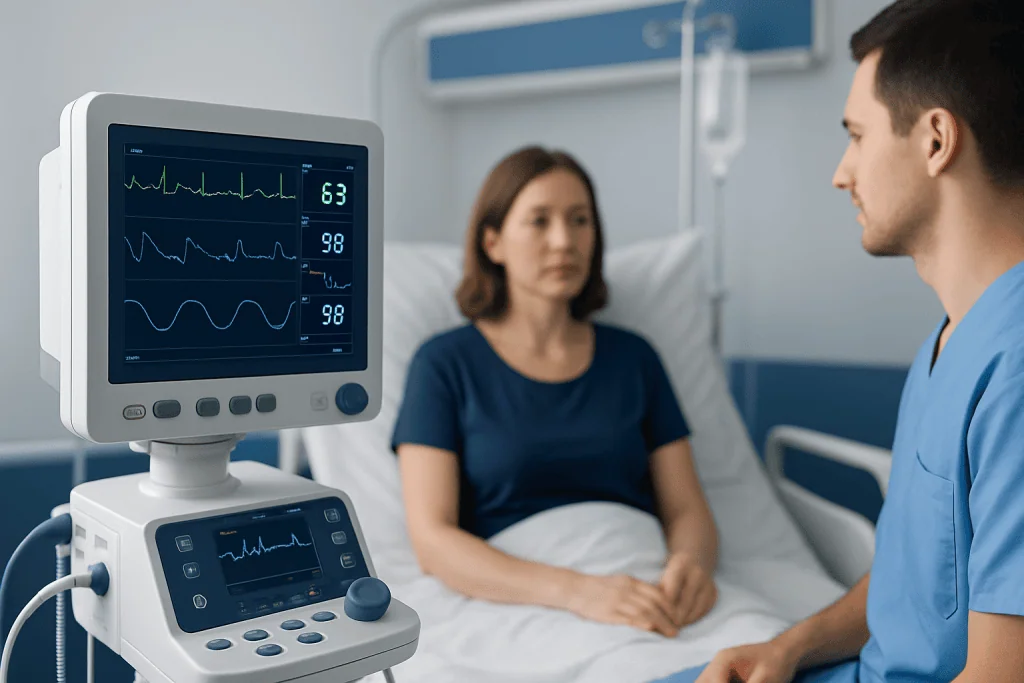
The hotel phase starts only after the hospital phase ends, and it helps to know the sequence. Immediately after an operation you are taken to a recovery room (sometimes called the post-anaesthesia care unit), where nurses monitor your breathing, circulation, pain and alertness as the anaesthetic wears off. How long you stay there varies with the procedure and the type of anaesthesia, it can range from under an hour to several hours, and you move on only when the team judges you stable, either to a ward room or, for minor procedures, towards same-day discharge.
Visitors are generally not allowed in the recovery room itself. It is a monitored clinical area where staff need clear access to every patient, and patients there are still drowsy. Companions usually wait outside and are reunited with you on the ward or in your room afterwards; policies vary between hospitals, so ask your care team what to expect on the day. For the full picture, see what happens in the recovery room after a procedure in Turkey.
Only after formal discharge, with written instructions, medications explained and follow-up dates confirmed, does the hotel room take over. That handover moment is why the step-by-step below starts inside the hospital, not at the hotel door.
Step by step
- Confirm your discharge plan before leaving the hospital. Make sure you understand medication timing, wound care, movement limits, diet advice, bathing rules, warning signs and follow-up dates. If English is not your preferred language, ask for interpreter support so you leave with instructions you actually understand.
- Ask the hotel to prepare practical items early. Request extra pillows, fresh towels, a kettle if appropriate, luggage help and any mobility-friendly features before you return from hospital. These details are far easier to fix before you are tired and ready to rest.
- Create a bedside essentials station. Water, phone, charger, tissues, glasses, approved medications, discharge papers and contact numbers, all within arm’s reach, all in a fixed place so you can find them at night.
- Clear walking paths and reduce trip hazards. Move suitcases, cables, loose shoes and bags off the bed-to-bathroom route. Leave a light on so the route is never dark.
- Prepare the bathroom. Toiletries at waist height, sliding mats removed, towels and supplies within reach, and a shower chair requested if you need one.
- Organise meals and hydration. Arrange simple food that matches your discharge instructions, room service, a companion or nearby delivery, and keep water visible in two places.
- Set medication reminders. Phone alarms or a written chart, ticked off dose by dose. If anything is unclear, contact your care team rather than guessing or adjusting anything yourself.
- Prepare for follow-up and return travel. Keep appointment times, transport plans, passport, medical documents and flight details together in one folder. Acibadem patient services can help coordinate follow-ups, interpreters and practical travel questions when relevant.
Your checklist
- Discharge instructions and contact numbers are visible and easy to access
- Medications are organised with a clear timing schedule and alarms set
- Water, phone, charger, tissues and glasses are beside the bed
- Walking paths are clear of luggage, cables, shoes and loose rugs
- Bathroom toiletries and towels are placed at a comfortable height
- Extra pillows are arranged for your advised sleeping position
- Simple meals and approved snacks are planned for the first days
- Room service hours and a backup food option are confirmed
- Follow-up appointment times and transport arrangements are confirmed
- Hotel address is saved in your phone in Turkish and shared with your companion
- Warning signs from your discharge plan are understood by you and your companion
Key takeaways
- Prepare the room before surgery so you return to a calm, organised space rather than a task list.
- Keep essentials within arm’s reach and clear the bed-to-bathroom route of every trip hazard.
- Your discharge instructions override general travel advice, especially on medication, bathing, diet and movement.
- Use interpreter and international patient services support whenever instructions or logistics are unclear.
- Plan meals, hydration, follow-up visits and return travel early so recovery days stay boring in the best possible way.
Frequently asked questions
How long do you stay in the recovery room after an operation?
It varies with the procedure and the type of anaesthesia. Some patients spend well under an hour there; others need several hours of monitoring before moving to a ward. You leave the recovery room when the team judges your breathing, circulation, pain and alertness stable: there is no fixed clock, and your team will explain what to expect for your specific operation.
Are visitors allowed in the recovery room after surgery?
Generally no. The recovery room is a monitored clinical area where staff need unobstructed access to every patient, and patients there are still drowsy from anaesthesia. Companions usually wait outside and join you once you are moved to a ward or day-case room. Policies vary between hospitals, so ask your care team on the day rather than assuming.
Which hospital in Turkey is considered the best for plastic surgery?
There is no single “best” hospital, and any page claiming one should be read with caution. What matters is whether the hospital is properly licensed, whether the surgeon is qualified and experienced in your specific procedure, how complications are handled, and what follow-up you receive before flying home. Ask those questions directly of any hospital you consider, including Acibadem’s plastic, reconstructive and aesthetic surgery teams, and compare the answers rather than rankings.
How safe is gastric sleeve surgery in Turkey?
Safety depends far more on the individual hospital, surgical team and your own health assessment than on the country. Any bariatric operation carries risks, and a responsible provider will assess your suitability, explain those risks honestly, and set out a clear follow-up and diet plan before you commit. Be wary of anyone who promises outcomes or skips the medical assessment. Discuss your situation directly with a qualified bariatric team before deciding.
How long should I stay in a hotel after surgery in Turkey?
It depends on your procedure, how your recovery goes, and your surgeon’s advice on when you are fit to fly. Some patients need only a short local stay; others need follow-up visits or more observation time before travelling. Confirm your travel timing with your treating team before booking or changing flights, and build a buffer into your plans where you can.
Should I recover alone in a hotel room?
A companion is often genuinely useful, especially in the first 24 to 72 hours after discharge or if your mobility is limited. If you are travelling alone, tell your hospital team before surgery and ask what level of support they recommend for your procedure. Keep hotel reception and your care-team contacts easy to reach, and consider a daily check-in call with someone at home.
Is it safe to shower in the hotel after surgery?
Only according to your discharge instructions, rules on dressings, drains, stitches and water exposure differ by procedure, and your written plan is the only reliable guide. Make the bathroom as slip-resistant as you can, keep the route well lit, and never shower alone if you feel weak or dizzy. If the instructions are unclear, ask your care team before bathing rather than guessing.
When should I call the hospital or seek urgent help?
Use the warning signs in your discharge plan as your main guide, and keep those numbers visible at the bedside. For chest pain, severe breathing difficulty, heavy bleeding, fainting or confusion, call your local emergency number or go to the nearest emergency department now. For anything else that worries you, contact your care team, asking about a symptom that turns out to be minor is always the right call.
Add us as a Preferred Source to see more of our trusted health content across Google Search, AI Overviews and Discover.

Update history
- PublishedJune 8, 2026
- Medical review approvedAugust 30, 2026
- Last content updateAugust 30, 2026
References2
- Medical Tourism: CDC Travelers' Health wwwnc.cdc.gov
- After Surgery: MedlinePlus medlineplus.gov
More Patient Guides

Septoplasty Recovery: Week by Week
Learn what to expect after deviated septum surgery: a week-by-week septoplasty recovery timeline, when it is usually safe to fly home, and…

Gallbladder Surgery Recovery: Week by Week
Learn what to expect after gallbladder surgery: a week-by-week recovery timeline, pain, diet, wound care, when it is safe to fly home…
Robotic Hysterectomy Recovery: Week by Week
Recovery from robotic hysterectomy week by week: pain, lifting, wounds, driving, flying home safely, warning signs and questions to ask before you…

Breast Reconstruction Recovery: Week by Week
DIEP flap recovery week by week: hospital stay, drains, pain, walking, showering, driving, when it is usually safe to fly home, and…