

Medical Travel to Turkey During Summer or Winter: How Weather Can Affect Recovery Plans

Both seasons work for treatment travel to Turkey; neither usually changes the treatment itself. Summer calls for extra attention to hydration, sun exposure on healing skin and rest during the hottest hours. Winter calls for layered clothing, stable footwear and buffer time for transport delays. Choose the season that fits your recovery routine, then plan flights, accommodation and follow-up visits around it.
Wondering whether to book your treatment for July or January? It is a fair question, and the honest answer is that the season rarely decides your treatment, but it does shape everything around it. Medical travel to Turkey during summer or winter is workable either way, provided you plan for the weather you will actually recover in.
Heat and cold do not usually alter a treatment plan on their own. What they change is the practical layer: how much you drink, how far you walk, how well you sleep, what you can comfortably wear over a dressing, how long transfers take, and how you organise support once you leave the hospital. This guide works through both seasons in detail, so you can pick dates with your eyes open.
At a glance
- Best for: Patients deciding between hot summer months and colder winter months for treatment travel
- Main concern: How weather affects comfort, hydration, mobility, sleep, transport and follow-up logistics
- Key planning point: Match your flights, hotel, transfers and follow-up schedule to the season, not the other way round
- What to ask your care team: When you can fly, how much to walk, whether heat or cold matters for your specific recovery, and when your final review takes place
- Helpful support: International patient coordinators, interpreters and pre-arranged transfers
- Applies to: Istanbul and other Turkish cities, where climate varies noticeably by season and region
Why season matters when you travel for treatment
When you arrange medical travel to Turkey during summer or winter, the weather is not a sightseeing detail. It influences how tiring the journey feels, how easily you move between hotel and hospital, what you wear over dressings or compression garments, and how realistic your recovery days will be. That matters most in the window many international patients underestimate: the days between discharge and the flight home, when you are no longer an inpatient but not yet back to normal.
Each season brings a different set of practical questions. In hot weather, the recurring themes are dehydration, sun on healing skin, swelling that feels more noticeable, and fatigue that arrives faster than expected. In colder, wetter months, the themes shift to layered clothing, slippery pavements, shorter daylight, heavier traffic and staying warm without overheating indoors.
None of this is alarming, and almost all of it is manageable with ordinary planning. A realistic itinerary, a hotel chosen for recovery rather than tourism, and clear instructions from your care team remove most of the seasonal friction. Acibadem’s international patient services routinely help coordinate transfers, interpretation and appointment timing, which means your logistics can be arranged around your recovery rather than squeezed in beside it.
Is travelling to Turkey for treatment a reasonable idea at all?
It is a question worth asking before you get to seasons. Many people travel to Turkey for planned procedures each year, and the country has a large hospital infrastructure serving international patients, particularly in Istanbul. Whether it is a good idea for you depends on the same things it would depend on anywhere: whether the treatment is appropriate for your condition, whether you have enough time in-country for proper follow-up, and whether you can travel comfortably at your current level of health.
What season adds to that decision is mostly about comfort and logistics. If you know heat exhausts you, or that you struggle with cold and damp, factor that in honestly. A treatment plan that requires several follow-up visits across a city is a different experience in August than in February, not medically different, but practically different. Being realistic about this at the booking stage is far easier than adjusting once you have arrived.
Summer medical travel: what to expect in hot weather
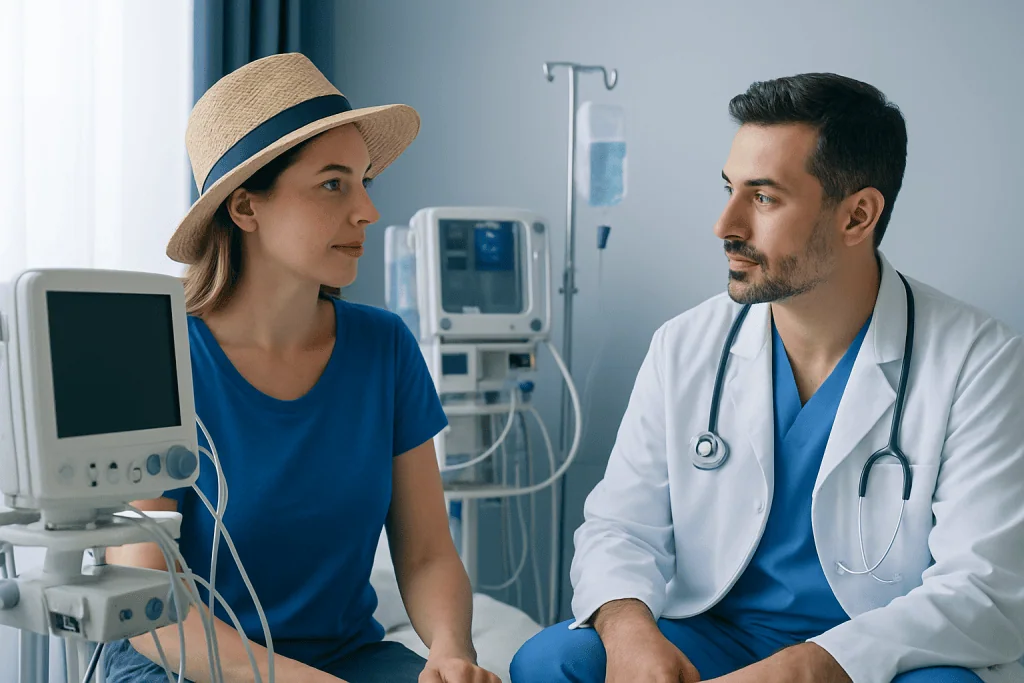
Turkish summers are genuinely hot, and coastal and southern regions are hotter still. If you travel in summer, the main challenge is usually the heat rather than the treatment. Hot weather makes you more tired after a flight, less comfortable in compression garments or dressings, and more tempted to spend long stretches outdoors when your body would benefit from rest. If your recovery temporarily limits mobility, crowded streets and waiting outside in direct sun feel harder than you expect.
Hydration deserves particular attention. Air travel, warm temperatures and the reduced appetite that often follows a procedure combine to make dehydration easier than it would be at home. Your team will give you instructions on fluids, medication timing and walking; following them closely is one of the simplest things you can do to keep a summer trip comfortable.
Sun exposure is the other summer-specific point. Many recovery plans involve keeping healing skin, incisions or fresh scars out of direct sunlight for a period your doctor will define. Ask before you travel how long that period is and what it means practically, loose covering clothing, a hat, shaded transfers, and rest indoors during the hottest hours of the day.
Two logistics points are easy to overlook. First, if you take regular medicines, summer heat matters for storage: some products need protection from high temperatures, and a parked car or a sunlit windowsill can undo that quickly. The guides on temperature-sensitive medicines during medical travel to Turkey and keeping your regular medicines on schedule cover this in detail. Second, summer is peak tourist season in much of Turkey, so flights and hotels fill earlier and transfers through busy terminals take longer.
- Carry water and any allowed snacks during transfers.
- Plan indoor rest during the hottest part of the day, typically early to mid afternoon.
- Wear loose, easy-to-remove clothing for appointments and scans.
- Ask whether heat is likely to make swelling feel more noticeable for your specific recovery.
- Confirm your hotel room has reliable, controllable air conditioning before you book.
Winter medical travel: planning around cold, rain and shorter days
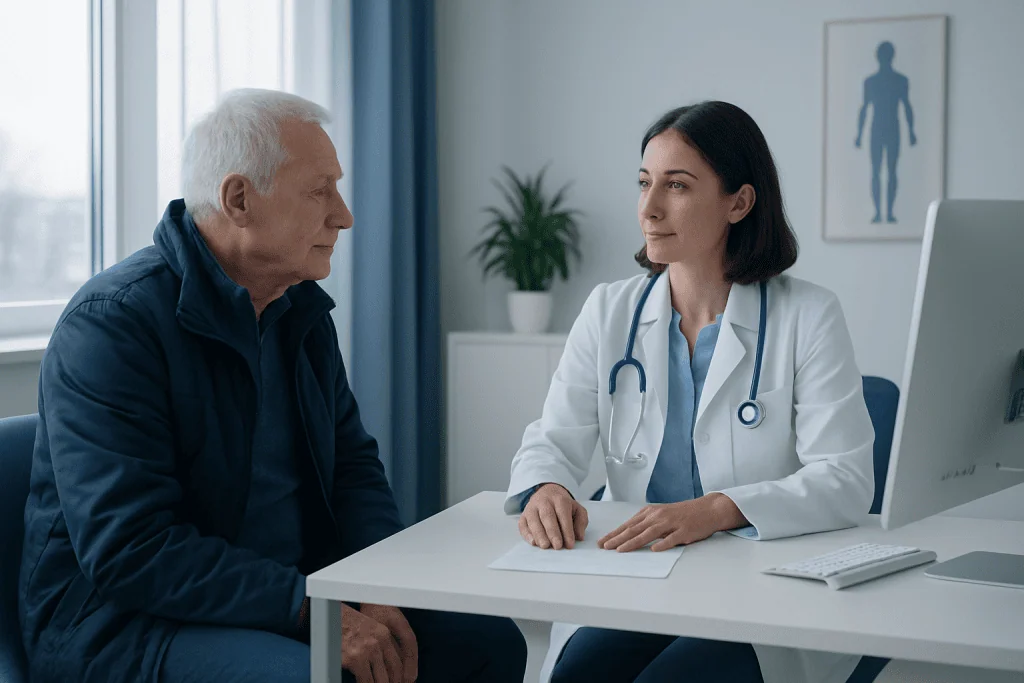
Winter trips are very manageable, but they reward extra attention to transport and clothing. Istanbul winters are cool and wet rather than severe, though rain, wind and the occasional icy morning can make walking slower and less secure. That matters if you are taking stairs carefully, wearing a supportive garment or avoiding sudden movements for a while after treatment. Inland and eastern regions of Turkey see harder winters, so check the climate of your specific destination rather than assuming Istanbul conditions apply everywhere.
Clothing choices matter more than many patients expect. You want layers that keep you warm on the street but come off easily at appointments, scans and check-ins: a hospital waiting area is warm, and struggling out of a heavy coat over a fresh dressing is no one’s idea of comfort. Shoes should be stable, grippy on wet pavement, and easy to put on if bending is briefly uncomfortable after your procedure.
Timing is the other winter theme. Shorter daylight and heavier seasonal traffic make journeys feel longer, and winter weather occasionally disrupts flights. Build buffer time into hospital visits and airport transfers, and leave a little flexibility around your return date in case a review runs late or a flight moves. If plans do shift, the guide on what to do when travel plans change during treatment in Turkey walks through rebooking and extra nights calmly. Patient coordinators can often consolidate appointments to reduce unnecessary movement between buildings, particularly welcome in poor weather.
How weather affects recovery comfort, even when treatment stays the same
Your doctor decides treatment timing on medical grounds, not the calendar. Even so, weather shapes the recovery experience in ordinary but real ways. Heat can make swelling, tiredness and night-time discomfort feel more prominent. Cold can make it harder to relax muscles, get outside for the gentle walking many recovery plans encourage, or stay comfortable during long transfers.
Sleep is the most underrated factor. A room that is too warm in summer or too dry from heating in winter costs you rest, and rest is a practical part of recovering well. When you book accommodation, think past the location: a lift, genuine temperature control, quiet surroundings, a walk-in shower and a pharmacy within a short distance often matter more than proximity to attractions.
Mobility changes with the season too. In summer, a long outdoor walk after treatment may simply be unrealistic in midday heat; in winter, wet pavements and bulky clothing make even short distances slower. Ask your team specific questions before you travel: how much walking is encouraged, what kind of movement is appropriate at each stage, and what your discharge notes will cover. If you manage a long-term condition alongside your treatment, the guide on managing chronic conditions during medical travel is worth reading before you fix dates, since heat and cold can affect day-to-day management routines.
Finally, remember that in Istanbul and other large Turkish cities, traffic and crowds add to weather-related fatigue in any season. A short transfer, pre-arranged transport and a deliberately quiet first day after arrival make the whole plan feel calmer.
Is it safe to fly to Turkey right now?
This is one of the most-searched questions around treatment travel, and the honest answer is that no hospital guide can assess current conditions for you. Security and travel conditions change, and the reliable sources are official ones: check your own government’s travel advisory for Turkey shortly before you book and again before you fly. UK readers can use the Foreign Office advice pages; US readers can use the State Department’s advisory. These pages are updated as conditions change and are more current than any static article, including this one.
What a guide can usefully say is seasonal: Turkey’s major airports operate year-round, summer brings heavier passenger volumes and longer queues, and winter occasionally brings weather-related delays or cancellations, particularly for early-morning departures. Travel insurance that covers medical travel and itinerary changes, plus a day of slack around your return flight, absorbs most of this without drama.
Seasons, demand and what your trip actually costs
People often ask which month is cheapest to visit Turkey. This guide does not quote figures, but the structure is straightforward. Flights and hotels in Turkey are priced on demand, so they tend to cost more in the summer holiday peak and around major public and religious holidays, and less in the shoulder and low seasons, late autumn through early spring, outside holiday weeks. If your treatment dates are flexible, travelling outside peak periods usually means cheaper flights, better hotel availability and quieter airports, all of which suit recovery.
The treatment itself is priced differently: hospital quotes are built around the procedure, the length of stay, and what is included in your individual plan, not around the season. So the seasonal saving sits in the travel layer, not the medical one. If you are budgeting the trip as a whole, the guides on daily expenses during medical travel in Turkey and planning medical travel during peak holiday seasons explain what varies and why.
As for what to be wary of: the concerns for a medical traveller are mostly the mundane ones any visitor faces, busy traffic, crowded transit, keeping documents and valuables secure, and agreeing taxi arrangements clearly. Add the seasonal layer (heat and sun in summer, wet pavements and delays in winter) and you have covered most of it.
Choosing travel dates, flights and accommodation wisely
A good recovery plan starts before you leave home. If your schedule allows any flexibility, plan the whole journey rather than only the procedure date. Ask how many days you should arrive before treatment, how long you should remain in Turkey afterwards, and whether a follow-up review is required before you fly home. Those three answers define your real trip length; flights come after them, not before.
Avoid tight itineraries. A discharge followed by shopping, sightseeing and a late-evening flight is rarely comfortable in any weather, and less so in August heat or February rain. If you travel in summer, consider whether a midday transfer will be draining; in winter, consider whether an early-morning airport run in poor weather is worth the stress compared with a later departure.
Choose accommodation for recovery, not just sleep: working climate control, lift access, room service or easy meal delivery, comfortable bedding, and a bathroom you can use safely while moving carefully. Many international patients find it easier to let the hospital’s coordination team advise on hotels and transfers near the facility, which keeps daily distances short in either season.
Questions to ask your care team before you travel
The cheapest way to remove seasonal stress is to ask precise questions before booking anything. Recovery needs differ: a procedure that mainly requires rest and hydration raises different seasonal questions from one involving mobility limits, dressings, compression garments or frequent follow-up checks.
Useful questions include: when you can safely fly; how much walking is recommended, and where; whether heat-related swelling or cold-related stiffness is expected in your case; what clothing works best over your dressing or garment; when you can shower; how long to keep healing skin out of the sun; whether you may lift luggage; and exactly when your final review happens relative to your planned departure.
Communication support matters too. Acibadem provides international patient services that can help with interpretation and care coordination, useful when you are working through discharge instructions, medication timing and return-visit plans in an unfamiliar setting. The goal is not to prepare for every possible problem; it is to make everyday decisions easy once you are here.
Step by step
- Choose the season around your recovery routine, not the treatment date. Picture your recovery days honestly. If you will rest indoors, attend several follow-ups or know you are sensitive to heat or cold, pick the season that suits your comfort and mobility as much as your calendar.
- Confirm your post-treatment timeline before booking flights. Ask how long you should stay in Turkey and whether a final review is needed before flying. This prevents rushed departures and leaves room for weather delays, fatigue or an extra rest day.
- Check official travel advice close to your dates. Use your own government’s advisory pages for current conditions and entry requirements, and arrange travel insurance that covers treatment travel and itinerary changes.
- Book accommodation that supports rest and easy movement. Prioritise climate control, lift access, a safe bathroom and a short transfer over tourist extras. A comfortable room earns its keep when you need extra sleep or want to avoid the weather.
- Arrange transport in advance so you do not overexert yourself. Pre-book airport and hospital transfers, especially when heat or rain would make walking and queueing uncomfortable. Fewer unfamiliar routes means a smoother stay.
- Pack for your treatment first, the forecast second. Loose clothing, comfortable shoes, medications, chargers and requested documents come first. Then add a refillable water bottle, sun protection and breathable layers for summer, or warm layers, a waterproof outer and non-slip shoes for winter.
- Follow your care team’s instructions on movement, fluids and follow-up. Their advice for your specific recovery outweighs any general travel tip. Build hydration, gentle walking, wound protection and review appointments into your daily plan, and ask for clarification on anything unclear before discharge.
- Keep your first days deliberately simple. No sightseeing marathons, shopping trips or long social plans straight after treatment. A light schedule lets you rest, notice how you feel and adjust to the weather and routine at your own pace.
Your checklist
- Confirm how long you should stay in Turkey after treatment
- Ask when it is safe for you to fly home
- Check your government’s travel advisory for Turkey before booking and before departure
- Book accommodation with reliable air conditioning or heating and lift access
- Arrange airport and hospital transfers before arrival
- Pack loose clothes, supportive shoes and weather-appropriate layers
- Protect temperature-sensitive medicines from summer heat during transit
- Carry your medical documents, passport and medication list
- Ask about sun exposure, walking limits and hydration for your specific recovery
- Leave buffer time for winter traffic, flight delays or summer fatigue
- Save your hospital contact details and follow-up instructions where you can find them
Key takeaways
- Weather changes comfort and logistics far more than it changes the treatment itself
- Summer trips need attention to hydration, sun on healing skin, medicine storage and rest during peak heat
- Winter trips need layers, stable footwear, and buffer time for traffic and possible flight disruption
- Flight and hotel costs follow tourist demand by season; the medical quote follows your treatment plan, not the calendar
- Check official travel advisories close to your dates rather than relying on static articles
- Choose flights, hotel and transfers around recovery needs, and ask specific mobility and follow-up questions before booking
Frequently asked questions
Is it a good idea to travel to Turkey for medical reasons?
Many people do, and Turkey has extensive hospital infrastructure serving international patients. Whether it suits you depends on your condition, the treatment proposed, whether you can stay long enough for proper follow-up, and how comfortably you can travel. Season adds a comfort layer to that decision, heat tolerance, mobility in wet weather, but does not replace the medical questions.
Is it safe to fly to Turkey right now in 2026?
No static guide can answer that reliably, because conditions change. Check your own government’s current travel advisory for Turkey, for example the UK Foreign Office or US State Department pages, shortly before booking and again before departure. Seasonally, expect heavier airport crowds in summer and occasional weather-related flight disruption in winter, and leave buffer time either way.
Is summer or winter better for medical travel to Turkey?
There is no universal best season. Summer is less comfortable if you are heat-sensitive or must keep healing skin out of the sun; winter needs more planning for rain, cold and slower transport, but brings quieter airports and easier bookings. The right choice is the season in which your particular recovery routine will feel easiest.
What is the cheapest month to visit Turkey?
Prices follow tourist demand, so flights and hotels generally cost more in the summer peak and around major holidays, and less in the shoulder and low seasons outside holiday weeks. Treatment quotes are built around the procedure and your individual plan rather than the calendar, so seasonal savings sit in the travel side of the budget, not the medical side.
What should I beware of in Turkey as a medical traveller?
Mostly the same practical things as any visitor: heavy traffic, crowded transit, keeping documents and valuables secure, and agreeing taxi arrangements clearly. Add seasonal care, hydration and sun in summer, wet pavements and transport delays in winter, and keep your hospital contact details and follow-up instructions somewhere you can find them.
Can hot weather affect recovery after a procedure?
Hot weather can make you feel more tired and thirsty, and swelling can feel more noticeable to some patients. It does not automatically mean recovery goes worse, but it is sensible to ask your care team beforehand about hydration, clothing, time outdoors and how long to keep healing skin out of direct sun.
What should I pack for medical travel to Turkey during summer or winter?
Pack around your recovery first: loose clothing, comfortable shoes, medications, documents and chargers. For summer, add breathable layers, sun protection, a refillable water bottle and appropriate storage for any heat-sensitive medicines. For winter, bring warm layers that remove easily indoors, a light waterproof outer layer and non-slip footwear.
Should I stay longer in Turkey if I travel during extreme heat or cold?
An extra buffer day often helps, particularly if travel tires you or weather could affect transport. The right length of stay depends on your procedure, your follow-up schedule and your doctor’s advice, so confirm the full timeline, including any final review, before booking return flights.
Add us as a Preferred Source to see more of our trusted health content across Google Search, AI Overviews and Discover.

Update history
- PublishedAugust 21, 2026
- Medical review approvedSeptember 2, 2026
- Last content updateSeptember 2, 2026
References2
- Foreign travel advice: Turkey: GOV.UK gov.uk
- Turkey: CDC Travelers' Health wwwnc.cdc.gov
More Patient Guides

When a Hospital Stay in Turkey Becomes Longer Than Planned: What to Arrange
If your hospital stay in Turkey is longer than planned, arrange medical updates, accommodation, travel changes, insurance and support for your companion.

Waiting for Test Results in Turkey: How to Use Time Between Appointments
Waiting for test results in Turkey is easier with a clear plan for appointments, rest, records, questions and support in Istanbul.

Unexpected ICU Stay in Turkey: What Patients and Families Should Expect
Unexpected ICU stay in Turkey: learn what patients and families can expect, from communication and visiting to care updates and travel support.

How to Manage Special Diets During Medical Travel in Turkey
Special diets during medical travel in Turkey are easier to manage when you share your needs early, confirm meals and carry safe…