

Daily Expenses During Medical Travel in Turkey

Daily expenses during medical travel in Turkey sit outside your hospital quote unless your written plan says otherwise. Budget separately for accommodation, meals, local transport, mobile data, pharmacy items, laundry and companion costs. Plan spending in ranges by category rather than fixed amounts, carry a mix of card and Turkish lira cash, and keep a buffer for extra nights or delays.
You have the treatment quote in front of you, but how much will the rest of the trip actually cost? That is the question most patients ask a week before flying.
Your hospital quote is only one part of your trip budget. The rest is daily expenses during medical travel in Turkey: meals, taxis, hotel nights, mobile data, laundry, small pharmacy purchases and everything your companion needs while you are in appointments. This guide walks you through those categories one by one, so you can build a realistic plan before you travel rather than improvising once you arrive.
At a glance
- Best for: International patients and companions planning a treatment stay in Turkey
- Main expense areas: Accommodation, meals, local transport, mobile data, pharmacy items, laundry and companion costs
- Budget approach: Keep medical costs and daily living costs in separate columns, plan in ranges, and hold a buffer for delays
- Payment tip: Combine an internationally enabled card with a moderate amount of Turkish lira cash
- Support available: International patient teams can clarify what your quote includes and help with logistics, interpreters and accommodation guidance
Why daily expenses matter in your medical travel plan
When you travel for treatment, the hospital quote, the doctor’s schedule and the medical documents naturally take priority. Daily expenses during medical travel in Turkey can feel like a detail. They are not. Over a stay of a week or two, meals, transport, phone data and companion needs add up, and in a large city such as Istanbul, the range between the cheapest and most convenient option for each of them is wide.
A practical budget does two things. First, it removes a layer of stress at a time when you should be thinking about your recovery, not your wallet. Second, it lets you make deliberate choices: whether a hotel with breakfast included is worth it, whether your companion should use public transport or taxis, and how much cash to keep on hand for small purchases. You do not need an exact figure for every day. You need categories, honest estimates and a sensible buffer.
Be clear about one limit from the start: your medical quote covers hospital-related services, and everyday living costs are usually separate unless the quote specifically says otherwise. Asking early, and keeping written answers, is the simplest way to protect your budget. The international patient services team at Acibadem can tell you what sits inside your care plan and what sits outside it.
Separate medical costs from living costs
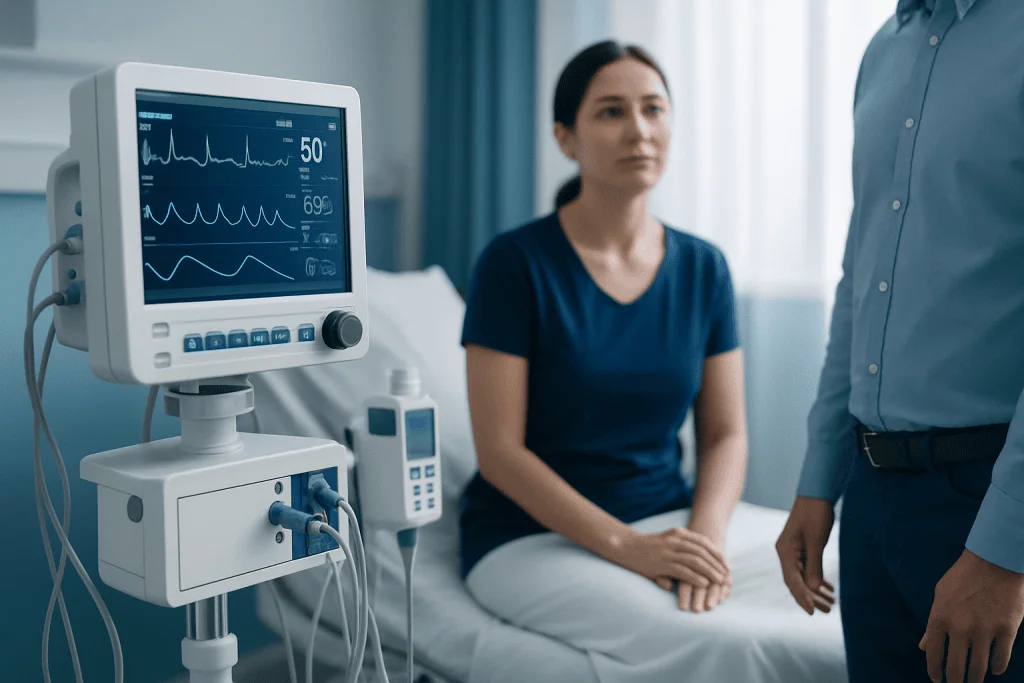
The first budgeting rule is to keep medical expenses and living expenses in different mental boxes. Depending on your plan, medical expenses may include consultations, diagnostic tests, the procedure itself, hospital room charges, medications used during admission and follow-up appointments. Living expenses are the cost of simply being in Turkey before, during and after care: food, transport, hotel nights, phone data and personal shopping.
Read your treatment estimate line by line and ask what is included. Do not assume airport transfers, extra hotel nights, companion meals or outpatient pharmacy items are covered unless you see them in writing. Your patient coordinator can clarify the scope of the quote and direct questions to the right department. If something is ambiguous, ask for it to be confirmed by email so you have a record.
For tracking, a simple three-column budget works well: confirmed medical costs, expected travel and living costs, and an emergency buffer. The buffer is not pessimism: it is a calm planning tool. It might cover an extra night after a delayed flight, a taxi instead of the metro on a day you feel tired, or additional meals for a companion whose stay runs longer than planned. Patients who plan for daily expenses during medical travel in Turkey with a buffer built in tend to describe their trip as less stressful, whatever actually happens.
Typical daily expenses to plan for in Turkey

What you spend each day depends on the city, the season, your distance from the hospital, the length of your stay and your comfort preferences. Istanbul in particular offers options at every level, from supermarkets and simple cafés to hotel restaurants and private transfers. Timing matters too: if your dates fall in a busy travel period, accommodation and transport can be harder to book and more expensive, so it is worth reading about planning medical travel during peak holiday seasons before you fix your itinerary.
The most common everyday costs are:
- Meals and snacks for you and your companion
- Bottled water and basic supermarket supplies
- Taxi, transfer, metro, tram or ride-hailing journeys
- A local SIM, eSIM or roaming package
- Non-prescription pharmacy and hygiene items
- Laundry, extra towels or replacement clothing
- Companion expenses during waiting times and errands
- Unexpected extra accommodation nights
- Tips and service charges where appropriate
Plan in ranges, not fixed amounts. Some days will cost very little because you are resting in your hotel or hospital room. Others, appointment days, discharge days, errand days, will involve several journeys and purchases. Your spending pattern will also shift across the trip: pre-treatment days often involve more moving around, the days immediately after treatment usually involve less, and recovery days sit somewhere in between.
Two small categories deserve early attention because they are easiest to sort out before you fly. Mobile connectivity is one: comparing an eSIM, a local SIM and roaming in advance is cheaper and calmer than deciding at the airport, and our guide to using eSIMs and mobile data in Turkey covers the practical choices. Tipping is the other: Turkey has its own service customs, and knowing what is expected and what is not stops small awkward moments from becoming daily uncertainty.
Accommodation, meals and companion costs
Accommodation is usually the largest non-medical daily cost. A hotel close to the hospital is more convenient, especially after procedures, but often costs more than staying further away. When you compare options, look beyond the nightly rate: breakfast, lift access, room size, quietness, cancellation terms, distance to the hospital and whether your companion can stay comfortably all affect the real value. A cheap room that forces two long taxi journeys a day and a flight of stairs after surgery is not a saving.
Plan meals around your medical instructions, not around price. After some treatments you may need simple foods, smaller portions or specific restrictions advised by your doctor or dietitian. Supermarkets are useful for water, fruit, yoghurt and basic supplies; hotel dining or room service may be easier on the first days after discharge. If you follow a restricted or medically prescribed diet, plan it before you travel: the guide on managing special diets during medical travel in Turkey explains how to do that without daily improvisation.
If you travel with a companion, budget their full day, not just their bed. Companions need meals while you are in appointments, transport between hotel and hospital, coffee or snacks during long waits, and sometimes laundry or errands on your behalf. They may also trigger a separate room charge or an extra breakfast fee depending on the accommodation’s policy, ask before booking, not at checkout. And remember that companions have limits too; a tired caregiver makes more expensive, less careful decisions, which is one more reason to read about caregiver self-care during medical travel before you go.
Acibadem’s international patient services can give you general guidance about accommodation near the hospital and the practical logistics around your stay. The aim is a setup that supports your treatment schedule, not simply the cheapest room available. Comfort, proximity and a flexible cancellation policy are things worth paying for when you are recovering.
Getting around: transfers, taxis and public transport
Transport costs vary widely depending on where you stay and how often you visit the hospital. Airport transfers are usually a separate line item unless your care arrangement clearly includes them, check this in writing. For hospital visits, many patients prefer taxis or arranged transfers: they reduce walking, make timing predictable and remove navigation stress in an unfamiliar city, which matters more than usual when you are recovering.
Public transport in Istanbul is extensive and can be efficient, but it is not right for every medical traveller on every day. Crowds, stairs, walking distances and rush-hour conditions are tiring. Before choosing the metro, tram, ferry or bus, ask yourself whether you will be carrying documents, fasting before tests, feeling weak or travelling shortly after a procedure. Let your health status decide, not the fare.
The easiest way to estimate transport is by appointment day. A hospital-visit day typically means a hotel-to-hospital trip and return, perhaps with a pharmacy or supermarket stop. A rest day may involve no transport at all. Count your expected appointment days, add the airport journeys at each end, and you have a workable estimate. If you have mobility needs, heavy luggage, a wheelchair or a tight schedule, ask your coordinator about suitable transfer options before you arrive rather than negotiating them on the pavement.
Money, cards, cash and small purchases
Turkey uses the Turkish lira. International credit and debit cards are widely accepted in hotels, restaurants, pharmacies and larger shops, particularly in major cities. Even so, keep a moderate amount of local cash for small purchases, short taxi rides, tips, markets and the occasional place without a working card terminal. Do not carry large sums; use the hotel safe and keep cash in more than one place.
Before you travel, tell your bank you will be in Turkey, check foreign transaction fees, confirm daily withdrawal limits and note the emergency number for a lost or blocked card. If you use an ATM, choose machines in secure, visible locations, airports, bank branches, shopping centres or hotel areas. Keep receipts. Your money, cards and payment records belong with your passport and medical papers in your security plan; the guide on keeping valuables and medical documents safe during treatment travel covers this in detail.
Tracking does not need to be sophisticated. A note on your phone, updated at the end of each day with meals, transport, pharmacy items and cash withdrawals, is enough. It is especially useful if a family member is helping to finance the trip, or if your companion is making purchases on your behalf while you rest: a shared note keeps everyone informed without conversations you would rather not have mid-recovery.
One category deserves a caution. You will probably buy toiletries and simple non-prescription items at Turkish pharmacies, and that is fine. But do not use pharmacy convenience as a reason to change anything about your regular medicines, starting, stopping or adjusting medication is a decision for your treating doctor only. If you take regular medicines, plan supplies and timing before departure; the guide on keeping your regular medicines on schedule during medical travel explains how.
How Acibadem can help you plan smoothly
Medical travel is easier when the practical details are settled before you leave home. Acibadem supports international patients through its international patient services, which can include appointment coordination, interpreter arrangements, hospital navigation and general travel-related guidance. Medical recommendations come from your physician; practical planning questions usually go to the international patient team, who will direct anything specialised to the right department.
Your coordinator is the right person for logistical questions: how long you may need to stay, whether to plan extra recovery days, which documents to bring, and which services are included in your medical plan. Share your travel dates, companion details, mobility needs and accommodation preferences early. If your budget is tight, say so plainly: the team can help you prioritise, such as staying close to the hospital on key days and keeping flexibility elsewhere.
Be realistic about what the team can and cannot do. They can clarify inclusions, guide logistics and explain what to consider. They cannot set your personal daily budget, because that depends on your choices about accommodation, food and transport. What they can do is remove the uncertainty about the medical side, so the living-cost side becomes a straightforward arithmetic exercise rather than guesswork.
Step by step
- Confirm what your treatment quote includes. Ask for a written explanation of included and excluded services before you travel. Pay particular attention to hospital stay, medications during admission, tests, transfers, interpreter support, follow-up visits and companion arrangements.
- Estimate your length of stay realistically. Daily expenses depend heavily on how many nights you spend in Turkey. Ask your care team about expected pre-treatment preparation, hospital days and the recovery or follow-up period before booking accommodation.
- Choose accommodation around medical convenience. Compare location, cancellation policy, breakfast, lift access, room comfort and distance to the hospital. A lower nightly rate is a false saving if it means long taxi rides or discomfort after treatment.
- Build a daily living budget by category. List meals, transport, phone data, pharmacy items, laundry and companion costs separately. Use ranges rather than fixed figures so the budget adapts to rest days, appointment days and errand days.
- Prepare a safe payment mix. Bring at least one internationally enabled bank card and keep some Turkish lira for smaller purchases. Check bank fees, card limits and your bank’s emergency contact number before departure.
- Track spending during the trip. A phone note or simple spreadsheet, updated daily, shows you early if transport, meals or companion costs are running higher than planned, while there is still time to adjust.
- Keep a buffer for comfort and delays. Set aside funds for an extra hotel night, a taxi on a tired day, replacement toiletries or unexpected dietary needs. A buffer buys you calm and better choices during recovery.
Your checklist
- Written treatment estimate and list of exclusions
- Expected arrival, treatment, discharge and follow-up dates
- Accommodation booking with flexible cancellation where possible
- Daily budget by category: meals, transport, phone data, pharmacy items, laundry
- Separate companion budget, including meals and local travel
- Bank card enabled for international use, with fees and limits checked
- Moderate amount of Turkish lira cash, stored securely
- Travel insurance documents and emergency contact details
- Phone charger, power adapter and roaming or eSIM plan arranged
- Copies of medical documents, passport and payment receipts
Key takeaways
- Daily expenses during medical travel in Turkey should be planned separately from your hospital quote, with inclusions confirmed in writing.
- Accommodation, meals, transport, phone data, laundry, pharmacy items and companion needs are the main cost categories, budget them in ranges.
- A mix of card payments and Turkish lira cash covers almost every situation an international patient will meet.
- Accommodation near the hospital often costs more per night but saves transport money, time and fatigue on appointment days.
- Acibadem’s international patient services can clarify what your plan includes and help with logistics, interpreters and accommodation guidance before you arrive.
Frequently asked questions
Are daily expenses included in my medical treatment quote?
Usually not. Hotel nights, meals outside the hospital, local transport, phone data and companion costs are normally paid by the patient unless your written plan clearly states otherwise. Ask your coordinator to confirm inclusions and exclusions in writing before you book flights or accommodation.
How much cash should I carry in Turkey?
Carry a moderate amount of Turkish lira for small purchases, short taxi rides and tips, but avoid holding large sums. Cards are widely accepted in hotels, restaurants, pharmacies and shops in major cities. Use the hotel safe where available and keep cash in more than one secure place.
Is it better to stay near the hospital or in a cheaper area?
For most medical travellers, near the hospital wins, especially around procedure days and follow-up appointments. A cheaper area can quietly cost more in taxis, travel time and fatigue. Weigh your mobility, appointment frequency and recovery needs before deciding, and prioritise proximity on the key days at least.
Should I budget for my companion separately?
Yes. Companion costs are easy to underestimate. Include their meals, transport, waiting-time expenses, personal items and any extra room or breakfast charges. If your companion will stay with you in the hospital or hotel, ask about the relevant policies and possible fees before you travel.
Can I use public transport during my medical stay?
Often yes, particularly in Istanbul, but not necessarily on every day of the trip. Crowds, stairs and walking distances can be tiring before or after treatment. Ask your care team whether you have any restrictions, and choose taxis or arranged transfers when comfort and safety matter more than the fare.
What unexpected costs should I prepare for?
The usual surprises are extra accommodation nights, additional taxi rides, special meals, laundry, toiletries, non-prescription pharmacy items and document printing. Flight delays or schedule changes can also stretch the budget. A modest buffer set aside before you travel handles all of these calmly.
Do prices change depending on when I travel?
Accommodation and transport availability can shift with the season and with busy travel periods, and popular dates book up earlier. If your treatment dates are flexible, check whether they fall in a peak period and plan bookings accordingly, flexibility in cancellation terms matters more at busy times.
Can Acibadem help with travel logistics?
Acibadem’s international patient services can help with practical coordination such as appointments, interpreter arrangements, hospital navigation and general travel or accommodation guidance, and can clarify which services are part of your plan. Your exact daily budget, however, depends on your own choices about accommodation, food and transport.
Add us as a Preferred Source to see more of our trusted health content across Google Search, AI Overviews and Discover.

Update history
- PublishedJune 8, 2026
- Medical review approvedSeptember 13, 2026
- Last content updateSeptember 12, 2026
References2
More Patient Guides

Private MRI, CT and Check-Up Costs in Turkey: How Scans Are Priced
How private MRI, CT, PET-CT and full check-up packages are priced in Turkey, modality, region, contrast, reporting, and what a…

Cataract Surgery Cost in Turkey: Per-Eye Prices and Lens Options
Cataract surgery in Turkey is priced per eye and the lens decides the quote. Biometry, both eyes on one trip, and what…

Lip Filler Cost in Turkey: Per-ml Prices Explained
Lip filler in Turkey is priced per millilitre with licensed hyaluronic acid brands and physician injectors. Volume, product, dissolving, safety and what…
Botox Cost in Turkey: Per-Area and Per-Unit Prices
How Botox is priced in Turkey, per area or per unit, brand, physician injectors, medical indications, and what a serious…