Gastric Botox
Gastric Botox is a non-surgical endoscopic weight-loss procedure that injects botulinum toxin into the stomach muscles to slow gastric emptying and help reduce appetite in selected patients.

Quick answer
Gastric Botox is a non-surgical weight-loss procedure in which botulinum toxin is injected into the stomach wall through an endoscope passed via the mouth. The injections temporarily weaken certain stomach muscle contractions, slowing gastric emptying so some patients feel full sooner and for longer. The effect is temporary, lasting months, and works best alongside a structured nutrition plan.
Gastric Botox: A Non-Surgical Weight-Loss Procedure
Gastric Botox is a non-surgical, endoscopic weight-loss procedure in which botulinum toxin is injected into the muscular wall of the stomach. The injections temporarily reduce the strength of certain stomach contractions, which can slow gastric emptying and help some patients feel full sooner and stay full for longer after meals. It is usually considered for adults who are overweight or living with obesity and who want a medically supervised option that does not involve an operation.
Deciding to seek help for weight management is often harder than people expect. For many, the concern is not appearance alone. It may be rising blood sugar, joint pain, low energy, disturbed sleep, or the frustration of repeated diet attempts that deliver only short-term results. Others are interested in treatment but do not feel ready for surgery, or they may not meet the criteria for a bariatric operation. In the space between lifestyle measures alone and a formal surgical procedure, gastric Botox is one of the options a specialist may discuss.
Patients arrive with understandable questions. Is it safe? Will it genuinely help me eat less? How long does the effect last? Am I a candidate, or would surgery serve me better? These questions matter, because weight-loss treatment works best when it matches the person, the medical history and the goals. Gastric Botox is not a substitute for comprehensive obesity care, and it is not appropriate for everyone. In selected patients, however, it may support appetite control and create a period in which healthier eating patterns become easier to establish and maintain.
What matters most is careful evaluation. Excess weight is influenced by biology, hormones, eating behaviour, stress, sleep, medication and metabolic health. A thoughtful treatment plan considers all of these factors rather than treating weight as a matter of willpower alone. The decision about gastric Botox therefore belongs inside a broader medical assessment: nutritional review, body mass index, weight history, associated health conditions and previous treatment attempts. This page explains what the procedure involves, who it may suit, what it cannot do, and what recovery looks like, so that you can weigh it against the alternatives with realistic expectations.
What is gastric botox?
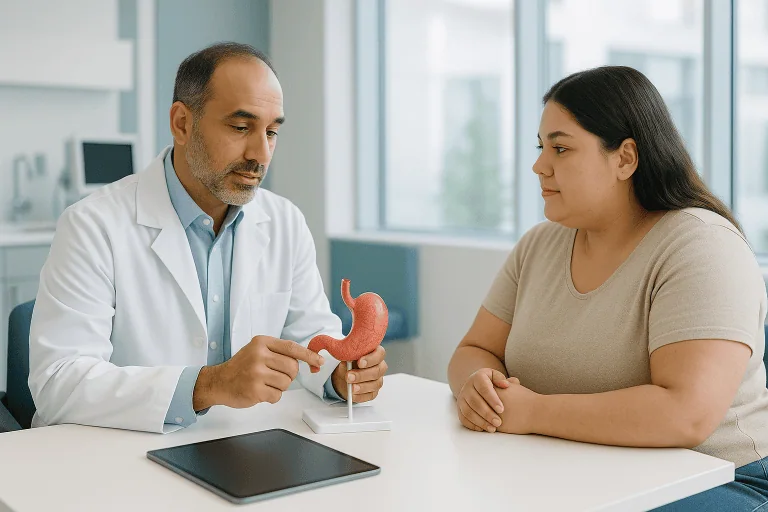
Gastric botox is the injection of botulinum toxin into specific areas of the stomach wall, performed through an endoscope: a flexible tube with a camera that is passed through the mouth into the stomach. No external incisions are needed. Because it is done endoscopically, gastric Botox is generally considered less invasive than bariatric surgery and usually involves a shorter recovery period. Botulinum toxin is the same medication used in many other areas of medicine; here, its ability to temporarily relax muscle is directed at the stomach’s muscular layer.
The purpose is functional, not structural. The stomach is not made smaller, stapled or removed. Instead, the treated muscle contracts less forcefully for a period of months, which slows the passage of food out of the stomach. For some patients, that translates into earlier fullness at meals, longer satiety between meals, and better adherence to a structured, reduced-calorie eating plan during the months when the effect is active.
What Gastric Botox Does, and What It Does Not Do
It is just as important to understand the limits of this treatment as its potential. Gastric Botox does not change the anatomy of the digestive system, and it does not produce the hormonal shifts that follow operations such as sleeve gastrectomy or gastric bypass. Specifically, the procedure does not:
- Shrink the stomach or remove any part of it
- Alter the intestines or the route food takes through them
- Create the appetite-hormone changes seen after bariatric surgery
- Produce a permanent effect: the action of botulinum toxin wears off over time
Because the effect is temporary, gastric Botox is typically considered an adjunct to medical nutrition and lifestyle treatment rather than a stand-alone answer to obesity. Results vary from patient to patient. Some people notice reduced hunger, better portion control, or an easier time following a structured eating plan. Others experience more modest effects. The treatment is therefore best understood as one tool within a larger strategy that may include dietary counselling, physical activity, metabolic assessment, behavioural support and, in some cases, anti-obesity medication or surgery.
In carefully chosen patients, gastric Botox can act as a bridge: a way to begin weight reduction with a lower-intensity procedure, or to test readiness for longer-term lifestyle change under medical supervision before committing to anything more permanent.
Who May Be a Candidate for Gastric Botox
Gastric Botox is usually considered for adults who are struggling with excess weight and have not achieved adequate results from lifestyle measures alone. Many patients who ask about it say they can follow a nutrition plan for a short period but feel persistently hungry, struggle to control portions, or regain weight soon after initial success. Others are looking for a non-surgical option because they prefer to avoid an operation, or because they are exploring early intervention before weight-related conditions become more advanced.
The treatment may be discussed with patients who are overweight or living with obesity, especially when weight is beginning to affect quality of life or health. Typical concerns include fatigue, shortness of breath on exertion, reflux symptoms, worsening mobility, snoring or possible sleep apnoea, elevated blood pressure, or early metabolic changes such as insulin resistance. In some cases, a patient may be preparing for another procedure and has been advised to lose weight first.
Symptoms alone do not define candidacy. The evaluation usually begins with a detailed history that may include:
- Current weight, height and body mass index
- Duration of weight gain and the pattern over time
- Previous attempts at dieting, exercise programmes, medication or supervised plans
- Eating patterns, meal timing, emotional eating and appetite control
- Medical conditions such as diabetes, thyroid disease, reflux, liver disease or hormonal disorders
- Current medications that may influence weight
- Prior abdominal or bariatric procedures
The purpose of this assessment goes beyond confirming excess weight. It identifies whether there are underlying contributors to weight gain and whether gastric Botox is actually likely to help. A physician may request blood tests to assess glucose metabolism, lipid levels, liver function, thyroid status or nutritional markers. Some patients also need a gastroenterology review, for example, if they have significant reflux, upper abdominal symptoms, prior stomach disease, or a history suggesting that stomach emptying is already delayed for another reason.
Because the procedure is performed endoscopically, clinicians also assess whether a patient can safely undergo upper endoscopy and sedation. Symptoms such as persistent nausea, unexplained vomiting, difficulty swallowing, gastrointestinal bleeding or a significant ulcer history usually prompt further investigation before any endoscopic weight-loss treatment is considered.
Situations that commonly lead to a discussion of gastric Botox include:
- Difficulty losing weight despite structured diet and exercise efforts
- Frequent hunger or poor satiety that interferes with portion control
- Interest in a less invasive weight-loss procedure
- Not meeting the criteria for bariatric surgery, or not wishing to pursue surgery at this time
- Needing a medically supervised starting point before considering more intensive treatment
- Seeking a temporary aid to support behavioural and nutritional change
Not everyone is a suitable candidate. Gastric Botox may be less appropriate when severe obesity calls for a more effective long-term intervention, when an untreated eating disorder is present, when the main problem is not appetite-related, or when there is a stomach condition that makes the procedure unsuitable. This is one reason specialist evaluation matters: the best treatment is the one that fits the biology and the long-term goals, not simply the least invasive option on the list.
Conditions and Indications It May Address
Gastric Botox is used primarily in the context of weight management. Its main indication is support for weight loss in selected adults with overweight or obesity who may benefit from temporary appetite reduction and slower gastric emptying. It is not intended to treat weight-related medical conditions directly, but weight reduction may contribute to improvement in some of them.
Clinical situations in which it may be considered include:
- Overweight or obesity where lifestyle therapy alone has not been enough
- Early weight-related metabolic concerns, such as insulin resistance or rising blood sugar
- Mechanical strain related to excess weight, including joint discomfort or reduced exercise tolerance
- The need for modest pre-procedure weight reduction before another planned intervention
- A preference for a non-surgical, temporary option after full medical assessment
It is equally important to define the limits. Gastric Botox is generally not considered the most effective option for patients who need substantial and durable weight loss because of advanced obesity or severe weight-related disease. In those situations, physicians tend to recommend a broader obesity-medicine plan, endoscopic bariatric procedures with different mechanisms, medication therapy, or bariatric surgery such as a gastric sleeve or gastric bypass. Appropriate patient selection avoids disappointment and supports a safer, more realistic care pathway.
How Gastric Botox Is Performed
The process begins well before the day of the procedure. Patients usually have a consultation with a bariatric and metabolic specialist, and often also with a gastroenterologist or endoscopy team. The purpose is to confirm that gastric Botox is medically reasonable, explain the expected benefits and limitations, and review the alternatives. This discussion carries particular weight here because the procedure is temporary and its value depends heavily on what the patient does with the months that follow.
Preparation Before the Procedure
Before treatment, the team reviews the medical history, current medications, allergies, previous anaesthesia or sedation experiences, and any digestive symptoms. Blood tests may be requested depending on the patient’s health status. Patients receive instructions about fasting before endoscopy, and the treating doctor decides whether any regular medicines, particularly blood thinners or diabetes medication, need adjusting around the procedure. Those decisions always rest with the treating physician, based on the individual case.
Nutritional preparation is part of good planning. Patients often meet a dietitian to discuss meal structure, protein intake, hydration and realistic weight-loss goals. This matters because the procedure creates a window of opportunity; the habits built during that window determine how useful it becomes.
Step by Step: What Happens on the Day
Gastric Botox is usually performed in an endoscopy unit, and most patients receive sedation or anaesthesia support so that they have little or no awareness of the procedure. The typical sequence looks like this:
- Step 1: Admission and checks. The team confirms fasting status, reviews consent and connects monitoring equipment for breathing and circulation.
- Step 2: Sedation. The anaesthesia team administers sedation and monitors the patient throughout.
- Step 3: Endoscopic inspection. The physician passes the endoscope gently through the mouth into the stomach. The camera allows direct inspection of the stomach lining and confirms there is no unexpected problem, such as active inflammation or an ulcer, that would change the plan.
- Step 4: Injections. Using a fine injection needle passed through the endoscope, the physician injects botulinum toxin into selected areas of the stomach’s muscular layer. The number and pattern of injections depend on the clinical approach and the anatomy seen during the procedure.
- Step 5: Recovery. The endoscope is withdrawn, and the patient is observed while the sedation wears off.
No cuts are made on the outside of the body; everything is done internally under direct endoscopic guidance. The procedure itself is relatively brief, although total time at the hospital is longer because of preparation and post-sedation observation. Many patients return home the same day once they are fully awake, stable and able to drink fluids.
How much Botox is used, and where is it injected?
The dose and injection pattern of botulinum toxin used in gastric Botox are decided by the treating physician, based on the clinical protocol and the anatomy seen during endoscopy: there is no single standard amount that applies to every patient. One point of frequent confusion is worth clearing up: the toxin is never swallowed or ingested. It is injected directly into the stomach’s muscular wall through the endoscope. Injections are typically placed in the regions of the stomach involved in the contractions that push food onward, with the intention of reducing muscular activity enough to slow emptying and support earlier fullness while preserving overall stomach function.
A related but separate procedure involves injecting botulinum toxin into the pyloric sphincter: the muscular valve at the stomach outlet. That approach is used in some patients with delayed stomach emptying (gastroparesis) and has the opposite goal: helping the stomach empty more easily. It is a different treatment for a different problem, even though the same medication is involved. If you have seen the two discussed together online, know that gastric Botox for weight loss targets the stomach wall, not the sphincter.
Immediately After the Procedure
Following gastric Botox, patients spend a period in recovery while the sedation wears off. Mild throat irritation, temporary bloating or a sense of fullness can occur. Some patients have mild nausea or cramping, though significant discomfort is less common. Before discharge, the team provides instructions on fluid intake, the gradual return to food, activity, and the signs that should prompt contact with the medical team.
Diet is usually advanced in stages. Patients may begin with liquids, then move to soft foods, and then to a balanced, reduced-calorie eating plan, depending on the physician’s protocol and individual tolerance. Hydration is emphasised, as is avoiding overeating. Even though gastric emptying may be slower, food choices still matter greatly: high-calorie liquids, frequent snacking or grazing can undermine the benefit entirely.
What Technologies Are Used and Why They Matter
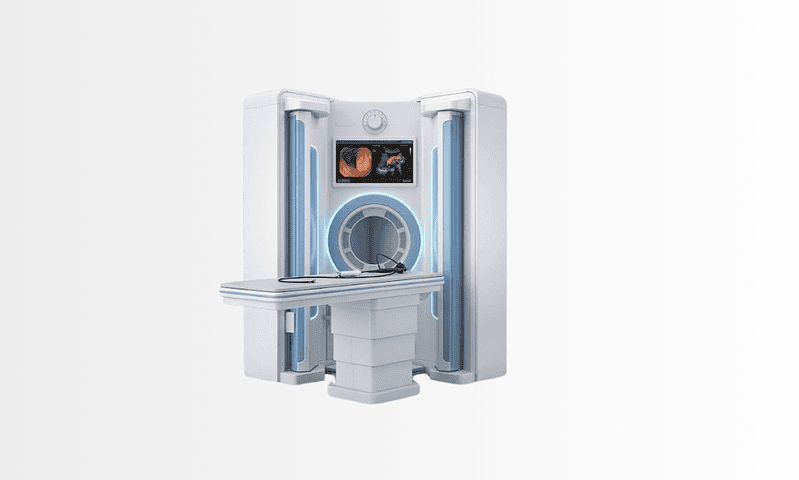
Although gastric Botox does not require surgery, it still depends on a well-equipped clinical setting. Modern endoscopic systems provide detailed visualisation inside the stomach, which helps the physician place injections accurately and assess the stomach lining before treatment. Sedation and anaesthesia monitoring equipment supports patient safety throughout. Laboratory evaluation and pre-procedure screening help identify medical issues that should be addressed first. In a comprehensive obesity programme, these tools are integrated with nutrition assessment and metabolic evaluation rather than used in isolation: the equipment supports the judgement of the team, not the other way around.
How Long Does Gastric Botox Last?
The effect of gastric Botox is temporary: the action of botulinum toxin gradually wears off over a period of months rather than lasting permanently. This is why follow-up matters so much. The months after treatment are the time to reinforce meal structure, portion control and daily routines that can continue after the medication’s local effect diminishes. Patients who use that window to consolidate new habits tend to carry more of the benefit forward; those who rely on the injections alone usually see the effect fade along with the toxin.
Can the procedure be repeated?
In certain cases, repeat treatment may be considered, but the decision depends on how the patient responded the first time, the broader weight-management plan, and whether a different therapy would now serve better. Repeating a temporary treatment without addressing the underlying drivers of weight gain is rarely the best long-term strategy, and a responsible team will say so plainly.
Is Gastric Botox Safe?
In appropriately selected patients treated in a proper endoscopy setting, gastric Botox is generally considered a low-intensity procedure, and most reported side effects are mild and temporary, bloating, nausea, cramping or throat irritation in the days after treatment. That said, no medical procedure is free of risk, and an honest discussion covers three separate layers.
First, there are the general risks of upper endoscopy and sedation, which are the same as for any diagnostic gastroscopy. Second, there are considerations specific to botulinum toxin: it is not suitable for people with an allergy to the medication or with certain neuromuscular disorders, and it is generally avoided in pregnancy and breastfeeding. Third, there is the question of suitability: a procedure performed on the wrong candidate may be technically uneventful yet clinically unhelpful. Careful screening before the procedure is the main safeguard on all three fronts, which is why the pre-treatment assessment described above is not a formality.
Patients should also weigh a softer kind of risk: disappointment. Because the effect is temporary and depends on behaviour change, someone expecting surgical-scale results from gastric Botox is likely to be let down. Understanding the mechanism before consenting is part of safe, informed care.
Is Gastric Botox FDA Approved?
No, gastric Botox for weight loss is not an FDA-approved indication. Botulinum toxin itself is approved by the FDA for a range of medical and cosmetic uses, but injection into the stomach for weight management is not among them; where it is performed, it is an off-label use of an approved medication. Off-label use is a normal and legal part of medical practice in many countries, but it means the evidence base and regulatory position differ from those of approved indications. Regulatory status also varies from country to country, so this is a fair and useful question to raise directly with the treating physician, alongside questions about their experience and their patient-selection criteria.
Why Acting Early Matters
Weight-related health risks often progress quietly. A person may feel generally well while insulin resistance increases, blood pressure rises, fatty liver disease develops or sleep quality worsens. Joint pain and reduced mobility then make exercise harder, which contributes to further weight gain. Over time, this cycle becomes more difficult to interrupt.
Acting early does not mean rushing into a procedure. It means seeking evaluation before weight-related complications become entrenched. For some patients, early intervention with a structured medical plan, with or without gastric Botox, may help prevent progression to more severe disease. Even moderate weight reduction can support better metabolic health, reduce physical strain and build confidence in maintaining healthier routines.
Delaying care can also narrow future options. Patients who postpone treatment sometimes present later with more advanced obesity, diabetes, reflux disease or cardiovascular risk factors. At that point, a temporary appetite-focused intervention may no longer be sufficient, and more intensive treatment may be needed. Early assessment lets patients understand the full range of options while there is still flexibility to choose the path that best fits their goals and health profile.
Potential Benefits of Gastric Botox
For appropriate candidates, the potential advantages can be summarised as follows:
| Benefit | What It Means for You |
|---|---|
| Non-surgical approach | No external incisions are required, which can make the treatment more acceptable for patients who want a less invasive option. |
| Temporary reduction in stomach motility | Slower gastric emptying may help some patients feel full sooner or for longer after meals. |
| Short recovery period | Most patients return to light routine activities quickly after the procedure, depending on individual recovery. |
| Support for portion control | The treatment may make it easier to follow a structured nutrition programme during the months when the effect is active. |
| Bridge within a broader weight-loss plan | It can serve as one part of a medically supervised strategy that includes diet, activity, metabolic assessment and follow-up. |
Recovery Timeline After Gastric Botox
Recovery is usually straightforward, although each patient’s experience differs. The general course often looks like this:
| Time Period | What Patients Can Expect |
|---|---|
| Day 1 | Observation after sedation, gradual return to fluids, and possible mild bloating, throat irritation or nausea. Driving is usually avoided the same day. |
| First week | Progression from liquids or soft foods to a planned nutrition programme, with attention to hydration, smaller portions and avoiding overeating. |
| First month | Patients often begin adapting to appetite changes and meal structure. Follow-up may review tolerance, early weight change and nutrition goals. |
| Longer term | The temporary effect gradually diminishes over time, so lasting benefit depends on sustained lifestyle change and ongoing medical guidance when needed. |
Recovery after gastric Botox is considerably lighter than after surgical bariatric procedures, which involve hospital stays and staged healing. If you are comparing options, our guide to gastric bypass vs gastric sleeve recovery shows what the surgical alternatives ask of a patient in the weeks after treatment.
How Much Is Gastric Botox?
The cost of gastric Botox varies widely between countries, hospitals and clinical programmes, so no single figure honestly answers the question. What is more useful is understanding what drives the price, so you can compare quotes on a like-for-like basis. The main cost components are usually:
- The pre-procedure assessment, specialist consultations, blood tests and any gastroenterology review
- The endoscopy itself, including the facility, the endoscopist and the botulinum toxin used
- Sedation or anaesthesia support and the monitoring that goes with it
- Dietitian involvement and structured nutritional follow-up after the procedure
- Whether follow-up reviews are included, and for how long
When reviewing any quotation, check exactly which of these elements it covers. A price that includes assessment, dietitian support and follow-up is not directly comparable with one that covers the injection session alone. Because the value of gastric Botox depends so heavily on the nutritional programme around it, a quote that excludes that support may prove more expensive in real terms, whatever the headline number.
What Influences Outcomes and a Good Result
No weight-loss procedure works equally well for every patient, and gastric Botox is no exception. Good results begin with appropriate patient selection. The people most likely to benefit are those whose appetite patterns, eating behaviour and medical profile match the treatment’s mechanism. If the main challenge is persistent hunger or large meal portions, the procedure may be genuinely useful. If weight gain is driven primarily by frequent high-calorie snacking, untreated depression, medication effects or severe endocrine disease, slowing gastric emptying will not fix the underlying problem.
The quality of the pre-treatment assessment also matters. Identifying reflux, ulcers, gastritis, diabetes, liver disease, thyroid problems or problematic eating patterns before the procedure helps the team decide whether gastric Botox is the right option and how to support the patient afterwards. A clear conversation about expectations is essential: patients generally do best when they understand that the treatment is temporary and that lasting change comes from pairing it with disciplined nutrition and follow-up.
Adherence after the procedure is one of the strongest influences on outcome. Patients who follow their meal plan, prioritise protein and fibre, reduce liquid calories, stay physically active and attend follow-up visits tend to extract the most value from the treatment period. Those who return quickly to grazing, highly processed foods or oversized portions may see little benefit, even when the procedure was technically successful.
The metabolic and psychological context should not be overlooked. Sleep quality, stress, emotional eating and untreated mental health concerns all affect weight trajectories. In more comprehensive programmes, these issues are addressed alongside the procedure itself, improving the chance that early weight loss turns into a durable result.
Finally, the skill and coordination of the clinical team contribute to both safety and appropriateness. Endoscopic experience, careful sedation practice, clear discharge planning and communication between bariatric specialists, dietitians and gastroenterology teams all support better care. The procedure is one point in the patient journey, not the journey itself.
Gastric Botox Compared with Other Weight-Loss Procedures
Gastric Botox sits at the least invasive end of a spectrum of weight-loss interventions, and understanding where it sits helps set expectations. Among non-surgical options, the closest comparison is the gastric balloona device placed endoscopically that occupies space in the stomach for a set period. Both are temporary and incision-free, but they work through different mechanisms: the balloon reduces stomach capacity physically, while Botox reduces muscular activity.
Surgical options work differently again and are generally intended for patients who need larger, more durable weight loss. Gastric sleeve surgery permanently removes part of the stomach and changes appetite hormones. Gastric bypass and the mini gastric bypass reroute part of the digestive tract, combining restriction with hormonal and absorptive effects. Gastric banding places an adjustable device around the upper stomach. Each carries its own risk profile, recovery demands and long-term commitments, which is why the choice belongs in a specialist consultation rather than a comparison chart.
The honest summary: gastric Botox offers the lightest procedure and the lightest effect. Patients needing substantial, lasting weight loss are usually better served by surgical or combined approaches; patients seeking a temporary, low-intensity aid within a supervised nutrition plan are the ones for whom Botox was designed as an option.
Weight-Loss Evaluation and Care at Acibadem
For patients considering treatment, the choice of hospital is about more than the procedure. It is about whether the institution can evaluate the whole problem carefully, explain the options clearly, and coordinate care in an organised, medically sound way. With gastric Botox, that matters because the right decision is not always to proceed. Sometimes the better recommendation is a different non-surgical strategy, a structured obesity-medicine plan, or bariatric surgery instead. A centre that can evaluate across this range is better positioned to personalise treatment.
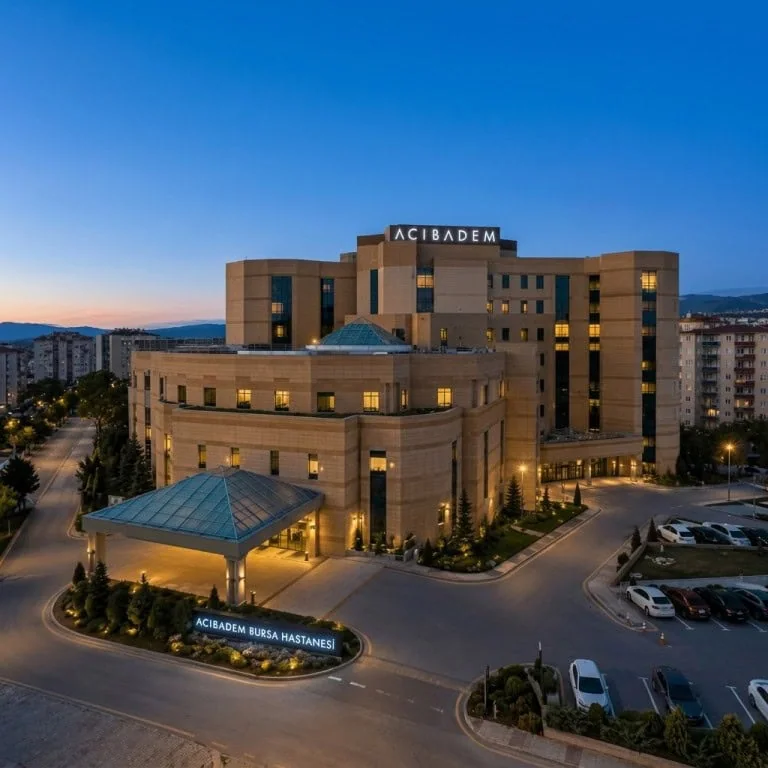
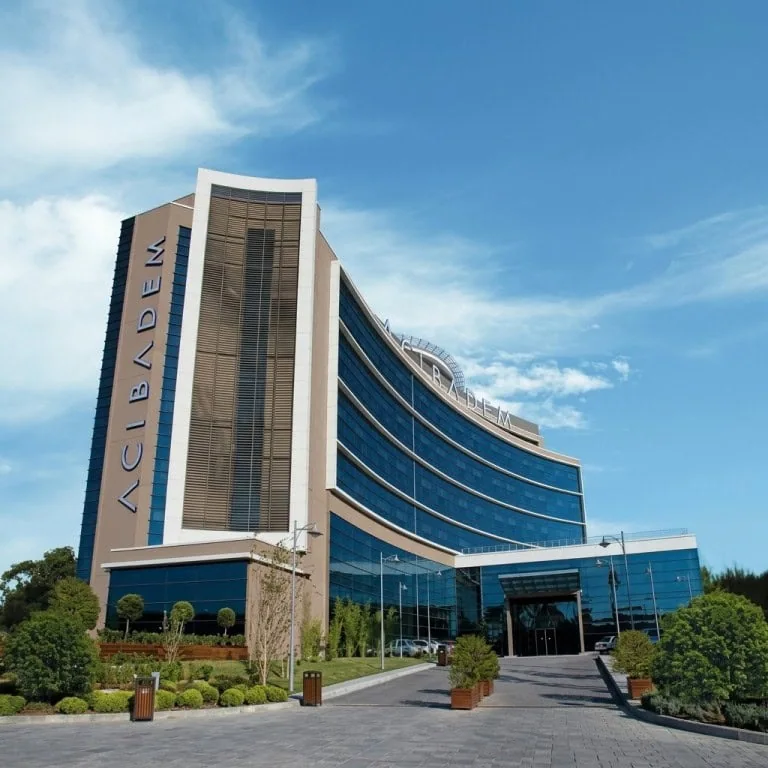
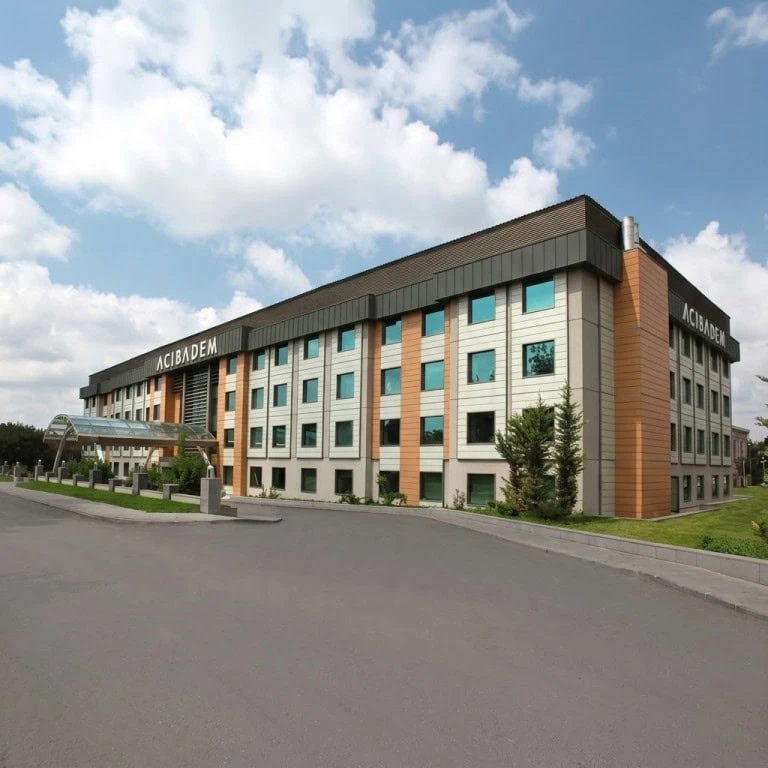
At Acibadem, patients are assessed within an environment that brings together bariatric and metabolic specialists, gastroenterologists, anaesthesiology teams, dietitians and, where needed, other consultants involved in weight-related health conditions. This multidisciplinary approach helps ensure that treatment decisions reflect the patient’s weight history, metabolic profile, digestive health and longer-term goals rather than a single procedure request.
Technology supports this work without replacing judgement. High-quality endoscopic visualisation supports accurate assessment and injection technique; pre-procedure testing helps identify risks or contraindications; sedation and anaesthesia monitoring supports safety throughout. What gives these tools their value is interpretation by physicians who routinely evaluate obesity, digestive symptoms and treatment suitability.
Personalised planning remains central throughout: one patient may be a reasonable candidate for gastric Botox as a temporary appetite-support tool; another may be better served by an endoscopic or surgical treatment with a stronger, more durable effect; a third may need metabolic workup and medical therapy first. The value of a comprehensive centre is that these possibilities are weighed together, guided by evidence, clinical judgement and the patient’s own priorities.
Making an Informed Decision
If you are weighing up gastric Botox, it helps to see the procedure not as a shortcut but as a carefully selected intervention within a broader medical plan. For the right patient, it can provide meaningful support with fullness, portion control and early weight loss. For others, a different strategy offers a better fit. The decision rests on an honest evaluation of what is driving the weight gain, what degree of weight loss is needed, and which treatment is most likely to be effective and sustainable, questions that a thorough specialist assessment exists to answer. The more clearly you understand the mechanism, the limits and the alternatives before treatment, the more likely the choice you make will be the one that still looks right a year later.
Preparation
- Patients usually undergo a medical evaluation to confirm suitability, including weight history and digestive health assessment. Fasting for several hours before the endoscopic procedure is typically required. Your doctor may also review current medications and advise temporary adjustments if needed.
Aftercare
- Most patients return home the same day and can resume light activities within a day. A staged diet and nutrition plan is usually recommended to support weight loss and reduce stomach irritation. Follow-up with the bariatric team is important to monitor response and reinforce lifestyle changes.
Frequently Asked Questions
What is gastric Botox and how does it help with weight loss?
Gastric Botox is a non-surgical procedure in which botulinum toxin is injected into specific stomach muscles during endoscopy. The aim is to slow stomach emptying and reduce appetite, helping some people feel full sooner and eat less. It is usually considered for patients who want support with weight management but may not need bariatric surgery. At Acibadem, specialists assess whether gastric Botox fits your health profile and weight-loss goals.
Who is a good candidate for gastric Botox in Turkey?
Gastric Botox may suit adults who are overweight or have obesity and want a minimally invasive option to support diet and lifestyle changes. It is not ideal for everyone, especially if there are certain stomach disorders, neuromuscular conditions, pregnancy, or expectations of major weight loss without lifestyle commitment. A proper evaluation is important. Acibadem specialists review your body mass index, medical history, eating habits, and overall health before recommending the most appropriate treatment plan.
How is gastric Botox performed?
The procedure is usually done with an endoscope, a thin flexible tube passed through the mouth into the stomach. No external cuts are made. The doctor injects botulinum toxin into targeted areas of the stomach wall to help reduce contractions involved in hunger and emptying. It generally takes a short time and is commonly performed with sedation for comfort. After observation, many patients return to their hotel or home the same day, depending on medical advice.
Is gastric Botox painful, and will I need anesthesia?
Most patients do not describe gastric Botox as painful because it is typically performed under sedation or light anesthesia during endoscopy. You should not feel the injections themselves. Afterward, some people notice mild bloating, nausea, or stomach discomfort for a short period, but these symptoms usually settle quickly. Your care team will explain fasting rules, sedation details, and what to expect before and after the procedure so you can feel prepared and reassured throughout your visit.
How much weight can you lose with gastric Botox?
Weight loss after gastric Botox varies from person to person and depends heavily on nutrition, portion control, activity level, metabolism, and medical conditions. The treatment is designed to support appetite control, not replace healthy habits. Some patients notice reduced hunger and better adherence to a structured diet plan, while others may see more modest changes. Acibadem specialists provide a personalized assessment and usually recommend combining the procedure with dietary follow-up to improve outcomes over time.
How long does gastric Botox last?
The effect of gastric Botox is temporary. In many patients, its appetite-reducing and stomach-slowing effects gradually wear off over several months. Because the result is not permanent, long-term success depends on building sustainable eating habits and an active lifestyle during that period. In some cases, repeat treatment may be discussed, but this depends on your response, weight goals, and overall health. Your doctor at Acibadem can advise whether repeating the procedure would be suitable for you.
What are the risks and side effects of gastric Botox?
Gastric Botox is generally considered minimally invasive, but like any medical procedure, it can have risks and side effects. Temporary nausea, bloating, cramping, reflux, or mild swallowing discomfort after endoscopy can occur. Rarely, there may be reactions related to sedation or the endoscopic procedure itself. Serious complications are uncommon when the treatment is done by experienced teams in an appropriate hospital setting. Acibadem specialists explain possible risks clearly and monitor you carefully before discharge.
What is the recovery time after gastric Botox?
Recovery is usually quick. Many patients resume light daily activities within a day, although it is common to rest on the procedure day because of sedation. You will need someone to accompany you if advised, and you should avoid driving right away. Your doctor may recommend starting with liquids or light foods before returning to a normal meal plan. International patients can often travel soon after treatment, but final timing should follow your physician’s personalized guidance.
How should I eat after gastric Botox for the best results?
Following a structured nutrition plan is important to get the most from gastric Botox. Doctors often advise smaller portions, slower eating, good hydration, and limiting high-sugar or high-fat foods that can work against weight-loss efforts. Protein-rich meals, vegetables, and regular meal timing are commonly encouraged. Emotional eating and frequent snacking may also need attention. At Acibadem, patients can receive personalized dietary guidance so the procedure becomes part of a broader, medically supervised weight-management strategy.
Why do international patients choose Acibadem in Turkey for gastric Botox?
International patients often choose Acibadem because they want treatment in a well-equipped hospital environment with experienced bariatric and metabolic care teams. Gastric Botox is only one part of care, and many patients value having endoscopy services, internal medicine evaluation, nutrition support, and follow-up planning in one system. For travelers, coordinated care can make the process smoother. Acibadem specialists provide a personalized assessment to decide whether gastric Botox or another weight-management option is more suitable.
What affects the cost of Gastric Botox?
The final cost can be influenced by the specialist consultation, pre-procedure assessment, endoscopy facility, anaesthesia, hospital services, tests, medicines and follow-up plan. For international patients, travel, accommodation, interpreter support and transfers may also affect the overall budget.
What is usually included in a Gastric Botox treatment quote?
A quote may include the clinical assessment, endoscopic procedure, botulinum toxin application, anaesthesia or sedation, hospital services and planned follow-up. Inclusions vary, so ask for a written, itemised explanation of what is included and what may be charged separately.
How can I receive a personalised quote?
You can request a free consultation and share relevant medical information, current medicines, previous procedures and your weight-management goals. A specialist team can then advise whether Gastric Botox may be appropriate and prepare a personalised treatment plan and quote.
Is Gastric Botox covered by insurance?
Coverage varies by insurer, policy terms, country and the reason for treatment. Because gastric Botox for weight management may be treated differently from medically necessary procedures, patients should check directly with their insurer before arranging care.
Are travel and follow-up care included for international patients?
Some international patient programmes can help coordinate appointments, language support, transfers and follow-up guidance, but services differ by hospital and package. Confirm travel-related services and the plan for follow-up after returning home before booking.
Medically reviewed by the Acıbadem International Medical Board September 1, 2026
See our medical review board →
Update history
- PublishedAugust 3, 2026
- Medical review approvedSeptember 1, 2026
- Last content updateSeptember 1, 2026