Laser Resurfacing
Laser resurfacing uses focused light energy to renew the outer skin layers, helping reduce fine lines, acne scars, pigmentation and sun damage with controlled healing.
Quick answer
Laser resurfacing is a skin-renewal treatment that uses focused light energy to remove or heat controlled layers of skin, helping improve fine lines, acne scars, uneven pigmentation, and sun damage. At Acibadem in Turkey, it is performed after specialist skin assessment, with the laser method tailored to the skin concern and followed by aftercare to support healing and recovery.
Considering Laser Resurfacing: A Careful Decision About Your Skin
Choosing laser resurfacing is often both a medical and personal decision. Many people begin researching treatment after noticing changes that make their skin look older, uneven, or less healthy than they feel. Fine lines around the eyes and mouth, acne scars that remain long after active breakouts have resolved, sun-related pigmentation, rough texture, enlarged pores, and dullness can all affect how a person presents themselves and how comfortable they feel in social or professional settings.
It is also common to feel uncertain. Patients often ask whether laser resurfacing is painful, whether it is safe for their skin tone, how long redness will last, whether scarring is possible, and how natural the result will look. International patients may have additional concerns: Will the physician understand my goals? Can my skin be assessed properly before I travel? How many days should I plan to stay? What happens if I have questions after I return home?
Laser resurfacing matters because it is not simply a beauty treatment. When performed with appropriate diagnosis, careful settings, and experienced aftercare, it can improve skin quality by stimulating controlled renewal. The purpose is not to change your identity or create an artificial appearance. The goal is to refine the skin’s surface, support collagen remodeling, soften visible irregularities, and help the face look healthier and more rested.
At Acibadem, laser resurfacing is approached as a medical procedure that requires proper patient selection, attention to skin type, realistic planning, and precise follow-up. The treatment plan may be shaped by dermatology, plastic surgery, aesthetic medicine, and, when needed, other specialists. This is especially important for patients with darker skin tones, a history of pigmentation problems, acne, previous scarring, or recent cosmetic procedures.
What Is Laser Resurfacing?
Laser resurfacing is a skin-renewal procedure that uses focused light energy to remove or treat damaged layers of skin in a controlled way. The treatment can target the outermost surface, deeper layers of the dermis, or both, depending on the device, wavelength, intensity, and technique chosen. As the treated skin heals, new skin cells form and collagen production is stimulated. This process can improve texture, tone, fine lines, certain scars, and sun-related damage.
There are different types of laser resurfacing. Ablative lasers remove very thin layers of the skin and deliver heat into the dermis. They are often used for more visible wrinkles, scars, and significant sun damage, but they usually require more recovery time. Non-ablative lasers heat the deeper layers without removing the surface to the same degree. They tend to involve less downtime, but more sessions may be needed to achieve the desired improvement. Fractional laser resurfacing treats a pattern of microscopic zones rather than the entire surface at once, leaving surrounding skin intact to support healing.
The best laser choice depends on the skin concern, skin color, medical history, tolerance for downtime, and the degree of change desired. For example, a patient with mild texture changes may need a different approach than a patient with deep acne scarring. A patient with melasma or post-inflammatory hyperpigmentation requires particular caution because excessive heat or aggressive treatment can worsen pigmentation in susceptible skin.
Laser resurfacing is sometimes combined with other treatments, such as medical skin care, chemical peels, injectables, microneedling, scar revision, or surgical facial procedures. Combination treatment is not automatically better; it should be selected only when it adds value and does not increase risk unnecessarily. A thoughtful plan often stages procedures over time so the skin can heal safely.
Who May Need Laser Resurfacing?
Laser resurfacing may be considered by people who want to improve visible skin changes that are not adequately addressed with creams, facials, or lighter cosmetic treatments. Good candidates are typically healthy, able to follow aftercare instructions, and willing to accept a period of redness, peeling, and sun avoidance after the procedure.
Patients commonly seek consultation for concerns such as fine wrinkles, acne scars, enlarged pores, uneven texture, sun spots, rough skin, dullness, and certain superficial scars. Some people are bothered by early signs of aging around the eyes, mouth, cheeks, or forehead. Others have spent years trying to reduce acne marks, post-inflammatory discoloration, or irregular skin texture with limited improvement.
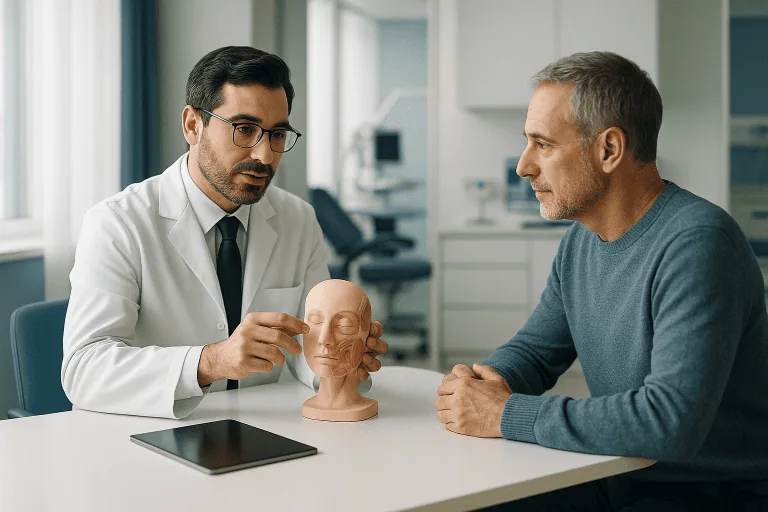
A proper diagnosis is essential before treatment. During evaluation, the physician examines the skin under good lighting, reviews medical history, and asks about previous procedures, medications, allergies, cold sores, acne activity, pigmentation problems, sun exposure, and tendency to form keloids or thick scars. Photographs may be taken for planning and comparison. In selected cases, additional dermatologic assessment may be required to distinguish cosmetic pigmentation from medical skin conditions that need a different approach.
Laser resurfacing may not be appropriate immediately for everyone. Treatment may need to be postponed or modified for patients with active skin infection, uncontrolled acne, recent isotretinoin use, poor wound healing, certain autoimmune conditions, recent tanning, pregnancy, or a strong history of abnormal scarring. Patients with deeper skin tones can still be candidates for some laser treatments, but settings, preparation, and expectations must be carefully individualized to reduce the risk of unwanted pigmentation changes.
Symptoms and Skin Changes That Lead Patients to Consider Treatment
- Fine lines and mild wrinkles: especially around the eyes, upper lip, cheeks, and forehead.
- Acne scars: including shallow rolling scars, some boxcar scars, and uneven texture after acne.
- Sun damage: mottled pigmentation, roughness, brown spots, and loss of radiance.
- Uneven skin tone: discoloration caused by inflammation, sun exposure, or previous acne.
- Skin texture concerns: enlarged pores, dullness, rough surface, and early crepiness.
- Superficial scars: selected surgical or traumatic scars, depending on depth and skin response.
Conditions and Indications Laser Resurfacing Can Address
Laser resurfacing is used for a range of aesthetic and dermatologic indications. The most common include photoaging, acne scarring, pigment irregularity, and textural roughness. It may also be used to improve certain surgical scars or traumatic scars once they have matured enough for treatment. In some cases, resurfacing is part of a broader facial rejuvenation plan that may include eyelid surgery, facelift procedures, or nonsurgical treatments.
For photoaging, laser resurfacing can help reduce sun-related roughness, fine lines, and uneven pigmentation. Long-term sun exposure damages collagen and elastin, creating a surface that may look dry, coarse, or blotchy. Resurfacing encourages renewal of the damaged layers and may improve overall luminosity when followed by diligent sun protection.
For acne scars, laser resurfacing works by remodeling collagen and softening the transition between scarred and surrounding skin. Not all acne scars respond the same way. Ice-pick scars, deep tethered scars, and raised scars may require other methods, such as subcision, punch techniques, injections, or scar-specific procedures. A combined plan may provide a more balanced result than laser alone.
For pigmentation and sun spots, laser treatment may reduce selected brown discoloration, but the cause of the pigmentation must be understood. Some forms of pigmentation, such as melasma, can be reactive and may worsen if treated too aggressively. Preparation with topical therapies and strict sun control may be needed before and after laser treatment.
For fine lines and skin laxity, resurfacing may improve surface quality and stimulate collagen, but it does not replace surgery when the main issue is significant sagging. Patients with prominent eyelid skin excess, jowls, or deep facial descent may need to discuss surgical and nonsurgical options separately. A clear distinction between skin quality and facial structure helps set realistic expectations.
How Laser Resurfacing Is Performed
Laser resurfacing begins with a detailed consultation and treatment plan. The physician evaluates the patient’s skin type, concerns, medical history, and desired level of improvement. For international patients, part of the initial assessment may be supported by photographs and virtual communication, but final treatment planning generally requires an in-person skin examination. This allows the specialist to assess texture, pigmentation, scar depth, skin thickness, and signs of active inflammation.
Preparation Before Treatment
Preparation varies depending on the intensity of the planned procedure. Patients may be advised to avoid tanning, strong exfoliating products, waxing, and certain topical ingredients before treatment. A medical skin-care program may be prescribed to prepare the skin barrier, reduce pigmentation risk, or control acne. Patients with a history of cold sores may require antiviral medication because laser resurfacing can trigger recurrence. In some cases, antibiotics or anti-inflammatory measures may be considered.
Patients should tell their physician about all medications, supplements, allergies, previous cosmetic treatments, and any history of poor healing. Blood-thinning medications or supplements may need review if there is a risk of bruising, although changes should only be made with medical guidance. Smoking can impair healing and increase complications, so patients are commonly advised to stop before and after more intensive resurfacing procedures.
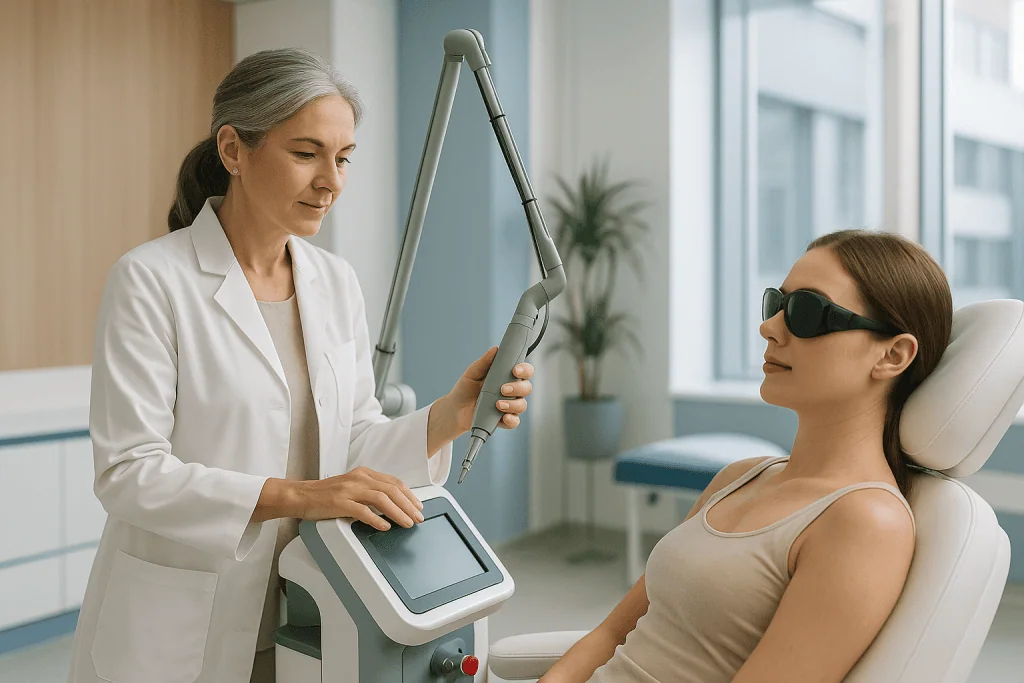
Before the session, the skin is cleansed thoroughly. Photographs may be taken. Eye protection is used to protect the patient and medical team from laser exposure. Depending on the treatment depth and area, anesthesia may include topical numbing cream, local anesthesia, cooling methods, sedation, or a combination of measures. More intensive resurfacing may require a procedure-room environment with closer monitoring.
During the Procedure
The physician passes the laser handpiece over the treatment area in a controlled pattern. The laser energy is absorbed by water, pigment, or other target structures in the skin, depending on the type of laser used. Ablative resurfacing removes precise layers of skin while creating a controlled thermal effect that supports collagen remodeling. Fractional techniques create microscopic columns of treated tissue, allowing adjacent untreated skin to assist with healing. Non-ablative lasers deliver heat below the surface while minimizing visible injury to the outer layer.
The treatment may focus on the full face or selected regions, such as the cheeks, around the mouth, under the eyes, forehead, neck, or a scarred area. Settings are adjusted according to the treatment goal, skin thickness, skin tone, anatomical location, and safety considerations. Delicate areas, such as the eyelids and upper lip, require particular expertise because the skin is thin and highly visible.
Technology used in modern laser resurfacing may include fractional delivery systems, adjustable energy settings, integrated cooling, high-resolution imaging or photography for planning, and skin analysis tools that help assess pigmentation and texture. These technologies support precision, consistency, and patient safety, but the physician’s judgment remains central. The same device can produce very different outcomes depending on patient selection, settings, technique, and aftercare.
The duration depends on the size of the area and intensity of treatment. A small scar or localized area may be treated relatively quickly, while full-face resurfacing may take longer, particularly when anesthesia, preparation, and post-treatment care are included. Patients should plan for additional time at the clinic for assessment, numbing, recovery instructions, and observation when needed.
Immediately After Treatment
After laser resurfacing, the skin may feel warm, tight, or sunburned. Redness, swelling, pinpoint bleeding, oozing, or bronzing may occur depending on the treatment depth. A soothing ointment, dressing, cooling, or protective product may be applied. Patients receive specific instructions about cleansing, moisturizing, sun avoidance, medications, and warning signs that require medical contact.
For lighter treatments, patients may experience redness and flaking for several days. For more intensive ablative resurfacing, recovery may involve several days of careful wound care, followed by persistent pinkness that gradually improves. Makeup may be allowed after re-epithelialization, when the skin surface has healed sufficiently, but timing should be confirmed by the physician.
Recovery Process
Recovery is an active part of laser resurfacing. The result depends not only on what happens during the procedure but also on how carefully the skin is protected afterward. Patients are usually instructed to avoid direct sun exposure, heat, saunas, intense exercise, swimming pools, exfoliation, and unapproved skin products during the early healing phase. Gentle cleansing and frequent moisturization help support the skin barrier.
Redness can last from a few days to several weeks or longer after deeper resurfacing. Pigment changes may appear if the skin is exposed to sun too early or if inflammation is not controlled. Strict sun protection is essential, including broad-spectrum sunscreen once approved, protective clothing, hats, and avoidance of peak sun hours. Patients traveling internationally should plan enough time for early follow-up before flying home, especially after deeper procedures.
Why Acting Early Matters and the Risks of Delay
Laser resurfacing is rarely an emergency, but timing can influence the complexity of treatment and the quality of the result. Early evaluation helps distinguish concerns that can be improved with resurfacing from those that require another approach. For example, active acne should usually be controlled before resurfacing acne scars. Treating scars while acne is still inflamed may lead to new marks and less predictable improvement.
Sun damage also tends to accumulate over time. Rough texture, pigmentation, and fine lines may become more pronounced with continued ultraviolet exposure. Addressing these changes earlier, combined with medical-grade prevention strategies, may reduce the need for more aggressive treatment later. Early intervention can sometimes allow for lighter resurfacing sessions rather than a single deeper procedure, although this depends on the individual case.
Delaying care can also allow pigmentation problems to become more stubborn. Patients may try repeated over-the-counter products, harsh peels, or unregulated devices, which can irritate the skin and worsen discoloration. In darker skin tones or pigment-prone skin, repeated inflammation is one of the major reasons discoloration persists. A medically supervised plan can help avoid unnecessary irritation and choose treatments that respect the biology of the skin.
Another risk of delay is unrealistic escalation. As scars deepen in appearance due to aging, volume loss, or skin thinning, laser resurfacing alone may be less effective. A patient who might have benefited from a staged resurfacing and skin-care plan may later require a more complex combination of treatments. A timely consultation helps clarify what is possible and what is not, before investing time and emotion into the wrong options.
Benefits of Laser Resurfacing
The potential benefits of laser resurfacing depend on the type of laser, treatment depth, skin characteristics, and aftercare, but patients commonly seek it for the following reasons.
| Benefit | What It Means for You |
|---|---|
| Improved skin texture | The skin surface may feel smoother, with reduced roughness, dullness, and unevenness after healing. |
| Softening of fine lines | Lines around the eyes, mouth, and cheeks may appear less prominent as the skin renews and collagen remodeling occurs. |
| Reduction in selected acne scars | Laser energy can help remodel scarred tissue and soften the contrast between depressed scars and surrounding skin. |
| More even skin tone | Sun-related discoloration and certain superficial pigment irregularities may improve when treated carefully and followed by sun protection. |
| Collagen stimulation | Controlled heating of the dermis can encourage gradual firming and improved skin quality over time. |
| Customizable treatment depth | The procedure can be adjusted for lighter refreshment or more intensive resurfacing, depending on your goals and tolerance for downtime. |
Recovery Timeline After Laser Resurfacing
Recovery varies widely, but the timeline below describes what many patients can generally expect after fractional or ablative laser resurfacing, with individual instructions taking priority.
| Time Period | What Patients Can Expect |
|---|---|
| Day 1 | Redness, warmth, swelling, and a sunburn-like sensation are common. The skin may need ointment, cooling, and careful cleansing as instructed. |
| First Week | Peeling, crusting, bronzing, or flaking may occur. Patients should avoid sun, heat, strenuous exercise, and active skin-care ingredients unless approved. |
| First Month | The surface usually looks more healed, although redness or sensitivity may continue. Makeup and sunscreen may be introduced when the physician confirms the skin barrier is ready. |
| Three to Six Months | Collagen remodeling continues gradually. Improvements in texture, scars, and fine lines may become more visible over time. |
| Longer Term | Results can be maintained with sun protection, appropriate skin care, and periodic maintenance treatments when recommended. |
What Influences the Outcome of Laser Resurfacing?
A good result depends on matching the right procedure to the right patient. Laser resurfacing is not a one-size-fits-all treatment. The outcome is influenced by skin type, scar pattern, pigmentation tendency, age, sun history, smoking status, medical conditions, medications, and the quality of aftercare. Patients who follow instructions closely tend to have a smoother recovery and fewer avoidable complications.
Skin tone and pigmentation tendency are especially important. People with darker skin or a history of post-inflammatory hyperpigmentation may need gentler settings, longer preparation, test areas, or alternative treatments. The goal is to improve the skin while minimizing inflammation that could trigger darkening or lightening. In pigment-prone patients, treatment may be combined with topical agents before and after the procedure.
The depth and type of concern also matter. Fine surface lines and mild sun damage often respond differently than deep acne scars or surgical scars. Rolling scars may improve with collagen remodeling, while tethered scars may need release before resurfacing. Raised scars require a different strategy because adding heat to an active hypertrophic scar may not be appropriate in every case.
The level of downtime accepted shapes the plan. Some patients prefer a lighter treatment with minimal social interruption and understand that several sessions may be needed. Others choose a deeper procedure with more visible recovery because they want a stronger single-session effect. Neither approach is inherently better; the correct choice depends on goals, schedule, skin biology, and risk tolerance.
Sun protection is one of the most important factors after resurfacing. New skin is vulnerable to ultraviolet light, and even brief sun exposure can contribute to redness, pigmentation, or uneven healing. Patients traveling from sunny climates or planning outdoor activities should discuss timing carefully. In many cases, scheduling treatment during months with less sun exposure is helpful.
Medical expertise and follow-up are central. Laser energy must be selected and delivered with an understanding of skin anatomy, wound healing, and complication management. If unexpected redness, infection, acne flare, or pigmentation occurs, early medical response can make a meaningful difference. This is why laser resurfacing should be performed in a clinical environment where assessment, treatment, and follow-up are integrated.
Why International Patients Choose Acibadem for Laser Resurfacing
International patients considering laser resurfacing abroad are usually looking for more than a procedure appointment. They want a careful medical opinion, clear communication, safe planning, and a team that understands the practical realities of traveling for care. Acibadem Hospitals in Turkey are JCI-accredited and serve patients from many countries through Acibadem International, with support available in more than 20 languages.
The care pathway begins with understanding the patient’s goals and medical context. For laser resurfacing, this includes reviewing skin concerns, previous treatments, medication history, photos when appropriate, and travel timing. Patients may be advised that a different procedure, staged plan, or preliminary skin treatment is more suitable than immediate laser resurfacing. This type of careful recommendation is important because the best aesthetic care is not always the most aggressive option.
Acibadem’s model supports collaboration among experienced physicians in dermatology, plastic surgery, aesthetic medicine, and related specialties when needed. Complex cases, such as acne scarring combined with active acne, pigmentation in darker skin, scars after trauma or surgery, or patients planning multiple facial procedures, benefit from multidisciplinary discussion. Specialist boards and evidence-based protocols help guide care in a way that is medically grounded and individualized.
Modern diagnostic and treatment pathways are used to assess skin quality, document baseline appearance, plan treatment depth, and monitor healing. The technologies used for resurfacing may include fractional platforms, adjustable energy delivery, cooling systems, clinical photography, and tools that help evaluate pigment and texture. These resources can support precision, but they are only part of the process. Equally important are physician experience, conservative judgment when risk is higher, and well-structured aftercare.
For patients traveling from the United States, Europe, the Middle East, Africa, or other regions, the international patient team can help coordinate appointments, translation, hospital registration, and communication with clinical departments. Patients receive guidance on how long to stay in Turkey, what recovery may look like before returning home, and what signs should prompt medical contact. This coordination is particularly valuable for treatments with visible healing phases, because timing affects travel comfort and social plans.
Acibadem’s approach to laser resurfacing emphasizes personalized treatment plans rather than standardized packages. Some patients may be advised to begin with skin conditioning and a lighter laser session. Others may benefit from deeper fractional resurfacing, a staged scar protocol, or combination treatment over time. The physician discusses expected improvement, downtime, risks, and maintenance so patients can make informed decisions.
Patient safety is a central part of the experience. JCI accreditation reflects structured quality and safety systems within the hospital environment. For laser resurfacing, safety also means confirming candidacy, protecting the eyes, using appropriate anesthesia, reducing infection risk, providing clear written aftercare, and arranging follow-up. International patients should feel able to ask direct questions about skin tone, pigment risk, scarring, recovery, and whether their goals are realistic.
The experience is designed to be medically rigorous while remaining considerate of the patient’s emotional concerns. Skin procedures are highly visible, and temporary redness or swelling can feel stressful, especially away from home. A well-organized team helps patients understand each stage of healing, what is expected, and when a symptom should be reviewed. This clarity can make the recovery process easier to navigate.
A Thoughtful Next Step Toward Healthier-Looking Skin
Laser resurfacing can be an effective option for improving fine lines, acne scars, sun damage, pigmentation irregularities, and uneven texture when it is selected carefully and performed with appropriate medical oversight. The most successful treatment plans begin with accurate diagnosis, realistic expectations, and respect for each patient’s skin biology.
If you are considering laser resurfacing at Acibadem, the next step is a consultation or second opinion. Sharing your concerns, photographs when requested, medical history, and previous treatment details can help the team advise whether laser resurfacing is suitable for you, which approach may be safest, how long recovery may take, and how to plan your travel around treatment and follow-up.
This information is general and is not a substitute for professional medical advice. A qualified physician should evaluate your skin and medical history before recommending any treatment.
Preparation
- A specialist evaluates your skin type, concerns, medications and history of cold sores or pigmentation problems. You may be advised to avoid sun exposure, tanning, retinoids and certain peeling products before treatment. Antiviral medication or topical skin preparation may be recommended for selected patients.
Aftercare
- Keep the treated skin clean, moisturized and protected from the sun as instructed. Mild swelling, redness, peeling or crusting can occur during healing, depending on the laser depth. Avoid picking the skin, intense exercise, saunas and active skincare products until your doctor confirms it is safe.
Frequently Asked Questions
What affects the cost of laser resurfacing?
The main factors are the laser technology used, the size of the treatment area, skin condition, scar or wrinkle severity, need for anaesthesia, specialist experience, facility standards and the aftercare plan. A consultation is needed to estimate the total cost accurately.
How can I get a personalised quote from Acibadem?
You can request a free consultation by sharing your goals, medical history and clear photos of the treatment area. The medical team can then advise whether laser resurfacing is suitable and prepare a personalised plan and quote.
Does a laser resurfacing package usually include aftercare?
Packages may include consultation, treatment planning, the laser procedure, skin care instructions and follow-up guidance. Items such as medications, special creams, extra sessions, hotel stays or transfers should be confirmed before booking.
Why do quotes differ between clinics and countries?
Quotes can differ because of specialist credentials, laser platform, hospital accreditation, facility setting, anaesthesia requirements, aftercare intensity and whether services are bundled or billed separately. Travel and language support can also influence the overall patient experience.
Is laser resurfacing suitable for every skin type?
No. Suitability depends on skin tone, pigmentation tendency, active skin conditions, medication use, scarring history and expectations. A dermatologist or plastic surgeon should assess safety and choose the most appropriate option.
Medically reviewed by the Acıbadem International Medical Board June 20, 2026
See our medical review board →
Update history
- PublishedJune 8, 2026
- Medical review approvedJune 20, 2026
- Last content updateJune 8, 2026
References1
- Laser Skin Resurfacing my.clevelandclinic.org
Trusted care for international patients
From the Acibadem Blog
Ablative vs Non-Ablative Laser Resurfacing: Depth, Downtime and Results Compared
Ablative laser resurfacing removes the skin's outer layer and heats the layer beneath, giving larger changes in wrinkles, scars and texture in exchange for…
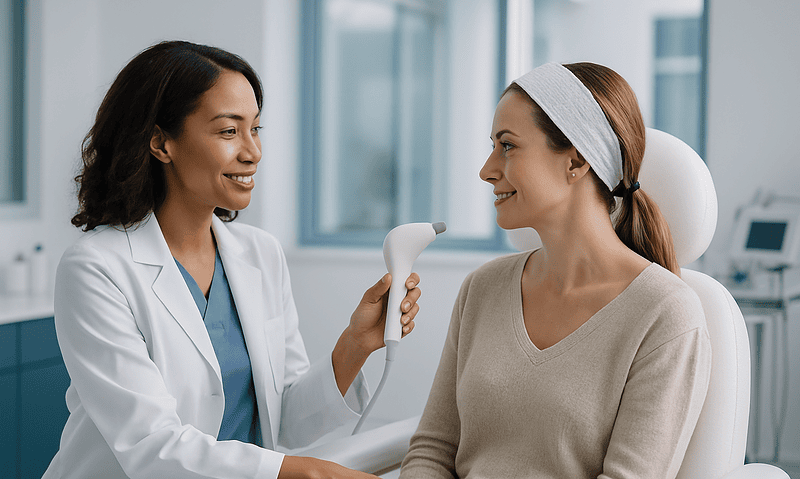
Does Laser Resurfacing Hurt? Numbing Options and How Comfort Changes With Laser Depth
Laser resurfacing is usually uncomfortable rather than severely painful, and the sensation scales with depth. Light non-ablative treatments feel like brief heat or a…
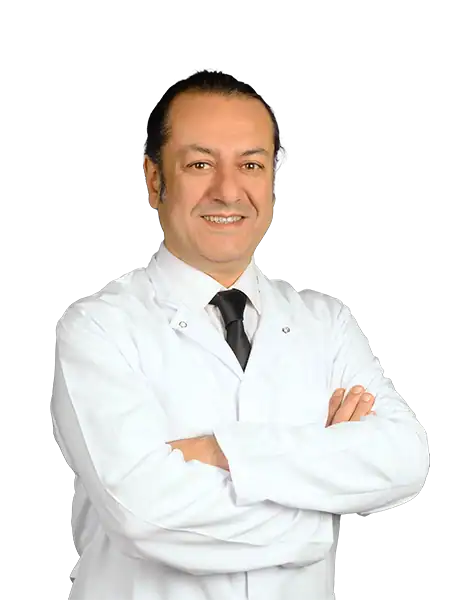
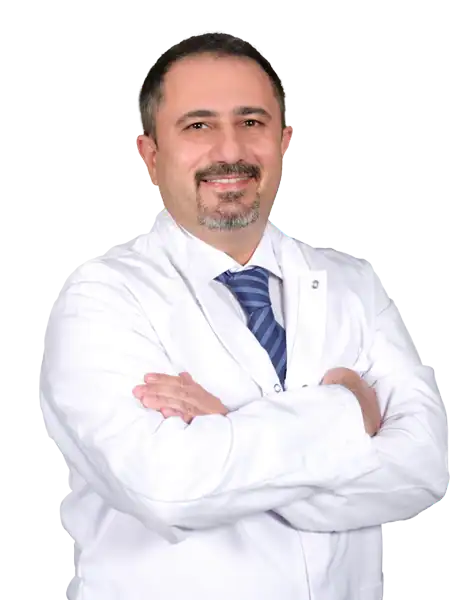
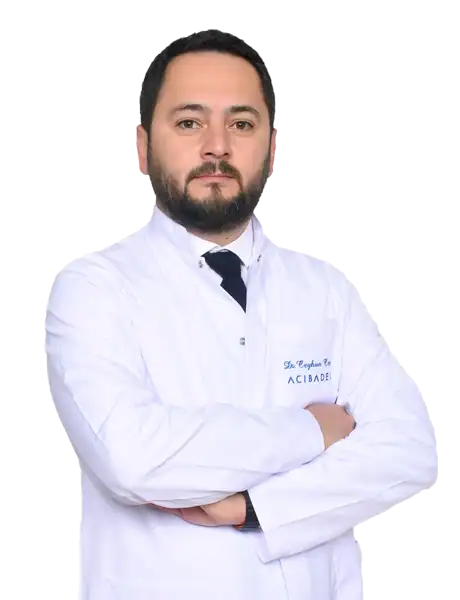
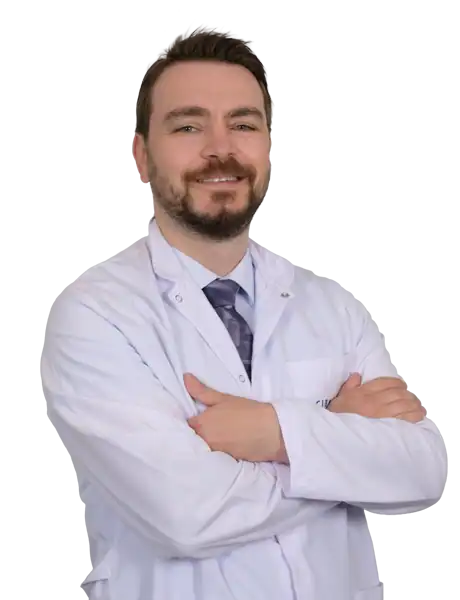
Doctors Performing This Treatment


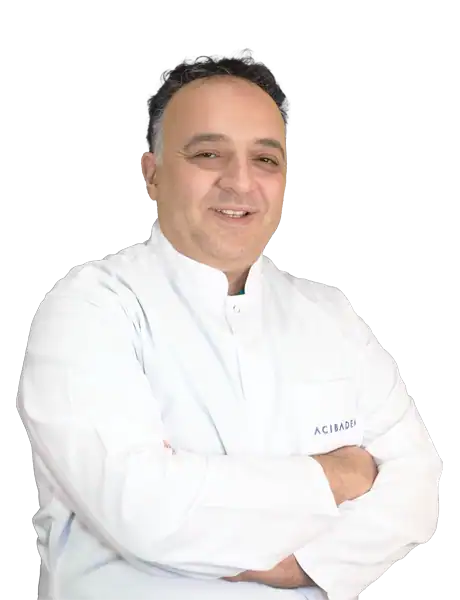
Aesthetic Plastic & Reconstructive Surgery
Prof. Mehmet Veli Karaaltın, MD

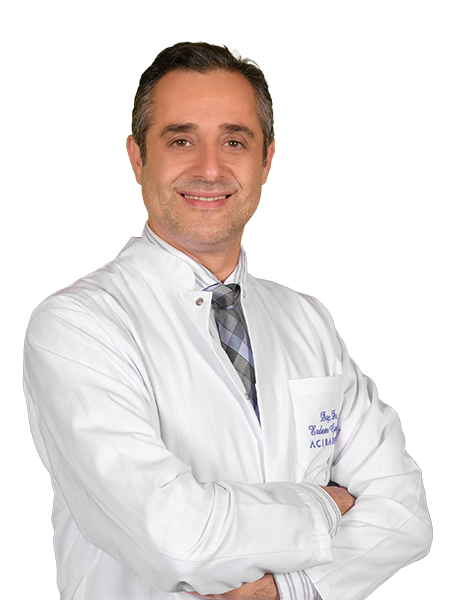
Aesthetic Plastic & Reconstructive Surgery
Assoc. Prof. Erdem Güven, MD

Aesthetic Plastic & Reconstructive Surgery
Assoc. Prof. Ahmet Küçükçelebi, MD
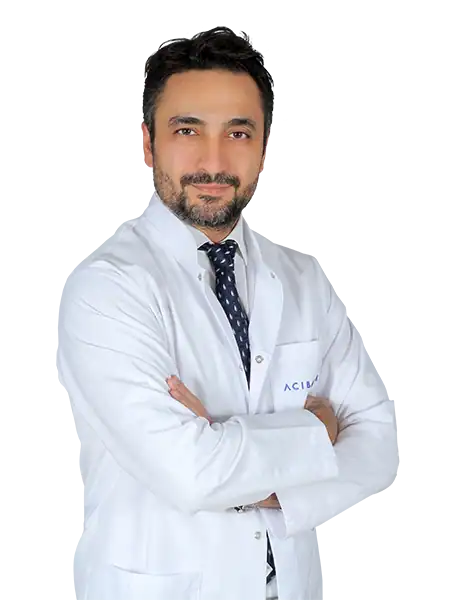
Aesthetic Plastic & Reconstructive Surgery
Assoc. Prof. Mehmet Altıparmak, MD

Aesthetic Plastic & Reconstructive Surgery