Smoking Cessation
Smoking cessation is a structured, non-surgical treatment program that helps people stop using tobacco. It is commonly recommended for people with lung, heart or blood-vessel disease, those preparing for surgery, and anyone…
Quick answer
Smoking cessation is a structured medical program to help a person stop using tobacco. It combines an assessment, a quit date, nicotine replacement or prescription medicines, behavioral counseling and follow-up. Withdrawal symptoms usually ease within two to four weeks, and health benefits build over years. Combining medication with counseling is generally the most effective approach.
What is smoking cessation?
Smoking cessation is the medical term for stopping the use of tobacco, most often cigarettes, with structured help from health professionals. Although it is not an operation, hospitals describe it as a treatment program or a smoking cessation procedure because it follows defined steps: assessment, a personalized plan, medication where appropriate, behavioral counseling and scheduled follow-up. The aim is to help a person stop smoking and stay smoke-free in the long term.
Tobacco dependence is now widely understood as a chronic, relapsing medical condition rather than a simple habit. Nicotine, the addictive chemical in tobacco, changes how the brain’s reward system works, so stopping can cause physical withdrawal symptoms and strong cravings. A smoking cessation program treats both the physical dependence and the learned behaviors linked to smoking.
Smoking cessation is used in the care of many conditions that are caused or worsened by tobacco, including:
- Chronic obstructive pulmonary disease (COPD), a group of long-term lung diseases that make breathing difficult
- Asthma and repeated chest infections
- Coronary artery disease, heart attack and stroke
- Peripheral artery disease, in which narrowed arteries reduce blood flow to the limbs
- Cancers of the lung, mouth, throat, bladder and several other organs
- Type 2 diabetes and problems with wound healing
It is also commonly recommended before planned surgery, because smoking increases the risk of complications with anesthesia, wound healing and lung function after an operation. In many hospitals, including Acibadem, smoking cessation support is coordinated through pulmonology, the specialty that treats lung and breathing disorders, often together with cardiology and primary care.
Who is a candidate for smoking cessation?
A common question is who needs smoking cessation. In general, anyone who uses tobacco and wants to stop can benefit from structured support. Health professionals often recommend a formal program rather than unaided quitting for people who:
- Have tried to quit before and returned to smoking
- Smoke soon after waking or smoke heavily throughout the day, which suggests stronger nicotine dependence
- Have a diagnosed heart, lung or blood-vessel condition
- Are preparing for surgery or cancer treatment
- Are pregnant, planning a pregnancy or breastfeeding
- Have a mental health condition, since quitting is achievable but may need closer monitoring
- Use other tobacco or nicotine products, such as cigars, waterpipes, chewing tobacco or electronic cigarettes
There is no age at which quitting stops being worthwhile; benefits are seen in older adults and in people who already have smoking-related disease.
Smoking cessation itself is suitable for almost everyone, but certain medications used within the program may not be. For example, some prescription drugs are used cautiously or avoided in people with a history of seizures, certain eating disorders or severe kidney disease, and nicotine replacement doses may be adjusted in pregnancy or after a recent heart attack. Your doctor will review your medical history and current medicines before recommending a specific approach. Behavioral counseling has no medical contraindications and can be offered to anyone.
How the smoking cessation procedure works
Programs vary between hospitals, but most follow a similar sequence.
Before: assessment and planning
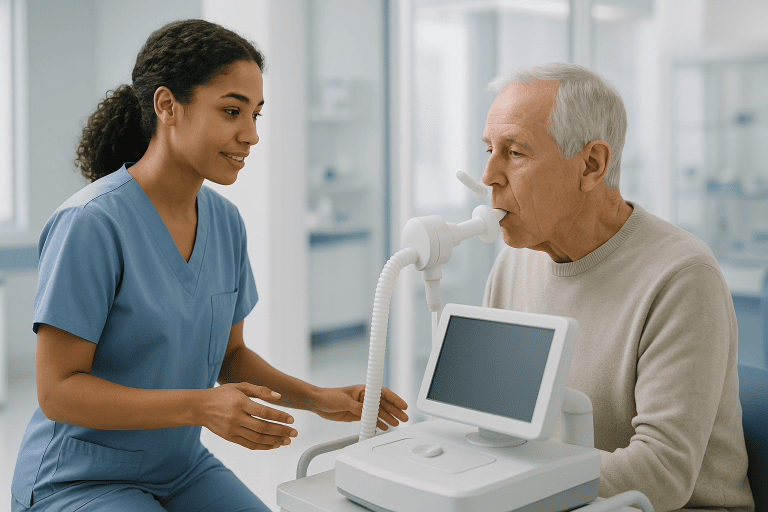
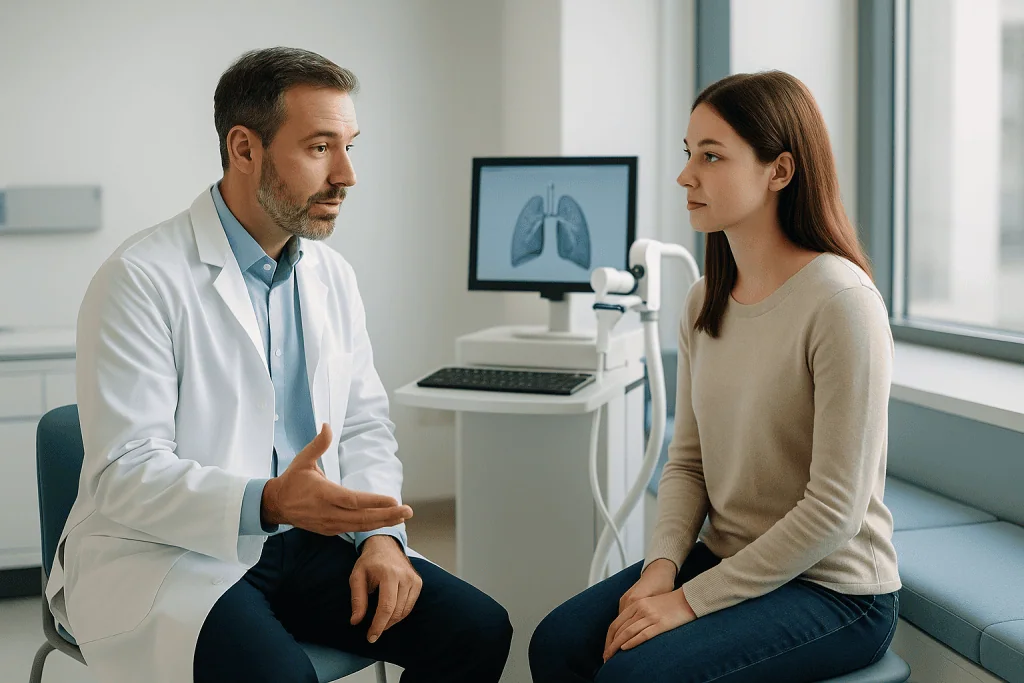
The first visit is an assessment. A doctor or trained cessation counselor asks about how much and how long you have smoked, previous quit attempts, what helped or did not help, and your general health. Nicotine dependence is often measured with a short questionnaire. Some clinics measure carbon monoxide, a toxic gas from tobacco smoke, in your breath as a simple baseline. Lung function testing (spirometry), a breathing test that measures how much air you can move in and out, may be arranged if there are symptoms such as cough or breathlessness.
Together you agree on a quit date, usually within the next few weeks, and choose the tools that fit your situation. These may include:
- Nicotine replacement therapy (NRT): patches, gum, lozenges, an inhaler or a nasal spray that deliver controlled amounts of nicotine without smoke, easing withdrawal while you break the smoking habit. A long-acting patch is often combined with a short-acting product for sudden cravings.
- Prescription medicines that act on the brain to reduce cravings and withdrawal. These are usually started a week or two before the quit date so that they reach an effective level in the body.
- Behavioral counseling: individual or group sessions that teach practical ways to manage triggers, stress and routines linked to smoking.
During: the quit period
On the quit date you stop smoking completely. Medications and NRT are used as prescribed, typically for several weeks to a few months. Counseling sessions, in person or by telephone or video, are scheduled most closely in the first weeks, when relapse risk is highest. The counselor helps you review difficult moments, adjust doses if side effects appear and reinforce coping strategies.
After: maintenance and follow-up
Once withdrawal symptoms fade, the focus shifts to preventing relapse. Follow-up visits are spaced out over several months. Medication is gradually reduced according to the plan rather than stopped suddenly. If a slip occurs, it is treated as part of the process, and the plan is adjusted rather than abandoned.
Preparation for smoking cessation
Careful preparation improves the chances of a successful quit attempt. Your care team may suggest the following steps in the days before your quit date:
- Bring a list of all medicines and supplements you take, since some doses (for example, of certain asthma, blood-thinning or mental health drugs) may need review after you stop smoking.
- Tell your doctor about pregnancy, heart disease, seizures, kidney or liver problems and any mental health history.
- Identify your personal triggers, such as coffee, alcohol, driving, work breaks or stress, and plan an alternative action for each.
- Remove cigarettes, lighters and ashtrays from your home, car and workplace.
- Tell family, friends and colleagues about your quit date and ask for their support.
- Start prescribed medication on the date advised, which may be before the quit day.
- Arrange your calendar so the first smoke-free days are as low-stress as practical.
If you are quitting before an operation, ask how many weeks in advance your surgeon prefers; generally, the longer you are smoke-free before surgery, the greater the reduction in complications.
Recovery and aftercare: what to expect over time
People often ask about smoking cessation recovery time. Recovery here means two things: getting through nicotine withdrawal, and the longer process by which the body repairs smoking-related damage.
Withdrawal timeline
Withdrawal symptoms typically begin within hours of the last cigarette and are often strongest in the first three to five days. Many patients notice irritability, restlessness, difficulty concentrating, increased appetite, trouble sleeping and intense cravings. These symptoms usually ease noticeably over two to four weeks, although occasional cravings can return for months, especially in situations previously linked to smoking. Medication and NRT are designed to blunt this early phase.
Physical recovery
Some changes appear quickly. Carbon monoxide levels in the blood fall within a day or two, and many people report improved sense of taste and smell within a couple of weeks. A temporary increase in coughing is common in the first weeks as the airways begin to clear mucus. Breathing and exercise tolerance often improve over the following months. Longer-term risks, such as those for heart disease and cancer, decline gradually over years, and the reduction continues the longer a person stays smoke-free.
Aftercare tips
- Keep all follow-up appointments, even if you feel confident.
- Use short-acting NRT for sudden cravings rather than waiting them out unaided.
- Stay physically active and drink water; both help with cravings and mood.
- Expect some weight gain and manage it with regular meals and activity rather than returning to smoking.
- Treat a single cigarette as a slip, not a failure; contact your care team to adjust the plan.
Risks and side effects
Understanding smoking cessation risks and benefits helps set realistic expectations. Stopping smoking is itself safe; the risks relate mainly to withdrawal and to the medicines used.
Withdrawal-related effects
- Low mood, anxiety or irritability, usually temporary
- Sleep disturbance and vivid dreams
- Increased appetite and modest weight gain
- Constipation and mouth ulcers in some people
- Temporary worsening of cough
Nicotine replacement therapy
- Skin irritation under patches
- Hiccups, jaw ache or an upset stomach with gum or lozenges
- Throat or nasal irritation with the inhaler or spray
- Sleep disruption if a patch is worn overnight; removing it at bedtime often helps
Prescription medicines
Side effects depend on the drug and may include nausea, dry mouth, headache, insomnia or unusual dreams. Rarely, mood changes have been reported, so your doctor will ask about your mental health history and advise you to report any new low mood or unusual thoughts. People taking medicines whose levels are affected by smoking, such as some drugs for asthma or psychiatric conditions, may need dose adjustments after quitting.
These risks are generally mild and short-lived, and they are outweighed by the well-established harms of continued smoking.
Results and outlook
The evidence base for smoking cessation is large and consistent. In general, it shows that:
- Combining medication or NRT with behavioral support is more effective than using either alone, and both are more effective than quitting without help.
- Most people need more than one attempt, and each structured attempt improves skills that make a later success more likely.
- Quitting at any age lowers the risk of heart attack, stroke, lung disease and many cancers compared with continuing to smoke.
- In people who already have COPD, stopping smoking is the single most effective step to slow the loss of lung function.
- Quitting before surgery reduces wound and respiratory complications.
Success rates in published studies vary widely depending on the population, the intensity of support and how success is measured, so your care team can discuss what is realistic for you rather than quoting a single figure. Long-term abstinence tends to become easier after the first year, but occasional cravings can persist, which is why ongoing follow-up is valuable.
Cost considerations
Smoking cessation is almost always delivered on an outpatient basis, so there is no hospital stay to pay for. The main factors that influence the overall cost include:
- The number and type of counseling sessions (individual, group, telephone or video)
- Whether prescription medication, nicotine replacement products, or both are used, and for how long
- Any tests requested, such as lung function testing or imaging, if there are symptoms that need investigation
- Consultations with specialists in pulmonology or cardiology when smoking-related disease is present
- The length of the follow-up period
In many countries, public health systems or insurers cover part or all of cessation treatment because it reduces future medical costs; coverage rules differ, so it is worth checking with your insurer or hospital billing office.
Frequently asked questions
Is smoking cessation a medical procedure?
Not in the surgical sense. The term smoking cessation procedure is used to describe a structured clinical program with assessment, medication, counseling and follow-up. No anesthesia or hospital admission is involved, and the treatment is delivered in outpatient clinics, often through a pulmonology or family medicine department.
Who needs smoking cessation support rather than quitting alone?
Anyone who smokes can benefit, but structured support is especially recommended for people who have relapsed before, smoke heavily, have heart or lung disease, are preparing for surgery, are pregnant or have a mental health condition. Support increases the chance of success compared with willpower alone.
What is the typical smoking cessation recovery time?
Acute withdrawal symptoms are usually strongest in the first few days and ease over two to four weeks, though cravings can occasionally return for months. Physical recovery of the lungs, heart and blood vessels continues for years, with risk falling steadily the longer you remain smoke-free.
What are the main smoking cessation risks and benefits?
Risks are mostly mild and temporary: irritability, sleep problems, weight gain and side effects from medication such as nausea or skin irritation. Benefits include lower risk of heart disease, stroke, cancer and lung disease, better breathing, and safer surgery. For almost everyone, the benefits clearly outweigh the risks.
Is nicotine replacement therapy safe if I have heart disease?
NRT delivers nicotine without the tar, carbon monoxide and thousands of other chemicals in smoke, and it is generally considered safer than continuing to smoke, including for people with stable heart disease. If you have had a very recent heart attack or unstable chest pain, your doctor may choose the product and dose more cautiously.
Can I use electronic cigarettes as part of smoking cessation?
Guidance differs between countries and is still evolving. Some health authorities consider licensed cessation medicines and NRT the first choice because their safety and effectiveness are better established. Discuss this openly with your care team so that any approach is supervised and has a plan for eventually stopping nicotine use altogether.
What happens if I relapse during the program?
Relapse is common and does not mean the treatment failed. Your team will look at what triggered the slip, adjust medication or counseling, and set a new quit date. Each attempt builds skills, and most long-term ex-smokers needed several tries.
When to see a doctor
Consider being assessed by a doctor or a specialist in pulmonology if you smoke and notice any of the following:
- A cough lasting more than a few weeks, or coughing up blood
- Breathlessness during everyday activities, wheezing or frequent chest infections
- Chest pain, palpitations or leg pain when walking
- Unexplained weight loss, hoarseness or a mouth sore that does not heal
- You are planning surgery, pregnancy or cancer treatment
- Previous quit attempts have failed and you want a supervised plan
During a smoking cessation program, seek urgent medical attention if you experience:
- Chest pain, sudden severe shortness of breath or fainting
- Thoughts of harming yourself, or a sudden severe change in mood or behavior after starting a cessation medicine
- A seizure
- Swelling of the face, lips or throat, or a widespread rash, which may signal an allergic reaction to a medicine or patch
- Signs of nicotine overdose, such as severe nausea, vomiting, rapid heartbeat and dizziness, particularly if using NRT while still smoking
Less urgent problems, such as troublesome side effects, persistent insomnia or difficulty controlling cravings, should still be reported at your next appointment so that the plan can be adjusted.
Preparation
- Bring a list of all your medicines and tell your doctor about pregnancy, heart disease, seizures or mental health history. Set a quit date with your care team and start any prescribed medication on the date advised, which may be before the quit day. Remove cigarettes and lighters from your home and car, identify your personal smoking triggers and plan alternatives for each.
Aftercare
- Use nicotine replacement or prescribed medication exactly as directed and keep all follow-up appointments, even when you feel confident. Expect cravings, irritability and possibly weight gain in the first weeks, and manage them with activity, regular meals and short-acting nicotine products if prescribed. If you slip and smoke, tell your care team so the plan can be adjusted rather than stopping the program.
Medically reviewed by the Acıbadem International Medical Board September 13, 2026
See our medical review board →
Update history
- PublishedSeptember 13, 2026
- Medical review approvedSeptember 13, 2026
- Last content updateSeptember 13, 2026
References4
From the Acibadem Blog

How Family Can Support Someone Through a Smoking Cessation Program Without Nagging
The most effective way to support someone quitting smoking is to ask how they want help, then follow their lead: listen without lecturing, keep…

How Do You Prepare for a Quit Date? The Week Before a Smoking Cessation Program Starts
To prepare for a quit date, most guidelines suggest choosing a day within the next two weeks, telling people who can support you, listing…