Penile Enlargement
Penile enlargement is a personalized surgical approach intended to increase penile length, girth, or both after thorough urological assessment and discussion of realistic outcomes.
Quick answer
Penile enlargement involves surgical techniques designed to increase penile length, girth, or both, following a detailed urological assessment and discussion of realistic expectations. At Acibadem in Turkey, treatment planning is individualized and may include procedures such as ligament release, fat transfer, dermal grafting, or penile prosthesis surgery when medically appropriate.
Considering Penile Enlargement: Understanding the Decision and Why Careful Evaluation Matters
Questions about penile size can be deeply personal. For some men, concern begins after comparing themselves with images online or in media that do not reflect normal anatomy. For others, a change in appearance may follow weight gain, aging, erectile dysfunction, Peyronie’s disease, trauma, prior surgery, or a congenital condition. Whatever has prompted the concern, it is understandable to want clear, respectful information before making a decision.
Penile enlargement is not a single procedure with one predictable result. It is a group of carefully selected surgical and, in limited circumstances, nonsurgical approaches intended to improve perceived or measured penile length, girth, or both. The right approach depends on anatomy, erectile function, skin quality, body composition, medical history, and, importantly, the patient’s goals and expectations.
Many men worry about whether treatment will look natural, affect sexual function, leave visible scars, or provide a meaningful change. These are appropriate concerns. Penile enlargement procedures can involve real risks, including irregular contour, scarring, infection, altered penile angle, dissatisfaction with cosmetic appearance, and, in some cases, changes in erection quality or sensation. A responsible consultation should address these issues directly rather than minimize them.
At Acibadem, evaluation for penile enlargement begins with a urological perspective. The aim is not simply to identify a procedure, but to understand why enlargement is being considered, determine whether an underlying condition is present, and discuss options that are medically appropriate. In some cases, treatment for erectile dysfunction, Peyronie’s disease, obesity-related buried penis, hormonal concerns, anxiety about body image, or another condition may be more beneficial than enlargement surgery itself.
For men who are appropriate candidates, a personalized surgical plan may offer an improvement in visible length, girth, or penile contour. Results vary, and the most satisfactory outcomes tend to occur when treatment is based on realistic goals, sound surgical judgment, and careful attention to recovery instructions.
What Is Penile Enlargement?
Penile enlargement refers to medical or surgical interventions designed to alter the visible length, circumference, or overall appearance of the penis. It may be considered for men with a genuinely short penis, micropenis, a concealed or buried penis, loss of visible length due to excess pubic fat, deformity from Peyronie’s disease, or selected cosmetic concerns after comprehensive assessment.
It is important to distinguish between actual penile length and visible penile length. A penis may appear shorter when it is partly concealed by fat or skin in the pubic region, when the suspensory ligament is relatively tight, when scarring causes curvature or shortening, or when erections are not fully rigid. In these circumstances, a treatment plan may focus on improving exposure, function, or contour rather than enlarging the erectile tissue itself.
Common surgical approaches may include suspensory ligament release to increase visible flaccid length, procedures to remove or reposition tissue around the pubic area, fat grafting or selected soft-tissue techniques for girth enhancement, and reconstructive surgery for buried penis or penile deformity. In carefully chosen cases, penile prosthesis surgery may be considered for men with severe erectile dysfunction, sometimes together with techniques that address shortening or deformity. The appropriate option depends on the individual diagnosis.
No procedure can safely create unlimited enlargement or reproduce the results suggested by unregulated advertising. Claims associated with pills, creams, vacuum devices used without supervision, injectable materials of uncertain origin, or unlicensed treatments should be approached cautiously. Some products and procedures can cause infection, granulomas, skin injury, fibrosis, erectile dysfunction, or permanent deformity.
A urologist’s role is to separate evidence-based options from unsafe or unrealistic ones. This includes discussing what can reasonably be achieved, what changes are likely to be visible when flaccid versus erect, and whether a procedure may affect penile stability, sexual activity, or future treatment choices.
Who May Need Penile Enlargement Evaluation?
A consultation may be appropriate when a man has persistent concern about penile size or appearance, especially if the concern affects confidence, intimacy, sexual function, hygiene, or quality of life. However, concern alone does not always mean surgery is the best next step. A thorough assessment helps establish whether penile dimensions are within a typical range and whether there is a medical, functional, or reconstructive issue that should be addressed.
Men may seek evaluation for a range of symptoms and experiences, including:
- Concern that penile length or girth is significantly below expected dimensions.
- Reduced visible penile length after weight gain or changes in pubic fat distribution.
- A penis that becomes hidden or difficult to expose, clean, or use comfortably.
- Penile shortening, curvature, indentation, or pain associated with Peyronie’s disease.
- Changes in penile appearance after trauma, prior surgery, circumcision complications, infection, or treatment for cancer.
- Difficulty achieving or maintaining erections that makes the penis appear shorter or less full.
- Congenital conditions, including micropenis or anomalies affecting penile development.
- Psychological distress or avoidance of intimacy related to genital appearance.
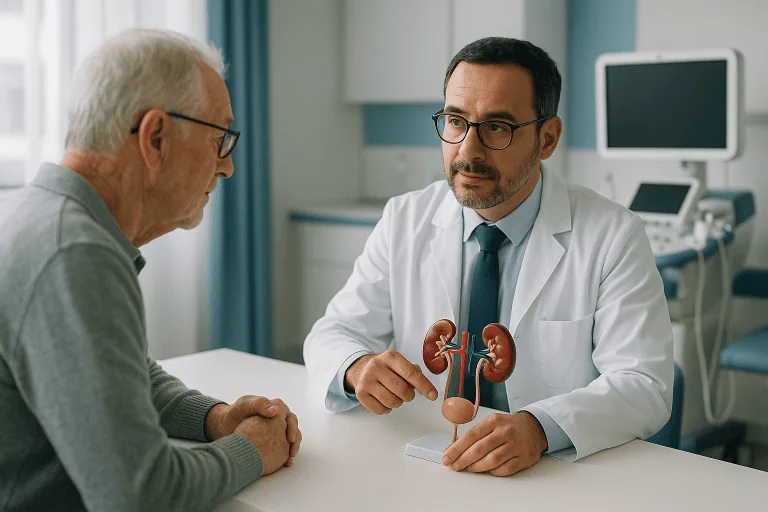
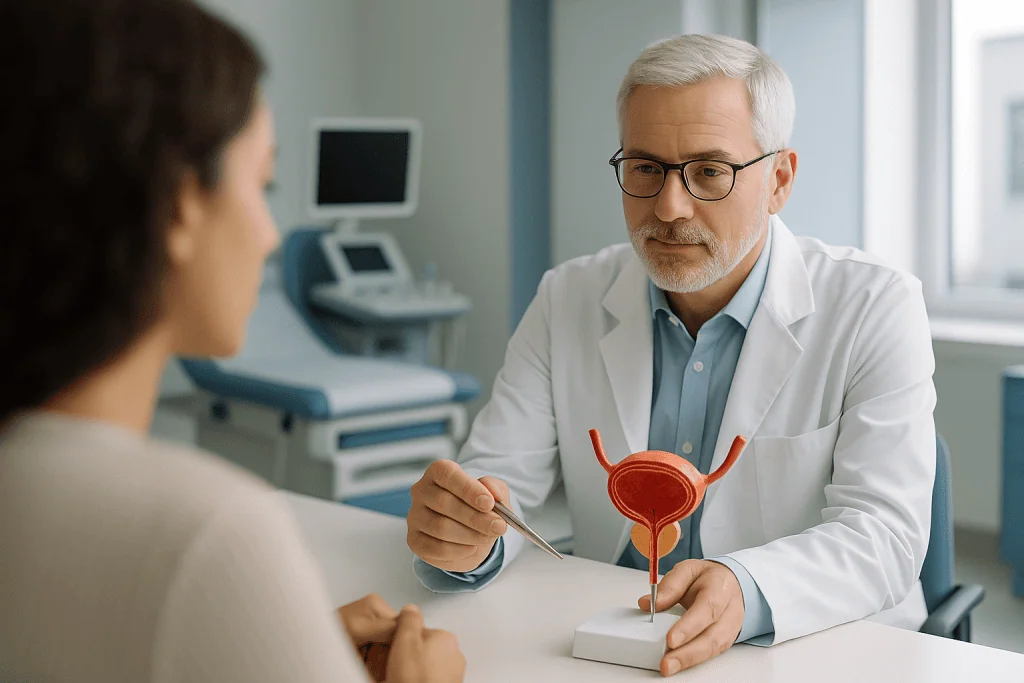
The diagnostic process usually begins with a private consultation and detailed medical history. The urologist may ask about puberty and development, erection quality, medications, diabetes, cardiovascular health, smoking, previous genital surgery, trauma, urinary symptoms, sexual concerns, and the specific outcomes the patient hopes to achieve. This conversation should be confidential, nonjudgmental, and practical.
A physical examination may include standardized measurement of stretched penile length, assessment of pubic fat, skin and tissue quality, penile curvature, testicular anatomy, and signs of scarring or inflammation. When erectile dysfunction or Peyronie’s disease is suspected, additional evaluation may be recommended. This can include blood tests for metabolic or hormonal conditions, penile Doppler ultrasound to assess blood flow and plaque characteristics, photographs of erection-related curvature when clinically appropriate, or assessment of urinary and genital function.
For some patients, the evaluation confirms that penile size is within the normal range. In that situation, a thoughtful discussion about expectations is especially important. A physician may recommend observation, weight management, treatment of erectile dysfunction, counseling for body image concerns, or another nonoperative path rather than surgery. Choosing not to operate can be an important and medically sound recommendation.
Conditions and Situations Penile Enlargement Procedures May Address
Penile enlargement is best understood as part of a broader field of functional and reconstructive urology. The techniques used vary significantly depending on the reason for treatment.
Micropenis and developmental concerns
Micropenis is a clinical diagnosis based on standardized measurement, not on personal comparison alone. Its causes may include hormonal, genetic, or developmental factors. Evaluation may involve endocrinology as well as urology, particularly when the condition is identified early in life. In adults, surgical options may be considered selectively, but the treatment plan must be individualized and based on anatomy, function, and prior therapies.
Buried or concealed penis
A buried penis may be associated with excess pubic fat, skin tethering, chronic inflammation, lymphedema, scarring, or prior circumcision complications. The penis itself may be of typical length but concealed beneath surrounding tissues. Reconstructive treatment can improve exposure, hygiene, urination, sexual function, and visible length. Depending on the cause, surgery may involve removal of excess tissue, fixation of skin or soft tissue, liposuction in selected cases, skin reconstruction, or grafting.
Penile shortening caused by Peyronie’s disease
Peyronie’s disease can produce scar tissue within the penis, leading to curvature, narrowing, pain during erections, and loss of length. For men with stable disease and significant deformity, reconstructive surgery may be considered. The goal is often to restore functional straightness and preserve as much length as possible, rather than provide cosmetic enlargement alone. The best procedure depends on curvature severity, erectile function, plaque characteristics, and penile length.
Penile changes associated with erectile dysfunction
Long-standing erectile dysfunction can contribute to reduced penile tissue elasticity and perceived shortening. When medications, injections, vacuum therapy, or other treatments are insufficient, a penile prosthesis may be an option for appropriate patients. In some cases, reconstructive techniques are combined with prosthesis surgery to address curvature or length concerns. This is a specialized decision that requires careful counseling.
Cosmetic enlargement in selected patients
Some men seek enlargement despite measurements in a typical range. Cosmetic procedures may be considered only after careful screening, detailed discussion of limitations, and confirmation that goals are realistic. The urologist should explain that gains may differ between flaccid and erect states, and that cosmetic satisfaction depends on proportion, contour, stability, and sexual function, not measurement alone.
How Penile Enlargement Is Performed
The treatment pathway is individualized. A man seeking increased visible length may need a different procedure from someone with concealed penis, curvature, erectile dysfunction, or a desire for greater girth. During consultation, the surgical team explains the planned technique, alternatives, anticipated recovery, possible need for staged treatment, and the specific risks relevant to the patient.
Preparation before treatment
Before surgery, patients undergo a medical assessment to confirm they are fit for anesthesia and healing. This may include blood testing, review of chronic conditions, medication adjustment, and screening for factors that increase surgical risk. Diabetes should be well controlled, and smoking or nicotine use should be stopped well in advance because nicotine can impair blood flow and wound healing. Patients taking anticoagulants, antiplatelet medicines, certain supplements, or medications affecting sexual function may need individualized guidance.
Preoperative planning may involve standardized photographs and measurements, particularly for reconstructive surgery. These records help the team plan treatment and provide a clear baseline for later assessment. If fat grafting is being considered, the surgeon evaluates potential donor areas and discusses the possibility that some transferred fat may be reabsorbed over time.
For international patients, the care team can help coordinate pre-travel records, consultation timing, local testing when appropriate, accommodation planning, and the recommended length of stay after surgery. Patients should avoid arranging a return flight too soon after an operation, as postoperative review is important.
The procedure itself
Many penile enlargement and reconstructive procedures are performed under general anesthesia, although the precise anesthetic plan depends on the operation and the patient’s health. Surgery may take from approximately one to several hours. More complex buried penis reconstruction, grafting, or surgery combined with a penile prosthesis can take longer and may require an overnight hospital stay.
For length-focused surgery, one approach may involve releasing part of the suspensory ligament that anchors the penis to the pubic bone. This can allow more of the internal penile shaft to project outward, increasing visible flaccid length in selected patients. Because the ligament also contributes to erection angle and stability, the procedure must be performed conservatively and with an understanding of its limitations. In some cases, tissue rearrangement or a pubic lift is used to improve the visible result.
For men with excess pubic tissue contributing to a concealed appearance, the operation may include removal or repositioning of fat and skin around the pubic region. This can sometimes produce a meaningful increase in visible penile length without altering the penis itself. In reconstructive buried penis surgery, scarred or diseased skin may be removed and replaced using local tissue or skin grafts when necessary.
For girth enhancement, the urologist may discuss autologous fat grafting or selected tissue-based techniques. Fat grafting uses the patient’s own tissue, typically collected by liposuction from another area of the body, processed, and placed beneath penile skin in carefully controlled layers. This approach may improve circumference, but some degree of volume loss, unevenness, or asymmetry can occur as the body heals. Permanent synthetic fillers and nonmedical injectable substances carry substantial risks and are generally not appropriate substitutes for medically supervised surgery.
For men with Peyronie’s disease or severe erectile dysfunction, surgery may focus on restoring function and correcting deformity. Depending on the situation, this may involve plaque incision or excision with grafting, plication techniques, or penile prosthesis placement. These are reconstructive urology procedures and should be planned according to established clinical indications rather than cosmetic goals alone.
Technology used in planning and surgery
Modern urological care may use high-resolution ultrasound and penile Doppler evaluation to assess vascular flow, scar tissue, and anatomy. Digital photography and standardized measurement support consistent preoperative planning and follow-up. In complex reconstructive cases, advanced imaging and detailed tissue assessment can help surgeons understand the extent of disease or scarring before surgery.
During surgery, refined anesthesia monitoring, precision surgical instruments, magnification where needed, electrosurgical methods designed to control bleeding, and meticulous tissue-handling techniques support safety and healing. The exact technologies used are selected according to the procedure rather than applied routinely. Their purpose is practical: to improve visualization, protect delicate structures, minimize tissue trauma, and support accurate reconstruction.
Immediately after surgery
After the procedure, the patient is monitored as anesthesia wears off. There may be swelling, bruising, soreness, tightness, and temporary changes in penile appearance. Dressings, compression garments, drains, or a urinary catheter may be used in selected reconstructive procedures. The care team provides specific instructions on wound care, showering, medications, activity restrictions, and signs that require urgent review.
Patients should expect recovery to be gradual. The early appearance after surgery does not represent the final result. Swelling settles over time, scars mature, grafts or transferred fat stabilize, and tissues adapt. Follow-up visits are essential to monitor healing and address concerns promptly.
Why Acting Early Can Matter and the Risks of Delay
Not every concern about penile size requires urgent treatment. However, early urological assessment can be valuable when there is sudden shortening, curvature, pain with erection, recurrent infection, difficulty urinating, inability to expose the penis, or a marked change after trauma or surgery. These symptoms may indicate a condition that benefits from timely diagnosis and management.
In Peyronie’s disease, delaying evaluation may allow curvature or shortening to progress during the active phase. In buried penis, ongoing moisture, inflammation, skin breakdown, infections, and hygiene difficulties can become increasingly burdensome. For men with erectile dysfunction, waiting without assessment can delay identification of cardiovascular, metabolic, hormonal, neurological, or psychological contributors that may need treatment.
Delay can also lead some patients toward unsafe alternatives. Internet-sold injectables, unregulated fillers, traction devices used incorrectly, and procedures performed by unqualified providers can cause permanent scarring, infection, tissue loss, or erectile problems. A qualified urologist can help patients understand which options are medically supported and which may create greater harm than benefit.
Early consultation does not mean committing to surgery. It means obtaining a clear diagnosis, learning what is normal for the individual, and making decisions with reliable medical information.
Potential Benefits of Treatment
When a procedure is appropriately selected and performed for a clear indication, potential benefits may include the following:
| Benefit | What It Means for You |
|---|---|
| Improved visible penile length | For selected men, particularly those with a buried or concealed penis, treatment may expose more of the existing shaft and improve appearance in the flaccid state. |
| Improved penile girth or contour | Carefully planned soft-tissue procedures may enhance circumference or address contour irregularities, although volume retention and final shape can vary. |
| Better hygiene and comfort | Buried penis reconstruction may make it easier to clean the area, reduce skin irritation, and improve comfort with clothing and daily activities. |
| Support for sexual function | When treatment addresses curvature, erectile dysfunction, or significant concealment, it may improve the ability to have comfortable and functional sexual activity. |
| Correction of deformity | Reconstructive approaches may help men affected by Peyronie’s disease, trauma, scarring, or prior surgery achieve a straighter or more functional penis. |
| Greater confidence when expectations are realistic | Some patients report improved body confidence after treatment, especially when the outcome aligns with goals discussed carefully before surgery. |
Recovery Timeline After Penile Enlargement Surgery
Healing varies according to the procedure, the extent of reconstruction, general health, and adherence to postoperative instructions. The following timeline is a general guide rather than a substitute for the surgeon’s individualized advice.
| Time Period | What Patients Can Expect |
|---|---|
| Day 1 | Monitoring after anesthesia, discomfort controlled with prescribed medication, and swelling or bruising around the penis and pubic region. Some patients may have a dressing, drain, or catheter depending on the operation. |
| First Week | Swelling, tenderness, and bruising are common. Walking is usually encouraged in short intervals, but strenuous activity, heavy lifting, and pressure on the surgical area should be avoided. Wound care instructions are important. |
| Weeks 2 to 4 | Most patients feel more comfortable with daily activities, although swelling may still be visible. Follow-up appointments assess wound healing, scar development, and any concerns such as fluid collection or infection. |
| First Month | Return to desk-based work may be possible for many patients, depending on the procedure and comfort level. More demanding work and exercise may require longer restrictions. Sexual activity remains restricted until cleared by the surgeon. |
| Months 2 to 3 | Healing continues, with gradual improvement in swelling and tissue softness. The surgeon may advise scar care, gentle rehabilitation measures, or other individualized steps. Final appearance is still developing. |
| Longer Term | Scars mature and results become easier to assess over several months. Patients continue follow-up as needed, especially after grafting, fat transfer, complex reconstruction, or prosthesis surgery. |
What Influences Outcomes and a Good Result?
A good outcome is not defined by a single measurement. It includes safe healing, preserved or improved function, a proportionate appearance, and an outcome that is consistent with the patient’s informed expectations. Several factors influence results.
Accurate diagnosis is fundamental. A buried penis, Peyronie’s disease, erectile dysfunction, skin disorder, or excess pubic fat requires a different approach from a patient whose concern is primarily cosmetic. Treating the underlying cause can be more meaningful than pursuing enlargement alone.
Realistic expectations are equally important. The amount of length or girth change possible is limited by anatomy and the procedure used. Some methods improve flaccid appearance more than erect length. Fat transfer may change over time. Ligament release can alter erection angle. Open discussion before surgery helps patients understand these trade-offs.
Surgeon experience and procedure selection matter because penile anatomy is complex and highly sensitive. Careful surgical planning helps protect blood supply, nerves, urethral structures, skin coverage, and erectile tissue. For complex cases, input from reconstructive urologists, and when indicated plastic and reconstructive surgeons, can help match the approach to the condition.
General health and healing capacity also affect recovery. Smoking, uncontrolled diabetes, obesity, vascular disease, immune suppression, and poor nutrition can increase the risk of infection, wound problems, or delayed healing. Improving modifiable health factors before treatment may reduce risk and support a better recovery.
Postoperative adherence is essential. Patients need to follow instructions about wound care, hygiene, activity, sexual abstinence, compression garments, medications, and follow-up. Returning to sexual activity or vigorous exercise too early can compromise healing. Patients should contact their surgical team promptly for fever, worsening redness, persistent bleeding, unusual drainage, severe pain, difficulty urinating, or sudden changes in color or sensation.
Emotional wellbeing also deserves attention. Men who experience intense distress about a penis that measures within a typical range may benefit from psychological support in addition to medical consultation. This is not a dismissal of the concern; it is part of ensuring that treatment addresses the factors most likely to improve quality of life.
Why International Patients Choose Acibadem for Urological Assessment and Treatment
International patients considering a sensitive urological procedure often need more than a surgical opinion. They need time for questions, clear explanation of risks and alternatives, and a care pathway that remains organized from the first medical review through recovery planning. Acibadem approaches penile enlargement and reconstructive penile surgery through individualized urological assessment rather than a one-size-fits-all cosmetic model.
Patients may be evaluated by experienced urologists with expertise in male sexual health, reconstructive urology, and conditions affecting penile anatomy and function. When the clinical situation is more complex, care can involve multidisciplinary specialist input. This may include endocrinology for developmental or hormonal concerns, radiology for diagnostic imaging, plastic and reconstructive surgery for soft-tissue needs, anesthesiology for perioperative planning, and psychological support when body image or sexual wellbeing requires further attention.
Clinical decisions are guided by contemporary, evidence-based treatment protocols and the patient’s individual anatomy, health status, and priorities. For selected complex cases, specialist boards can support discussion of diagnosis and treatment strategy. This collaborative approach is particularly valuable when penile concerns are linked to Peyronie’s disease, significant erectile dysfunction, obesity-related buried penis, previous surgery, trauma, or other reconstructive challenges.
Acibadem’s JCI-accredited hospitals follow structured standards for patient safety, infection prevention, anesthesia care, surgical quality, and continuity of treatment. Modern diagnostic pathways, including detailed urological examination and appropriate ultrasound-based assessment, help clinicians define the underlying problem before recommending an intervention. Technology is used to support precision and informed decision-making, not to replace careful clinical judgment.
For patients traveling from the United States and other countries, Acibadem International provides support in more than 20 languages. International patient services can help coordinate medical documentation, appointment scheduling, interpreter support, treatment planning, hospital admission, and follow-up arrangements. Before traveling, patients should share relevant records, imaging, laboratory results, medication lists, and prior operative reports whenever possible. This allows the urology team to assess whether an in-person evaluation and treatment in Turkey are appropriate.
Travel planning should account for the need to remain locally available after surgery. The care team can advise on expected follow-up timing, fitness to travel, activity restrictions during the return journey, and the information patients should share with their physician at home. A well-planned recovery period is an important part of safe international care.
Taking the Next Step With Clarity
Penile enlargement is a personal decision, and it should be approached with the same care as any other surgical treatment. The right starting point is a private consultation with a qualified urologist who can assess anatomy, function, medical history, and expectations without judgment. For some men, surgery may be appropriate. For others, treatment of an underlying condition, weight management, erectile dysfunction care, counseling, or reassurance may offer the better path.
If you are considering penile enlargement, Acibadem can help you request a consultation or obtain a second opinion. A detailed review of your concerns and medical records can clarify the available options, likely recovery, and risks specific to your situation, allowing you to make an informed decision at your own pace.
This information is intended for general educational purposes and is not a substitute for professional medical advice, diagnosis, or treatment. A qualified healthcare professional should evaluate your individual condition and discuss the most appropriate options for you.
Preparation
- A urologist assesses general health, anatomy, expectations, and any factors affecting sexual function before recommending an approach. Blood tests and other evaluations may be requested. Patients should disclose all medications, stop smoking if advised, and follow instructions about fasting and medicines.
Aftercare
- Mild swelling, bruising, and discomfort can occur and are managed with prescribed medication and wound-care instructions. Patients should avoid strenuous activity, sexual activity, and smoking for the period advised by their surgeon. Follow-up appointments monitor healing and address any concerns.
Frequently Asked Questions
What penile enlargement options are available at Acibadem?
Penile enlargement may involve surgical or non-surgical approaches, depending on the concern. Options can include penile traction therapy, injectable treatments for temporary girth enhancement, fat transfer in selected cases, or surgery to address length, girth, buried penis, or penile curvature. Not every method is appropriate for every patient. Acibadem urology specialists provide a personalized assessment to discuss realistic options, expected changes, limitations, and safety considerations.
Can penile enlargement surgery increase both length and girth?
Some procedures focus mainly on visible length, while others are intended to increase girth. For example, surgery involving the suspensory ligament may improve visible flaccid length in selected patients, whereas grafting, fat transfer, or other techniques may be considered for circumference. Changes during erection may differ from changes when flaccid. A urologist will explain which outcomes are medically realistic based on your anatomy, erectile function, skin quality, and goals.
Who is a suitable candidate for penile enlargement treatment?
Suitable candidates are adults in good general health who have realistic expectations and understand the possible benefits and risks. A consultation is important to determine whether the concern relates to normal anatomical variation, excess pubic fat, a buried penis, Peyronie’s disease, erectile dysfunction, or a true size-related medical condition. Acibadem specialists may recommend a different treatment when enlargement is not the safest or most beneficial option for your needs.
Is penile enlargement surgery safe?
Like any surgical procedure, penile enlargement surgery involves risks and should only be considered after assessment by an experienced urologist. Potential complications may include infection, bleeding, scarring, irregular contour, dissatisfaction with appearance, altered sensation, erectile difficulties, or changes in the angle of erection. Safety depends on the technique, your health, and appropriate follow-up care. A detailed preoperative evaluation helps identify risks and determine whether treatment is appropriate.
Will penile enlargement affect erections, sensation, or fertility?
The effect depends on the treatment used and your existing sexual health. Some procedures can carry a risk of altered sensation, scar formation, changes in erection angle, or erectile function problems. Fertility is generally not directly affected by procedures involving external penile tissues, but individual circumstances vary. Before treatment, the urologist will review your erection quality, medical history, medications, and reproductive plans to help you make an informed decision.
How long is recovery after penile enlargement surgery?
Recovery varies according to the procedure performed. Patients may experience swelling, bruising, discomfort, and temporary activity restrictions during the first weeks. Sexual activity, masturbation, strenuous exercise, and swimming are usually postponed until the surgical area has healed and the urologist confirms it is safe. Some treatments require traction therapy or scheduled follow-up visits. International patients receive individualized travel and recovery guidance based on their procedure and healing progress.
Are non-surgical penile enlargement treatments effective?
Non-surgical methods have different purposes and evidence levels. Penile traction devices may provide modest changes in selected patients when used consistently under medical guidance. Injectable treatments may offer temporary girth enhancement but can require repeat treatment and may have risks such as lumps, asymmetry, or inflammation. Pills, creams, and many online devices are not proven to produce permanent enlargement. A urologist can explain evidence-based options and help avoid unsafe products.
Can a buried penis be treated without penile enlargement surgery?
In some cases, a penis that appears shorter may be partly hidden by excess pubic fat, loose skin, scarring, or tissue changes rather than being anatomically small. Treatment may include weight management, management of skin conditions, pubic fat reduction, or reconstructive surgery to expose more of the penile shaft. Acibadem urology specialists assess the underlying cause carefully, because treating buried penis may improve appearance, hygiene, urination, and sexual confidence without conventional enlargement procedures.
What should I expect during a penile enlargement consultation in Turkey?
Your consultation typically includes a confidential discussion of your concerns, medical history, medications, previous procedures, sexual function, and treatment expectations. The urologist may perform a physical examination and request tests when needed for surgical planning or anesthesia safety. You will receive information about suitable techniques, expected recovery, possible complications, and follow-up requirements. Acibadem specialists provide a personalized assessment and can support international patients with appointment planning and care coordination.
How do I choose the right penile enlargement procedure for me?
The right approach depends on whether your goal is improved visible length, girth, correction of a buried penis, treatment of curvature, or greater confidence about normal anatomy. It is important to prioritize medical safety and realistic outcomes rather than promotional claims. An experienced urologist should discuss alternatives, including no treatment, and explain the likely limitations of each option. Your final decision should be based on informed consent, health factors, and personal goals.
What affects the cost of penile enlargement treatment?
The main factors include the technique recommended, surgeon and hospital fees, anaesthesia, preoperative tests, medicines, follow-up care, and any travel or accommodation needs. More complex cases or revision procedures may require additional planning. A free consultation can help provide a personalised quote.
How can I get a personalised treatment quote?
You can request a free consultation and share your medical history, treatment goals and any previous procedure information. A specialist team can then advise whether an assessment is appropriate and explain the expected treatment plan and included services.
Does a treatment package include travel and accommodation?
Package contents vary. Clinical packages may include elements such as hospital care, planned tests and postoperative guidance, while flights, accommodation, transfers and personal expenses may be separate. Ask for written confirmation of all inclusions and exclusions.
Will penile enlargement improve erectile function?
Not necessarily. Cosmetic lengthening or girth procedures are not treatments for erectile dysfunction. If erections, curvature, pain or other functional symptoms are a concern, a urologist should assess the underlying cause before considering any procedure.
How do specialists decide whether I am suitable?
Suitability is based on a urological assessment, anatomy, general health, treatment expectations, skin and tissue quality, and any history of surgery or erectile difficulties. A specialist will also explain possible complications, recovery requirements and realistic outcomes.
Medically reviewed by the Acıbadem International Medical Board August 3, 2026
See our medical review board →
Update history
- PublishedAugust 3, 2026
- Medical review approvedAugust 3, 2026
- Last content updateSeptember 14, 2026