Hip Labral Tear
Hip Labral Tear is damage to the cartilage rim of the hip socket. Learn symptoms, causes, diagnosis, treatment options and recovery.
Quick answer
A hip labral tear is damage to the ring of cartilage that lines the hip socket, often causing groin pain, clicking, stiffness, or a feeling that the joint is catching. Treatment depends on the severity and may include rest, physiotherapy, medication, or minimally invasive hip arthroscopy to repair or remove the torn tissue after imaging and orthopedic assessment at Acibadem…
A hip labral tear is an injury to the labrum, the ring of cartilage that lines the rim of the hip socket and helps stabilize the hip joint. It can cause groin or hip pain, clicking, stiffness, and reduced activity tolerance, and it is usually diagnosed with a specialist examination and imaging.
Overview
A hip labral tear is damage to the labrum, a strong ring of cartilage around the edge of the acetabulum, which is the socket part of the hip joint. The labrum helps deepen the socket, support joint stability, distribute pressure, and maintain a smooth seal between the ball of the thigh bone and the socket. When this cartilage is torn, the hip may become painful, stiff, or mechanically irritated during movement.
The condition is also called an acetabular labral tear. It can affect athletes, active adults, people with certain hip shapes, and people with hip degeneration. Some tears happen after a clear injury, while others develop gradually from repeated stress or structural problems in the joint.
Not every labral tear causes symptoms. Some people have a tear found on imaging for another reason. However, when symptoms are present, they can interfere with walking, sitting, climbing stairs, running, dancing, or sports that involve pivoting. A careful evaluation is important because hip pain can also come from muscles, tendons, the lower back, the pelvis, or early arthritis.
Symptoms
Hip labral tear symptoms often develop in the groin or front of the hip, although pain may also be felt on the side of the hip, deep in the buttock, or around the thigh. The pain may be sharp during certain movements and dull or aching after activity. Many people notice that symptoms worsen with twisting, pivoting, squatting, running, getting in and out of a car, or sitting for a long time.
Mechanical symptoms are common because the torn cartilage can irritate joint movement. A person may feel clicking, catching, locking, popping, or a sense that the hip is not moving smoothly. Stiffness and reduced range of motion may make it harder to rotate the hip or bring the knee toward the chest.
Common symptoms can include:
- Deep groin pain or front-of-hip pain
- Clicking, catching, or locking sensations
- Pain with sitting, squatting, pivoting, or sports
- Hip stiffness or reduced flexibility
- A feeling of instability or weakness around the hip
- Activity-related aching that improves with rest but returns with movement
Symptoms can vary from mild and occasional to persistent and limiting. Because similar symptoms may occur with hip impingement, tendon problems, bursitis, muscle strains, or arthritis, a medical assessment helps identify the source of pain and the most suitable treatment.
Causes & Risk Factors
A hip labral tear may occur when the labrum is pinched, overloaded, or injured. One of the most common associated conditions is femoroacetabular impingement, often shortened to FAI. In FAI, the shape of the femoral head, the hip socket, or both can cause abnormal contact during movement, gradually damaging the labrum and surrounding cartilage.
Hip dysplasia is another important risk factor. In dysplasia, the hip socket is shallower than usual, which can place extra strain on the labrum as it helps stabilize the joint. Repetitive movements in sports such as football, hockey, ballet, gymnastics, martial arts, rowing, golf, and long-distance running may also contribute, especially when the hip is repeatedly flexed, rotated, or loaded.
Other possible causes and risk factors include:
- A fall, accident, or sudden twisting injury
- Repetitive sports or occupational movements
- Joint hypermobility or ligament laxity
- Previous hip injury
- Early osteoarthritis or cartilage wear
- Structural hip differences such as FAI or dysplasia
Age, activity level, anatomy, training load, and overall joint health all influence risk. Identifying the underlying reason for the tear is important because treatment is not only aimed at pain relief; it also considers hip mechanics, strength, flexibility, and long-term joint protection.
Diagnosis
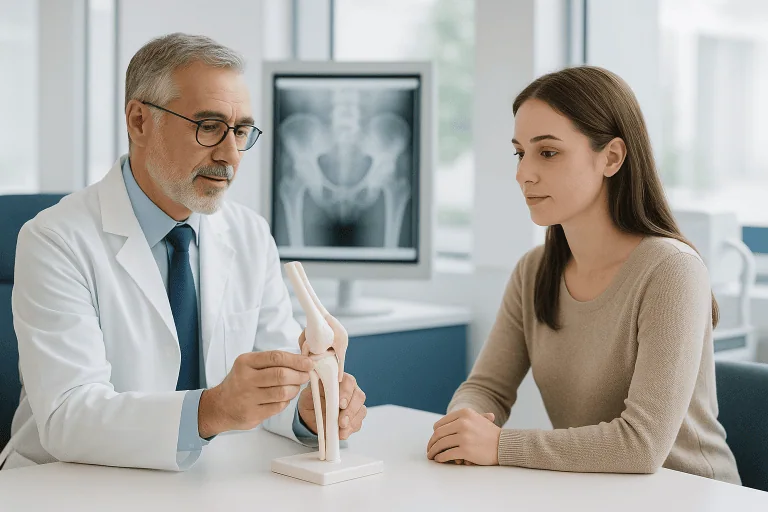
Diagnosis begins with a detailed medical history and physical examination by a qualified doctor, usually an orthopedic or sports medicine specialist. The doctor asks about the location of pain, how symptoms started, which activities make them worse, and whether clicking or catching occurs. The examination may assess walking pattern, hip range of motion, muscle strength, and specific movements that reproduce pain.
X-rays are commonly used to evaluate the shape of the hip joint and to look for signs of femoroacetabular impingement, dysplasia, arthritis, or previous injury. Although X-rays do not show the labrum directly, they help identify structural causes that may contribute to the tear or influence treatment decisions.
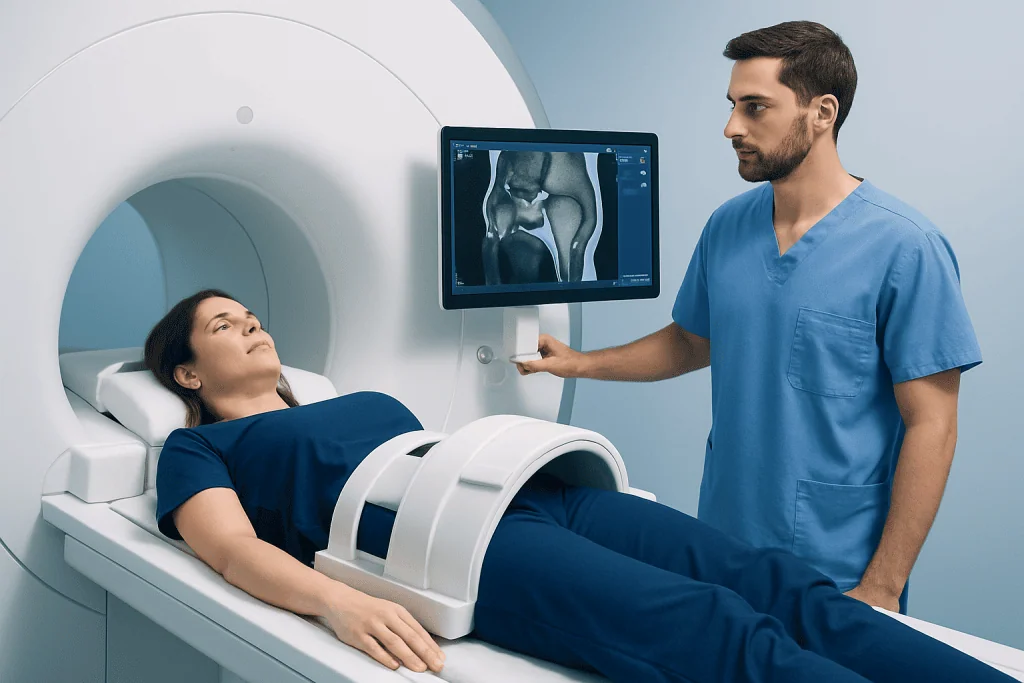
MRI can show the labrum, cartilage, bone, and surrounding soft tissues. In some cases, MR arthrography may be recommended; this is a specialized MRI performed after contrast is placed into the joint to help outline the labrum more clearly. Ultrasound may be useful for evaluating tendons, bursae, or guiding injections, but it is not usually the main test for confirming a labral tear.
Diagnosis is based on the complete picture rather than imaging alone. Many people can have imaging findings that do not fully explain symptoms, so the specialist compares scan results with the physical examination and the patient’s goals. This approach helps avoid both under-treatment and unnecessary procedures.
Treatment Options
Hip labral tear treatment depends on the severity of symptoms, the person’s age and activity level, the cause of the tear, the condition of the joint cartilage, and whether there are structural problems such as FAI or dysplasia. The right approach is decided by a specialist after assessment. Many patients begin with non-surgical care, especially when symptoms are mild to moderate and there is no advanced joint damage.
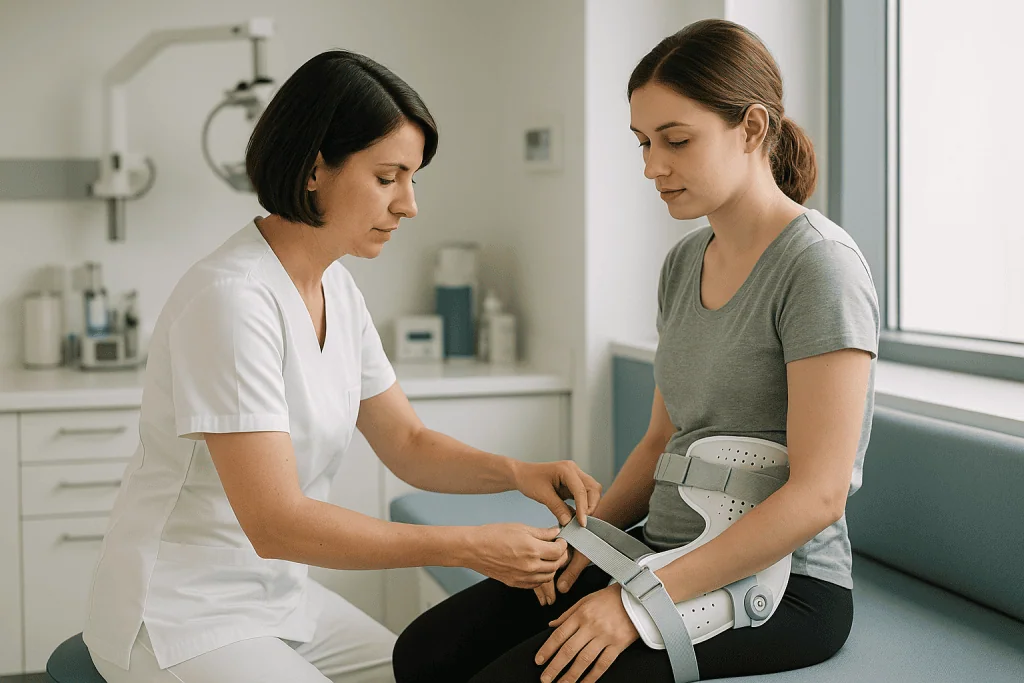
Non-surgical treatment may include activity modification, guided physiotherapy, and general pain management. Physiotherapy usually focuses on improving hip and core strength, movement control, flexibility, and load tolerance. Patients may be advised to temporarily reduce movements that trigger symptoms, such as deep squats, repeated pivoting, or high-impact exercise, while maintaining safe activity as recommended.
Medication may be used for symptom relief when appropriate, but it should be discussed with a doctor, especially for people with stomach, kidney, heart, bleeding, or other medical concerns. Image-guided injections may sometimes be used to reduce inflammation or to help confirm that pain is coming from inside the hip joint. These measures do not remove the tear, but they may reduce symptoms and support rehabilitation.
If symptoms continue despite appropriate non-surgical care, or if the tear is linked to correctable mechanical problems, surgery may be considered. Hip arthroscopy is a minimally invasive procedure in which a surgeon uses small instruments and a camera to assess and treat the joint. Depending on the case, surgery may involve labral repair, labral reconstruction, trimming damaged tissue, or addressing bony impingement. If significant arthritis is present, other surgical options may be discussed. The most appropriate treatment plan should always be individualized by an orthopedic specialist.
Living With / Prognosis
Many people with a hip labral tear can improve with a structured treatment plan, especially when the diagnosis is made before significant joint degeneration develops. Recovery depends on the cause of the tear, the condition of the cartilage, the patient’s strength and movement patterns, and how consistently rehabilitation is followed. Some people return to full activity with non-surgical care, while others need surgery and a gradual rehabilitation program.
Daily life can often be made easier by avoiding repeated positions that pinch the front of the hip, taking breaks from prolonged sitting, using good movement technique when lifting, and building strength around the hip, pelvis, and trunk. Low-impact activities may be better tolerated during recovery, but exercise choices should be individualized. Patients should avoid forcing painful stretches or continuing through sharp hip pain without medical guidance.
After hip arthroscopy, recovery usually occurs in phases and may include protected weight-bearing, mobility work, progressive strengthening, and sport-specific training when appropriate. Return to running or pivoting sports is typically guided by symptoms, physical testing, healing, and the surgeon’s protocol rather than by a fixed date alone.
With appropriate care, the goal is to reduce pain, improve hip function, and support long-term joint health. Acibadem International’s multidisciplinary orthopedic teams and JCI-accredited hospitals diagnose and treat hip labral tears for international patients, using individualized assessment and coordinated rehabilitation planning.
When to See a Doctor
A person should see a doctor if hip or groin pain persists for more than a short period, keeps returning with activity, or is associated with clicking, catching, locking, or stiffness. Early assessment is especially helpful for athletes, dancers, active workers, and anyone whose symptoms limit walking, sitting, stairs, or exercise.
Medical care is also recommended after a fall, sports injury, or sudden twisting event that causes significant hip pain or difficulty bearing weight. Urgent evaluation is needed if pain is severe, the person cannot stand or walk, there is obvious deformity, fever, major swelling, numbness, or symptoms after a high-energy accident.
People who have already been diagnosed with a hip labral tear should seek follow-up if symptoms worsen, do not improve with rehabilitation, or interfere with sleep and daily function. A specialist can reassess the diagnosis, review imaging, and discuss whether continued conservative care, injections, or surgical evaluation may be appropriate.
Frequently asked questions
What is a hip labral tear?
A hip labral tear is damage to the ring of cartilage around the rim of the hip socket. This cartilage helps stabilize the hip and supports smooth joint movement. When it is torn, it may cause groin pain, clicking, catching, stiffness, or pain during activity.
Can a hip labral tear heal on its own?
The torn labrum itself has limited ability to heal because its blood supply is limited. However, symptoms can often improve with activity modification, physiotherapy, and appropriate pain management. A specialist can advise whether non-surgical care is reasonable or whether further treatment should be considered.
How is a hip labral tear diagnosed?
Diagnosis usually combines a medical history, physical examination, and imaging. X-rays help assess hip shape and arthritis, while MRI or MR arthrography can show the labrum and cartilage. The scan results are interpreted together with symptoms and examination findings.
Is surgery always needed for a hip labral tear?
No, surgery is not always needed. Many patients start with non-surgical treatment such as physiotherapy, activity changes, and symptom control. Surgery may be considered if pain persists, mechanical symptoms are significant, or structural problems in the hip need correction.
What activities make a hip labral tear worse?
Symptoms may worsen with deep squatting, twisting, pivoting, running, climbing stairs, or sitting for long periods. Sports that involve rotation or high hip flexion can also aggravate pain. The safest activity plan should be personalized by a doctor or physiotherapist.
What is recovery like after hip arthroscopy for a labral tear?
Recovery is gradual and usually includes a structured rehabilitation program. Early phases may focus on protecting the joint and restoring gentle movement, followed by strength, balance, and sport-specific training when appropriate. Return to full activity depends on healing, symptoms, physical progress, and the surgeon’s guidance.
What happens if a hip labral tear is left untreated?
Some tears cause few symptoms and may simply be monitored, but persistent pain should not be ignored. If the tear is related to hip impingement, dysplasia, or cartilage damage, ongoing mechanical irritation may continue to affect function. A medical assessment helps determine the risk and the most appropriate management.
This article is for general information only and is not a substitute for professional medical advice. Please consult a qualified doctor about your individual situation.
Medically reviewed by the Acıbadem International Medical Board June 20, 2026
See our medical review board →
Update history
- PublishedJune 8, 2026
- Medical review approvedJune 20, 2026
- Last content updateJune 8, 2026