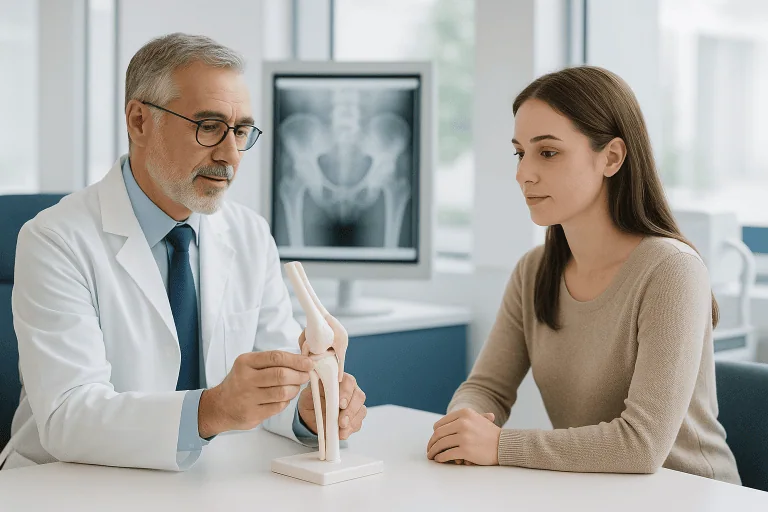
Osteoporosis
Osteoporosis is a bone-thinning condition that raises fracture risk. Learn symptoms, causes, diagnosis, treatment and prevention.
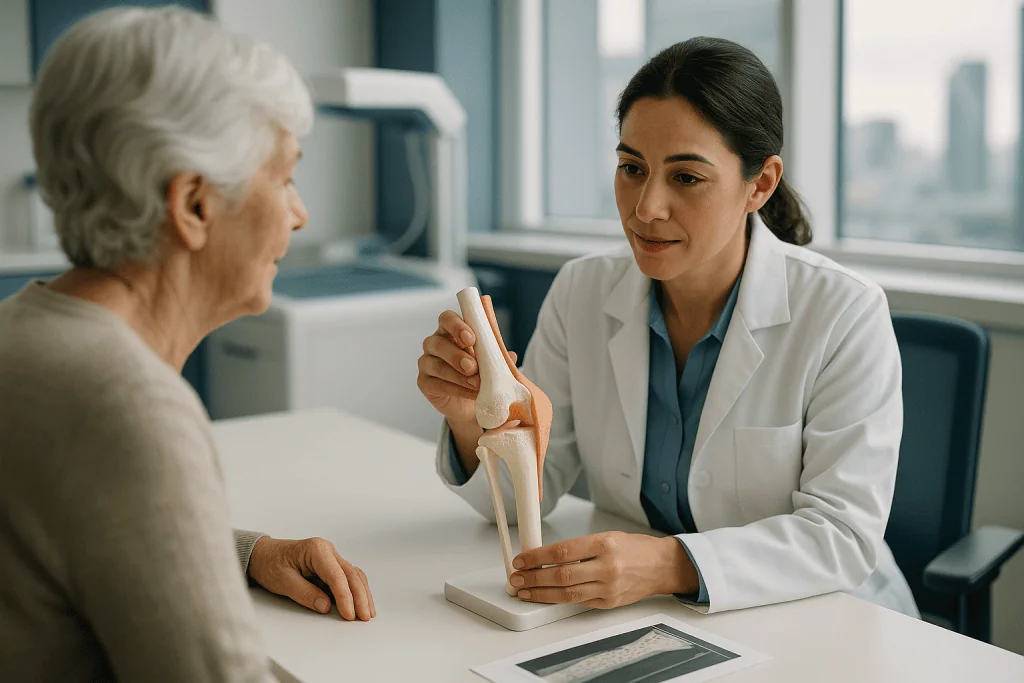
Quick answer
Osteoporosis is a condition in which bones become weak and more likely to break because bone density and quality decline over time. At Acibadem, evaluation typically includes medical history, risk assessment, bone density testing, and laboratory tests, while treatment may involve lifestyle measures, calcium and vitamin D support, medications to strengthen bone, and fracture prevention follow-up.
What is osteoporosis?
Osteoporosis is a condition in which bones gradually lose density and strength, making them more likely to break. The word itself means “porous bone.” Inside healthy bone there is a honeycomb-like structure; in osteoporosis, the spaces in that honeycomb become larger and the outer shell of the bone becomes thinner. As a result, bones that would normally withstand everyday stresses can fracture after a minor fall, a bump, or in some cases even ordinary movements such as bending or coughing.
To understand what is osteoporosis in simple terms, it helps to know that bone is living tissue. Throughout life, the body constantly removes old bone and builds new bone in its place. In younger adults these two processes are roughly balanced. From around midlife onward, bone removal often begins to outpace bone formation. When bone loss becomes significant enough, the condition is called osteoporosis. A milder degree of bone loss, called osteopenia, is often considered an earlier stage on the same spectrum.
Osteoporosis can affect anyone, but it is much more common in older adults and in women after menopause. This is because estrogen, a hormone that helps protect bone, falls sharply after menopause. Men develop osteoporosis too, usually at a later age, and the condition in men is sometimes recognized late because it is often thought of as a “women’s disease.” Osteoporosis is very common worldwide, and fractures related to it, especially of the hip, spine, and wrist, are a major cause of pain, disability, and loss of independence in older people.
Symptoms of osteoporosis
One of the most important things to understand about osteoporosis symptoms is that, in the early stages, there are usually none at all. Osteoporosis is often called a “silent disease” because bone loss happens gradually and painlessly. Many people first learn they have it only after they break a bone or after a screening bone density test.
When signs do appear, they are usually related to fractures or to changes in the spine. Common signs and symptoms include:
- A fracture from a minor injurya broken bone after a fall from standing height or less, often in the wrist, hip, or spine. Doctors call this a fragility fracture, and it is frequently the first sign of osteoporosis.
- Back painoften caused by a vertebral compression fracture, which is a collapse of one of the small bones (vertebrae) in the spine. This pain may start suddenly or develop gradually, and some spinal fractures cause little or no pain and are found later on imaging.
- Loss of height over timelosing more than an inch or two (a few centimeters) compared with your height as a young adult can be a sign of spinal compression fractures.
- A stooped or hunched posturea forward curve of the upper back, sometimes called kyphosis, caused by multiple compressed vertebrae.
- Reduced mobility or difficulty standing straightparticularly after spinal fractures.
Symptoms can differ depending on the stage and the bones involved. In early or mild osteoporosis, most people feel entirely normal. In more advanced disease, repeated spinal fractures can lead to chronic back pain, noticeable height loss, and posture changes. Hip fractures typically cause sudden severe pain and an inability to bear weight, and they almost always require urgent medical care. Because the condition is silent for so long, screening tests, rather than waiting for symptoms, are the main way doctors identify people at risk before a serious fracture happens.
Causes and risk factors
Osteoporosis causes come down to an imbalance between bone breakdown and bone formation. Several factors influence how much bone a person builds in youth (called peak bone mass) and how quickly bone is lost later in life. Some risk factors cannot be changed, while others can be modified.
Risk factors you cannot change:
- Agebone loss accelerates with age in everyone.
- Sexwomen are at higher risk, largely because of the drop in estrogen after menopause. Early menopause (before about age 45) increases risk further.
- Family historyhaving a parent who had osteoporosis or a hip fracture raises your risk.
- Body framepeople with small, thin body frames tend to have less bone mass to draw on as they age.
- Ethnic backgroundrisk varies among populations, though osteoporosis occurs in all groups.
Medical and hormonal causes:
- Low sex hormone levelsreduced estrogen in women and reduced testosterone in men.
- Other hormone problemsincluding an overactive thyroid or parathyroid gland.
- Digestive conditionssuch as celiac disease or inflammatory bowel disease, which can reduce absorption of calcium and other nutrients. Previous weight-loss (bariatric) surgery can have a similar effect.
- Chronic diseasesincluding rheumatoid arthritis, chronic kidney disease, and some cancers.
- Medicationslong-term use of corticosteroids (steroid medicines such as prednisone) is a well-known cause of bone loss. Some seizure medicines, certain cancer treatments, and other drugs can also contribute. Never stop a prescribed medicine on your own; discuss concerns with your doctor.
Lifestyle-related risk factors:
- Low calcium and vitamin D intakeboth are essential for building and maintaining bone. Vitamin D helps the body absorb calcium.
- Physical inactivitybones stay stronger when they are regularly loaded through weight-bearing activity such as walking.
- Smokingtobacco use is linked to weaker bones.
- Heavy alcohol useregular excessive drinking interferes with bone formation and increases fall risk.
- Very low body weight or eating disordersrestrict the nutrients and hormones bone needs.
In many cases, several factors act together. When osteoporosis develops as a result of another disease or a medication, doctors call it secondary osteoporosis, and treating the underlying cause is part of the plan.
Diagnosis
Osteoporosis diagnosis usually begins with a review of your medical history, medications, family history, and any previous fractures, followed by a physical exam that may include measuring your height. Because the condition is often silent, testing is frequently prompted by risk factors, a screening recommendation based on age, or a fracture that occurred with surprisingly little force.
The key test is a bone density scan, formally called dual-energy X-ray absorptiometry, or DXA (sometimes written DEXA). This is a quick, painless, low-radiation scan, usually of the hip and spine, that measures how much mineral is packed into your bones. The result is commonly reported as a T-score, which compares your bone density with that of a healthy young adult:
- A T-score of -1.0 or higher is generally considered normal.
- A T-score between -1.0 and -2.5 indicates osteopenia (low bone mass).
- A T-score of -2.5 or lower meets the standard definition of osteoporosis.
Doctors may also diagnose osteoporosis clinically, regardless of the T-score, when a person has had a fragility fracture of the hip or spine, because such a fracture itself demonstrates that the bone is abnormally weak.
Other tests that may be used include:
- X-raysto identify fractures, including compression fractures of the spine. Plain X-rays are not reliable for detecting early bone loss.
- Vertebral fracture assessmentspine imaging, sometimes done at the same time as a DXA scan, to look for silent spinal fractures.
- Blood and urine teststo check calcium, vitamin D, kidney function, thyroid function, and other markers, mainly to look for secondary causes of bone loss.
- Fracture risk calculatorstools such as FRAX combine your bone density result with risk factors to estimate your chance of a major fracture over the next ten years, which helps guide treatment decisions.
Treatment options
The goal of osteoporosis treatment is straightforward: to reduce the risk of fractures. Treatment is individualized based on your bone density, fracture history, overall fracture risk, other health conditions, and preferences. It usually combines lifestyle measures with, in many cases, medication.
Lifestyle measures and monitoring
For people with mild bone loss and low overall fracture risk, doctors may recommend a period of monitoring rather than medication. This is not doing nothing: it typically includes:
- Adequate calcium and vitamin Dthrough diet first, with supplements if your doctor advises them.
- Weight-bearing and resistance exercisesuch as walking, stair climbing, and supervised strength training, which help maintain bone and improve balance.
- Fall preventionremoving tripping hazards at home, improving lighting, reviewing medicines that cause dizziness, checking vision, and using assistive devices if needed.
- Stopping smoking and limiting alcohol.
- Repeat bone density scansat intervals your doctor recommends, to track changes over time.
Medications
Several classes of medication are well established for osteoporosis. Your doctor may recommend one based on your fracture risk, kidney function, other conditions, and how you tolerate treatment:
- Bisphosphonatesthe most commonly prescribed first-line medicines. They slow the cells that break down bone. They are available as weekly or monthly tablets or as intravenous infusions given less frequently.
- Denosumaban injection given under the skin, typically every six months, that also slows bone breakdown. It is important not to miss or delay doses without medical guidance, because stopping it abruptly can lead to rapid bone loss.
- Bone-building (anabolic) medicinesdaily or periodic injections that stimulate new bone formation. These are generally reserved for people with severe osteoporosis or very high fracture risk, and are usually followed by another medicine to preserve the gains.
- Hormone-related therapiesincluding menopausal hormone therapy and selective estrogen receptor modulators in appropriately selected women, weighed carefully against risks; and testosterone treatment in some men with documented deficiency.
All medicines have possible side effects, and rare complications have been described with long-term use of some bone drugs. Your doctor can explain the balance of benefits and risks for your situation; for most people at meaningful fracture risk, the protection against fractures is considered to outweigh the risks.
Procedures and surgery
Osteoporosis itself is not treated with surgery, but fractures caused by it often are. Hip fractures almost always require surgical repair or joint replacement, followed by rehabilitation. Painful spinal compression fractures are usually managed first with pain control, bracing, and time; in selected cases that do not improve, doctors may discuss minimally invasive procedures such as vertebroplasty or kyphoplasty, in which medical cement is injected to stabilize the collapsed vertebra. The evidence for these procedures is mixed, and they are not suitable for everyone.
Care for osteoporosis-related fractures and bone health is often coordinated across specialties. At Acibadem, for example, fracture care and surgical treatment fall under the Orthopedics & Joint Center, working alongside endocrinology and physical medicine teams that manage the underlying bone loss.
Living with osteoporosis and outlook
Osteoporosis is a long-term condition, and current treatments cannot fully restore bone to its youthful state. However, the outlook has improved considerably. With appropriate treatment, many people significantly reduce their risk of fractures and continue to live active, independent lives. Bone density often stabilizes or improves modestly on medication, and, more importantly, fracture rates fall in many treated patients.
Day to day, living well with osteoporosis usually means staying as active as your doctor advises, protecting yourself from falls, eating a bone-friendly diet, attending follow-up appointments, and taking medicines consistently. Physical therapy can help with posture, balance, and safe movement techniques, particularly after a fracture. Activities that involve heavy lifting, high-impact movements, or deep forward bending of the spine may need to be modified in people with spinal fragility; a physical therapist can advise on safe alternatives.
It is honest to acknowledge that fractures, especially hip fractures in older adults, can be serious events with long recovery periods, and outcomes vary from person to person. That is precisely why identifying and treating osteoporosis before a major fracture occurs matters so much. No treatment eliminates fracture risk entirely, but in many cases risk can be substantially lowered, and recovery from fractures is often successful with prompt care and rehabilitation.
Frequently asked questions
What is osteoporosis in simple terms?
Osteoporosis is a condition in which bones become thinner, weaker, and more porous than normal, so they break more easily. It develops gradually as the body removes old bone faster than it builds new bone. Most people have no symptoms until a bone breaks, which is why doctors often recommend screening bone density tests for those at risk.
Can osteoporosis be cured or reversed?
There is currently no cure that fully restores bone to its original strength. However, osteoporosis can usually be managed effectively. Medications can slow bone loss or stimulate new bone formation, and bone density often stabilizes or improves with treatment. The most meaningful goal, reducing fractures, is achievable in many cases with a combination of medication, exercise, nutrition, and fall prevention.
How serious is osteoporosis?
The seriousness depends largely on whether fractures occur. Bone loss itself does not cause pain, but the fractures it leads to can be significant, especially hip and spinal fractures in older adults, which may affect mobility and independence. Because risk can often be lowered substantially with treatment, osteoporosis is generally considered a serious but manageable condition rather than an inevitable decline.
What are the first signs of osteoporosis?
Often there are no early signs at all. The first indication is frequently a broken bone from a minor fall, gradual loss of height, new or worsening back pain from a spinal compression fracture, or a stooped posture. Because osteoporosis symptoms typically appear only after bone loss is advanced, people with risk factors are usually encouraged to discuss screening with their doctor rather than wait for symptoms.
How is osteoporosis diagnosed?
The standard test is a DXA bone density scan, a quick and painless scan usually of the hip and spine. Results are reported as a T-score, and a score of -2.5 or lower generally confirms osteoporosis. Doctors may also diagnose the condition after a fragility fracture, and blood tests are often done to look for underlying causes of bone loss.
How long does recovery from an osteoporosis-related fracture take?
Recovery time varies widely depending on the bone involved, your age, overall health, and the treatment required. Wrist fractures often heal over several weeks, while hip fractures typically require surgery followed by weeks to months of rehabilitation. Spinal compression fractures often become less painful over a period of weeks, though some people have longer-lasting discomfort. Your care team can give a more realistic timeline for your specific situation.
Does osteoporosis only affect women?
No. Osteoporosis is more common in women, particularly after menopause, but men develop it as well, usually somewhat later in life. Osteoporosis in men is sometimes diagnosed late because it is less expected, so men with risk factors such as long-term steroid use, low testosterone, heavy alcohol use, or a prior low-impact fracture should discuss bone health with their doctor.
When to see a doctor
Consider making a routine appointment if you have risk factors for osteoporosis, such as menopause, a family history of hip fracture, long-term steroid use, or a previous broken bone from a minor injury, or if you have noticed gradual height loss or a change in posture. Screening recommendations vary by age and risk, and your doctor can advise whether a bone density scan is appropriate for you.
Seek prompt or urgent medical care if you experience any of the following red-flag warning signs:
- A fall or injury followed by severe pain, inability to stand, bear weight, or move a limbthis may indicate a hip or other major fracture and needs emergency assessment.
- Sudden, severe back pain, especially after lifting, bending, a fall, or even a minor movement: this can signal a spinal compression fracture.
- Back pain with numbness, tingling, or weakness in the legs, or new problems controlling your bladder or bowels: these may indicate pressure on the spinal nerves and require urgent evaluation.
- A visible deformity, swelling, or inability to use a wrist, arm, or leg after a fall.
- Any broken bone that occurred with little or no forceeven after it heals, this should prompt an assessment of your bone health so that future fractures can be prevented where possible.
If you have already been diagnosed with osteoporosis, also contact your doctor if you have troubling side effects from your medication, if you are considering stopping treatment, or if your pain or mobility changes noticeably. Adjusting the plan with medical guidance is safer than stopping treatment on your own.
Patient Guides for This Condition
Medically reviewed by the Acıbadem International Medical Board September 2, 2026
See our medical review board →
Update history
- PublishedJune 8, 2026
- Medical review approvedSeptember 2, 2026
- Last content updateSeptember 2, 2026