Patellar Tendinitis
Quick answer
Patellar tendinitis is an overuse injury that causes pain and inflammation in the tendon connecting the kneecap to the shinbone, often affecting people who run or jump repeatedly. Treatment depends on the severity and may include physical therapy, activity modification, pain control, supportive bracing, and in persistent cases, minimally invasive or surgical procedures after specialist evaluation.
Overview
Patellar tendinitis, also called patellar tendinopathy or “jumper’s knee,” is an overuse condition affecting the tendon that connects the kneecap to the shinbone. This tendon helps the knee straighten and plays an important role in running, jumping, climbing stairs, and many sports movements.
The condition often develops when repeated stress causes irritation or small changes in the tendon. It is common in athletes who participate in jumping or running sports, but it can also affect people with physically demanding jobs or those who suddenly increase their activity level. Patellar tendinitis can range from mild discomfort during activity to persistent pain that interferes with daily movement.
With appropriate medical assessment and a structured treatment plan, many people can reduce symptoms and return to normal activities gradually. Early attention is important because continuing to overload the tendon may make recovery more difficult.
Symptoms
The main symptom of patellar tendinitis is pain at the front of the knee, usually just below the kneecap. The pain may start mildly and appear only after exercise. Over time, it may occur during activity or even during everyday movements.
- Pain or tenderness just below the kneecap
- Discomfort when jumping, running, squatting, or climbing stairs
- Stiffness in the knee, especially after rest or activity
- A feeling of weakness or reduced performance in the affected leg
- Swelling or sensitivity around the patellar tendon in some cases
Symptoms can vary from person to person. Some people notice a sharp pain during sports, while others feel a dull ache after activity. Pain that gradually worsens or limits movement should be evaluated by a healthcare professional.
Causes and Risk Factors
Patellar tendinitis is usually caused by repeated stress on the patellar tendon. When the tendon is exposed to more load than it can tolerate, irritation and microscopic tendon changes may occur. This is more likely when activity intensity, frequency, or duration increases too quickly.
- Sports that involve frequent jumping, landing, or sprinting, such as basketball, volleyball, football, or athletics
- Sudden increase in training load or change in exercise routine
- Poor flexibility or tightness in the thigh muscles
- Muscle imbalance around the hip, thigh, or knee
- Hard playing surfaces or inappropriate training conditions
- Previous knee injury or altered movement patterns
- Excess body weight, which can increase load on the knee tendon
Not everyone with these risk factors will develop patellar tendinitis. However, identifying contributing factors can help guide prevention and rehabilitation strategies.
Diagnosis
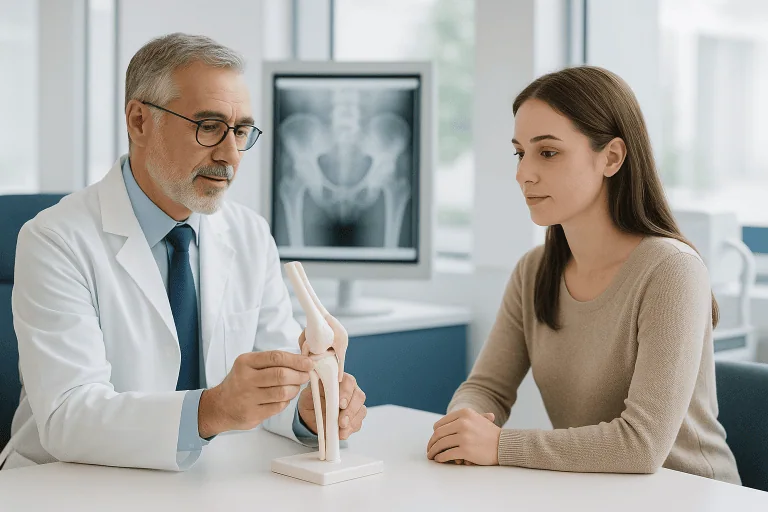
Diagnosis begins with a medical history and physical examination by an orthopedic specialist or other qualified healthcare professional. The doctor may ask about the location of pain, how symptoms started, activity habits, previous injuries, and whether the pain changes with movement or rest.
During the examination, the clinician may gently press around the kneecap and tendon, assess knee movement, check muscle strength and flexibility, and observe how the patient walks, squats, or performs certain functional movements. These findings help distinguish patellar tendinitis from other causes of front knee pain, such as cartilage problems, kneecap tracking issues, bursitis, or other tendon conditions.
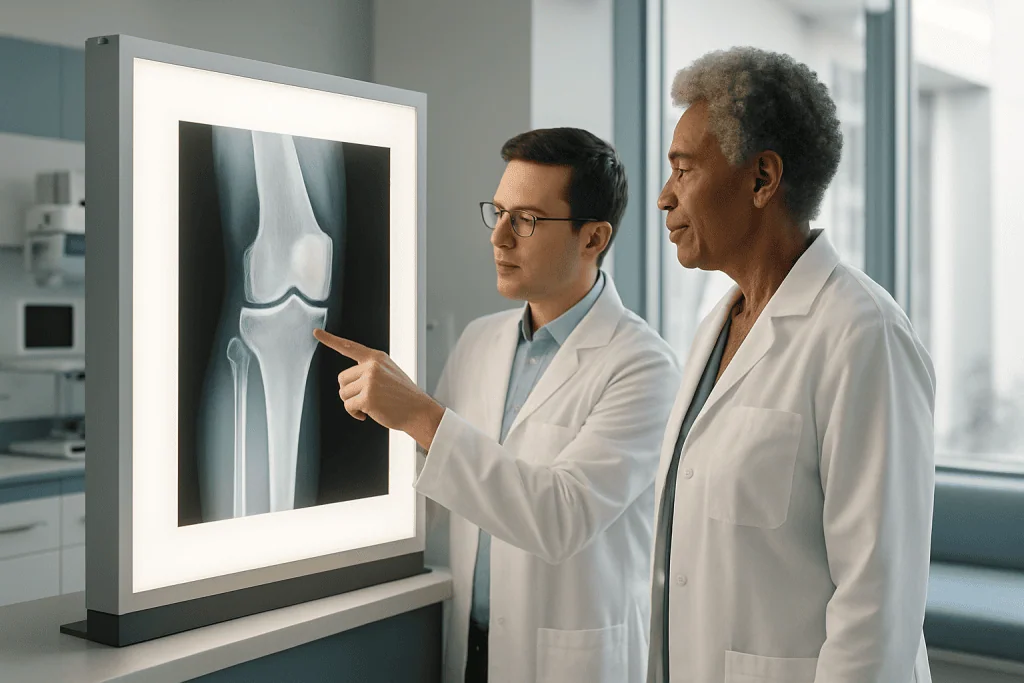
Imaging tests may be recommended in some cases, especially if symptoms are persistent, severe, or unclear. Ultrasound or magnetic resonance imaging can help show tendon structure and rule out other knee problems. X-rays do not show tendon irritation directly, but they may be used to evaluate bone alignment or other conditions.
Treatment Options
Treatment for patellar tendinitis depends on the severity of symptoms, activity demands, and underlying contributing factors. Most treatment plans begin with non-surgical methods and focus on reducing tendon overload while improving strength, flexibility, and movement control.
Non-Surgical Care
A healthcare professional may recommend modifying activities that increase pain, especially repeated jumping or high-impact training. This does not always mean complete rest; rather, activity is usually adjusted so the tendon can recover without losing overall fitness.
Physical therapy is a key part of treatment. A rehabilitation program may include guided strengthening exercises for the thigh, hip, and core muscles, flexibility work, balance training, and gradual return-to-sport planning. The program should be individualized and progressed carefully by a qualified professional.
Other supportive measures may include applying cold therapy after activity, using a knee support or patellar strap in selected cases, and reviewing footwear or training technique. Pain-relieving or anti-inflammatory medicines may be considered by a doctor when appropriate, but they do not replace rehabilitation and load management.
Advanced and Surgical Options
If symptoms do not improve with a well-supervised non-surgical program, additional treatments may be discussed. These may include image-guided procedures or other specialist interventions, depending on the condition of the tendon and the patient’s needs.
Surgery is rarely the first option and is generally considered only when long-term symptoms continue despite comprehensive conservative treatment. Surgical approaches aim to address damaged tendon tissue, but recovery requires rehabilitation and time. The most suitable option should be decided with an orthopedic specialist after careful evaluation.
When to See a Doctor
Medical evaluation is recommended if knee pain persists, worsens, or interferes with sports, work, or daily activities. Early assessment can help identify the cause of pain and prevent further tendon overload.
- Pain below the kneecap that lasts more than a short period or keeps returning
- Pain that increases during running, jumping, squatting, or climbing stairs
- Swelling, tenderness, or stiffness around the front of the knee
- Difficulty continuing normal activity or training
- Knee pain after an injury, fall, or sudden forceful movement
- Inability to bear weight, severe swelling, or significant loss of movement
Patellar tendinitis is a manageable condition for many patients, especially when addressed early and treated with an appropriate plan. An orthopedic specialist can help confirm the cause of symptoms and guide a safe return to activity.
Frequently Asked Questions
What is patellar tendinitis and what causes it?
Patellar tendinitis, also called patellar tendinopathy or jumper's knee, is an overuse condition affecting the tendon that connects the kneecap to the shinbone. It usually develops when repeated stress places more load on the tendon than it can tolerate, leading to irritation and small tendon changes. It is common in people who run or jump repeatedly, but it can also affect those with physically demanding jobs or a sudden increase in activity.
What are the main symptoms of patellar tendinitis?
The main symptom is pain at the front of the knee, usually just below the kneecap. The pain may begin mildly and appear only after exercise, but over time it can occur during activity or everyday movements. Other symptoms may include discomfort when jumping, running, squatting, or climbing stairs, stiffness after rest or activity, a feeling of weakness in the affected leg, and in some cases swelling or sensitivity around the tendon.
Who is more likely to develop patellar tendinitis?
People who take part in sports with frequent jumping, landing, or sprinting, such as basketball, volleyball, football, or athletics, are often affected. Other contributing factors may include a sudden increase in training load, poor flexibility or tightness in the thigh muscles, muscle imbalance around the hip, thigh, or knee, hard playing surfaces, previous knee injury, and excess body weight. Not everyone with these risk factors will develop the condition.
How is patellar tendinitis diagnosed by a doctor?
Diagnosis usually begins with a medical history and a physical examination by an orthopedic specialist or other qualified healthcare professional. The clinician may press gently around the kneecap and tendon, assess knee movement, check strength and flexibility, and watch how you walk or squat. Imaging such as ultrasound or magnetic resonance imaging may be recommended if symptoms are persistent, severe, or unclear, and X-rays may be used to evaluate bone alignment.
Can patellar tendinitis be treated without surgery?
Yes, most treatment plans begin with non-surgical methods that focus on reducing tendon overload while improving strength, flexibility, and movement control. Your doctor may recommend adjusting activities that increase pain, physical therapy with guided strengthening and flexibility work, and supportive measures such as cold therapy or a patellar strap. Surgery is rarely the first option and is generally considered only when long-term symptoms continue despite comprehensive conservative treatment.
When should I see a doctor about knee pain below the kneecap?
Medical evaluation is recommended if knee pain persists, worsens, or interferes with sports, work, or daily activities. Warning signs include pain below the kneecap that keeps returning, pain that increases during running, jumping, squatting, or climbing stairs, swelling or stiffness at the front of the knee, and knee pain after an injury or fall. Inability to bear weight, severe swelling, or significant loss of movement also warrant prompt medical attention.
Medically reviewed by the Acıbadem International Medical Board September 13, 2026
See our medical review board →
Update history
- PublishedJune 14, 2026
- Medical review approvedSeptember 13, 2026
- Last content updateSeptember 12, 2026