

Quick answer
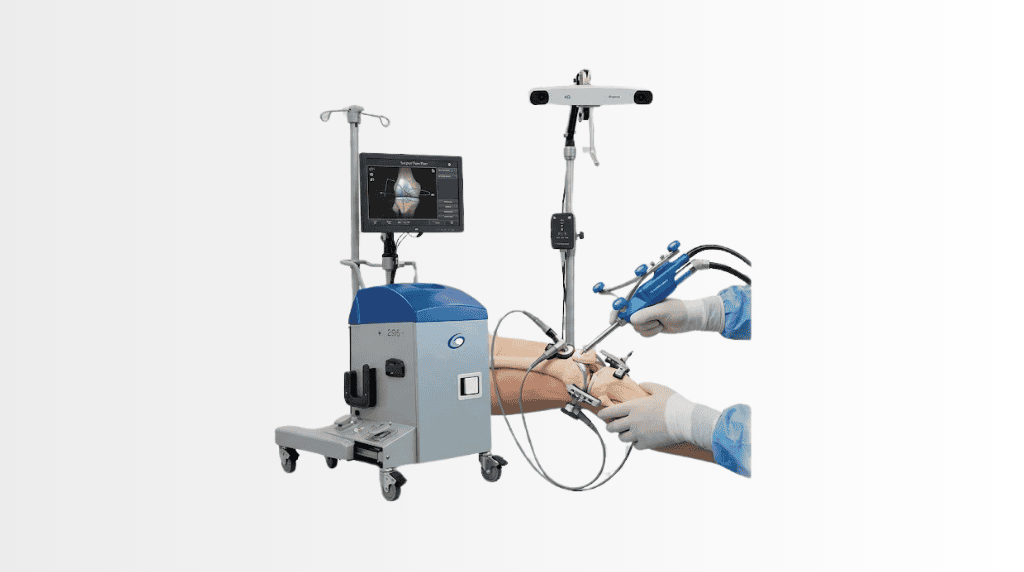
Navio Knee Robot is a robotic-assisted system used during knee replacement surgery to help surgeons plan bone preparation and implant positioning according to the patient’s anatomy. At Acibadem in Turkey, orthopedic surgeons use its intraoperative guidance as part of an individualized surgical plan when appropriate.
Navio Knee Robot for Personalized Knee Replacement Surgery
Navio Knee Robot is a robotic-assisted surgical technology used during knee replacement procedures. It supports the orthopedic surgeon in planning and carrying out knee surgery with a high level of precision, based on the individual shape, alignment and condition of each patient’s knee.
Knee arthritis, previous injuries and progressive joint wear can affect the way the knee moves, causing pain, stiffness and reduced mobility. When non-surgical treatments no longer provide sufficient relief, knee replacement surgery may be considered. Navio technology can help the surgical team tailor selected procedures to the patient’s anatomy and treatment goals.
At Acibadem International, Navio Knee Robot is used by experienced Orthopedics and Traumatology specialists as part of a carefully coordinated surgical pathway. The technology does not replace the surgeon. Instead, it provides detailed planning and real-time guidance that helps the surgeon make informed, controlled decisions throughout the procedure.
For international patients, this approach combines advanced orthopedic care with personalized medical coordination, language support and travel planning assistance. Your care plan is always based on a specialist assessment of your symptoms, imaging results, medical history and overall health.
What Is Navio Knee Robot?
Navio Knee Robot is a computer-assisted robotic platform designed to support partial and total knee replacement surgery. It helps the orthopedic surgeon create an individualized plan for preparing the damaged joint surfaces and positioning the knee implant.
Rather than relying only on standard measurements, the system can use information collected during the operation to build a detailed model of the knee. This enables the surgical team to assess joint alignment, bone shape and the movement of the knee through different positions.
During surgery, the Navio system provides navigation and guidance for the surgeon. It can help define planned treatment areas and support precise bone preparation according to the agreed surgical plan. The surgeon remains in full control of every stage of the operation.
Robotic assistance may be particularly valuable when the goal is to achieve a balanced knee joint and carefully planned implant positioning. However, the most appropriate surgical method depends on many factors, including the type and extent of arthritis, knee deformity, ligament condition, bone quality and previous operations.
How Navio Robotic-Assisted Knee Surgery Works
Navio technology is used in the operating room as part of a structured knee replacement procedure. The process begins with detailed clinical assessment and surgical planning. Your orthopedic specialist reviews your symptoms, physical examination findings, imaging studies and any previous treatment.
During the operation, the system helps the surgeon gather information about the individual anatomy of the knee. This information is used to create a patient-specific model and plan the surgical steps. The surgeon can assess how the knee is aligned and how it moves before finalizing the planned bone preparation and implant position.
The robotic platform then provides active guidance while the surgeon performs the procedure. It helps the surgeon work within the defined surgical plan and can support accurate preparation of bone surfaces for the knee implant. The technology is designed to complement surgical expertise, not to perform surgery independently.
Once the implant components are positioned, the surgeon evaluates knee movement, stability and alignment. Adjustments may be considered where clinically appropriate. The final aim is a stable, functional knee replacement that is suitable for the patient’s individual condition.
Individualized Planning During Surgery
Every knee is different. Arthritis may affect one part of the joint or several compartments, and the degree of deformity can vary significantly from one patient to another. Navio robotic assistance gives the surgeon additional information during the procedure, helping them plan around the specific characteristics of the knee.
This individualized approach may support decisions about implant size, implant placement and bone preparation. It can also help the team assess soft tissue balance, which is an important consideration in knee replacement surgery.
The Surgeon Remains in Control
Robotic-assisted surgery is surgeon-led surgery. Your orthopedic specialist uses their clinical experience, surgical skill and knowledge of your condition throughout the operation. The Navio system acts as an advanced planning and guidance tool within the surgeon’s chosen treatment strategy.
Clinical Applications
Navio Knee Robot may be used in selected knee replacement procedures when robotic guidance is considered suitable. A specialist consultation is necessary to determine whether this technology is appropriate for your diagnosis, anatomy and treatment plan.
| Clinical application | How Navio technology may support the procedure | Conditions commonly considered |
|---|---|---|
| Partial knee replacement | Supports individualized planning for replacement of a damaged knee compartment while preserving healthy areas where appropriate. | Localized osteoarthritis affecting one compartment of the knee, such as medial, lateral or patellofemoral arthritis. |
| Total knee replacement | Provides intraoperative guidance for bone preparation, alignment assessment and planned implant positioning. | Advanced osteoarthritis affecting multiple areas of the knee, inflammatory arthritis or severe joint degeneration. |
| Knee alignment assessment | Helps the surgeon assess the individual alignment and movement pattern of the knee during the procedure. | Varus or valgus knee deformity, altered gait related to joint wear, and complex degenerative changes. |
| Soft tissue and joint balance evaluation | Supports assessment of knee stability and movement through the range of motion before final implant placement. | Knee stiffness, instability associated with arthritis, or changes in ligament balance related to joint deformity. |
Not every patient with knee pain or arthritis needs knee replacement surgery. Conservative treatments may include medication, physiotherapy, activity modification, weight management where appropriate, injections or bracing. Your orthopedic specialist will discuss the full range of options and recommend surgery only when it is clinically justified.
Conditions That May Lead to Knee Replacement
Knee replacement is generally considered when joint damage causes persistent pain and significantly affects daily life. Patients may find it difficult to walk, climb stairs, stand for extended periods, sleep comfortably or continue work and recreational activities.
Common reasons for considering knee replacement include osteoarthritis, rheumatoid arthritis and post-traumatic arthritis. Osteoarthritis is the most common cause and occurs when the cartilage that cushions the joint gradually wears down. This can lead to bone-on-bone contact, pain, swelling, stiffness and reduced movement.
Post-traumatic arthritis can develop after fractures, ligament injuries or other significant knee trauma. In some cases, previous surgery or altered knee alignment may also contribute to progressive joint degeneration. A detailed review by an Orthopedics and Traumatology specialist is important, particularly for patients with complex medical or surgical histories.
Benefits and Advantages for Patients
Robotic assistance can offer meaningful advantages in selected knee replacement cases. One of the main potential benefits is the ability to create a more individualized operative plan based on the patient’s own knee anatomy and movement.
The technology may also support precise bone preparation and implant positioning. This can help the surgical team work toward the desired alignment and knee balance. For some patients, a carefully planned procedure may contribute to a more predictable surgical experience and rehabilitation pathway.
It is important to understand that outcomes vary. Recovery after knee replacement depends on the severity of the underlying joint disease, the type of procedure, overall health, muscle strength, commitment to rehabilitation and other personal factors. No technology can guarantee a particular result.
| Patient benefit at a glance | What it may mean for your care |
|---|---|
| Individualized surgical planning | Your procedure can be planned around the specific shape, alignment and movement of your knee. |
| Real-time surgical guidance | The surgeon receives additional intraoperative information to support controlled bone preparation and implant positioning. |
| Focus on knee alignment and balance | The surgical team can evaluate alignment, stability and range of movement as part of the procedure. |
| Potentially tissue-conscious approach | Depending on the procedure and your anatomy, robotic planning may support a carefully targeted approach to treatment. |
| Coordinated rehabilitation planning | Your recovery plan can include physiotherapy guidance, mobility milestones and follow-up coordination for your return home. |
What to Expect Before, During and After the Procedure
Before Your Treatment
Your journey begins with a clinical review. International patients can share medical reports, imaging results and previous treatment information for an initial assessment. Depending on your case, the team may request additional X-rays, magnetic resonance imaging, blood tests or other evaluations before confirming a surgical recommendation.
Your orthopedic specialist will explain whether a partial or total knee replacement may be appropriate and whether Navio robotic assistance is suitable for your procedure. You will have the opportunity to discuss expected benefits, possible limitations, alternative treatments and potential risks.
Acibadem International patient coordinators can assist with appointment planning, interpretation support and the organization of your treatment schedule. This helps you prepare for travel with a clear understanding of the expected clinical pathway.
During the Procedure
Knee replacement surgery is performed in an operating room by a specialized orthopedic team. The type of anesthesia is decided by the anesthesiology team based on your health status and the planned procedure.
During robotic-assisted surgery, the Navio system helps the surgeon register the anatomy of the knee and develop an individualized surgical plan. The surgeon uses the system’s guidance while preparing the knee and placing the implant components. The exact surgical approach, incision size and implant type depend on the operation required and the individual patient.
The procedure is followed by close monitoring and pain management. Your team will support early, safe mobilization according to your clinical condition.
Recovery and Rehabilitation
Rehabilitation is an essential part of successful knee replacement care. Physiotherapists guide patients through early movement, walking exercises and strength-building activities designed to restore mobility and confidence.
Some patients may begin standing or walking with assistance relatively soon after surgery, while others need a more gradual approach. Your recovery timeline will depend on the procedure, pain control, physical condition and response to rehabilitation.
Before you travel home, your team will provide discharge information, medication guidance, wound-care instructions and recommendations for continuing physiotherapy. Follow-up arrangements can be coordinated with your local physician where appropriate, and Acibadem International can help support continuity of care after your return.
Safety, Surgical Standards and Accreditation
Robotic-assisted knee replacement requires careful patient selection, experienced surgeons and a structured clinical environment. At Acibadem International, orthopedic procedures are supported by multidisciplinary teams that may include orthopedic surgeons, anesthesiologists, nurses, physiotherapists, radiology specialists and other healthcare professionals as needed.
Navio technology is used as part of a broader surgical quality and safety process. This includes preoperative assessment, infection prevention measures, anesthesia planning, intraoperative monitoring, postoperative pain management and rehabilitation support.
Acibadem hospitals serving international patients include JCI-accredited facilities, reflecting a commitment to internationally recognized quality and patient safety standards. Your specific treatment location is confirmed according to the clinical needs of your case and the availability of the appropriate orthopedic expertise and technology.
As with any surgery, knee replacement carries potential risks. These can include infection, blood clots, bleeding, stiffness, persistent pain, implant-related concerns, nerve or blood vessel injury, anesthesia-related complications and the possible need for further treatment. Your surgeon will explain the risks most relevant to you before any decision is made.
Why Navio Knee Robot Matters for International Patients
Traveling abroad for knee replacement surgery requires more than access to advanced medical technology. It also requires clear communication, dependable coordination and confidence that your treatment plan is built around your individual needs.
Acibadem International supports patients from the first medical review through treatment, discharge and follow-up planning. Our international patient teams help organize the process in a way that is understandable and practical for patients and families traveling from another country.
Language support can help you communicate comfortably with your healthcare team, ask questions and understand your procedure. Coordinators can also assist with appointment scheduling, documentation and planning the timing of your stay in Türkiye around your medical needs.
For patients considering robotic-assisted knee replacement, the key question is not simply whether a robot is available. It is whether Navio technology is clinically suitable within a complete, surgeon-led treatment plan. Our specialists assess this carefully and recommend the approach that best fits your condition.
Frequently Asked Questions
Is Navio Knee Robot safe?
Navio is used as a surgical assistance and guidance system by trained orthopedic specialists. Safety depends on the entire care process, including appropriate patient selection, surgeon expertise, operating room standards, anesthesia care and postoperative monitoring. Your orthopedic team will explain the specific considerations and risks relevant to your case.
Does the robot perform the surgery by itself?
No. The procedure is performed by your orthopedic surgeon. Navio provides planning tools and real-time guidance during selected stages of knee replacement surgery. The surgeon remains responsible for all clinical and surgical decisions.
Will robotic assistance guarantee a faster recovery?
No surgical technology can guarantee a specific recovery time or outcome. Robotic assistance may support precise planning and execution in suitable cases, but recovery also depends on your health, the severity of joint disease, the type of operation and participation in rehabilitation.
Can Navio be used for every type of knee arthritis?
Not always. The suitability of Navio technology depends on the type of knee replacement being considered, the degree and location of joint damage, knee anatomy, previous operations and other clinical factors. A specialist assessment is required.
Will my insurance cover robotic-assisted knee replacement?
Insurance coverage varies according to your policy and insurer. You can share your insurance information with the international patient team, who can help review available options and explain the treatment process before you travel.
How can I get started?
You can request a consultation and share your medical reports, imaging and treatment history for review. An Orthopedics and Traumatology specialist will assess your case and advise whether knee replacement, including Navio robotic assistance where appropriate, may be part of your personalized treatment plan.
Related Medical Units
Related Treatments
Speak with our medical team
Find out how this technology could support your diagnosis or treatment.