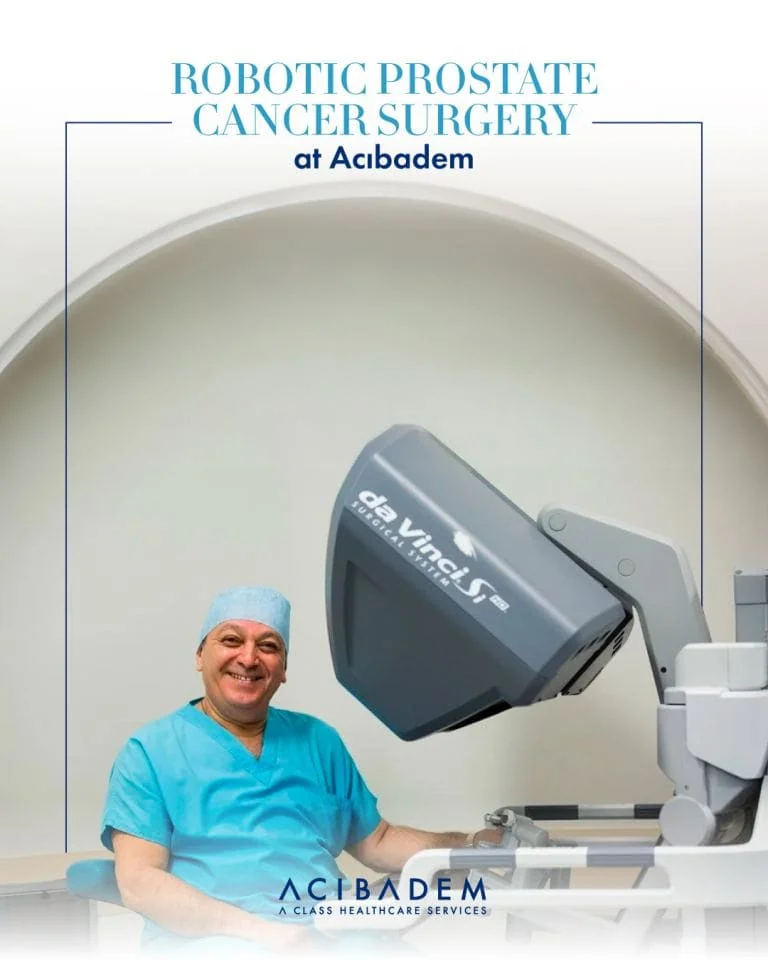
How to evaluate robotic surgery providers beyond price
Price is usually the first filter patients apply, but it should not be the main decision tool in robotic surgery. A lower package range may look attractive until you examine what sits behind it: whether the hospital is JCI-accredited, whether the surgical plan is created by physicians rather than a sales workflow, and whether the facility has enough operating and inpatient capacity to support unexpected needs. Robotic procedures still rely on the same fundamentals as any major intervention: preoperative workup, anesthesia evaluation, nursing care, sterile operating conditions, and clinically supervised recovery. Comparing hospitals at that level is more useful than comparing a single number without context.
A practical methodology begins with accreditation and licensed hospital status. JCI accreditation is meaningful because it points patients toward hospitals working within recognized standards for quality and patient safety systems. From there, capacity matters. The number of beds does not by itself determine quality, but it does indicate the scale of inpatient support available if a patient requires monitoring, overnight observation, or management of coexisting medical conditions. The same applies to operating rooms. A hospital with a substantial surgical infrastructure is generally better positioned to manage scheduling, multidisciplinary coordination, and the broader perioperative process that surrounds robotic surgery.
International patients should also examine who leads communication and planning. Physician-led oversight is different from a model where the patient mainly speaks with non-clinical coordinators until arrival. In a robotic case, details such as prior abdominal surgery, chronic disease, blood thinners, imaging findings, and pathology results can affect whether a robotic approach is appropriate. Early clinical review helps align expectations and reduces the risk of a mismatch between what the patient believes is possible and what the surgical team ultimately recommends. That kind of oversight is a hallmark of serious hospital-based care, and it should weigh more heavily than promotional language.
Finally, aftercare should be part of the comparison from the start, not an afterthought. International patient services are relevant when they include language support, transfer coordination, and documented postoperative communication. A patient recovering abroad needs to know how discharge instructions will be explained, what follow-up contacts will exist, and what information will be shared for care continuation after returning home. When patients compare the best robotic surgery hospitals in Turkey, these systems often distinguish a mature hospital network from a provider focused mainly on attracting inbound inquiries.
Robotic surgery techniques explained honestly
Robotic surgery is often misunderstood as a separate specialty or as an automatic technology that performs the operation itself. In reality, it is a surgical approach used by a trained surgeon, supported by a robotic platform that can assist with instrument control and visualization in selected procedures. The value of that approach depends on the patient’s diagnosis, body habitus, surgical history, and the goals of treatment. Not every operation is suitable for robotic access, and not every patient is an ideal candidate. Honest counseling should include the possibility that a conventional minimally invasive or open approach may be more appropriate in some cases.
For patients, the most important point is that the technology should follow the clinical indication, not lead it. A hospital comparison should therefore focus less on marketing terms and more on how the team decides whether robotic surgery is justified. That decision usually sits within a broader pathway including consultation, imaging or other diagnostics where required, anesthesia assessment, and discussion of alternatives. The best robotic surgery hospitals in Turkey are not defined by the machine alone, but by whether surgeons evaluate each case within a full hospital framework and choose the method that fits the patient rather than forcing the patient into a preselected package.
It is also important to understand what robotic surgery does not change. It does not remove the need for experienced perioperative nursing, sterile technique, inpatient observation when clinically indicated, pain control, or a clear discharge plan. Even when the operation is performed through minimally invasive access, the patient still depends on the hospital’s overall systems. This is why operating room availability, bed capacity, and institutional infection control matter in a comparison guide. The platform may be advanced, but outcomes still depend on fundamentals such as patient selection, surgical planning, anesthesia support, and organized postoperative care.
Patients should be cautious around claims that present robotic surgery as automatically superior in every situation. A credible provider explains the technique with balance: what it may offer in selected cases, what the alternatives are, and what the recovery expectations may realistically look like. That kind of explanation helps patients make informed decisions and reduces disappointment later. In international care especially, transparency is part of quality. A hospital that frames robotic surgery as one tool within a broader clinical service line is generally easier to trust than one that presents technology as a guarantee.
Safety, infrastructure, and why hospital settings matter
Robotic surgery should be evaluated as a hospital service, not as an isolated procedure room experience. The operating theater is only one part of the pathway. Patients may need laboratory testing, imaging, consultations across disciplines, anesthesia review, pharmacy support, inpatient monitoring, and escalation capacity if recovery is slower than expected. That is why accredited, licensed hospitals deserve close attention in any comparison. Safety in this context is not a slogan. It is the result of systems: infection control, surgical workflows, handoffs between teams, and the ability to provide backup care when the clinical course is more complex than planned.
Facility capacity offers useful clues about that environment. Across the hospitals listed here, bed counts range from 108 to 350 and operating rooms from 4 to 20. Those numbers do not by themselves rank one site above another for every patient, but they help show the level of institutional support behind surgical activity. Larger campuses may be relevant for patients who value extensive inpatient resources or expect multidisciplinary input, while smaller accredited hospitals may appeal to patients whose treatment plan is straightforward and who prioritize a particular location. The comparison should always return to clinical fit, not just physical scale.
JCI accreditation is especially important for international patients because it points to a hospital culture built around standardized quality and patient safety processes. In practical terms, that can affect how documentation is handled, how care transitions are managed, and how the patient experience is organized from admission to discharge. For someone traveling from abroad, predictable systems matter. Language support and documented aftercare become more meaningful when they are embedded in a full-service hospital structure rather than offered as standalone concierge features without deep clinical integration.
When reviewing the best robotic surgery hospitals in Turkey, patients should therefore ask a simple question: if my case becomes more medically involved than expected, is this still the right place to be? A well-equipped hospital setting is one answer to that concern. It cannot promise that complications never occur, and no responsible provider should suggest otherwise. What it can offer is the infrastructure to assess, monitor, and respond appropriately. That is the real value of choosing a robotic surgery provider within an accredited hospital network rather than making a decision on promotional language alone.
The patient journey, travel planning, and recovery timeline
For an international patient, the robotic surgery journey starts long before admission. A well-run process begins with records review, clarification of the diagnosis, and physician-led planning to determine whether travel is appropriate and whether robotic surgery is likely to remain the intended approach after in-person assessment. This is also the stage when practical matters should be addressed clearly: language support, airport and local transfers, estimated length of stay, and what documents or tests are needed before travel. When these steps are organized early, the patient arrives with a more realistic understanding of the pathway and fewer avoidable surprises.
Once in hospital, the experience should move through a structured sequence: registration, final consultations, anesthesia evaluation, the operation, postoperative monitoring, and discharge planning. Even if the surgery is minimally invasive, discharge timing can vary depending on the procedure type, general health, pain control, and mobility. That is why it is better to think in terms of a recovery timeline rather than a fixed promise. Some patients may return to hotel recovery or onward travel relatively quickly; others may need longer observation. Hospital capacity matters here because recovery is not purely about the incision size but about the patient’s overall response.
After discharge, international patients need instructions that are understandable and documented. This includes wound care guidance when relevant, activity advice, medication explanations, warning signs that require attention, and a plan for remote follow-up after returning home. Hospitals that serve international patients well recognize that the journey does not end at the airport. Continuity matters, especially when questions arise days later. Documented aftercare helps patients and their home doctors understand what was done, what the expected short-term recovery course may be, and when to seek additional evaluation if recovery is not progressing as expected.
Patients comparing robotic surgery programs often focus on the operation date, but the broader timeline deserves equal attention. Travel coordination, preoperative workup, hospital stay, immediate recovery, and remote follow-up all influence the overall experience. In that sense, the best robotic surgery hospitals in Turkey are usually the ones that combine clinical structure with practical international support. A patient does not only need an operating room; they need a complete pathway that remains coherent from first contact to aftercare documentation.
Costs, package ranges, and what patients should expect
Cost matters, but it should be discussed carefully and honestly. In international healthcare, published figures are best understood as indicative market-level package ranges rather than personal quotes or guaranteed totals. Final cost can vary according to diagnosis, required tests, length of stay, anesthesia needs, and whether the planned treatment changes after in-person clinical evaluation. That is especially true in robotic surgery, where suitability may depend on findings reviewed by the treating team. Patients should therefore use package ranges to compare value and planning assumptions, not to assume that every case follows the exact same pathway or resource use.
The factual price data available here relates to a Comprehensive Check-Up rather than a robotic surgery procedure package. In Turkey, the indicative market-level package range for a Comprehensive Check-Up is USD 400 to 1,200, compared with USD 1,440 to 4,320 in the United States, representing an estimated 72% difference at market level. This figure is useful mainly because it illustrates a broader cost context for international patients evaluating treatment travel. It should not be interpreted as a robotic surgery price, and responsible providers should clearly separate diagnostic, consultation, surgical, and aftercare cost components when discussing planning.
When patients ask what a package may include, the right answer is usually: it depends on the care pathway. Common package elements in international hospital settings may involve hospital admission, operating room use, standard inpatient stay assumptions, and routine coordination services, but inclusions and exclusions need to be confirmed against the actual treatment plan. Additional imaging, pathology, intensive monitoring, prolonged stay, or unrelated medical issues can affect total cost. This is another reason why physician-led evaluation matters. Clinical review is what allows the hospital to explain the likely scope of care instead of presenting a generic figure detached from medical reality.
Patients comparing the best robotic surgery hospitals in Turkey should be wary of packages that sound unusually simple for a complex hospital-based service. Clearer questions are more helpful than chasing the lowest number: What assessments are needed before surgery? Is inpatient backup available? How are aftercare instructions handled? What happens if the postoperative stay is longer than initially expected? A premium healthcare experience is not defined by aggressive pricing. It is defined by a package structure that reflects real clinical needs, communicates limits transparently, and helps the patient plan with confidence.


 JCI accredited