JCI-accredited · 45+ hospitals & clinics · 90+ countries served · 24/7 multilingual support
Comparison Guide

Best Rhinoplasty Clinics in Turkey

A hospital-based guide to choosing where to have your rhinoplasty in Türkiye — accredited facilities, surgeon-led planning and realistic outcome expectations, compared openly.

Updated July 2026 Clinically reviewed Transparent methodology
8 facilities compared

Rhinoplasty — package price

Türkiye$3,500–$6,500
United States$12,600–$23,400
Save up to 72%JCI-accredited network

Best rhinoplasty clinics in Turkey are usually compared on price first, but international patients quickly learn that the real differences appear in planning, safety standards, and aftercare. Rhinoplasty is not a one-size-fits-all operation; it involves balancing facial proportions, breathing considerations, operating-theatre quality, and a recovery process that needs structured follow-up. For that reason, a useful comparison guide should look beyond marketing claims and focus on verifiable hospital standards. This page uses a clear methodology centered on accreditation, surgeon-led consultation, imaging-based planning, anesthesia safety, infection control, inpatient backup, and international patient services that support patients from arrival through documented recovery guidance.

Turkey is widely considered by patients researching aesthetic surgery because package pricing can be significantly lower than in the United States, yet cost alone does not identify an appropriate provider. A rhinoplasty performed in a fully licensed hospital with JCI accreditation, formal consent, and organized postoperative support should be assessed differently from one arranged in a limited outpatient setting. When patients compare clinics, they should ask where surgery is performed, how consultation and imaging are handled, whether anesthesia is delivered under full operating-theatre standards, and what happens if observation or inpatient care is needed. Those details shape both the patient experience and the seriousness of clinical oversight.

This guide reviews hospitals within one established network using a consistent methodology, rather than mixing unlike providers. Each facility listed here is JCI accredited, licensed as a hospital, and supported by international patient services including language support, transfers, and documented aftercare. The aim is not to declare a single universal choice, because the right setting depends on the patient’s anatomy, revision history, travel plans, and comfort with recovery logistics. Instead, this article helps readers understand what to compare, what package ranges generally look like in Turkey versus the United States, and why hospital-based rhinoplasty deserves close attention when shortlisting providers.

How this list is compiled
  • International accreditation (JCI) and licensed hospital status
  • Surgeon-led consultation, imaging-based planning and documented consent
  • Full operating-theatre standards: anesthesia safety, infection control, inpatient backup
  • International patient services: language support, transfers, documented aftercare

Content prepared under our Editorial Policy and reviewed under the Medical Review Board process.

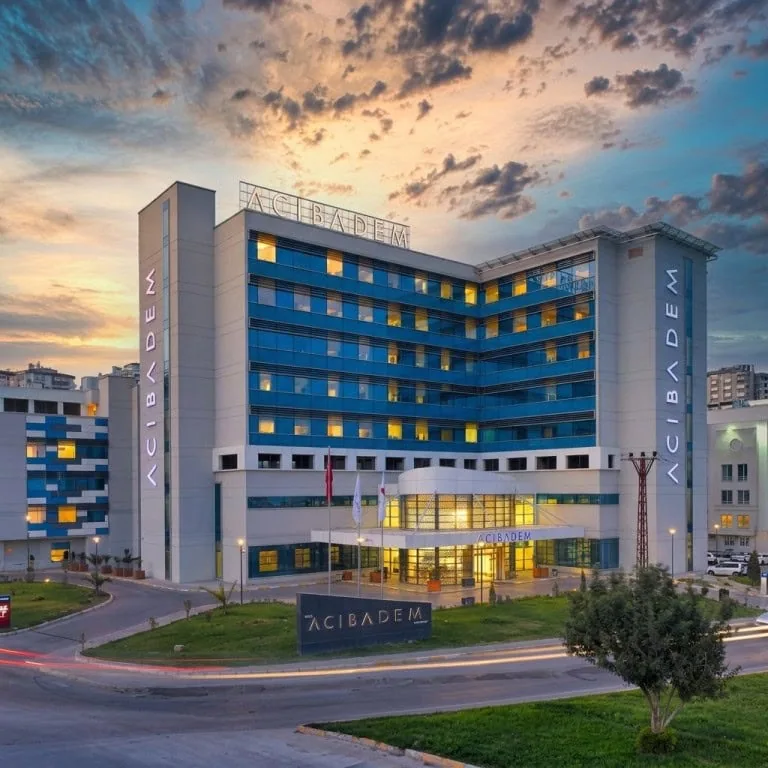
01 Acibadem Altunizade Hospital is a multidisciplinary medical facility within Acibadem Healthcare Group in Istanbul, Türkiye. Designed to serve both local and international patients, the hospital brings together medical and surgical specialties, advanced diagnostic services, inpatient care, and coordinated patient support under one integrated structure.

Acibadem Altunizade Hospital

İstanbul, Türkiye

Acibadem Altunizade Hospital belongs on this list because it combines JCI accreditation with the scale of a major licensed hospital in İstanbul. With 350 beds and 18 operating rooms, it offers substantial hospital infrastructure for procedures that require anesthesia, sterile operating-theatre conditions, and postoperative observation pathways. For international patients comparing rhinoplasty providers, that capacity matters because it reflects a broader clinical environment rather than a limited outpatient setup. Within the network’s model of surgeon-led consultation, imaging-based planning, documented consent, and international patient services, this hospital represents a strong option for patients prioritizing hospital-based care in the city.

JCI Accredited 350 beds 18 operating rooms International patient services
02 Acibadem Atakent Hospital is a multidisciplinary medical facility within Acibadem Healthcare Group in Istanbul, serving both local and international patients. The hospital brings together diagnostic, medical, and surgical specialties in a coordinated environment designed for safe, efficient, and patient-centered care.

Acibadem Atakent Hospital

İstanbul, Türkiye

Acibadem Atakent Hospital is included because it is a JCI-accredited licensed hospital in İstanbul with 262 beds and 8 operating rooms, offering the type of structured setting many international patients look for when considering rhinoplasty. Capacity alone does not define care quality, but it indicates access to operating-theatre resources, inpatient backup, and the wider systems expected in a full hospital environment. In the context of this guide’s methodology, the hospital aligns with key comparison criteria: accredited status, surgeon-led planning, anesthesia safety, infection control, and organized international patient support including language assistance, transfers, and documented aftercare.

JCI Accredited 262 beds 8 operating rooms International patient services
03 Advanced Medical Excellence in the Heart of Istanbul

Acibadem Maslak Hospital

İstanbul, Türkiye

Acibadem Maslak Hospital merits inclusion because it combines JCI accreditation with significant surgical infrastructure in İstanbul. With 230 beds and 20 operating rooms, it stands out within the list for operating-room capacity, a relevant consideration for patients who want rhinoplasty performed in a comprehensive hospital setting rather than a narrower procedural venue. The hospital fits the guide’s methodology through licensed hospital status and alignment with a pathway that emphasizes surgeon consultation, imaging-based planning, documented consent, and full operating-theatre standards. For international patients, that is further supported by network-wide services such as language support, transfers, and structured aftercare documentation.

JCI Accredited 230 beds 20 operating rooms International patient services
04 Acibadem Hospitals Group modern hospital buildings illuminated at night, showcasing advanced healthc.

Acibadem Atasehir Hospital

İstanbul, Türkiye

Acibadem Atasehir Hospital belongs on this list as a JCI-accredited hospital in İstanbul with 210 beds and 12 operating rooms, giving patients access to a developed hospital environment for rhinoplasty. For comparison purposes, its relevance lies in combining accredited institutional standards with the operating-theatre and inpatient capacity that support anesthesia safety, infection control, and observation when required. Those features are important for patients assessing providers beyond aesthetics-focused marketing. As part of the same hospital network, it also reflects the practical strengths international patients often need: surgeon-led planning, documented consent, language support, transfer coordination, and written postoperative guidance.

JCI Accredited 210 beds 12 operating rooms International patient services
05 Acibadem Kent Hospital is a private medical facility in Izmir, Türkiye, within the Acibadem Healthcare Group. Serving both local and international patients, the hospital offers multidisciplinary healthcare supported by hospital-based diagnostic, treatment and follow-up units. Its location in Izmir, one of Türkiye’s most accessible coastal cities, makes it a practical choice for patients who are combining medical care with international travel.

Acibadem Kent Hospital (Izmir)

İzmir, Türkiye

Acibadem Kent Hospital (Izmir) is included because it offers JCI-accredited hospital care in İzmir, providing an option outside İstanbul for patients who prefer another major Turkish city. With 190 beds and 12 operating rooms, it has the institutional scale expected for hospital-based rhinoplasty, including the broader support systems associated with anesthesia delivery, infection control, and inpatient backup. Its place on this list is grounded in the guide’s methodology rather than promotional claims: accredited status, licensed hospital infrastructure, surgeon-led consultation, imaging-based planning, documented consent, and international patient services that help connect travel logistics with postoperative follow-up and written aftercare.

JCI Accredited 190 beds 12 operating rooms International patient services
06 Acibadem Kartal Hospital is a modern medical facility located in Istanbul’s Kartal district, serving patients on the Anatolian side of the city and welcoming international patients who travel to Türkiye for medical care. As part of Acibadem Healthcare Group, the hospital brings together multidisciplinary medical expertise, patient-focused service, and coordinated care pathways designed to support patients from first enquiry through recovery and follow-up.

Acibadem Kartal Hospital

İstanbul, Türkiye

Acibadem Kartal Hospital belongs on this list because it is a JCI-accredited licensed hospital in İstanbul, with 127 beds and 4 operating rooms supporting hospital-based surgical care. Although smaller than some other facilities in the network, it still meets the central criteria used in this guide: international accreditation, operating-theatre standards, anesthesia safety frameworks, infection control, and inpatient backup. For international patients, inclusion on this list reflects not size alone but suitability within a structured hospital model. Combined with network strengths such as surgeon-led consultation, documented consent, language support, transfer organization, and aftercare documentation, it remains a relevant option for comparison.

JCI Accredited 127 beds 4 operating rooms International patient services
07 Acibadem Hospitals Group modern hospital building in Istanbul with palm trees in front.

Acibadem Fulya Hospital

İstanbul, Türkiye

Acibadem Fulya Hospital is included because it is a JCI-accredited hospital in İstanbul with 124 beds and 8 operating rooms, giving rhinoplasty patients access to a formal hospital setting rather than an isolated procedure unit. For a comparison guide, that matters because patients should evaluate how surgery is supported, not only how it is advertised. Licensed hospital status, operating-room infrastructure, and inpatient capacity contribute to the broader environment for anesthesia, infection control, and postoperative observation. Within the network approach described here, the hospital also aligns with key international patient priorities: surgeon-led assessment, imaging-based planning, transfer support, language assistance, and documented aftercare.

JCI Accredited 124 beds 8 operating rooms International patient services
08 Acibadem Hospitals Group building exterior showcasing modern healthcare facilities.

Acibadem Bodrum Hospital

Muğla, Türkiye

Acibadem Bodrum Hospital belongs on this list because it offers JCI-accredited hospital care in Muğla, extending this comparison beyond İstanbul and İzmir. With 108 beds and 4 operating rooms, it provides a licensed hospital setting for rhinoplasty supported by operating-theatre standards, anesthesia safety processes, infection control, and inpatient backup if required. Its inclusion is based on the same objective methodology applied across all facilities, not on lifestyle positioning. For international patients, it also benefits from network-wide strengths that matter during medical travel: surgeon-led consultation, imaging-based planning, documented consent, language support, transfer coordination, and written postoperative care instructions.

JCI Accredited 108 beds 4 operating rooms International patient services
Physician-Led Care

Meet the specialists

Treatment at these facilities is planned and performed by named, credentialed physicians — the single strongest predictor of a safe outcome in rhinoplasty.

Patient Voices

What international patients say

★★★★★From 2,400+ verified patient reviews
★★★★★ Verified Patient

“I flew in specifically for rhinoplasty and was treated with the utmost professionalism. Dr. İskenderoğlu answered all of my questions with patience.”

Timur G. · Ukraine March 2026
★★★★★ Verified Patient

“My septoplasty exceeded every expectation I had. Prof. Dr. Ertuğay was thorough, professional and genuinely caring.”

Majid E. · United Arab Emirates March 2026
★★★★★ Verified Patient

“I was nervous about my septoplasty, but I felt safe at every single step. Dr. Gür treated me as a person, not just a case. The facilities were spotless and modern.”

Mehdi S. · Sudan February 2026
★★★★★ Verified Patient

“I flew in specifically for nasal surgery and was treated with the utmost professionalism. Dr. Sınmaz made a stressful situation feel completely manageable. I felt looked after at every turn.”

Sara L. · Iraq February 2026
In Depth

How to Evaluate Providers Beyond Price

Patients often begin with package figures, but a reliable comparison starts with provider structure. For rhinoplasty, the first questions should be whether the facility is a licensed hospital, whether it holds international accreditation such as JCI, and whether surgery is planned through a surgeon-led process rather than a sales conversation. Accredited hospital status matters because it reflects broader systems: documented policies, operating-theatre protocols, anesthesia oversight, infection control measures, and the ability to provide inpatient observation if needed. These are not cosmetic extras around a procedure; they are part of the clinical framework that supports responsible surgical care for domestic and international patients alike.

Consultation quality is another major differentiator. A serious rhinoplasty assessment should include surgeon evaluation, review of nasal structure and goals, imaging-based planning where appropriate, and documented informed consent. This process helps align expectations with what is surgically realistic. It also creates a record of the intended approach and key risks before surgery is scheduled. Patients comparing best rhinoplasty clinics in Turkey should pay attention to whether planning appears individualized or standardized. The more precise the preoperative discussion, the easier it is to understand likely trade-offs between refinement, structural support, breathing considerations, and the natural fit of the nose within the face.

International patients should also compare operational support, not only surgical credentials. Language assistance can affect how well instructions are understood, particularly around medications, fasting, swelling management, and follow-up timing. Airport-hotel-hospital transfers may seem administrative, but coordinated logistics reduce avoidable stress before and after surgery. Documented aftercare is equally important, because rhinoplasty recovery extends beyond discharge. Patients need written guidance and a clear route for questions once swelling evolves over days and weeks. A provider that integrates clinical planning with organized international patient services is usually better positioned to deliver a coherent treatment journey from consultation through return travel.

Rhinoplasty Techniques Explained Honestly

Rhinoplasty can address shape, proportion, and in some cases functional concerns related to nasal structure. However, no technique is inherently right for every patient. The surgical plan depends on anatomy, skin thickness, cartilage strength, previous surgery, and the patient’s priorities. Some individuals seek bridge reduction, some want tip refinement, and others need a more comprehensive structural change. That is why consultation and imaging-based planning matter so much: they help convert broad aesthetic wishes into a realistic operative strategy. A careful provider should explain not only what can be changed, but also what should be preserved to maintain balance and long-term structural support.

Patients frequently encounter simplified labels online, but technique selection is more nuanced than promotional language suggests. Whether a surgeon uses one access pattern or another is only part of the discussion; the more important issue is whether the plan matches the anatomy and whether consent documents clearly reflect the intended goals. Honest counseling should include limitations. For example, dramatic reshaping may not suit every nasal framework, and revision cases are usually more complex than primary procedures. A credible comparison guide does not reduce rhinoplasty to before-and-after slogans. It emphasizes individualized planning, surgeon assessment, and the discipline of documented decision-making before surgery proceeds.

Another important point is expectation management during healing. Early swelling can temporarily obscure refinement, particularly around the tip, and the visible result develops gradually rather than immediately. Patients choosing among providers should value those who discuss this upfront. Clinics that present rhinoplasty as a quick aesthetic transaction may understate the normal variability of recovery. By contrast, a hospital-based process with structured consultation and aftercare tends to frame the operation more responsibly: as a planned surgical pathway involving assessment, anesthesia, surgery, observation, and staged healing. That perspective is especially useful for international patients deciding where to undergo treatment away from home.

Safety Standards and Why Hospital Settings Matter

Rhinoplasty is commonly discussed as an aesthetic procedure, but it still requires anesthesia, sterile conditions, trained operating-room teams, and clear postoperative observation standards. This is why hospital setting matters. A licensed hospital with JCI accreditation is designed around systems that support surgical care more broadly, including anesthesia safety and infection control. For patients, this means the conversation moves beyond décor and social media presence toward the reliability of the clinical environment. Full operating-theatre standards also matter if a patient needs monitoring longer than expected, has medical considerations that require closer supervision, or benefits from inpatient backup after surgery.

The hospitals in this guide are all JCI accredited and operate with defined bed capacity and operating-room infrastructure. Those facts do not predict an individual outcome, but they do indicate that rhinoplasty is taking place within organizations built for procedural care at scale. Capacity can be relevant for international patients because it reflects the broader availability of surgical, nursing, and inpatient resources. A facility with multiple operating rooms and hospital beds is not simply a treatment venue; it is part of an integrated setting prepared for scheduling, perioperative coordination, and observation. That level of structure is especially important when evaluating best rhinoplasty clinics in Turkey through a safety lens.

Patients should also ask how consent and aftercare are documented. Safety is not only what happens in the operating room. It also includes whether preoperative instructions are clear, whether medications and recovery steps are explained in a language the patient understands, and whether discharge criteria are handled systematically. A provider with language support, transfer coordination, and documented aftercare offers a more complete framework for international care. These details may seem secondary during early research, yet they often determine how confidently a patient moves through surgery day and the first postoperative week, when swelling, dressings, and travel questions are most relevant.

The Patient Journey and Recovery Timeline

For international patients, the rhinoplasty journey usually starts well before travel. A responsible pathway begins with consultation, review of goals, and imaging-based planning, followed by documented consent once the proposed surgical approach is understood. Travel arrangements, language support, and local transfers then become part of the practical preparation. On surgery day, the operation takes place in a full operating-theatre environment with anesthesia support and hospital standards for infection control. Depending on the care plan and observation needs, patients may spend time under inpatient supervision before discharge. This hospital-based sequence is one reason many patients prioritize structured providers over low-cost options lacking broader clinical infrastructure.

Early recovery is often straightforward but not instant. Patients should expect swelling and should understand that the nose evolves over time rather than settling immediately. Discharge instructions matter here: guidance on rest, dressings, medications, follow-up timing, and warning signs should be documented clearly, especially for those planning to fly home after treatment. International patient services can help bridge the gap between surgery and travel by coordinating appointments and explaining practical next steps in the patient’s language. This is one area where best rhinoplasty clinics in Turkey distinguish themselves: not by promising speed, but by organizing a clearer and safer path through the first stage of healing.

Longer-term recovery requires patience. While the first days focus on comfort, observation, and logistics, later weeks are about gradual refinement and follow-up communication. Patients should not evaluate a provider only on the day of surgery; they should assess how the clinic handles the full arc of recovery. Written aftercare, clear contact points, and a defined plan for postoperative review are central to a well-managed experience. Because international patients may continue part of their healing at home, continuity matters. A provider that integrates consultation, hospital surgery, and documented aftercare creates a more dependable framework than one centered mainly on transaction and travel convenience.

Costs, Package Ranges, and What to Compare

Price comparisons are useful when framed correctly. Based on the market-level data provided here, rhinoplasty package ranges in Turkey are typically around USD 3,500 to USD 6,500, compared with approximately USD 12,600 to USD 23,400 in the United States. That equates to an indicative difference of about 72 percent. These figures are not quotes, and an individual treatment plan depends on surgical complexity, facility, length of stay, and whether the case is primary or revision. Still, the ranges help patients understand why Turkey is frequently shortlisted by international travelers seeking hospital-based aesthetic surgery with a more accessible cost structure.

Comparison should also include adjacent procedures, because some patients evaluate facial balance more broadly. Indicative Turkey package ranges are around USD 2,000 to USD 4,000 for eyelid surgery and USD 1,800 to USD 3,500 for otoplasty, versus substantially higher ranges in the United States. Even so, lower pricing should never be assessed in isolation. The relevant question is what clinical environment supports that package. Patients should check whether the procedure is delivered in a licensed hospital, whether anesthesia and infection control follow full operating-theatre standards, and whether there is inpatient backup if recovery monitoring needs to be extended.

When reviewing what packages include, international patients should look for practical and clinical components together. Based on the methodology used for this guide, meaningful package evaluation includes surgeon-led consultation, imaging-based planning, documented consent, hospital operating-theatre standards, language support, transfers, and documented aftercare. Those elements create a package that is more than a procedure slot. They connect the clinical and travel sides of treatment into one managed pathway. Patients searching best rhinoplasty clinics in Turkey should therefore compare not only headline numbers, but also the depth of preoperative planning, the seriousness of the hospital setting, and the organization of aftercare once surgery is complete.

Indicative Pricing

What does it cost in Türkiye?

ProcedureTürkiye (package)United States
Rhinoplasty $3,500 – $6,500 $12,600 – $23,400 save ~72%
Eyelid Surgery (Blepharoplasty) $2,000 – $4,000 $7,200 – $14,400 save ~72%
Otoplasty (Ear Reshaping) $1,800 – $3,500 $6,480 – $12,600 save ~72%

Indicative market-level package ranges — not a quote or an offer. Compare more countries and currencies in the free Cost Calculator. Open the Cost Calculator →

Good to Know

Frequently asked questions

How do I choose among the best rhinoplasty clinics in Turkey?
Start with verifiable standards rather than price alone. Check whether the provider is a licensed hospital, whether it holds JCI accreditation, and whether consultation is led by the surgeon with imaging-based planning and documented consent. Ask where surgery is performed, what anesthesia and infection control standards apply, and what kind of aftercare is documented. For international patients, language support and transfer coordination also matter because they affect how clearly instructions are understood throughout treatment.
Why does JCI accreditation matter for rhinoplasty?
JCI accreditation is relevant because it indicates that a hospital is assessed against international standards across broader clinical systems, not only one procedure. For rhinoplasty, patients often focus on cosmetic outcomes, but the setting also needs anesthesia safety protocols, infection control, and organized perioperative care. Accreditation does not guarantee an individual result, yet it helps patients compare providers on an institutional basis and supports a more disciplined evaluation of where surgery will actually take place.
Is a hospital setting better than a small clinic for rhinoplasty?
A hospital setting offers advantages that are especially important for patients traveling internationally. Rhinoplasty still involves anesthesia, sterile operating conditions, and postoperative monitoring. In a licensed hospital, there is structured operating-theatre support, infection control, and inpatient backup if observation needs extend beyond the routine plan. That does not mean every smaller facility is unsuitable, but when comparing providers, many patients place greater value on the broader clinical infrastructure and operational oversight that a hospital can provide.
What is the typical cost range for rhinoplasty in Turkey?
Based on the market-level package data used in this guide, rhinoplasty in Turkey typically ranges from about USD 3,500 to USD 6,500. In the United States, indicative package ranges are around USD 12,600 to USD 23,400. These figures are not quotes or fixed offers; actual treatment planning depends on complexity, facility, and case specifics. Patients should compare what the package includes, especially consultation, planning, hospital standards, and aftercare, rather than focusing on headline price alone.
What should a rhinoplasty package include for international patients?
A meaningful package should combine clinical and logistical elements. Based on the methodology used here, patients should look for surgeon-led consultation, imaging-based planning, documented informed consent, surgery in a full operating-theatre environment, and clear aftercare documentation. For international patients, language support and transfer coordination are also important because they reduce confusion around scheduling, fasting, medications, and discharge instructions. A package is more useful when it supports the full treatment pathway, not just the operation itself.
How long should I plan to stay in Turkey after rhinoplasty?
The exact timeline depends on the treatment plan and how follow-up is organized, but patients should not think of rhinoplasty as a same-day travel event. There is an immediate recovery phase that includes observation, discharge instructions, and early review. Because swelling and practical care needs are most relevant in the first days, patients generally benefit from allowing enough time for postoperative checks before flying. Your provider should give a documented plan based on the specific surgical pathway and travel considerations.
Will I see the final result immediately after surgery?
No. Early changes are affected by swelling, and the nose continues to settle over time. This is one reason careful preoperative counseling is important: patients should understand that rhinoplasty recovery is gradual and that early appearance does not represent the final refinement. Providers should explain the recovery timeline honestly and give written aftercare instructions covering follow-up, normal postoperative expectations, and when to seek review. A realistic discussion of healing is part of responsible surgical planning.
Can I compare rhinoplasty with other facial procedures at the same time?
Yes, many patients compare rhinoplasty with procedures such as eyelid surgery or otoplasty when thinking about overall facial balance. In the market-level data used here, Turkey package ranges are also lower than U.S. ranges for those procedures. Even so, decisions should remain clinically led. The most important step is to confirm that each procedure is being evaluated through surgeon consultation, documented consent, and hospital-based standards, rather than combining surgeries simply because a package appears financially attractive.
We’re With You at Every Step

How can we help you today?

We value your privacy We use essential cookies to run this site and, with your consent, analytics cookies to understand how it is used and improve it. You can accept, reject, or choose what to allow. See our Cookie Policy.