Breast augmentation in hospitals versus package clinics
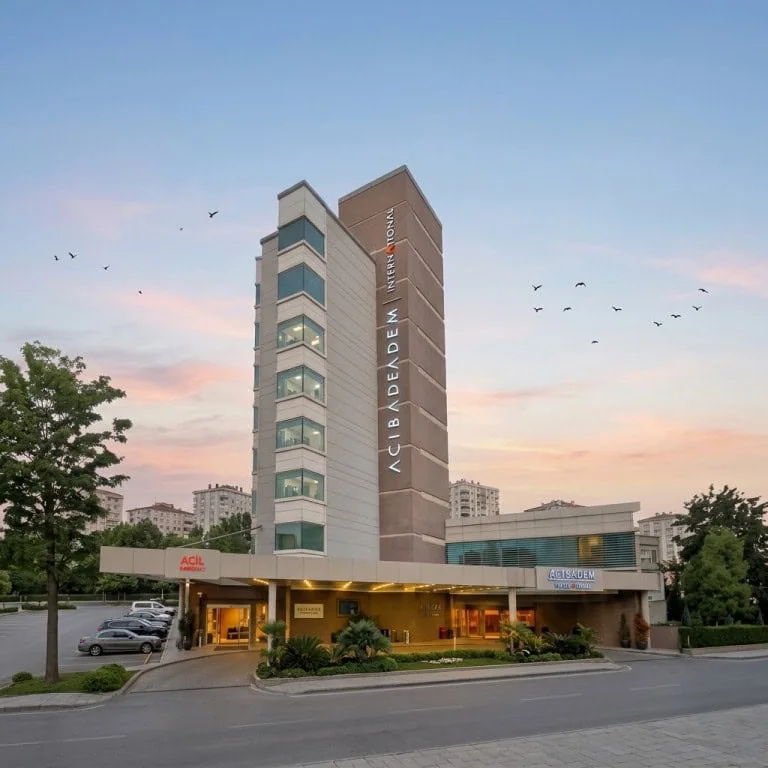
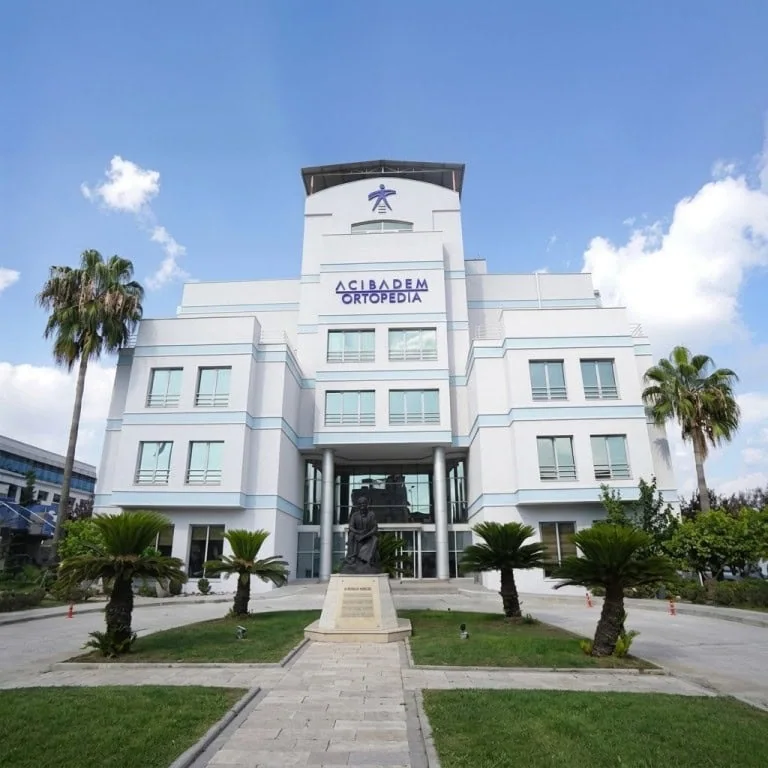
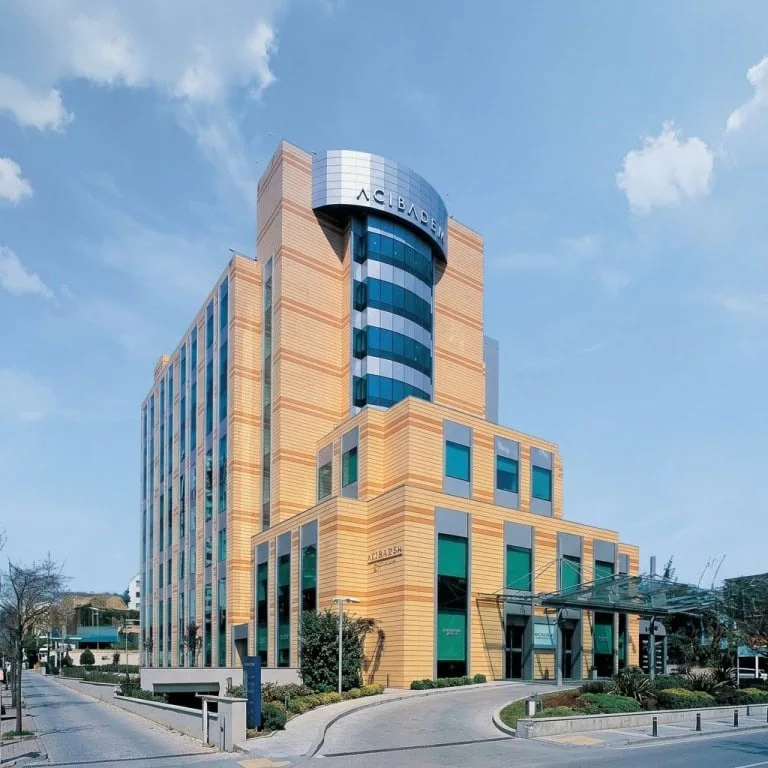
The decision that changes your risk profile is the setting. A licensed hospital brings a certified anaesthesia department, sterile theatre standards, intensive care on the same floor plan and inpatient observation, infrastructure that exists whether or not it is needed on the day. A package operation brings a theatre and a transfer van to a hotel.
The setting also shapes what happens before surgery. In a hospital plastic surgery department, a surgeon examines you, measures tissue characteristics, discusses implant size in centimetres and cubic centimetres rather than cup-size promises, and documents a consent conversation that includes the things that will not change. Package-led surgery compresses that into a messaging thread and a deposit. Both models operate; only one of them plans.
What breast augmentation costs in Turkey, and what moves it
Package prices in Turkey typically land at a fraction of Western self-pay quotes: the indicative band on this page reflects the market, not your case. What moves the individual number: implant brand and type (round versus anatomical, smooth versus textured surfaces), placement plane (over or under the muscle: a clinical decision, not a menu choice), theatre and anaesthesia time, nights of hospital stay, and whether a lift is combined when tissue position requires it.
Compare quotes as line items: which hospital by name, which surgeon by name, which implant brand and model in writing, how many nights of inpatient stay, what aftercare continues once you fly home. A quote that answers those is a medical document. A quote that answers with a total and a discount deadline is a sales document.
Implant brands, registration and the paperwork that matters
Modern implants from the major international manufacturers carry serial numbers and come with documented warranties against rupture and capsular contracture. Serious programmes register your implants: brand, model, size, serial numbers, all recorded in your file and handed to you in writing: an implant card you keep. This is not bureaucracy; it is what makes any future assessment, warranty claim or revision surgery straightforward decades later.
Ask which brands the surgeon uses and why, and confirm the implant card is standard practice. A provider that cannot name the implant brand before surgery, or shrugs at documentation, is telling you how the rest of the aftercare will run.
Choosing your surgeon: the checks that actually matter
Board certification in plastic surgery, by name, verifiable, not implied by a website title. Breast surgery volume: augmentation is common, but experience shows in the judgement calls, implant selection against your tissue, when to recommend a lift honestly, when to say a requested size will not age well. Ask to see results on bodies like yours, at your age, twelve months after surgery, not week-two highlight photographs.
Then have the honest conversations: implants are not lifetime devices, replacement or revision at some point is the norm, not the exception; scars are permanent even when well-hidden; breastfeeding and nipple sensation carry real, quantifiable considerations your surgeon should raise without being asked. A consultation that includes these conversations unprompted is the strongest quality signal available.
Combined operations: when augmentation meets a lift
Implants add volume; they do not lift. When tissue has descended, after pregnancy, weight change or time, an augmentation alone produces a heavy, low result that no implant size fixes. The honest recommendation in that anatomy is augmentation with mastopexy, a longer operation with more scarring and a different recovery. Some patients considering broader post-pregnancy surgery combine this decision with abdominal work, compared separately on the mommy makeover in Turkey page.
Be wary of the reverse pattern: a provider who never recommends a lift, whatever the anatomy, because packages price better without one. The examination exists precisely to catch this, which is why surgery quoted without an examination keeps being the theme of this comparison.
The journey: how a breast augmentation trip actually runs
Records first: photographs and history reviewed by the operating surgeon, a provisional plan and honest quote in writing. On arrival: in-person examination, sizing with the surgeon, pre-operative tests, then surgery, typically one to two hours under general anaesthesia with at least one monitored night in hospital. Most international patients plan five to seven days in Türkiye, with the follow-up check before flying.
Recovery has a shape worth knowing in advance: a support garment for weeks, no heavy lifting early on, swelling that settles over weeks, and a final result honestly judged at several months, not at day five. Structured programmes schedule photographic reviews at intervals and keep a named contact for the month-three question: the part of aftercare that separates surgery programmes from surgery packages.
Frequently asked questions
How much does breast augmentation cost in Turkey?
Typically a fraction of UK or US self-pay prices for the same implant brands: the band on this page is an indicative market range, not a quote. Your figure follows a surgeon's review of your photographs and history, itemised in writing: implant brand, hospital nights, aftercare included.
Is breast augmentation in Turkey safe?
As safe as the setting and the surgeon you choose. In a licensed hospital with a certified anaesthesia department and a board-certified plastic surgeon, the risk profile is the ordinary risk profile of the operation. The country is not the variable; the facility is.
Which implant brands are used in Turkey?
Serious programmes use the same major international implant manufacturers found in UK and US practice, with serial-number registration and a written implant card. Confirm the brand and model in writing before surgery: it is a one-line email that tells you a great deal.
How long do I need to stay in Turkey?
Commonly five to seven days: consultation and tests, surgery with a monitored night in hospital, then a follow-up check before flying. Your surgeon's written instruction governs your case; coordinators build the trip around it.
Do breast implants need replacing?
Implants are not lifetime devices. Many last well beyond a decade, but revision or replacement at some point is the norm and should be part of the planning conversation from the start, including how your implant documentation supports any future surgery, wherever it happens.
Will I need a lift as well as implants?
That is an anatomical question only an examination answers: implants add volume but do not raise descended tissue. An honest surgeon will tell you when augmentation alone will disappoint, and a provider who never recommends a lift, whatever the anatomy, is pricing packages rather than planning surgery.
What should a breast augmentation package include?
The operation, anaesthesia, implants with documented brand and serials, hospital stay, medications, transfers and defined aftercare, itemised in writing, with a stated policy for complications and revisions. Vague scope at the quote stage stays vague afterwards.
When will I see the final result?
Implants settle and swelling resolves over weeks to months; judge the final shape at several months, not in the first fortnight. Structured follow-up with photographic review at intervals is how serious programmes track exactly this.