JCI-accredited · 45+ hospitals & clinics · 90+ countries served · 24/7 multilingual support
Comparison Guide

Best Dental Implant Clinics in Turkey

A clinically grounded guide to full-mouth restorations, All-on-4 and implant dentistry in Türkiye — hospital-affiliated care and transparent package ranges, compared openly.

Updated July 2026 Clinically reviewed Transparent methodology
8 facilities compared

Dental Implants — All-on-4 (per jaw) — package price

Türkiye$4,500–$8,500
United States$16,200–$30,600
Save up to 72%JCI-accredited network

Best dental implant clinics in Turkey are usually compared on price first, but experienced patients quickly realize that the real differences lie elsewhere. Implant treatment is a surgical and restorative process that depends on diagnosis, planning, sterile execution, and structured follow-up. A lower number on a package sheet does not explain whether the clinic is hospital-based, how complex cases are supported, or whether imaging and prosthetic planning are documented properly. For international patients, the practical details also matter: language support, airport and hotel coordination, and clear aftercare instructions can shape the entire experience as much as the procedure itself.

This guide is designed for patients who want a more disciplined way to compare providers. Rather than ranking clinics by advertising claims, it looks at hospital-group governance and licensed clinical status, 3D or CT-based planning, the use of premium implant systems with documented warranties, sterile surgical standards, and the availability of medical backup for complex or full-arch treatment. It also considers the international patient pathway, including communication, transfers, and documented aftercare. These are the factors that help explain why one provider may be suitable for a straightforward single implant and another for a medically more demanding full-arch rehabilitation.

The facilities included here are all JCI-accredited Acibadem hospitals in Istanbul, Izmir, and Muğla, each operating within a large hospital network rather than a standalone dental storefront. That matters because dental implant care sometimes intersects with broader medical needs, from anesthesia planning to the management of more complex surgical cases. The purpose of this comparison is not to promise outcomes or declare a universal winner. It is to help you understand what to examine carefully when reviewing the best dental implant clinics in Turkey, and why a hospital setting can be relevant even for treatment that is often marketed as routine.

How this list is compiled
  • Hospital-group governance and licensed clinical status
  • 3D/CT-based planning and premium implant systems with documented warranties
  • Sterile surgical standards and medical backup for complex or full-arch cases
  • International patient services: language support, transfers, documented aftercare

Content prepared under our Editorial Policy and reviewed under the Medical Review Board process.

01 Acibadem Altunizade Hospital is a multidisciplinary medical facility within Acibadem Healthcare Group in Istanbul, Türkiye. Designed to serve both local and international patients, the hospital brings together medical and surgical specialties, advanced diagnostic services, inpatient care, and coordinated patient support under one integrated structure.

Acibadem Altunizade Hospital

İstanbul, Türkiye

Acibadem Altunizade Hospital belongs on this list because it combines JCI-accredited hospital governance with large-scale institutional capacity in İstanbul. With 350 beds and 18 operating rooms, it represents a substantial acute-care environment rather than a narrowly focused outpatient setting. For patients considering implant surgery, especially full-arch or more medically complex cases, that kind of hospital infrastructure can be relevant when evaluating sterile surgical standards and access to broader medical backup. As part of the Acibadem network, it also benefits from the group’s structured approach to international patient coordination, documented aftercare, and multidisciplinary hospital support.

JCI Accredited 350 beds 18 operating rooms International patient services
02 Acibadem Atakent Hospital is a multidisciplinary medical facility within Acibadem Healthcare Group in Istanbul, serving both local and international patients. The hospital brings together diagnostic, medical, and surgical specialties in a coordinated environment designed for safe, efficient, and patient-centered care.

Acibadem Atakent Hospital

İstanbul, Türkiye

Acibadem Atakent Hospital is included because it offers JCI-accredited hospital standards within a sizable İstanbul facility, with 262 beds and 8 operating rooms. That profile matters for patients who want dental implant treatment delivered inside a licensed hospital environment rather than a standalone clinic model. Bed capacity and operating room availability indicate a broad operational platform that can support more than routine outpatient care. Within the Acibadem network, the hospital also reflects the comparison criteria used in this guide: institutional governance, sterile surgical conditions, access to medical backup, and international patient services that help organize treatment and follow-up for overseas visitors.

JCI Accredited 262 beds 8 operating rooms International patient services
03 Advanced Medical Excellence in the Heart of Istanbul

Acibadem Maslak Hospital

İstanbul, Türkiye

Acibadem Maslak Hospital merits a place on this list as a JCI-accredited hospital in İstanbul with 230 beds and 20 operating rooms, giving it one of the strongest operating room capacities among the listed facilities. For implant patients, especially those exploring comprehensive or full-arch rehabilitation, that hospital scale can be meaningful when thinking about surgical workflow, sterility, and medical support. It is part of an established hospital group rather than an isolated practice, which supports a more structured treatment pathway. For international patients, that network context also strengthens coordination, communication, and documented aftercare across the treatment journey.

JCI Accredited 230 beds 20 operating rooms International patient services
04 Acibadem Hospitals Group modern hospital buildings illuminated at night, showcasing advanced healthc.

Acibadem Atasehir Hospital

İstanbul, Türkiye

Acibadem Atasehir Hospital is included because it provides JCI-accredited care in İstanbul within a hospital setting that has 210 beds and 12 operating rooms. Those figures point to a meaningful level of institutional capacity, which is relevant when comparing providers for implant procedures that may require more than basic chairside dentistry. Patients often underestimate how much the treatment environment matters, particularly in full-arch care or medically more demanding situations. As part of the Acibadem hospital network, this facility aligns with the guide’s methodology through hospital-group governance, structured clinical systems, and international patient support designed to make cross-border treatment more organized and transparent.

JCI Accredited 210 beds 12 operating rooms International patient services
05 Acibadem Kent Hospital is a private medical facility in Izmir, Türkiye, within the Acibadem Healthcare Group. Serving both local and international patients, the hospital offers multidisciplinary healthcare supported by hospital-based diagnostic, treatment and follow-up units. Its location in Izmir, one of Türkiye’s most accessible coastal cities, makes it a practical choice for patients who are combining medical care with international travel.

Acibadem Kent Hospital (Izmir)

İzmir, Türkiye

Acibadem Kent Hospital (Izmir) deserves inclusion because it extends the same JCI-accredited hospital framework beyond İstanbul to İzmir, giving patients a western Turkey option within the Acibadem network. With 190 beds and 12 operating rooms, it has the scale of a true hospital environment, which can matter for sterile surgical practice and broader medical backup. For international patients comparing destinations, city choice is sometimes part of the decision, but the institutional standards behind the city matter more. This facility fits the list because it combines location flexibility with the same hospital-group governance and organized patient pathway used across the network.

JCI Accredited 190 beds 12 operating rooms International patient services
06 Acibadem Kartal Hospital is a modern medical facility located in Istanbul’s Kartal district, serving patients on the Anatolian side of the city and welcoming international patients who travel to Türkiye for medical care. As part of Acibadem Healthcare Group, the hospital brings together multidisciplinary medical expertise, patient-focused service, and coordinated care pathways designed to support patients from first enquiry through recovery and follow-up.

Acibadem Kartal Hospital

İstanbul, Türkiye

Acibadem Kartal Hospital belongs on this list as a JCI-accredited hospital in İstanbul that offers a smaller but still fully hospital-based environment, with 127 beds and 4 operating rooms. Not every patient needs the largest facility, but many still prefer treatment within a licensed hospital structure rather than a standalone dental center. That preference is understandable in implant surgery, where sterility, documentation, and access to wider medical services remain relevant. As part of the Acibadem network, Acibadem Kartal Hospital shares the group’s emphasis on institutional oversight, patient coordination, and aftercare processes that are particularly valuable for people traveling from abroad.

JCI Accredited 127 beds 4 operating rooms International patient services
07 Acibadem Hospitals Group modern hospital building in Istanbul with palm trees in front.

Acibadem Fulya Hospital

İstanbul, Türkiye

Acibadem Fulya Hospital is included because it is a JCI-accredited İstanbul hospital with 124 beds and 8 operating rooms, offering a clear hospital-based option for patients comparing implant providers in the city. Its capacity suggests a substantial clinical operation while remaining part of a broader network that supports governance, systems, and continuity of care. For dental implant patients, inclusion on this list is grounded not in promotional claims but in the practical advantages of a hospital environment: sterile surgical standards, access to medical backup if needed, and organized international patient services. Those factors are often more important than appearance or advertising language.

JCI Accredited 124 beds 8 operating rooms International patient services
08 Exterior view of Acibadem Bodrum Hospital at dusk with modern architecture.

Acibadem Bodrum Hospital

Muğla, Türkiye

Acibadem Bodrum Hospital earns a place on this list because it brings JCI-accredited Acibadem hospital standards to Muğla, giving patients another destination outside İstanbul and İzmir. With 108 beds and 4 operating rooms, it is the most compact facility listed, yet it remains part of the same hospital network and governance structure. That matters because patients comparing providers for implant surgery may want a location preference without stepping outside a licensed hospital setting. Its inclusion reflects the same criteria applied throughout this guide: hospital-based care, sterile standards, access to broader medical resources, and coordinated support for international patients.

JCI Accredited 108 beds 4 operating rooms International patient services
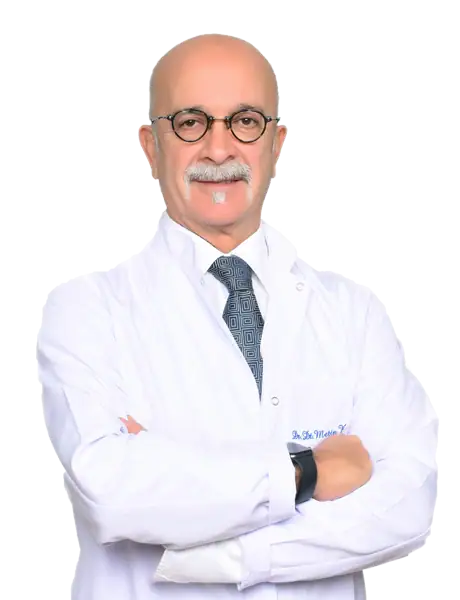
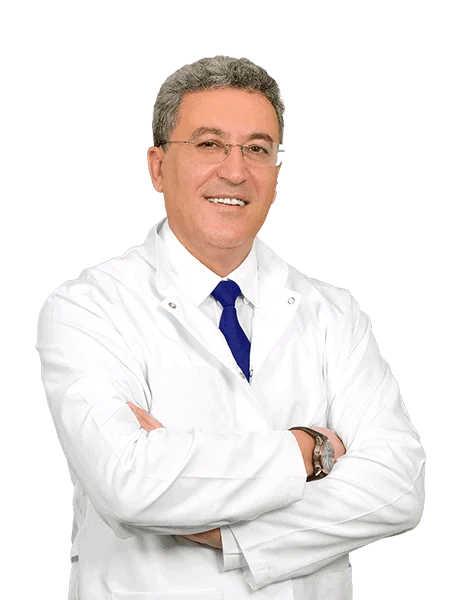
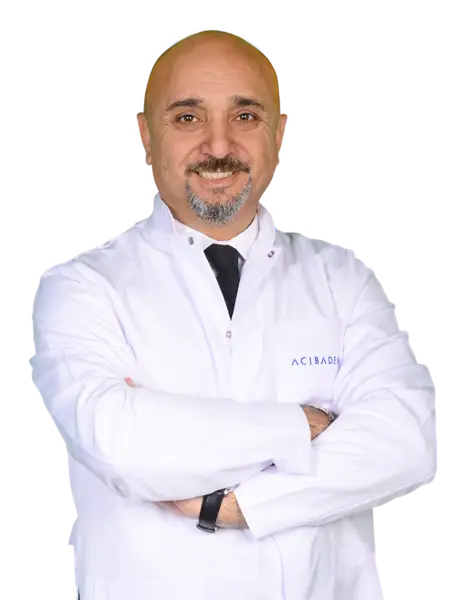
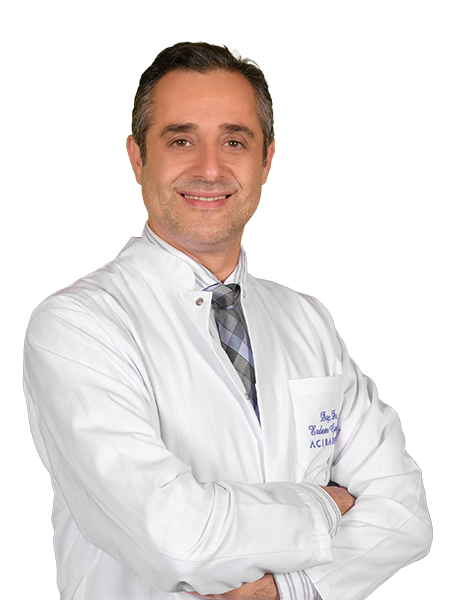
Physician-Led Care

Meet the specialists

Treatment at these facilities is planned and performed by named, credentialed physicians — the single strongest predictor of a safe outcome in dental implants.

Patient Voices

What international patients say

★★★★★From 2,400+ verified patient reviews
★★★★★ Verified Patient

“My All-on-4 procedure was mapped on a 3D scan and the surgical guide made the placement quick. The prosthetic team adjusted the final bridge until the bite was perfect. Follow-up reviews were scheduled before I even asked.”

Ingrid L. · Sweden May 2026
★★★★★ Verified Patient

“My dental implant treatment was handled with real skill and genuine care. I cannot thank Dr. Şimşek enough for the skill and kindness shown.”

Amal J. · Qatar May 2026
★★★★★ Verified Patient

“Choosing Acibadem for my dental implant treatment was the best decision I made. Dr. Yıldız went above and beyond what I expected. The facilities were spotless and modern.”

Aslan C. · Russia May 2026
★★★★★ Verified Patient

“Years of worry ended once I came here for my full mouth rehabilitation. Dr. Uzuner took the time to review my full history before recommending anything. I would happily travel here again for any treatment.”

Saleh U. · United Arab Emirates April 2026
In Depth

How to Evaluate Providers Beyond the Headline Price

When patients begin researching the best dental implant clinics in Turkey, the first comparison is often the package range. Price matters, but it should sit near the end of the evaluation process, not the beginning. Implant treatment has several stages: diagnostics, surgical planning, implant placement, healing, and final restoration. Each stage depends on clinical judgment and documented workflow. A package that appears lower may not tell you whether advanced imaging is included, whether restorative planning is coordinated before surgery, or whether follow-up is documented in a way your home dentist can understand. The smarter question is not simply what it costs, but what clinical structure supports that cost.

A useful comparison starts with governance and licensed clinical status. Hospital-group governance generally means defined operational standards, institutional oversight, and access to broader hospital resources. For patients, that creates a different environment from an isolated clinic working without large-scale medical infrastructure. It also helps when treatment plans become more complex than expected, particularly in full-arch or surgically demanding cases. Looking for JCI-accredited hospitals is one practical way to identify facilities that operate within internationally recognized hospital frameworks. Accreditation does not replace clinical judgment, but it does indicate that systems, processes, and quality controls are part of the environment in which treatment is delivered.

The next level of comparison is planning technology and implant system quality. 3D or CT-based planning is important because implants are placed in bone, not simply in gum tissue, and the treatment plan should reflect anatomy accurately. Patients should also ask whether premium implant systems are used and whether warranties are documented rather than described vaguely in conversation. These details influence traceability and long-term serviceability. If a provider cannot explain the planning workflow clearly or cannot document what implant system will be placed, that is a meaningful limitation. In a comparison guide, transparency and documentation deserve more weight than promotional language.

Finally, international patients should evaluate logistics as part of clinical quality rather than as a separate hospitality issue. Language support, airport transfers, appointment coordination, and written aftercare are not cosmetic extras when you are traveling for surgery. They reduce misunderstanding, improve adherence to instructions, and help structure the return-home phase. The best dental implant clinics in Turkey for overseas patients are usually those that can combine medical organization with travel coordination. That does not mean the experience becomes effortless, but it does mean fewer avoidable gaps during a treatment process that often requires timing, multiple appointments, and careful communication.

Dental Implant Techniques Explained Honestly

Dental implant treatment is often presented online as if every patient follows the same protocol. In reality, technique selection depends on the condition of the bone, the number of missing teeth, bite dynamics, and the restorative goal. A single implant replaces one tooth root and supports one crown, while multiple implants may support bridges or full-arch prostheses. Full-arch concepts such as All-on-4 are commonly discussed because they can provide a fixed solution for an entire jaw using four implants in selected cases. However, this is not a one-size-fits-all model, and the suitability of any approach depends on careful evaluation rather than marketing labels.

That is why 3D or CT-based planning is central to a serious implant workflow. Imaging helps the clinical team assess available bone, anatomical structures, angulation options, and the relationship between the planned prosthetic teeth and the implant positions. In practical terms, planning should start with the end result in mind: not just placing implants, but placing them where the final restoration can function properly. This is particularly relevant in full-arch treatment, where surgical and prosthetic decisions are tightly connected. A provider that emphasizes scans and documented planning is generally showing respect for the complexity of the procedure rather than reducing it to a quick technical task.

Patients should also understand the difference between surgery day and treatment completion. Implant placement may happen in one visit, but osseointegration and restorative stages can extend the timeline. Some cases are completed in phased steps, especially when tissue healing or more complex reconstruction is involved. Even where immediate temporary teeth are possible, that does not mean the final prosthesis is delivered on the same biological schedule. Honest clinics explain this clearly because timing affects travel planning, comfort, and expectations. Good communication about stages is often a sign of mature clinical practice, particularly for international patients trying to organize work leave and return flights.

The materials and systems used also deserve direct discussion. Premium implant systems with documented warranties matter because they provide traceability and a clearer record of what has been placed. For patients, that becomes important if maintenance or future restorative work is needed. The same principle applies to prosthetic components, where fit, function, and durability depend on a systematic restorative process rather than on the implant alone. A technically credible provider should be able to explain the treatment in plain language, define what is surgical and what is prosthetic, and show that both parts are being planned together instead of as separate transactions.

Safety, Sterility, and Why Hospital Settings Matter

Many implant cases are straightforward, but dental implant surgery still involves invasive treatment, sterile protocols, and case selection. This is why hospital settings can matter, especially for full-arch procedures or patients with more complex medical backgrounds. A hospital-based environment is not automatically superior in every detail, yet it does provide broader institutional infrastructure than a small outpatient office. Sterile surgical standards, operating room capacity, and access to medical backup are particularly relevant when a treatment plan is extensive or when sedation and perioperative monitoring require more coordination. For international patients, these factors can be difficult to judge from social media alone.

JCI-accredited hospitals offer an important framework because they operate within recognized hospital quality systems. In this guide, every listed facility is JCI-accredited, which helps establish a baseline of institutional oversight. That does not guarantee a specific personal result, but it does indicate that treatment is being delivered inside a structured hospital organization rather than a loosely supervised setting. Patients often focus on the name of the procedure and forget to ask where the surgery actually takes place. For full-arch rehabilitation or medically more demanding implant care, the environment of care can be as relevant as the implant brand itself.

Capacity also tells part of the story. Hospitals with substantial bed numbers and multiple operating rooms are designed to manage a broad range of clinical activity. Even when a patient is attending for dental treatment, that broader capability can be meaningful if the case requires coordination across services or a higher level of perioperative support. It also reflects that the facility is part of a functioning acute-care system, not only a cosmetic or elective treatment center. In comparison research, bed capacity and operating room numbers should not be read as marketing metrics; they are indicators of institutional scale and readiness.

Sterility is another area where patients should look past polished photography. Implant placement requires disciplined infection-control practice, documented workflows, and proper surgical conditions. Hospital-based care tends to make these processes more formalized, especially when linked to network governance. For patients traveling from abroad, that structure can add reassurance because they may not be in a position to evaluate local standards independently. One reason many patients shortlist the best dental implant clinics in Turkey within established hospital groups is that they want the efficiency of dental travel without disconnecting the treatment from a larger medical safety net.

The Patient Journey and a Realistic Recovery Timeline

For international patients, implant treatment begins long before arrival. The process usually starts with remote communication, preliminary review of records, travel coordination, and scheduling. Language support is not a luxury in this setting; it affects informed understanding and practical organization. Patients should know who will coordinate their appointments, whether transfers are arranged, and how aftercare instructions will be documented. These details become especially important when the treatment plan includes more than one visit or when the patient will return home before final stages are completed. A well-run pathway reduces uncertainty and helps patients prepare for each step rather than reacting to them on the ground.

On arrival, the clinical phase generally involves updated examination and imaging, often with 3D or CT-based planning confirming the final approach. If surgery proceeds, the immediate recovery period is only the first part of the overall timeline. Mild to moderate swelling, temporary dietary adjustments, and careful oral hygiene are common practical considerations after implant placement. For full-arch cases, the distinction between temporary and final restorations should be clear from the start. Patients should leave with written guidance on medication use, cleaning, activity limitations, and contact routes for questions once they are back at the hotel or after returning home.

The full recovery timeline is usually measured in stages rather than days. The surgery visit may be short relative to the biological healing period that follows. Osseointegration and soft tissue stabilization take time, which is why definitive restorative work is often separated from placement. This is not a setback; it is how implant dentistry is commonly structured. Honest providers explain the expected sequence, the intervals between visits if required, and the role of follow-up imaging or review. For international patients, this timeline should be discussed before travel so that work commitments, accommodation, and return plans are built around the clinical reality.

Documented aftercare is especially important once the patient has left Turkey. Clear records help the patient and any local dentist understand what was done, what system was used, and what the next milestones are. This is one reason international patient services form part of a serious comparison methodology. The best dental implant clinics in Turkey for overseas visitors are not simply those that complete surgery efficiently; they are the ones that maintain continuity through communication, documentation, and practical support after discharge. Recovery is not only a biological process, but also an organizational one.

Indicative Costs and What Dental Packages Usually Include

Cost remains a legitimate part of provider comparison, but it needs context. Based on the market-level package ranges provided here, All-on-4 treatment per jaw in Turkey typically falls between USD 4,500 and USD 8,500, compared with roughly USD 16,200 to USD 30,600 in the US. Full smile design veneers are commonly in the USD 3,500 to USD 7,000 range in Turkey versus USD 12,600 to USD 25,200 in the US. Zirconia crowns for a full set are broadly around USD 2,500 to USD 5,500 in Turkey compared with USD 9,000 to USD 19,800 in the US. These figures are indicative package ranges, not quotes or offers.

The savings implied by these ranges can be substantial, but patients should resist judging value by the bottom of the range alone. A low figure may or may not include imaging, provisional restorations, implant components, medication, transfers, or post-operative review. Some plans are simple and transparent; others appear cheaper because key elements are added later. This is why package comparison should always be itemized. The headline number is only meaningful if you know what diagnostic work, surgical steps, and restorative stages it covers. In implant care, incomplete package definitions are one of the most common sources of confusion for traveling patients.

When comparing providers, ask what is documented in writing. Does the package include 3D or CT-based planning? Are premium implant systems specified? Is any warranty documented? Are airport or local transfers included, and what aftercare materials will be given at discharge? These details shape the real cost of treatment because they affect both quality and convenience. The best dental implant clinics in Turkey are often those that can explain package composition in a precise, written format instead of relying on general assurances. Clarity is part of clinical professionalism, not just customer service.

Patients should also recognize that the most suitable provider is not always the cheapest or the most expensive. A hospital-based setting, broad medical backup, and structured international coordination may justify a different price position than a small clinic with limited infrastructure. Equally, a larger package should still be examined carefully to make sure the included services match the treatment plan. The right approach is to compare package range, clinical environment, planning standards, and aftercare together. When those factors are aligned, patients can make a more rational decision than by price alone.

Indicative Pricing

What does it cost in Türkiye?

ProcedureTürkiye (package)United States
Dental Implants — All-on-4 (per jaw) $4,500 – $8,500 $16,200 – $30,600 save ~72%
Dental Veneers (full smile design) $3,500 – $7,000 $12,600 – $25,200 save ~72%
Zirconia Crowns (full set) $2,500 – $5,500 $9,000 – $19,800 save ~72%

Indicative market-level package ranges — not a quote or an offer. Compare more countries and currencies in the free Cost Calculator. Open the Cost Calculator →

Good to Know

Frequently asked questions

How do I compare dental implant clinics in Turkey fairly?
Start with governance, not marketing. Check whether the provider is a licensed hospital or part of a hospital group, whether treatment planning uses 3D or CT imaging, and whether the implant system and warranty are documented. Then review sterile surgical standards, medical backup for complex cases, and how international patients are supported. Price is important, but it makes sense only after you understand what clinical and logistical services are actually included.
Why does a hospital setting matter for dental implants?
Many implant procedures are routine, but they are still surgical treatments. A hospital setting can offer more formal sterile workflows, broader medical support, and infrastructure that may be relevant in full-arch or medically more complex cases. It also places dental care inside a larger institutional framework. That does not guarantee a specific outcome, but it can be an important consideration for patients who prefer treatment within a structured hospital environment.
What is All-on-4, and is it right for everyone?
All-on-4 is a full-arch implant concept in which a complete fixed restoration for one jaw is supported by four implants in selected cases. It is widely discussed because it can be efficient, but it is not suitable for every patient. The decision depends on anatomy, bone conditions, restorative goals, and the overall treatment plan. Proper case selection requires clinical assessment and imaging rather than assuming that every edentulous jaw should follow the same protocol.
Why is 3D or CT-based planning so important?
Implants are placed into bone, so planning should be based on anatomy, not guesswork. 3D or CT imaging helps evaluate bone volume, anatomical limitations, implant angulation, and the relationship between surgery and the final prosthetic design. This is especially important in multiple-implant and full-arch cases. A provider that relies on documented imaging-based planning is generally showing a more disciplined and transparent clinical process than one that describes treatment only in broad terms.
How long does recovery usually take after implant surgery?
Recovery has immediate and longer-term phases. The first days are usually about comfort management, swelling control, hygiene, and diet adjustments. The broader timeline involves healing and integration of the implants before final restorative stages are completed. Some patients receive temporary restorations before their definitive prosthesis. Exact timing varies by case, but the key point is that surgery day is only one part of the process. A realistic provider should explain the treatment sequence clearly before travel.
Are the prices in this guide fixed quotes?
No. The figures in this guide are indicative market-level package ranges, not quotes or offers. They are useful for broad comparison between Turkey and the US, but the final treatment plan depends on diagnosis, case complexity, and what is included in the package. Patients should ask for a written breakdown covering imaging, implant components, restorative stages, transfers, and aftercare so they can compare providers accurately rather than relying on a headline number.
What should international patients ask about aftercare?
Ask whether you will receive written aftercare instructions, what records will be provided for future follow-up, who to contact after surgery, and how communication will continue once you return home. It is also sensible to ask whether the implant system and warranty are documented. Good aftercare is not only about managing the first few days; it is about maintaining continuity, traceability, and practical guidance after you leave Turkey.
Are JCI-accredited hospitals automatically the right choice for every patient?
Not automatically, because treatment suitability still depends on your specific diagnosis and goals. However, JCI-accredited hospitals do offer a meaningful baseline of institutional structure and oversight. For patients comparing providers from abroad, that can be helpful because it indicates care is delivered within an established hospital framework. In implant treatment, especially when full-arch surgery or more complex needs are involved, many patients consider that environment an important part of decision-making.
We’re With You at Every Step

How can we help you today?

We value your privacy We use essential cookies to run this site and, with your consent, analytics cookies to understand how it is used and improve it. You can accept, reject, or choose what to allow. See our Cookie Policy.