

Cellulitis
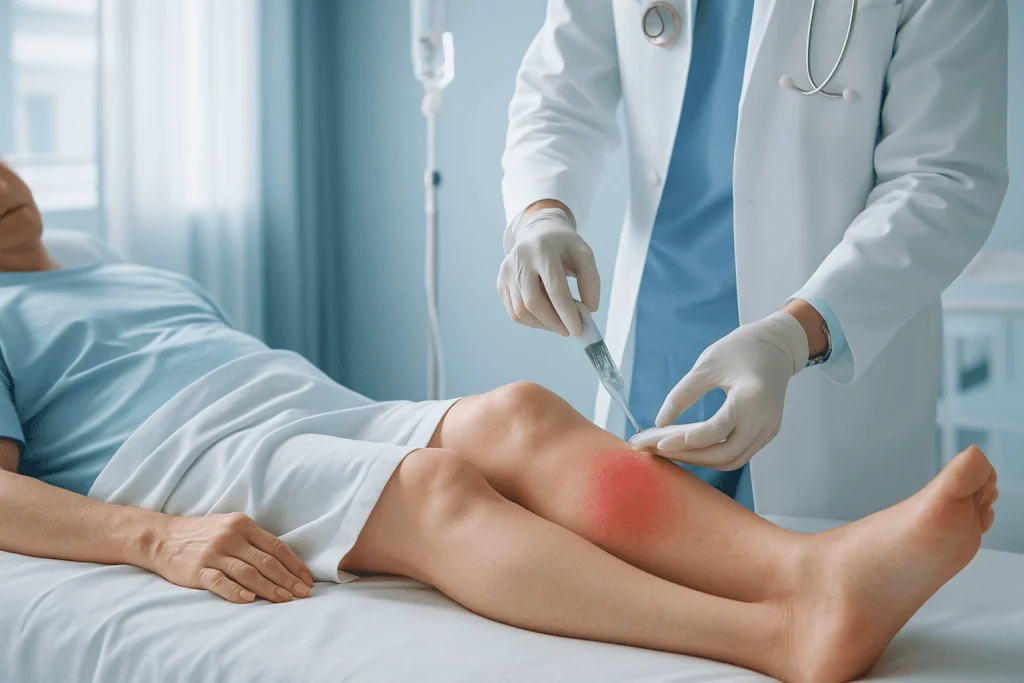
Cellulitis treatment addresses a bacterial skin and soft tissue infection causing redness, swelling, warmth, and pain. Care usually involves prompt antibiotics, wound management, and monitoring for complications.
Quick answer
Cellulitis treatment focuses on clearing a bacterial skin and soft tissue infection and preventing it from spreading or causing complications. At Acibadem in Turkey, care typically begins with clinical assessment and may include oral or intravenous antibiotics, wound care, pain control, and monitoring, with hospital treatment considered for more severe cases.
Medically reviewed by the Acıbadem International Medical Board — June 20, 2026
When Redness, Swelling, and Pain May Signal More Than a Skin Problem
Cellulitis can begin quietly: a tender area around a small cut, a swollen ankle that feels warm, a red patch that seems to spread over hours, or pain that feels out of proportion to what you can see on the skin. For many patients, the uncertainty is the most difficult part. Is it an allergic reaction? A blood clot? A minor infection that will settle on its own? Or something that needs urgent medical attention?
Cellulitis is a bacterial infection of the deeper layers of the skin and the soft tissue beneath it. It most often affects the legs, feet, arms, hands, or face, but it can occur anywhere bacteria enter through a break in the skin. Even a very small opening, such as an insect bite, scratch, eczema crack, surgical incision, ulcer, or fungal infection between the toes, can allow bacteria to move into the tissue.
Prompt treatment matters because cellulitis can spread. In many people, it improves well with the right antibiotic and supportive care. However, when treatment is delayed or the infection is severe, bacteria may extend into deeper tissues, enter the bloodstream, or trigger complications that require hospital-level care. This is especially important for people with diabetes, poor circulation, lymphedema, immune suppression, chronic wounds, recent surgery, or previous episodes of cellulitis.
For international patients, the decision to seek care abroad often comes with additional concerns: whether the diagnosis is correct, whether antibiotics are truly needed, how long recovery will take, whether hospitalization is necessary, and how treatment can be coordinated safely across languages and health systems. At Acibadem, cellulitis care is organized around accurate assessment, timely antibiotics, careful monitoring, wound management when needed, and a clear plan for recovery and follow-up.
What Cellulitis Treatment Is
Cellulitis treatment is the medical management of a bacterial skin and soft tissue infection. The primary treatment is antibiotic therapy chosen according to the likely bacteria, the location and severity of infection, the patient’s medical history, allergy profile, immune status, and any risk factors for resistant organisms. Treatment may be given by mouth, through a vein, or by a combination of both depending on the clinical situation.
Most uncomplicated cellulitis is caused by bacteria commonly found on the skin, particularly streptococcal species and, in some cases, Staphylococcus aureus. The goal of treatment is to stop bacterial growth, reduce inflammation, prevent spread, relieve symptoms, and protect the patient from complications. In addition to antibiotics, treatment may include elevation of the affected limb, pain and fever control, wound cleansing, dressing care, drainage of an abscess if present, management of fungal infection or skin breakdown, and review of underlying conditions that may make cellulitis more likely to recur.
Cellulitis treatment is not always the same for every patient. A healthy adult with a mild infection on the lower leg may be treated with oral antibiotics and close follow-up. A patient with rapidly spreading redness, high fever, diabetes, immune suppression, facial involvement, a surgical wound infection, or concern for a deeper infection may need blood tests, imaging, intravenous antibiotics, inpatient observation, and consultation with specialists such as infectious diseases, dermatology, vascular surgery, wound care, endocrinology, or plastic and reconstructive surgery.
Good care also involves confirming that the problem is truly cellulitis. Several conditions can mimic cellulitis, including deep vein thrombosis, venous stasis dermatitis, gout, contact dermatitis, insect bite reactions, lymphedema flare, erysipelas, abscess, and inflammatory skin diseases. Accurate diagnosis helps avoid both undertreatment of a serious infection and unnecessary antibiotic use when the cause is not bacterial.
Who May Need Cellulitis Treatment
You may need evaluation and treatment for cellulitis if you have a red, swollen, warm, painful area of skin that is expanding, especially if it is associated with fever, chills, fatigue, swollen lymph nodes, drainage, blisters, red streaks, or an open wound. The affected area may feel tight or tender, and the skin may look glossy. Some patients notice that the redness spreads beyond a mark they drew on the skin only a few hours earlier.
Cellulitis can affect anyone, but certain situations increase risk. These include cuts, abrasions, burns, animal or human bites, insect bites, surgical incisions, ulcers, eczema, athlete’s foot, chronic swelling, obesity, reduced blood flow, diabetes, kidney disease, liver disease, cancer treatment, steroid use, immune-suppressing medications, injection drug use, and previous cellulitis. People who have had lymph node removal, radiation therapy, or chronic lymphedema may be particularly vulnerable because fluid buildup can reduce local immune defense and make it easier for bacteria to spread.
Diagnosis begins with a careful medical examination. The physician assesses the appearance and size of the affected area, the speed of spread, tenderness, warmth, swelling, drainage, fever, vital signs, and risk factors. The skin is examined for an entry point such as a wound, ulcer, fissure, fungal infection, or surgical incision. If the infection is on a limb, circulation, sensation, range of motion, and the presence of swelling are also evaluated.
Laboratory tests may be recommended when symptoms are moderate or severe, when the patient has fever or systemic illness, when hospitalization is being considered, or when there are important medical conditions. Blood tests can help assess inflammation, white blood cell count, kidney function, glucose control, and safety for certain antibiotics. Blood cultures may be taken in selected cases, especially if there is fever, immune suppression, severe infection, or concern that bacteria may have entered the bloodstream. If there is drainage or an open wound, a sample may be sent for culture to help identify the bacteria and antibiotic sensitivities.
Imaging is not required for every case, but it can be important when the diagnosis is uncertain or complications are suspected. Ultrasound may help distinguish cellulitis from an abscess that needs drainage or from a blood clot in the leg. Advanced imaging may be used when there is concern for a deep soft tissue infection, bone involvement, foreign body, surgical complication, or necrotizing infection. The decision is guided by the patient’s symptoms, examination findings, and overall risk profile.
Conditions and Indications Cellulitis Treatment Addresses
Cellulitis treatment addresses bacterial infection of the skin and soft tissue. It may be used for uncomplicated cellulitis, recurrent cellulitis, cellulitis associated with wounds or ulcers, cellulitis around surgical incisions, cellulitis after trauma, facial cellulitis, hand infections, diabetic foot-related soft tissue infection, and infection in patients with chronic swelling or impaired circulation.
Some patients have erysipelas, a related infection that affects more superficial layers of the skin and often has a sharply raised border. Others may have an abscess, which is a pocket of pus beneath the skin. An abscess may appear as a painful lump, sometimes with drainage or a soft center. Antibiotics alone may not be enough for an abscess; drainage is often needed to remove infected material and allow healing.
Cellulitis treatment also addresses the conditions that allow infection to develop or recur. For example, fungal infection between the toes can create small cracks that serve as entry points for bacteria. Chronic venous insufficiency can cause swelling and skin changes that weaken the skin barrier. Diabetes can impair immune function and wound healing. Lymphedema can make the affected limb more prone to repeated infections. Effective treatment therefore includes both the acute infection and the underlying contributors whenever possible.
In more serious cases, cellulitis treatment may be part of broader care for sepsis, deep tissue infection, infected ulcers, postoperative wound complications, or suspected bone infection. These situations require a higher level of monitoring and often involve more than one specialty. Early identification of severity is one of the most important steps in choosing the safest treatment plan.
How Cellulitis Treatment Is Performed
Initial Assessment and Preparation
Care begins with a focused but thorough evaluation. The medical team reviews when symptoms started, how quickly the redness or swelling has spread, whether there has been fever or chills, and whether the patient has had cellulitis before. The physician asks about recent injuries, bites, travel, water exposure, surgery, injections, skin conditions, chronic wounds, diabetes, immune suppression, medication use, and antibiotic allergies.
The affected area is examined and often measured or marked so that progression can be monitored. Photographs may be used in the medical record when appropriate to compare changes over time. Vital signs are checked because fever, low blood pressure, rapid heart rate, or confusion may indicate a more serious systemic infection. If the cellulitis involves the leg, the team may assess for swelling patterns and risk factors that could suggest a blood clot or venous disease.
Before antibiotics are started, cultures may be collected if there is drainage, an open wound, or suspicion of bloodstream infection. In many routine cases, cultures are not available because cellulitis often occurs without an open wound. Treatment is then based on the most likely organisms and adjusted if new information becomes available.
Antibiotic Treatment
Antibiotics are the foundation of cellulitis treatment. For mild cellulitis in a stable patient, oral antibiotics may be appropriate. The prescribed medication is selected to target the bacteria most commonly responsible, while considering allergy history, kidney function, local resistance patterns, pregnancy status when relevant, and prior antibiotic exposure.
Intravenous antibiotics may be recommended when cellulitis is severe, spreading quickly, associated with high fever or systemic illness, located in a high-risk area such as the face or around the eye, or occurring in a patient with significant immune suppression or complex medical conditions. IV therapy may also be used when oral medication is not tolerated, when the patient is vomiting, or when initial oral treatment has not improved the infection.
In some cases, patients begin with IV antibiotics and transition to oral medication once fever improves, pain decreases, redness stabilizes, and laboratory markers move in the right direction. The total duration of antibiotics depends on severity, response to treatment, and underlying conditions. Some cases improve with a short course; more complex infections may require longer therapy and closer review.
Wound Care, Drainage, and Supportive Treatment
If there is a wound, ulcer, blister, surgical incision, or drainage, wound care is an important part of treatment. This may include gentle cleansing, removal of nonviable tissue when needed, appropriate dressings, moisture balance, pressure relief, and instructions to reduce contamination. If an abscess is present, the physician may perform an incision and drainage procedure under local or appropriate anesthesia. Removing pus can be essential because antibiotics may not penetrate an abscess effectively.
Supportive care helps the body recover. Elevating the affected limb can reduce swelling and discomfort. Pain relievers and fever-reducing medication may be used when appropriate. Hydration and nutrition support healing. For patients with diabetes, glucose control is especially important because high blood sugar can slow immune response and wound repair. Compression therapy may be considered later in selected patients with chronic swelling or venous disease, but it is usually guided carefully and not applied in a way that worsens pain or circulation concerns during acute infection.
Technology Used in Diagnosis and Monitoring
Modern cellulitis care uses technology to improve diagnostic accuracy and safety. Laboratory testing helps evaluate inflammation, organ function, blood sugar, and suitability for specific antibiotics. Microbiology testing can identify bacteria and antibiotic sensitivities when cultures are available. Ultrasound can help detect an abscess beneath the skin or evaluate for a blood clot when symptoms overlap. Cross-sectional imaging may be used in selected cases to assess deeper infection, muscle or fascia involvement, foreign bodies, or possible bone infection.
Digital medical records, imaging systems, and care coordination tools support communication among physicians, nurses, wound care teams, and international patient coordinators. For patients traveling from another country, clear documentation of diagnosis, medications, test results, and follow-up recommendations is essential for safe continuation of care after returning home.
Typical Duration of Treatment and Recovery
The clinical visit for uncomplicated cellulitis may be completed on an outpatient basis, with a treatment plan and follow-up instructions provided the same day. More serious cellulitis may require observation or hospitalization for IV antibiotics, monitoring, imaging, or surgical consultation. The length of hospital care varies according to severity and response.
Patients often begin to feel better within the first few days after appropriate antibiotics are started, but redness and swelling can take longer to settle. It is common for the skin to remain discolored, tight, itchy, or mildly swollen even after the infection is controlled. In the first 24 to 48 hours, the redness may not disappear immediately; the key is whether fever improves, pain decreases, and the area stops expanding. If symptoms worsen, spread rapidly, or new warning signs appear, reassessment is needed.
Recovery also depends on whether there is an associated wound, ulcer, abscess, diabetes, circulation problem, or lymphedema. Preventing recurrence may require skin care, treatment of athlete’s foot or eczema, swelling control, foot care, weight management, protective footwear, or specialist follow-up.
Why Acting Early Matters
Cellulitis is usually treatable, but it should not be ignored. Early treatment can prevent bacteria from spreading through soft tissue and can reduce the likelihood of needing hospital care. When treatment is delayed, the infection may become more painful, more extensive, and more difficult to control. Swelling can worsen, skin may blister, and wounds may break down.
In some patients, cellulitis can lead to bacteremia, which means bacteria enter the bloodstream. This may progress to sepsis, a serious body-wide response to infection that requires urgent care. Infection can also spread to deeper structures, including abscesses, muscles, fascia, joints, or bone. Necrotizing soft tissue infection is uncommon but dangerous; warning signs include severe pain, rapidly spreading redness, skin discoloration, numbness, confusion, low blood pressure, or a patient who appears much sicker than the skin findings suggest.
Delaying care may also allow underlying problems to worsen. A diabetic foot infection, for example, may involve deeper tissue than is visible at the surface. A wound infection after surgery may need imaging or drainage. A swollen leg that looks like cellulitis may sometimes be a blood clot. Early medical assessment helps distinguish these possibilities and match treatment to the true cause.
Benefits of Cellulitis Treatment
Timely cellulitis treatment aims to control infection, reduce symptoms, and prevent complications while addressing factors that may contribute to recurrence.
| Benefit | What It Means for You |
|---|---|
| Control of bacterial infection | Appropriate antibiotics help stop the infection from spreading and support recovery of the affected skin and soft tissue. |
| Reduced pain, redness, and swelling | As the infection responds, tenderness, warmth, fever, and tightness usually begin to improve, although skin changes may take longer to fade. |
| Lower risk of complications | Early treatment can reduce the chance of abscess formation, bloodstream infection, deeper tissue involvement, and hospitalization. |
| Identification of underlying causes | Evaluation may reveal wounds, fungal infection, venous disease, lymphedema, diabetes-related issues, or other contributors that require attention. |
| Clear follow-up plan | You receive guidance on medication use, warning signs, wound care, activity, travel considerations, and when to seek reassessment. |
Recovery Timeline After Cellulitis Treatment
Recovery varies by severity and medical background, but many patients follow a general pattern after appropriate treatment begins.
| Time Period | What Patients Can Expect |
|---|---|
| Day 1 | Evaluation, diagnosis, and antibiotic treatment begin. The affected area may be marked or photographed for monitoring. Pain control, elevation, and wound care instructions may be provided. |
| First 48 to 72 Hours | Fever and pain often begin to improve if treatment is effective. Redness may take longer to recede and should be monitored for continued spread or new symptoms. |
| First Week | Many uncomplicated cases show clear improvement. Patients should complete antibiotics as prescribed and attend follow-up if requested, especially if there is a wound, diabetes, or swelling. |
| First Month | Residual swelling, discoloration, peeling, or sensitivity may gradually settle. Underlying issues such as fungal infection, ulcers, or lymphedema may need ongoing care. |
| Longer Term | Prevention focuses on skin protection, foot care, swelling control, management of chronic disease, and early treatment if symptoms return. |
What Influences Outcomes and a Good Result
A good cellulitis outcome depends on several factors, beginning with the accuracy of the diagnosis. Because cellulitis can resemble other conditions, the physician’s assessment of the skin findings, risk factors, vital signs, and need for tests is central to choosing the right treatment. When an abscess, wound infection, blood clot, dermatitis, or vascular condition is mistaken for simple cellulitis, recovery may be delayed because the underlying issue has not been addressed.
The timing of treatment also matters. Earlier care is generally associated with faster control of infection and fewer complications. Patients who seek medical attention when redness is expanding, fever develops, pain increases, or the affected area involves the face, hand, surgical site, or diabetic foot are more likely to receive the level of care needed before the situation becomes more complex.
The choice and correct use of antibiotics are important. Antibiotics should be taken exactly as prescribed. Stopping early because symptoms improve can allow infection to return, while missed doses may reduce effectiveness. If side effects occur, patients should contact the medical team rather than discontinuing treatment without guidance. Antibiotic selection may need adjustment if cultures identify a resistant organism or if the patient does not improve as expected.
The patient’s overall health influences recovery. Diabetes, poor circulation, chronic edema, kidney disease, immune suppression, obesity, smoking, malnutrition, and chronic wounds can slow healing. In these situations, cellulitis care often needs to include management of the broader medical picture. For example, optimizing blood sugar, improving wound care, protecting the skin barrier, treating fungal infections, and addressing swelling may reduce the risk of recurrence.
Follow-up is another key factor. Cellulitis should move in the right direction after treatment begins. If redness continues to spread, fever persists, pain worsens, blisters develop, numbness appears, or the patient feels increasingly unwell, medical reassessment is necessary. For international patients, follow-up planning should include travel timing, medication availability, documentation for the physician at home, and clear instructions on when urgent care is needed.
Why International Patients Choose Acibadem for Cellulitis Care
International patients seeking care for cellulitis often want more than a prescription. They want to know that the diagnosis has been carefully considered, that complications have been ruled out when necessary, that antibiotics are selected responsibly, and that the care plan is understandable in their own language. Acibadem’s approach is designed around these needs, particularly for patients traveling from abroad or seeking a second opinion for a persistent or recurrent infection.
Care is provided in JCI-accredited hospitals where infection management, patient safety, medication processes, and clinical documentation follow international quality expectations. For cellulitis, this matters in practical ways: timely triage, appropriate laboratory and imaging access, antibiotic stewardship, careful monitoring of patients who need IV treatment, and coordination between departments when the infection is more complex than it first appears.
Cellulitis may involve several specialties depending on the patient’s condition. Infectious diseases physicians may help guide antibiotic choice in severe, recurrent, resistant, or immune-compromised cases. Dermatologists can assist when the diagnosis is uncertain or inflammatory skin disease is part of the picture. General surgery, orthopedics, plastic and reconstructive surgery, or vascular surgery may be involved if there is an abscess, diabetic foot concern, infected ulcer, tissue damage, or circulation issue. Endocrinology may contribute when diabetes control is central to healing. Wound care teams support patients with ulcers, postoperative wounds, or tissue breakdown.
This multidisciplinary structure is especially valuable for patients whose cellulitis has not improved with initial treatment, who have repeated episodes, or who have conditions such as lymphedema, venous insufficiency, diabetes, or immune suppression. Specialist boards and collaborative review allow complex cases to be discussed from more than one clinical perspective, helping the team build a treatment plan that fits the infection, the patient’s risks, and the realities of recovery.
Diagnostic pathways at Acibadem may include modern laboratory testing, microbiology services, ultrasound, vascular assessment, wound evaluation, and advanced imaging when clinically indicated. The purpose is not to perform unnecessary tests, but to answer the right questions: Is there an abscess? Is the infection deeper than it appears? Is there a blood clot? Is bone involved? Is this truly cellulitis or another condition that looks similar? These answers shape treatment and can prevent delays.
For patients from the United States and other countries, international patient services are an important part of the experience. Acibadem International supports patients with appointment coordination, medical record transfer, interpreter services in more than 20 languages, hospital admission processes when required, and communication between the patient, family, and care team. This is particularly helpful when treatment decisions must be made quickly, or when the patient needs clear discharge instructions before traveling home.
Personalized treatment planning is central to cellulitis care. A mild infection in an otherwise healthy traveler may require focused outpatient care and follow-up. A patient with a diabetic foot wound may need imaging, wound care, glucose management, and specialist evaluation. A patient with recurrent cellulitis and lymphedema may need an acute treatment plan plus prevention strategies. An older adult with fever and low blood pressure may need urgent inpatient treatment. The plan is shaped by clinical severity, not by a one-size-fits-all protocol.
Patients also choose Acibadem when they want a second opinion. Recurrent redness and swelling can be frustrating, particularly when several antibiotic courses have not solved the problem. In such cases, the question may be whether the bacteria are resistant, whether there is an undrained abscess, whether a chronic wound is acting as a source, whether swelling is driving recurrence, or whether the condition is not cellulitis at all. A structured second opinion can help clarify the next step.
Moving Forward With Confidence
Cellulitis is common, but it deserves careful attention. The right treatment can relieve symptoms, stop the infection from spreading, and reduce the risk of serious complications. Just as importantly, a thoughtful evaluation can identify the reason cellulitis developed and what can be done to prevent it from returning.
If you have spreading redness, warmth, swelling, pain, fever, drainage, a wound that is worsening, or cellulitis that has not improved with treatment, medical assessment should not be delayed. International patients can request a consultation or second opinion at Acibadem to review symptoms, previous test results, medications, wound history, and the most appropriate next steps for care.
Note: This information is general and is not a substitute for professional medical advice, diagnosis, or treatment. Always consult a qualified healthcare professional for guidance based on your individual condition.
Preparation
- A doctor evaluates the affected skin, checks vital signs, and reviews medical history, allergies, and current medications. Blood tests, wound cultures, or imaging may be requested if the infection is severe, recurrent, or linked to an abscess. Patients should not delay care if fever, rapidly spreading redness, or severe pain is present.
Aftercare
- Take antibiotics exactly as prescribed and complete the full course, even if symptoms improve. Keep the affected area clean, elevate the limb when advised, and follow wound care instructions. Seek urgent medical attention if redness spreads, fever develops, pain worsens, or symptoms do not improve within 24 to 48 hours.
Turkey vs UK, Germany & USA
Cellulitis treatment costs vary depending on infection severity, the need for tests or hospital care, and whether wound or abscess management is required. Because cellulitis can progress quickly, a specialist assessment is important before planning travel or treatment.
The overall patient experience is influenced by how quickly care can be accessed, whether treatment is outpatient or inpatient, and what is included in the care package.
| Factor | Turkey | UK | Germany | USA |
|---|---|---|---|---|
| Price drivers | Private hospital fees, specialist review, laboratory tests, imaging if needed, antibiotics, wound care, and admission level. | Costs depend on public or private pathway, urgency, diagnostics, prescription needs, and whether private admission is required. | Costs are influenced by specialist consultations, diagnostics, hospital category, antibiotic route, and length of monitoring. | Costs may vary widely by facility, insurance status, emergency access, diagnostics, medication, and inpatient care. |
| Hospital and specialist factors | International hospitals may offer dermatology, infectious diseases, emergency care, and wound care coordination in one setting. | Care may be provided through general practice, urgent care, dermatology, infectious diseases, or hospital services depending on severity. | Care is often structured through dermatology, infectious diseases, surgery, or internal medicine depending on findings. | Care may involve urgent care, emergency departments, dermatology, infectious diseases, or surgical services when drainage is needed. |
| Accreditation and quality | Some hospitals serving international patients hold JCI accreditation and use standard infection-control pathways. | Quality oversight depends on the care setting, with regulated public and private providers. | Hospitals follow national quality and infection-control standards, with additional certifications in some centres. | Hospitals follow national and state-level quality requirements, with accreditation varying by provider. |
| Typical waiting times | Private appointment scheduling may be coordinated quickly, but urgent cellulitis should be assessed without delay. | Access route may affect timing; urgent or worsening infection should be assessed promptly. | Specialist availability and referral pathways affect timing; urgent infection requires prompt assessment. | Urgent care may be available rapidly, while specialist follow-up depends on provider access and insurance arrangements. |
| Travel and language logistics | International patient teams may help with appointment planning, translation, airport-hotel coordination, and follow-up guidance. | Language support varies by provider; travel planning is usually separate from medical scheduling. | Language support may be available in larger centres; international coordination varies. | Language support and care navigation vary by hospital network and insurance arrangements. |
| Typical package scope | May include specialist consultation, tests, antibiotic plan, wound care, nursing support, and medical reports; admission is added if needed. | Private packages may include consultation and selected diagnostics, while prescriptions and procedures may be billed separately. | Packages may include consultation and diagnostics, with medications, procedures, and admission handled according to the care plan. | Bundling varies; consultation, facility fees, tests, medication, and follow-up may be billed separately. |
What affects your final cost
- Severity of infection: spreading redness, fever, or deeper tissue involvement can require closer monitoring.
- Antibiotic route: oral treatment is usually simpler than intravenous therapy or inpatient treatment.
- Diagnostics: blood tests, cultures, ultrasound, or other imaging may be needed to check for complications.
- Wound or abscess care: dressings, drainage, debridement, or surgical review can change the treatment plan.
- Underlying health conditions: diabetes, circulation problems, immune suppression, or recurrent infections may require more intensive care.
- Follow-up needs: repeat assessment, dressing changes, medication adjustment, and travel fitness advice can affect the package.
Compare your options
Cellulitis treatment is tailored to the site of infection, severity, symptoms, medical history, and response to treatment. Suitability for any option is decided by a specialist after assessment.
| Option | What it is | Typical use | Key considerations |
|---|---|---|---|
| Outpatient oral antibiotics | Antibiotic tablets or capsules prescribed after clinical assessment. | Commonly used for mild cellulitis without signs of systemic illness or complications. | Requires correct diagnosis, adherence to medication, monitoring of redness and pain, and follow-up if symptoms worsen. |
| Intravenous antibiotics | Antibiotics given through a vein in an emergency unit, day-care setting, or hospital ward. | Used when infection is more severe, oral treatment is unsuitable, or rapid medical supervision is needed. | May require blood tests, cannula care, observation, and transition to oral antibiotics when clinically appropriate. |
| Inpatient care | Hospital admission for monitoring, antibiotics, fluids, pain control, and complication assessment. | Considered for spreading infection, fever, high-risk medical conditions, or concern for deeper infection. | Cost and care intensity depend on monitoring needs, diagnostic tests, specialist input, and clinical response. |
| Wound care and dressing management | Cleaning, dressing, and monitoring of cuts, ulcers, surgical wounds, or skin breaks linked to cellulitis. | Used when a visible wound or skin entry point is present. | Ongoing dressing changes, culture sampling, pressure relief, and skin care education may be needed. |
| Abscess drainage or surgical review | Assessment and drainage of a pus collection, or surgical evaluation if deeper infection is suspected. | Used when cellulitis is associated with abscess, necrotic tissue, foreign body, or poor response to antibiotics. | May involve local procedures, imaging, cultures, anaesthesia planning, and additional follow-up. |
| Supportive and preventive care | Elevation, pain control, skin care, treatment of fungal infection, and management of risk factors. | Used alongside antibiotics and especially for recurrent cellulitis or swelling-related cases. | Long-term control may require attention to oedema, skin breaks, foot care, and underlying medical conditions. |
Trusted care for international patients
General information only — not medical or financial advice. Final costs depend on the factors above and your individual case; request a free, personalised quote.
Frequently Asked Questions
What affects the cost of cellulitis treatment?
The main factors are infection severity, whether treatment is outpatient or inpatient, the need for blood tests or imaging, antibiotic route, wound care, abscess drainage, and follow-up requirements.
Can I get a personalised quote before travelling?
Yes. You can request a free consultation with medical reports, photos of the affected area if appropriate, current medications, allergy history, and any recent test results. The team can then outline a personalised treatment plan and estimated package scope.
Is cellulitis suitable for medical travel?
Active cellulitis can worsen quickly, so urgent symptoms should be assessed locally without delay. Travel may be considered only after a clinician confirms that it is safe, or when travel is for planned follow-up, wound care, or evaluation of recurrent infections.
What is usually included in a cellulitis treatment package?
A package may include specialist consultation, clinical examination, selected laboratory tests, antibiotic planning, wound care, nursing support, medical reports, and follow-up guidance. Hospital admission, imaging, procedures, or additional medications may be added if clinically needed.
Why might the final cost change after assessment?
The final cost may change if the infection is deeper than expected, if intravenous antibiotics are required, if an abscess needs drainage, if additional tests are needed, or if underlying conditions require closer monitoring.