

Medical Oncology Department
Chemotherapy, immunotherapy and targeted therapy planned by a multidisciplinary tumor board — coordinated cancer care across Acibadem's JCI-accredited hospitals.
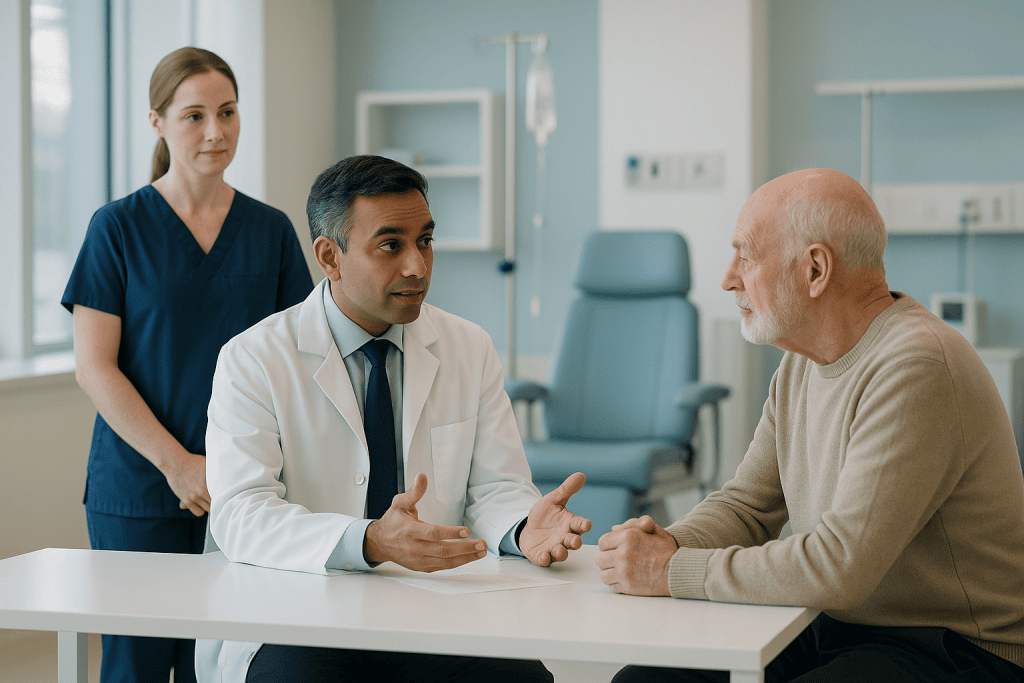
Three ways medicine fights cancer
Which of these belongs in your plan is decided by your tumor's tested biology and the tumor board — never by a menu.
Chemotherapy
Medicines that attack rapidly dividing cancer cells — still the backbone of treatment for many cancers, given in planned cycles with recovery time between.
- GivenIn cycles, mostly outpatient
- RoleBefore / after surgery, or main
- SupportPreventive side-effect care
Immunotherapy
Releases the brakes cancer places on your immune system, so your own defences attack the tumor — transformative for suitable patients, chosen on biomarker evidence.
- WhoBiomarker-selected patients
- Used forMelanoma, lung & more
- Decided byTest results, not hope
Targeted & Hormone Therapy
Drugs aimed at a specific abnormality found in your tumor, or at the hormonal signals it grows on — precision prescribed on profiling, often as tablets.
- BasisGenomic & receptor testing
- FormOften oral — home-friendly
- Follow-upRemote where safe
Surgery and radiotherapy join the plan where your case needs them — sequenced by the tumor board. Ask what fits your diagnosis →
Your plan is made by a table of specialists — not one opinion
Medical oncologists, surgeons, radiation oncologists, radiologists and pathologists review your case together and agree a single plan. It is the international standard of good cancer care — and at Acibadem it is how every case works.
- ✓Diagnosis and pathology re-verified before any treatment begins
- ✓Tumor biology tested — biomarkers decide targeted & immune therapy
- ✓Drug therapy, surgery and radiation sequenced as one plan
- ✓Senior professors lead the case that matches their daily practice
- ✓Honest goals stated plainly: cure, control, or comfort and time
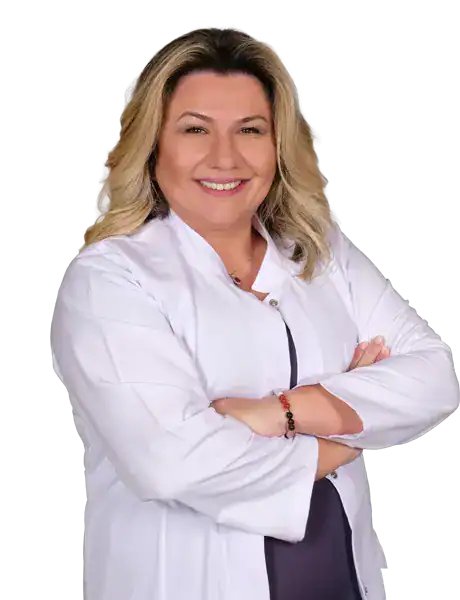
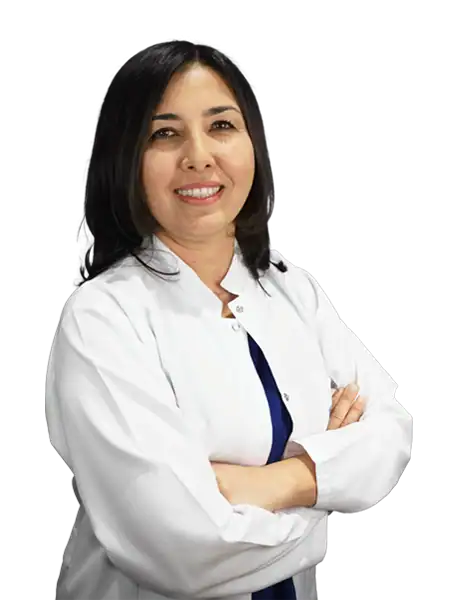
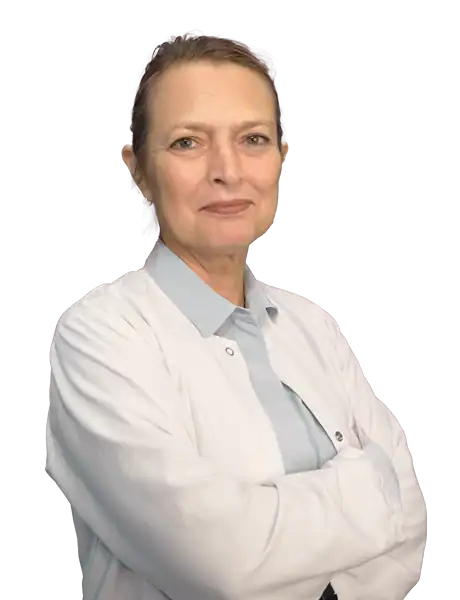
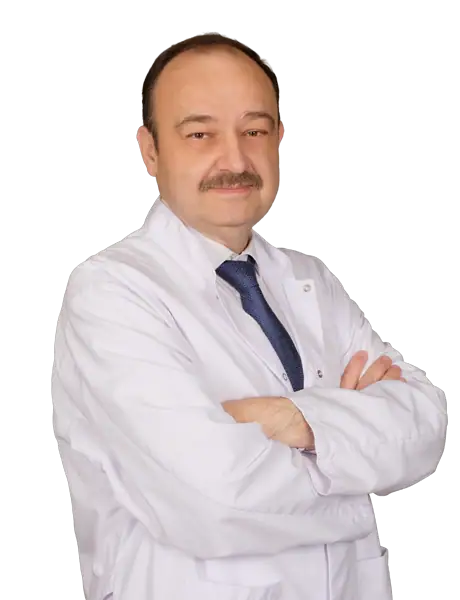
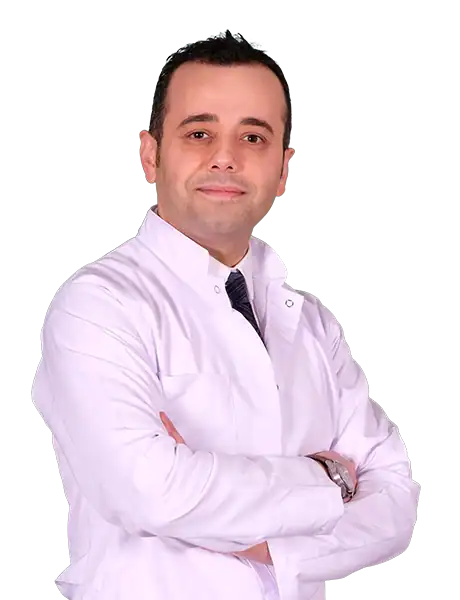
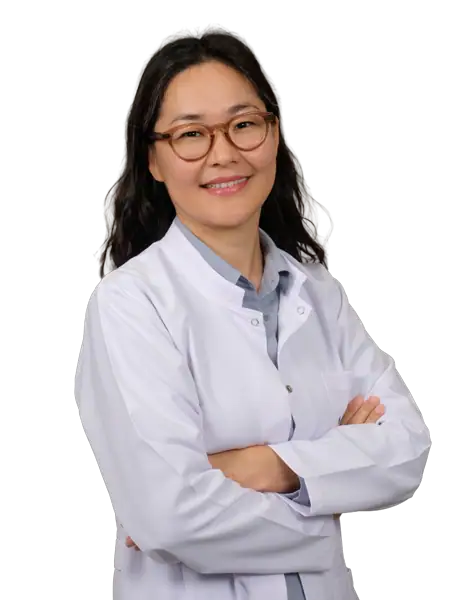
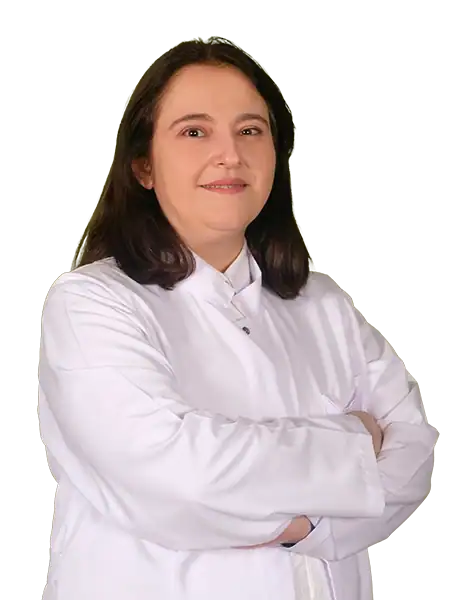
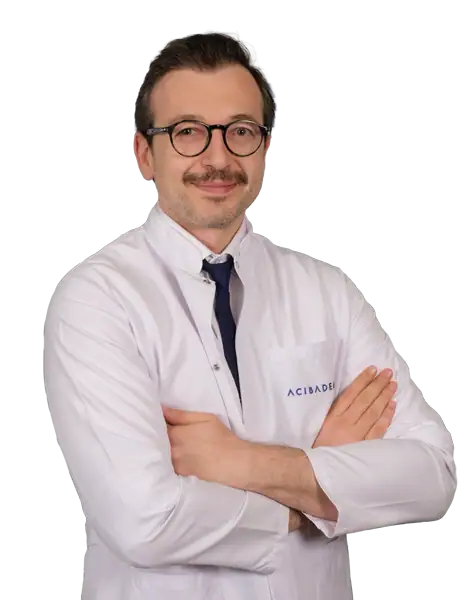
- Prof. Dr. Özlem SönmezMedical oncology · Acibadem Maslak Hospital
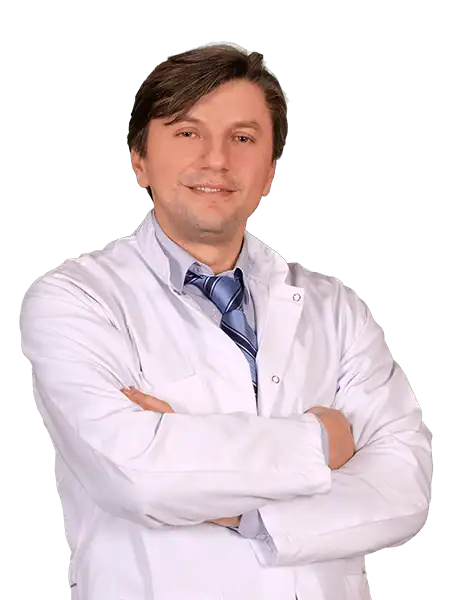
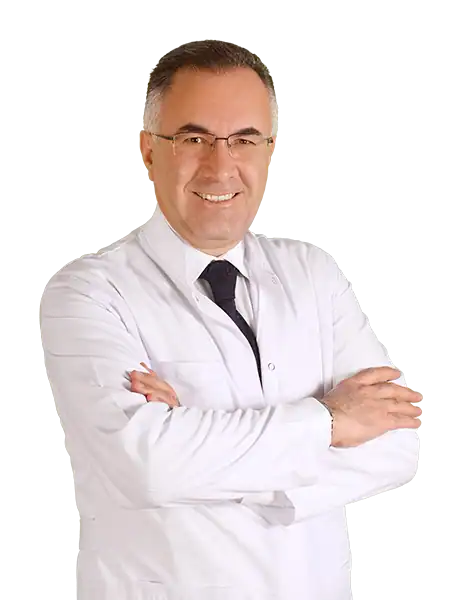
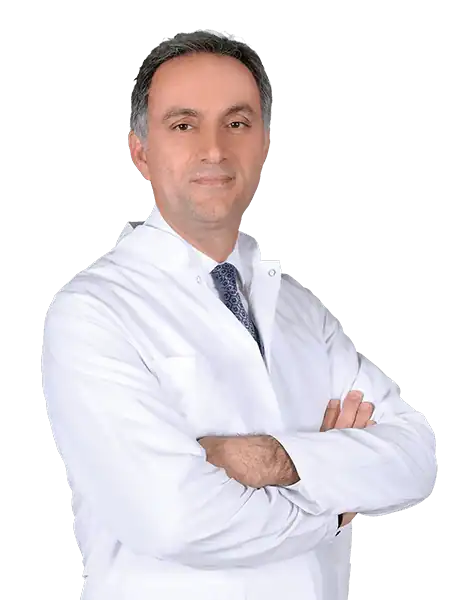
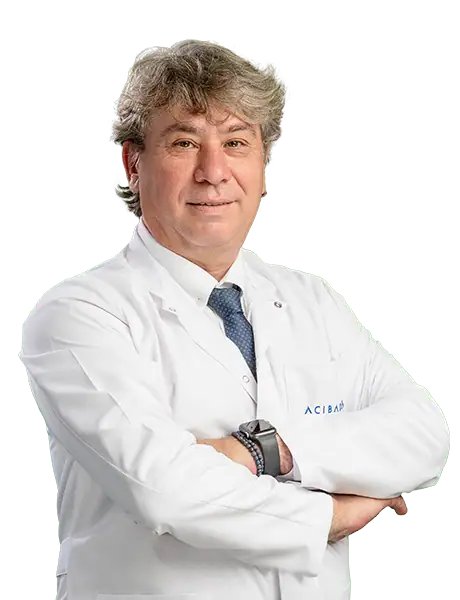
- Prof. Dr. İbrahim YıldızMedical oncology · Acibadem Atakent Hospital
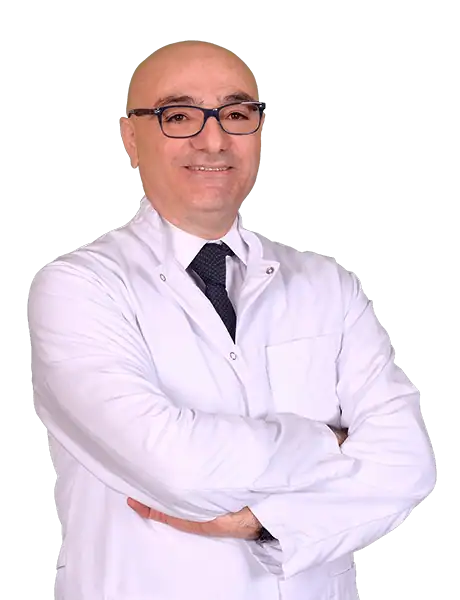
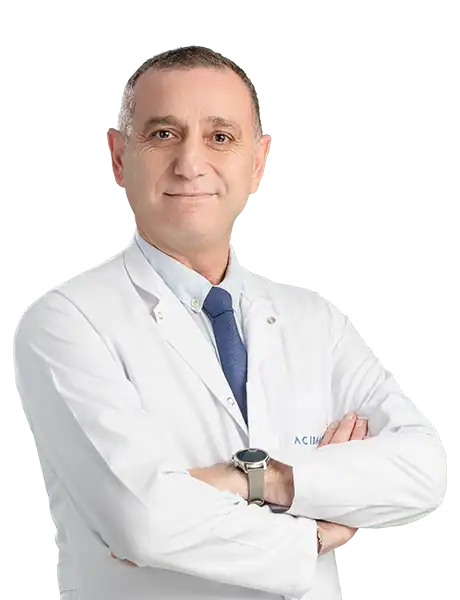
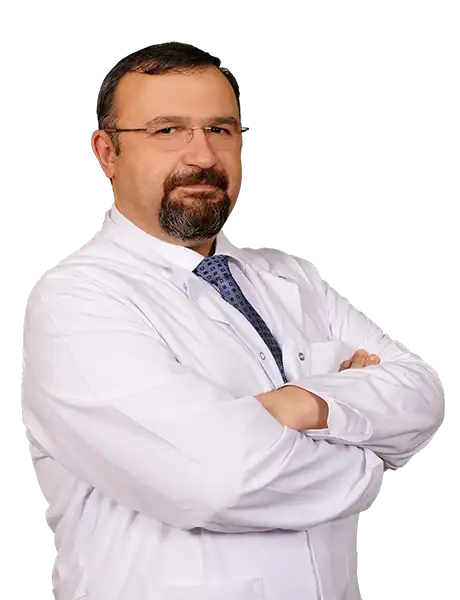
- Prof. Dr. Ömer Fatih ÖlmezMedical oncology · Acibadem Maslak Hospital
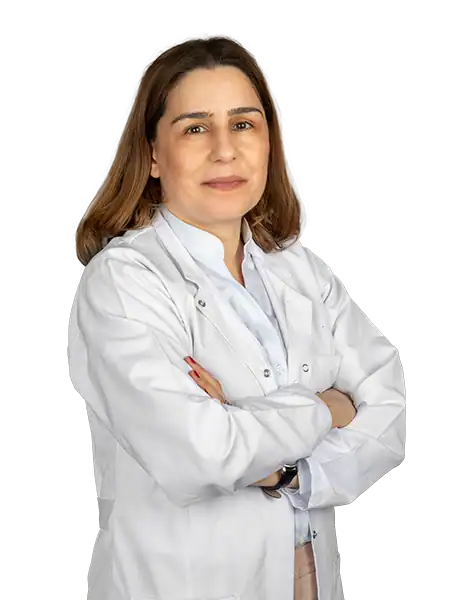
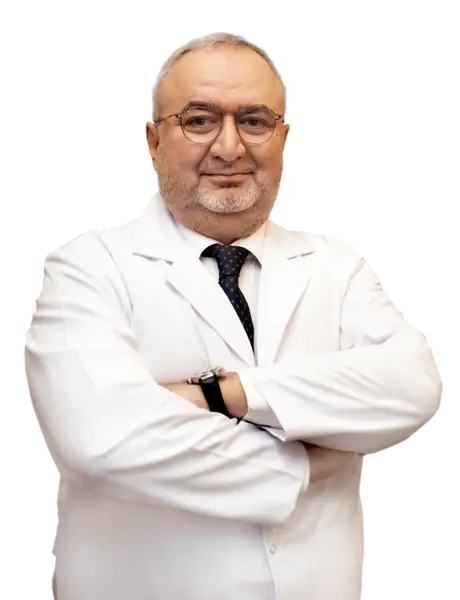
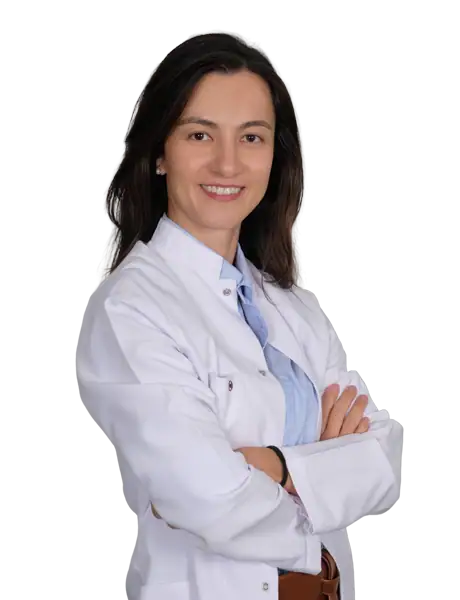
- Prof. Dr. Özlem ErMedical oncology · Acibadem Maslak Hospital
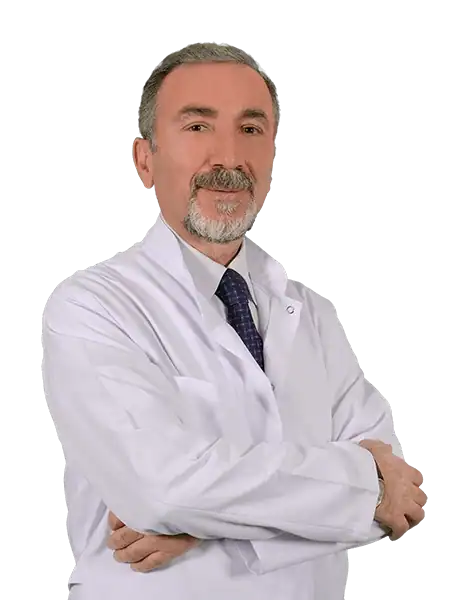
- Prof. Dr. Ali ArıcanMedical oncology · Acibadem Atakent Hospital
- Prof. Dr. Özge GümüşayMedical oncology · Acibadem Atasehir Hospital
- Prof. Dr. Faysal DaneMedical oncology · Acibadem Altunizade Hospital
- Prof. Dr. Başak Oyan UluçMedical oncology · Acibadem Altunizade Hospital
Technology your plan can draw on — all in one group
The point is not the machines. It is that the full toolkit lives inside the group treating you, so the plan follows your disease — not the equipment list.
Which of these your case needs is a tumor-board decision — explained to you in plain language. Browse all medical technologies →
Six moments when a second opinion earns its keep
A remote expert review of your diagnosis and plan — free, written, and with no obligation to travel. In cancer, verifying is never the risk.
Any of these sound familiar? Request a free written second opinion →
From sending your records to treatment underway
- Send recordsFree, prioritised oncologist review
- Your planTumor-board proposal + written estimate
- ArrivalTransfer, interpreter, confirmation tests
- Treatment beginsDrugs, surgery or radiation — as planned
- Between cyclesOutpatient living, 24/7 line, monitoring
- Home, connectedFull file + follow-up plan your doctor can run
The support that carries a family through treatment
Everything you want to know, answered below
Jump straight to the part of the guide you came for.
Quick answer
The Medical Oncology Department diagnoses and treats cancer using medicines such as chemotherapy, immunotherapy, targeted therapy, and hormonal therapy, coordinated by a multidisciplinary team at Acibadem in Turkey. It also provides treatment planning, monitoring, symptom control, and follow-up care tailored to each patient’s diagnosis and overall condition.
Medical oncology is the specialty that treats cancer with medicine — chemotherapy, immunotherapy, targeted therapy and hormone therapy — and, just as importantly, the specialty that holds a cancer patient’s whole journey together. At Acıbadem International, that journey is never run by one doctor working alone: every plan is shaped by a multidisciplinary tumor board, drawing on radiation oncology, surgical teams, pathology and imaging, inside a hospital group whose flagship hospitals hold JCI accreditation. This guide explains — honestly, and in plain language — how cancer treatment in Turkey actually works: how a plan is made, who treats you, what the medicines do, what it costs, and what a treatment journey from abroad looks like week by week.
Where the honest answer is “it depends on your case”, we say exactly that — and explain what it depends on.
Why patients travel to Turkey for cancer treatment
Patients from more than 90 countries come to Acıbadem, and oncology is one of the most common reasons. The pattern behind that choice is consistent. First, speed: in many health systems, weeks pass between a suspicious finding, a confirmed diagnosis and a first treatment — time that feels unbearable when the word “cancer” is already in the room. Cancer reviews here are prioritised, and treatment can typically begin as soon as the diagnosis is confirmed and the plan is agreed. Second, completeness: modern cancer care needs pathology, molecular testing, advanced imaging, drug therapy, surgery and radiotherapy working as one system — a chain that is hard to assemble across scattered providers, and that a large hospital group carries under one roof. Third, cost: private cancer care in Western Europe or North America can be financially devastating; in Turkey, comparable treatment is generally available at a substantially lower cost, with a written estimate before you travel.
Cancer care in a full hospital group — why the setting matters
Cancer treatment is demanding by design. Chemotherapy lowers the body’s defences; surgery and anesthesia stress the heart and lungs; and a fever during treatment is an emergency from the moment it starts — not a problem that may become one. This is why serious cancer medicine belongs in full hospitals rather than isolated clinics: at Acıbadem, oncology units operate alongside intensive care, cardiology, infectious diseases, interventional radiology and 24/7 emergency capacity — with seven JCI-accredited hospitals in the group. When treatment goes exactly as planned, you may never need any of that. The point is what stands behind you if you do.
The group structure also concentrates technology that no single clinic can justify: PET-CT, nuclear medicine and the radiosurgery systems described further down this page. Medical oncology is the hub that decides, with the tumor board, which of these tools your particular cancer actually needs.
The tumor board: how your treatment plan is actually made
If you remember one term from this page, make it this one. A tumor board (multidisciplinary team meeting) is a scheduled case conference where medical oncologists, surgeons, radiation oncologists, radiologists, pathologists and — where relevant — organ-specific specialists review a patient’s file together and agree a single plan. It is the international standard of good cancer care, and at Acıbadem it is how oncology works, not an optional extra.
Why it matters is simple: the highest-stakes decisions in cancer are sequencing decisions. Should surgery come first, or chemotherapy to shrink the tumor first? Is this patient’s tumor biology suitable for immunotherapy? Would radiotherapy add benefit, or only side effects? No single specialist, however senior, sees all of those angles alone. A patient whose plan has passed through a tumor board is protected from the oldest failure mode in medicine — the specialist who recommends what they know best. When you receive a treatment proposal from Acıbadem, you are receiving the agreed judgment of a table of specialists who examined the same evidence together.
The medical oncologists: who will actually treat you
Cancer medicine is delivered by people, not buildings, and you should know who they are before you travel. Acıbadem’s medical oncology staff across the group includes dozens of medical oncologists and hematologists, many of them professors with decades of practice. Among the senior professors international patients most often meet:
- Prof. Dr. Özlem Sönmez — medical oncology, Acıbadem Maslak Hospital.
- Prof. Dr. İbrahim Yıldız — medical oncology, Acıbadem Atakent Hospital.
- Prof. Dr. Ömer Fatih Ölmez — medical oncology, Acıbadem Maslak Hospital.
- Prof. Dr. Özlem Er — medical oncology, Acıbadem Maslak Hospital.
- Prof. Dr. Ali Arıcan — medical oncology, Acıbadem Atakent Hospital.
- Prof. Dr. Özge Gümüşay — medical oncology, Acıbadem Ataşehir Hospital.
- Prof. Dr. Faysal Dane — medical oncology, Acıbadem Altunizade Hospital.
- Prof. Dr. Başak Oyan Uluç — medical oncology, Acıbadem Altunizade Hospital.
The full team — including the hematologists who manage blood cancers and the wider specialist roster — is listed further down this page, and every physician has a profile you can read before any decision. When your records are reviewed, your case is matched to the oncologist whose daily practice fits your tumor type; you are never assigned to whoever happens to be free.
The cancers we treat
The unit treats the full range of adult solid tumors and, with hematology colleagues, cancers of the blood. The most common diagnoses among international patients:
- Breast cancer — the most frequent cancer in women worldwide, where surgery, drug therapy and radiotherapy are usually combined and sequencing decisions shape everything.
- Lung cancer — where molecular testing has changed the landscape: many patients now receive targeted drugs or immunotherapy matched to their tumor’s biology.
- Colorectal (bowel) cancer — treated by stage, from surgery alone to carefully sequenced combinations.
- Stomach and esophageal cancers — where treatment order (drugs before surgery, or after) is a genuine tumor-board question.
- Prostate, bladder and kidney cancers — managed with urology, often with robotic surgery among the options.
- Gynecological cancers — ovarian, uterine and cervical cancers, planned with gynecologic oncology surgeons.
- Pancreatic, liver and biliary cancers — among the most demanding diagnoses in oncology, where an experienced multidisciplinary team matters most.
- Head, neck and thyroid cancers — coordinated with ENT and endocrine surgery.
- Lymphoma, leukemia and myeloma — managed with the group’s hematology teams, including bone-marrow transplantation where indicated (see transplantation).
- Rare and complex tumors — sarcomas, neuroendocrine tumors and cancers of unknown primary, where a second pair of expert eyes frequently changes the plan.
Whatever the diagnosis, the first step is the same and non-negotiable: confirming exactly what the disease is before treating it.
Getting the diagnosis right: imaging, pathology and staging
More depends on this stage than on any other. Treatment aimed at the wrong diagnosis — or the right diagnosis at the wrong stage — cannot succeed, which is why the unit re-verifies before it treats. The building blocks:
- Imaging — CT, MRI, ultrasound and PET-CT, which shows metabolically active disease across the whole body in a single scan and is central to staging many cancers.
- Pathology — the microscope-level examination of tissue that defines the cancer. If you were biopsied at home, bringing your slides or blocks allows our pathologists to review them; pathology review is a routine part of accepting an international cancer case, not a formality.
- Molecular and genomic profiling — testing the tumor for mutations, receptors and markers that decide whether targeted drugs or immunotherapy can work for you (more below).
- Blood tests and tumor markers — the baseline against which response will later be measured.
The result of this stage is a precise sentence — the cancer’s type, grade, stage and biology — and it is the sentence your entire treatment is built on. Staging also sets honest expectations: it lets the team tell you clearly whether treatment aims at cure, at long-term control, or at comfort and time — before you commit to anything.
Staging explained: what T, N, M and the stage numbers mean
Staging answers one question: how far has this cancer travelled from where it started? It is not a measure of how aggressive the disease is — that is grade and biology — and it is not a prediction written about you.
The three letters
- T — the primary tumor. How large it is and how deeply it has grown into the tissue around it. Written T1 to T4, with the thresholds defined separately for every organ.
- N — the lymph nodes. Whether cancer has reached the nodes that drain the area, and how many. N0 means none were found.
- M — metastasis. Whether deposits have been found in a distant organ. M0 or M1; there is no halfway value.
Those letters are grouped into the stage numbers people actually use. Broadly, stage 1 is small and confined; stages 2 and 3 mean larger, deeper, or into lymph nodes; stage 4 means disease has been found at a distant site. In a few cancers, treatment can still aim at cure at stage 4 — one reason stage 4 is not a single prognosis.
Why comparing your stage with anyone else’s misleads
The grouping rules are written cancer by cancer, so stage 3 in one organ can describe a situation nothing like stage 3 in another. Charts found online rarely say which cancer, which version of the staging system, or which treatments they describe. The useful question is not “how bad is stage 3” but “what does my stage change about my plan”.
Restaging asks a different question
When drugs or radiation are given before surgery, imaging is repeated afterwards. That is restaging. It does not rewrite the stage at diagnosis, which stays on the record; it describes the situation now — and it is the situation now that the next decision is made on.
Biomarkers and genomic profiling: matching the drug to the tumor
Two patients with “the same” cancer can carry biologically different diseases — and receive different, individually matched treatments. That is what biomarker testing is for. Depending on the tumor type, the laboratory examines hormone receptors, protein expression and gene changes; the results determine, for example, whether a breast cancer will respond to hormone therapy, whether a lung cancer carries a mutation a targeted tablet can switch off, or whether a tumor’s profile predicts benefit from immunotherapy.
This is not an academic refinement — it is the difference between treatment chosen for your cancer and treatment chosen for the average cancer. Not every cancer has a biomarker that changes the drug choice, and testing that was done is not always explained to the patient. At Acıbadem, profiling appropriate to your tumor type is part of the standard workup, and the tumor board reads the results before your plan is fixed.
The biomarkers patients arrive already holding
Most people arrive holding a pathology report with abbreviations on it. These are the ones that most often change a drug decision. What they mean for your case belongs to the oncologist reading the whole report.
- ER, PR and HER2 — breast cancer. Hormone receptors and a growth-signal protein. Together they sort breast cancer into biologically different diseases and decide whether hormone therapy or HER2-directed drugs belong in the plan.
- EGFR, ALK, ROS1 and PD-L1 — lung cancer. The first three are gene changes that specific tablets are designed against. PD-L1 is a protein measured to help judge whether immunotherapy is likely to help.
- KRAS, BRAF and MSI-H/dMMR — colorectal cancer. The first two change which targeted drugs can work. MSI-H or dMMR describes a tumor with a faulty DNA-repair system, a finding that can open the door to immunotherapy.
- BRCA1 and BRCA2 — ovarian, breast, prostate and pancreatic cancers. Changes that affect drug choice, and that may also matter for blood relatives — which is why genetic counselling accompanies the result.
A single-gene or single-protein test asks one question about your tumor. A next-generation sequencing panel asks many at once: useful when a tumor type has several possible targets, unnecessary when one marker decides everything.
The question worth asking about timing
Waiting for a result can feel like lost ground. Two things decide whether it matters: when the result is expected, and whether the treatment start actually depends on it. Sometimes a first cycle would be identical whatever the panel shows; sometimes the result changes the drug entirely and waiting is the right medicine. That judgment belongs to the doctor holding your file.
Fertility before treatment starts
This conversation has a deadline, and too many patients are told about it afterwards. Some chemotherapy drugs, radiotherapy that includes the pelvis and some cancer surgery can reduce or end fertility, and long hormone therapy can take the fertile years with it. The risk depends on the drug, the dose and your age, and nobody can tell you in advance which side of it you will fall on.
Ask before the first cycle, not after it
Preservation has to happen before treatment begins, which is why it belongs in the first oncology consultation, before the plan is agreed. In most situations the steps add days rather than months, and your oncologist can weigh that openly with you. For some fast-moving cancers there is no safe window, and you should be told so honestly. Contraception during treatment is a separate and necessary conversation, because pregnancy during cancer treatment is not safe.
It applies to men too
Men are routinely left out of this conversation. Sperm freezing is quick and done before treatment starts. For women, the options — freezing eggs or embryos, and others depending on the cancer and the time available — are assessed with the reproductive medicine team, and the referral can be built into the plan. Storing eggs, embryos or sperm improves the chance of a future pregnancy. It cannot guarantee one, and anyone who says otherwise is not being straight with you.
Chemotherapy, honestly explained
Chemotherapy remains the backbone of treatment for many cancers, and it deserves an honest description rather than a reassuring one. Chemotherapy drugs attack rapidly dividing cells; cancer cells divide rapidly, which is why it works, and some healthy cells do too, which is why it has side effects. It is given in cycles — a treatment day or days, then a recovery period of one to three weeks — because the body needs time to restore itself between doses.
Depending on the plan, chemotherapy may be used before surgery (neoadjuvant — to shrink a tumor and make surgery more effective), after surgery (adjuvant — to destroy microscopic cells that imaging cannot see and reduce the risk of return), or as the main treatment. At Acıbadem it is delivered in dedicated day units under oncology-nurse supervision, with pre-medication against nausea and laboratory checks before every cycle. Most patients receive it as outpatients — a treatment visit, then back to your hotel or apartment — unless the specific protocol requires a short admission.
What a chemotherapy day actually looks like
Fear of chemotherapy is largely fear of an unknown room. Here is the day, in order.
The blood test before every cycle
Blood is taken the same morning or the day before, and your oncologist reads the counts and your liver and kidney results before anything is prescribed. If your white cells or platelets have not recovered, the cycle is postponed by days or the dose is changed. Few patients are warned that this is ordinary: it protects you, and it is not the treatment failing. The only person who changes a chemotherapy dose is the oncologist prescribing it.
Inside the day unit
Most chemotherapy is given in a treatment chair, awake and dressed, with oncology nurses watching the line. Some infusions run under an hour; others take most of a working day, and some regimens send you back to your hotel with a small portable pump. Your written plan states the expected hours. Eat beforehand, bring a charger, bring something long to read.
Pre-medication comes first
Most protocols give anti-sickness medicine first, sometimes with steroids or antihistamines, through the same line — before you feel anything, because nausea is easier to prevent than to settle. It is also why the day runs longer than the infusion time on your plan.
Port or cannula
For a short course, a cannula in the hand or forearm is enough. For many cycles, or drugs that are hard on small veins, a port is usually recommended: a small chamber placed under the skin of the chest in a short procedure, accessed with a single needle each visit and removed when treatment ends.
Can someone sit with me?
In most day units a companion can stay for the infusion, and an interpreter can be there for consent and for instructions to take home. Bring the person who will remember the answers.
The first 48 hours after you leave
The steroids can make the first night restless; the tiredness and the nausea usually arrive a day or two later, not on the treatment day itself.
Immunotherapy: what it can and cannot do
Immunotherapy — most commonly checkpoint inhibitor drugs — does not attack the cancer directly. It releases the brakes the tumor has placed on your own immune system, so your immune cells can recognise and destroy cancer cells themselves. For several cancers — melanoma and certain lung, kidney, bladder and head-and-neck cancers among them — it has genuinely changed what is possible, including for some patients with advanced disease.
The honest counterweight: immunotherapy is not for every patient or every cancer. Whether it is likely to help depends on the tumor type and its biomarkers, which is exactly why profiling comes first.
Its side effects are different from chemotherapy: the released immune system can inflame healthy organs — bowel, lungs, liver, glands and, rarely, the heart. These can begin weeks or even months after a dose, including after you have gone home, and they are treatable when caught early.
Immunotherapy is prescribed on test results, not on hope. Immunotherapy offered without any biomarker or tumour-type evidence that the patient is a candidate rests on nothing. Here, the answer to “can I have immunotherapy?” is always the test results, read by the tumor board.
Targeted and hormone therapies
Targeted therapies are drugs designed against a specific abnormality found in the tumor’s cells — a mutated protein, an overexpressed receptor. When the target is present, these drugs can be remarkably effective with fewer classic chemotherapy effects; when it is absent, they do nothing but cost money — which is why they are prescribed on test results, never on hope. Many are tablets, which matters practically: some targeted treatments can be continued at home after your plan is established, with remote follow-up.
Hormone (endocrine) therapy applies to cancers that grow on hormonal signals — most importantly many breast cancers and most prostate cancers. Blocking the signal can slow or control the disease, in some patients for a long period — but how long varies greatly from person to person and cannot be predicted in advance for any individual. It is typically a long-term treatment integrated into your follow-up plan rather than a hospital-bound one. Both classes are planned by the same rule as everything else here: the tumor’s documented biology decides.
Cancer surgery, coordinated — including robotic
For many solid tumors, surgery is the single most decisive treatment step — and its timing inside the overall plan is a tumor-board decision. Operating first and thinking about systemic therapy later is exactly the failure the multidisciplinary model exists to prevent. Acıbadem’s surgical oncology capacity spans general surgery, organ-specific surgical teams and robotic surgery with the da Vinci system, whose precision serves cancer operations of the prostate, kidney, bowel, uterus and more — smaller incisions, careful nerve and tissue preservation, faster recovery where the tumor allows it.
Whether your operation should be open, laparoscopic or robotic is not a menu choice; it depends on the tumor’s size, position and stage, and the honest answer comes from your imaging, reviewed by the surgeons at the board. What we can promise is that the decision is made for oncological soundness first — the cancer operation done properly outranks the smaller scar.
Radiotherapy and radiosurgery: the technology next door
About half of all cancer patients need radiation at some point, and medical oncology plans it hand in hand with radiation oncology. The group’s equipment covers the full spectrum: TrueBeam for image-guided, precisely shaped radiotherapy delivered over short daily sessions; CyberKnife, a robotic radiosurgery system that tracks tumor movement and treats small tumors — including in the lung and liver — with sub-millimeter accuracy in a handful of sessions; and Gamma Knife for brain lesions, often in a single session without a single incision. Nuclear medicine adds targeted radionuclide therapy for suitable tumors — radiation delivered from inside, by molecules that seek the cancer.
You do not need to know which of these your case requires — that is the board’s job.
How response is monitored — and what happens when plans change
A cancer plan is a hypothesis, and good oncology tests it. At defined points — typically after a set number of cycles — imaging and blood work are repeated and compared against your baseline: is the disease shrinking, stable, or progressing? If treatment is working, it continues with confidence. If it is not, the team does not push on out of momentum; the case returns to the tumor board and the plan changes — a different drug class, a shift in sequence, the addition of radiation or surgery. You are told plainly what the scans show and what the options are.
For international patients, monitoring is designed with geography in mind: where parts of it can be safely done by your own doctor at home, with results shared remotely, the plan says so explicitly. You should never feel that leaving Istanbul means leaving the radar.
Metastatic disease: treatable is not the same as curable
Metastatic — stage 4 — means cancer has been found in an organ away from where it began. It deserves language that is neither falsely hopeful nor dismissive.
What “treatable but not curable” honestly means
For most metastatic cancers, treatment aims to control the disease and protect how you live, rather than remove it entirely. That is a real aim, and it is not the same as “nothing can be done” — the two get confused constantly. What nobody can tell you in advance is how long control will last for you: that depends on your tumor’s biology and your response, and anyone who puts a figure on it before treating you is guessing.
Lines of therapy — a change of plan is not a failure
Systemic treatment is planned in lines. When a first-line drug stops holding the disease, the case returns to the board and a second line is chosen. Patients often experience that as defeat. It is not: sequencing is how metastatic disease is managed.
Oligometastatic disease
When only a few deposits exist in a limited number of sites, local treatment can still be worth doing alongside drug therapy — surgery, or focused radiation such as CyberKnife radiosurgery. Whether your pattern fits that description is an imaging and tumor-board question, not something to judge from a report at home.
Emergencies that advanced disease can cause
Advanced cancer can cause a small number of complications that are treated as emergencies in hospital.
- New back pain with weakness, numbness or heaviness in the legs, or any new difficulty controlling your bladder or bowels. The window in which walking can be protected is measured in hours.
- Swelling of the face and neck with breathlessness.
- A first seizure, sudden confusion, one-sided weakness, or a severe new headache with vomiting.
- Increasing drowsiness or confusion with unusual thirst, vomiting or constipation.
Agreeing what treatment is for
The goal should be said out loud and agreed with you — control of the disease, control of symptoms, or both — rather than assumed. What a proposed treatment is expected to achieve, and what it costs in side effects, are weighed against each other with the doctor who has the file in front of them.
Clinical trials: what they are and how to ask
A clinical trial is treatment given inside a research study, with defined rules, monitoring and written consent. For patients who have used the standard options it is a legitimate question — and the one most often answered dishonestly by people selling something.
What the phases mean
- Phase 1 — the first careful use in people, testing safety and finding a workable dose. Small numbers, close monitoring, frequent visits. Benefit is possible, but it is not the study’s purpose.
- Phase 2 — does this treatment do something against this cancer, and at what cost in side effects.
- Phase 3 — a direct comparison against the current standard treatment, to see whether the new option is genuinely better.
The placebo misunderstanding
Many patients never ask, because they picture being given a dummy instead of treatment. That is generally not how cancer trials are built: the usual design compares standard treatment plus the new agent against standard treatment, so the comparison group still receives established care. Ask what every arm receives, and expect a plain written answer.
Why nobody can promise you a place
Eligibility runs on precise written criteria — tumour type, biomarkers, previous treatments, organ function, physical fitness. They are fixed before the study opens and are not negotiable, which is why no responsible centre promises trial access in advance. Anyone guaranteeing you a place before seeing your file is guessing.
When to ask
Ask during the review, before the next line of treatment starts — drugs you have already had can rule you out of a study later, so timing matters. Ask what the study involves in visits and travel, who pays for what, and what happens if you stop; you may withdraw at any point without losing your standard care. A trial is research, not a guaranteed better treatment: its result is unknown by definition, which is why it is being run.
The cancer second opinion: before you decide anything
A remote second opinion — existing reports, scans and pathology reviewed by an Acıbadem oncologist, with a written assessment returned as quickly as the case allows — answers the questions that actually matter: Is the diagnosis complete? Has the tumor’s biology been tested? Is the proposed plan what a multidisciplinary board would choose? Are there options nobody has mentioned?
Sometimes the answer is reassuring: the existing plan is exactly right, and the review says so plainly. Sometimes it finds a missing test, an unconsidered option, or a sequencing change worth discussing. For most cancers there is time to verify a plan before treatment starts; some — acute leukaemias and fast-growing lymphomas among them — must be treated within days.
What cancer treatment costs in Turkey — honestly
Unlike a single defined operation, cancer treatment has no honest fixed menu price — and you should be suspicious of anyone who quotes one before seeing your file. The cost depends on what your case actually needs: the diagnostic workup, the specific drugs (modern immunotherapy and targeted agents are costly everywhere in the world, chemotherapy generations less so), the number of cycles, whether surgery or radiotherapy join the plan, and the length of your stay.
What we can promise is the process around the number. After your records are reviewed, you receive a written, personalised estimate itemising what the proposed plan includes — before you travel, free, and with no obligation. Because Acıbadem’s costs are set in the Turkish healthcare economy, comparable treatment is generally substantially less expensive than private oncology in Western Europe or North America, even after travel and accommodation — but the number you plan around should be yours, not an average. If the plan changes mid-treatment (as cancer plans sometimes must), the financial picture is updated with the same transparency. Payment questions, insurance documentation and staged planning for longer treatments are handled by the international patient office as part of the service.
Your journey, step by step: from first email to first treatment
A cancer journey from abroad is a project, and it deserves a project plan. Here is the realistic sequence:
1. Send your records — remote review
Pathology report, imaging (or reports), recent blood work, a short history, current medications. A medical oncologist reviews the file — cancer cases are prioritised — and you receive an honest outline of options: what treatment here would look like, or, where appropriate, the honest advice that your current plan is sound.
2. The plan and the invitation
If treatment at Acıbadem makes sense, you receive a proposed plan reflecting tumor-board input — recommended treatment and sequence, expected duration, what must happen in Istanbul and what can happen at home — together with the written cost estimate and an invitation letter for visa purposes if you need one.
3. Arrival and confirmation
Your coordinator meets the practical side: airport transfer, interpreter, appointments. Clinically, the first days confirm the foundations — examination, any missing imaging, pathology review, biomarker results — because treating on verified facts is the standard. If anything in the workup changes the picture, the board reconvenes before treatment starts, not after.
4. Treatment begins
Whether the first step is systemic therapy, surgery or radiotherapy, you know the schedule in advance: treatment days, recovery days, checkpoints. A named coordinator and a 24/7 contact line stay with you throughout.
5. Between cycles — living, not waiting
Many patients are outpatients for most of their stay. Recovery weeks are spent at your hotel or serviced apartment, with the team a call away; depending on the plan, some patients fly home between blocks of treatment, and some continue oral therapies at home entirely. The plan is built around what your disease requires and what your life needs.
6. Home, with the thread unbroken
You leave with a complete file — diagnosis, treatments given, response assessments, medication plan and a written follow-up schedule your own doctor can run, with our team available for shared follow-up and questions. Continuity is part of the treatment, not an afterthought.
How long treatment takes: cycles, stays and honest ranges
The honest answer spans from days to months, and the variable is your plan, not the calendar’s goodwill. A surgical case may need two to three weeks in Istanbul — operation, recovery, pathology results, plan for what follows. How long a chemotherapy course runs depends entirely on the regimen — some finish in a few cycles over a few months, others continue considerably longer, and there is no typical number. Your written plan states the exact number of cycles and the expected dates before you travel; some patients stay throughout, others alternate between Istanbul and home. Radiosurgery may need only days; conventional radiotherapy several weeks of short daily sessions; oral targeted or hormone therapy may need only the setup visit, then continue at home for months or years under remote follow-up. An oral cancer medicine continued at home is not changed, paused or stopped without the oncologist who prescribed it, and herbal remedies and supplements are checked with that doctor first — several of them interact with cancer drugs and can make them stronger or useless.
Because this variability is the single biggest planning question for a family, your proposed plan states expected durations explicitly — including which parts require your presence and which do not — so decisions about work, children and money can be made on information rather than guesswork.
Side effects and supportive care: completing treatment safely
Modern oncology takes side effects as seriously as the tumor, for a practical reason: a patient who cannot tolerate treatment cannot complete it, and an incomplete treatment protects nobody. Anti-nausea protocols are given before symptoms, not after; blood counts are checked before every cycle; infections during chemotherapy are treated as the emergencies they are, in hospitals with every specialty awake at 3 a.m. Which effects to expect depends entirely on your specific drugs — hair loss, for instance, accompanies some chemotherapy regimens and not others — and your team walks you through your protocol’s real profile before you consent, along with what to report immediately.
Supportive and palliative care run alongside treatment, not after its failure: pain control, symptom management, energy and sleep, the unglamorous details that decide what daily life during treatment feels like. And where the honest goal of care is comfort and time rather than cure, that is said plainly and pursued with the same seriousness.
Side effects by name: what to expect
Which effects appear depends on your exact drugs; your team goes through your own protocol before you consent. These are the ones patients search for by name.
Low blood counts and neutropenic fever
Chemotherapy suppresses the bone marrow, so the white cells that fight infection fall for a period after each cycle. That state is called neutropenia. It is invisible — you do not feel counts drop — and it means an ordinary infection can turn life-threatening within hours.
An infection that takes hold while the counts are low can progress to neutropenic sepsis, which is a medical emergency treated in hospital with antibiotics within the hour. A temperature of 38°C (100.4°F), shaking chills or simply feeling seriously unwell can be its only outward sign.
Blood is checked before every cycle for the same reason. If the counts are too low on the day, the cycle is postponed. Patients are rarely warned that this is normal and read it as bad news; it is routine management, and the delay is what keeps the treatment safe to complete.
Nausea, appetite and mouth care
Anti-sickness medicine is given before treatment, not after symptoms start, because prevention works better than rescue. What is prescribed is taken exactly as prescribed, with nothing added to it. Where fluids cannot be kept down, dehydration is treated with a drip rather than endured. Mouth soreness and ulcers come with some regimens: a soft brush and alcohol-free rinses help, and mouth pain severe enough to stop someone drinking is itself treatable.
Fatigue, and what it actually feels like
This is not ordinary tiredness and sleep does not fix it. It usually deepens in the days after a cycle and lifts before the next, so the weeks acquire a rhythm; gentle daily movement helps more than rest does. Sudden breathlessness, new chest pain or a racing heart is not fatigue; those belong to a different and more serious set of causes.
Peripheral neuropathy in fingers and toes
Some drug families damage small nerves: tingling, numbness, buttons and zips becoming difficult, feet that feel padded, stumbling, or losing the feel of the floor underfoot. Caught early, the dose or the drug can be adjusted; carried on too long, the numbness can be permanent.
Hair loss, stated plainly
It depends entirely on the regimen. Some chemotherapy protocols cause complete loss, some thinning, some none; most hormone therapies and many targeted tablets do not cause it. Which of those applies is set by the protocol, and the nurse can read it there before the first cycle. After the course finishes, hair usually begins to grow back, often with a different texture at first.
Immune-related side effects: what to watch for on immunotherapy
Checkpoint inhibitors take the brakes off your immune system, and the same release can turn that system against healthy organs. These reactions are inflammation, not allergy. They behave nothing like chemotherapy side effects: they ignore the cycle calendar and can begin weeks or months after a dose, including after the last one. A symptom that starts once you are home still counts.
Where they show up
- Bowel — colitis: diarrhoea more often than usual, cramping, blood or mucus in the stool.
- Thyroid and other glands — deep tiredness, weight change, feeling cold or unusually hot, dizziness.
- Lungs — a new cough, or breathlessness that was not there before.
- Liver — yellowing of the eyes or skin, dark urine.
- Skin — rash or itching, occasionally severe.
Reported early, they are usually manageable
Caught early, most are controlled with steroid treatment prescribed and supervised by an oncology team, and treatment can often continue afterwards. Left to run, the same reactions become dangerous. That difference is the whole reason for reporting fast — and why you should never treat diarrhoea on immunotherapy with an over-the-counter anti-diarrhoeal on your own.
The alert card
Patients on checkpoint inhibitors are given an alert card to carry, because a doctor who has never met them will not otherwise think of immunotherapy as the cause of what they are seeing.
Nutrition, rehabilitation and the mind: treating the whole person
Cancer arrives with passengers — weight loss, deconditioning, anxiety, the caregiver’s exhaustion — and a hospital group can meet them systematically. The clinical nutrition team supports patients through treatment phases where eating itself becomes difficult; rehabilitation rebuilds strength during and after treatment; and psycho-oncology support is available for patients and family members who want it — asking for it is normal here, not exceptional. None of this is decoration. Patients who stay nourished, mobile and mentally supported tolerate treatment measurably better, and the plan treats these as clinical services, because they are.
Older patients and complex health: cancer rarely travels alone
Many cancer patients are over 65, and many carry companions — heart disease, diabetes, kidney impairment — that complicate every treatment decision. This is where the hospital-group setting quietly earns its keep: the cardiologist who must clear a chemotherapy drug that stresses the heart is downstairs, not in another city; the endocrinologist adjusts diabetes management around steroid-containing protocols; anesthesiology and intensive care stand behind every operation. Age by itself is not a treatment verdict — fitness, biology and the patient’s own priorities are — and the tumor board’s job is to find the plan that is both effective against the disease and survivable by the person. Neither undertreatment out of caution nor overtreatment out of ambition: the plan that fits.
For the family: caregivers travel too
Nobody does cancer alone, and the journey is designed with a companion in mind. The international patient office arranges accommodation suited to longer stays, helps with the companion’s practicalities, and keeps the family informed through the interpreter so that information does not bottleneck through one exhausted relative. Psycho-oncology support extends to family members, because the caregiving seat is its own kind of hard. A practical note from experience: one steady companion for the long haul serves most patients better than a rotating crowd — and your coordinator can help plan visits so support arrives when it is most needed.
Follow-up, survivorship and care that continues at home
Finishing active treatment is a milestone, not an exit. Follow-up exists because it protects you: scheduled scans and blood work to confirm the disease stays away, management of treatment’s longer-term effects, and support for the strange, real difficulty of returning to ordinary life. Your discharge file contains the full record and a written follow-up calendar that your own doctor can run; results can be shared with our team remotely, and review visits — in person or remote — are available where they add value. Patients who completed treatment elsewhere are also welcome for survivorship review: a structured look at what was done, what should be watched, and what comes next.
Choosing a cancer center: the questions that reveal quality
Ask these of every provider you consider — including us — and insist on written answers:
- Will my case be reviewed by a multidisciplinary tumor board? On what date, and can I see the conclusion?
- Who is my named oncologist, and what is their profile with my tumor type?
- Will my pathology be re-reviewed, and will my tumor’s biomarkers be tested before systemic therapy is chosen?
- Where exactly is treatment delivered — a full hospital with intensive care and 24/7 emergency cover, or an isolated clinic?
- What happens if I develop a fever at 2 a.m. during chemotherapy? Who answers, and where do I go?
- What does the estimate include, and what would change it?
- How will follow-up work from my country, and who talks to my home doctor?
Clear written answers are the product. Vagueness, urgency and “trust us” are the warnings. A provider confident in its answers will never resent the questions.
What we will not promise: honesty as policy
Cancer medicine has made extraordinary progress, and this page has described real tools. It is equally important to say what no honest provider can offer. We do not quote personal success percentages or survival predictions in marketing text, because your outcome depends on your disease, its stage and biology, your overall health and your response to treatment — and it belongs in a consultation, honestly discussed, not on a webpage. We do not promise cures. We do not recommend travel when reviewing your file shows your current plan is already right — being told exactly that is a service too, and patients receive it here regularly. Anyone in this field who tells you otherwise is selling, not treating. What we promise is the process this page has described — verified diagnosis, board-made planning, honest numbers, complete care and continuity — delivered by people who understand what is at stake for you.
Why patients choose Acıbadem for cancer care
An international patient organisation has walked thousands of families from more than 90 countries through the hardest project of their lives, in more than 20 languages, with a written plan and a named coordinator. That is the offer — and every element of it can be verified before you decide.
Frequently Asked Questions
How quickly can my cancer case be reviewed?
Cancer reviews are prioritised. Once your pathology report, imaging and history arrive, a medical oncologist assesses them and you receive an outline of realistic options — typically well before you would obtain a comparable in-person appointment in most Western systems. The formal written second-opinion service returns its written assessment as quickly as the case allows.
What is a tumor board, and will my case really go through one?
A tumor board is a scheduled meeting where oncologists, surgeons, radiation oncologists, radiologists and pathologists review cases together and agree one plan. Yes — multidisciplinary planning is the working standard for cancer cases at Acıbadem, and your treatment proposal reflects the board’s conclusion, not one doctor’s preference.
Can I get a second opinion without travelling?
Yes. The remote second-opinion service reviews your existing diagnosis, tests and proposed treatment and returns a written expert assessment before you make any decision about travel or treatment, as quickly as the case allows.
What documents should I send for a review?
The pathology report (and, ideally, access to slides or blocks for re-review), imaging with reports, recent blood results, a short medical history including other conditions, and your current medication list. Your coordinator confirms exactly what is needed and how to transfer scans securely.
Do I need a visa, and can you help with the paperwork?
Many nationalities obtain Turkish e-visas online in minutes; where a visa application is needed, the hospital issues an official invitation letter documenting your planned treatment. The international patient office guides you through the practical steps.
How long will I need to stay in Turkey?
It depends entirely on the plan. Your written plan states expected durations before you travel.
Can chemotherapy cycles be split between Turkey and my home country?
Sometimes, yes. Where your home oncology service can safely deliver parts of an agreed protocol, or monitoring can happen locally between blocks of treatment, the plan can be structured that way deliberately. It depends on the drugs involved and what is available where you live.
What is the difference between chemotherapy, targeted therapy and immunotherapy?
Chemotherapy attacks rapidly dividing cells directly; targeted therapy blocks a specific abnormality identified in your tumor’s cells; immunotherapy releases the brakes on your own immune system so it can attack the cancer. Which is right for you depends on your cancer type and its tested biology — often the answer is a planned combination or sequence.
Is immunotherapy available — and will it work for my cancer?
Immunotherapy is in routine use at Acıbadem for the cancers where it is indicated. Whether it is likely to help you depends on your tumor type and biomarker results — it is genuinely transformative for some patients and not appropriate for others, which is why testing comes before promises.
Will my tumor’s genetics and biomarkers be tested?
Yes, where your tumor type calls for it. Molecular and genomic profiling — receptors, mutations, expression markers — is part of the standard workup, because these results determine whether targeted drugs or immunotherapy belong in your plan.
Will my pathology from home be re-checked?
Routinely, yes. Confirming the diagnosis on which everything else rests is a basic safety step for international cancer cases. Slides, blocks or lab contact details are reviewed by our pathologists. A change to the original diagnosis is not the usual outcome, but it happens often enough — and matters enough — that re-review is standard practice for international cancer cases, and more often in lymphomas, sarcomas and rare tumours than in common ones.
Do you treat according to international guidelines?
Where legitimate options exist within the evidence, they are explained to you honestly — including their trade-offs — rather than decided invisibly.
How much does cancer treatment cost in Turkey?
There is no honest fixed price for cancer treatment. After your records are reviewed you receive a written, personalised estimate before travelling. Comparable care is generally substantially less expensive than private oncology in Western Europe or North America.
Why can’t you quote a package price like a single operation?
Because honest cancer pricing follows the plan, and the plan follows your disease. A fixed all-cancer price would either overcharge simple cases or hide costs in complex ones. What you receive instead is an itemised estimate for your proposed plan — and updated transparency if the plan must change.
Can you work with my health insurance?
The international patient office prepares the documentation insurers require — diagnosis, treatment plan, itemised costs, medical reports — and works with international insurance where policies cover treatment abroad. Whether your specific policy covers care in Turkey is a question for your insurer; we make the paperwork side straightforward.
What side effects should I expect?
It depends entirely on your specific drugs — regimens differ enormously, and so do their effects. Before you consent, your team explains your protocol’s realistic profile — including whether hair loss is expected, what fatigue and nausea management look like, and exactly which symptoms should be reported immediately. Preventive supportive care is built into every cycle.
What happens if I get a fever or feel seriously unwell between cycles?
Fever during chemotherapy is treated as an emergency in its own right. For a period after each cycle the white cells that fight infection are low, so an ordinary infection can become life-threatening within hours; that escalation is neutropenic sepsis, and it is treated in hospital with antibiotics within the hour rather than observed. A temperature of 38°C (100.4°F), shaking chills, or simply feeling seriously unwell without a fever can be the only outward sign, which is why it is never treated as a wait-and-see problem.
Will I need a chemotherapy port?
For many multi-cycle intravenous protocols, a port — a small device placed under the skin that protects your veins and makes each session easier — is recommended and can be placed here as a short procedure. Whether you need one depends on your drugs and treatment length; your oncologist advises before treatment starts.
Can drug treatment, surgery and radiotherapy really be coordinated in one place?
Yes — that is the core design. Systemic therapy, surgery and radiation are delivered within the same hospital group, with your medical oncologist holding the thread throughout.
Is robotic surgery available for cancer operations?
Yes. Da Vinci robotic surgery is used across suitable cancer operations — urological, gynecological, colorectal and more — where the tumor board and surgeon judge it oncologically sound. The approach is chosen for cancer control first; minimal invasiveness is the bonus, never the boss.
What radiotherapy technology do you have?
The group’s arsenal includes TrueBeam image-guided radiotherapy, CyberKnife robotic radiosurgery for tumors that move with breathing, Gamma Knife for brain lesions, and targeted radionuclide therapies through nuclear medicine. Which — if any — your plan needs is a tumor-board decision, and the full range being in-house means the choice follows your disease.
Do you treat lymphoma, leukemia and other blood cancers?
Yes, with the group’s hematology teams, whose members work alongside medical oncology in the same units. Where bone-marrow (stem-cell) transplantation is indicated, the group’s transplantation programmes take the case forward — the assessment starts from the same record review.
Are clinical trials an option?
Acıbadem’s university-affiliated teams participate in clinical research, and whether any current study fits your situation is a question worth asking your oncologist during review. No responsible center promises trial access in advance — eligibility depends on precise criteria — but the question is always welcome.
I was told nothing more can be done. Is a review still worthwhile?
Sometimes, yes — and always honestly. A fresh multidisciplinary review occasionally finds something real: a biomarker nobody tested, a radiosurgery approach, a newer drug class. More often it confirms what you have already been told, and we will say so plainly. A review of the file is a paper exercise and needs no flight. Comfort, dignity and time are pursued here with the same seriousness as any cure, but they are pursued best near home — close to a person’s own family, and with their own team and local palliative care service, who can act faster than any distant centre. What you will not receive here is false hope sold as medicine.
I have heart disease / diabetes / kidney problems. Can I still be treated?
Very often, yes — cancer treatment is routinely adapted to accompanying conditions, and the specialists who must weigh in (cardiology, endocrinology, nephrology) practise in the same hospitals. Your whole health picture goes to the tumor board, and the plan is chosen to be both effective and safe for you specifically.
Do you treat children with cancer?
Childhood cancers are managed through dedicated pediatric teams rather than the adult medical oncology unit. A child’s case is directed to the appropriate pediatric specialists for review.
Can a family member stay with me — and will anyone support them?
Yes. Cancer is a family diagnosis, and the care model treats it that way.
Will language be a problem?
No. Interpreters and international patient coordinators support more than 20 languages, medical documents for your home doctors are prepared appropriately, and your consent conversations happen in a language you fully understand — a non-negotiable in cancer care.
What follow-up will I have after returning home?
You leave with a complete medical file and a written follow-up calendar your own doctor can run, and the unit remains reachable for questions.
How do I get started?
Gather your pathology report, imaging and a short history, and send them through a free consultation request — or request a formal second opinion on an existing plan. A medical oncologist reviews your case with priority, and you receive an honest assessment, a proposed plan where treatment makes sense, and a written estimate. Free, confidential, and with no obligation.
Conditions We Treat
- Acute Lymphoblastic Leukemia
- Acute Lymphocytic Leukemia
- Acute Myelogenous Leukemia
- Acute Myeloid Leukemia
- Adrenal Cancer
- Adrenal Tumors
- Anal Cancer
- Basal Cell Carcinoma
- Bladder Cancer
- Bone Cancer
- Brain Tumor
- Brain Tumors
- Breast Cancer
- Carcinoid Tumor
- Cervical Cancer
- Childhood Brain Tumor
- Childhood Leukemia
- Cholangiocarcinoma
- Chronic Lymphocytic Leukemia
- Colon Cancer
- Colorectal Cancer
- Endometrial Cancer
- Esophageal Cancer
- Ewing Sarcoma
- Gallbladder Cancer
- Gastrointestinal Stromal Tumor
- Glioblastoma
- Head and Neck Cancer
- Head Cancer
- Hepatocellular Carcinoma
- Kidney Cancer
- Laryngeal Cancer
- Leukemia
- Liver Cancer
- Lung Cancer
- Lymphocytic Leukemia
- Lymphoma
- Melanoma
- Melanoma Skin Cancer
- Mesothelioma
- Multiple Myeloma
- Myelogenous Leukemia
- Nasopharyngeal Cancer
- Neck Cancer
- Neuroendocrine Tumors
- Non-Hodgkin Lymphoma
- Oral Cancer
- Osteosarcoma
- Ovarian Cancer
- Pancreatic Cancer
- Pediatric Cancers
- Penile Cancer
- Prostate Cancer
- Renal Cell Carcinoma
- Renal Pelvis Cancer
- Retinoblastoma
- Salivary Gland Cancer
- Sarcoma Cancer
- Skin Cancer
- Small Intestine Cancer
- Soft Tissue Sarcoma
- Spinal Cord Tumor
- Squamous Cell Carcinoma
- Stomach Cancer
- Testicular Cancer
- Thymoma
- Thyroid Cancer
- Tumor Lysis Syndrome
- Vaginal Cancer
- Vulvar Cancer
- Wilms Tumor
No condition matches your search.
Select a condition to read its guide
All conditions A–ZMedically reviewed by the Acıbadem International Medical Board — September 13, 2026
See our medical review board →
Update history
- PublishedJune 4, 2026
- Medical review approvedSeptember 13, 2026
- Last content updateSeptember 13, 2026
References4
- Cancer Staging — cancer.gov
- Biomarker Testing for Cancer Treatment — cancer.gov
- Immunotherapy to Treat Cancer — cancer.gov
- Chemotherapy — nhs.uk
Add us as a Preferred Source to see more of our trusted health content across Google Search, AI Overviews and Discover.
Treatments in Medical Oncology Department
Specialists in this Unit





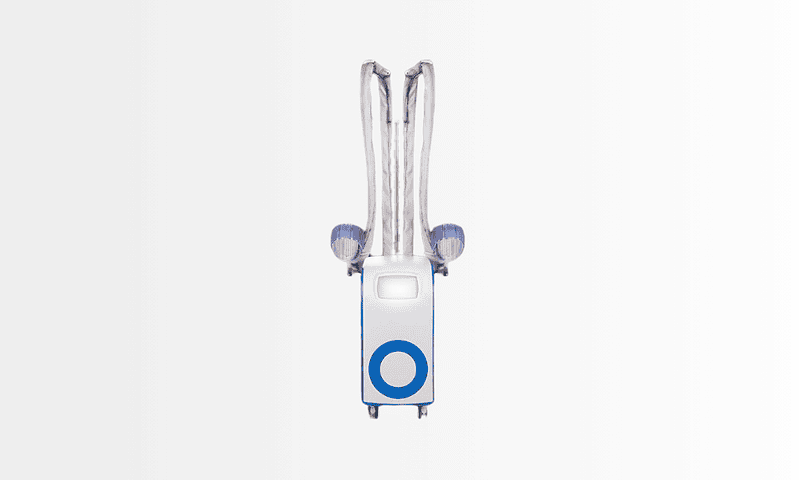
Medical Technologies Used
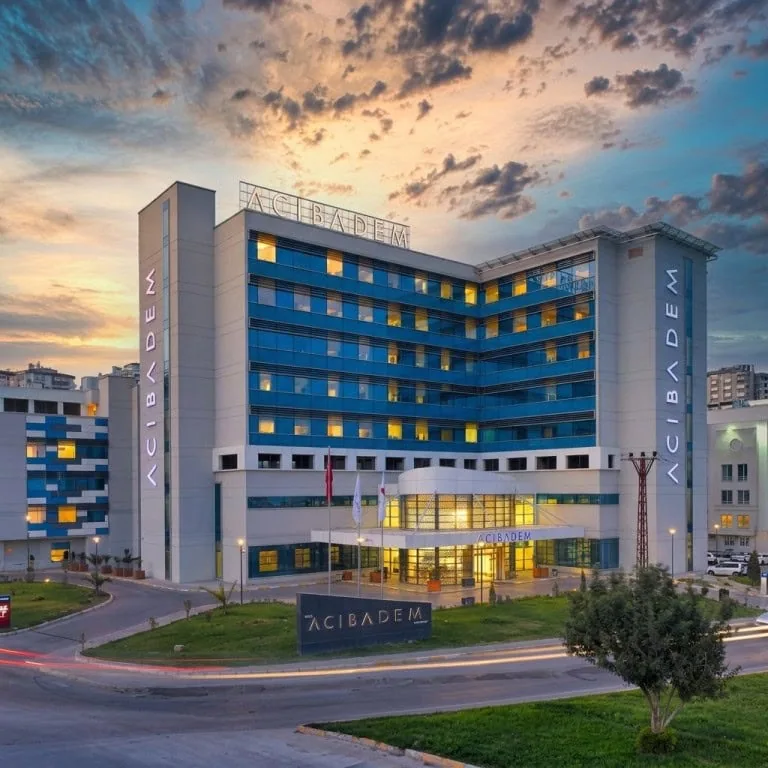
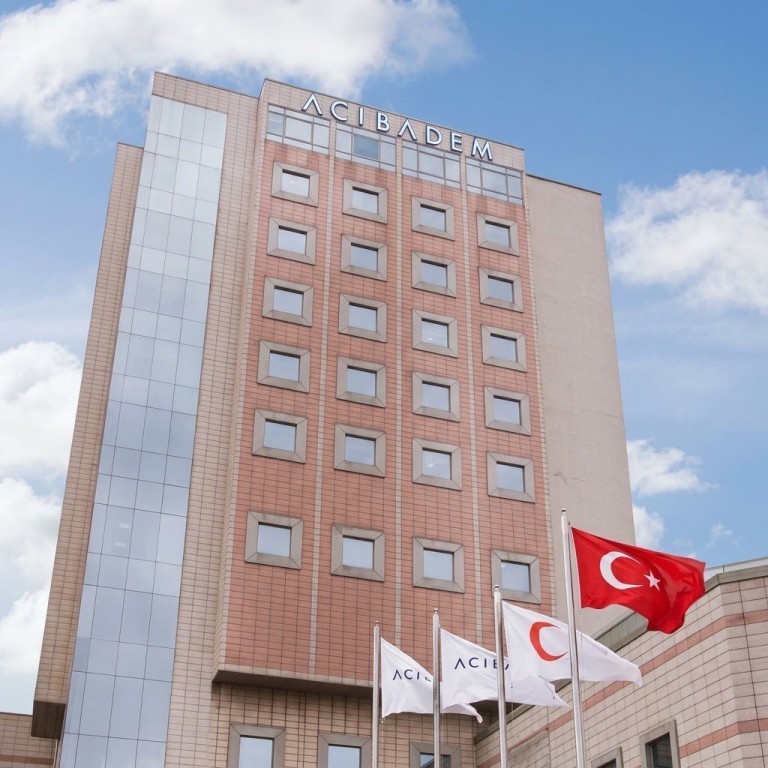
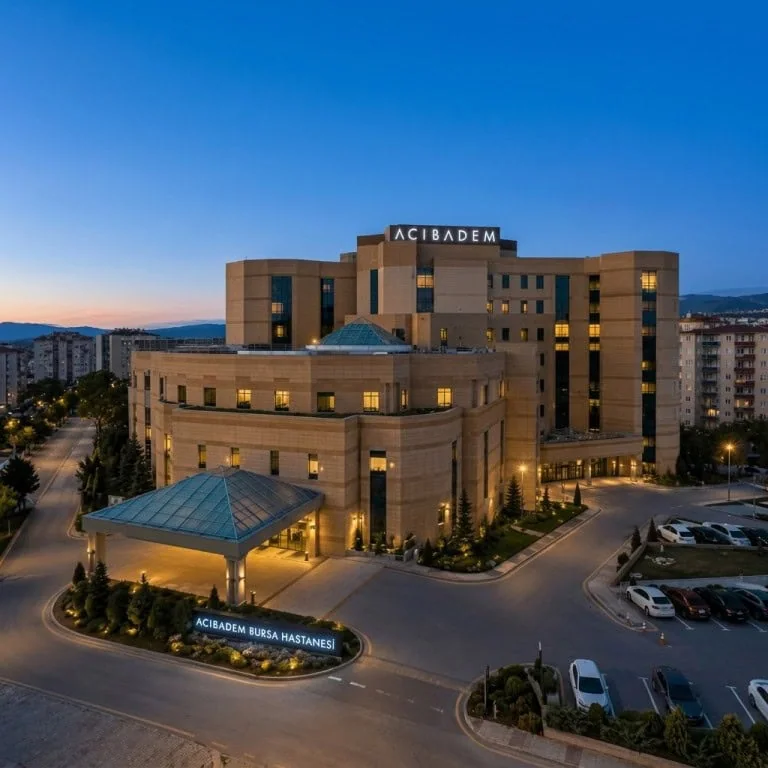
Available at these Hospitals












What patients say about this unit
★★★★★From 2,400+ verified patient reviews“My experience with oncology consultation here restored my faith in medical care. Assoc. Prof. Şahin explained every step clearly and never rushed me. I felt looked after at every turn.”
“After struggling for a long time, I finally found the right care for my oncology second opinion here. Dr. Bozkurt listened carefully and built a plan I understood. I am deeply grateful for everything.”
“I had been worried for months, but my oncology second opinion was sorted out quickly and clearly. Assoc. Prof. Görümlü was thorough, professional and genuinely caring.”
“I was nervous about my oncology second opinion, but I felt safe at every single step. Prof. Demir was thorough, professional and genuinely caring. The nursing staff were attentive and kind throughout.”
Patient stories from this unit
 Bulgaria Limb-Saving Surgery Instead of Amputation: Svetoslav’s Story
 Facing a below-knee amputation at home, Svetoslav’s leg was saved by Acibadem’s limb-salvage surgery — opening the door to an independent, prosthesis-free life.
Read the story → Netherlands Breast Cancer Second Opinion: Maria’s Story from Rotterdam
 When Maria, a 52-year-old teacher from Rotterdam, was diagnosed with breast cancer, a rapid second opinion at Acibadem Oncology Centers changed her treatment path…
Read the story →Comparison guides for this specialty
Speak with our medical team
Share your case and our international patient team will guide you to the right specialist — free of charge.