CRYO
CRYO, or cryoablation, uses extreme cold to freeze and destroy selected abnormal tissue, often in kidney or prostate tumors. It is minimally invasive and image-guided when appropriate.
Quick answer
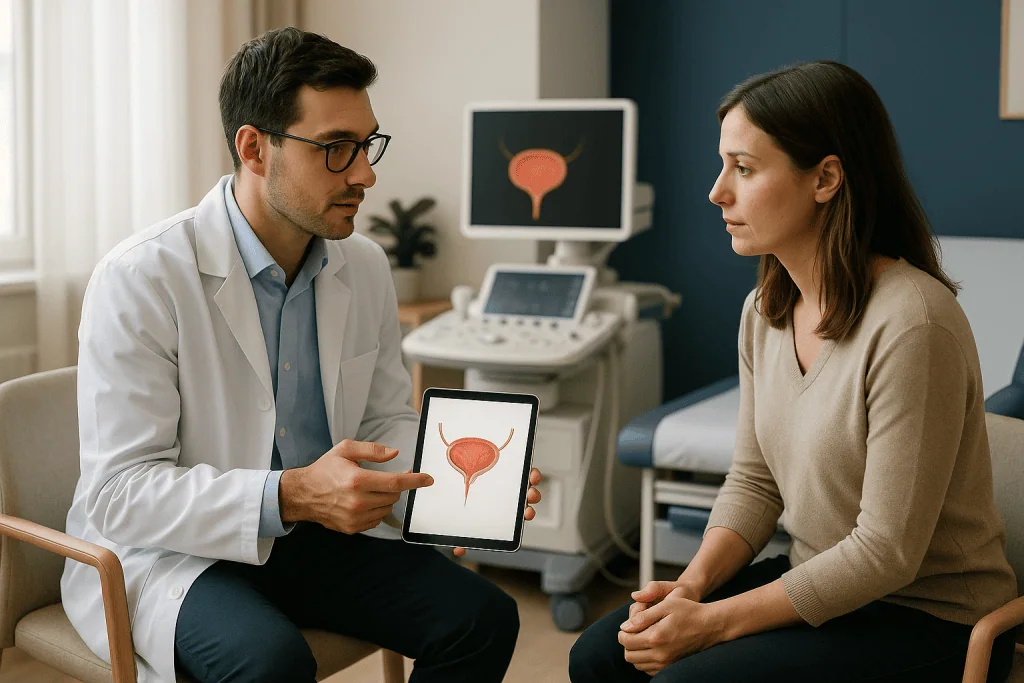
Cryotherapy, or cryoablation, destroys abnormal tissue by freezing it. Thin probes are placed into the target under ultrasound, CT or MRI guidance, and extremely cold gas creates an ice ball that kills the cells inside it. It is used for selected small kidney tumours, localised prostate cancer and certain skin lesions, usually through small skin punctures, with follow-up imaging to confirm the response.
Cryotherapy and Cryoablation: Treating Abnormal Tissue With Extreme Cold
Cryotherapy is the controlled use of extreme cold to destroy abnormal tissue. In hospital medicine it most often takes the form of cryoablation, also written simply as CRYO: thin probes are placed into a tumour or lesion under imaging guidance, and the tissue is frozen until the targeted cells die. It is considered for selected patients with small kidney tumours, localised prostate cancer, certain skin lesions and other well-defined targets, where destroying the abnormal area in place can achieve treatment with less physical trauma than open surgery.
If you have been told that a kidney tumour, prostate cancer or another abnormal area needs treatment, you probably arrive at this page with practical questions. Can the tumour be treated without major surgery? Will treatment affect urinary, sexual or kidney function? How long is the hospital stay? And if you travel abroad for care, how will your diagnosis, treatment plan and follow-up be coordinated? This page answers those questions plainly. It explains what cryotherapy can and cannot do, how the procedure unfolds from first imaging review to long-term surveillance, and which factors separate a well-chosen ablation from a poorly chosen one.
Two points are worth stating at the outset. First, cryoablation is a genuine intervention, not a shortcut. It demands the same careful imaging review, pathology assessment and multidisciplinary discussion as any other cancer treatment. Second, not every patient is a candidate, and not every tumour should be frozen. The best outcomes come from selecting the right indication, planning the probe placement in detail and committing to follow-up imaging afterwards. When those conditions are met, CRYO can provide local tumour control with a shorter recovery period and fewer disruptions to daily life than more extensive surgery may involve.
What is cryotherapy?
Cryotherapy means any treatment that applies very low temperatures to the body for a medical purpose. The term covers a wide spectrum. At one end sits dermatological cryotherapy, where a clinician sprays or dabs liquid nitrogen onto a wart, skin tag or small skin lesion for a few seconds. In the middle sits image-guided cryoablation, the hospital procedure this page focuses on, in which cold is delivered deep inside the body through needle-like probes to destroy a tumour. At the far end sit whole-body cold chambers marketed for sports recovery and wellness: a different proposition altogether, with a much weaker evidence base, and not a treatment for tumours of any kind. When doctors discuss cryotherapy for a kidney or prostate lesion, they mean the image-guided medical procedure, planned and monitored like any other intervention.
What does cryo mean?
Cryo comes from the Greek word kryos, meaning icy cold or frost, and in medicine it signals that a treatment or technique works through freezing. That is why the same prefix appears in several very different terms: cryotherapy (treatment with cold), cryoablation (destroying tissue with cold), cryosurgery (the surgical use of freezing) and cryopreservation (storing cells or tissue at very low temperatures, for example embryos or sperm). If you have searched “what is cryo” and found everything from video-game lore to spa marketing, that is because the prefix has escaped into popular culture. On a hospital page, CRYO refers to the therapeutic freezing of abnormal tissue, nothing more exotic than that.
Is cryotherapy the same as cryogenics?
Cryogenics is a branch of physics and engineering concerned with producing, maintaining and studying extremely low temperatures; it is not a medical treatment. The confusion is understandable, because cryogenic technology is what makes medical freezing possible: the gases and cooling systems used in cryoablation are products of cryogenic engineering. But when cryogenics appears in the news it usually concerns industrial gases, superconductors or the speculative practice of cryonics, which is the freezing of human bodies after death and has no connection to hospital care. Cryotherapy borrows the cold from cryogenics; it does not borrow the science-fiction associations.
What is cryosurgery?
Cryosurgery is the deliberate destruction of tissue by freezing, performed as a surgical or interventional procedure. In current hospital practice the words cryosurgery, cryoablation and therapeutic cryotherapy overlap almost completely, and different specialties simply favour different terms: dermatologists tend to say cryotherapy or cryosurgery when freezing skin lesions, while urologists and interventional radiologists usually say cryoablation when treating kidney or prostate tumours. Whatever the label, the underlying method is the same, controlled freezing, an ice ball that encloses the target with a margin, and cell death within the frozen zone.
What does cryotherapy do for your body?
Medical cryoablation injures the targeted cells directly and also destroys the small blood vessels that feed them, so the treated tissue loses its blood supply and dies. Ice crystals form inside and around the cells during freezing; during thawing, the damaged cell membranes fail and the microscopic circulation within the treated zone clots off. Over the following weeks and months the body gradually breaks down and absorbs the dead tissue, which is why the treated area is followed with imaging rather than expected to vanish overnight. Researchers are also studying whether the immune system responds to tumour material released by freezing, but this remains an area of investigation rather than an established benefit and should not influence a treatment decision. Whole-body cold exposure, by contrast, produces short-lived effects such as narrowed skin blood vessels and altered sensation; claims that it treats disease go beyond what current evidence supports.
Who May Be Considered for Cryoablation: Symptoms, Diagnosis and Patient Situations
Many patients considered for CRYO have no symptoms at all. Small kidney tumours are frequently found incidentally, on an ultrasound, CT or MRI performed for an unrelated complaint. Prostate cancer is often suspected because of an elevated prostate-specific antigen (PSA) blood test, changes on prostate MRI or biopsy findings, rather than anything the patient feels. Because early tumours can be silent, the decision to treat rests on imaging and pathology rather than on how unwell you feel, and feeling well is not, on its own, a reason to postpone assessment.
Some patients do develop symptoms, depending on the organ involved. A kidney tumour may occasionally cause blood in the urine, flank pain or unexplained anaemia, although these are often absent. Prostate conditions can cause urinary frequency, a weak stream, night-time urination, difficulty emptying the bladder or pelvic discomfort, but these symptoms are just as commonly caused by benign prostate enlargement as by cancer. That overlap is precisely why a structured diagnostic evaluation must come before any decision about cryoablation.
Diagnosis usually begins with a detailed medical history, physical examination and review of previous tests. For kidney lesions, contrast-enhanced CT or MRI is often essential to understand the size, depth, blood supply and relationship of the tumour to nearby structures. In selected cases a biopsy is recommended before ablation, both to confirm the diagnosis and to guide the intensity of follow-up. Kidney function tests help establish how much healthy tissue should be preserved and whether a nephron-sparing approach carries particular value for that patient.
For prostate cancer, the work-up may include PSA testing, multiparametric prostate MRI, targeted and systematic biopsy, pathology review and staging studies when indicated. The medical team assesses whether the cancer appears confined to the prostate, whether it is focal or multifocal, its grade group and tumour volume, and whether freezing can treat the cancer adequately while managing the risks to urinary and sexual function.
Patients who may be evaluated for cryoablation include those with small tumours in favourable locations; people who are not ideal candidates for major surgery because of age or other medical conditions; patients with a single kidney or reduced kidney function, for whom preserving working tissue matters greatly; and selected patients weighing a minimally invasive local therapy against its alternatives. Carefully chosen recurrent tumours, including some prostate cancers that return after radiation, may also be considered. Eligibility can never be read off a diagnosis alone: it depends on the specific imaging, the pathology and the patient’s own priorities.
International patients typically arrive with imaging, biopsy reports and physician recommendations from their home country. In a well-run pathway, these materials are reviewed by the relevant specialists before any decision is made, and additional testing is arranged only where the existing information is incomplete or where the treatment plan hinges on more detailed imaging. That discipline protects against both undertreatment and overtreatment.
Conditions Cryotherapy and Cryoablation May Address
Cryoablation is used in several medical fields, but its role is most established for selected solid tumours and localised abnormal tissue. In cancer care it is a local therapy: it treats a defined area, not the whole body. Accurate staging is therefore essential. If disease has spread beyond the local site, freezing may still help with symptom control or with selected metastases, but it is not a substitute for systemic therapy when systemic therapy is what the disease requires.
For kidney tumours, CRYO may be considered for small renal masses, particularly those in positions that can be reached safely under imaging guidance. It can be valuable when preserving kidney tissue is a priority, in patients with chronic kidney disease, tumours in both kidneys, a single functioning kidney or medical conditions that make open surgery higher risk. The approach is typically most suitable when the tumour is limited in size and has not invaded major vessels or surrounding organs.
For prostate cancer, cryoablation may be considered in selected patients with localised disease. Some are candidates for whole-gland treatment, while others may be suitable for focal cryotherapy directed at the visible or biopsy-proven cancer region. Focal approaches aim to treat the cancer-bearing portion of the prostate while sparing uninvolved tissue, but they demand careful imaging, biopsy mapping and disciplined follow-up. Cryoablation may also be evaluated in certain cases of prostate cancer that recurs after radiotherapy, depending on the extent of the recurrence and the patient’s overall situation.
Elsewhere in the body, cryoablation is used in selected tumours of the lung, liver, bone, soft tissue and adrenal gland, depending on the size, location, cancer type and the alternatives available. It can also help relieve pain from some bone metastases when the goal is palliation rather than removal of disease. These indications require close coordination among interventional radiology, oncology, surgery, radiation oncology and other specialties, because the same lesion can often be treated in more than one way.
Cryogenic skin tag removal and other skin uses
A cryogenic skin tag procedure freezes the small growth, usually with liquid nitrogen, so that it blisters, dries and detaches over the following days. The same dermatological technique is used for warts, actinic keratoses and certain other benign or pre-cancerous lesions, and in carefully selected cases for some superficial forms of skin cancer. Two honest caveats apply. First, any lesion that looks suspicious should be assessed and, where appropriate, biopsied before freezing, destroying a lesion without a diagnosis can hide a cancer rather than treat it, and suspected melanoma is not treated by freezing. Second, larger or deeper skin cancers are usually better managed with surgical excision, which in some cases is combined with skin grafting or reconstruction after skin disease to restore the treated area.
CRYO is not appropriate for every lesion. Large tumours, tumours lying against critical structures, cancers with aggressive biology, widespread metastatic disease, and cases where lymph nodes or surrounding tissue must be removed are often better managed with surgery, radiation therapy, systemic therapy, active surveillance or a combined approach. The important question is never whether cryoablation is technically available, it usually is, but whether it is the right treatment for this disease pattern and this patient’s goals.
How Cryoablation Is Performed: From Preparation to Recovery
The process begins well before the procedure day. The team reviews imaging, laboratory tests, current medications, allergies, prior surgeries and the patient’s overall health. For cancer cases, biopsy results and staging information are evaluated; if the diagnosis is uncertain, a biopsy may be performed beforehand or, in some protocols, during the same session. Preparation may include blood tests to check kidney function, blood count and clotting. If you take blood thinners or certain supplements, how these are handled around the procedure is decided by your treating doctor: this is planned individually and is never something to change on your own. For prostate procedures, bowel preparation, urine testing or preventive antibiotics may be recommended; for kidney or abdominal treatments, fasting before anaesthesia or sedation is usually required. International patients receive these instructions in advance so that travel, accommodation and pre-procedure appointments line up sensibly.
On the day of treatment, the sequence typically runs as follows:
- Positioning and anaesthesia. You are positioned according to the target organ and the safest route for probe placement. The procedure may be performed under general anaesthesia, regional anaesthesia or conscious sedation, with continuous monitoring throughout.
- Sterile preparation. The skin is cleaned and draped. Local anaesthetic may be used at the puncture site even when deeper sedation is given.
- Probe placement. Using ultrasound, CT, MRI or a combination, the physician advances one or more cryoprobes into the target. Kidney tumours are usually reached percutaneously, through the skin. Prostate probes are typically placed through the perineum, the area between the scrotum and anus, under ultrasound guidance.
- Freezing. Extremely cold gas circulates through the probes, forming an ice ball that is visible on imaging. The physician monitors its size and shape to confirm the tumour and an appropriate margin are covered.
- Thawing and re-freezing. A thaw phase follows, and in many protocols a second freeze-thaw cycle is performed, because repeated cycles improve tissue destruction.
- Protecting nearby structures. Where needed, fluid or gas can be placed between the treatment zone and adjacent bowel to create distance. In prostate cryoablation, warming catheters and temperature monitoring help protect the urethra and surrounding tissue.
- Completion and observation. The probes are withdrawn, the small puncture sites are dressed, and you move to recovery for monitoring.
Technology carries much of the safety burden here. High-resolution imaging identifies the lesion, guides the probe path and shows the treatment zone in real time or near real time. Planning software and image fusion can correlate MRI, CT and ultrasound findings so that a lesion seen best on one modality can be targeted with another. Anaesthesia monitoring supports comfort and physiological stability, and post-treatment imaging helps confirm that the ablation zone appears to cover the intended target. None of this replaces judgment: it informs it.
The duration varies. A straightforward small kidney lesion takes less time than a complex tumour near critical structures, and prostate treatment time depends on whether the approach is focal or whole-gland, on prostate size and on anatomy. Expect several hours in the treatment area overall, including preparation, anaesthesia, the procedure and recovery observation. Afterwards, patients are monitored for pain, bleeding, urinary issues, blood pressure changes, nausea and anaesthesia recovery. Some go home the same day; others stay overnight, particularly after complex procedures, when travelling internationally, or when a medical condition warrants closer observation. Mild discomfort, bruising, fatigue or temporary urinary symptoms can occur in the days that follow. Before discharge, the team sets out what is expected during healing, which changes should prompt medical review, and when the first follow-up imaging will take place. Recovery is usually shorter than after open surgery, but it is not instantaneous: the treated area does not disappear immediately, and radiologists assess over time whether it shows the expected healing pattern or any sign of residual disease.
Is cryotherapy very painful?
The freezing itself is not felt during hospital cryoablation, because the procedure is carried out under general anaesthesia, regional anaesthesia or sedation. What patients notice afterwards is usually soreness at the probe sites, bruising, fatigue and, after prostate treatment, temporary urinary symptoms, sometimes with a short-term catheter. This discomfort is generally manageable with prescribed medication and settles over days rather than weeks for most people, although individual experience varies with the organ treated and the extent of the ablation. Dermatological freezing of a wart or skin tag is done awake and typically causes a brief, sharp stinging followed by soreness and a blister as the area heals. Honest summary: cryotherapy is not free of discomfort, but severe or prolonged pain is not the expected course, and worsening pain is one of the things the follow-up plan is designed to catch.
Why Acting Early Matters and the Risks of Delay
When a tumour is small and localised, you tend to have more choices. Delay can allow some tumours to grow, move closer to critical structures or progress beyond the point where minimally invasive local treatment remains suitable. In kidney cancer, increasing tumour size can reduce the likelihood that a kidney-sparing approach is possible and can make any treatment more complex. In prostate cancer, postponing evaluation risks leaving higher-risk disease unrecognised, particularly if PSA is rising or biopsy findings already suggest clinically significant cancer.
Acting early does not always mean treating immediately. Some small kidney masses and low-risk prostate cancers are appropriately managed with active surveillance, scheduled imaging, blood tests and repeat evaluation, rather than intervention. The key is timely expert assessment. You should not have to choose between rushed treatment and passive waiting; a careful review clarifies whether cryoablation, surgery, radiation therapy, surveillance or another approach best matches the medical facts.
Delaying without a clear monitoring plan creates avoidable risks: tumour growth, narrowing treatment options, a greater likelihood of needing major surgery, reduced organ preservation, prolonged uncertainty and, in some cancers, the risk of spread. For international patients there is a further practical hazard, delay caused by incomplete records or imaging that specialists cannot review in its original format. Gathering original imaging files early, not just written reports, keeps the planning process moving and prevents tests from being repeated unnecessarily.
Benefits of Cryotherapy Treatment
The potential benefits of cryoablation depend on the diagnosis, the tumour’s location and, above all, patient selection. For well-chosen cases, the following considerations commonly apply.
| Benefit | What It Means for You |
|---|---|
| Minimally invasive access | Many procedures are performed through small skin punctures rather than a large incision, which may reduce wound-related discomfort and shorten early recovery. |
| Targeted tissue destruction | Imaging guidance lets the physician focus treatment on the abnormal area while aiming to limit injury to nearby healthy tissue. |
| Organ preservation | In selected kidney tumours, CRYO can help preserve functioning kidney tissue. In selected prostate cases, focal approaches reduce treatment to uninvolved areas of the gland. |
| Shorter hospital stay for many patients | Depending on the procedure and your medical condition, discharge may be possible the same day or after a short observation period. |
| Repeatability in selected cases | If a small residual or recurrent area is detected on follow-up, additional local treatment may be possible in carefully selected patients. |
| An option for higher-risk surgical patients | For some patients whose medical conditions make major surgery more difficult, cryoablation offers local treatment with less physiological stress. |
What Are the Negatives of Cryotherapy?
The main negatives of cryotherapy are the possibility of incomplete treatment, the risk of injury to nearby structures, and the absence of a surgical specimen. Each deserves a plain explanation.
Because the tumour is destroyed in place rather than removed, there is no excised tissue for a pathologist to examine, and no way to confirm surgical margins under a microscope. Confirmation of success relies instead on follow-up imaging over time, which is why surveillance after cryoablation is not optional. If the ice ball did not fully cover the target, residual tissue can remain and may need further treatment.
Freezing does not distinguish between abnormal and healthy cells, so structures near the treatment zone, bowel, ureter, nerves, blood vessels, the urethra, the urinary sphincter or the rectum, must be actively protected during the procedure. Bleeding, infection and anaesthesia-related complications are possible, as with any intervention. After prostate cryoablation specifically, urinary symptoms and changes in erectile function can occur, a temporary catheter is common, and rare complications affecting the passage between the urethra and rectum have been described; the likelihood depends heavily on whether treatment is focal or whole-gland and on prior therapies such as radiation.
Dermatological freezing has its own smaller drawbacks: blistering, temporary soreness, lightening or darkening of the treated skin and occasionally a small scar. And a final honest limitation applies across the board, cryoablation is unsuitable for large tumours, aggressive disease patterns and situations where lymph nodes or surrounding tissue must be removed. A centre that offers cryotherapy responsibly will also be willing to tell you when it is the wrong choice.
Is Cryotherapy Expensive?
The cost of cryotherapy varies enormously with what is actually being treated, so the question has no single answer. A brief dermatological freeze of a wart or skin tag is a short outpatient visit. Hospital cryoablation of a kidney or prostate tumour is a different undertaking: it involves advanced imaging before and during the procedure, anaesthesia, an interventional or surgical team, disposable cryoprobes, recovery observation and sometimes an overnight stay, followed by scheduled surveillance imaging over months and years. The main cost drivers are the complexity of the target, the imaging required to reach it safely, the type of anaesthesia, the length of stay and the follow-up plan. When comparing options, the meaningful comparison is rarely cryoablation against nothing: it is cryoablation against the alternatives being considered for the same lesion, each with its own pathway, recovery time and monitoring requirements. A written treatment plan that sets out exactly what is included lets you assess this properly before committing.
Recovery Timeline After Cryoablation
Recovery varies with the organ treated, the anaesthesia used, your overall health and whether the procedure was focal or more extensive, but many patients follow a broadly similar pattern.
| Time Period | What Patients Can Expect |
|---|---|
| Day 1 | Monitoring after anaesthesia or sedation; mild to moderate soreness, fatigue or bruising may occur. Some prostate patients have a temporary urinary catheter. |
| First week | Gradual return to light activities. Heavy lifting, strenuous exercise and long travel are usually deferred until the physician confirms it is appropriate. |
| First month | Energy and comfort usually improve. Urinary symptoms, where present, tend to keep settling. Follow-up appointments and early imaging or laboratory tests may be scheduled. |
| Three to six months | Imaging or PSA monitoring, depending on the treated condition, helps assess the response. The ablation zone is checked for the expected healing changes. |
| Longer term | Ongoing surveillance continues, because treated tissue must be monitored over time. The schedule depends on the condition treated, risk level and previous findings. |
Factors That Influence Outcomes and a Good Result
The success of CRYO is tied more closely to patient selection than to any other single factor. Tumour size matters most: smaller, well-defined lesions are generally more suitable for complete ablation than larger or irregular ones. Location matters almost as much. A tumour lying away from major blood vessels, bowel, the ureter, the rectum, sphincter structures and critical nerves can be treated more safely than one touching them. Protective techniques can sometimes make a difficult location treatable, but the risk-benefit balance has to be weighed honestly in each case.
Accurate diagnosis and staging carry equal weight. A small kidney mass may be benign, indolent or malignant, and a biopsy can sometimes clarify which approach fits best. Prostate cancer requires careful grading and mapping, because untreated cancer elsewhere in the gland determines whether focal cryoablation is appropriate at all. If the disease turns out to be more extensive or more aggressive than first thought, a broader plan is needed, and it is far better to discover that before treatment than after it.
Imaging quality directly shapes the plan. High-quality CT, MRI and ultrasound define the target and its relationship to the surrounding anatomy; specialist radiology review of the original image files, not just the written reports, can reveal details that change probe placement, feasibility or the need for further tests. International patients who bring original imaging on disc or through a transfer platform make this review far more reliable.
Physician experience and team coordination influence the result as much as the equipment does. Cryoablation requires technical skill, but above that it requires judgment: when to ablate, how wide the margin should be, how to protect adjacent structures, and when to recommend a different therapy instead. In cancer cases, input from urology, interventional radiology, medical oncology, radiation oncology, radiology, pathology and anaesthesiology may all be relevant. The strongest treatment plans are usually those that weighed several options before settling on one.
Your own health shapes both safety and recovery. Blood clotting disorders, active infection, uncontrolled diabetes, severe heart or lung disease, kidney impairment, previous abdominal or pelvic surgery, prior radiation and existing urinary problems can all alter the plan. Anticoagulant and antiplatelet medication is managed around the procedure by the treating doctor as part of that plan. For prostate treatment, baseline urinary and sexual function matter, because any treatment-related change has to be judged against where you started.
Finally, follow-up is part of the treatment, not an optional extra. In kidney tumours, follow-up CT or MRI looks for residual enhancement or recurrence; in prostate cancer, PSA trends, MRI, selected repeat biopsy and clinical assessment do the same job. A good result is not only a technically clean procedure on the day: it is a well-documented response that holds up over time.
Wellness Cryotherapy Versus Medical Cryoablation: Understand What You Are Finding
A search for cryotherapy in your area will mostly return wellness studios offering whole-body cold chambers, along with some dermatology and aesthetic clinics, not hospitals performing image-guided cryoablation. The distinction matters. Whole-body chambers expose the skin to very cold air for short periods and are marketed for muscle recovery and general wellbeing; they do not treat tumours, and the evidence behind their broader health claims is limited. Freezing a wart or skin tag is a genuine medical use of cold, and for such minor lesions a nearby, properly qualified clinic is a perfectly reasonable choice. For tumour treatment, however, proximity is the wrong selection criterion. What determines the outcome of cryoablation is the quality of the imaging review, the experience of the team placing the probes, the honesty of the case discussion, including whether ablation is right at all, and the rigour of the follow-up schedule. Patients regularly travel for this kind of care precisely because those factors outweigh convenience.
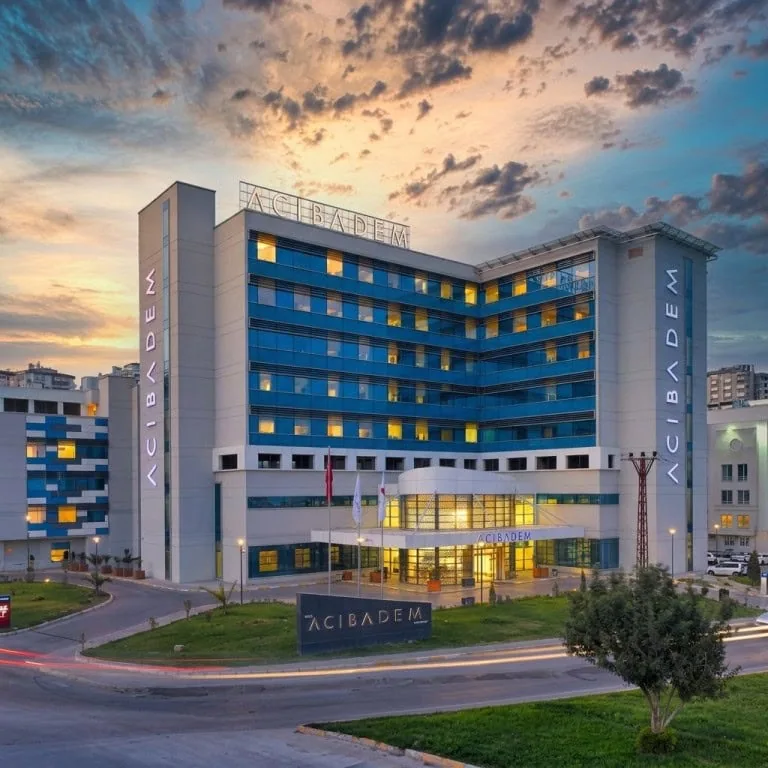
How Cryoablation Care Is Organised at Acibadem
Cryoablation sits within a wider decision-making process at Acibadem rather than being offered as a stand-alone product. A kidney tumour case may be discussed between urology, interventional radiology, nephrology, radiology, pathology and oncology; a prostate case may involve urologic oncology, radiation oncology, medical oncology and functional specialists. In complex situations, multidisciplinary boards evaluate the diagnosis from several perspectives before a recommendation is made. The purpose of this structure is simple: it reduces the chance that a patient receives a procedure that is technically possible but not the best overall treatment.
For international patients, evaluation typically begins with existing medical records, imaging files, biopsy reports and treatment summaries, which are reviewed by the relevant specialties before a plan is proposed. Where cryoablation appears suitable, the likely diagnostic steps, expected length of stay and follow-up requirements are outlined in advance, so that travel is arranged around the medicine rather than the other way round. Where another treatment appears more appropriate, robotic or laparoscopic surgery, radiation therapy, systemic therapy, active surveillance or a combined plan: that conclusion is discussed just as openly. A considered recommendation, not a fixed procedure, is the product of the assessment.
Modern imaging systems support each stage: diagnosis, treatment planning, probe guidance during the procedure and assessment of the ablation zone afterwards. Advanced anaesthesia and perioperative monitoring support safety throughout. The value of this technology lies less in the equipment itself than in how experienced teams use it to make treatment more precise and more individual.
Continuity after discharge is planned from the start. Because cryotherapy requires surveillance, patients leave with clear instructions covering imaging timing, laboratory testing, activity guidance, medication use as directed by the treating doctor, and how results will be shared. Interpreters and patient coordinators support communication throughout the stay, and where appropriate, Acibadem physicians coordinate with the patient’s local doctor so that longer-term monitoring continues close to home. For patients travelling with family, this practical coordination removes a good deal of friction from an already stressful period.
Making a Considered Decision About Cryotherapy
Cryotherapy, delivered as image-guided cryoablation, is a valuable option for selected patients with kidney tumours, localised prostate cancer, certain skin lesions and other defined targets. Its advantages are most meaningful when the diagnosis is precise, the target is suitable, the treating team is experienced and the follow-up plan is real rather than notional. For the right patient, it offers effective local treatment with a less invasive approach and a shorter recovery than more extensive surgery typically involves.
Before deciding, it is worth understanding three things clearly: why cryoablation is being recommended for your specific lesion rather than the alternatives; what the realistic risks are for your anatomy and health; and exactly how the response will be monitored afterwards, and by whom. Many patients also find that an independent second opinion on their imaging and pathology sharpens these answers, particularly when weighing whether to travel for treatment. A decision made on that basis, specific, informed and unhurried, is the strongest foundation any treatment can have.
Preparation
- Before CRYO, patients usually have imaging tests, blood tests, and an anesthesia evaluation. Blood-thinning medications may need to be adjusted under medical supervision. Fasting is typically required before the procedure if anesthesia is planned.
Aftercare
- After CRYO, patients are monitored for pain, bleeding, urination changes, or fever. Light activity is usually resumed within a few days, while strenuous exercise should wait until the doctor approves. Follow-up imaging or blood tests may be scheduled to assess treatment response.
Frequently Asked Questions
What affects the cost of CRYO treatment?
The final cost depends on the treated organ, tumour size and location, imaging needs, anaesthesia, hospital stay, specialist fees, and whether additional tests or follow-up scans are required.
How can I get a personalised quote for CRYO in Turkey?
You can request a free consultation and share your medical reports, imaging, biopsy results if available, medication list, and previous treatment history. A specialist team can then assess suitability and prepare a personalised estimate.
Is CRYO always cheaper when performed abroad?
Not always. Travel, accommodation, extra diagnostics, and follow-up requirements can affect the total cost. A written quote should clarify what is included and what may be charged separately.
What is usually included in an international patient CRYO package?
Packages may include specialist review, imaging assessment, hospital services, the procedure, anaesthesia, nursing care, coordination support, and basic follow-up planning. Inclusions vary, so they should be confirmed before travel.
Will I need follow-up after cryoablation?
Yes. Follow-up is important to assess the treated area and overall recovery. Your specialist will advise the appropriate imaging and clinical review schedule based on your diagnosis and treatment plan.
Medically reviewed by the Acıbadem International Medical Board September 13, 2026
See our medical review board →
Update history
- PublishedJune 8, 2026
- Medical review approvedSeptember 13, 2026
- Last content updateSeptember 12, 2026
References3
- Cryosurgery to Treat Cancer cancer.gov
- Cryotherapy my.clevelandclinic.org
- Cryotherapy medlineplus.gov
Trusted care for international patients
From the Acibadem Blog

Preparing for Cryoablation: Fasting, Blood Thinner Adjustments and the Anesthesia Review
Preparing for cryoablation usually involves three steps set by your treating team: fasting for a defined window before sedation or anesthesia, a planned review…

After Cryoablation: Which Urination Changes Are Expected and When Fever Means a Call
After prostate or kidney cryoablation, pink or slightly bloody urine, a burning sting, urgency, frequent small voids, and a weak stream in the first…