Head Cancer Treatment
Head cancer care covers cancers of the scalp, skull base, mouth, throat, sinuses and salivary glands, using surgery, radiotherapy, chemotherapy, immunotherapy or targeted therapy based on tumor type.
Quick answer
Head cancer treatment is the coordinated care used to diagnose, stage and treat malignant tumours of the scalp, skull base, mouth, throat, sinuses, nasal cavity and salivary glands. Depending on the tumour's type, location and stage, it may involve surgery, radiotherapy, chemotherapy, immunotherapy or targeted therapy, usually planned by a multidisciplinary team that balances cancer control with protecting speech, swallowing, breathing and appearance.
Ca Throat, Head Cancer and Head and Neck Cancer: What the Terms Mean
Head cancer is an umbrella term for malignant tumours arising in the scalp and skin of the head, the skull base, the mouth, the throat, the sinuses, the nasal cavity, the salivary glands and the structures around them. Treatment brings together surgery, radiotherapy and drug therapy in a plan built around the exact tumour, its stage and the functions that matter most to the person carrying it. It is care for patients with a confirmed or strongly suspected malignancy in this region, and for those who need a clear diagnosis before any decision can be made.
You may also see the shorthand ca throat in clinical notes, referral letters and search results. The abbreviation is blunt but simple: “ca” stands for carcinoma, so ca throat means carcinoma of the throat, a cancer arising in the pharynx, tonsils, base of tongue or voice box. Because this diagnosis sits inside the wider family of head and neck cancers, the same principles apply to it as to a tumour of the mouth, sinuses or salivary glands: accurate diagnosis first, precise staging second, and only then a treatment plan.
A diagnosis anywhere in this region can feel especially personal. The head and upper neck contain the structures you use to speak, swallow, breathe, hear, taste, smell and show expression. Patients often worry not only about survival but about whether treatment will change how they eat, talk, look or interact with others. Those worries are legitimate, and they shape modern treatment planning. The aim is to control the cancer while protecting function and appearance as far as is medically possible, and to be honest, in advance, about where trade-offs exist.
Modern head cancer care is individualised. Some patients need a focused operation and close follow-up. Others need radiotherapy, chemotherapy, immunotherapy, targeted therapy or a planned combination. In many cases the best plan is not decided by one physician alone but by a multidisciplinary team that reviews imaging, pathology, staging and the patient’s overall health together before recommending a sequence of treatment.
What is head and neck cancer?
Head and neck cancer is the collective medical name for cancers that begin in the mouth, throat, voice box, nose, sinuses, salivary glands and the skin and soft tissues of the head and upper neck. It is not one disease. Each site has its own tumour types, its own risk factors and its own treatment pathway. A skin cancer on the scalp, a cancer at the base of the tongue and a tumour deep in the sinuses may all be described as head cancer, yet each behaves differently and demands a different plan. Cancers that start in the brain itself are classified separately: you can read about them on our brain tumours page, as are lymphomas, even when they first appear as a neck swelling.
What does “ca throat” mean on a medical report?
Ca throat is clinical shorthand for carcinoma of the throat: a malignant tumour arising in the pharynx, tonsils, base of tongue or larynx. The abbreviation says nothing about stage, spread or treatment on its own; it simply names the disease and its general location. Two patients with the same words on their report can face very different situations depending on the tumour’s exact site, its size, whether lymph nodes are involved and whether the cancer is associated with human papillomavirus (HPV) or with tobacco and alcohol exposure. That is why the shorthand is always followed, in proper care, by detailed imaging, endoscopy and pathology before anyone recommends treatment.
What Head Cancer Treatment Involves
Head cancer treatment is the coordinated medical, surgical and supportive care used to diagnose, stage and treat malignant tumours in the head and upper neck region. It may involve surgery to remove the tumour, radiotherapy to destroy cancer cells with precisely planned radiation, systemic therapies that travel through the bloodstream, or a combination of these approaches. The right treatment depends on the cancer’s origin, size, spread, biology and relationship to nearby nerves, blood vessels, bone and organs.
The variety is wide. A small skin cancer on the scalp may be treated mainly with surgery and reconstruction. A cancer of the oral cavity may require tumour removal, lymph node assessment in the neck and rehabilitation for speech and swallowing. A skull base tumour may need a highly specialised surgical approach, sometimes using endoscopic techniques through the nose or a combined operation involving neurosurgery and ear, nose and throat specialists. A throat carcinoma may be managed with radiotherapy and chemotherapy rather than surgery, precisely to preserve the voice box and swallowing muscles when this is medically appropriate. Salivary gland cancers may require surgery, careful facial nerve evaluation and, in selected cases, postoperative radiotherapy.
Systemic treatment may include chemotherapy, immunotherapy or targeted therapy. Chemotherapy can make cancer cells more sensitive to radiotherapy or treat disease that has spread. Immunotherapy helps the immune system recognise and attack cancer cells in selected cancers. Targeted therapy focuses on specific molecular pathways or tumour characteristics when testing shows that such treatment may be useful. These decisions are usually made after a careful review of biopsy results, imaging and, when indicated, molecular or biomarker testing: the same evidence-based framework that underpins oncology care more broadly.
Head and Neck Cancer Symptoms
Head and neck cancer symptoms are often subtle at first, and many mimic ordinary problems such as infections, dental trouble or minor skin changes. What separates a symptom worth investigating from an everyday complaint is usually persistence: many head and neck cancers are more treatable when identified earlier, yet early signs are easy to dismiss. Symptoms that last more than a few weeks, worsen steadily or cannot be explained by a simple infection deserve assessment by a qualified physician.
- A sore or ulcer in the mouth that does not heal, or a red or white patch on the tongue, gums or lining of the cheek.
- A lump in the neck, particularly one that is firm, growing or painless.
- A persistent sore throat or hoarsenesscommon early features of throat carcinoma when they last beyond a normal infection.
- Difficulty or pain when swallowing, or the sensation that food sticks.
- Unexplained bleeding from the mouth, nose or throat.
- Persistent nasal blockage on one side, facial pressure or repeated nosebleeds, which can point to sinus or nasal cavity tumours.
- Numbness or weakness in the face, changes in facial movement, or ear pain without an ear infection.
- A growing, crusting or bleeding lesion on the scalp or facial skin.
None of these symptoms proves cancer, most neck lumps and sore throats have benign causes. But persistence is the signal that a proper examination is worthwhile, because early assessment gives the care team more options and lets treatment be planned rather than rushed.
What causes head and neck cancer?
The strongest established causes of head and neck cancer are tobacco use in any form, heavy alcohol consumption, particularly in combination with tobacco, and infection with certain strains of human papillomavirus, which is associated with many cancers of the tonsils and base of tongue. Epstein–Barr virus is linked to some cancers of the nasopharynx. For skin cancers of the scalp and face, cumulative sun exposure is the dominant factor. Other contributors include certain occupational exposures such as wood dust for sinonasal cancers, poor oral health, previous radiation to the region and, less commonly, inherited predisposition. Some patients develop head cancer with no identifiable risk factor at all, which is why persistent symptoms matter regardless of lifestyle history.
A Tumor in the Neck Lymph Node: What a Neck Lump Can Mean
A tumor in the neck lymph node is a growth inside one of the lymph glands of the neck, and it is sometimes the first visible sign of a cancer that began elsewhere, in the tonsil, tongue base, throat, thyroid, salivary gland or skin. Lymph nodes act as filters for the head and neck region, so cancer cells that break away from a primary tumour often lodge there first. This is why a persistent, firm neck lump in an adult is taken seriously even when the person feels otherwise well, and why examination of a neck mass routinely includes a careful look at the mouth, throat, nose and skin to find where the cells came from.
An enlarged node has many possible explanations, most of them benign: infections, inflammation and reactive swelling are far more common than malignancy. But when a node proves cancerous, the finding changes staging and treatment. A malignant tumour in neck lymph tissue may mean that surgery needs to include the lymph nodes, that radiotherapy fields must be extended, or that systemic therapy joins the plan. It can also, occasionally, be a lymphoma, a cancer of the lymphatic system itself rather than a deposit from elsewhere, which is treated along a completely different pathway; see our lymphoma page for how that disease is approached.
Ca Neck and Malignant Tumour in Neck: Reading the Shorthand
Ca neck is another clinical abbreviation you may encounter: it flags a carcinoma involving the neck, whether a primary tumour or a malignant tumour in neck lymph nodes that has spread from a nearby site. Like the throat abbreviation, it names a problem without describing it fully. The workup that follows, ultrasound, needle biopsy, endoscopy and cross-sectional imaging, is what turns two words into a precise diagnosis. Cancers arising primarily in the neck region, including the larynx, hypopharynx and thyroid, are covered in more detail on our dedicated neck cancer page.
Who May Need Head Cancer Care and How Diagnosis Works
Patients typically need evaluation for head cancer when symptoms persist, worsen or cannot be explained by a simple infection, dental problem or skin condition. Others arrive with a diagnosis already made and need staging, treatment planning or a second opinion, particularly when the tumour is complex, sits near the skull base or facial nerves, has recurred after previous treatment, or when the proposed therapy may affect speech, swallowing, appearance, vision or hearing.
The diagnostic pathway follows a logical sequence:
- History and physical examination. The physician reviews symptoms, risk factors and general health, then examines the mouth, throat, nose, scalp, skin, salivary glands, neck lymph nodes, ears and cranial nerve function.
- Flexible endoscopy. A thin camera examines areas invisible to standard inspection, the back of the nose, the pharynx and the voice box, which is essential when throat cancer is suspected.
- Imaging. Ultrasound, CT, MRI or PET-based imaging defines the size and extent of the tumour and whether lymph nodes or distant organs may be involved. Each modality answers a different question, and complex cases often need more than one.
- Biopsy. A tissue diagnosis is generally required before treatment. This may be a small sample from a visible lesion, a needle biopsy from a neck mass or salivary gland, or an endoscopic biopsy from deeper areas.
- Pathology and biomarker review. Pathologists determine tumour type, grade and other microscopic features. In selected cases, additional testing assesses viral association, genetic alterations or markers that influence whether targeted therapy or immunotherapy may help.
Pathology is central because cancers that look similar to the patient can behave very differently under the microscope. Two neck lumps of identical size may need entirely different treatment once the slides are read. This is also why second opinions in head cancer care usually begin with a fresh review of the existing pathology and imaging rather than with new tests.
Conditions Treated Under the Head Cancer Umbrella
Head cancer care covers a wide range of malignancies and tumour locations. The pathway differs for each diagnosis, but the unifying principle is constant: accurate diagnosis, precise staging and an individualised plan that balances cancer control with function and appearance.
- Scalp and skin cancers of the head: basal cell carcinoma, squamous cell carcinoma, melanoma and rarer skin tumours. Treatment may involve excision, lymph node assessment, reconstruction, radiotherapy or systemic therapy in advanced cases. Melanoma follows its own staging and drug-therapy pathway, described on our melanoma skin cancer page.
- Oral cavity cancers: tumours of the lips, tongue, floor of mouth, gums, inner cheek or hard palate. Surgery is often central, sometimes combined with neck surgery, reconstruction, radiotherapy or chemotherapy.
- Throat cancers: tumours of the tonsils, base of tongue, pharynx or larynx: the diseases behind the shorthand ca throat. Some are associated with HPV, while others are linked to tobacco and alcohol. Treatment may include radiotherapy, chemotherapy, surgery or minimally invasive approaches when appropriate.
- Nasal cavity and sinus cancers: tumours that can grow silently before causing nasal blockage, bleeding, facial pressure, vision changes or dental symptoms. Treatment demands detailed imaging and close collaboration among surgical, radiation and medical oncology teams.
- Salivary gland cancers: tumours of the parotid, submandibular, sublingual or minor salivary glands. Surgery is commonly used, with careful attention to facial nerve function and reconstruction; radiotherapy may follow depending on pathology.
- Skull base cancers: tumours near the brain, major nerves and blood vessels. Management may combine ENT surgery, neurosurgery, radiotherapy and systemic therapy, depending on tumour type and extent.
- Recurrent or metastatic head cancers: when cancer returns or spreads, treatment may include surgery, re-irradiation in selected cases, chemotherapy, immunotherapy, targeted therapy and symptom-directed care.
What is the most common head and neck cancer?
Squamous cell carcinoma is the most common head and neck cancer. It arises from the flat cells lining the moist surfaces of the mouth, throat and voice box, which is why the majority of oral and throat cancers carry this name on their pathology reports. Its behaviour still varies considerably by site and cause: HPV-associated squamous cell carcinomas of the tonsil and tongue base tend to behave differently from tumours driven mainly by tobacco and alcohol, and pathologists now routinely test for viral association because it can influence treatment planning. Other tumour types, salivary gland carcinomas, melanomas, sarcomas and rare sinonasal cancers, are less frequent but require just as much specialist attention.
How Head Cancer Treatment Is Performed
Treatment begins with preparation and precise mapping of the disease. Before therapy starts, the care team reviews biopsy results, imaging, previous medical records and the patient’s overall health. Dental evaluation may be recommended before radiotherapy to the mouth or jaw area, because teeth and jawbone health affect long-term outcomes. Nutrition, swallowing function, speech, airway status, pain control and smoking cessation are also considered at this stage. Existing scans and pathology slides can usually be reviewed as part of this preparation, with additional testing arranged only where clarification is genuinely needed.
In many complex cases, the diagnosis is discussed by a multidisciplinary tumour board. This board may include head and neck surgeons, neurosurgeons, plastic and reconstructive surgeons, radiation oncologists, medical oncologists, radiologists, pathologists, nuclear medicine physicians, dentists, speech and swallowing therapists and dietitians. The discussion focuses on the safest and most effective sequence: whether surgery should come first, whether radiotherapy or chemotherapy is needed, whether organ preservation is possible, and how to plan reconstruction and rehabilitation.
Surgery for head cancer
If surgery is part of the plan, the operation is tailored to the tumour’s location. Some tumours can be removed through local excision. Others require neck dissection to remove lymph nodes that are involved or at risk. Tumours in the mouth, salivary glands, sinuses or skull base may require more specialised approaches. In selected cases, minimally invasive endoscopic or transoral techniques reduce the need for larger external incisions. For skull base and sinus tumours, image guidance, endoscopes, microscopes and fine instruments help surgeons work in narrow spaces near critical nerves and vessels. When tissue removal affects appearance or function, reconstruction may be performed during the same operation using local tissue, regional flaps or microsurgical tissue transfer. The surgical options, techniques and recovery considerations are covered in depth on our head and neck cancer surgery page.
Radiotherapy
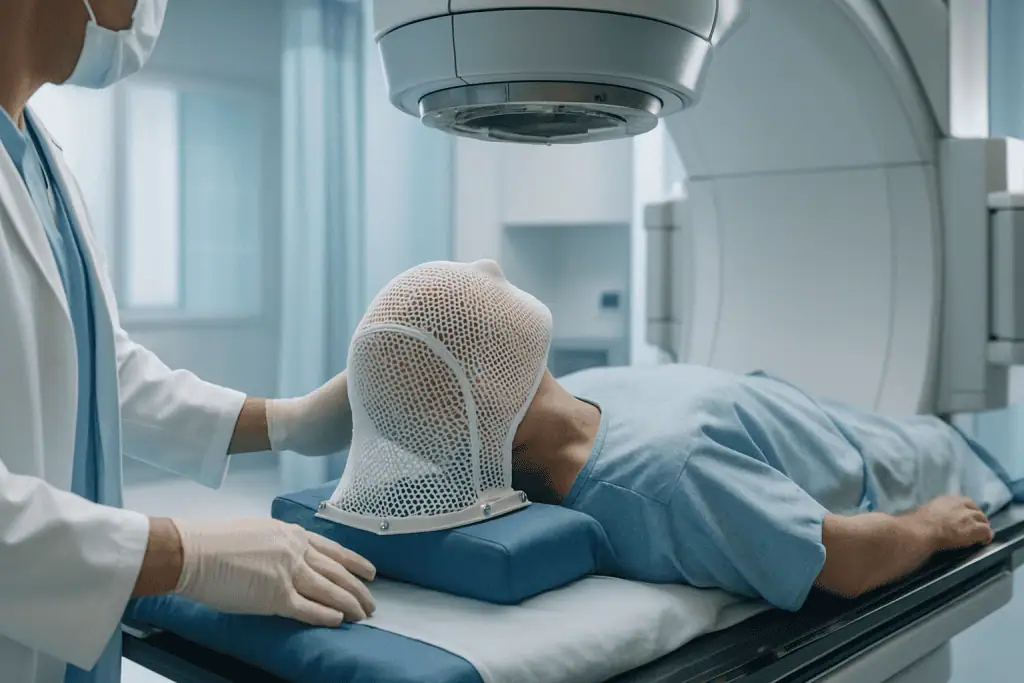
Radiotherapy is a mainstay for many head cancers, either as the main treatment or after surgery. Modern planning uses detailed imaging to define the tumour and protect healthy tissue. Techniques such as intensity-modulated and image-guided radiotherapy shape the dose closely around the target while limiting exposure to structures such as the salivary glands, spinal cord, optic nerves, swallowing muscles and jawbone. Treatment is usually delivered in short daily sessions over several weeks, although the schedule varies with cancer type and treatment intent. Some small, sharply defined tumours may be considered for highly focused stereotactic techniques when medically suitable.
Chemotherapy, immunotherapy and targeted therapy
Chemotherapy may be given at the same time as radiotherapy to strengthen its effect in certain cancers, before local treatment to shrink selected tumours, or after recurrence or spread. Immunotherapy and targeted therapy are considered according to tumour type, stage, biomarkers and previous treatments; these medicines may be given intravenously or, in some cases, orally. Throughout systemic treatment the team monitors blood tests, side effects, nutrition, hydration, infection risk and response.
Why do people with cancer shave their head?
People with cancer often shave their head because some chemotherapy drugs cause hair to fall out gradually, and shaving lets the person take control of the timing rather than watching hair thin over weeks. It is a personal choice, not a medical requirement, and many patients find it easier emotionally and practically: a shaved head is simpler to manage than patchy loss. It is worth knowing that not every cancer drug causes hair loss, and that radiotherapy causes hair loss only in the skin area actually treated. Whether hair loss is likely in your own treatment plan is something the oncology team can predict quite accurately from the specific drugs and fields involved, and hair typically begins to regrow after the responsible treatment ends.
Recovery and how long treatment takes
Recovery depends on the treatment type. After a smaller skin or oral procedure, some patients return to usual activities relatively quickly. After major surgery, especially with reconstruction, hospitalisation and a structured recovery period are expected. Radiotherapy side effects build gradually and may include fatigue, skin irritation, mouth soreness, taste changes, dry mouth, swallowing difficulty or voice changes. Rehabilitation with speech and swallowing therapy, nutritional support, wound care and pain management makes a real difference to long-term function.
Total duration varies widely. A diagnostic workup may be completed within days to a few weeks depending on complexity. Surgery may take from under an hour for a small lesion to many hours for complex skull base or reconstructive procedures. Radiation courses often extend over several weeks. Combined treatment plans may run several months from diagnosis through early recovery, and follow-up continues afterwards to monitor healing, detect any recurrence early and manage long-term effects.
Why Acting Early Matters
Early assessment matters because many head cancers can spread locally into nerves, muscles, bone, lymph nodes or nearby organs. A small oral cancer becomes harder to remove if it grows into the jaw or floor of the mouth. A scalp cancer may invade deeper tissue or bone if neglected. A sinus or skull base tumour may approach the eye, cranial nerves or brain. A throat tumour can begin to affect swallowing, breathing or the voice. Once tumours enlarge or involve lymph nodes, treatment usually becomes more complex and more often requires combined therapies.
Delay also affects function. Larger operations demand more extensive reconstruction. Radiotherapy fields must be broader. Nutritional problems worsen if swallowing becomes difficult. Pain, infection, bleeding or airway compromise can develop in advanced cases. Not every tumour grows at the same speed, but persistent symptoms should not be ignored: timely diagnosis gives the care team more options and allows treatment to be planned rather than improvised during an emergency.
Acting early does not mean accepting the first recommendation without understanding it. For many patients, especially those with complex tumours, a prompt second opinion can clarify the diagnosis, confirm staging and compare treatment strategies. That is particularly true when the proposed therapy may have lasting effects on speech, swallowing, appearance or facial movement. The point is to move quickly to a well-understood plan, not simply to move quickly.
Benefits of Head Cancer Treatment
The benefits of treatment depend on the tumour and stage, but well-planned care addresses both cancer control and the patient’s ability to function afterwards.
| Benefit | What It Means for You |
|---|---|
| Accurate diagnosis and staging | Understanding the exact tumour type, extent and biology helps the team choose treatment that is appropriate rather than overly broad or incomplete. |
| Individualised treatment planning | Your plan may combine surgery, radiotherapy, chemotherapy, immunotherapy or targeted therapy based on your cancer and your overall health. |
| Focus on function preservation | Specialists consider speech, swallowing, breathing, facial movement, vision, hearing and appearance from the beginning of planning. |
| Reconstruction and rehabilitation | When tissue must be removed, reconstructive techniques and therapy support healing, eating, communication and daily life. |
| Coordinated follow-up | Regular surveillance helps detect any recurrence early, manage treatment effects and support long-term recovery. |
Recovery Timeline After Head Cancer Treatment
Recovery is highly individual, but this timeline gives a general sense of what many patients experience after surgery, radiotherapy, systemic therapy or combined treatment.
| Time Period | What Patients Can Expect |
|---|---|
| Day 1 | After surgery, patients are monitored for pain control, bleeding, breathing, wound healing and nerve function. After radiotherapy or drug therapy, most patients go home the same day unless additional monitoring is needed. |
| First week | Swelling, soreness, fatigue or swallowing changes may occur depending on treatment. The team may adjust pain relief, nutrition plans, wound care and hydration support. |
| First month | Surgical healing continues, and pathology results may guide whether additional treatment is needed. For patients receiving radiotherapy, side effects may gradually increase and require active supportive care. |
| Three to six months | Many patients begin to regain strength, although dry mouth, taste changes, swallowing issues, skin sensitivity or fatigue can persist. Imaging or endoscopic examinations may be scheduled to assess response. |
| Longer term | Follow-up focuses on cancer surveillance, dental and jaw health, thyroid function when relevant, speech and swallowing recovery, nutrition, appearance, emotional health and return to daily routines. |
Factors That Influence Outcomes and a Good Result
Outcomes in head cancer care are influenced by several medical and personal factors. The most important are tumour type, stage at diagnosis, lymph node involvement, surgical margins, tumour grade, molecular features and whether the cancer has spread beyond the head and neck region. Some cancers respond very well to radiotherapy and chemotherapy, while others are best managed with surgery. HPV-associated throat cancers may behave differently from cancers linked primarily to tobacco and alcohol. Skin cancers, salivary gland cancers, sinonasal cancers and skull base tumours each have distinct patterns and treatment considerations.
The experience and coordination of the care team also matter. Head cancers sit close to structures that shape daily life, so technical skill alone is not enough. Good planning anticipates how treatment will affect swallowing, speech, dental health, facial symmetry, airway safety, nutrition and emotional wellbeing. Reconstruction should be considered early whenever tissue removal may cause functional or cosmetic change. Radiation planning should be precise and adapted to the individual’s anatomy and risk areas. Systemic therapy should be selected according to diagnosis, health status and available biomarkers rather than habit.
Patient factors count too. Smoking and heavy alcohol use can affect healing, treatment tolerance and the risk of additional cancers. Diabetes, heart disease, lung disease, kidney function, immune status and nutritional condition may influence which treatments are safest. Dental problems should be addressed before certain radiation treatments whenever possible. Active participation in swallowing exercises, nutrition planning, rehabilitation and follow-up improves recovery and helps the team identify complications early.
A good result is not defined only by the absence of visible tumour immediately after treatment. It also means durable disease control, safe swallowing, understandable speech, manageable pain, acceptable appearance, emotional recovery and the ability to return to meaningful activities. For some advanced cancers, treatment focuses on controlling disease, extending life and reducing symptoms; for others, the goal is curative-intent treatment. A clear conversation about goals, risks and alternatives belongs at the start, not the end, of the process.
How Acibadem Organises Head Cancer Care
Head cancer treatment typically involves several specialists and multiple stages of care, which is why organisation matters as much as individual expertise. At Acibadem, head cancer care is built around multidisciplinary evaluation: depending on the diagnosis, patients may be seen by head and neck surgeons, neurosurgeons, plastic and reconstructive surgeons, radiation oncologists, medical oncologists, radiologists, pathologists, nuclear medicine specialists, dentists, speech and swallowing therapists, dietitians and rehabilitation professionals. Complex cases are reviewed in tumour boards, where these specialists discuss imaging, pathology and treatment options together. This reduces fragmented decision-making and supports a plan tailored to the tumour as well as to the patient’s functional priorities.
Diagnostic pathways include advanced imaging, endoscopic evaluation, image-guided biopsy when needed and detailed pathology review. Radiotherapy planning is designed to target the tumour while limiting dose to sensitive structures wherever possible. Surgical teams may use endoscopic visualisation, microsurgical techniques, navigation systems and reconstructive methods in selected cases. Medical oncology teams consider chemotherapy, immunotherapy and targeted therapy according to international protocols and the individual tumour’s characteristics.
Because treatment usually moves through several stages, diagnosis, staging, active treatment, reconstruction, rehabilitation and surveillance, coordination between departments is built into the pathway rather than left to the patient to manage. Records, imaging and pathology follow the patient from one specialist to the next, appointments across departments are planned as a sequence instead of being booked in isolation, and supportive services such as nutrition counselling, speech and swallowing therapy, dental review and psychological support are woven into the treatment schedule from the start.
Continuity after treatment is part of the plan, not an afterthought. Follow-up recommendations, imaging schedules, medication plans, rehabilitation needs and points to watch for are documented at the close of active treatment, and when appropriate, the treating team coordinates with the patient’s own physicians to support ongoing care.
Second Opinions and Planning the Next Step
For anyone diagnosed with a cancer of the scalp, skull base, mouth, throat, sinuses or salivary glands, a careful specialist review clarifies two things: whether the diagnosis and staging are complete, and which of the available treatment strategies best fits the tumour and the person. The most appropriate plan depends on the exact tumour, its stage, general health and the functions most important to protect. For patients facing complex surgery, radiotherapy or combined treatment, a second opinion is a normal and reasonable part of the process, reputable teams expect it and work from the existing records, imaging and pathology rather than repeating everything from scratch.
Useful questions to have answered before treatment begins include: what the intended approach is and why it was chosen over the alternatives; what the expected timeline looks like from first treatment to recovery; which side effects are likely, which are possible and which are permanent; what reconstruction or rehabilitation will involve if tissue must be removed; and what the follow-up schedule will be once active treatment ends. A treatment plan you understand is easier to complete, easier to recover from and easier to live with, and in head cancer care, where the disease and its treatment touch the way you speak, eat and face the world, that understanding is part of the treatment itself.
Preparation
- Preparation usually includes a specialist examination, biopsy, imaging tests and staging to define the cancer type and extent. Dental, nutritional and swallowing assessments may be recommended before radiotherapy or surgery. Patients may be advised to stop smoking, review medications and discuss fertility, speech or reconstructive needs if relevant.
Aftercare
- Aftercare may include wound care, pain control, nutrition support, speech or swallowing therapy and regular follow-up scans or examinations. Patients should report fever, bleeding, breathing difficulty, severe pain or new swallowing problems promptly. Long-term surveillance is important to detect recurrence and manage treatment-related effects.
Frequently Asked Questions
What affects the cost of head cancer treatment most?
The main cost drivers are tumor location and stage, the need for surgery or combined treatment, reconstruction, radiotherapy planning, systemic medicines, hospital stay, intensive care, pathology and imaging, and rehabilitation needs.
How can I get a personalised quote from Acibadem?
You can request a free consultation by sharing available medical records, biopsy results, imaging reports and previous treatment details. A specialist team can review the case and prepare a personalised treatment plan and cost estimate.
Is a treatment package always available?
Package availability depends on the confirmed diagnosis and recommended plan. Some cases can be quoted as coordinated packages, while complex or changing treatment plans may require staged estimates.
Are travel and interpreter services included in the cost?
Some international patient services may include coordination support, interpreter assistance and guidance for travel or accommodation. The quote should clarify what is included and what is billed separately.
Can the final cost change after I arrive?
Yes. Costs can change if new imaging, pathology review or examination findings alter the diagnosis, stage or treatment plan. Your care team should explain any recommended changes before proceeding.
Medically reviewed by the Acıbadem International Medical Board August 30, 2026
See our medical review board →
Update history
- PublishedJune 8, 2026
- Medical review approvedAugust 30, 2026
- Last content updateSeptember 8, 2026
References3
- Head and Neck Cancers cancer.gov
- Head and Neck Cancer medlineplus.gov
- Head and neck cancer nhs.uk
Trusted care for international patients
From the Acibadem Blog
Speech and Swallowing Therapy After Head Cancer Treatment: How Rehabilitation Works
Swallowing therapy after head and neck cancer is a rehabilitation program led by a speech-language pathologist. It combines a formal swallow assessment, targeted exercises…