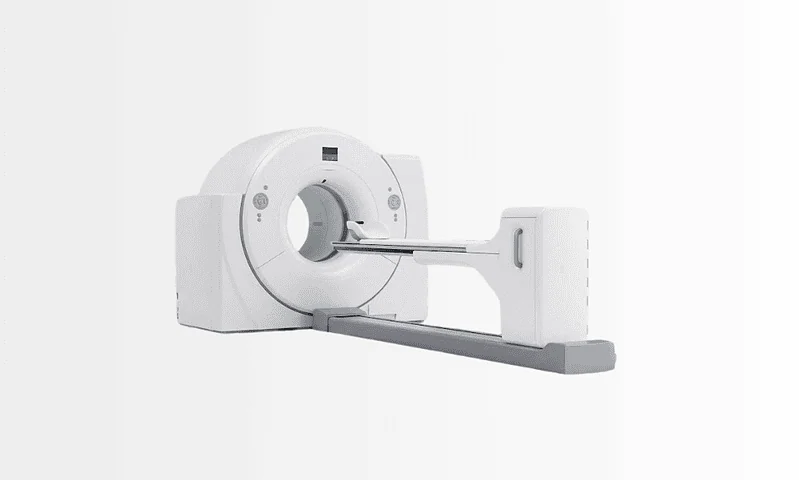
HIPEC
HIPEC is a heated chemotherapy treatment delivered directly into the abdomen during cancer surgery to target microscopic tumor cells. It is used for selected abdominal cancers and peritoneal spread.

Quick answer
HIPEC is a treatment that delivers heated chemotherapy directly into the abdominal cavity during surgery to target microscopic cancer cells after visible tumors are removed. At Acibadem in Turkey, it is considered for selected abdominal cancers with peritoneal spread and planned by a multidisciplinary cancer team.
When Cancer Has Spread Inside the Abdomen, the Treatment Decision Can Feel Especially Urgent
Hearing that cancer involves the lining of the abdomen, or may require a more specialized operation than standard surgery alone, can be overwhelming. Many patients and families encounter new terms very quickly: peritoneal metastasis, cytoreductive surgery, heated chemotherapy, abdominal spread. Along with the medical language comes a deeper worry about what this means for survival, quality of life, and whether there are still meaningful treatment options.
HIPEC is often considered in precisely these difficult situations. It is not a routine cancer treatment, and it is not appropriate for everyone. But for carefully selected patients, it can be an important part of treatment when cancer is limited to the abdominal cavity or has spread in a pattern that may still be addressed with an intensive, planned approach. Because HIPEC is usually combined with major abdominal surgery, the decision requires thoughtful evaluation, experienced surgical judgment, and clear discussion of potential benefits, risks, and recovery.
Patients researching HIPEC are often asking practical questions as much as medical ones: What exactly is this treatment? Who is a candidate? How successful is HIPEC in general? How long is recovery? What kind of hospital and team should perform it? These are important questions. The answer usually depends on the type of cancer, how far it has spread, whether visible disease can be removed surgically, the patient’s overall health, and the expertise of the center providing care.
At experienced oncology centers, HIPEC is approached as part of a broader treatment pathway rather than as a stand-alone procedure. Careful imaging, pathology review, specialist board discussion, anesthesia planning, and postoperative support all matter. For international patients, there is another layer as well: understanding the treatment plan in a language you are comfortable with, knowing what travel and recovery may involve, and feeling confident that decisions are being made on evidence-based grounds.
Treatment matters because cancer cells within the abdominal cavity can be difficult to control with surgery or intravenous chemotherapy alone. Even after visible tumors are removed, microscopic cancer cells may remain on peritoneal surfaces. HIPEC is designed to address that challenge directly during surgery, at the moment when the abdominal cavity is open and treatment can be delivered where it is needed most.
What HIPEC Is
HIPEC stands for Hyperthermic Intraperitoneal Chemotherapy. It is a treatment in which warmed chemotherapy is circulated through the abdominal cavity during an operation, usually immediately after the surgeon has removed all visible tumor deposits that can be safely taken out. The goal is to expose the surfaces inside the abdomen to chemotherapy in order to target microscopic cancer cells that may remain after surgery.
The term can be understood in three parts. Hyperthermic means heated. The chemotherapy solution is warmed to a controlled temperature because heat may enhance the effect of certain chemotherapy drugs and improve how they interact with residual tumor cells. Intraperitoneal means inside the peritoneal cavity, the space within the abdomen that contains organs such as the intestines, stomach, liver, and other structures covered by the peritoneum. Chemotherapy refers to anti-cancer medicine used to kill or damage cancer cells.
HIPEC is most often performed after cytoreductive surgery, also called debulking surgery. In this operation, the surgeon removes visible cancer deposits from the abdominal cavity as completely as possible. Once this part of the surgery is finished, the heated chemotherapy solution is circulated through the abdomen for a defined period of time. After treatment, the solution is drained, the abdominal cavity is rinsed if needed, and the operation is completed.
Unlike standard intravenous chemotherapy, HIPEC delivers treatment directly to the abdomen rather than primarily through the bloodstream. This allows higher local exposure within the peritoneal cavity while limiting some systemic exposure, although the drugs can still be absorbed to some degree and can still cause side effects. HIPEC is therefore highly specialized and is performed in operating rooms with specific protocols, trained teams, and close monitoring.
It is important to know that HIPEC is not a single universal protocol. The drugs used, the duration of perfusion, the exact surgical approach, and the criteria for recommending treatment can vary depending on the cancer type, the extent of disease, and the treating center’s evidence-based protocols. That is why a detailed preoperative assessment is central to deciding whether HIPEC is likely to be appropriate.
Who May Need HIPEC
HIPEC is considered for selected patients whose cancer has spread to the peritoneum or who have a high risk of peritoneal recurrence in particular circumstances. The people most often evaluated are those with abdominal cancers that tend to remain inside the peritoneal cavity rather than spreading widely to distant organs. The treatment is generally offered only after careful staging shows that the disease pattern may be suitable for a combined surgery-and-HIPEC strategy.
Symptoms can be varied and sometimes subtle. Some patients have abdominal pain, bloating, early fullness after eating, unexplained weight loss, nausea, changes in bowel habits, or increasing abdominal girth due to fluid buildup. Others are diagnosed after imaging or surgery for a known cancer reveals peritoneal spread. In some cases, HIPEC is considered after a previous cancer operation when pathology and staging suggest a particular risk pattern. The symptoms themselves do not determine candidacy, but they often prompt the investigations that lead to diagnosis.
Diagnosis usually involves a combination of imaging, pathology, blood tests, and specialist review. Computed tomography is commonly used to assess the abdomen and pelvis. Magnetic resonance imaging may help in selected situations. Positron emission tomography can also be useful in some patients, although its role depends on the tumor type. In addition to scans, pathology review is essential because the exact cancer subtype strongly influences treatment choices. Some patients also need diagnostic laparoscopy, a minimally invasive procedure that allows direct visualization of the abdominal cavity and helps assess how extensive the disease is.
Doctors evaluating HIPEC also look closely at the patient’s overall condition. Because the procedure combines major cancer surgery with heated intraperitoneal chemotherapy, a patient must be well enough to undergo a lengthy operation and a demanding recovery. Factors such as age, nutrition, heart and lung function, kidney function, prior surgeries, prior chemotherapy, and other medical conditions are all part of the decision-making process.
A patient may be referred for HIPEC in several situations:
- After diagnosis of peritoneal metastasis from a cancer known to sometimes benefit from this approach
- When imaging suggests disease confined largely to the abdominal cavity
- After prior treatment, if residual or recurrent abdominal disease remains potentially resectable
- When a cancer specialist board believes cytoreductive surgery plus HIPEC may offer better local control than surgery alone in a carefully selected case
Not every patient with peritoneal disease should have HIPEC. Extensive disease that cannot be surgically reduced, major spread outside the abdomen, or serious medical frailty may make other treatments more appropriate. For this reason, candidacy is best determined by surgeons and oncologists who regularly treat peritoneal surface malignancies and who review each case in a multidisciplinary setting.
Conditions and Indications HIPEC May Address
HIPEC is used most commonly for selected cancers involving the peritoneal surfaces. The strongest rationale tends to be in diseases where tumor spread remains largely within the abdominal cavity and where complete or near-complete removal of visible disease may be feasible.
One important group includes appendiceal tumors, especially those associated with mucinous spread in the abdomen, such as pseudomyxoma peritonei. These conditions can produce jelly-like tumor deposits throughout the abdominal cavity and are among the classic indications for cytoreductive surgery with HIPEC.
Colorectal cancer with limited peritoneal metastasis is another setting in which HIPEC may be considered for selected patients. The decision depends on the extent of disease, whether complete cytoreduction appears achievable, whether there is disease outside the peritoneum, and how the tumor has responded to prior treatment.
Peritoneal mesothelioma is a rare cancer arising from the lining of the abdomen and may also be treated with cytoreductive surgery and HIPEC in appropriately chosen cases. Because it is uncommon, management at centers familiar with this disease is particularly important.
Some patients with ovarian cancer may be evaluated for HIPEC, usually in carefully defined circumstances as part of interval or recurrent disease management. Whether this is appropriate depends on disease distribution, prior treatments, timing, and the treatment strategy recommended by gynecologic oncology and medical oncology specialists.
In selected situations, HIPEC may also be discussed for gastric cancer with peritoneal involvement or other rare abdominal malignancies, though the role can be more limited or more investigational depending on the case and current evidence. This is one reason individualized review is essential. The same treatment name can represent very different risk-benefit considerations depending on tumor biology.
In general, the key indications are not just the cancer type but the pattern of spread, the possibility of surgically removing visible disease, and the patient’s ability to tolerate a major procedure. HIPEC is usually not offered simply because cancer is present in the abdomen; it is offered when the overall clinical picture suggests that regional treatment may have a meaningful role.
How HIPEC Is Performed
The pathway begins well before the day of surgery. Patients usually undergo detailed imaging, blood tests, anesthesia assessment, and consultations with surgical oncology, medical oncology, and often additional specialists such as nutrition, intensive care, or cardiology if needed. Pathology may be reviewed again to confirm the exact diagnosis. If a patient is traveling from abroad, records and imaging are often reviewed in advance so the team can determine whether an in-person evaluation for HIPEC is reasonable.
Preparation may include bowel preparation in selected cases, adjustment of medications, optimization of nutrition, smoking cessation if relevant, and discussion of expected recovery. Because this operation can be extensive, patients are counseled about potential need for intensive monitoring after surgery, possible drains or catheters, pain management plans, and the importance of early mobilization and breathing exercises during recovery.
On the day of surgery, the patient receives general anesthesia. The operation usually starts with a thorough examination of the abdominal cavity. The surgical team assesses the location and extent of disease and confirms whether cytoreduction appears achievable. Sometimes the final decision to proceed with HIPEC is made only after this direct assessment.
The first major step is cytoreductive surgery. This means removing visible tumor deposits from affected peritoneal surfaces and, when necessary, from involved organs or portions of organs. Depending on the disease pattern, this can include removal of parts of the peritoneum, omentum, segments of bowel, spleen, gallbladder, or other structures if oncologically necessary and medically appropriate. The aim is to leave as little visible disease as possible, ideally none that can be seen.
Once cytoreduction is complete, the HIPEC phase begins. Catheters are placed in the abdominal cavity, and a chemotherapy solution heated to a carefully controlled temperature is circulated throughout the abdomen. Specialized perfusion systems monitor temperature and flow so the treatment is delivered evenly and safely. The solution is kept moving to help expose the peritoneal surfaces to the chemotherapy. The drugs used depend on the cancer type and treatment protocol.
During this stage, the team closely monitors body temperature, fluid balance, blood pressure, urine output, and other vital parameters. The purpose of modern perioperative monitoring is not only technical precision but patient safety. HIPEC is physiologically demanding, and careful anesthesia and critical care support are a major part of the procedure.
After the chemotherapy circulation is complete, the solution is drained. The surgeon then completes any remaining operative steps, checks for bleeding or other issues, and closes the incision. Some patients will spend time in an intensive care or high-dependency setting after surgery, while others may recover first in a specialized surgical ward depending on the extent of the operation and their condition.
The total duration can vary considerably. Cytoreductive surgery alone may take several hours, and the HIPEC portion adds additional time. The exact length depends on the amount of disease, the complexity of the required surgical resections, and the treatment protocol used.
Recovery in the hospital is usually measured in days rather than a single overnight stay, and sometimes longer after more extensive surgery. Patients are monitored for pain control, bowel function, fluid balance, kidney function, blood counts, wound healing, infection, and any surgical complications. Early walking, respiratory exercises, gradual return to drinking and eating, and careful support from nursing, physiotherapy, and nutrition teams are all part of recovery.
Technology plays an important role throughout the process. Advanced imaging helps determine whether the disease pattern may be suitable for HIPEC. In the operating room, modern anesthesia monitoring, temperature-controlled perfusion systems, electrosurgical and vessel-sealing tools, and intensive postoperative surveillance support both precision and safety. The value of these technologies is not the equipment itself, but how they help the clinical team make better decisions, perform complex surgery more effectively, and detect problems early.
Why Acting Early Matters
When HIPEC is potentially relevant, timing matters. Peritoneal disease can progress from limited tumor deposits to a more extensive burden that is much harder, or no longer possible, to remove completely. As disease becomes more diffuse, bowel involvement may increase, fluid accumulation may worsen, nutrition may decline, and the risks of bowel obstruction or other serious complications can rise.
Early evaluation does not mean rushing into treatment without reflection. It means not losing the window in which specialist assessment and careful staging may still identify options. In some cases, patients benefit from systemic chemotherapy first. In others, surgery and HIPEC may need to be planned before disease becomes too extensive. The right sequence depends on the cancer type and the individual case.
Delaying assessment can also affect general fitness for surgery. Weight loss, frailty, repeated hospitalizations, or progression to disease outside the abdomen may change what is safely possible. For that reason, a timely second opinion at a center experienced in peritoneal surface malignancies can be valuable even if HIPEC is ultimately not recommended. Knowing early whether this is an option helps patients and oncologists make more informed treatment plans.
Potential Benefits of HIPEC
The potential advantages of HIPEC are best understood in the context of combined treatment with cytoreductive surgery.
| Benefit | What It Means for You |
|---|---|
| Direct treatment inside the abdomen | Chemotherapy is delivered where microscopic cancer cells may remain after visible tumors are removed, rather than relying only on drugs circulating through the bloodstream. |
| Enhanced local cancer control | For selected cancers and carefully chosen patients, HIPEC may improve control of disease within the peritoneal cavity compared with surgery alone. |
| Heated chemotherapy effect | Warming the chemotherapy may increase its activity against certain tumor cells and improve contact with peritoneal surfaces. |
| One planned treatment session during surgery | The chemotherapy portion is performed during the same operation, which can be an advantage in a coordinated treatment strategy. |
| Personalized use based on tumor type and disease pattern | HIPEC is not applied routinely; it is tailored to specific indications, helping align treatment intensity with the biology and extent of the disease. |
Typical Recovery Timeline After HIPEC
Recovery varies depending on the extent of surgery, overall health, and whether additional treatments are needed, but the following timeline offers a general guide.
| Time Period | What Patients Can Expect |
|---|---|
| Day 1 | Close monitoring in a surgical recovery area, high-dependency unit, or intensive care setting if needed. Pain control, fluid management, breathing exercises, and early assessment for mobilization begin. |
| First Week | Gradual increase in walking and sitting up, careful return of bowel function, slow progression from fluids to food as tolerated, and monitoring for complications such as infection, leakage, or blood count changes. |
| First Month | Fatigue is common. Most patients continue rebuilding strength, appetite, and stamina at home or in temporary local accommodation if traveling. Follow-up visits review wound healing, pathology, and next treatment steps. |
| Longer Term | Recovery continues over weeks to months, especially after extensive cytoreductive surgery. Some patients move on to systemic therapy, surveillance imaging, or further oncology follow-up depending on the diagnosis and treatment plan. |
What Influences Outcomes and a Good Result
Patients often ask how successful HIPEC is. The most accurate answer is that outcomes vary substantially by diagnosis and patient selection. HIPEC can be valuable for certain cancers and certain patterns of spread, but it is not equally effective in every situation. A good result depends on several interacting factors.
One of the most important is tumor type. Appendiceal tumors, pseudomyxoma peritonei, colorectal peritoneal metastasis, peritoneal mesothelioma, and selected ovarian cancer cases each have different disease behavior and different evidence supporting HIPEC. Even within one cancer type, pathology subtype and tumor biology matter.
A second major factor is the extent of peritoneal disease. Lower-volume disease is generally more favorable than very extensive disease. When tumor deposits are widespread over critical structures or deep in areas that cannot be safely cleared, the likelihood that surgery will achieve meaningful cytoreduction decreases.
Perhaps the single most influential surgical factor is whether complete or near-complete cytoreduction can be achieved. HIPEC is intended to treat microscopic residual disease, not bulky visible tumor left behind. If major visible disease remains after surgery, the value of HIPEC is usually reduced.
General health and physical reserve also matter. Patients who are better nourished, stronger, and less medically frail tend to recover more effectively from major surgery. Preoperative optimization can therefore influence not only safety but also the ability to continue with any additional cancer treatment afterward.
The experience of the treating team is another practical factor. HIPEC requires coordination between surgical oncology, anesthesia, pathology, medical oncology, radiology, intensive care, nursing, and rehabilitation. Centers that evaluate these cases regularly are often better positioned to select appropriate candidates, anticipate complexity, and manage postoperative issues promptly.
Finally, outcomes are shaped by the overall treatment plan. For some patients, HIPEC is only one part of care that also includes systemic chemotherapy, targeted treatment, surveillance, nutritional support, and long-term follow-up. The strongest treatment plans are not built around one procedure alone but around the patient’s entire disease course.
Why International Patients Choose Acibadem for HIPEC Evaluation and Care
For a treatment as specialized as HIPEC, patients often look for more than a hospital that can perform the procedure. They want a center able to evaluate whether it should be done at all, and to do so with careful judgment. At Acibadem, this evaluation is typically grounded in multidisciplinary oncology care, where surgical oncologists, medical oncologists, radiologists, pathologists, anesthesiologists, and other specialists review the case together when needed. That kind of coordinated decision-making is particularly important for peritoneal surface malignancies, where the right plan depends on staging accuracy, pathology, resectability, and the patient’s overall condition.
Acibadem’s JCI-accredited hospitals support complex cancer care with structured clinical pathways, modern operating room infrastructure, advanced imaging, and intensive postoperative monitoring. For patients, this translates into practical advantages: detailed preoperative workup, careful anesthesia planning, specialized perioperative nursing, and the ability to manage the full arc of treatment from diagnosis through recovery and follow-up.
Technology also supports the HIPEC pathway in meaningful ways. Imaging helps define disease distribution and treatment suitability. In the operating room, contemporary perfusion systems, monitoring tools, and surgical technologies help teams deliver heated intraperitoneal chemotherapy with precision while closely observing the patient’s physiologic status. In the postoperative phase, laboratory and imaging support, critical care capability, and coordinated ward-based recovery all contribute to safe management after a major procedure.
International patients often face additional uncertainties: how to send records, whether their scans can be reviewed before travel, how long they may need to stay, and how communication will work during a stressful time. Acibadem International is designed to help address these concerns with dedicated international patient services, including assistance in multiple languages, support with medical documentation, care coordination, and planning around the treatment journey. This does not replace medical decision-making, but it can make a complex process easier to navigate.
Another reason patients seek evaluation at experienced centers is the need for personalization. Some patients referred for HIPEC are found to benefit from surgery plus HIPEC. Others are advised to have systemic treatment first, a different operation, or surveillance. In certain cases, HIPEC may not be recommended because the evidence or disease pattern does not support it. Thoughtful care means matching treatment intensity to the patient’s actual situation, not applying the same approach to everyone.
For patients traveling from the US or elsewhere, the goal is not simply access to a procedure. It is access to a careful recommendation, delivered by experienced physicians within a structured cancer program, with the practical support that international care requires.
Considering HIPEC Starts With the Right Questions
If you or a loved one has been told that cancer has spread within the abdomen, it is reasonable to ask whether HIPEC should be part of the discussion. The answer depends on details that matter: the type of cancer, where it has spread, whether complete cytoreductive surgery may be possible, what treatments have already been used, and how strong the patient is for a major operation.
For selected patients, HIPEC can be an important component of treatment. For others, a different plan may be safer or more effective. What matters most is a careful review by an experienced multidisciplinary team that can explain the options clearly and relate them to your specific diagnosis.
If you would like to learn whether HIPEC may be appropriate in your case, requesting a specialist evaluation or second opinion can be a useful next step. A thorough review of imaging, pathology, and prior treatment history can help clarify whether this approach is suitable and what the treatment journey might involve.
This information is general in nature and is not a substitute for professional medical advice, diagnosis, or treatment.
Preparation
- Patients usually undergo detailed imaging, blood tests, and oncology and surgical evaluation to confirm suitability for HIPEC. Bowel preparation, fasting, and medication adjustments may be needed depending on the planned surgery. Your care team will review general health, prior cancer treatments, and anesthesia risks before the procedure.
Aftercare
- After HIPEC, patients are monitored closely in the hospital for pain control, fluid balance, bowel recovery, and signs of infection or other complications. Walking early, breathing exercises, and gradual return to eating support recovery. Follow-up visits help assess healing, pathology results, and any need for further oncology treatment.
Frequently Asked Questions
What is HIPEC and how does it work for cancer treatment?
HIPEC stands for Hyperthermic Intraperitoneal Chemotherapy. It is a specialized treatment used after cytoreductive surgery to target cancer cells inside the abdominal cavity. During the procedure, warmed chemotherapy is circulated through the abdomen for a set period, helping the medicine reach microscopic disease more directly. Because it is delivered locally rather than through the bloodstream alone, HIPEC may reduce some systemic effects. Acibadem oncology specialists evaluate each patient carefully to decide whether this approach is appropriate.
Which cancers can be treated with HIPEC?
HIPEC is most often considered for cancers that spread within the abdomen, such as certain cases of colorectal cancer, ovarian cancer, appendix cancer, mesothelioma, and pseudomyxoma peritonei. It is not suitable for every patient with these diagnoses, because the extent of disease, overall health, prior treatments, and surgical goals all matter. A detailed review of imaging, pathology, and medical history is needed. At Acibadem, specialists provide a personalized assessment to determine whether HIPEC may be an option.
Who is a good candidate for HIPEC?
A good candidate for HIPEC is usually someone whose cancer is mainly limited to the abdominal lining and who may benefit from surgery to remove visible tumors before heated chemotherapy is given. Doctors also consider age, fitness for major surgery, organ function, nutritional status, and whether the disease has spread outside the abdomen. Not every patient is eligible, even if they have a related cancer type. Acibadem specialists use a personalized evaluation to assess safety, expected benefit, and treatment planning.
Is HIPEC a major surgery and how long does the procedure take?
Yes, HIPEC is typically part of a major operation. First, the surgeon removes as much visible tumor as possible from the abdominal cavity. After that, heated chemotherapy is circulated inside the abdomen to treat remaining microscopic cancer cells. The total procedure can take several hours, depending on how extensive the disease is and how much surgery is required. Because every case is different, the exact timing varies. Your Acibadem care team can explain the expected plan after reviewing your condition.
What is recovery like after HIPEC treatment?
Recovery after HIPEC usually involves a hospital stay and close monitoring, especially in the first days after surgery. Patients may experience fatigue, pain, temporary bowel changes, reduced appetite, and a gradual return to normal activity over weeks or longer. Recovery time depends on the extent of surgery, overall health, and whether additional treatments are needed. Nutrition, mobility, and wound care are important parts of healing. At Acibadem, patients receive individualized follow-up and supportive care throughout the recovery process.
What are the risks and side effects of HIPEC?
HIPEC can offer benefit in carefully selected cases, but it is an intensive treatment with potential risks. Possible complications include infection, bleeding, bowel leakage or obstruction, blood clots, fluid imbalance, kidney strain, and side effects related to chemotherapy. Some patients also experience nausea, weakness, or delayed recovery after major abdominal surgery. The exact risk profile depends on the cancer type, prior treatments, and the extent of surgery needed. Acibadem specialists discuss benefits and risks in detail before making a recommendation.
How long do I need to stay in Turkey for HIPEC treatment?
International patients usually need time in Turkey for preoperative evaluation, the surgery itself, hospital recovery, and early follow-up before traveling home. The total stay can vary widely depending on medical complexity, healing speed, and whether extra tests or consultations are needed. Because HIPEC is a major treatment, it is important not to plan a very short trip. Acibadem’s international patient services and oncology team can help create a personalized timeline based on your diagnosis and recovery needs.
What tests are needed before HIPEC?
Before HIPEC, doctors usually need detailed imaging such as CT, MRI, or PET-CT, along with blood tests, pathology reports, and a full review of previous treatments. Some patients also need cardiology, anesthesia, or other specialist assessments to confirm they are fit for major surgery. In certain cases, diagnostic laparoscopy may be used to understand the extent of disease more clearly. Acibadem specialists use these results to build a personalized treatment plan and determine whether HIPEC is medically suitable.
Can international patients get a second opinion for HIPEC at Acibadem?
Yes, international patients can request a second opinion for HIPEC by sharing medical records such as pathology reports, scan results, operation notes, and treatment history. A specialist review can help clarify whether HIPEC is appropriate, whether additional tests are needed, and what other treatment options may be available. This is especially valuable when the disease is complex or recommendations have differed. Acibadem specialists provide individualized assessments to support informed decisions before you make travel and treatment plans.
Will I need chemotherapy or other treatment after HIPEC?
Some patients may need additional treatment after HIPEC, while others may move into surveillance and regular follow-up. The decision depends on the cancer type, pathology findings, how much disease was removed, prior treatments, and overall recovery after surgery. Postoperative therapy might include systemic chemotherapy, targeted treatment, or monitoring with scans and blood tests. Because there is no one-size-fits-all plan, a multidisciplinary review is important. At Acibadem, oncology specialists tailor recommendations to each patient’s diagnosis and treatment response.
Medically reviewed by the Acıbadem International Medical Board July 19, 2026
See our medical review board →
Update history
- PublishedJuly 19, 2026
- Medical review approvedJuly 19, 2026
- Last content updateJuly 19, 2026