Lung Cancer Treatment
Lung cancer care focuses on accurate diagnosis, staging and a personalized treatment plan that may include surgery, radiotherapy, chemotherapy, immunotherapy or targeted therapy.
Quick answer
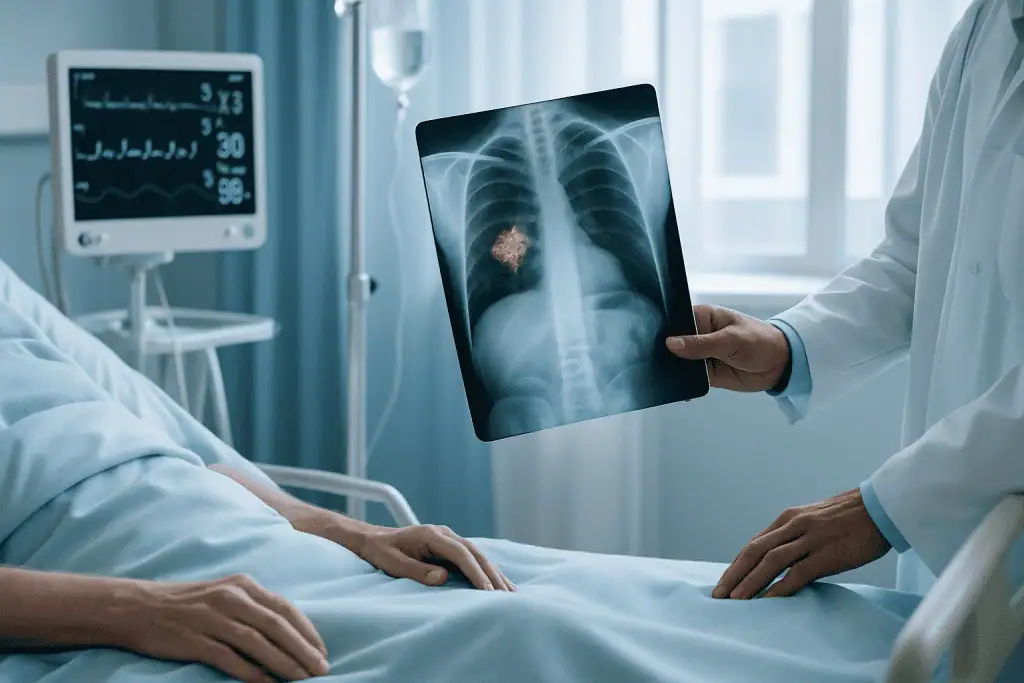
Lung cancer is a malignant tumour that starts in the lung tissue or airways. The two main types are non-small cell and small cell lung cancer, which behave and are treated differently. Care involves imaging, biopsy and staging, followed by surgery, radiotherapy, chemotherapy, immunotherapy, targeted therapy or a planned combination, chosen according to the tumour's type, stage and molecular profile.
What Is Lung Cancer?
Lung cancer is a disease in which cells in the lung grow abnormally and form a tumour, most often starting in the cells that line the airways. It is one of the most common cancers worldwide in both men and women. Some lung cancers stay contained in the lung for a long time; others spread early to lymph nodes or distant organs. Treatment ranges from surgery for small, contained tumours to drug therapy for disease that has spread, and the right approach depends entirely on the type of cancer, its stage and the overall health of the person carrying it.
There are two main categories. Non-small cell lung cancer is the more common group and includes several subtypes such as adenocarcinoma and squamous cell carcinoma. Small cell lung cancer is less common, tends to grow and spread more rapidly, and is usually treated with medication rather than surgery. A pathologist makes this distinction by examining tissue under a microscope, which is why a biopsy sits at the centre of every serious lung cancer workup. The distinction matters: the two categories are staged differently, treated differently and behave differently over time.
Lung cancer treatment, in turn, is not a single procedure. It is the coordinated care used to diagnose, stage and treat the disease, and it may involve surgery, radiation therapy, chemotherapy, immunotherapy, targeted therapy, interventional pulmonology, supportive care, or a planned sequence of several of these. In recent years, molecular testing, immunotherapy, modern radiotherapy techniques and minimally invasive chest surgery have changed how many patients are treated. The plan for any individual patient rests on the tumour type, its stage, its molecular profile, the patient’s lung function and general condition, and the realistic goal of treatment: eliminating the disease, controlling it long term, relieving symptoms, or a combination of these.
What causes lung cancer?
Smoking tobacco is the single most important cause of lung cancer. Cigarette smoke contains carcinogens that damage the DNA of the cells lining the airways, and the risk rises with the number of years smoked and the amount smoked. Stopping at any age reduces future risk, although it does not remove the risk accumulated in earlier years. Passive exposure to other people’s smoke also contributes.
Smoking is not the whole story. Radon gas seeping into buildings from the ground, asbestos and other occupational exposures, diesel exhaust, air pollution, previous radiotherapy to the chest and a family history of the disease all raise risk. Lung cancer also occurs in people who have never smoked, and these cancers often carry particular genetic alterations that can influence which medications are used. This is one reason molecular testing has become a routine part of planning treatment for many patients.
Whatever the cause, the mechanism is broadly the same: accumulated damage to the genes that control how lung cells grow, divide and repair themselves. Once enough of that machinery fails, a cell line begins to grow without restraint.
Does vaping cause lung cancer?
Nobody can yet say with confidence, because e-cigarettes have not existed long enough for the decades-long studies that established the link between tobacco and lung cancer. What is known is that vaping aerosols contain substances of concern, including some found in tobacco smoke at lower levels, and that inhaling them is not the same as inhaling clean air. Vaping should not be assumed harmless simply because the evidence is still maturing. For people who have never smoked, the cautious position is not to start vaping; for the long-term risk in former smokers who switched, honest medicine says the data are still being gathered.
Does smoking weed cause lung cancer?
The evidence here is genuinely mixed. Cannabis smoke contains many of the same combustion products and irritants as tobacco smoke, and it is typically inhaled deeply and held in the lungs, which increases exposure per puff. Yet large studies have struggled to show a clear, independent link between cannabis smoking and lung cancer, partly because many cannabis users also smoke tobacco and the two effects are hard to separate. The honest summary: a causal link has not been proven, but cannabis smoke is not benign for the lungs, and it certainly does not protect them.
Types of Lung Cancer
Knowing the exact type of lung cancer is the first decision point in treatment. The type determines which drugs are considered, whether surgery is likely to help, how staging is interpreted and what the disease is likely to do next.
Non-small cell lung cancer
Non-small cell lung cancer is the more common category and covers several distinct subtypes. Adenocarcinoma typically arises in the outer parts of the lung and is the subtype most often found in never-smokers, although smokers develop it too. Squamous cell carcinoma tends to arise more centrally, near the larger airways, and is strongly associated with smoking. Other, less common subtypes also fall within this group.
Within non-small cell lung cancer, the subtype and the molecular profile matter as much as the label. Some tumours carry specific genetic alterations that can be treated with matching targeted drugs; others express immune markers that make immunotherapy more likely to help. Early-stage non-small cell cancers may be removed surgically or treated with focused radiotherapy, while advanced disease is usually managed with medication guided by these tests.
Small cell lung cancer
Small cell lung cancer is the less common of the two main types and behaves aggressively: it grows quickly and tends to spread early, often before it is found. Because of this, surgery is rarely the main treatment. Systemic therapy, chemotherapy, sometimes combined with immunotherapy, is the backbone of care, and radiotherapy may be added in limited-stage disease or used to control symptoms. Planning for small cell lung cancer requires timely staging and rapid coordination, because the disease can change quickly.
One point of frequent confusion is the word “small”. It describes how the cells look under the microscope, not the size of the tumour. A small carcinoma of the lung, meaning a tumour of limited size, can belong to either category, and a small cell cancer can present as a large mass. Only the pathology report settles the question.
Cancer in the lung is not always lung cancer
The lungs are a common destination for cancers that started elsewhere. Tumours from the breast, bowel, kidney and soft tissue frequently spread to the lungs, and these deposits are treated as the original cancer, not as lung cancer. If you are researching a tumour found in the lung, it is worth confirming with your doctors whether it is a primary lung cancer or a metastasis from another site: the pages on breast cancer, colon cancer, kidney cancer and sarcoma cover diseases that commonly behave this way. The distinction changes the entire treatment plan.
Lung Cancer Symptoms and Signs
Lung cancer symptoms often develop gradually and are easy to attribute to something else: a lingering infection, smoking itself, ageing, or a chest condition someone has lived with for years. The lungs have a large reserve and few pain receptors inside the lung tissue itself, so a tumour can grow for some time before it announces itself. This is why persistent, worsening or unexplained chest complaints deserve proper medical assessment rather than reassurance by assumption.
The symptoms of lung cancer overlap heavily with those of benign conditions, and most people with a chronic cough do not have cancer. The pattern to notice is persistence and change: a symptom that does not settle, or a familiar symptom that has altered its character.
What are the first common signs of lung cancer?
The first signs of lung cancer are usually ordinary chest complaints that refuse to settle. The most common include:
- A cough that persists for weeks, or a long-standing “smoker’s cough” that changes in character
- Coughing up blood, even in small amounts
- Breathlessness that is new or steadily worsening
- Chest pain, or pain in the shoulder, back or ribs
- Wheezing or a whistling sound when breathing
- Repeated chest infections, or an infection that does not clear as expected
- Hoarseness that does not resolve
- Unexplained weight loss, loss of appetite or persistent fatigue
None of these proves cancer, and all can occur with other conditions. Their significance lies in duration and in combination, several of them together, or any one of them persisting without explanation, is what prompts imaging.
At what stage of lung cancer do you feel pain?
There is no fixed stage at which lung cancer causes pain, and some patients never have significant pain at any stage. The lung tissue itself has few pain nerves, so a tumour confined within the lung frequently causes no pain at all. Pain tends to appear when the cancer involves structures that do have pain receptors: the chest wall or ribs, the lining around the lung, nerves near the top of the lung (which can cause shoulder and arm pain), or bones when the disease has spread. Because of this, pain is an unreliable guide to stage in both directions, early cancers can occasionally hurt, and advanced cancers can be quiet. The absence of pain is never a reason to dismiss other persistent symptoms.
How do people usually find out they have lung cancer?
In practice, lung cancer comes to light in three main ways. Some people feel entirely well and a nodule is spotted on a CT scan done for another reason, after an accident, before an operation, or during a heart investigation. Others are found through screening programmes that offer low-dose CT scans to people with a significant smoking history. The third group present with symptoms: typically the persistent cough, breathlessness, blood in the sputum or repeated infections described above. Personal accounts of “how I knew” almost always describe something ordinary that would not go away, which is precisely why persistence, not drama, is the signal worth acting on.
Who May Need Lung Cancer Evaluation
People come to lung cancer evaluation from different starting points: a suspicious symptom, an abnormal image, a screening result, or a confirmed diagnosis that now needs a treatment plan. In every case, the next steps should be organised to avoid delay while also avoiding unnecessary procedures, both errors carry a cost.
Those who particularly benefit from a structured, comprehensive evaluation include people with:
- A newly discovered lung mass or nodule on imaging
- Confirmed lung cancer that still needs full staging
- A surgical recommendation they want reviewed before committing
- A tumour described as inoperable, where alternatives need exploring
- Recurrent disease after previous surgery, radiotherapy or drug treatment
- Metastatic disease that has not yet had molecular profiling
- Complex cases where prior test results are incomplete or conflicting
Not every lung nodule is cancer. Many are the result of old infections, inflammation or scarring. Evaluation weighs size, shape, growth over time, smoking history, age, exposure history and PET-CT findings to decide whether a nodule should be observed with repeat scans, biopsied, or removed. A disciplined approach spares many people procedures they do not need, while making sure genuine cancers are not watched when they should be treated.
International patients often seek evaluation when they want a second opinion, or confirmation that all appropriate tests have been completed before therapy begins. A second opinion carries particular weight when a major decision is on the table: lung surgery, combined chemoradiotherapy, starting immunotherapy or targeted treatment, or choosing the next line of therapy after a recurrence.
Conditions and Indications Addressed by Lung Cancer Care
Lung cancer care covers a wide spectrum, from a small early tumour found by chance to advanced disease requiring ongoing drug therapy. The same patient may need different treatments at different times, depending on response, side effects and how the disease behaves.
Early-stage non-small cell lung cancer may be treated with surgery when the patient can tolerate an operation and the tumour can be removed safely with clear margins. For patients who are not surgical candidates because of other medical conditions or limited lung function, highly focused radiotherapy delivered over a short course may be considered instead.
Locally advanced lung cancer means the tumour involves nearby structures or lymph nodes in the chest but has not demonstrably spread to distant organs. This is the territory where treatment sequencing matters most: some patients receive chemotherapy and radiotherapy together; others receive medication before or after surgery. Coordination between medical oncology, radiation oncology and thoracic surgery is essential here, because the order of treatments can change the outcome.
Metastatic lung cancer has spread beyond the chest, commonly to bone, liver, brain, the adrenal glands or the opposite lung. The main treatment is systemic: immunotherapy, targeted therapy, chemotherapy or combinations chosen according to pathology and molecular results. Radiotherapy or surgery may still be used for specific sites that are causing symptoms or posing risk, such as a painful bone deposit or a brain lesion.
Small cell lung cancer at any stage is managed primarily with systemic therapy because of its tendency to spread early. Radiotherapy has a role in limited-stage disease and in symptom control, and the whole plan depends on rapid, accurate staging.
Suspected lung cancer and indeterminate nodules fall within the same programme, because deciding what a shadow on a scan actually is requires the same specialists, the same imaging judgement and sometimes the same biopsy techniques as treating a confirmed cancer.
Recurrent lung cancerdisease that returns after surgery, radiotherapy or systemic treatment, is managed according to where it has returned, how long since prior therapy, which treatments have already been used, and whether repeat biopsy and fresh molecular testing would change the options. Recurrence can sometimes be treated with additional local therapy, further systemic therapy, or a combined approach.
How Lung Cancer Treatment Is Performed: From Diagnosis to Recovery
Lung cancer treatment is not a single event. It is a structured process, and each step exists to answer a specific question before major decisions are made. In outline, the pathway runs as follows:
- Review of medical history and existing records
- Imaging and staging tests
- Biopsy and tissue testing, including molecular studies where indicated
- Multidisciplinary treatment planning
- Surgery, where appropriate
- Radiotherapy, where appropriate
- Chemotherapy, immunotherapy or targeted therapy, where appropriate
- Recovery, monitoring and follow-up
Few patients need every step, and the order can vary, some receive drugs before surgery, some receive radiotherapy instead of surgery, some never need an operation at all. What should not vary is the logic: diagnosis and staging first, treatment second.
Step 1: Review of medical history and existing records
The process begins with a detailed review of symptoms, medical history, smoking history, occupational exposures, previous cancers, lung and heart disease, current medications and family history. For patients who have already been investigated elsewhere, existing CT scans, PET-CT reports, pathology slides, biopsy results and treatment records are reviewed. When the original biopsy was done at another hospital, a fresh pathology review is often recommended, not out of distrust, but because the tumour type and its markers must be documented beyond doubt before treatment is built on them.
Step 2: Imaging and staging tests
Accurate staging guides everything that follows. CT of the chest and upper abdomen defines the primary tumour and nearby lymph nodes. PET-CT assesses metabolic activity and searches for disease elsewhere in the body. Brain MRI is recommended in certain stages and cancer types, because lung cancer can spread to the brain without causing symptoms. Bone imaging, abdominal MRI or other tests may be added to clarify specific findings. Pulmonary function tests measure how well the lungs work, which becomes decisive if surgery is being considered.
Imaging is always interpreted alongside the biopsy results and the patient’s condition, not in isolation. A suspicious lymph node on a scan often needs tissue confirmation, because the treatment plan can change substantially depending on whether that node truly contains cancer. This is why staging frequently combines imaging with minimally invasive sampling procedures rather than relying on pictures alone.
Step 3: Biopsy and tissue testing
Biopsy confirms whether cancer is present and identifies its type. Bronchoscopy lets the physician examine the airways directly and take tissue from tumours near or within the bronchial passages. Endobronchial ultrasound guides needle sampling of lymph nodes inside the chest. CT-guided needle biopsy suits tumours nearer the outer lung. Surgical biopsy is reserved for cases where less invasive methods cannot provide an answer, or where diagnosis and treatment can sensibly be combined in one operation.
For many patients with non-small cell lung cancer, the tissue is also tested for molecular alterations and immune markers. These results can determine whether targeted therapy or immunotherapy belongs in the first-line plan, which is why obtaining enough tissue and ordering the right studies early matters so much. In some situations a blood-based test, a liquid biopsy, can add genetic information, although it does not routinely replace tissue.
Step 4: Multidisciplinary treatment planning
Once diagnosis and staging are complete, the case is discussed by the relevant specialists: thoracic surgeons, medical oncologists, radiation oncologists, pulmonologists, radiologists, pathologists and nuclear medicine physicians. For early-stage disease, the discussion centres on whether surgery or focused radiotherapy is the better route for this particular patient. For locally advanced cancer, the sequence of chemotherapy, radiotherapy, immunotherapy and possible surgery is worked out. For metastatic disease, the plan revolves around systemic therapy choices, the molecular results, symptom control and the monitoring strategy. The value of this format is simple: no single specialist decides alone, and competing options are weighed against each other openly.
Step 5: Surgery, when appropriate
Surgery is considered mainly for early-stage non-small cell lung cancer and selected locally advanced cases. The aim is to remove the tumour completely while preserving as much healthy lung as possible. Depending on the tumour’s size and location, the operation may be:
- Wedge resectionremoval of a small, wedge-shaped piece of lung containing the tumour
- Segmentectomyremoval of a defined anatomical segment of a lobe
- Lobectomyremoval of an entire lobe, the most common operation for lung cancer
- Pneumonectomyremoval of a whole lung, reserved for tumours that cannot be cleared any other way
Lymph node assessment is an integral part of every lung cancer operation, because it confirms the true stage and guides any treatment needed afterwards. Many operations can be performed with minimally invasive techniques, small incisions and camera-guided instruments that reduce surgical trauma compared with open surgery, but not every patient is a candidate. Tumour location, prior chest surgery, lymph node involvement and overall health all influence the approach.
Before surgery, pulmonary function testing and cardiac assessment estimate operative risk and predict how well the patient will breathe after part of the lung is removed. Afterwards, the length of hospital stay depends on the extent of resection, the technique used and baseline health. Breathing exercises, early mobilisation, pain control and monitoring for air leak or infection are standard parts of postoperative care.
Step 6: Radiotherapy
Radiotherapy uses precisely planned radiation beams to damage cancer cells while limiting the dose to surrounding healthy tissue. It serves several roles: main treatment for patients who cannot undergo surgery, a component of combined treatment for locally advanced disease, a follow-on treatment after surgery in selected cases, and a means of relieving symptoms such as pain, bleeding or airway obstruction.
Modern planning relies on detailed imaging and computer-based dose calculation. Techniques shape the radiation to the tumour’s contours, account for the movement of breathing, and help protect the heart, oesophagus, spinal cord and healthy lung. Some early-stage tumours can be treated with a short course of highly focused radiation; locally advanced tumours typically need treatment over several weeks. Side effects depend on the treated area and dose, fatigue, cough, temporary swallowing discomfort, skin changes or inflammation of lung tissue are the common ones, and the radiation oncology team monitors and manages them throughout.
Step 7: Chemotherapy, immunotherapy and targeted therapy
Systemic therapies treat cancer cells wherever they are in the body. Chemotherapy works by interfering with rapidly dividing cells. It may be given before surgery to shrink a tumour, after surgery to reduce the chance of recurrence, alongside radiotherapy for locally advanced disease, or as treatment for metastatic disease. Side effects vary by regimen and can include fatigue, nausea, low blood counts, hair changes, nerve symptoms and increased infection risk.
Immunotherapy helps the immune system recognise and attack cancer cells. It has become an important part of treatment for many patients with non-small cell lung cancer and for some with small cell disease, used alone or combined with chemotherapy depending on tumour markers and clinical factors. Because the immune system is being activated, side effects can involve the lungs, skin, bowel, thyroid, liver or other organs, and careful monitoring is essential.
Targeted therapy is used when tumour testing identifies a specific genetic alteration with a matching drug. These medications are often taken by mouth and can work well in the right patients, particularly in metastatic non-small cell lung cancer with an actionable mutation. Their side effects differ from chemotherapy, rash, diarrhoea, changes in liver tests, fatigue or lung inflammation are among them, and the choice always rests on confirmed molecular results and the treatments already tried.
Step 8: Recovery, monitoring and follow-up
Recovery depends on the treatment received. Surgical recovery takes weeks to months, with breathing capacity and stamina improving gradually. Radiotherapy side effects tend to build during treatment and ease after it finishes, though some need longer observation. Systemic therapy runs in cycles or ongoing schedules, punctuated by blood tests, imaging and clinical reviews.
Follow-up imaging shows whether treatment is working and whether the disease remains controlled; the timing of scans depends on stage, treatment type and symptoms. Follow-up also covers rehabilitation, nutrition, smoking cessation support where relevant, management of late effects and emotional support. For patients who travel for treatment, follow-up planning should include clear written records, medication documentation and coordination with physicians at home, so that care continues seamlessly after the return journey.
Why Acting Early Matters in Lung Cancer
Lung cancer can progress before symptoms become severe. A tumour that is removable today may become harder to treat if it grows into nearby structures or spreads to lymph nodes or distant organs. Delay also postpones molecular testing, and with it, decisions about targeted therapy or immunotherapy that can shape the whole course of treatment.
Acting early does not mean rushing into treatment without adequate information. It means moving efficiently through the right diagnostic steps: appropriate imaging, biopsy, pathology review, staging and specialist discussion. Starting treatment before the type and stage are clear invites both under-treatment and over-treatment; a disciplined pathway avoids both.
Some lung cancers cause complications, airway blockage, fluid around the lung, blood clots, bone involvement or effects on the brain: that need treatment in their own right to protect breathing, reduce pain or prevent further harm. Timely evaluation allows these problems to be identified and dealt with as part of the plan rather than as emergencies.
Early action also keeps options open. Patients with limited disease may be candidates for surgery or short-course focused radiotherapy. Patients with advanced disease benefit from prompt molecular testing so that the most suitable drugs can begin without unnecessary delay. Even where eliminating the disease is not realistic, earlier treatment can control symptoms and preserve daily function for longer.
Benefits of Lung Cancer Treatment
The benefits of treatment depend on the cancer type and stage, but a properly personalised plan supports both disease control and quality of life.
| Benefit | What It Means for You |
|---|---|
| Accurate diagnosis and staging | Clarifies the type and extent of cancer so treatment is based on evidence rather than assumptions. |
| Personalised treatment selection | Uses tumour stage, molecular testing, lung function and overall health to choose the most appropriate therapies. |
| Potential for curative-intent treatment in selected cases | Early-stage and some locally advanced cancers may be treated with surgery, radiotherapy or combined approaches with the aim of eliminating the disease. |
| Improved symptom control | Treatment can reduce cough, pain, breathlessness, bleeding or pressure symptoms caused by the tumour. |
| Access to multiple treatment modalities | Care may include surgery, radiotherapy, chemotherapy, immunotherapy, targeted therapy and supportive services as needed. |
| Structured follow-up | Ongoing monitoring assesses response, manages side effects and identifies recurrence or progression as early as possible. |
Recovery Timeline After Lung Cancer Treatment
Recovery varies widely with the treatment approach, but the following timeline gives a general sense of what many patients experience.
| Time Period | What Patients Can Expect |
|---|---|
| Day 1 | After surgery, patients are monitored for breathing, pain control and chest drainage. After radiotherapy or systemic therapy, most patients return home the same day unless observation is needed. |
| First Week | Surgical patients begin walking, breathing exercises and gradual activity. Patients receiving medication or radiation may notice fatigue, mild nausea, cough or appetite changes depending on the treatment. |
| First Month | Energy and breathing usually improve gradually after surgery, although a complete return of stamina takes longer. Radiotherapy and systemic therapy patients continue scheduled sessions or cycles with regular blood tests and symptom checks. |
| Three to Six Months | Follow-up imaging assesses treatment response. Rehabilitation, nutrition support and medication adjustments may continue. Some patients complete treatment; others remain on ongoing therapy. |
| Longer Term | Surveillance continues at intervals set by stage and treatment type. Long-term care focuses on disease monitoring, lung health, side effect management and maintaining daily function. |
What Influences Lung Cancer Outcomes
No single feature tells the whole story, but several factors carry real weight. Stage at diagnosis is among the most important: cancers found while small and confined to the lung are generally more treatable than cancers that have spread widely. Lymph node involvement, tumour size and distant spread all shape both the strategy and the expected course.
The type of cancer matters equally. Non-small cell and small cell lung cancers are treated differently, and within the non-small cell group, adenocarcinoma, squamous cell carcinoma and other subtypes carry different molecular features and drug options. For some patients a targeted drug becomes the central treatment; for others, immunotherapy, chemotherapy or a combination is more appropriate.
General health and lung function are decisive in a way patients sometimes underestimate. Someone with good functional capacity, adequate breathing reserve and controlled heart or lung conditions can tolerate surgery or combined therapy more safely. Someone with significant chronic obstructive pulmonary disease, heart disease or frailty may need a modified plan. The best plan is not always the most intensive plan; it is the one with the strongest balance of benefit, safety and the patient’s own goals.
The quality of staging affects outcomes because every decision depends on knowing where the cancer is. If lymph nodes are not assessed properly, a patient may undergo surgery when combined therapy would have served better, or miss a local treatment that was still possible. Insufficient tissue testing can likewise delay targeted therapy or immunotherapy decisions. Response to treatment then becomes the next variable: some tumours shrink substantially, others resist, and monitoring through imaging and clinical review lets the team continue, adjust or change course. Side effect management plays its part too, patients supported promptly through fatigue, nausea, pain, breathing symptoms or immune-related effects are better able to complete the planned therapy.
Smoking cessation deserves its own mention. For patients who currently smoke, stopping improves breathing, reduces surgical and radiation-related risks, supports healing and lowers the risk of other smoking-related illness. It is never too late for cessation support to become part of cancer care. Finally, communication and coordination shape the experience: lung cancer involves many specialists, many tests and time-sensitive decisions, and clear scheduling, understandable explanations and written plans matter, especially for anyone managing care across borders.
Is lung cancer curable?
Some lung cancers can be treated with the realistic aim of eliminating the disease, particularly when found at an early stage, doctors call this treatment with curative intent, typically surgery or focused radiotherapy, sometimes combined with drug therapy. Whether that aim is achievable for an individual depends on the stage, the type, the tumour’s biology and the patient’s fitness for treatment, and no honest doctor promises a particular outcome. For more advanced disease, the goal usually shifts to long-term control: keeping the cancer suppressed, managing symptoms and preserving quality of life, sometimes over extended periods. Modern drug therapies have made long-term control a meaningful goal for more patients than in the past.
What is the life expectancy of someone with lung cancer?
There is no single answer, and any number quoted without context is misleading. Life expectancy depends on the stage at diagnosis, whether the cancer is small cell or non-small cell, its molecular profile, how it responds to treatment, and the person’s overall health. Published survival figures are averages drawn from large populations treated in the past, and they cannot predict what will happen to one individual, some people do far better than the averages suggest, some worse. The most useful estimate comes from the treating oncologist, who knows the specific stage, pathology and treatment response, and even that estimate is revisited as treatment unfolds.
What to Do if You Have Been Diagnosed with Lung Cancer
A new diagnosis brings pressure to act immediately, but the most valuable first steps are about information, not speed for its own sake. In practice, a sound sequence looks like this:
- Confirm the exact type. Make sure the pathology report clearly states whether the cancer is non-small cell or small cell, and which subtype. Every later decision rests on this.
- Complete the staging. Ask whether CT, PET-CT and, where relevant, brain MRI have been done, and whether any suspicious lymph nodes need tissue confirmation rather than assumption.
- Ask about molecular testing. For many non-small cell cancers, testing for genetic alterations and immune markers determines whether targeted therapy or immunotherapy belongs in the plan. Confirm whether it has been ordered and whether enough tissue was taken.
- Understand the goal of treatment. Ask plainly whether the plan aims to eliminate the disease, control it long term, or relieve symptoms, and what each proposed treatment contributes to that goal.
- Consider a second opinion before major decisions. A second opinion is not starting over; it confirms the diagnosis, checks the stage, verifies that testing is complete and lays out all reasonable options before an operation or a course of therapy begins.
- Attend to general health. Nutrition, activity within your limits, and stopping smoking all improve the ability to tolerate treatment. Supportive and rehabilitation services exist precisely for this and are part of proper cancer care, not an afterthought.
- Keep your records organised. Scans, pathology slides, reports and medication lists travel with you between specialists and, if needed, between countries. Complete records prevent repeated tests and lost time.
How Acibadem Approaches Lung Cancer Care
Lung cancer care at Acibadem is organised around multidisciplinary evaluation, structured diagnostic pathways and personalised treatment planning, delivered within the group’s wider oncology and cancer treatment services. Thoracic surgeons, medical oncologists, radiation oncologists, pulmonologists, radiologists, pathologists and nuclear medicine specialists contribute to planning, so that surgery, radiotherapy and systemic therapies are weighed together rather than considered in isolation.
Diagnostic pathways include advanced imaging, image-guided biopsy, bronchoscopic techniques, pathology evaluation and molecular testing when clinically indicated. Technology is used to improve accuracy and guide therapy, not as a substitute for clinical judgement. Radiotherapy planning uses imaging-based techniques that shape treatment around the tumour and help protect nearby organs, and minimally invasive thoracic surgery is available for appropriate patients. Medical oncology care follows evidence-based treatment protocols, incorporating chemotherapy, immunotherapy and targeted therapy where tumour findings and clinical criteria support them.
For patients travelling from abroad, the practical side of care is treated as part of the medicine. Existing records, scans and pathology are reviewed before decisions are made; pathology review and re-staging are arranged when earlier results are incomplete or unclear; and treatment concludes with a clear written summary of findings, treatments given and recommended follow-up, so that surveillance or ongoing therapy can continue with physicians at home. A patient with a small operable tumour, a patient with limited lung function who needs an alternative to surgery, and a patient with a targetable mutation after treatment elsewhere all need different things: the planning process is built to recognise those differences rather than apply one template to everyone.
Our Specialists Explain
 Lung Cancer Treatment at Acibadem | Prof. Dr. Erkan Kaba
Preparation
- Preparation usually starts with imaging, biopsy confirmation, pathology review and staging tests such as PET-CT. Lung function, heart health and general fitness are assessed before surgery or intensive therapy. Your oncology team reviews medications, smoking status and treatment goals before creating a personalized plan.
Aftercare
- Follow-up includes regular oncology visits, imaging and management of side effects such as fatigue, cough or appetite changes. Patients may need pulmonary rehabilitation, nutrition support and smoking cessation guidance. Long-term monitoring helps detect recurrence and adjust treatment when needed.
Frequently Asked Questions
What affects the cost of lung cancer treatment?
The final cost depends on diagnostic tests, cancer stage, pathology and molecular results, treatment type, hospital stay, medicines, radiotherapy planning, surgical needs and follow-up. A personalized quote can only be prepared after medical records are reviewed by the specialist team.
How can I get a personalized quote from Acibadem?
You can request a free consultation and share available medical records, imaging, biopsy reports, pathology results and previous treatment details. The international patient team can then coordinate specialist review and provide an individualized estimate.
Is a lung cancer treatment package usually fixed?
Some services may be grouped in a package, but lung cancer care can change after staging, biopsy review or molecular testing. Any estimate should be understood as dependent on the confirmed diagnosis and recommended treatment plan.
Does the type of treatment change the quote?
Yes. Surgery, radiotherapy, chemotherapy, immunotherapy and targeted therapy have different cost drivers. Combined treatment plans may also require additional imaging, hospital care, medicines and monitoring.
Are travel and interpreter services included?
International patient services may help coordinate appointments, interpretation, accommodation guidance and transfer arrangements. What is included should be confirmed in the personalized quote before travel.
Medically reviewed by the Acıbadem International Medical Board August 30, 2026
See our medical review board →
Update history
- PublishedJune 8, 2026
- Medical review approvedAugust 30, 2026
- Last content updateSeptember 8, 2026
References3
- Non-Small Cell Lung Cancer Treatment (PDQ) – Patient Version cancer.gov
- Lung cancer nhs.uk
- Lung Cancer medlineplus.gov
Trusted care for international patients
From the Acibadem Blog
Surgery or Targeted Radiotherapy for Early-Stage Lung Cancer: How the Choice Is Weighed
For early-stage non-small cell lung cancer, surgery to remove the affected lobe or segment is the standard first option for people who are fit…
Immunotherapy for Lung Cancer: How Infusion Days Run and What the Team Monitors
Immunotherapy for lung cancer usually means a checkpoint inhibitor given by vein in an outpatient infusion unit, typically every 2–6 weeks for up to…
When Is a Second Opinion Worthwhile for Lung Cancer, and How Do You Arrange One?
A lung cancer second opinion is usually worthwhile when the diagnosis is new and treatment has not started, when the cancer type, stage, or…
Lung Cancer Screening: Who Qualifies for Low-Dose CT and Why It Matters
In the United States, annual lung cancer screening with a low-dose CT scan is recommended for adults ages 50 to 80 who have at…