Vaginal Cancer
Vaginal Cancer is a rare gynecologic cancer. Learn symptoms, risk factors, diagnosis, treatment options and when to see a doctor.

Quick answer
Vaginal cancer is a rare cancer that begins in the tissues of the vagina and is usually treated according to its type, stage, and overall spread. At Acibadem in Turkey, care typically includes specialist evaluation with imaging and biopsy, followed by an individualized treatment plan that may involve surgery, radiotherapy, chemotherapy, or combined approaches.
What is vaginal cancer?
Vaginal cancer is a rare type of cancer that starts in the vagina, the muscular canal that connects the uterus (womb) to the outside of the body. Cancer begins when cells in the lining or wall of the vagina start to grow in an uncontrolled way and form a tumor, which is an abnormal mass of tissue. In the international classification of diseases, vaginal cancer is coded as ICD-10 C52.
It is important to distinguish primary vaginal cancer, which begins in the vagina itself, from cancers that spread to the vagina from nearby organs such as the cervix, uterus, or vulva. Cancers that spread to the vagina from another site are more common than true primary vaginal cancer and are usually treated according to where they started.
The most common type of primary vaginal cancer is squamous cell carcinoma, which develops in the thin, flat cells that line the surface of the vagina. Less common types include adenocarcinoma, which starts in glandular cells that produce mucus; melanoma, which arises from pigment-producing cells; and sarcoma, which begins in the muscle or connective tissue of the vaginal wall.
Vaginal cancer mostly affects older women, and many cases are diagnosed after the age of 60. However, it can occur at younger ages, particularly in women who have a persistent infection with human papillomavirus (HPV), a very common sexually transmitted virus. Because the condition is rare, many people have never heard of it, which makes clear, reliable information about what is vaginal cancer, how it presents, and how it is treated especially valuable.
Symptoms of vaginal cancer
In its earliest stages, vaginal cancer often causes no symptoms at all. Some early cases, and the precancerous condition called vaginal intraepithelial neoplasia (VAIN, meaning abnormal cells confined to the surface layer of the vagina), are discovered only during a routine pelvic examination or a cervical screening test. As the tumor grows, vaginal cancer symptoms usually become more noticeable.
Common vaginal cancer symptoms include:
- Abnormal vaginal bleedingespecially bleeding after menopause, bleeding between periods, or bleeding after sexual intercourse.
- Unusual vaginal dischargedischarge that is watery, blood-tinged, or has an unpleasant odor.
- A lump or mass in the vaginawhich may be felt by the patient or found during an examination.
- Pain during sexual intercourseknown medically as dyspareunia.
- Pelvic paina persistent ache or pressure in the lower abdomen or pelvis.
- Urinary symptomspain or burning when passing urine, needing to urinate more often, or blood in the urine.
- Bowel symptomsconstipation, pain when passing stool, or a feeling of pressure in the rectum.
Symptoms often vary with the stage of the disease. In early-stage vaginal cancer, abnormal bleeding or discharge may be the only sign, and some women have no symptoms at all. In more advanced stages, when the tumor has grown larger or spread beyond the vaginal wall, pelvic pain, urinary problems, bowel changes, leg swelling, and general symptoms such as fatigue or unintended weight loss become more likely. The type of cancer can also matter: melanoma of the vagina may appear as a dark-colored lump, while sarcomas may present mainly as a growing mass.
It is essential to understand that all of these symptoms are far more often caused by conditions that are not cancer, such as infections, hormonal changes, or benign (non-cancerous) growths. However, because early detection generally makes treatment easier, any persistent or unexplained symptom should be evaluated by a doctor.
Causes and risk factors
Doctors cannot always identify a single cause in an individual patient, but research has identified several factors that increase the risk of developing vaginal cancer. Understanding vaginal cancer causes can help explain why the disease develops and who may benefit most from screening and preventive care.
- Human papillomavirus (HPV) infection. Persistent infection with high-risk types of HPV is the most important known cause of squamous cell vaginal cancer. HPV is a very common virus spread through intimate skin-to-skin contact; most infections clear on their own, but in some people the virus persists and gradually causes cell changes that can become cancerous over many years.
- Older age. The risk of vaginal cancer increases with age, and most cases occur in women over 60.
- Precancerous changes (VAIN). Vaginal intraepithelial neoplasia, in which abnormal cells are present in the surface layer of the vagina, can progress to invasive cancer in some cases if left untreated.
- History of cervical cancer or precancer. Women who have had cervical cancer or high-grade abnormal cervical cells have a higher risk of vaginal cancer, largely because the same HPV infection can affect both areas.
- Smoking. Tobacco use increases the risk of several HPV-related cancers, including vaginal cancer, and can make it harder for the body to clear HPV infection.
- Weakened immune system. Conditions or medicines that suppress the immune system, such as HIV infection or drugs taken after an organ transplant, reduce the body’s ability to control HPV and abnormal cells.
- Exposure to diethylstilbestrol (DES) before birth. DES is a synthetic hormone that was prescribed to some pregnant women decades ago. Daughters exposed to DES in the womb have an increased risk of a rare form of vaginal adenocarcinoma called clear cell adenocarcinoma.
- Previous pelvic radiation therapy. Radiation to the pelvic area for another condition may slightly increase the risk of vaginal cancer later in life.
Having one or more risk factors does not mean a person will develop vaginal cancer, and some women who develop the disease have no known risk factors. HPV vaccination, not smoking, and attending regular cervical screening appointments are widely accepted ways to reduce the risk of HPV-related cancers, including vaginal cancer.
Diagnosis
Vaginal cancer diagnosis usually begins when a woman reports symptoms or when an abnormality is found during a routine gynecological examination or cervical screening test. Doctors then use a combination of examinations, tissue sampling, and imaging to confirm the diagnosis and determine how far the disease has spread, a process called staging.
Pelvic examination
The doctor examines the vagina, cervix, and surrounding organs, both visually with an instrument called a speculum (a device that gently holds the vaginal walls open) and by feeling the pelvic organs with gloved fingers. A careful examination can often locate a suspicious area or mass.
Colposcopy
Colposcopy is an examination of the vagina and cervix using a colposcope, a magnifying instrument with a light. It allows the doctor to look closely at the vaginal lining and identify abnormal areas that may need to be sampled. A special vinegar-like solution may be applied to make abnormal cells easier to see.
Biopsy
A biopsy is the removal of a small piece of tissue so it can be examined under a microscope by a pathologist, a doctor who specializes in diagnosing disease from tissue samples. A biopsy is the only way to confirm a diagnosis of vaginal cancer definitively. It also identifies the type of cancer, which strongly influences treatment decisions.
Imaging tests
Once cancer is confirmed, imaging studies help doctors see the size of the tumor and whether it has spread. These may include:
- Magnetic resonance imaging (MRI)uses magnetic fields to produce detailed pictures of the pelvis and is often the preferred method for assessing local tumor extent.
- Computed tomography (CT) scanuses X-rays to create cross-sectional images and can show spread to lymph nodes or distant organs.
- Positron emission tomography (PET) scana scan that highlights areas of increased cell activity, sometimes combined with CT, to look for cancer spread throughout the body.
- Chest X-raymay be used to check the lungs.
Additional procedures
Depending on the location and extent of the tumor, the doctor may recommend cystoscopy (examining the inside of the bladder with a thin lighted tube) or proctoscopy (examining the rectum in a similar way) to check whether the cancer has reached these organs. All of this information is combined to assign a stage, usually from stage I (confined to the vaginal wall) to stage IV (spread to nearby organs or distant sites). Staging guides the treatment plan and helps doctors discuss the likely outlook.
Treatment options
Vaginal cancer treatment depends on the type of cancer, its stage, its location within the vagina, the patient’s age and overall health, and personal preferences, including wishes about sexual function and, where relevant, fertility. Because the disease is rare, treatment is usually planned by a multidisciplinary team that includes gynecologic oncologists (surgeons who specialize in cancers of the female reproductive system), radiation oncologists, and medical oncologists. In many hospital systems, including Acibadem, systemic drug treatment for gynecologic cancers is coordinated through the Medical Oncology Department, working alongside surgical and radiation specialists.
Treatment of precancerous changes
If only precancerous cells (VAIN) are found, doctors may recommend close monitoring with repeat examinations, topical medicines applied inside the vagina, laser treatment to destroy abnormal cells, or minor surgery to remove the affected area. In selected low-grade cases, careful observation, sometimes called watchful waiting, may be appropriate, because some abnormal cell changes resolve on their own.
Radiation therapy
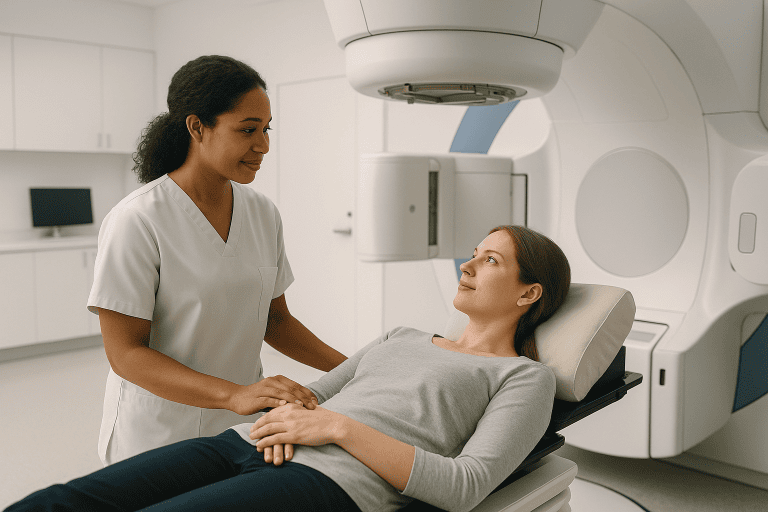
Radiation therapy uses high-energy beams to destroy cancer cells and is one of the most commonly used treatments for invasive vaginal cancer, particularly squamous cell carcinoma. It may be delivered in two ways, often in combination: external beam radiation, in which a machine directs radiation at the pelvis from outside the body, and brachytherapy, in which a radiation source is placed inside the vagina close to the tumor. Radiation can cause side effects such as fatigue, skin irritation, bladder and bowel changes, and vaginal narrowing or dryness, which the care team can help manage.
Chemotherapy
Chemotherapy uses medicines that kill rapidly dividing cells. For vaginal cancer it is often given at low doses together with radiation therapy, an approach called chemoradiation, to make the radiation more effective. Chemotherapy may also be used on its own for cancer that has spread to distant parts of the body. Side effects vary by drug but can include nausea, hair loss, fatigue, and lowered blood counts.
Surgery
Surgery may be an option, particularly for small, early-stage tumors or for certain cancer types. Depending on the situation, procedures can range from removing only the tumor with a margin of healthy tissue (wide local excision), to removing part or all of the vagina (partial or total vaginectomy), sometimes together with the uterus (hysterectomy) and nearby lymph nodes. In some cases, reconstructive surgery can create a new vagina using tissue from another part of the body. For very advanced disease that has not responded to other treatments, more extensive surgery is occasionally considered, but this is uncommon and discussed carefully with the patient.
Other and supportive treatments
For rare types such as vaginal melanoma, treatment may include surgery and, in some cases, newer drug therapies such as immunotherapy, which helps the body’s immune system recognize and attack cancer cells; your doctor can explain whether such options apply to your situation. Palliative care, treatment focused on relieving symptoms and improving quality of life rather than curing the disease, can be offered at any stage alongside other treatments, not only at the end of life. Patients may also ask their care team about clinical trials, which are research studies testing new treatments.
Living with vaginal cancer and outlook
A diagnosis of vaginal cancer affects many aspects of life, and adjusting takes time. The outlook, or prognosis, varies widely from person to person. In general, cancers found at an early stage, when they are still confined to the vaginal wall, are more likely to be treated successfully than cancers that have spread to lymph nodes or distant organs. The cancer type, the patient’s age and general health, and how well the disease responds to treatment all influence the outcome. No doctor can promise a particular result, but many women with early-stage disease do well after treatment, and even in advanced cases treatment can often control the disease and relieve symptoms for a period of time.
After treatment, regular follow-up visits are important. These typically include pelvic examinations and, when needed, imaging tests to check for any sign of the cancer returning. Follow-up schedules vary, so patients should follow their own care team’s recommendations.
Treatment can affect sexual health, bladder and bowel function, and emotional well-being. Vaginal dryness, narrowing, or discomfort during intercourse are common after radiation or surgery; doctors may suggest vaginal dilators, moisturizers, or lubricants, and can refer patients to specialists in pelvic health. Feelings of anxiety, sadness, or changes in body image are natural, and counseling, support groups, and open conversations with partners and the care team can help. Maintaining a balanced diet, staying as active as the care team advises, and stopping smoking may support recovery and overall health.
Frequently asked questions
What is vaginal cancer and how common is it?
Vaginal cancer is a malignant tumor that starts in the tissues of the vagina, the canal connecting the uterus to the outside of the body. It is one of the rarer gynecologic cancers; cancers that spread to the vagina from the cervix, uterus, or other organs are more common than cancers that truly begin there. Most primary vaginal cancers are squamous cell carcinomas linked to HPV infection.
What are the first signs of vaginal cancer?
The most common early sign is abnormal vaginal bleeding, especially bleeding after menopause or after intercourse. Unusual discharge, a lump in the vagina, or pain during intercourse can also occur. In many cases, early vaginal cancer causes no symptoms and is found during a routine examination, which is one reason regular gynecologic checkups matter.
Can vaginal cancer be cured?
In many cases, particularly when the disease is found at an early stage, vaginal cancer can be treated successfully with radiation therapy, surgery, chemoradiation, or a combination of these. Whether a cure is possible depends on the stage, the type of cancer, and the individual patient’s health. Your treatment team can discuss the realistic goals of treatment in your specific situation, but no outcome can be guaranteed.
How serious is vaginal cancer?
Vaginal cancer is a serious condition that requires specialist care, but seriousness varies with the stage. Early-stage disease confined to the vaginal wall generally has a more favorable outlook, while cancer that has spread to lymph nodes or distant organs is harder to treat. Prompt evaluation of symptoms and early diagnosis often improve the range of treatment options available.
Is vaginal cancer caused by HPV?
Persistent infection with high-risk types of HPV is the most important known cause of the most common form of vaginal cancer, squamous cell carcinoma. However, not every case is linked to HPV, and most people with HPV never develop cancer. Other factors, such as smoking, a weakened immune system, older age, and prenatal DES exposure, also play a role in some cases.
What is recovery like after vaginal cancer treatment?
Recovery depends on the treatment received. After radiation therapy, fatigue and bladder, bowel, or vaginal changes may persist for weeks or months and sometimes longer. After surgery, healing time depends on how extensive the operation was. Many women gradually return to normal activities, though some effects, such as vaginal dryness or narrowing, may need ongoing management. Regular follow-up visits are an important part of recovery.
Can vaginal cancer come back after treatment?
Yes, like most cancers, vaginal cancer can recur, either in the pelvis or in other parts of the body. The risk of recurrence depends on the original stage and how the cancer responded to treatment. This is why doctors schedule regular follow-up examinations and ask patients to report any new bleeding, discharge, pain, or other symptoms without delay.
When to see a doctor
Because vaginal cancer symptoms overlap with many benign conditions, only a medical evaluation can determine the cause. Do not wait for symptoms to become severe. Arrange to see a doctor promptly if you notice any of the following warning signs:
- Any vaginal bleeding after menopause, even a small amount.
- Bleeding between periods or after sexual intercourse that is new or unexplained.
- Persistent, unusual vaginal discharge, particularly if it is watery, bloody, or foul-smelling.
- A lump, mass, or sore in the vagina that does not go away.
- Ongoing pelvic pain or pressure without a clear explanation.
- Pain or burning when urinating, blood in the urine, or a marked change in bowel habits that persists.
- Unexplained weight loss, leg swelling, or persistent fatigue alongside any of the symptoms above.
If any symptom is severe, such as heavy vaginal bleeding, intense pelvic pain, or inability to pass urine, seek urgent medical care. Even when symptoms turn out to have a harmless cause, an early examination provides reassurance, and if cancer is present, finding it early generally allows for more treatment options and a better chance of a good outcome.
Medically reviewed by the Acıbadem International Medical Board September 3, 2026
See our medical review board →
Update history
- PublishedJune 9, 2026
- Medical review approvedSeptember 3, 2026
- Last content updateSeptember 2, 2026