Lutetium-177 PSMA Therapy
Lutetium-177 PSMA Therapy is a targeted radionuclide treatment for advanced prostate cancer that delivers radiation directly to PSMA-expressing cancer cells while limiting exposure to healthy tissue.

Quick answer
Lutetium-177 PSMA therapy is a targeted radionuclide treatment for advanced prostate cancer that delivers radiation to cells expressing prostate-specific membrane antigen (PSMA). At Acibadem in Turkey, eligibility is assessed through multidisciplinary evaluation and appropriate imaging, followed by treatment and monitoring by nuclear medicine and oncology specialists.
When Advanced Prostate Cancer Requires a Different Kind of Precision
Hearing that prostate cancer has continued to progress despite standard treatment can be deeply unsettling. Many patients reach this point after months or years of hormone therapy, newer androgen receptor medicines, chemotherapy, radiation, or a combination of these approaches. By the time Lutetium-177 PSMA therapy is discussed, the questions are often urgent and personal: What options are left? Will treatment still help? How difficult will it be? Can it control the disease without overwhelming side effects?
These concerns are understandable. Advanced prostate cancer can affect not only longevity, but also day-to-day life through bone pain, fatigue, urinary symptoms, weight loss, and the emotional strain of living with an illness that no longer responds as expected. At this stage, treatment decisions are rarely simple. Patients and families often need a clear explanation of what the therapy does, who it is for, how it is given, and what recovery may realistically look like.
Lutetium-177 PSMA therapy has changed this conversation for many men with advanced prostate cancer. It is part of a modern area of cancer care called theranostics, which combines highly specific imaging with targeted treatment. Rather than treating the whole body in a nonselective way, this therapy is designed to find prostate cancer cells that express a protein called PSMA and deliver radiation directly to them. For appropriately selected patients, that can mean meaningful disease control, improvement in symptoms, and another important line of treatment when options may otherwise feel limited.
Because this treatment relies on careful selection, imaging, and coordinated follow-up, it is best approached in experienced centers where nuclear medicine physicians, medical oncologists, urologists, radiation oncologists, radiologists, pathologists, and supportive care teams work together. For international patients, the quality of that coordination matters just as much as the medication itself.
What Lutetium-177 PSMA Therapy Is
Lutetium-177 PSMA therapy is a targeted radionuclide treatment used for certain patients with advanced prostate cancer. It combines two important components: a molecule that binds to prostate-specific membrane antigen (PSMA), and a radioactive isotope called Lutetium-177. PSMA is commonly present in high amounts on many prostate cancer cells, especially in advanced disease. Once the treatment is infused into the bloodstream, the PSMA-targeting molecule seeks out these cancer cells and attaches to them. The attached Lutetium-177 then releases radiation over a short distance, helping damage and destroy those cells while limiting exposure to nearby healthy tissue.
This is not the same as conventional external beam radiation therapy, in which radiation is delivered from outside the body toward a defined area. It is also different from standard chemotherapy, which circulates systemically but does not specifically home in on PSMA-expressing cells. Lutetium-177 PSMA therapy is a form of systemic targeted radiation: it travels throughout the body, but it is guided by a biologic marker that helps concentrate treatment where prostate cancer is active.
The treatment is typically considered for men with metastatic castration-resistant prostate cancer, meaning prostate cancer that has spread beyond the prostate and continues to grow despite hormone-lowering treatment. In many cases, patients have already received other systemic therapies before becoming candidates for this approach. The decision is based on cancer biology, imaging findings, prior treatments, current symptoms, overall health, kidney and bone marrow function, and treatment goals.
A key part of this therapy is that it is linked to advanced imaging. Before treatment, patients usually undergo a specialized PSMA PET scan to confirm that the cancer lesions take up the tracer strongly enough for the treatment to be worthwhile. This imaging-guided selection is one reason theranostics has become an important area in modern oncology: it helps match the right treatment to the right patient using visible tumor biology rather than assumption alone.
Who May Need It
Lutetium-177 PSMA therapy is not used for every man with prostate cancer. Most patients considered for this treatment have a more advanced stage of disease and have already been through one or more standard therapies. It is often discussed when imaging or blood tests show progression despite ongoing androgen deprivation therapy, or when cancer-related symptoms are becoming more difficult to control.
Patients who may be evaluated for this therapy often have one or more of the following situations:
- Metastatic prostate cancer that has spread to bones, lymph nodes, or other organs
- Disease progression despite hormone therapy designed to lower testosterone
- Progression after newer hormonal agents or chemotherapy, depending on the treatment pathway
- Symptoms related to metastases, such as bone pain or reduced physical stamina
- PSA rise accompanied by radiologic evidence of worsening disease
Symptoms vary widely. Some men feel reasonably well and are identified because scans or PSA trends show progression. Others may develop pain, particularly from bone metastases, increasing fatigue, reduced appetite, weight loss, urinary changes, or a decline in physical functioning. Symptoms alone do not determine eligibility, but they often shape the urgency and goals of treatment.
Diagnosis and selection depend on a structured assessment. This usually includes a detailed review of prior treatments, pathology reports, blood tests, and current imaging. Blood work helps evaluate bone marrow reserve, kidney function, liver function, and the general safety of proceeding. Because the therapy can affect salivary glands, kidneys, and blood counts, baseline values matter. Equally important is the PSMA PET scan, which shows whether the patient’s cancer expresses PSMA sufficiently and whether the disease pattern fits this approach.
Some patients may also need additional imaging, such as CT, MRI, or bone scanning, to clarify the extent of disease. In certain cases, doctors assess whether there are lesions that behave aggressively but show little PSMA uptake, since these may respond less well. This is one reason expert review in a multidisciplinary setting is valuable: eligibility is not just about having advanced prostate cancer, but about whether this specific biology and disease distribution make the treatment appropriate.
For international patients seeking a second opinion, a common reason to inquire about Lutetium-177 PSMA therapy is that they have been told their cancer is progressing and want to understand whether a targeted radioligand treatment could still offer disease control or symptom relief. In practice, the answer depends on careful image review and clinical evaluation rather than a single lab result or diagnosis label.
Conditions and Clinical Situations It Addresses
The main indication for Lutetium-177 PSMA therapy is advanced PSMA-positive prostate cancer, especially metastatic castration-resistant disease. Within that broad category, it may address several important clinical needs.
First, it can help treat cancer that has spread to multiple areas of the body. Because the medication circulates in the bloodstream, it can target PSMA-expressing lesions in different locations at the same time. This can be especially relevant when disease is present in bones, lymph nodes, and soft tissues together.
Second, it may be used when prior therapies are no longer adequately controlling the cancer. Many patients reaching this stage have already had standard hormone-sensitive treatments, androgen receptor pathway inhibitors, chemotherapy, local radiation, or surgery earlier in their disease course. Lutetium-177 PSMA therapy offers a different mechanism of action.
Third, it can play an important role in symptom control. Although the primary aim is to treat the cancer itself, patients with painful bone metastases or disease-related fatigue may experience symptomatic improvement when the tumor burden responds. The degree of benefit varies from person to person, but symptom relief is an important part of why the treatment is considered.
Finally, this therapy may fit into a broader longitudinal treatment plan. Advanced prostate cancer care is often sequential, with several lines of therapy used over time according to response, tolerance, and changes seen on imaging. Lutetium-177 PSMA therapy does not replace every other treatment; rather, it can be an important option within a personalized evidence-based strategy developed by specialists.
How Lutetium-177 PSMA Therapy Is Performed
The process begins well before the infusion itself. After referral, the medical team reviews the patient’s medical history, pathology, prior treatments, imaging, current medications, symptoms, and overall health. This assessment is used to determine whether Lutetium-177 PSMA therapy is medically appropriate and whether the expected benefits outweigh the risks.
Pre-treatment Evaluation
Patients typically undergo blood testing to assess hemoglobin, white blood cells, platelets, kidney function, and liver function. These tests help determine whether the body is prepared to tolerate treatment safely. Because advanced prostate cancer and prior therapies can affect the bone marrow, baseline blood counts are especially important.
A PSMA PET scan is usually central to decision-making. This scan shows whether the cancer deposits throughout the body express PSMA strongly enough to be targeted. The scan also helps physicians estimate disease burden and identify whether there are areas of cancer that might not be suitable for this treatment. In some cases, additional anatomical imaging is used to compare disease sites and better define the treatment plan.
At this stage, patients also receive counseling about radiation safety, possible side effects, hydration, medications, and what to expect on treatment days. International patients often benefit from coordinated scheduling so evaluation, board review, treatment planning, and follow-up can be organized efficiently.
The Treatment Day
Lutetium-177 PSMA therapy is generally given as an intravenous infusion in a specialized nuclear medicine setting. The visit begins with identity and safety checks, review of recent blood tests, symptom assessment, and confirmation that there have been no changes that would make treatment unsafe. The patient is usually encouraged to hydrate, since good fluid intake supports kidney clearance of the radiopharmaceutical.
An intravenous line is placed, and the treatment is infused over a controlled period. The exact timing can vary by protocol, but the administration itself is typically much shorter than a hospital admission for major therapy. Patients are monitored during and after the infusion for blood pressure, comfort, and any immediate reactions. Most patients do not experience a dramatic sensation during treatment, although some may notice mild fatigue, nausea, dry mouth, or transient discomfort.
The therapy works after it enters the circulation. The PSMA-targeting component binds to PSMA-expressing prostate cancer cells, and the Lutetium-177 delivers beta radiation over a short range. This short tissue range is important: it allows focused treatment of tumor cells while reducing radiation exposure to surrounding normal structures compared with a completely nonselective approach. Even so, some normal tissues that physiologically take up the compound, especially salivary glands and kidneys to some extent, are monitored carefully.
Technology Used and Why It Matters
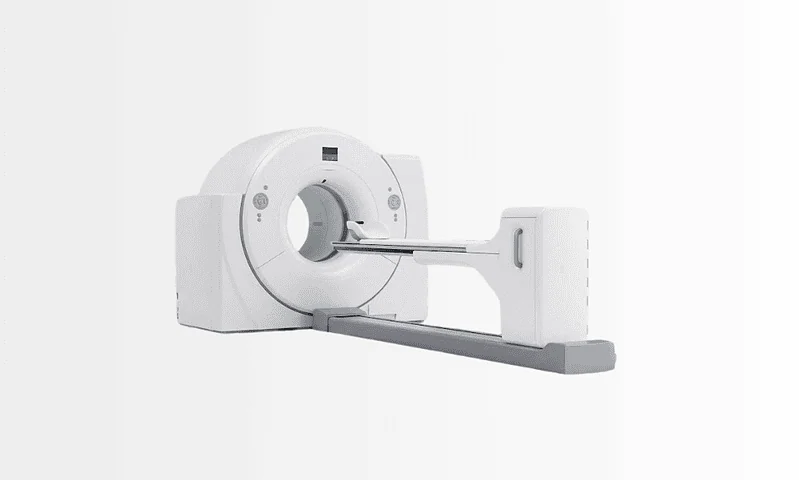
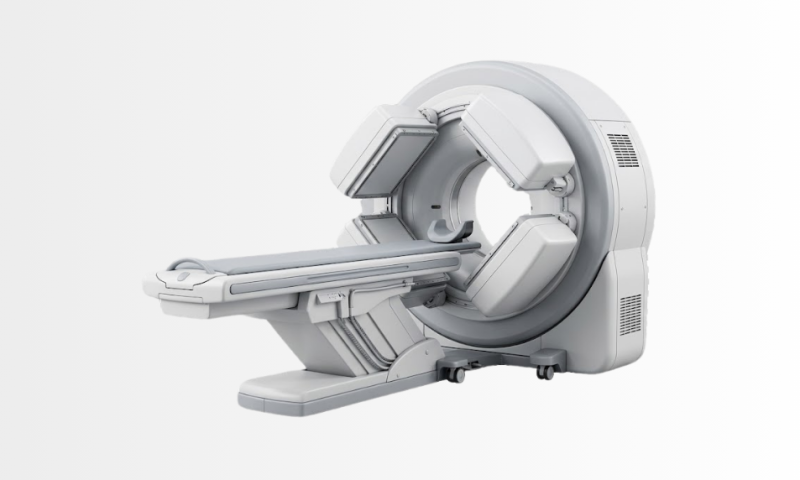
This treatment depends on a combination of advanced molecular imaging, radiopharmaceutical preparation and handling, radiation safety systems, and follow-up monitoring. The most important technology from the patient’s perspective includes:
- PSMA PET imaging, which identifies whether the cancer is likely to respond to this targeted approach
- Hybrid imaging systems, which combine molecular and anatomical information to map disease accurately
- Specialized nuclear medicine treatment facilities, designed for safe administration and radiation protection
- Laboratory monitoring and dosimetric considerations, which help physicians assess safety and treatment effect over time
In practical terms, these technologies help with patient selection, precision of treatment planning, monitoring during therapy, and evaluation of response afterward. They also support safe care for staff, patients, and accompanying family members.
How Many Treatments Are Needed
Lutetium-177 PSMA therapy is usually given as a series of treatment cycles rather than a single one-time infusion. The number of cycles and the interval between them depend on the treatment protocol, blood counts, kidney function, imaging findings, side effects, and how the cancer responds. Some patients continue for the planned number of cycles, while others need schedule adjustments or treatment pauses.
Between cycles, the team reviews symptoms, PSA trends, blood work, and sometimes repeat imaging. This allows treatment to remain individualized rather than automatic. If side effects develop or blood counts drop, the timing may be modified. If the disease responds well, the team may proceed as planned while continuing close surveillance.
After the Infusion and Early Recovery
Most patients go home the same day after a period of observation, provided they are clinically stable. Because the treatment contains radioactivity, patients receive clear instructions about hydration, hygiene, toilet use, and temporary precautions around others, especially children and pregnant women, for a defined period. These instructions are practical and manageable, but they are important.
Common early side effects can include tiredness, dry mouth, mild nausea, and temporary changes in appetite. Some patients notice a short-lived increase in pain, particularly if there is extensive bone disease. Blood count suppression may not be felt immediately, which is why follow-up labs are essential. Over time, doctors monitor for anemia, low platelets, low white cells, kidney effects, and salivary gland symptoms.
Response assessment is gradual. Some patients experience symptom relief within weeks, while imaging and laboratory changes may evolve over several cycles. The goal is not simply to administer a drug, but to follow the patient closely enough to understand whether the treatment is helping and whether supportive measures are needed along the way.
Why Acting Early Matters
In advanced prostate cancer, waiting too long to evaluate new options can narrow what is realistically possible. Lutetium-177 PSMA therapy generally works best when patients are still well enough to tolerate treatment and complete multiple cycles if appropriate. If disease progresses to the point of severe frailty, marked marrow suppression, widespread organ compromise, or uncontrolled symptoms, eligibility may become more limited.
Delay can also allow cancer-related complications to intensify. Progressive bone metastases may increase pain and fracture risk. Extensive marrow involvement can contribute to anemia and low blood counts. Growing lymph node or soft-tissue disease can affect mobility, appetite, kidney drainage, or organ function depending on location. In some patients, what begins as a discussion about another treatment option can quickly become a need for urgent symptom management.
Acting early does not mean rushing into therapy without evaluation. It means seeking specialist review as soon as progression becomes apparent, so imaging, laboratory testing, and multidisciplinary planning can happen while more options remain open. For many international patients, this includes obtaining a timely second opinion with review of scans and prior records rather than waiting until all conventional options are exhausted and physical reserve has significantly declined.
Potential Benefits of Treatment
For carefully selected patients, Lutetium-177 PSMA therapy may offer several meaningful advantages:
| Benefit | What It Means for You |
|---|---|
| Targeted treatment of PSMA-positive cancer cells | The therapy is designed to concentrate on prostate cancer cells that express PSMA, helping limit unnecessary exposure to many normal tissues. |
| Whole-body reach | Because it travels through the bloodstream, it can treat disease in multiple locations at the same time, including bone and lymph node metastases. |
| Option after prior therapies | It may provide another treatment path when prostate cancer has progressed after standard hormonal treatments or other systemic therapies. |
| Potential symptom relief | Some patients experience improvement in cancer-related symptoms such as bone pain, which can support daily function and quality of life. |
| Imaging-guided patient selection | Specialized PSMA imaging helps doctors determine whether this therapy matches the biology of your disease before treatment begins. |
Typical Recovery Timeline
Recovery is usually easier than recovery from major surgery, but it is still a medical treatment that requires monitoring over time.
| Time Period | What Patients Can Expect |
|---|---|
| Day 1 | Treatment is typically given as an outpatient infusion. Mild fatigue, dry mouth, or nausea may occur. Radiation safety instructions are reviewed before discharge. |
| First Week | Most patients resume light daily activities. Good hydration is encouraged. Some notice tiredness or temporary symptom fluctuation, while others feel little immediate change. |
| First Month | Follow-up blood tests help check blood counts and kidney function. Early symptom response may begin to appear, but assessment usually continues over repeated cycles. |
| Longer Term | Additional cycles may be given depending on response and tolerance. Imaging, PSA trends, symptoms, and laboratory values are used together to judge benefit and guide the next steps. |
What Influences Outcomes and a Good Result
The success of Lutetium-177 PSMA therapy is influenced by several interrelated factors. The first is tumor biology. Cancers that show strong and widespread PSMA uptake on pre-treatment imaging are generally better matched to this therapy than cancers with low or inconsistent uptake. If parts of the disease do not express PSMA well, those areas may respond less effectively.
The second is the patient’s overall clinical condition. Men who start treatment with better performance status, more stable organ function, and adequate bone marrow reserve are often better positioned to complete therapy safely. This matters because the benefit of treatment is usually cumulative across cycles, not judged only after one infusion.
Disease burden and distribution also matter. Extensive bone marrow involvement, very aggressive progression, or rapidly worsening visceral disease can make treatment more complex and may affect both tolerance and response. Prior therapies are relevant as well, especially if they have already significantly reduced blood counts or kidney function.
Another important factor is close follow-up. Good outcomes depend not just on receiving the infusion, but on careful monitoring afterward. Blood tests, symptom review, repeat imaging when appropriate, and timely management of side effects help keep treatment on track. Supportive care can include pain management, nutritional guidance, management of dry mouth, transfusion support if necessary, and coordination with oncology teams for other ongoing medications.
It is also important to frame expectations realistically. Lutetium-177 PSMA therapy is an important treatment option, but it is generally used in advanced disease, where goals often include disease control, prolongation of survival, symptom improvement, and maintaining quality of life. Individual responses vary. Some patients experience a clear clinical and radiologic benefit; others have a more limited response. Careful selection helps, but no responsible physician can predict exactly how one individual tumor will behave.
Why International Patients Choose Acibadem for Lutetium-177 PSMA Therapy
Lutetium-177 PSMA therapy sits at the intersection of nuclear medicine, medical oncology, imaging, radiation safety, and supportive cancer care. For patients traveling from abroad, this makes coordinated evaluation especially important. At Acibadem, care is typically organized through a multidisciplinary approach in which nuclear medicine specialists, medical oncologists, urologists, radiologists, radiation oncologists, and other physicians review the patient’s disease status and treatment history together when needed. This helps ensure that Lutetium-177 PSMA therapy is considered in the context of the full treatment pathway, not in isolation.
Acibadem hospitals are JCI-accredited, and patients are evaluated using contemporary diagnostic pathways and internationally recognized treatment principles. For a therapy like this, that means structured review of pathology and prior treatments, careful PSMA-based imaging assessment, laboratory monitoring, radiation safety protocols, and planned follow-up after each cycle. Experienced physicians in nuclear medicine and oncology work together to determine candidacy, adapt timing between cycles, and respond to changes in blood counts, symptoms, or scan findings.
Advanced imaging and theranostic expertise are central to this process. Molecular imaging helps define whether the cancer is an appropriate target, while integrated radiologic review helps map disease burden and monitor response. The value for the patient is practical: decisions are based on visible disease characteristics, not on general assumptions about advanced prostate cancer.
International patients also need logistical clarity. Acibadem International supports care coordination for patients traveling from outside Turkey, including assistance with medical document review, appointment planning, interpreter services in multiple languages, and travel-related organization. For many patients, especially those seeking a second opinion from the United States, Europe, the Middle East, Africa, or Central Asia, this structure helps reduce uncertainty and allows complex evaluation to proceed in an organized way.
Equally important is personalization. Not every patient with metastatic prostate cancer should receive Lutetium-177 PSMA therapy at the same moment in the disease course, and not every patient who asks about it will be the right candidate. A thoughtful center will say so when another path is more appropriate. Personalized treatment planning means aligning the therapy with the biology of the cancer, the patient’s previous treatments, current fitness, symptom burden, and longer-term goals of care.
Considering the Next Step
If you or a loved one is facing advanced prostate cancer, it is reasonable to want a treatment plan that is both scientifically grounded and clearly explained. Lutetium-177 PSMA therapy may be an important option for selected patients whose disease expresses PSMA and has progressed despite other therapies. Understanding whether it fits your situation requires review of imaging, pathology, blood tests, previous treatments, and current symptoms by experienced specialists.
For some men, the value of a consultation is confirmation that this therapy is appropriate now. For others, it is a second opinion that clarifies whether another treatment should come first, or whether additional imaging is needed before making a decision. Either way, informed next steps matter.
You may wish to request a specialist review or second opinion if you have been told your prostate cancer is progressing, if you are exploring theranostic treatment abroad, or if you want a multidisciplinary assessment of whether Lutetium-177 PSMA therapy should be part of your care plan.
This information is general in nature and is not a substitute for professional medical advice, diagnosis, or treatment.
Preparation
- Before treatment, patients usually have specialist evaluation, blood tests, kidney function assessment, and PSMA-based imaging to confirm suitability. Your doctor may review current medications, hydration, and radiation safety instructions. Eating and drinking guidance can vary, but many patients are encouraged to stay well hydrated.
Aftercare
- After therapy, patients are monitored briefly and advised to drink plenty of fluids to help clear the radiopharmaceutical. Mild fatigue, nausea, dry mouth, or temporary blood count changes may occur and require follow-up tests. Radiation safety precautions for close contact may be recommended for a short period.
Frequently Asked Questions
What is Lutetium-177 PSMA therapy and how does it work for prostate cancer?
Lutetium-177 PSMA therapy is a targeted nuclear medicine treatment mainly used for advanced prostate cancer. It combines a molecule that seeks out PSMA, a protein often found on prostate cancer cells, with a radioactive substance called Lutetium-177. After it is injected into a vein, the treatment attaches to cancer cells and delivers radiation directly to them while limiting exposure to much of the surrounding healthy tissue. Acibadem specialists evaluate whether this approach suits your disease stage and prior treatments.
Who is a good candidate for Lutetium-177 PSMA therapy?
This therapy is usually considered for patients with metastatic or treatment-resistant prostate cancer, especially when the disease has progressed after standard therapies such as hormone treatment, chemotherapy, or newer targeted medicines. Suitability depends on PSMA expression on imaging, kidney and bone marrow function, overall health, and previous treatments. A personalized assessment is important because not every prostate cancer patient will benefit in the same way. At Acibadem, nuclear medicine and oncology specialists review each case carefully before recommending treatment.
How do doctors decide if I am eligible for Lutetium-177 PSMA therapy?
Eligibility is usually based on several factors, including your medical history, current symptoms, blood test results, and specialized imaging such as PSMA PET/CT. The scan helps doctors see whether the cancer cells show enough PSMA for the treatment to target effectively. Your kidney function, liver function, and bone marrow reserve are also checked to help ensure safety. At Acibadem, your care team provides a personalized assessment and explains whether this therapy is appropriate or if another option may be better.
What happens during a Lutetium-177 PSMA therapy session?
The treatment is usually given through an intravenous infusion in a controlled nuclear medicine setting. Before and after the infusion, your team monitors you and gives detailed instructions about hydration, medications, and radiation safety. The session itself is often straightforward, and many patients tolerate it well. Depending on your condition and local protocol, you may stay for observation for several hours or longer. Your doctor will also plan follow-up blood tests and scans to monitor response and side effects.
How many cycles of Lutetium-177 PSMA therapy are usually needed?
The number of cycles varies from patient to patient. Many treatment plans involve repeated sessions spaced several weeks apart, but the exact schedule depends on how your cancer responds, how well you tolerate the therapy, and what your blood tests show between cycles. Some patients need fewer cycles, while others may benefit from a longer planned course. At Acibadem, specialists create an individualized treatment plan and adjust timing based on your progress, symptoms, and overall clinical picture.
What are the possible side effects of Lutetium-177 PSMA therapy?
Common side effects can include fatigue, dry mouth, mild nausea, temporary changes in taste, and reduced appetite. Because the treatment can affect bone marrow, some patients may develop low blood counts, which is why regular blood tests are important. Kidney function is also monitored closely. Many side effects are manageable, but the experience differs from one person to another. Your Acibadem care team will explain possible risks in detail and provide supportive care recommendations tailored to your needs.
Is Lutetium-177 PSMA therapy safe, and what radiation precautions are needed?
Lutetium-177 PSMA therapy is performed under strict safety protocols by trained nuclear medicine specialists. The radiation is targeted, but some precautions are still needed for a short period after treatment to reduce exposure to others. These may include drinking plenty of fluids, careful bathroom hygiene, and temporary limits on close contact with children or pregnant women. The exact instructions depend on the dose and your situation. Acibadem teams provide clear, personalized guidance before you return home or travel.
How effective is Lutetium-177 PSMA therapy for advanced prostate cancer?
Effectiveness varies depending on how much PSMA your cancer expresses, where the disease has spread, your previous treatments, and your general health. In many patients, the therapy may help reduce tumor activity, improve symptoms, and slow disease progression. However, response is individual, and it is important to have realistic expectations about goals of care. At Acibadem, specialists review your imaging and laboratory results carefully to estimate potential benefit and discuss how this option fits into your overall treatment strategy.
Can international patients travel to Turkey for Lutetium-177 PSMA therapy?
Yes, international patients often travel to Turkey for advanced nuclear medicine treatments, including Lutetium-177 PSMA therapy. Before travel, your medical records, pathology reports, previous treatment history, and recent imaging are usually reviewed to confirm suitability. Because this therapy may involve more than one cycle, your team will help plan timing, monitoring, and follow-up. Acibadem supports international patients with coordinated care and personalized assessment, helping make the treatment journey more organized, informed, and comfortable.
What tests and follow-up are needed before and after Lutetium-177 PSMA therapy?
Before treatment, doctors usually request blood tests, kidney and liver function tests, a complete blood count, and PSMA-based imaging. In some cases, other scans are also needed to understand the extent of disease. After each cycle, follow-up commonly includes repeat blood work, symptom review, and imaging at appropriate intervals to assess response. Ongoing monitoring helps doctors adjust the treatment plan safely. At Acibadem, specialists explain each step clearly and tailor follow-up to your condition and treatment goals.
Medically reviewed by the Acıbadem International Medical Board July 19, 2026
See our medical review board →
Update history
- PublishedJuly 19, 2026
- Medical review approvedJuly 19, 2026
- Last content updateSeptember 8, 2026