

Scalp Cooling Head
Treatment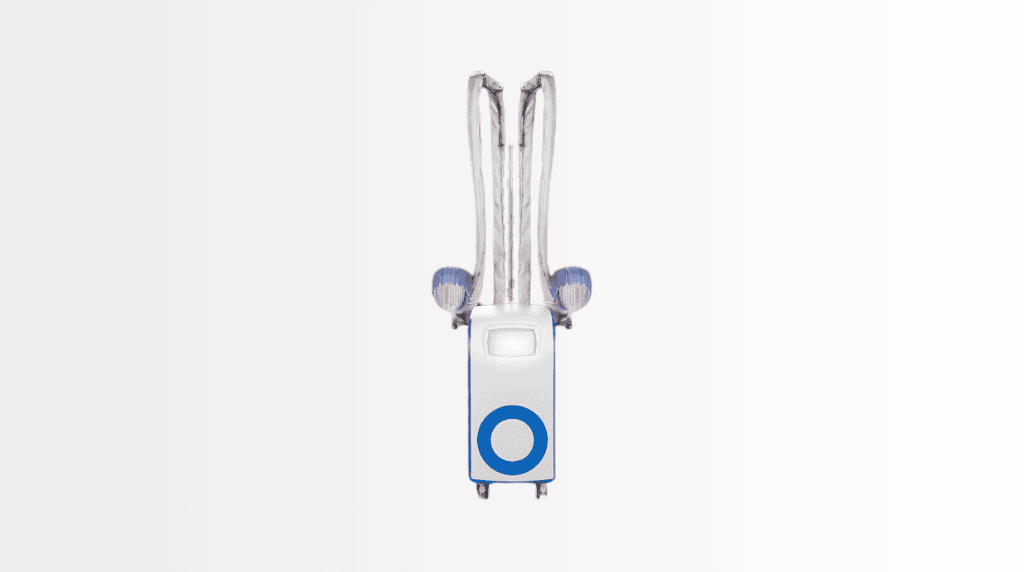
Quick answer
A scalp cooling head is a cap-based supportive care device used during some chemotherapy infusions to reduce scalp temperature and may help limit treatment-related hair loss. At Acibadem in Turkey, suitability is assessed by the oncology team and the device is used alongside chemotherapy when clinically appropriate.
For many patients, hair loss is chemotherapy’s most public wound: the side effect that announces illness to every room. Scalp cooling exists to blunt exactly that. By chilling the scalp before, during and after each infusion, it narrows the blood vessels feeding hair follicles and slows the follicles’ cell activity, so far less chemotherapy reaches and harms them. The result, honestly stated: many patients keep most of their hair, enough that studies measure success as no need for a wig, while others keep less; the drug regimen is the biggest single factor.
How scalp cooling works
A snug silicone cap circulates coolant, holding the scalp at a controlled low temperature through the treatment session, fitted about half an hour before the infusion, worn during it, and kept on for a period afterwards while drug levels fall. Two mechanisms cooperate: vasoconstriction, chilled vessels deliver a fraction of the blood, and therefore of the drug, to the follicles, and reduced follicular metabolism, which makes the rapidly dividing hair cells less vulnerable to the chemotherapy that does arrive. Modern systems monitor cap temperature continuously; the fit, snug to every scalp contour, is half the craft.
How well does it work, honestly
Effectiveness depends chiefly on the regimen: taxane-based schedules generally respond best, anthracycline-containing schedules less so, and combination timing matters. Published trials in breast cancer report roughly half or more of cooled patients preserving hair well enough to need no covering, against near-universal loss without cooling, with results varying by drug, dose and individual biology. Honest counselling therefore starts from your specific protocol: your oncology team can state what cooling realistically offers you, and some thinning is expected even in successful cases. Gentle hair care through treatment supports the result.
What a cooled session is like
Cold is the honest headline: the first fifteen minutes of each cooling phase are the hardest, easing as the scalp numbs. Common effects are cold discomfort, transient headache and scalp tingling, manageable for most patients with warm blankets, hot drinks and simple analgesia; a minority find it intolerable and stop, which is always allowed. Each session lengthens the infusion visit by the pre- and post-cooling time, typically an hour or more in total. The cap is fitted by trained nursing staff each time; consistency of fit session to session protects the result.
Who can use scalp cooling?
Cooling suits most solid-tumour chemotherapy, breast cancer is the largest experience, and is not offered where it could shelter disease: haematological cancers involving the scalp’s circulation, and certain other situations your oncologist will name. It is a supportive-care choice made with the oncology team, weighed alongside regimen, preference and the honest numbers above. Declining it is as legitimate as choosing it; the point is that the choice exists.
Scalp cooling at Acibadem
Scalp cooling runs on the group’s chemotherapy floors within medical oncology, fitted and monitored by oncology nursing through each infusion, with counselling that starts from your regimen’s real expectations. It sits within the group’s broader supportive-care frame: the quiet conviction that how treatment feels, and how visible it is, are part of the medicine too.
The practical playbook: getting the most from cooling
Success has logistics. Before the first session: arrive with hair clean, dry and product-free (conditioner-only washing is commonly advised through treatment), detangled, and, for long hair, loosely arranged so the cap seats flush; the fit check matters more than any other single factor, since an air gap is an unprotected patch. Bring the comfort kit veterans swear by: a warm blanket, hot drinks, thick socks, and simple analgesia taken before cooling starts if your team agrees. During: distraction genuinely helps the first cold quarter-hour; after: hair stays fragile even when preserved, wide-tooth combs, air drying, no colouring or heat styling until the oncology team clears them, and satin pillowcases earn their reputation. Through the course, photograph progress monthly rather than judging daily; shedding some hair while keeping coverage is the normal successful pattern, and the mirror lies on bad days. Your oncology nursing team runs this playbook with you: it is theirs as much as the machine’s.
Beyond the mirror: why supportive care is medicine
It is tempting to file scalp cooling under vanity; oncology files it under adherence and identity. For a meaningful share of patients, and in surveys, especially though not only women, anticipated hair loss ranks among chemotherapy’s most feared aspects, occasionally to the point of influencing treatment decisions themselves. Preserving hair preserves privacy: the choice of whom to tell, and when, returns to the patient. It anchors routine: the face in the mirror continuing to look like oneself is quiet psychological infrastructure during months that dismantle routine everywhere else. None of this changes the tumour biology, and no honest page claims it does; it changes the experience of treatment, which oncology increasingly measures and takes seriously. Within Acibadem’s supportive-care framework, cooling sits alongside antiemetics, nutrition and psycho-oncology as part of the same sentence: treat the disease, and defend the person carrying it.
Frequently Asked Questions
How should I prepare my hair before each session?
Clean, dry, product-free and detangled, arranged so the cap seats flush, fit is the single biggest controllable factor, and nursing staff check it every time.
What should I bring to a cooled session?
Warmth and distraction: a blanket, hot drinks, thick socks, entertainment for the first cold quarter-hour, and pre-agreed simple analgesia if your team advises it.
Is keeping my hair really a medical matter?
Oncology treats it as one, anticipated hair loss ranks among chemotherapy’s most feared aspects and preserving it protects privacy and identity through treatment; supportive care is part of the medicine.
Does scalp cooling really prevent hair loss?
It reduces it substantially for many patients, in breast cancer trials roughly half or more kept enough hair to need no covering, with the drug regimen the biggest factor; your team states realistic expectations for yours.
How cold is it, and does it hurt?
The cap holds the scalp at a controlled low temperature; the first minutes feel intensely cold, then numbness eases it. Headache and tingling are common, usually manageable, and stopping is always allowed.
How much longer will my chemotherapy visits take?
Typically an hour or more per session, cooling starts about thirty minutes before the infusion and continues for a period after it.
Which chemotherapy drugs does cooling work best with?
Taxane-based regimens respond best; anthracycline-containing schedules less so, effectiveness is regimen-specific and counselled accordingly.
Can everyone use scalp cooling?
Most solid-tumour patients can; haematological cancers and certain situations exclude it: your oncologist confirms suitability for your diagnosis.
Will I keep all my hair if it works?
Some thinning is expected even in successful cases, success honestly means keeping most hair, not necessarily all of it.
Is scalp cooling safe? Could it protect cancer cells on my scalp?
Large studies in solid tumours have not shown increased scalp metastasis, which is why it is excluded precisely in cancers where scalp circulation involvement is a real concern.
What is the cap like to wear?
A snug silicone cap under a cover, fitted closely to the scalp: the tight, correct fit is what makes cooling work, and nursing staff fit it each session.
How should I care for my hair during cooling?
Gently, infrequent mild washing, no heat styling, colouring or tight bands through treatment; the care plan comes with your first session.
When does hair recover if loss does occur?
Regrowth typically begins within weeks to a few months after chemotherapy ends, cooled or not, cooling changes how much is lost, not whether hair can return.
Can I try it and stop?
Yes, some patients stop after the first session; partially cooled courses simply lose the protection going forward.
Do I need to arrange anything before my first cooled session?
Only the decision with your oncology team and arriving with clean, product-free hair per the instructions, fitting and monitoring are the unit’s job.
Related Medical Units
Related Treatments
Speak with our medical team
Find out how this technology could support your diagnosis or treatment.