Salivary Gland Cancer
Salivary Gland Cancer is a rare head and neck cancer. Learn symptoms, causes, diagnosis, treatment options, and when to see a doctor.

Quick answer
Salivary gland cancer is a rare cancer that starts in the glands that make saliva, usually presenting as a painless lump near the jaw, mouth, or neck and diagnosed with imaging and biopsy. At Acibadem in Turkey, treatment is planned by a multidisciplinary team and may include surgery, radiotherapy, and selected systemic therapies according to the tumor’s type, stage, and…
Salivary gland cancer is a rare type of head and neck cancer that begins in the glands that make saliva, most often in or near the parotid gland beside the jaw. It may appear as a painless lump, swelling, facial weakness, numbness, or changes in chewing, swallowing, or speech, and it should be assessed by a specialist.
Overview
Salivary gland cancer is a rare cancer that starts in the salivary glands, the tissues that produce saliva to help keep the mouth moist and support chewing, swallowing, and digestion. It belongs to the wider group of head and neck cancers, but it is distinct from cancers of the mouth, throat, thyroid, or lymph nodes.
The major salivary glands are the parotid glands in front of and below the ears, the submandibular glands under the jaw, and the sublingual glands under the tongue. There are also hundreds of minor salivary glands throughout the lips, cheeks, palate, mouth, nose, and throat. Salivary gland cancer can arise in any of these areas, although many salivary gland tumors are non-cancerous.
There are several types of salivary gland cancer, and they can behave differently. Some grow slowly over a long time, while others may grow more quickly or involve nearby nerves, lymph nodes, or surrounding tissues. Because the tumor type and exact location matter greatly, diagnosis and treatment are usually planned by specialists in head and neck surgery, oncology, radiology, pathology, and rehabilitation.
Symptoms
Salivary gland cancer symptoms can be subtle at first. A person may notice a lump, firmness, or swelling near the jaw, cheek, ear, mouth, or neck. The lump may be painless, which is why it can sometimes be overlooked or mistaken for an infection, cyst, or benign salivary gland tumor.
Symptoms depend on which gland is affected and whether nearby nerves or tissues are involved. Possible symptoms include:
- A persistent lump or swelling in the cheek, jaw, mouth, or neck
- Pain, pressure, or tenderness in the face, mouth, jaw, or ear
- Numbness, tingling, or weakness on one side of the face
- Difficulty opening the mouth widely, chewing, swallowing, or speaking
- Fluid, bleeding, or an ulcer-like area inside the mouth that does not heal
- Changes in facial movement, such as a drooping smile or eyelid weakness
These symptoms do not always mean cancer. Salivary stones, infections, inflammatory conditions, and benign tumors are more common causes of salivary gland swelling. However, any persistent or unexplained lump, especially one associated with facial weakness, numbness, or pain, should be examined by a qualified doctor.
Causes & Risk Factors
The exact cause of most salivary gland cancers is not known. Cancer develops when cells acquire changes that allow them to grow and divide in an uncontrolled way. In salivary gland cancer, these changes begin in cells that form the salivary glands or their ducts.
Known and possible risk factors include previous radiation exposure to the head and neck area, older age, and certain occupational or environmental exposures that have been studied in relation to salivary gland tumors. Some salivary gland cancers may also develop after a previous benign salivary gland tumor has changed over time, although this is not the usual pattern for every case.
Most people who develop salivary gland cancer do not have a clear preventable cause. Lifestyle factors that strongly influence some other cancers are not always clearly linked to salivary gland cancer. Still, general cancer prevention habits remain valuable, including avoiding tobacco, limiting alcohol, maintaining good oral health, and attending medical evaluation for persistent head and neck symptoms.
Because salivary gland cancer includes many different tumor types, risk assessment is individualized. A specialist may consider a person’s medical history, prior treatments, family history, occupational history, and the tumor’s location and microscopic features when discussing likely causes and future care.
Diagnosis
Diagnosis begins with a medical history and a careful examination of the mouth, face, jaw, neck, and facial nerve function. The doctor may ask when the lump appeared, whether it is changing, and whether there is pain, numbness, facial weakness, difficulty swallowing, or previous radiation exposure. Examination often includes feeling for enlarged lymph nodes in the neck.
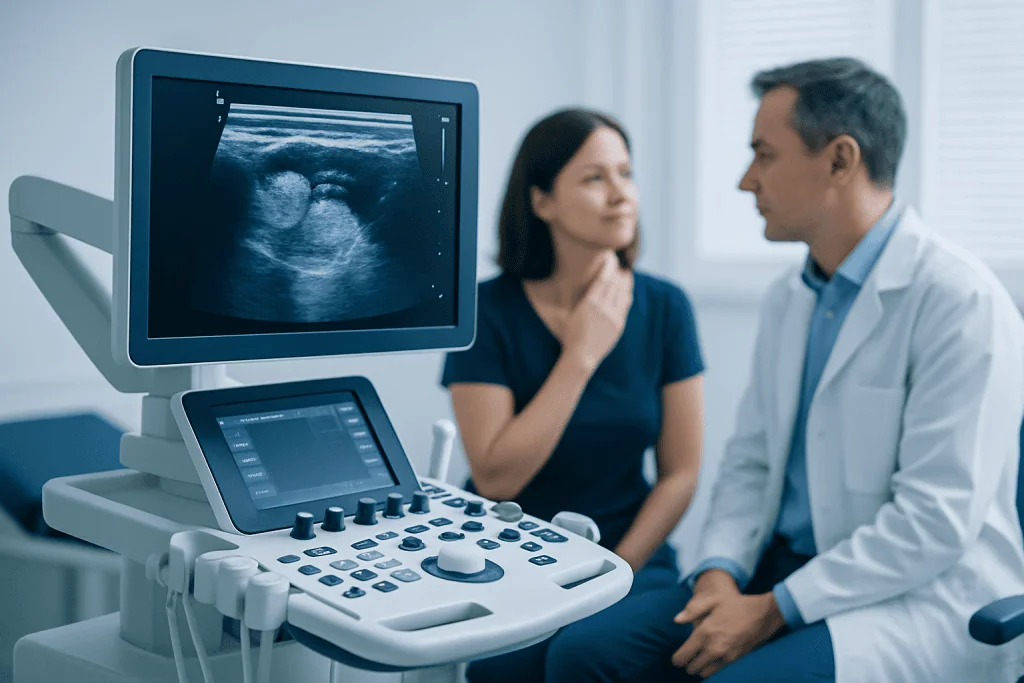
Imaging tests help define the size, location, and extent of a suspected salivary gland tumor. Ultrasound may be used for superficial lumps, especially in the parotid or neck. MRI or CT scans can provide more detailed information about deeper glands, nearby nerves, jaw structures, and soft tissues. In selected cases, additional imaging may be used to assess whether the cancer has spread beyond the primary area.
A biopsy is usually needed to confirm whether a salivary gland tumor is cancerous and to identify the specific tumor type. This may involve a fine needle aspiration, core needle biopsy, or another tissue sampling method chosen by the specialist. Pathology review is especially important because salivary gland cancers have many subtypes, and treatment decisions depend heavily on the microscopic diagnosis.
After diagnosis, the cancer is staged. Staging describes the tumor’s size, local extension, lymph node involvement, and whether there is spread to distant organs. The stage, tumor grade, pathology type, and the patient’s overall health are all used to guide the treatment plan.
Treatment Options
Treatment for salivary gland cancer is individualized. The right approach is decided by a specialist team after assessment of the tumor type, grade, stage, location, involvement of facial nerves or nearby structures, lymph node status, and the person’s general health and preferences. No single treatment plan is suitable for every patient.
Surgery is often an important treatment for salivary gland cancer when the tumor can be safely removed. The operation may involve removal of part or all of the affected gland and, in some cases, nearby lymph nodes in the neck. If a tumor is close to the facial nerve or other important structures, the surgical plan must balance cancer control with preservation of function whenever possible. Reconstructive surgery may be considered if tissue repair is needed.
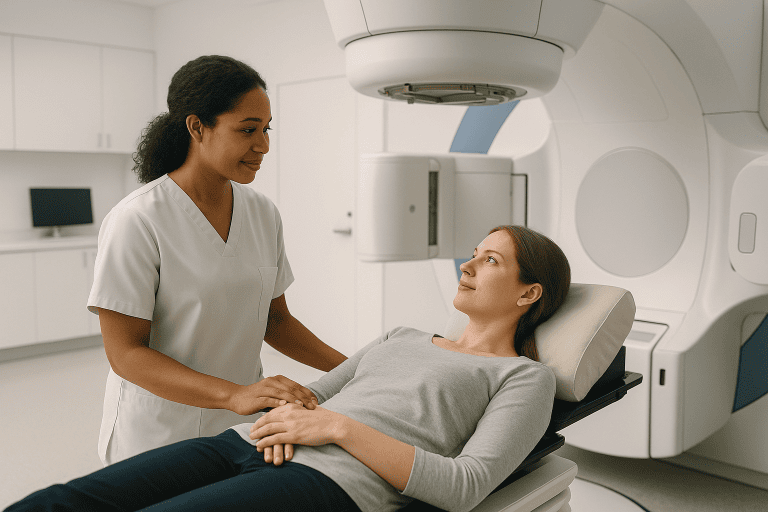
Radiotherapy may be recommended after surgery or, in selected cases, as a primary treatment when surgery is not appropriate. It uses carefully targeted radiation to treat cancer cells in the affected area and reduce the risk of recurrence. Modern radiotherapy planning aims to protect nearby healthy tissues such as the jaw, mouth, throat, and remaining salivary glands as much as possible.
Systemic therapy, such as chemotherapy or other medicines that act throughout the body, may be considered in specific situations, particularly for advanced, recurrent, or metastatic disease. Rehabilitation and supportive care are also important. This may include speech and swallowing therapy, dental care, nutrition support, facial nerve rehabilitation, pain control, and management of dry mouth or mouth sensitivity after treatment.
Living With / Prognosis
Living with salivary gland cancer can involve both medical treatment and recovery of daily functions such as speaking, eating, swallowing, facial movement, and oral comfort. Many people continue normal activities during parts of their care, while others need time for recovery after surgery, radiotherapy, or systemic treatment. Supportive care is not secondary; it is a key part of maintaining quality of life.
Prognosis varies widely because salivary gland cancer includes many different diseases under one name. Important factors include the tumor subtype, grade, stage at diagnosis, whether lymph nodes are involved, whether the cancer can be completely removed, and how the cancer responds to treatment. A person’s specialist can give the most relevant outlook after reviewing pathology, imaging, and treatment options.
Follow-up care is important because salivary gland cancers can sometimes recur locally, in the neck, or elsewhere. Follow-up may include physical examinations, imaging when needed, dental and oral care, and monitoring of swallowing, nutrition, speech, and facial nerve function. Patients should report any new lump, persistent pain, facial weakness, swallowing change, or unexplained weight loss to their care team.
International patients seeking evaluation may benefit from coordinated care by head and neck oncology teams. Acibadem International’s multidisciplinary specialists and JCI-accredited hospitals diagnose and treat salivary gland cancer for international patients, with care plans developed after specialist assessment.
When to See a Doctor
A doctor should evaluate any persistent swelling, lump, or firmness in the salivary gland area, especially if it lasts more than a short period, enlarges, or returns after treatment for infection. Lumps near the ear, cheek, jaw, under the tongue, in the mouth, or in the neck should not be ignored, even when they are painless.
Prompt medical attention is particularly important if swelling is associated with facial weakness, numbness, difficulty closing the eye, a drooping smile, trouble swallowing, persistent mouth pain, bleeding, or a non-healing sore in the mouth. These symptoms can occur for several reasons, but they need timely assessment because they may suggest involvement of nerves or deeper tissues.
People who have previously received radiation to the head and neck, have had a salivary gland tumor before, or notice a rapidly changing lump should seek specialist advice. An ear, nose and throat doctor, head and neck surgeon, oral and maxillofacial surgeon, or oncologist can arrange the appropriate examinations, imaging, and biopsy if needed.
Frequently asked questions
What is salivary gland cancer?
Salivary gland cancer is a rare cancer that begins in the glands that make saliva. It can develop in the major salivary glands near the ear, jaw, or under the tongue, or in minor salivary glands throughout the mouth and throat. The exact type and stage determine how it is treated.
What are the early symptoms of salivary gland cancer?
The most common early symptom is a persistent lump or swelling near the jaw, cheek, mouth, ear, or neck. Some people may also have pain, numbness, facial weakness, or difficulty chewing or swallowing. Many salivary gland lumps are benign, but persistent changes should be checked by a doctor.
Is every salivary gland tumor cancer?
No. Many salivary gland tumors are benign, meaning they are not cancer and do not spread to distant parts of the body. However, benign and malignant tumors can feel similar, so imaging and biopsy may be needed to make a reliable diagnosis.
How is salivary gland cancer diagnosed?
Diagnosis usually includes a specialist examination, imaging tests such as ultrasound, MRI, or CT, and a biopsy to examine cells or tissue under a microscope. Pathology testing is important because salivary gland cancer has many subtypes. Staging then helps determine how far the cancer has grown or spread.
What treatments are available for salivary gland cancer?
Treatment may include surgery, radiotherapy, systemic therapy, rehabilitation, or a combination of these approaches. The best plan depends on the tumor type, stage, location, nerve involvement, and the patient’s overall health. A specialist team should decide the treatment approach after a full assessment.
Can salivary gland cancer affect the facial nerve?
Yes, some salivary gland cancers, especially those in the parotid gland, may be close to or involve the facial nerve. This can cause facial weakness, numbness, or changes in facial movement. Treatment planning carefully considers both cancer control and preservation or rehabilitation of facial function.
When should someone seek urgent medical advice for a salivary gland lump?
Medical advice should be sought promptly if a lump is growing, persistent, painful, or associated with facial weakness, numbness, difficulty swallowing, or a non-healing sore in the mouth. These symptoms do not always mean cancer, but they require timely evaluation. Early specialist assessment helps clarify the cause and guide appropriate care.
This article is for general information only and is not a substitute for professional medical advice. Please consult a qualified doctor about your individual situation.
Medically reviewed by the Acıbadem International Medical Board August 26, 2026
See our medical review board →
Update history
- PublishedJune 8, 2026
- Medical review approvedAugust 26, 2026
- Last content updateJuly 20, 2026