CyberKnife
CyberKnife is a non-invasive robotic radiosurgery treatment that delivers highly precise radiation to tumors and selected lesions while minimizing exposure to surrounding healthy tissue.
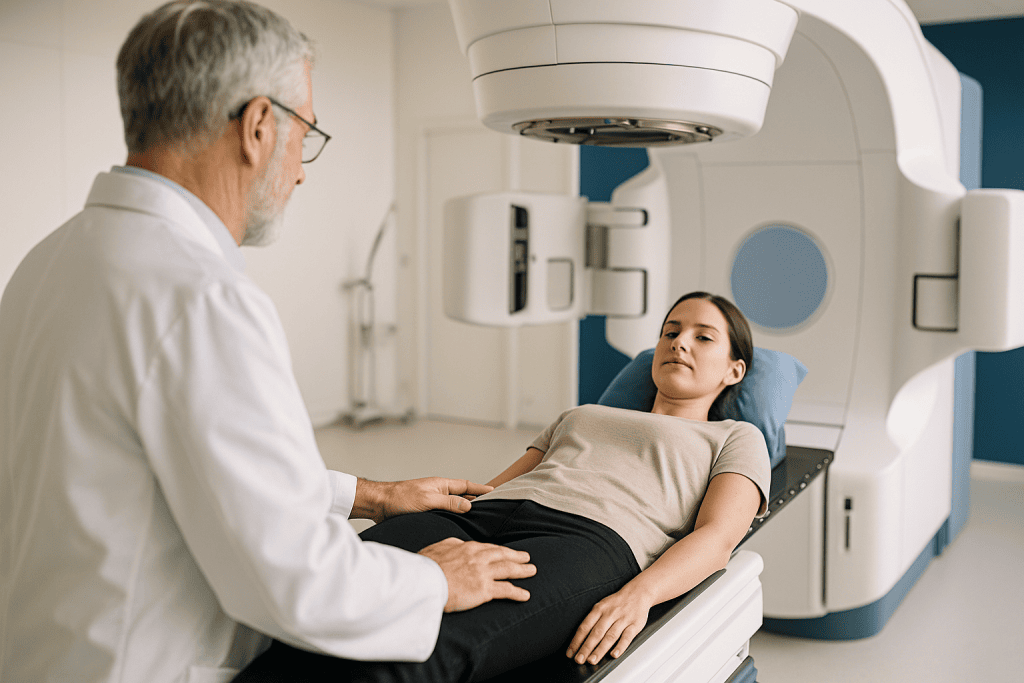
Quick answer
CyberKnife is a non-invasive robotic radiosurgery system. It delivers precisely focused beams of radiation to tumours and selected benign lesions from many angles, with no incision and usually no anaesthesia. Treatment is typically completed in one to five outpatient sessions. Continuous image guidance tracks the target during delivery, which helps limit radiation to nearby healthy tissue, including in organs that move with breathing.
What Is CyberKnife?
CyberKnife is a non-invasive robotic radiosurgery system that treats tumours and selected benign lesions with highly focused beams of radiation, delivered from many different angles around the body. There is no incision, usually no anaesthesia, and treatment is typically completed in one to five outpatient sessions. It is used for cancers and selected non-cancerous conditions in the brain, spine, lungs, liver, pancreas, prostate and other locations where precision matters most, places where even a few millimetres separate the target from something the body cannot spare.
The name causes confusion. Despite the word knifeand despite sometimes being written as cyber knifethere is no blade and no cutting involved. Depending on the area treated and the number of sessions, the same treatment may appear in your records as stereotactic radiosurgery (SRS) or stereotactic body radiotherapy (SBRT). These are technical names for the same idea: a high dose of radiation, shaped tightly around a clearly defined target, delivered in a small number of sessions rather than spread over many weeks.
Hearing that you may need radiation treatment often brings two worries at once: concern about the diagnosis itself, and concern about how treatment might affect the rest of your body. Many patients ask whether radiation can be aimed accurately enough to reach the tumour while sparing healthy tissue, whether treatment will hurt, and how long recovery will take. These questions matter most when a tumour sits close to the brain, spinal cord, optic nerves, lungs, bowel or other sensitive structures. CyberKnife was developed for exactly this kind of challenge.
Unlike conventional external beam radiotherapy, which is usually given in many small doses over several weeks, CyberKnife commonly delivers treatment in one or a few sessions. This shorter course becomes possible when a lesion can be defined very clearly on imaging and treated with high geometric precision. The radiation does not remove tissue on the day of treatment. Instead, it damages the ability of tumour cells to keep growing and dividing. Over the following weeks and months, the treated lesion may shrink, become inactive or stop progressing: a response your team follows with repeat scans rather than judging immediately after the session.
CyberKnife is not the right choice for every patient or every tumour. Some cancers are better treated with surgery, standard fractionated radiotherapy, systemic therapy, or a combination of methods within a broader cancer treatment plan. For selected cases, however, especially when the target is small, well defined and close to something important: CyberKnife can be a meaningful therapeutic option, and for some patients it offers an alternative to open surgery.
What is CyberKnife radiation?
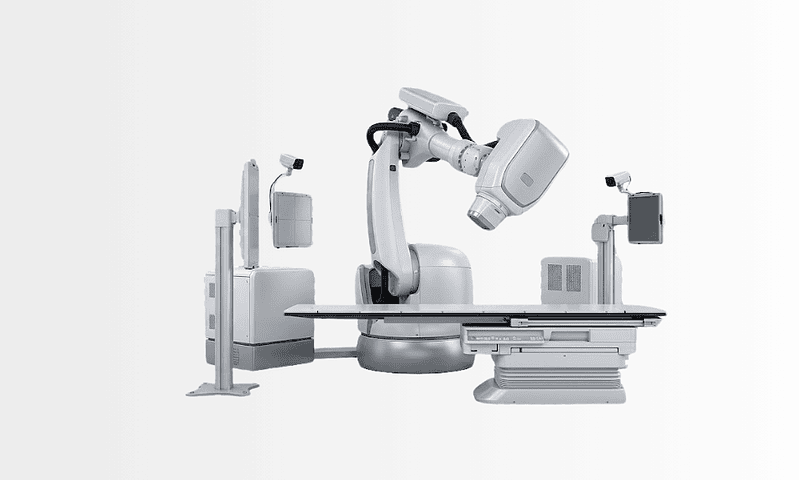
CyberKnife radiation is the same type of high-energy X-ray (photon) radiation used in conventional radiotherapy; what differs is how it is delivered. A compact linear accelerator is mounted on a robotic arm that can move around you and aim from a very large number of positions. Each individual beam carries a modest dose, but the beams converge on the target from different directions, so the dose adds up where they intersect, inside the lesion, while the healthy tissue each beam passes through on its way receives far less. This geometry is what allows a high, concentrated dose to be delivered to a small volume without giving the same dose to everything around it. The radiation itself cannot be seen or felt as it is delivered.
How does CyberKnife surgery work?
CyberKnife surgery works by combining three elements: detailed imaging, computerised treatment planning and image-guided robotic delivery. First, planning scans map the target and every nearby structure in three dimensions. A team of radiation oncologists, medical physicists and dosimetrists then designs a plan that sets the beam angles, the total dose and how that dose is divided across one or more sessions. During treatment, the system takes repeated images to confirm your position and, in some situations, to track tumour movement caused by breathing or normal body function. The robotic arm adjusts its aim accordingly, in real time or near real time. The word surgery in radiosurgery refers to the surgical level of precision, not to any operation. Nothing touches you during treatment, there is no wound to heal, and the machine never makes contact with your body: you may simply hear the equipment working and see the arm change position around you.
Who May Be Considered for CyberKnife
Patients are usually referred for CyberKnife after imaging or biopsy has identified a tumour or lesion that may be suitable for highly focused radiation. In some cases it is considered for newly diagnosed disease. In others it is used for recurrent tumours, residual disease left after surgery, or a limited number of metastatic lesions that have spread from another cancer. Referral typically comes through a radiation oncology team, often after discussion with the surgeons and medical oncologists already involved in your care.
Symptoms vary depending on the area involved. A brain lesion may cause headaches, weakness, balance changes, seizures or visual symptoms. A spine lesion may lead to pain, numbness or weakness in the limbs. A lung lesion may be found during evaluation of a cough, shortness of breath or an abnormal chest scan. Prostate lesions may be associated with urinary symptoms, although many patients have no symptoms at all and learn of the diagnosis after screening or routine imaging. Liver or pancreatic lesions may be discovered during investigation of abdominal pain, weight loss or abnormal laboratory findings, but many are first detected incidentally on scans performed for another reason.
The diagnostic process typically includes detailed imaging, often high-resolution MRI, CT, PET-CT, or a combination, depending on the disease being assessed. These scans define the size, shape and exact location of the target. Just as importantly, they show its relationship to nearby organs, nerves and blood vessels that must be protected. In many situations, tissue diagnosis through biopsy is needed before planning begins, particularly when the nature of the lesion is uncertain or when the pathology result will influence the overall care plan.
CyberKnife may be considered for patients who:
- Have a small or well-defined tumour in an area where precision is especially important
- Are not ideal candidates for surgery because of age, other medical conditions, or the tumour location
- Prefer a non-invasive approach when it is clinically appropriate
- Need treatment for a lesion that remains after surgery or has returned after prior therapy
- Have a limited number of metastatic lesions that may benefit from local control
- Need radiation delivered with motion tracking because the target moves with breathing or normal body function
Selection is always individualised. Radiation oncologists, medical physicists, radiologists, surgeons and other specialists review the imaging and clinical history together before deciding whether CyberKnife is likely to be safe and appropriate, or whether another approach would serve you better.
Conditions CyberKnife Can Treat
In the brain and central nervous system, CyberKnife is used for some primary brain tumours, metastatic brain lesions, and certain benign but clinically significant conditions such as meningiomas or acoustic neuromas when radiation is preferred over open surgery. These cases are often managed jointly with a neurosurgery team, because the choice between operating and irradiating depends on the lesion, its position and your wider health.
In the spine, accuracy is critical because of the nearby spinal cord and nerve roots. CyberKnife allows a high dose to be shaped around vertebral tumours while limiting the dose that reaches the cord: a margin that conventional techniques cannot always achieve.
In the chest, CyberKnife may be used for selected early-stage lung cancers, small metastatic lesions, or tumours in patients whose heart or lung condition makes an operation too risky. Because the lungs move continuously with breathing, motion tracking is particularly valuable here.
In the abdomen, it may be considered for certain liver, pancreatic, adrenal or lymph node lesions. These organs also shift with respiration and digestion, which is one reason a system built around image guidance is used for them.
Another important indication is re-irradiation: recurrent tumours in areas that have already received radiotherapy. Here treatment planning must be especially careful, because nearby tissues may already be close to the dose they can tolerate. Advanced image guidance and conservative dose design are essential, and not every recurrence can be re-treated safely.
For many patients, the key question is not simply whether CyberKnife can be used, but whether it is the best option within the full treatment plan. The answer usually comes from multidisciplinary review, where specialists compare surgery, radiosurgery, conventional radiotherapy, systemic therapy and combined approaches before making a recommendation.
What is CyberKnife for prostate cancer?
CyberKnife for prostate cancer is a short-course, highly focused form of radiotherapy used for selected men with localised disease, cancer that is confined to the prostate gland. Instead of daily radiotherapy over several weeks, treatment is usually delivered in a small number of sessions. Before planning, tiny fiducial markers are typically placed in the gland using an image-guided procedure, because the prostate shifts position as the bladder and bowel fill and empty. The system uses these markers to follow the gland during each session and keep the beams on target.
Men researching CyberKnife prostate treatment should know that it is one of several reasonable pathways for localised disease. Depending on the stage, grade and your preferences, alternatives may include robotic prostate surgery, conventional fractionated radiotherapy, brachytherapy or, for some low-risk cancers, active surveillance. Which option fits you depends on the full diagnostic picture built during your prostate cancer work-up, including imaging, biopsy results and your urinary and general health.
When is CyberKnife not recommended for prostate cancer?
CyberKnife is generally not recommended when prostate cancer has spread beyond the gland in a way that requires wider treatment fields, for example, when pelvic lymph nodes need to be covered, or when the disease is metastatic and systemic therapy is the priority. It may also be less suitable for men with significant existing urinary symptoms, a very large prostate gland, previous radiotherapy to the pelvis, or certain bowel conditions that make the nearby rectum more sensitive to radiation. In some situations surgery is preferred for other reasons, such as the need to fully assess the gland and lymph nodes pathologically. None of these factors is judged in isolation; the treating team weighs them together before recommending for or against a focused radiation approach.
When Is CyberKnife Not Recommended?
CyberKnife is generally not recommended when a tumour is too large or too diffuse to be treated with a tightly focused dose, when the target cannot be defined clearly enough on imaging, or when the disease is widespread and local treatment of one lesion would not change the overall picture. Radiosurgery is a local therapy: it treats what it is aimed at, and nothing else. When cancer is active in many places, systemic treatment such as chemotherapy, hormonal therapy, targeted therapy or immunotherapy usually takes priority, although focused radiation is sometimes added for specific lesions within that broader plan.
There are also situations where surgery remains the better choice even for a single lesion. An operation can provide a tissue diagnosis when one is missing, relieve pressure immediately, for example, when a tumour is compressing the spinal cord or causing dangerous swelling in the brain, and remove a large mass in a way radiation cannot. Radiation works gradually, so it is not the right tool when a structure needs urgent decompression.
Finally, prior treatment can close the door. If nearby organs have already received radiation close to their tolerance, delivering more may cause harm that outweighs any benefit. This is why the planning team reviews your complete treatment history, not just your latest scan, before confirming that CyberKnife is appropriate.
CyberKnife or Gamma Knife: How Do They Compare?
Gamma knife is another established form of stereotactic radiosurgery, and patients often encounter the two names together. A Gamma Knife unit uses many fixed radiation sources arranged around the head, with their beams focused on a single point, and it is designed specifically for targets in the brain and the very top of the spine. Gamma knife surgery, like CyberKnife, involves no cutting despite its name; the term reflects precision, not a scalpel. Traditionally it uses a rigid frame fixed to the head for accuracy, although mask-based immobilisation is available on newer platforms.
CyberKnife differs in two main ways: it is frameless, relying on continuous image guidance instead of a fixed frame, and its robotic arm allows it to treat targets anywhere in the body, spine, lung, liver, pancreas, prostate, not only the head. For many brain lesions, either system may be technically feasible, and the choice usually comes down to the specific lesion, the number of sessions planned, local availability and the experience of the treating team rather than one platform being universally superior.
How CyberKnife Treatment Is Performed
The CyberKnife process begins well before the treatment session itself. In broad terms, it follows a sequence of steps, each designed to make the final delivery as accurate as possible:
- Consultation and review. The radiation oncology team reviews your diagnosis, imaging, pathology reports, prior treatments, current medications and overall health. They discuss what CyberKnife can realistically achieve in your case, whether the goal is to eradicate the lesion locally, to control its growth, to relieve symptoms, or to treat a limited number of metastatic sites within a wider oncology strategy.
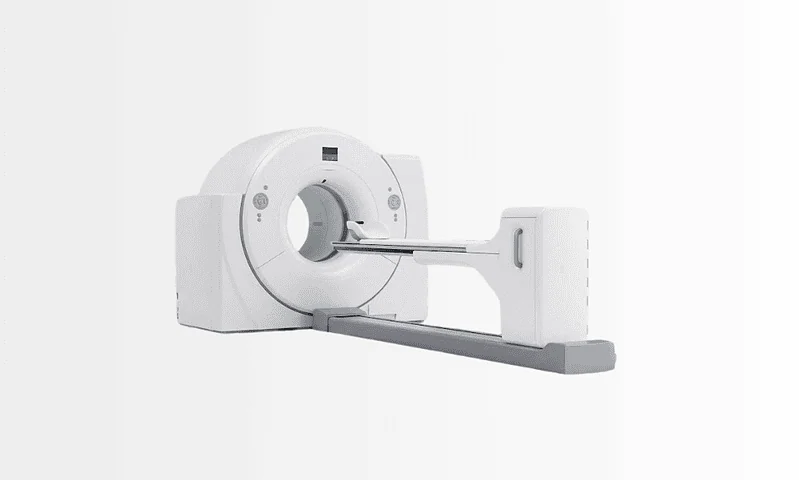
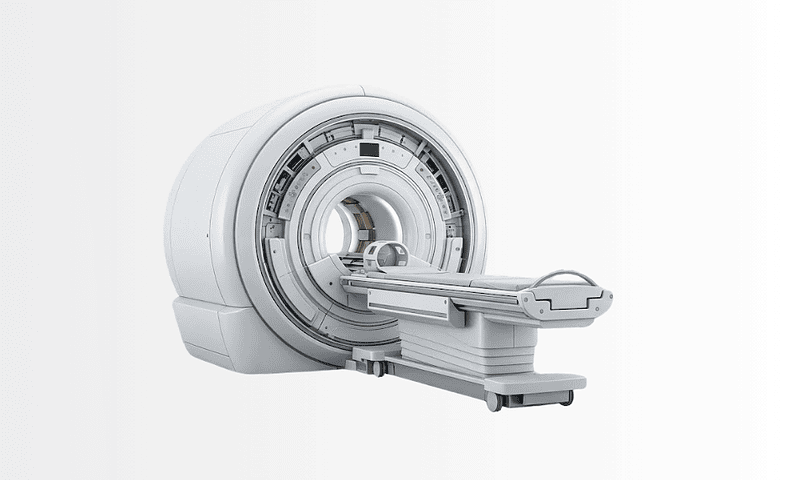
- Planning imaging. A dedicated planning CT scan is performed in the treatment position, often supplemented by MRI, PET-CT or other imaging depending on the area involved. These images are merged in specialised software so the team can map the target precisely in three dimensions, defining the visible tumour and setting treatment margins that account for microscopic spread and normal movement while protecting healthy tissue as much as possible.
- Marker placement, if needed. For some tumours, most commonly in the lung, liver or prostate, small fiducial markers are placed using image-guided techniques before planning begins, so the system can track the target accurately during delivery. Not every patient requires this step; many targets can be tracked using the skeleton or the tumour itself.
- Immobilisation. Depending on the treatment site, a custom-fitted mask, body cradle or positioning support is prepared. These devices help you stay comfortable and still, and, just as importantly, ensure your body is positioned the same way at every session. For brain treatments a fitted mask is standard; for body treatments, supportive positioning systems reduce unnecessary movement without restricting you rigidly.
- Plan design and quality checks. The radiation oncologist works with medical physicists and dosimetrists to build a personalised plan: the number of beams, their angles, the total dose, how it is divided across sessions, and how the dose is shaped around the target. Independent quality checks are performed before treatment begins to confirm the plan can be delivered accurately and safely.
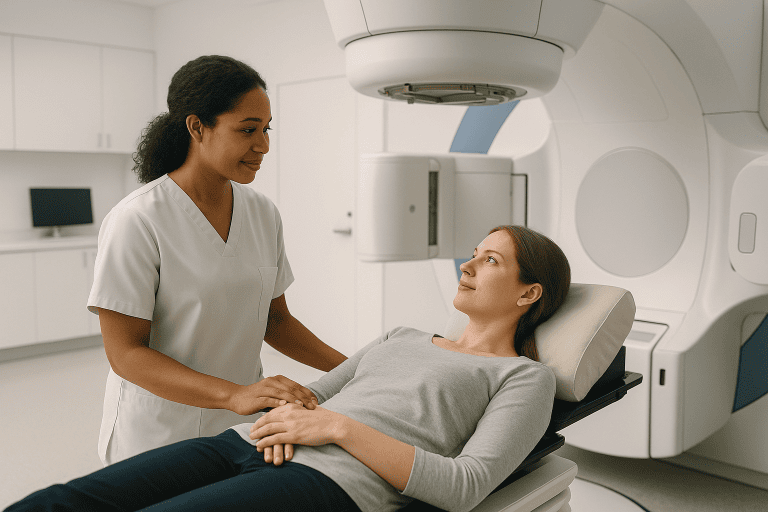
- Treatment delivery. On the day of treatment, most patients arrive without hospital admission; CyberKnife is generally an outpatient procedure. You are positioned on the treatment couch with your immobilisation device, and imaging confirms alignment before anything starts. During the session, the robotic arm moves around you, delivering radiation from multiple directions. The machine does not touch you, and there is no sensation from the beam itself: you may hear the equipment and notice the arm changing position, but nothing more.
Image guidance is the defining feature throughout. Repeated imaging during the session verifies your position and, when relevant, tracks movement of the target. For tumours in mobile organs, the system can synchronise delivery with your breathing, which improves the accuracy of the dose and reduces unnecessary exposure of normal tissue. This is one reason no rigid frame needs to be screwed or clamped in place.
Session length varies. Some treatments are completed in a relatively short visit; others take longer because of the complexity of the target, the amount of imaging required or the number of beam positions used. Some patients need a single session, while others attend on several days over one or two weeks. Your care team explains the planned schedule in advance, so you know exactly how many visits to expect.
After each session, most patients go home the same day. Because there is no incision and typically no general anaesthesia, the immediate recovery is usually far less demanding than after open surgery. That does not mean there are no side effects: these depend on the body area treated, the dose delivered and the sensitivity of nearby tissues, and they are discussed in detail below.
Follow-up is a core part of the treatment, not an afterthought. Because radiation works gradually, the treated lesion is monitored with repeat imaging over the following months rather than assessed straight away. Depending on the diagnosis, follow-up may include MRI, CT, PET-CT, blood tests and specialist reviews. Some lesions shrink steadily; others remain visible on scans but show no further growth. Your team interprets these changes in the context of your overall disease and treatment history.
Why Acting Early Can Matter
For selected tumours, timing influences both the available options and the complexity of treatment. A small, well-defined lesion is generally easier to treat accurately than a larger one that has grown into nearby critical structures. As disease progresses, there may be fewer non-invasive options on the table, and the surrounding organs become harder to protect during planning.
Early assessment can be particularly important in the brain and spine, where even limited tumour growth may affect neurological function. In the lungs, liver or pancreas, growth can narrow the margin between the target and normal tissue, making dose design more difficult. In metastatic disease, addressing a limited number of lesions early may support local control as part of a broader oncology strategy: a decision that depends on the behaviour of the underlying cancer.
Delaying evaluation also prolongs uncertainty. Some patients live with symptoms, or with anxiety about a finding on a scan, while deciding whether treatment is necessary. A timely specialist review does not always lead to immediate treatment; sometimes the honest conclusion is to watch and re-scan. But it clarifies the diagnosis, defines the realistic choices, and establishes whether CyberKnife should be considered now, later, or not at all.
Potential Benefits of CyberKnife
The potential advantages of CyberKnife depend on the diagnosis and the location of the lesion, but patients weighing their options often focus on the following:
| Benefit | What It Means for You |
|---|---|
| Non-invasive treatment | No surgical incision is required, which may reduce the physical burden of treatment and make CyberKnife an option for patients who are not ideal candidates for surgery. |
| High precision | Radiation is focused closely on the target, helping to limit exposure of nearby healthy tissues, especially important when tumours sit near sensitive structures. |
| Shorter treatment course for selected cases | Many patients complete treatment in one or a few sessions rather than over many weeks, depending on the condition being treated. |
| Outpatient care | Hospital admission is often unnecessary, and many patients return home the same day after each session. |
| Useful for difficult-to-reach lesions | CyberKnife can be considered for tumours in locations where open surgery would be complex, risky or not preferred. |
| Part of a broader cancer plan | It can be integrated with surgery, systemic therapy or conventional radiation when a multidisciplinary team decides a combined strategy is appropriate. |
Typical Recovery Timeline
Recovery after CyberKnife is usually measured in days rather than weeks, although the exact course varies with the treatment area, the dose and your general health. The outline below reflects what many patients experience; your team will tailor expectations to your specific plan.
| Time Period | What Patients Can Expect |
|---|---|
| Day 1 | Most patients go home the same day. Fatigue is possible, but many feel well enough to resume light routine activities. |
| First week | Mild tiredness or temporary treatment-area symptoms may appear. Your team may recommend medication if swelling or irritation is expected. |
| First month | Energy levels often improve. Follow-up plans are confirmed, and any early side effects are assessed and managed. |
| Longer term | Imaging over the following months shows how the lesion is responding. Some tumours shrink gradually; others remain stable without further growth. |
Side effects depend on where the radiation was delivered. Common short-term effects include fatigue, mild irritation in the treated area, temporary swelling, or symptoms related to the organ involved. After brain treatment, swelling can sometimes cause headaches or neurological symptoms, and the team may use medication such as steroids when appropriate. After spine treatment, temporary discomfort or soreness can occur. Lung or chest treatment may bring a cough, mild chest irritation or tiredness. Abdominal or pelvic targets can produce temporary bowel, urinary or digestive symptoms.
Most of these effects are manageable, but close follow-up matters so the team can respond quickly if anything develops. Your radiation oncologist will explain which effects are expected for your specific treatment area, when they typically appear, and how they are usually handled, so that if symptoms do occur, you already know what they mean.
What Influences Outcomes
Patients often ask how successful CyberKnife is. The most honest answer is that results depend heavily on the specific diagnosis and treatment context. Outcomes are shaped by whether the lesion is benign or malignant, primary or metastatic, newly diagnosed or recurrent, and whether the intent of treatment is local eradication, growth control or symptom relief. No single figure describes all of these situations, which is why a careful conversation with your own team is worth more than any general claim.
Tumour size and location matter greatly. Smaller, clearly defined lesions generally suit focused radiosurgery better than large or diffuse ones. Proximity to critical structures may limit the dose that can be delivered safely. Motion is another factor: tumours that move with breathing require careful tracking and planning. Previous treatments, especially prior radiation or surgery in the same region, also constrain what can be done now.
The quality of imaging and planning is central to a good result. Precise contouring of the target, careful attention to surrounding organs, and rigorous physics checks all contribute to safe, accurate delivery. Follow-up is equally important, because the response to radiosurgery unfolds gradually and needs ongoing assessment to be interpreted correctly.
Your general health plays a role too. Patients with strong functional status tend to tolerate treatment and the weeks afterwards more easily. At the same time, one of the genuine strengths of CyberKnife is that it can be considered for some patients who would not withstand major surgery. The best results come when treatment selection is individualised rather than applied as a one-size-fits-all model, and when the team is equally willing to recommend a different treatment where that would serve you better.
CyberKnife Care at Acibadem
Choosing where to have radiosurgery involves more than choosing a machine. The technology is only as good as the imaging that feeds it, the planning that shapes the dose, and the clinical judgement that decides whether radiosurgery is the right tool in the first place. The structure around the treatment matters almost as much as the treatment itself.
At Acibadem, CyberKnife care sits within a broader oncology framework that brings together radiation oncologists, medical oncologists, surgeons, radiologists, pathologists, nuclear medicine specialists and other relevant physicians. Cases can be reviewed in multidisciplinary boards when needed, which is especially valuable when the question is not only how to deliver radiation, but whether CyberKnife is the best option compared with surgery, systemic therapy, conventional radiotherapy or a combined approach. A patient with a single brain metastasis needs a different strategy from someone with recurrent spinal disease, localised prostate cancer, or a small lung tumour alongside significant heart or lung disease. Individualised planning is what makes the recommendation fit the person, not just the scan.
Advanced imaging and modern radiation planning tools support diagnosis, treatment design and follow-up, and they are used by teams who understand that precision treatment depends on disciplined planning, verification and clinical judgement rather than equipment alone. Continuity is part of that discipline: CyberKnife itself is often delivered over a short period, but cancer care rarely ends with the final session. Follow-up imaging, ongoing specialist review and careful interpretation of the treatment response all continue afterwards, and the records and recommendations from each stage are organised so that every physician involved in your care works from the same complete picture.
Deciding Whether CyberKnife Is Right for You
If you have been told you may need radiation treatment, or you are weighing alternatives to surgery for a tumour in a sensitive location, CyberKnife is worth understanding properly before you decide anything. A specialist review of your imaging, pathology, prior treatments and overall health can establish whether this non-invasive approach is genuinely suitable in your situation, and what it can reasonably be expected to achieve, questions that no general article can answer for you.
Second opinions are common and entirely reasonable in radiosurgery, particularly when different specialists have suggested different paths. A good review does not simply confirm or reject a plan; it explains the trade-offs between the options in your specific case. Questions worth raising with your treating team include:
- Is my lesion well enough defined on imaging for focused radiosurgery, or is more diagnostic work needed first?
- What is the goal of treatment in my case, local eradication, control, or symptom relief?
- How does CyberKnife compare with surgery or conventional radiotherapy for my diagnosis, and why?
- How many sessions would I need, and what side effects are expected for my treatment area?
- How will we know whether the treatment has worked, and what does follow-up look like over the first year?
Whatever you decide, the decision is strongest when it rests on a complete picture: an accurate diagnosis, a clear understanding of what each option involves, and a plan for the follow-up that comes after. CyberKnife is a precise instrument, and precision starts with the decision to use it.
Preparation
- Before CyberKnife, patients usually have imaging such as MRI, CT, or PET-CT to map the treatment area precisely. A personalized treatment plan is created by the radiation oncology team. Patients should follow instructions about medications, eating, and comfortable clothing before each session.
Aftercare
- Most patients return home the same day and resume normal activities quickly. Mild fatigue or temporary side effects related to the treated area may occur, so follow-up visits and imaging are important to assess response. Patients should contact their care team if new or worsening symptoms develop.
Frequently Asked Questions
What is CyberKnife treatment and how does it work?
CyberKnife is a non-invasive robotic radiotherapy system used to treat certain tumors and other lesions with very high precision. Despite the name, it is not surgery and there are no incisions. It delivers focused radiation beams from many angles while advanced imaging tracks the target in real time. This helps protect nearby healthy tissue. At Acibadem, oncology specialists review each case carefully to decide whether CyberKnife is the most suitable treatment option.
What types of cancer and tumors can be treated with CyberKnife?
CyberKnife may be used for selected tumors in the brain, spine, lung, liver, pancreas, prostate and other areas, as well as some recurrent or hard-to-reach lesions. It is often considered when high precision is important or when conventional surgery is not ideal. Suitability depends on the tumor’s size, location, movement and your overall health. Acibadem specialists provide a personalized assessment to determine whether CyberKnife fits your treatment plan.
Is CyberKnife surgery painful or invasive?
CyberKnife is not traditional surgery, so it does not involve cuts, stitches or general anesthesia in most cases. The treatment itself is usually painless. You lie on a treatment table while the robotic system delivers radiation beams according to your plan. Some patients may feel tired afterward, but many resume normal activities quickly. Your care team at Acibadem will explain what to expect and how to stay comfortable during each session.
How many CyberKnife sessions will I need?
The number of CyberKnife sessions varies depending on the type, size and location of the tumor, as well as your overall treatment goals. Some patients complete treatment in a single session, while others need several sessions over a few days. Your radiation oncologist creates an individualized plan after reviewing your imaging and medical history. At Acibadem, specialists tailor the schedule carefully to balance effectiveness, precision and safety for each international patient.
How long does a CyberKnife treatment session take?
A CyberKnife session often lasts between 30 minutes and 90 minutes, although timing can vary based on the complexity of the plan and the area being treated. Before treatment, there may be planning scans and preparation steps that take additional time. During the session, you need to stay still while the system tracks the target accurately. The Acibadem team will give you a clear schedule so you can plan your visit with confidence.
What are the side effects of CyberKnife treatment?
Side effects depend on the area treated, the radiation dose and your individual condition. Many patients tolerate CyberKnife well because it targets the lesion very precisely. Common effects may include fatigue, mild skin irritation, temporary swelling or symptoms related to the treated area. Some side effects can appear later, so follow-up is important. At Acibadem, your oncology team monitors you closely and explains which symptoms are expected and when to seek medical advice.
Is CyberKnife better than conventional radiotherapy or surgery?
CyberKnife is not automatically better for every patient; it is one of several advanced treatment options. Its main advantage is precise radiation delivery, which can be helpful for small, well-defined tumors or areas near sensitive structures. However, some patients benefit more from standard radiotherapy, surgery, chemotherapy or a combined approach. The best choice depends on your diagnosis and goals. Acibadem specialists compare all suitable options and recommend a personalized treatment strategy.
How do I prepare for CyberKnife treatment in Turkey?
Preparation usually starts with sharing your medical reports, pathology results and recent imaging such as MRI, CT or PET-CT scans. You may need an in-person consultation, treatment planning scans and, in some cases, a custom mask or body support device to help you stay still. Most patients do not need major lifestyle changes before treatment. Acibadem’s international patient team can help organize appointments, travel planning and communication before you arrive in Turkey.
How soon can I travel home after CyberKnife treatment?
Many international patients can travel home soon after completing CyberKnife because it is non-invasive and recovery is usually quick. The exact timing depends on the treated area, the number of sessions, your overall condition and whether you need short-term observation. Some patients stay a few extra days for follow-up. Your Acibadem care team will advise you based on your treatment plan and provide guidance about flying, medications and follow-up once you return home.
How much does CyberKnife treatment cost in Turkey?
CyberKnife cost in Turkey can vary widely based on the diagnosis, number of sessions, imaging requirements, physician evaluation, hospital services and whether additional treatments are needed. Because every case is different, an accurate estimate usually requires review of your reports and scans. Acibadem specialists provide a personalized assessment and treatment plan, and the international patient team can explain what is included so you can understand the expected costs before making travel arrangements.
Medically reviewed by the Acıbadem International Medical Board September 1, 2026
See our medical review board →
Update history
- PublishedJuly 19, 2026
- Medical review approvedSeptember 1, 2026
- Last content updateSeptember 1, 2026
From the Acibadem Blog

Who Is a Candidate for CyberKnife? Tumor Size, Location and Prior Treatment Explained
A candidate for CyberKnife is usually someone with a small, well-defined tumor, benign or cancerous, that imaging can outline clearly, often sitting near sensitive…

CyberKnife Radiosurgery: How Robotic Precision Targets Tumors Without an Incision
CyberKnife is a brand-name robotic system for stereotactic radiosurgery, a technique that aims dozens to hundreds of precisely focused radiation beams at a tumor…