Acoustic Neuroma
Acoustic Neuroma is a benign vestibular nerve tumor. Learn symptoms, causes, diagnosis, treatment options and when to see a specialist.

Quick answer
Acoustic neuroma is a noncancerous tumor that develops on the nerve linking the inner ear to the brain, often causing hearing loss, tinnitus, balance problems, or facial numbness. Treatment depends on the tumor’s size, growth, and symptoms, and may include monitoring, microsurgery, or focused radiation, guided by ENT, neurosurgery, and imaging specialists at Acibadem in Turkey.
Acoustic neuroma, also called vestibular schwannoma, is a usually slow-growing, non-cancerous tumor that develops on the balance and hearing nerve between the inner ear and the brain. It may cause hearing loss, ringing in the ear, dizziness, balance problems or pressure on nearby nerves, and treatment depends on tumor size, growth and symptoms.
Overview
Acoustic neuroma is a benign tumor that forms from Schwann cells, the cells that cover and protect nerves. It most often grows on the vestibular part of the eighth cranial nerve, which carries balance information from the inner ear to the brain. For this reason, the medical name vestibular schwannoma is commonly used.
Although acoustic neuroma is not cancer, its location can make it important. The tumor sits in a small space near the inner ear, brainstem and nerves that control hearing, balance, facial movement and facial sensation. As it grows, it may press on these nearby structures and cause symptoms.
Many acoustic neuromas grow slowly, and some remain stable for long periods. The best management approach is individualized. A small tumor with mild symptoms may be monitored, while a larger or growing tumor may need active treatment by a neurosurgeon, ear, nose and throat specialist or radiation specialist.
Symptoms
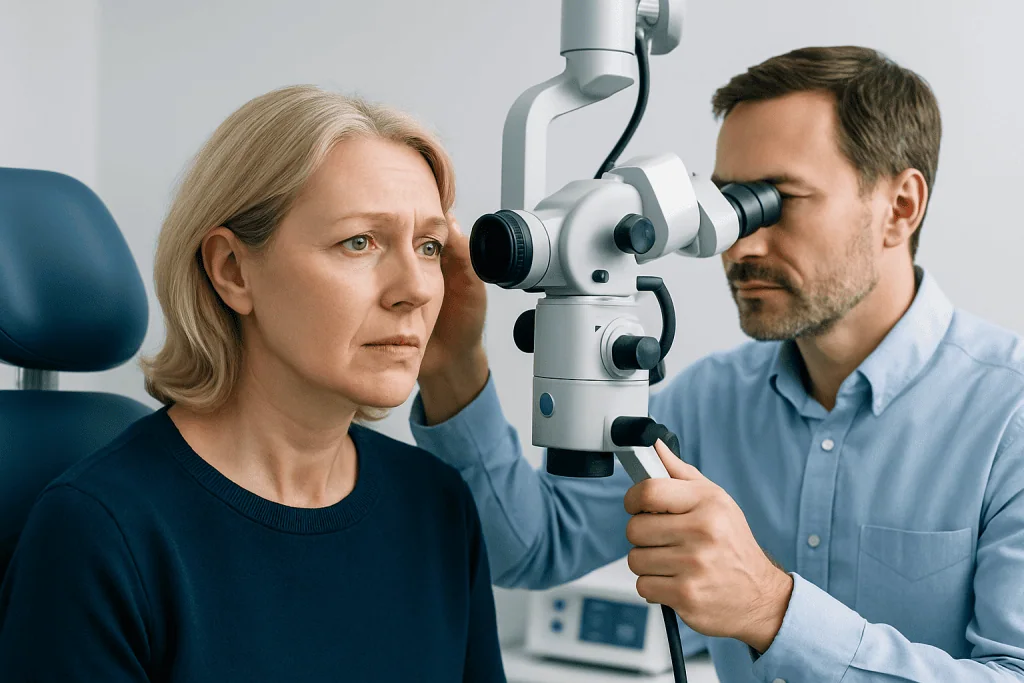
Acoustic neuroma symptoms usually develop gradually and often affect one side. The most common early sign is hearing loss in one ear, especially difficulty understanding speech in noisy environments or on the telephone. Some people notice ringing, buzzing or a feeling of fullness in the affected ear.
Because the tumor involves the balance nerve, dizziness, vertigo or unsteadiness may occur. Symptoms can be subtle because the brain often adapts to slow changes in balance signals. Some patients do not feel spinning vertigo but describe clumsiness, veering to one side or feeling less confident when walking in the dark.
Possible symptoms include:
- Gradual hearing loss in one ear
- Tinnitus, such as ringing or buzzing
- Balance problems, dizziness or vertigo
- Ear pressure or fullness
- Headache, especially with larger tumors
- Facial numbness, tingling or weakness if nearby nerves are affected
Larger acoustic neuromas can put pressure on the brainstem or block the normal flow of fluid around the brain. This is less common, but it requires prompt specialist assessment. Sudden hearing loss can also occur and should always be evaluated urgently, even if the cause is not known at first.
Causes & Risk Factors
Most acoustic neuromas occur without a clear known cause. They usually develop from a change in the genetic instructions of Schwann cells on the vestibular nerve. This change leads to abnormal cell growth, forming a slow-growing benign tumor.
A small number of cases are associated with neurofibromatosis type 2, a rare inherited condition that can cause vestibular schwannomas on both sides, as well as other nervous system tumors. When acoustic neuroma is found in both ears, or when it occurs at a young age, doctors may consider genetic evaluation.
Recognized risk factors include:
- A personal or family history of neurofibromatosis type 2
- Acoustic neuroma in both ears, which strongly suggests an inherited condition
- Previous radiation exposure to the head and neck area, although this is uncommon
Most patients with acoustic neuroma have no family history and no lifestyle-related cause that can be clearly identified. There is no reliable way for an individual to prevent most acoustic neuromas, so early assessment of symptoms is important.
Diagnosis
Diagnosis starts with a detailed medical history and examination. A doctor will ask about hearing changes, tinnitus, dizziness, balance problems, facial symptoms and how long symptoms have been present. An ear examination may be normal because the tumor is located deeper, on the nerve pathway rather than in the ear canal.
Hearing tests are often an important first step. Audiometry can show whether hearing loss is present and whether it affects one ear more than the other. Additional tests may evaluate speech understanding, middle ear function and sometimes balance function, depending on the symptoms.
Magnetic resonance imaging is the key imaging test for acoustic neuroma. MRI can identify very small tumors in the internal auditory canal and show whether a larger tumor extends toward the brainstem. In some situations, computed tomography may be used to assess the surrounding bone or surgical anatomy, but MRI is generally the main test for diagnosis and follow-up.
After diagnosis, specialists assess tumor size, location, hearing level, balance function, age, general health and patient preferences. This information helps determine whether observation, surgery, radiosurgery or another strategy is most appropriate.
Treatment Options
Acoustic neuroma treatment is personalized. The right approach is decided by a specialist after assessment of tumor size, growth rate, hearing status, balance symptoms, overall health and the patient’s priorities. The main goals are to control the tumor, protect the brain and nerves, preserve useful hearing when possible and maintain quality of life.
Observation, also called watchful waiting or active monitoring, may be recommended for small tumors, older patients, people with medical conditions that increase treatment risk or tumors that are not clearly growing. This usually involves periodic MRI scans and hearing tests. If the tumor grows or symptoms change, active treatment may be reconsidered.
Microsurgery may be advised for larger tumors, tumors causing pressure effects or selected smaller tumors where removal is preferred. Different surgical approaches may be used depending on tumor size, hearing level and anatomy. The surgeon aims to remove the tumor while protecting the facial nerve, brainstem and other important structures as much as possible.
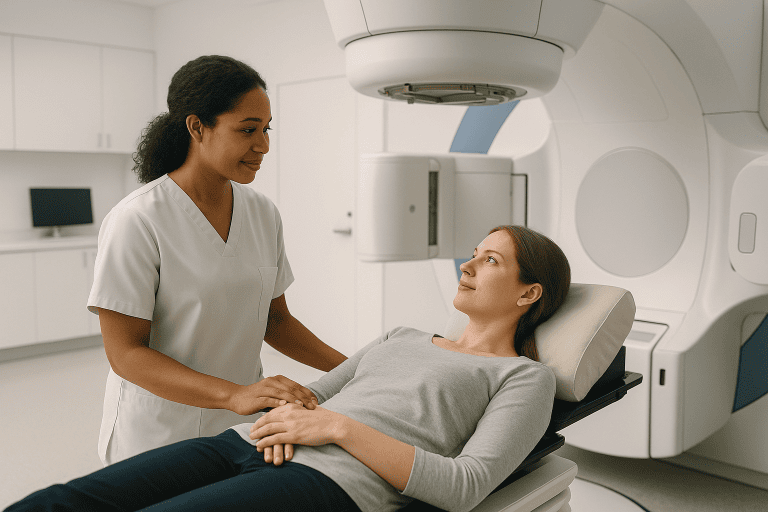
Stereotactic radiosurgery or focused radiotherapy may be an option for some small to medium-sized tumors. It uses precisely targeted radiation to stop or slow tumor growth rather than physically remove it. Rehabilitation can also be important and may include hearing support, balance therapy, facial nerve care, tinnitus counseling or supportive therapies after treatment.
Living With / Prognosis
Many people with acoustic neuroma live active, independent lives. Because many tumors grow slowly, management may take place over years, with regular follow-up and careful decisions at each stage. Prognosis depends on tumor size, growth, hearing level, age, general health and whether nearby nerves or the brainstem are affected.
Hearing loss may be permanent, and some people benefit from hearing aids, bone-conduction devices or other hearing rehabilitation options. Balance symptoms often improve as the brain adapts, but targeted vestibular rehabilitation can help people regain confidence and reduce unsteadiness. Tinnitus management strategies may also improve comfort and sleep.
Follow-up is important after any management approach. Patients who are being observed need scheduled imaging to monitor tumor behavior. Patients who have surgery or radiosurgery also need follow-up to assess healing, nerve function, hearing and long-term tumor control.
International patients may choose centers with coordinated neurology, neurosurgery, ear surgery, radiology and rehabilitation services. Acibadem International’s multidisciplinary specialists and JCI-accredited hospitals diagnose and treat acoustic neuroma using individualized assessment and follow-up planning.
When to See a Doctor
A medical assessment is recommended for any persistent hearing loss, ringing in one ear, repeated dizziness or new balance problems. These symptoms can have many causes, most of them not acoustic neuroma, but testing can identify the reason and guide appropriate care.
People should seek prompt evaluation if hearing loss occurs suddenly, if dizziness is severe or recurrent, or if there is facial numbness, facial weakness, double vision, worsening headaches or problems with coordination. These symptoms may need urgent attention to rule out conditions that require rapid treatment.
Patients already diagnosed with acoustic neuroma should contact their doctor if symptoms change, if balance becomes worse, if headaches increase or if new facial symptoms appear. Regular specialist follow-up helps ensure that any tumor growth or nerve-related changes are detected early and managed safely.
Frequently asked questions
What is an acoustic neuroma?
An acoustic neuroma is a benign tumor that grows on the vestibular nerve, which helps control balance and runs beside the hearing nerve. It is also called vestibular schwannoma. Although it is not cancer, it can affect hearing, balance and nearby nerves because of its location.
Is acoustic neuroma cancer?
Acoustic neuroma is usually non-cancerous and does not spread to distant parts of the body. The main concern is local growth near the inner ear, brainstem and facial nerve. Specialist monitoring or treatment can help manage these risks.
What are the first symptoms of acoustic neuroma?
The first symptom is often gradual hearing loss in one ear. Some people also notice tinnitus, ear fullness, dizziness or mild balance problems. Because these symptoms can have several causes, hearing tests and imaging may be needed for diagnosis.
How is acoustic neuroma diagnosed?
Diagnosis usually includes a medical history, ear and neurological examination, hearing tests and MRI. MRI is the most important imaging test because it can show the tumor and its relationship to the inner ear, brainstem and surrounding nerves. Additional tests may be used to assess balance or surgical planning.
Does every acoustic neuroma need surgery?
No. Some small acoustic neuromas can be safely monitored with regular MRI scans and hearing tests, especially if they are not growing or causing significant symptoms. Surgery or stereotactic radiosurgery may be considered when the tumor is growing, larger or causing pressure-related problems.
Can hearing return after acoustic neuroma treatment?
Hearing outcome depends on the amount of hearing present before treatment, tumor size, tumor location and the treatment method used. In some cases, hearing can be preserved, but hearing loss may also be permanent. Hearing rehabilitation options can help patients communicate more comfortably.
Which specialist treats acoustic neuroma?
Acoustic neuroma is usually managed by a team that may include a neurosurgeon, neurotologist or ear surgeon, neurologist, radiation oncologist, radiologist and rehabilitation specialists. A multidisciplinary approach helps balance tumor control with hearing, facial nerve function and quality of life.
This article is for general information only and is not a substitute for professional medical advice. Please consult a qualified doctor about your individual situation.
Medically reviewed by the Acıbadem International Medical Board June 20, 2026
See our medical review board →
Update history
- PublishedJune 8, 2026
- Medical review approvedJune 20, 2026
- Last content updateJune 8, 2026