Renal Pelvis Cancer
Renal Pelvis Cancer is a rare urinary tract cancer. Learn symptoms, causes, diagnosis, treatment options, prognosis and when to see a doctor.

Quick answer
Renal pelvis cancer is a rare urinary tract cancer that begins in the funnel-shaped part of the kidney where urine collects before moving to the ureter. Treatment depends on the tumor’s stage and extent, and at Acibadem in Turkey it may involve imaging and endoscopic evaluation followed by surgery, with chemotherapy or other supportive oncologic therapies when needed.
Renal Pelvis Cancer is a cancer that starts in the lining of the renal pelvis, the funnel-shaped part of the kidney that collects urine before it moves into the ureter. It is most often a type of urothelial cancer and is managed by specialists using imaging, biopsy when needed, surgery, medication-based therapies and careful follow-up.
Overview
Renal Pelvis Cancer is a malignant tumor that starts in the renal pelvis, the central collecting area of the kidney where urine gathers before passing down the ureter to the bladder. Most renal pelvis cancers are urothelial carcinomas, meaning they begin in the urothelial lining that also covers the inside of the ureters and bladder. For this reason, the condition is often grouped with upper tract urothelial cancer.
This cancer is different from the more common kidney cancers that begin in the kidney tissue that filters blood. Because it grows in the urine drainage system, it may cause blood in the urine, blockage of urine flow, flank discomfort or recurrent urinary symptoms. However, symptoms can be subtle, and some tumors are found during imaging performed for another reason.
The outlook and treatment plan depend on several factors, including tumor size, grade, depth of invasion, whether cancer has spread, kidney function and the person’s overall health. A specialist assessment is important because treatment must balance cancer control with preservation of kidney function whenever safely possible.
Symptoms

The most common symptom of Renal Pelvis Cancer is blood in the urine, which may be visible as pink, red, tea-colored or dark urine. Sometimes blood is detected only on a urine test. Blood in the urine does not always mean cancer, but it should always be assessed by a doctor, especially when it is painless or recurrent.
Other possible symptoms include pain or pressure in the side or back, known as flank pain, which may occur if the tumor blocks urine drainage. Some people may notice urinary frequency, burning, urgency or repeated urinary tract infections. Less commonly, unexplained weight loss, fatigue, reduced appetite or a general feeling of being unwell may occur when disease is more advanced.
Renal pelvis tumors can also be silent in the early stages. This is why people with previous bladder cancer, upper urinary tract cancer or certain inherited risk factors may need scheduled surveillance even when they feel well. Early evaluation of urinary symptoms can help identify treatable causes and guide appropriate care.
Causes & Risk Factors
Renal Pelvis Cancer develops when urothelial cells in the renal pelvis acquire genetic changes that allow them to grow abnormally and invade nearby tissue. In many cases, there is no single identifiable cause. The risk is influenced by a combination of age, environmental exposures, personal medical history and inherited susceptibility.
Known or suspected risk factors include smoking, exposure to certain industrial chemicals, long-term irritation of the urinary tract and a history of urothelial cancer in the bladder or ureter. People who have had bladder cancer may have a higher risk of developing another urothelial tumor elsewhere in the urinary tract, because the same lining extends from the kidneys to the bladder.
Some inherited conditions can increase risk, especially Lynch syndrome, which is associated with several cancers including upper urinary tract urothelial cancer. Risk may also be affected by previous cancer treatments or specific medication exposures in some individuals. Anyone with a strong family history of related cancers should discuss whether genetic counseling or additional screening is appropriate.
- Smoking is one of the most important modifiable risk factors for urothelial cancers.
- Occupational exposure to certain dyes, solvents or chemicals may increase risk in some settings.
- Previous urothelial cancer can increase the need for long-term follow-up.
- Inherited cancer syndromes may require a more personalized surveillance approach.
Diagnosis
Diagnosis of Renal Pelvis Cancer begins with a medical history, physical examination and urine testing. Urinalysis can detect blood, infection or other abnormalities. Urine cytology may be used to look for abnormal cells shed from the urinary tract, although a normal result does not completely rule out cancer.
Imaging is central to diagnosis. A CT urography scan is commonly used to evaluate the kidneys, renal pelvis, ureters and bladder in detail. MRI may be used in selected patients, for example when CT contrast is not suitable. Ultrasound can detect kidney swelling, masses or blockage, but it may not show small urothelial tumors as clearly as dedicated cross-sectional imaging.
Many patients also undergo cystoscopy to examine the bladder, because urothelial tumors can occur in more than one location. Ureteroscopy may be performed to look directly inside the ureter and renal pelvis using a thin camera. During this procedure, the specialist may take a biopsy or collect samples for cytology to confirm the diagnosis and assess tumor grade.
Once cancer is confirmed or strongly suspected, staging tests help determine whether it is localized or has spread to lymph nodes or distant organs. Staging and grading guide treatment decisions. The diagnostic plan is individualized to the patient’s kidney function, contrast safety, symptoms and overall condition.
Treatment Options
Treatment for Renal Pelvis Cancer depends on the stage, grade, location and size of the tumor, as well as kidney function, general health and patient preferences. The right approach is decided by a urologist, oncologist and related specialists after a full assessment. The goal is to control the cancer while preserving health and kidney function as much as safely possible.
Surgery is a common treatment for localized disease. For higher-risk tumors, surgery may involve removing the kidney, renal pelvis, ureter and a small cuff of bladder tissue on the affected side. In carefully selected lower-risk cases, kidney-sparing approaches may be considered, such as endoscopic removal, laser treatment or segmental surgery. These options require careful selection and close follow-up because recurrence can occur.
Medication-based treatments may include chemotherapy, immunotherapy or targeted approaches depending on disease stage, surgical plan and tumor characteristics. Some patients may receive systemic treatment before or after surgery to reduce recurrence risk or treat disease that has spread. For advanced cancer, drug therapy may help control growth, relieve symptoms and support quality of life.
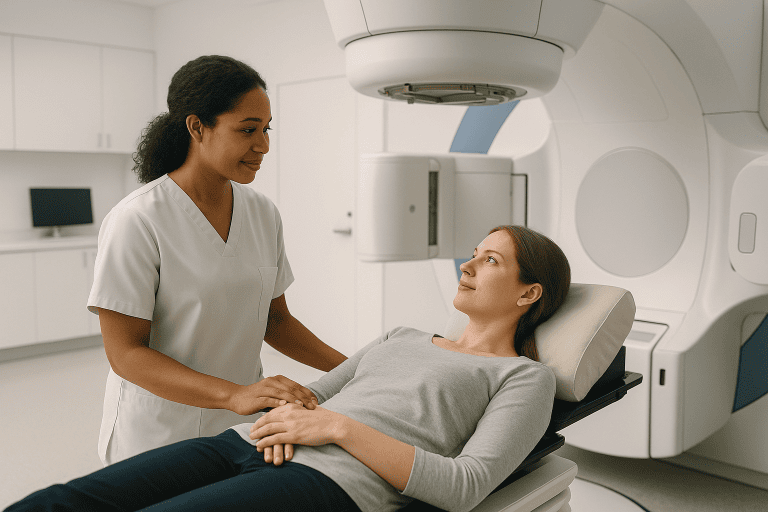
Radiotherapy is not usually the main treatment for localized renal pelvis cancer, but it may be used in selected situations, such as symptom control or treatment of specific metastatic sites. Supportive care, pain management, nutritional guidance, rehabilitation and kidney function monitoring may be part of the overall plan. Patients should avoid starting supplements or alternative treatments without discussing them with their medical team, as some can interfere with cancer treatment or kidney function.
Living With / Prognosis
Living with Renal Pelvis Cancer often involves treatment, recovery and long-term surveillance. Follow-up is important because urothelial cancer can recur in the bladder, ureter, renal pelvis or other sites. Surveillance may include urine tests, cystoscopy, imaging and specialist visits at intervals based on the person’s risk profile and previous treatment.
Prognosis varies widely. Tumors found at an earlier stage and lower grade are generally more manageable than cancers that have invaded deeply or spread beyond the urinary tract. Kidney function, response to treatment and other medical conditions also influence recovery and future treatment choices. A person’s own specialist is best placed to explain what test results mean for their individual situation.
Healthy lifestyle measures can support general wellbeing during and after treatment. Stopping smoking is especially important because tobacco exposure is linked with urothelial cancers and can affect healing and overall health. Staying hydrated as advised, keeping follow-up appointments, reporting new urinary symptoms promptly and managing blood pressure or diabetes can also help protect kidney health.
Emotional support is part of cancer care. Patients may benefit from discussing concerns with their care team, family, counseling services or patient support groups. For international patients, Acibadem International provides multidisciplinary evaluation and treatment for this condition in JCI-accredited hospitals, with care coordinated by relevant specialists.
When to See a Doctor
A person should see a doctor if they notice blood in the urine, even once. Visible blood may come and go, and it may not be accompanied by pain. Because causes range from infection and stones to tumors of the urinary tract, medical evaluation is needed to identify the reason and decide whether further testing is required.
Medical advice is also recommended for persistent flank pain, unexplained urinary symptoms, repeated urinary tract infections, unexplained weight loss or fatigue, especially in older adults or people with a history of bladder or ureter cancer. Anyone with Lynch syndrome or a strong family history of urothelial cancers should ask a doctor whether personalized monitoring is appropriate.
Urgent care may be needed if there is heavy bleeding in the urine, inability to pass urine, fever with flank pain, severe pain or signs of dehydration. These symptoms can occur with several urinary conditions and should be assessed promptly. This information is educational and does not replace consultation with a qualified healthcare professional.
Frequently asked questions
What is Renal Pelvis Cancer?
Renal Pelvis Cancer is a cancer that begins in the renal pelvis, the part of the kidney that collects urine before it flows into the ureter. Most cases are urothelial carcinoma, the same general type of cancer that can occur in the bladder and ureters. It is considered an upper urinary tract cancer rather than the most common type of kidney tissue cancer.
What are the early symptoms of Renal Pelvis Cancer?
The most common early sign is blood in the urine, which may be visible or found only on a urine test. Some people have flank pain, urinary irritation or recurrent infections, while others have no symptoms at first. Any unexplained blood in the urine should be checked by a doctor.
Is Renal Pelvis Cancer the same as kidney cancer?
It is a cancer in the kidney area, but it is not the same as the most common kidney cancer that starts in the filtering tissue of the kidney. Renal Pelvis Cancer starts in the lining of the urine-collecting system. This difference matters because diagnosis, treatment and follow-up are often more similar to urothelial cancers of the bladder and ureter.
How is Renal Pelvis Cancer diagnosed?
Diagnosis usually includes urine tests, imaging such as CT urography or MRI, and evaluation of the bladder and upper urinary tract. A ureteroscopy may be used to look inside the ureter and renal pelvis, and a biopsy may be taken when appropriate. Staging tests help determine how far the cancer has grown or spread.
What treatment options are available for Renal Pelvis Cancer?
Treatment may include surgery, kidney-sparing procedures, chemotherapy, immunotherapy, radiotherapy in selected cases and structured follow-up. The best option depends on tumor stage, grade, location, kidney function and overall health. A specialist team decides the safest and most effective approach after assessment.
Can Renal Pelvis Cancer come back after treatment?
Yes, urothelial cancers can recur in the bladder, ureter, renal pelvis or other areas, which is why follow-up is important. Follow-up may include urine tests, cystoscopy and imaging at planned intervals. The schedule depends on the original tumor features and the treatment received.
Can Renal Pelvis Cancer be prevented?
Not all cases can be prevented, but reducing risk factors can help. Avoiding smoking is one of the most important steps because tobacco exposure is linked with urothelial cancers. People with inherited risk conditions or previous urothelial cancer should discuss personalized surveillance with a qualified doctor.
This article is for general information only and is not a substitute for professional medical advice. Please consult a qualified doctor about your individual situation.
Medically reviewed by the Acıbadem International Medical Board June 20, 2026
See our medical review board →
Update history
- PublishedJune 8, 2026
- Medical review approvedJune 20, 2026
- Last content updateJune 8, 2026