Intoxicating — Explained by Medical Evidence, Not Myths

In medical use, intoxicating usually refers to a substance causing temporary impairment of the brain or body. Alcohol, prescription medicines, recreational drugs, and toxic chemicals can all have intoxicating effects.
Key Takeaways
- In medical use, intoxicating usually refers to a substance causing temporary impairment of the brain or body.
- Alcohol, prescription medicines, recreational drugs, and toxic chemicals can all have intoxicating effects.
- Symptoms can range from mild dizziness and poor judgment to confusion, slowed breathing, or unconsciousness.
- The seriousness depends on the substance, amount, age, overall health, and whether multiple substances were used together.
- Emergency care is important if a person has trouble breathing, seizures, severe confusion, chest pain, or cannot be awakened.
Medically reviewed by the Acıbadem International Medical Board — July 25, 2026
Intoxicating most often refers to the effects of a substance—such as alcohol, drugs, or certain chemicals—that temporarily changes brain function, behavior, judgment, or coordination. In everyday language, it can also describe something strongly stimulating or overwhelming, but in medicine it is most useful to think of intoxicating as a sign of possible intoxication that may need attention depending on the symptoms.
Overview: what “intoxicating” means medically
The word intoxicating can mean different things depending on the context. In everyday speech, people may use it to describe a powerful smell, a strong emotional experience, or something exciting and overwhelming. In medicine, however, intoxicating usually points to the effects of a substance that alters how the brain and body work for a period of time.
Medical intoxication happens when alcohol, drugs, medications, or other chemicals affect normal functioning. This may change judgment, mood, attention, speech, balance, reaction time, or breathing. Some intoxicating substances produce relaxation or euphoria, while others can lead to agitation, hallucinations, sleepiness, or dangerous slowing of vital functions.
Not every intoxicating effect is severe, and symptoms can vary widely. A person may appear mildly impaired after a small amount of alcohol, while another may develop serious symptoms from a medication interaction, an accidental overdose, or exposure to a toxic chemical. For this reason, the word is best understood as a description of possible impairment rather than a diagnosis by itself.
How intoxication affects the brain and body
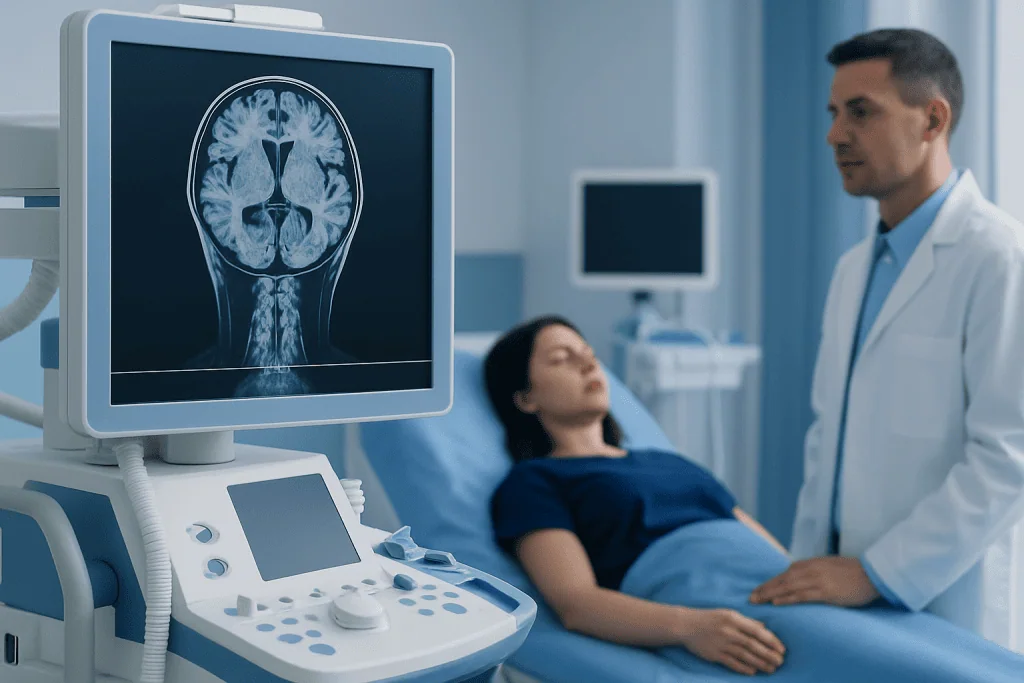
Many intoxicating substances act on the central nervous system. They may increase or decrease signaling between nerve cells, which changes alertness, movement, emotions, and decision-making. Alcohol, sedatives, opioids, stimulants, cannabis, and some inhaled chemicals each affect the body in different ways, but all can interfere with normal control of behavior and physical coordination.
The body’s response depends on several factors, including the substance involved, the dose, the speed of use, body size, age, liver and kidney function, other medicines, and whether food was eaten beforehand. Mixing substances is especially risky. For example, alcohol combined with sleeping tablets or opioid pain medicine may greatly increase drowsiness and breathing problems.
Intoxicating effects can also be mistaken for other health problems. Low blood sugar, stroke, head injury, infection, dehydration, and some psychiatric or neurological conditions may cause confusion or abnormal behavior. That is why a careful medical assessment matters when symptoms are severe, unexpected, or do not improve.
Common signs and symptoms of intoxication

Symptoms of intoxication can be mild, moderate, or severe. The exact pattern depends on the substance, but some signs are common across many forms of intoxication. Family members or friends may notice changes before the person affected does.
- Slurred speech or slowed thinking
- Poor judgment or unusual risk-taking
- Unsteady walking, dizziness, or poor coordination
- Sleepiness, confusion, or difficulty focusing
- Mood changes such as euphoria, irritability, anxiety, or agitation
- Nausea, vomiting, sweating, or flushing
- Very large or very small pupils
- Hallucinations or unusual perceptions
More serious symptoms may include slowed or irregular breathing, blue lips, chest pain, seizures, severe confusion, collapse, or unresponsiveness. These are medical emergencies. A person does not need to have used a large amount for symptoms to become dangerous; some people are more sensitive, and counterfeit or contaminated substances may be unpredictable.
If intoxicating symptoms happen repeatedly, the person may need assessment not only for acute safety but also for an underlying substance use disorder, medication problem, or another health condition that is contributing to the episodes.
What can cause intoxicating effects?
Alcohol is one of the most common causes of intoxication, but it is far from the only one. Prescription medicines such as sleeping tablets, anti-anxiety drugs, opioid pain relievers, certain antihistamines, and some seizure medicines can all be intoxicating, especially in higher doses or when mixed with alcohol. Recreational drugs, including cannabis, cocaine, amphetamines, hallucinogens, and opioids, may also cause a wide range of mental and physical effects.
Household, workplace, or environmental exposures are another important cause. Solvents, carbon monoxide, methanol, and other chemicals may lead to confusion, headache, dizziness, nausea, or life-threatening toxicity. In children, accidental ingestion of medicines, cleaning products, or alcohol-containing liquids can quickly become serious.
Some intoxication-like states have a related but different explanation. For example, a person with stroke may suddenly develop slurred speech or imbalance, which can be mistaken for alcohol or drug effects. Likewise, low blood sugar or infection may cause drowsiness and confusion. This is why clinicians look at the whole picture rather than relying on appearance alone.
Risk factors for severe intoxication include using multiple substances, taking an unknown pill or powder, having liver or kidney disease, being older, being very young, or having a history of overdose. Mental health conditions and untreated pain can also increase vulnerability to substance-related harm.
How doctors evaluate intoxication
Evaluation starts with the basics: what was taken, when it was taken, how much was used, and what symptoms followed. In emergencies, doctors first make sure the airway, breathing, and circulation are stable. If the person is unconscious or cannot give reliable information, family, friends, medication bottles, or emergency responders may provide important clues.
The examination looks for signs such as pupil size, level of alertness, breathing pattern, blood pressure, temperature, skin changes, and neurological findings. Tests may include blood sugar, blood and urine toxicology when appropriate, alcohol level, electrocardiogram, or blood tests to check organ function. Imaging such as MRI scanning or CT scan may be used if there is concern for head injury, stroke, or another condition that can mimic intoxication.
Doctors do not diagnose intoxication from one sign alone. The goal is to identify whether symptoms are due to a substance, a medical problem, or both. This careful approach helps guide treatment and avoids missing urgent conditions that need immediate care.
Treatment and immediate management
Treatment depends on the cause and severity. Mild intoxication may only need observation, hydration, a calm environment, and time for the substance to wear off. A person should not drive, swim, operate machinery, or be left alone if symptoms are progressing. Support from a sober adult can reduce the risk of falls, vomiting-related choking, or further substance use.
More serious cases may require oxygen, intravenous fluids, heart monitoring, or medicines that reverse specific drugs, such as opioid antagonists in opioid overdose. If breathing is dangerously slow, emergency airway support may be necessary. Patients with severe poisoning may need treatment in an intensive care setting.
When repeated intoxication is linked to ongoing alcohol or drug use, long-term care becomes important. This may include alcohol addiction treatment or drug addiction treatment, along with support for mental health, sleep, stress, or chronic pain if these are part of the picture. Effective care is individualized and may involve primary care doctors, psychiatrists, psychologists, emergency physicians, and rehabilitation specialists.
Near the end of the care pathway, some people benefit from coordinated international evaluation. Acibadem International’s multidisciplinary specialists and JCI-accredited hospitals diagnose and treat intoxication-related conditions and substance-use concerns for international patients when advanced assessment is needed.
Prevention and self-care
Preventing harmful intoxicating effects starts with understanding what is being used. Medicines should be taken exactly as prescribed and never mixed with alcohol unless a doctor has confirmed it is safe. Labels and package inserts matter, especially for drugs that can cause drowsiness, slowed reaction time, or impaired judgment.
Simple practical steps can reduce risk:
- Avoid mixing alcohol with sedatives, opioids, or recreational drugs
- Store medicines and chemicals safely away from children
- Do not take pills or powders from unknown sources
- Use one pharmacy when possible so interactions can be checked
- Eat regularly and stay hydrated when taking medicines that may cause dizziness
- Make a plan for safe transport instead of driving after drinking or drug use
Self-care after mild intoxication should focus on rest, hydration, and supervision until the person is fully alert and steady. It is generally best to avoid using more of the substance in an attempt to “balance out” the effects. If symptoms are unusual, severe, or worsening, a qualified clinician should be consulted promptly.
When to seek medical care
Medical care is needed urgently if a person has trouble breathing, cannot be awakened, has a seizure, collapses, develops chest pain, becomes severely agitated, or shows blue lips or skin. Repeated vomiting, possible head injury, extreme sleepiness, or suspected poisoning from an unknown substance also deserve immediate attention. If opioids may be involved, emergency services should be contacted without delay.
Non-emergency medical review is also important when intoxicating episodes happen more than once, when symptoms occur after starting a new medicine, or when family members are concerned about memory, judgment, or behavior changes. A clinician can check for substance interactions, hidden medical causes, and safer treatment options.
Anyone with sudden weakness, facial drooping, severe headache, new confusion, or difficulty speaking should be assessed quickly because these symptoms may reflect a serious neurological condition rather than intoxication. Seeking timely care helps protect both immediate safety and long-term health.
Frequently asked questions
What does intoxicating mean in simple terms?
In simple terms, intoxicating means something is affecting the brain or body in a way that impairs normal thinking, behavior, or coordination. In medicine, it most often refers to alcohol, drugs, medications, or chemicals causing intoxication.
Is intoxicating the same as being drunk?
Not exactly. Being drunk usually refers to alcohol, while intoxication can be caused by alcohol, prescription medicines, recreational drugs, or toxic substances. The symptoms may look similar, but the causes and risks can be different.
Can prescription medicine be intoxicating?
Yes. Some prescription medicines can cause drowsiness, slowed thinking, dizziness, or poor coordination, especially if taken in high doses or mixed with alcohol or other drugs. This is one reason people should follow prescribing instructions carefully.
How can someone tell if symptoms are serious?
Warning signs include trouble breathing, inability to wake the person, seizures, blue lips, severe confusion, chest pain, or collapse. These symptoms require emergency medical care because they may signal a life-threatening intoxication or another urgent condition.
Can intoxication look like another illness?
Yes. Stroke, low blood sugar, head injury, infection, and some neurological conditions can resemble intoxication. If symptoms are sudden, severe, or unexplained, a medical assessment is important to identify the real cause.
What should be avoided if a person seems intoxicated?
They should not drive, operate machinery, swim, or be left alone if symptoms are getting worse. It is also best to avoid giving more alcohol, extra medication, or unknown home remedies, since these may make the situation more dangerous.
References
- World Health Organization
- Centers for Disease Control and Prevention
- National Institute on Drug Abuse
- Substance Abuse and Mental Health Services Administration
- MedlinePlus
This article is for general information only and is not a substitute for professional medical advice. Please consult a qualified doctor about your individual situation.
Explore treatments in Turkey — costs, top hospitals & a free quote
JCI-accredited · board-certified surgeons · reply within 24h