Understanding Herniated Disc: Symptoms and Treatment Choices

A herniated disc can occur in the neck, mid-back, or lower back, but it is most common in the lumbar spine. Symptoms may include back or neck pain, arm or leg pain, numbness, tingling, or weakness, depending on which nerve is affected.
Key Takeaways
- A herniated disc can occur in the neck, mid-back, or lower back, but it is most common in the lumbar spine.
- Symptoms may include back or neck pain, arm or leg pain, numbness, tingling, or weakness, depending on which nerve is affected.
- Most herniated discs improve with conservative care such as activity modification, medication, and physiotherapy.
- MRI is commonly used when symptoms are severe, persistent, or associated with nerve problems, but imaging is not always needed at the first visit.
- Urgent medical care is needed for loss of bladder or bowel control, numbness in the saddle area, or rapidly worsening weakness.
- Treatment decisions are individualized according to symptoms, examination findings, imaging results, general health, and personal goals.
Medically reviewed by the Acıbadem International Medical Board — June 20, 2026
A herniated disc occurs when the soft center of a spinal disc pushes through its outer layer and may irritate nearby nerves. Many people improve with time, guided activity, pain control, and physical therapy, while a smaller group may need injections or surgery.
Overview
A herniated disc, sometimes called a slipped disc or ruptured disc, is a common spine condition. The spine is made of bones called vertebrae, with soft discs between them that act as cushions and help the back move comfortably. Each disc has a tough outer ring and a softer gel-like center. A herniation happens when part of the inner material pushes through a weak or torn area in the outer ring.
A herniated disc does not always cause symptoms. Some people have disc changes on an MRI scan but feel little or no pain. Symptoms usually occur when the herniated material irritates or compresses a nearby spinal nerve. This can lead to pain that travels from the lower back into the leg, known as sciatica, or from the neck into the shoulder and arm.
Herniated discs are most common in the lower back, called the lumbar spine, because this area carries much of the body’s weight and is involved in bending and lifting. They can also occur in the neck, called the cervical spine. With appropriate assessment and treatment, many people recover well without surgery, especially when care is started early and daily activities are adjusted safely.
Herniated Disc Symptoms
Symptoms depend on the location of the disc herniation and whether it affects a nerve. A lumbar herniated disc may cause lower back pain, buttock pain, and pain that travels down the back or side of the leg. This radiating pain is often called sciatica. It may feel sharp, burning, electric, or deep and aching. Coughing, sneezing, sitting for a long time, or bending forward may make symptoms worse in some people.
A cervical herniated disc may cause neck pain with pain spreading into the shoulder, arm, hand, or fingers. Numbness, tingling, or a pins-and-needles sensation may occur along the path of the affected nerve. Some patients notice weakness, such as difficulty lifting the foot, gripping objects, or raising the arm, depending on the nerve involved.
Common symptoms can include:
- Localized back or neck pain
- Pain radiating into one leg or one arm
- Numbness or tingling in the limb
- Muscle weakness or reduced reflexes
- Pain that changes with posture or movement
- Difficulty sitting, standing, walking, or sleeping comfortably
Symptom severity can vary from mild discomfort to pain that interferes with work, sleep, and daily activities. The intensity of pain does not always match the size of the herniation, so a careful medical examination is important. Doctors consider the pattern of symptoms, physical findings, and imaging when needed.
Causes and Risk Factors
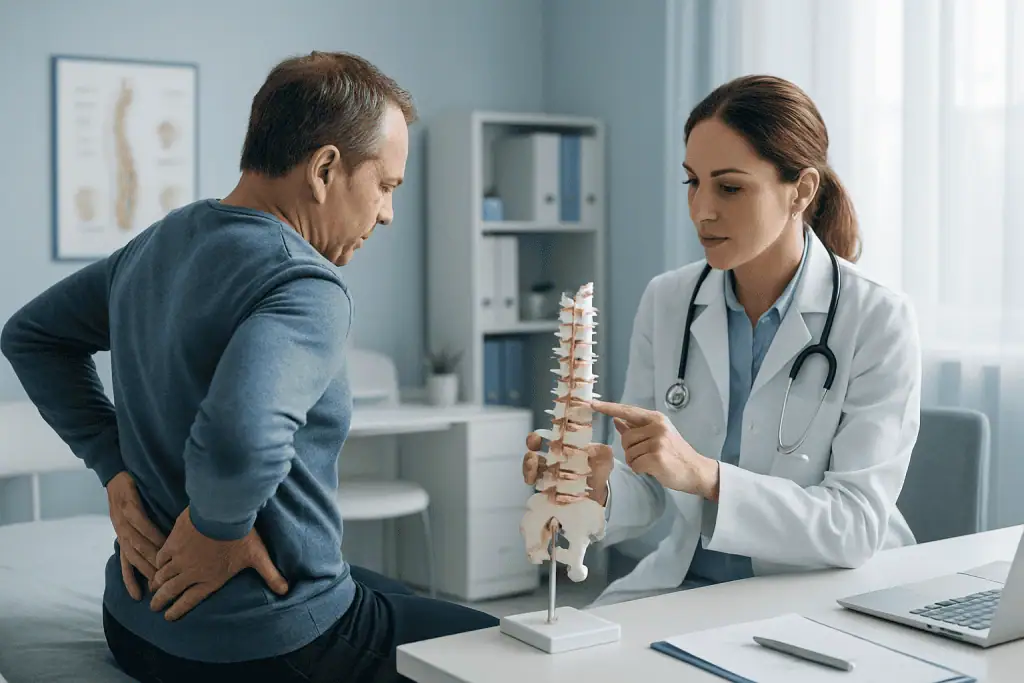
Disc herniation often develops from gradual wear and tear, also known as disc degeneration. As people age, spinal discs can lose water content and become less flexible. A disc that is drier and less elastic may be more likely to crack or bulge when exposed to pressure. Sometimes a herniation occurs after a sudden movement, lifting with twisting, a fall, or an injury, but many cases develop without a single clear event.
Several factors can increase the likelihood of developing a herniated disc. Jobs or activities that involve repeated bending, lifting, pushing, pulling, or vibration may place extra stress on the spine. Prolonged sitting, especially with poor posture, can also increase pressure on the lower back. Body weight, reduced core strength, smoking, and low physical activity may contribute to disc problems and slower healing.
Genetics may also play a role. Some people inherit a tendency for earlier disc degeneration or spine-related problems. However, having risk factors does not mean a person will definitely develop a herniated disc. A balanced approach that includes safe movement, strength training, healthy weight management, and attention to posture can reduce strain on the spine.
Diagnosis
Diagnosis begins with a medical history and physical examination. The doctor asks about where the pain started, where it travels, what makes it better or worse, and whether there is numbness, tingling, or weakness. The examination may include checking posture, range of motion, muscle strength, reflexes, and sensation. For lower back and leg symptoms, a straight leg raise test may help identify nerve irritation.
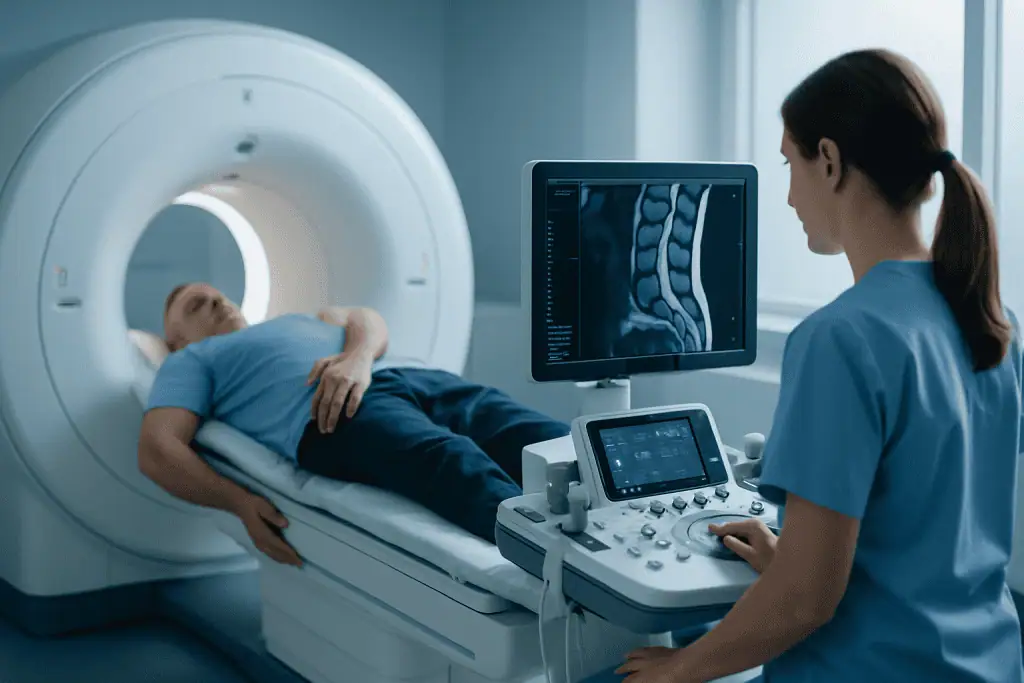
Imaging is not always required immediately, especially when symptoms are mild and there are no warning signs. Many cases improve with conservative treatment in the first several weeks. MRI is usually the preferred imaging test when symptoms are severe, persistent, or associated with neurological findings. MRI can show the discs, nerves, spinal canal, and soft tissues in detail. CT scans or X-rays may be used in selected situations, particularly to evaluate bones, alignment, or other causes of pain.
Doctors interpret imaging carefully because disc bulges or herniations can appear even in people without symptoms. The most useful diagnosis is made when scan findings match the patient’s symptoms and physical examination. In some cases, nerve tests such as electromyography may be considered to assess nerve function or distinguish disc-related nerve compression from other conditions.
Treatment Options
Treatment for a herniated disc is usually stepwise and individualized. Many patients begin with conservative care. This may include staying active within comfort limits, avoiding movements that clearly worsen symptoms, and using short periods of rest during painful flare-ups. Prolonged bed rest is generally not recommended because it can lead to stiffness, muscle weakness, and slower recovery.
Medication may be recommended to reduce pain and inflammation or relax muscle spasm, depending on the patient’s health history and other medicines. Physical therapy is often an important part of treatment. A physiotherapist may guide gentle mobility exercises, nerve gliding exercises, core strengthening, posture training, and a gradual return to normal activity. Heat, ice, and ergonomic adjustments can help some people manage symptoms during recovery.
If pain remains significant despite initial care, spinal injections may be considered. An epidural steroid injection can reduce inflammation around an irritated nerve and may provide temporary relief that allows more effective rehabilitation. Injections do not remove the herniated disc, and their suitability depends on symptoms, imaging findings, and the patient’s overall condition.
Surgery may be discussed when there is severe or persistent nerve pain, progressive weakness, or symptoms that do not improve with conservative treatment. Common procedures include microdiscectomy for lumbar disc herniation and anterior cervical discectomy and fusion for selected cervical cases. The goal is to relieve pressure on the affected nerve. The decision for surgery is made after discussing benefits, risks, recovery expectations, and alternatives with a qualified spine specialist.
Prevention and Self-Care
Not every herniated disc can be prevented, but healthy spine habits can reduce strain and support recovery. Regular movement is important. Low-impact activities such as walking, swimming, or cycling may help maintain circulation, flexibility, and general fitness. Strengthening the abdominal, back, hip, and pelvic muscles can improve support for the spine and reduce excessive stress on the discs.
Body mechanics matter during lifting and daily tasks. A person should keep loads close to the body, bend at the hips and knees rather than rounding the back, and avoid twisting while lifting. At work, an ergonomic chair, a screen at eye level, and regular breaks from sitting may reduce discomfort. People who drive or sit for long periods may benefit from changing position frequently and using lumbar support if advised.
Self-care during a flare-up should be gentle and practical. Short walks, comfortable positions, and prescribed or doctor-approved pain relief may help. Exercises should not be forced through severe pain, and sudden aggressive stretching can sometimes irritate symptoms. Smoking cessation, good sleep, balanced nutrition, and healthy weight management can also support tissue healing and overall spine health.
When to See a Doctor
Medical evaluation is recommended when back or neck pain spreads into an arm or leg, lasts more than a few days without improvement, or interferes with normal activity. A doctor should also assess symptoms such as numbness, tingling, weakness, or pain that is worsening despite home care. Early guidance can help prevent unnecessary fear, reduce pain safely, and support a return to movement.
Urgent medical care is needed if there is loss of bladder or bowel control, numbness around the groin or saddle area, severe weakness, difficulty walking, fever with back pain, unexplained weight loss, or pain after major trauma. These symptoms may suggest a more serious condition that needs prompt assessment. Although such situations are uncommon, recognizing them helps patients seek the right care at the right time.
For international patients, Acibadem International’s multidisciplinary specialists and JCI-accredited hospitals diagnose and treat spine conditions, including herniated disc, using individualized care plans. Patients should consult a qualified doctor or spine specialist to understand which treatment choices are appropriate for their symptoms, health status, and recovery goals.
Frequently asked questions
Is a herniated disc the same as a slipped disc?
Yes, the term slipped disc is commonly used to describe a herniated disc, although the disc does not actually slip out of place. The soft inner part of the disc pushes through or bulges through the outer layer. Doctors usually use the term herniated disc or disc herniation.
Can a herniated disc heal without surgery?
Many herniated discs improve without surgery over time. Conservative treatment may include activity modification, pain control, and physiotherapy. Surgery is usually considered when symptoms are severe, persistent, or associated with worsening nerve weakness.
How long does recovery from a herniated disc take?
Recovery varies according to the location of the herniation, symptom severity, general health, and daily activity demands. Many people notice improvement over several weeks, while nerve symptoms may take longer to settle. A doctor or physiotherapist can give more specific guidance after an examination.
Is walking good for a herniated disc?
Walking is often helpful because it keeps the body moving without placing heavy stress on the spine. It should be done at a comfortable pace and stopped if symptoms significantly worsen. Some patients need an individualized activity plan, especially if leg pain or weakness is present.
When is MRI needed for a herniated disc?
MRI may be recommended when pain is severe, symptoms persist despite treatment, or there are signs of nerve involvement such as weakness or numbness. It is also used before certain injections or surgery. Imaging is interpreted together with the medical history and physical examination.
What are warning signs of a serious disc problem?
Warning signs include loss of bladder or bowel control, numbness in the saddle area, rapidly worsening weakness, or difficulty walking. Fever, unexplained weight loss, or pain after major trauma also require prompt medical assessment. These symptoms should not be managed only with home care.
References
- American Academy of Orthopaedic Surgeons
- National Institute of Neurological Disorders and Stroke
- North American Spine Society
- Mayo Clinic
- NICE Clinical Knowledge Summaries
This article is for general information only and is not a substitute for professional medical advice. Please consult a qualified doctor about your individual situation.
Explore treatments in Turkey — costs, top hospitals & a free quote
JCI-accredited · board-certified surgeons · reply within 24h