Preeclampsia: High Blood Pressure in Pregnancy and Warning Signs
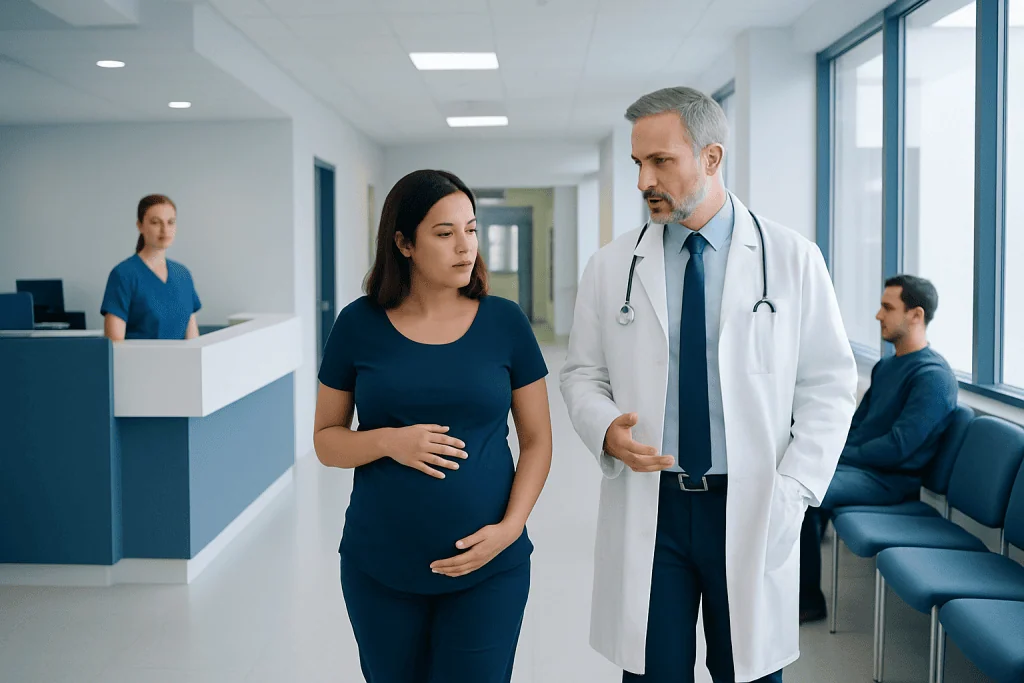
Preeclampsia usually develops after 20 weeks of pregnancy, but it can also occur during labor or after delivery. Warning signs may include severe headache, vision changes, upper abdominal pain, sudden swelling, shortness of breath, or reduced baby movements.
Key Takeaways
- Preeclampsia usually develops after 20 weeks of pregnancy, but it can also occur during labor or after delivery.
- Warning signs may include severe headache, vision changes, upper abdominal pain, sudden swelling, shortness of breath, or reduced baby movements.
- Diagnosis is based on blood pressure readings plus urine, blood, and fetal monitoring tests.
- The only definitive cure is delivery of the baby and placenta, but treatment can safely control blood pressure and reduce complications while pregnancy continues when appropriate.
- Postpartum symptoms should not be ignored, because preeclampsia can appear or worsen after birth.
Medically reviewed by the Acıbadem International Medical Board — June 20, 2026
Preeclampsia is a pregnancy-related condition involving high blood pressure and signs that organs such as the kidneys or liver may be under stress. With regular prenatal care, early recognition of warning signs, and timely treatment, most people receive effective monitoring and support for a safer pregnancy and birth.
Overview
Preeclampsia is a condition that can occur during pregnancy when blood pressure becomes elevated and there are signs that the body’s organs are being affected. It most often appears after the 20th week of pregnancy, although it may develop earlier in rare situations. It can also happen during labor or in the days and weeks after birth, which is known as postpartum preeclampsia.
The condition is not simply “normal pregnancy swelling” or ordinary discomfort. Preeclampsia involves changes in blood vessels and the placenta that can affect blood flow to organs such as the kidneys, liver, brain, and the baby’s growth environment. Some people feel well and have no symptoms, which is why routine prenatal visits and blood pressure checks are very important.
Preeclampsia ranges from mild to severe. Many cases are managed with careful monitoring, medication when needed, and a planned delivery at the safest time for both mother and baby. Early recognition helps healthcare teams reduce risks and make calm, individualized decisions.
Symptoms and Warning Signs
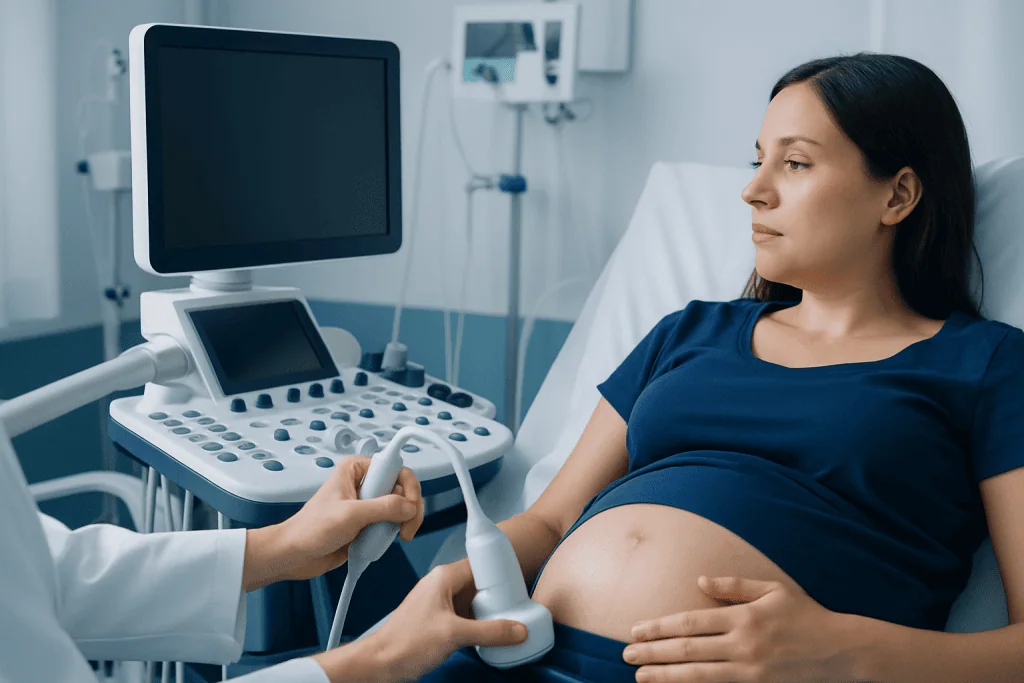
Some people with preeclampsia have no obvious symptoms at first. A raised blood pressure reading or protein in the urine may be the first clue during a prenatal appointment. When symptoms do appear, they can develop gradually or come on suddenly, so it is important to report new or unusual changes rather than waiting for the next scheduled visit.
Possible symptoms and warning signs include:
- Severe or persistent headache that does not feel typical
- Changes in vision, such as blurred vision, flashing lights, or temporary loss of vision
- Pain in the upper abdomen, especially under the ribs on the right side
- Nausea or vomiting that is new, severe, or occurs later in pregnancy
- Sudden swelling of the face, hands, or around the eyes
- Shortness of breath, chest discomfort, or feeling unable to breathe normally
- Rapid weight gain caused by fluid retention
- Reduced baby movements or concern that the baby is moving less than usual
Swelling in the feet and ankles can be common in pregnancy, especially later in the day. However, sudden or marked swelling, especially with headache, vision changes, or pain, should be checked promptly. Severe symptoms may indicate a need for urgent assessment to protect both mother and baby.
Causes and Risk Factors
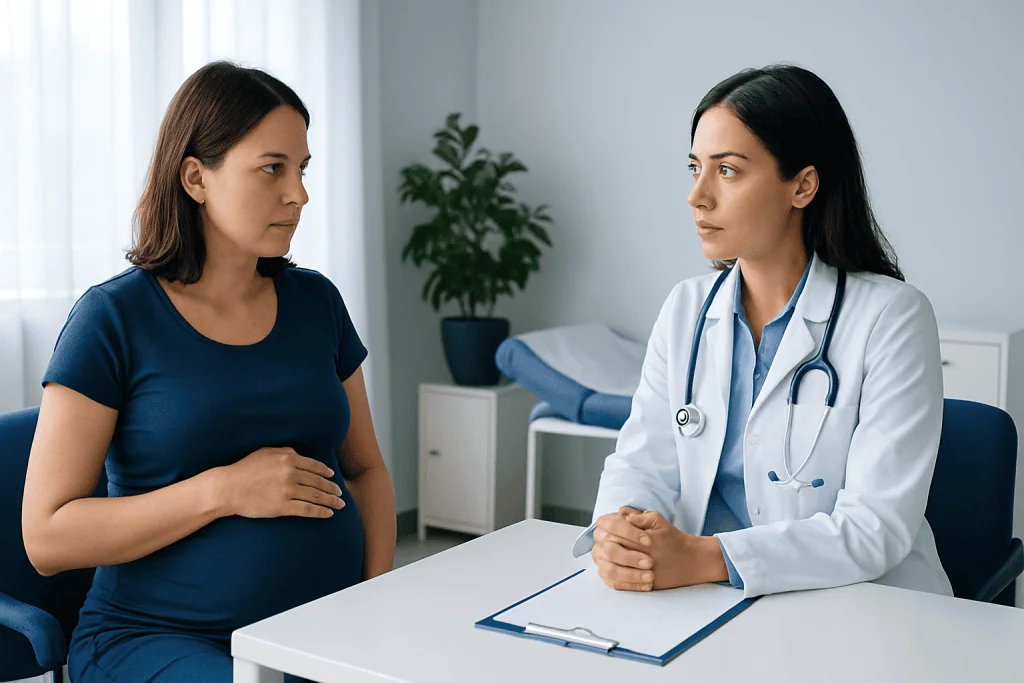
The exact cause of preeclampsia is not fully understood, but it is strongly linked to how the placenta develops and functions. In early pregnancy, blood vessels that supply the placenta normally adapt to provide adequate blood flow. In preeclampsia, these changes may be incomplete, leading to signals that affect blood vessels throughout the body and cause high blood pressure and organ stress.
Preeclampsia can happen to anyone, including people with no previous health problems. However, certain factors increase the likelihood. These include a first pregnancy, a previous history of preeclampsia, carrying twins or more, pregnancy through assisted reproductive technology, age over 35, obesity, chronic high blood pressure, kidney disease, diabetes, autoimmune conditions such as lupus, and a family history of preeclampsia.
Risk factors do not mean preeclampsia will definitely occur. They help clinicians decide who may benefit from closer monitoring, more frequent blood pressure checks, or preventive strategies. A person’s care plan should be based on their full medical history, current pregnancy findings, and the baby’s growth and wellbeing.
Diagnosis
Preeclampsia is diagnosed through a combination of blood pressure measurements and tests that look for signs of organ involvement. A single high reading may be repeated to confirm the result, because stress, activity, and timing can affect blood pressure. Healthcare professionals use standardized methods to measure blood pressure accurately and compare readings over time.
Testing may include a urine test to check for protein, which can suggest kidney involvement. Blood tests may assess platelet count, kidney function, liver enzymes, and other markers. These tests help determine how severe the condition is and whether it is stable or changing.
The baby is also monitored. Depending on the pregnancy stage and findings, this may include ultrasound assessment of growth and amniotic fluid, Doppler studies of blood flow, and fetal heart rate monitoring. Diagnosis is not based on one symptom alone; it is a careful medical assessment of both maternal and fetal wellbeing.
Treatment Options
The only definitive cure for preeclampsia is delivery of the baby and placenta. However, treatment decisions depend on how far along the pregnancy is, how severe the condition is, and how the mother and baby are doing. The aim is to balance the benefits of continuing pregnancy for the baby’s development with the need to prevent complications for the mother and baby.
If preeclampsia is mild and the pregnancy is not yet near term, care may involve close monitoring with frequent visits, blood pressure checks, urine and blood tests, and fetal assessment. Some people may be advised to monitor blood pressure at home using a validated device and to keep a record. Rest may be recommended in some cases, but strict bed rest is not routinely used because it can have its own risks.
Medication may be needed to lower blood pressure to a safer range. In more severe cases, medicine may be used to reduce the risk of seizures. If early delivery is needed, corticosteroid medication may be considered to help support the baby’s lung maturity, depending on gestational age and clinical circumstances. The choice of medication and timing of delivery should always be made by an obstetric team familiar with the person’s full situation.
Delivery may be vaginal or by cesarean section, depending on the mother’s condition, the baby’s wellbeing, gestational age, and obstetric factors. Preeclampsia alone does not always mean a cesarean birth is required. After delivery, blood pressure and symptoms continue to be monitored because preeclampsia can persist or worsen temporarily in the postpartum period.
Prevention and Self-Care
Not all cases of preeclampsia can be prevented, but early and regular prenatal care reduces the chance that it will go unnoticed. At each prenatal visit, blood pressure checks and symptom review provide important information. People with risk factors may need a more detailed care plan from early pregnancy, sometimes involving an obstetrician, maternal-fetal medicine specialist, internist, cardiologist, nephrologist, or endocrinologist.
For some higher-risk pregnancies, clinicians may recommend low-dose aspirin starting at a specific stage of pregnancy. This decision should be made by a qualified healthcare professional, because it depends on individual risk factors and medical history. Calcium supplementation may be considered in populations with low dietary calcium intake, guided by local medical recommendations.
Healthy daily habits can support overall pregnancy wellbeing, although they cannot replace medical monitoring. These include attending all prenatal appointments, following guidance for weight gain, staying physically active if approved by the doctor, eating a balanced diet, limiting excess salt only if advised, and avoiding smoking, alcohol, and non-prescribed medications. Home blood pressure monitoring can be helpful for some people, but abnormal readings should be discussed with the care team rather than interpreted alone.
When to See a Doctor
Anyone who is pregnant or recently gave birth should contact a healthcare professional promptly if they develop a severe headache, vision changes, upper abdominal pain, sudden swelling of the face or hands, shortness of breath, chest pain, fainting, seizures, heavy bleeding, or a strong concern that the baby is moving less. These symptoms deserve urgent evaluation, even if a recent prenatal visit was normal.
Postpartum preeclampsia can occur after leaving the hospital, most often within the first days after birth but sometimes later. New headaches, visual symptoms, high blood pressure readings, or worsening swelling after delivery should not be dismissed as normal recovery. Timely care can usually identify the cause and provide appropriate treatment.
People with a history of preeclampsia should also discuss long-term health follow-up after pregnancy. Preeclampsia is associated with a higher future risk of high blood pressure and cardiovascular disease, so ongoing blood pressure checks and heart-healthy lifestyle guidance are important. Acibadem International’s multidisciplinary specialists and JCI-accredited hospitals diagnose and treat pregnancy-related hypertension for international patients, with care coordinated according to individual needs.
Frequently asked questions
What blood pressure level suggests preeclampsia?
Preeclampsia is generally considered when blood pressure is repeatedly elevated after 20 weeks of pregnancy, especially when accompanied by protein in the urine or signs of organ involvement. A healthcare professional must confirm the diagnosis using proper measurements and laboratory tests. Anyone with a high reading at home should contact their care team for guidance.
Can preeclampsia occur without protein in the urine?
Yes. Protein in the urine is common in preeclampsia, but it is not required for diagnosis if there are other signs of organ involvement. These may include abnormal blood tests, low platelets, kidney or liver changes, lung fluid, or neurological symptoms. This is why medical assessment includes more than a urine test alone.
Does preeclampsia always mean the baby must be delivered immediately?
Not always. The timing of delivery depends on the severity of preeclampsia, the gestational age, and the health of both mother and baby. Some pregnancies can be monitored closely for a period of time, while severe or worsening cases may require earlier delivery.
Can preeclampsia happen after birth?
Yes. Postpartum preeclampsia can develop after delivery, even in someone who had normal blood pressure during pregnancy. Warning signs include severe headache, vision changes, shortness of breath, chest pain, upper abdominal pain, or very high blood pressure readings. These symptoms should be checked urgently.
Is preeclampsia caused by stress or something the mother did?
No. Preeclampsia is not caused by everyday stress, working, exercise, or a mistake made by the mother. It is a complex pregnancy-related condition linked to the placenta and blood vessel function. People should focus on medical care, monitoring, and support rather than blame.
Can someone have another pregnancy after preeclampsia?
Many people go on to have healthy pregnancies after preeclampsia. The risk of recurrence depends on factors such as how early and severe the previous episode was and whether there are underlying health conditions. Preconception counseling or early prenatal care can help create a monitoring and prevention plan for the next pregnancy.
References
- American College of Obstetricians and Gynecologists
- World Health Organization
- National Institute for Health and Care Excellence
- Centers for Disease Control and Prevention
- International Society for the Study of Hypertension in Pregnancy
This article is for general information only and is not a substitute for professional medical advice. Please consult a qualified doctor about your individual situation.
Explore treatments in Turkey — costs, top hospitals & a free quote
JCI-accredited · board-certified surgeons · reply within 24h

More from the Health Library



Related Specialists

Dr. Hamed Moghanchi Zadeh
Cardiology
Prof. Dr. Nazim Korkut
Otorhinolaryngology
Assoc. Prof. Dr. Şafak Yılmaz Baran
Gynecology & Obstetrics
Dr. Dilek Aydın Yıldıran
Pulmonology