

Stroke Risk After High Blood Pressure: Why Hypertension Damages Brain Arteries

High blood pressure can damage brain arteries slowly over many years, even without obvious symptoms. Hypertension raises the risk of both ischemic stroke from blocked arteries and hemorrhagic stroke from bleeding.
Key Takeaways
- High blood pressure can damage brain arteries slowly over many years, even without obvious symptoms.
- Hypertension raises the risk of both ischemic stroke from blocked arteries and hemorrhagic stroke from bleeding.
- Good blood pressure control is one of the most effective ways to lower stroke risk.
- Lifestyle changes and prescribed medicines often work best together.
- Sudden weakness, speech trouble, vision changes, or severe dizziness need urgent medical attention.
Medically reviewed by the Acıbadem International Medical Board — July 15, 2026
Stroke risk after high blood pressure increases because long-term hypertension can injure and weaken the blood vessels that supply the brain. Understanding how this happens can help people protect brain health through blood pressure control, healthy habits, and timely medical care.
Overview: How High Blood Pressure Raises Stroke Risk
Stroke risk after high blood pressure is a major health concern because hypertension can gradually damage the blood vessels that carry oxygen-rich blood to the brain. When blood pressure stays too high for too long, the force of blood against artery walls causes stress and injury. Over time, this can lead to narrowing, stiffening, blockage, or rupture of brain arteries.
There are two main types of stroke. An ischemic stroke happens when blood flow to part of the brain is blocked, usually by a clot or narrowed artery. A hemorrhagic stroke happens when a weakened blood vessel bursts and bleeds into or around the brain. High blood pressure increases the risk of both types, which is why it is considered one of the most important preventable stroke risk factors.
Hypertension is often called a “silent” condition because it may not cause noticeable symptoms until complications appear. A person can feel well while blood vessels are already being harmed. This is why regular blood pressure checks, treatment when needed, and long-term follow-up are so important for protecting the brain as well as the heart, kidneys, and eyes.
Why Hypertension Damages Brain Arteries
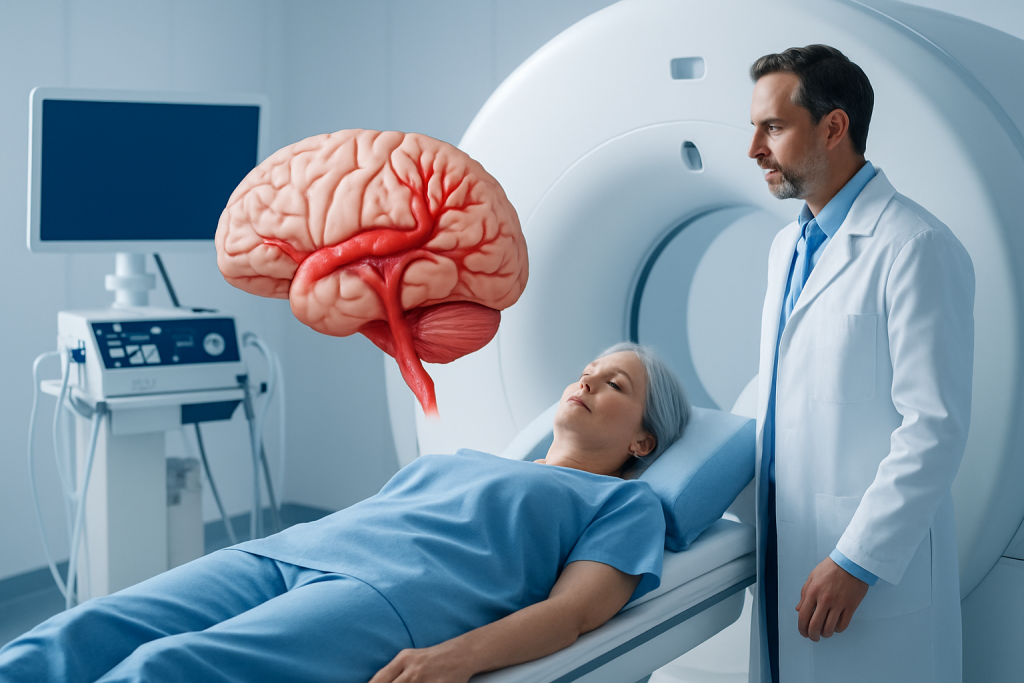
Arteries are designed to handle normal blood flow, but persistently high pressure can wear down their inner lining. This lining, called the endothelium, helps blood vessels stay flexible and healthy. When it becomes injured, the vessel wall may become inflamed, less elastic, and more likely to collect fatty deposits. These changes can narrow the artery and reduce blood flow to the brain.
High blood pressure also makes arteries stiffer and thicker. In small vessels deep inside the brain, this may lead to tiny areas of damage that affect memory, balance, or thinking over time. In larger vessels, hypertension can speed up atherosclerosis, the buildup of plaque that can eventually contribute to clot formation and ischemic stroke. People with uncontrolled hypertension may also face a higher chance of carotid artery disease, which can further reduce blood flow to the brain.
Another concern is vessel weakening. Constant pressure can make some arteries fragile, increasing the chance that they may leak or rupture. This is one reason high blood pressure is strongly linked with hemorrhagic stroke. In some people, severe or sudden spikes in blood pressure can be especially dangerous because they sharply increase strain on already vulnerable blood vessels.
Symptoms and Warning Signs to Know

High blood pressure itself usually causes no symptoms, but the damage it creates can eventually lead to stroke or other vascular problems. Knowing stroke warning signs can save brain tissue and improve outcomes. Symptoms often begin suddenly and may include weakness or numbness on one side of the body, facial drooping, trouble speaking or understanding speech, vision loss or double vision, severe imbalance, or sudden confusion.
Some people also experience a sudden, severe headache, especially in hemorrhagic stroke. Others may notice dizziness, difficulty walking, or abrupt trouble using an arm or hand. These symptoms should never be ignored, even if they improve quickly. A brief episode may be a transient ischemic attack, sometimes called a “mini-stroke,” which is an important warning sign for future stroke.
A helpful way to remember common stroke symptoms is FAST: Face drooping, Arm weakness, Speech difficulty, Time to call emergency services. Rapid treatment matters because some stroke therapies work best within a limited time window. If stroke is suspected, urgent evaluation is essential.
- Sudden facial drooping
- Weakness or numbness in the arm or leg, especially on one side
- Speech difficulty or slurred speech
- Sudden vision changes
- Severe headache or loss of balance
Causes and Risk Factors That Add to Hypertension
High blood pressure often develops from a combination of genetics, aging, and lifestyle factors. Diets high in salt, limited physical activity, excess body weight, smoking, heavy alcohol use, poor sleep, and chronic stress can all contribute. Some people also develop hypertension because of kidney disease, hormonal disorders, or certain medications. Whatever the cause, once blood pressure remains elevated, stroke risk begins to rise.
Other conditions can increase risk even more when they occur alongside hypertension. Diabetes, high cholesterol, atrial fibrillation, kidney disease, and obstructive sleep apnea are important examples. When several of these are present together, the effect on blood vessels can be greater than any one factor alone. For some people, hypertension also raises the likelihood of brain aneurysm rupture if an aneurysm is already present.
Age is another factor, since arteries naturally become less flexible over time. Family history and ethnicity may also influence a person’s likelihood of developing hypertension and stroke. Even so, risk is not fixed. Many people can lower their chances of future stroke by improving blood pressure control and managing other cardiovascular risks with medical guidance.
How Doctors Diagnose Stroke Risk and Blood Vessel Damage
Assessment usually begins with repeated blood pressure measurements taken correctly over time. A single high reading does not always mean chronic hypertension, so a doctor may recommend home monitoring or ambulatory blood pressure monitoring. Understanding the overall pattern helps guide treatment and shows whether blood pressure is controlled throughout the day and night.
Doctors also look for evidence that hypertension may already be affecting the body. Blood tests, urine tests, heart evaluation, and eye examination may be used to check for organ damage. If stroke symptoms have occurred, brain imaging such as CT or MRI is often needed right away to determine whether there is a blockage or bleeding. Vascular imaging may also be used to examine the arteries in the neck and brain.
When needed, specialists may evaluate blood vessel problems more closely with tests that assess blood flow and narrowing. In some cases, this may include imaging related to interventional neuroradiology planning if a blocked or abnormal vessel needs advanced treatment. The main goal of diagnosis is not only to identify current injury, but also to prevent future stroke through early and personalized care.
Treatment Options to Lower Stroke Risk
Treatment focuses first on bringing blood pressure into a safer range and keeping it there consistently. Doctors may recommend one or more blood pressure medicines based on the person’s age, overall health, and other conditions such as diabetes or kidney disease. Medicines work best when taken exactly as prescribed, even when a person feels well. Stopping treatment without guidance can allow blood pressure to rise again and increase stroke risk.
Lifestyle measures are also a central part of care. Reducing salt intake, eating a balanced diet rich in vegetables and fruits, being physically active, maintaining a healthy weight, avoiding tobacco, and limiting alcohol can all help support blood pressure control. Managing cholesterol, blood sugar, and sleep problems is often just as important for protecting the arteries that supply the brain.
If stroke or a high-risk vessel problem has already occurred, treatment may involve additional therapies. These can include antiplatelet or anticoagulant medicines when appropriate, carotid procedures in selected patients, or urgent stroke treatment such as stroke treatment. Some patients may benefit from care by experts in interventional neurology if a clot needs to be removed or a vessel needs specialized treatment. The best plan depends on the exact cause and type of stroke risk.
Prevention and Self-Care for Long-Term Brain Health
Preventing stroke after high blood pressure depends on steady, long-term habits rather than short-term fixes. Checking blood pressure regularly, attending follow-up visits, and understanding target blood pressure goals can help people stay on track. Home blood pressure monitoring may be useful for some patients, especially if readings vary or treatment changes are being made.
Daily choices matter. A heart-healthy eating pattern, regular exercise, adequate sleep, stress management, and avoiding smoking all support healthier blood vessels. It also helps to take medicines consistently, refill prescriptions on time, and speak with a doctor about any side effects instead of stopping treatment. Even small sustained improvements can reduce strain on brain arteries over time.
People who have already had a stroke or transient ischemic attack usually need especially careful prevention plans. This may include rehabilitation, medication review, and follow-up with neurology or vascular specialists. Near the end of the care pathway, some international patients may seek evaluation at centers such as Acibadem International, where multidisciplinary specialists in JCI-accredited hospitals diagnose and treat stroke-related conditions with coordinated care.
When to See a Doctor
Anyone with consistently elevated blood pressure readings should arrange a medical evaluation, even if there are no symptoms. Early treatment can reduce the chance of stroke and other complications. A doctor should also be consulted if blood pressure medicines seem ineffective, cause side effects, or if there are concerns about headaches, dizziness, chest symptoms, or changes in vision.
Emergency care is needed right away if stroke symptoms appear suddenly. This includes facial drooping, arm or leg weakness, speech difficulty, sudden vision loss, severe unexplained headache, or sudden loss of coordination. Time-sensitive treatment can reduce brain injury and improve recovery, so it is important not to wait to see if symptoms go away.
People with very high blood pressure along with confusion, severe headache, shortness of breath, chest pain, or neurologic symptoms also need urgent assessment. Prompt attention helps doctors identify whether there is a dangerous spike in blood pressure, active stroke, or another serious problem requiring immediate care.
Frequently asked questions
Can high blood pressure really cause a stroke?
Yes. Long-term high blood pressure can injure and weaken the arteries that supply the brain, making both blockage and bleeding more likely. It is one of the most important controllable stroke risk factors.
Does hypertension cause only one type of stroke?
No. Hypertension can raise the risk of ischemic stroke, which happens when blood flow is blocked, and hemorrhagic stroke, which happens when a blood vessel ruptures. The same ongoing vessel damage can contribute to both problems in different ways.
If blood pressure is controlled with medicine, does stroke risk go away?
Blood pressure treatment can significantly lower stroke risk, but it may not remove it completely. Risk also depends on age, smoking, diabetes, cholesterol levels, heart rhythm problems, and past vascular disease. That is why regular follow-up and whole-person prevention remain important.
Can someone have vessel damage without feeling any symptoms?
Yes. High blood pressure often damages blood vessels silently over time before any warning signs appear. Regular blood pressure checks and routine medical care help detect problems early.
What is the best way to reduce stroke risk after high blood pressure?
The most effective approach is usually a combination of consistent blood pressure control, healthy lifestyle habits, and treatment of other risk factors such as diabetes, high cholesterol, and smoking. Taking prescribed medicines regularly is very important, even when a person feels well.
When should stroke symptoms be treated as an emergency?
Stroke symptoms should always be treated as an emergency if they start suddenly, even if they seem mild or improve quickly. Fast medical care can help doctors identify the cause and offer time-sensitive treatment when appropriate.
References
- World Health Organization
- American Heart Association
- American Stroke Association
- National Institute of Neurological Disorders and Stroke
- Centers for Disease Control and Prevention
This article is for general information only and is not a substitute for professional medical advice. Please consult a qualified doctor about your individual situation.
Hypertension in Turkey — costs, top hospitals & a free quote
JCI-accredited · board-certified surgeons · reply within 24h

More from the Health Library


Related Specialists
Assoc. Prof. Dr. Berkin Toker
Orthopedic Surgery & Traumatology
Dr. Nargiz Ibrahimli
Aesthetic Plastic & Reconstructive Surgery
Dr. Leman Evren Kadioğlu
Pathology
Melek Ateş
Physical Medicine & Rehabilitation