Transient Ischemic Attack
Transient Ischemic Attack is a temporary stroke-like event. Learn symptoms, causes, diagnosis, treatment and when to seek urgent care.
Quick answer
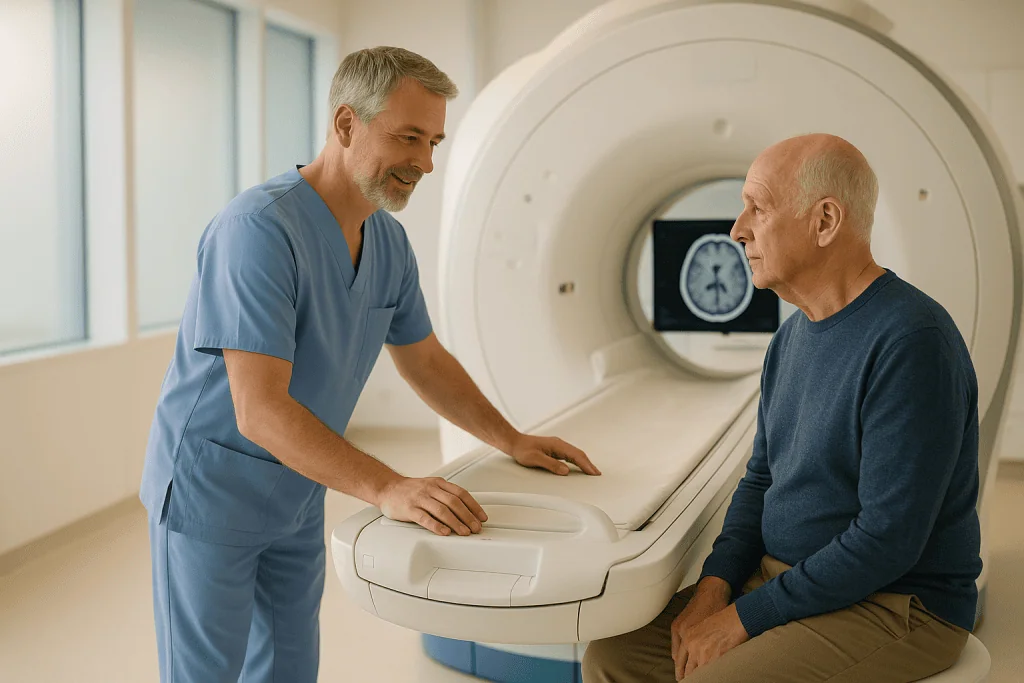
A transient ischemic attack is a brief interruption of blood flow to part of the brain that causes stroke-like symptoms but does not usually leave permanent damage. Because it can be an early warning sign of a future stroke, evaluation focuses on urgent diagnosis, brain and blood vessel imaging, and treatment to lower risk with medicines, control of underlying conditions…
What is transient ischemic attack?
A transient ischemic attack, often shortened to TIA, is a brief episode in which part of the brain temporarily does not receive enough blood. The word “ischemic” means a lack of blood flow, and “transient” means temporary. During a transient ischemic attack, a blood vessel supplying the brain becomes briefly blocked, usually by a small blood clot. Because the blockage clears on its own within a short time, the symptoms go away, often within minutes and typically within an hour. Unlike a stroke, a transient ischemic attack does not usually cause lasting damage that can be seen on standard brain imaging.
Many people know a transient ischemic attack by its informal name, a “mini-stroke.” While this term is common, it can be misleading, because it may suggest the event is minor. In reality, a TIA is a serious medical warning. It signals that the conditions for a full stroke are present, and the risk of a stroke is highest in the first hours and days after a TIA. For this reason, doctors treat every suspected transient ischemic attack as a medical emergency, even if the symptoms have completely disappeared by the time the person reaches a hospital.
Transient ischemic attacks become more common with age and are seen most often in adults over 55, although they can occur at younger ages. Men are affected somewhat more often than women in many populations, and people with conditions such as high blood pressure, diabetes, high cholesterol, or an irregular heart rhythm are at higher risk. In hospital settings, TIAs are usually evaluated and managed by neurologists, the specialists who deal with disorders of the brain and nervous system. At hospital groups such as Acibadem, this condition falls under the neurology department.
Symptoms of transient ischemic attack
Transient ischemic attack symptoms appear suddenly and mirror the symptoms of a stroke. The key difference is that TIA symptoms resolve on their own, usually within minutes to an hour. Because you cannot know at the start of an episode whether the symptoms will pass or persist, any sudden stroke-like symptom should be treated as an emergency.
Common transient ischemic attack symptoms include:
- Sudden weakness or numbness, often on one side of the body, affecting the face, arm, or leg
- Drooping of one side of the face, sometimes noticed when the person tries to smile
- Difficulty speaking, such as slurred speech, or trouble finding words or understanding what others say
- Sudden vision problems, such as loss of vision in one eye, double vision, or a curtain-like shadow over part of the visual field
- Sudden dizziness, loss of balance, or difficulty walking
- Sudden confusion or difficulty understanding surroundings
The exact combination of symptoms depends on which part of the brain is affected. When the blockage occurs in the arteries at the front of the neck (the carotid arteries), symptoms often involve one-sided weakness, speech problems, or vision loss in one eye. When the blockage affects the arteries at the back of the neck (the vertebral and basilar arteries), which supply the brain stem and the back of the brain, symptoms may include dizziness, double vision, unsteadiness, and problems with coordination on both sides of the body.
Because the symptoms of a transient ischemic attack pass quickly, many people are tempted to ignore them or to explain them away as tiredness or stress. This is risky. The fact that symptoms have resolved does not mean the underlying problem has resolved. A significant proportion of strokes are preceded by a TIA in the days or weeks beforehand, which means a TIA offers a critical window of opportunity to prevent a stroke, but only if it is evaluated promptly.
A widely used memory aid for recognizing stroke and TIA symptoms is FAST: Face drooping, Arm weakness, Speech difficulty, Time to call emergency services. If any of these signs appear, even briefly, emergency evaluation is warranted.
Causes and risk factors
Transient ischemic attack causes are essentially the same as the causes of ischemic stroke: a temporary interruption of blood flow to part of the brain. The most common underlying mechanisms include:
- Atherosclerosisa buildup of fatty deposits called plaque inside arteries. Plaque can narrow the arteries that supply the brain, particularly the carotid arteries in the neck, and pieces of plaque or clots formed on its surface can break off and travel to the brain.
- Blood clots from the heartcertain heart conditions, most notably atrial fibrillation (an irregular heartbeat), allow clots to form in the heart. These clots can travel through the bloodstream to the brain and temporarily block a vessel.
- Disease of small blood vesselslong-standing high blood pressure and diabetes can damage the small arteries deep within the brain, making brief blockages more likely.
Several factors increase the risk of a transient ischemic attack. Some cannot be changed, while others can be managed or treated:
- High blood pressure (hypertension)the single most important treatable risk factor for TIA and stroke
- Diabeteshigh blood sugar over time damages blood vessels throughout the body
- High cholesterolcontributes to plaque buildup in arteries
- Smokingdamages blood vessels and promotes clot formation
- Atrial fibrillation and other heart diseaseincreases the risk of clots traveling to the brain
- Older agerisk rises steadily after age 55
- Family historya family history of stroke or TIA increases risk
- Previous TIA or strokehaving had one event raises the chance of another
- Obesity and physical inactivitycontribute to high blood pressure, diabetes, and cholesterol problems
- Excessive alcohol useassociated with higher blood pressure and stroke risk
In many cases, more than one of these factors is present at the same time. Identifying which mechanism caused a particular TIA is a central goal of the diagnostic process, because the choice of treatment depends heavily on the underlying cause.
Diagnosis
Transient ischemic attack diagnosis can be challenging, because by the time a doctor examines the patient, the symptoms have often resolved and the neurological examination may be normal. Diagnosis therefore relies heavily on a careful description of the episode: exactly what happened, how quickly the symptoms started, how long they lasted, and which parts of the body were affected. Anyone who witnessed the episode can provide valuable information, so a family member or bystander is often asked to describe what they saw.
To confirm the diagnosis, rule out other conditions, and find the underlying cause, doctors typically use a combination of the following tests:
- Brain imaginga computed tomography (CT) scan or magnetic resonance imaging (MRI) of the brain is performed to rule out bleeding and to look for evidence of stroke. MRI with a technique called diffusion-weighted imaging is particularly sensitive; if it shows an area of injury, the event is classified as a stroke rather than a TIA, even if the symptoms fully resolved. Under modern definitions, a TIA is a transient episode of neurological symptoms without evidence of tissue injury on imaging.
- Imaging of the neck arteriesa carotid ultrasound (Doppler), CT angiography, or MR angiography is used to check for narrowing (stenosis) of the arteries supplying the brain. Significant narrowing of a carotid artery is an important finding that may change treatment.
- Heart testsan electrocardiogram (ECG) records the heart’s electrical activity and can detect atrial fibrillation. Because this irregular rhythm can come and go, doctors may also arrange longer heart-rhythm monitoring, such as a wearable monitor worn for one or more days. An echocardiogram (an ultrasound of the heart) may be performed to look for sources of clots inside the heart.
- Blood teststhese commonly include blood sugar, cholesterol levels, blood counts, and clotting studies, both to identify risk factors and to exclude conditions that can mimic a TIA, such as low blood sugar.
Doctors also consider other conditions that can imitate a transient ischemic attack, including migraine with aura, seizures, fainting episodes, low blood sugar, and inner-ear disorders that cause dizziness. Distinguishing between these possibilities requires clinical judgment and, often, several of the tests listed above.
To estimate how urgent the situation is, clinicians may use structured risk scores that take into account age, blood pressure, the type and duration of symptoms, and the presence of diabetes. Regardless of the score, current practice in most centers is to evaluate suspected TIA urgently, often within 24 hours, because early treatment substantially reduces the risk of a subsequent stroke.
Treatment options
Transient ischemic attack treatment has one overriding goal: preventing a future stroke. Because the symptoms of the TIA itself have usually resolved, treatment is directed at the underlying cause and at the risk factors that made the event possible. The plan is tailored to each patient and typically combines medication, management of risk factors, and, in selected cases, a procedure or surgery. Watchful waiting alone, that is, simply observing without any intervention, is generally not considered appropriate after a confirmed TIA, because the early risk of stroke is significant and treatable.
Medications
- Antiplatelet drugsmedications such as aspirin or clopidogrel make blood platelets less “sticky,” reducing the chance of clot formation. In many cases, doctors prescribe a short period of two antiplatelet drugs together immediately after a TIA, followed by a single agent long term. The exact regimen depends on the individual situation and is decided by the treating physician.
- Anticoagulantsif the TIA was caused by a clot from the heart, most often due to atrial fibrillation, doctors usually prescribe an anticoagulant (a blood thinner) rather than antiplatelet drugs, because anticoagulants are more effective at preventing heart-related clots.
- Statinscholesterol-lowering medications that also help stabilize plaque in the arteries are commonly prescribed after a TIA, often regardless of the baseline cholesterol level, at the discretion of the treating doctor.
- Blood pressure medicationscontrolling high blood pressure is one of the most effective ways to reduce future stroke risk, and doctors often adjust or start blood pressure treatment after a TIA.
- Diabetes managementfor people with diabetes, careful blood sugar control is part of long-term prevention.
Procedures and surgery
If tests show that a carotid artery in the neck is significantly narrowed by plaque, a procedure to open or clean the artery may be recommended:
- Carotid endarterectomya surgical operation in which a vascular surgeon opens the carotid artery and removes the plaque. In appropriately selected patients with significant narrowing, this operation reduces the risk of future stroke.
- Carotid artery stentinga less invasive procedure in which a thin tube is threaded through the blood vessels and a small mesh tube called a stent is placed to hold the narrowed artery open. Whether surgery or stenting is preferable depends on the patient’s anatomy, age, and overall health, and is decided case by case.
Lifestyle measures
Alongside medication, doctors consistently recommend lifestyle changes: stopping smoking, adopting a heart-healthy diet lower in salt and saturated fat, engaging in regular physical activity as approved by the doctor, limiting alcohol, and achieving a healthy weight. These measures work together with medication and are an essential, not optional, part of transient ischemic attack treatment.
Ongoing care after a TIA is typically coordinated by a neurologist, sometimes together with cardiologists and vascular surgeons. Departments such as the Acibadem neurology unit handle both the acute evaluation and the long-term follow-up of patients who have experienced a transient ischemic attack.
Living with transient ischemic attack and outlook
Because a transient ischemic attack does not usually cause lasting brain damage, most people recover fully from the episode itself and can return to their normal activities. However, the outlook after a TIA depends less on the event that has already happened and more on what is done afterward. Without evaluation and treatment, the risk of a subsequent stroke is meaningfully elevated, especially in the first days and weeks. With prompt diagnosis, appropriate medication, and control of risk factors, this risk can be substantially reduced in many cases, although it cannot be eliminated entirely.
Living well after a TIA usually involves several ongoing commitments. Taking prescribed medications consistently is essential; stopping antiplatelet drugs, anticoagulants, or blood pressure medication without medical advice can increase stroke risk. Regular follow-up visits allow the doctor to monitor blood pressure, cholesterol, and blood sugar, adjust medications, and repeat imaging if needed. Many people also benefit from structured support to quit smoking or to build sustainable exercise and dietary habits.
Some practical questions come up frequently after a TIA. Driving is often restricted for a period after the event; the length of the restriction varies by country and by individual circumstances, so patients should ask their doctor and check local regulations. Some people experience anxiety or worry about a future stroke after a TIA; discussing these concerns with the medical team is appropriate, and support is available. A small number of people report subtle difficulties with concentration or fatigue in the weeks after a TIA; these should be mentioned to the doctor so they can be assessed.
It is honest to say that no treatment can guarantee that a stroke will never occur. What the evidence supports is that treating the underlying cause and controlling risk factors after a TIA meaningfully lowers the chance of a future stroke, and that acting quickly after the warning event matters.
Frequently asked questions
What is a transient ischemic attack in simple terms?
A transient ischemic attack is a temporary blockage of blood flow to part of the brain. It causes sudden stroke-like symptoms, such as weakness on one side, slurred speech, or vision loss, that go away on their own, usually within minutes to an hour. Although the symptoms pass, a TIA is a serious warning sign that a full stroke could follow, so urgent medical evaluation is needed.
Is a TIA the same as a mini-stroke?
“Mini-stroke” is a common informal name for a transient ischemic attack, so in everyday language they refer to the same event. However, doctors prefer the term TIA, because “mini-stroke” can make the event sound harmless. The key medical distinction is that a TIA does not leave visible injury on brain imaging, whereas a stroke does. In terms of urgency, both should be treated as emergencies.
How serious is a transient ischemic attack?
A TIA itself typically does not cause permanent damage, but it is serious because of what it signals. The risk of a stroke is highest in the hours and days immediately after a TIA. This is why doctors recommend emergency evaluation even when symptoms have completely resolved. Prompt assessment and treatment can substantially reduce, though not eliminate, the risk of a subsequent stroke in many cases.
Can a transient ischemic attack heal on its own?
The symptoms of a TIA resolve on their own by definition: that is what makes the event “transient.” However, the underlying problem, such as a narrowed artery, an irregular heart rhythm, or uncontrolled blood pressure, does not go away by itself. Without treatment of the cause, the risk of another TIA or a full stroke remains. Medical evaluation and ongoing treatment are needed even though the person feels fully recovered.
How long do transient ischemic attack symptoms last?
Most TIA symptoms last only a few minutes, and the majority resolve within an hour. Historically, any stroke-like episode lasting less than 24 hours was labeled a TIA, but modern practice relies on brain imaging: if MRI shows tissue injury, the event is classified as a stroke regardless of how long the symptoms lasted. Because you cannot predict at the onset whether symptoms will pass, every episode should be treated as an emergency.
What tests are used to diagnose a transient ischemic attack?
Doctors typically use brain imaging (CT or MRI) to rule out bleeding and stroke, imaging of the neck arteries (such as carotid ultrasound or angiography) to look for narrowing, heart tests such as an ECG and sometimes prolonged rhythm monitoring or an echocardiogram, and blood tests to check sugar, cholesterol, and clotting. The goal is both to confirm the diagnosis and to identify the cause, since the cause determines the treatment.
Can you fully recover after a TIA?
Most people recover fully from the episode itself, since a TIA does not usually cause lasting brain damage. Long-term outlook depends mainly on whether the underlying cause is identified and treated. With appropriate medication, risk-factor control, and follow-up, many people go on to live active lives. A small number of people notice temporary fatigue or difficulty concentrating afterward; any lingering symptoms should be discussed with a doctor.
When to see a doctor
A suspected transient ischemic attack is a medical emergency. Do not wait to see whether symptoms pass, and do not drive yourself to the hospital. Call emergency services immediately if you or someone near you experiences any of the following sudden symptoms, even if they last only a few minutes:
- Sudden weakness or numbness of the face, arm, or leg, especially on one side of the body
- Drooping of one side of the face or an uneven smile
- Sudden trouble speaking, slurred speech, or difficulty understanding others
- Sudden loss of vision in one or both eyes, or double vision
- Sudden severe dizziness, loss of balance, or difficulty walking
- Sudden confusion or a sudden, severe headache with no known cause
If you have already experienced an episode like this in the recent past and did not seek care, see a doctor as soon as possible, even if you now feel completely well. You should also see a doctor promptly if you have known risk factors, such as high blood pressure, atrial fibrillation, diabetes, or significant carotid artery narrowing, and you notice any new or unexplained neurological symptoms. Early evaluation after a transient ischemic attack provides the best opportunity to prevent a stroke.
Medically reviewed by the Acıbadem International Medical Board September 3, 2026
See our medical review board →
Update history
- PublishedJune 8, 2026
- Medical review approvedSeptember 3, 2026
- Last content updateSeptember 2, 2026