ALS Disease Treatment
ALS disease is a progressive motor neuron disorder affecting movement, speech, swallowing, and breathing. Care focuses on diagnosis, symptom control, rehabilitation, nutrition, respiratory support, and quality of life.
Quick answer
ALS (amyotrophic lateral sclerosis) is a progressive disease of the motor neurons, the nerve cells that control voluntary muscles. It gradually weakens the muscles used for movement, speech, swallowing and breathing. There is currently no treatment that stops the disease; care combines accurate diagnosis, medication where appropriate, rehabilitation, nutritional planning, respiratory support and symptom management to protect function and quality of life for as long as possible.
Facing an ALS Diagnosis: Understanding the Condition and the Decisions Ahead
ALS, short for amyotrophic lateral sclerosis, is a progressive neurological condition in which the motor neurons: the nerve cells that carry movement signals from the brain and spinal cord to the muscles, gradually degenerate. As these cells fail, the voluntary muscles used for moving, speaking, swallowing and breathing weaken over time. ALS care is a coordinated, long-term medical programme rather than a single procedure: it confirms the diagnosis, manages symptoms, supports breathing and nutrition, and helps you keep as much function and independence as possible.
Most people first notice small changes. A hand feels weaker than it should. A foot catches on the floor. Speech becomes slightly slurred, or fatigue no longer fits the usual pattern. Because ALS affects the nerves that control voluntary muscles, the condition can gradually influence movement, speaking, swallowing and breathing. For patients and families, the uncertainty is often as hard to live with as the symptoms themselves, and clear, honest information is one of the few things that genuinely helps at this stage.
There is no single operation or isolated treatment for ALS. Care is a coordinated programme designed to confirm the diagnosis accurately, monitor how the condition is progressing, preserve function for as long as possible, manage symptoms, support breathing and nutrition, and help you make informed decisions at each stage. The aim is practical: protect quality of life, reduce preventable complications, and give the patient and the family workable support rather than vague reassurance.
Anyone facing this diagnosis has pressing questions. Is the diagnosis correct? Have treatable conditions that mimic ALS been ruled out? Which medications or devices are appropriate, and how does rehabilitation actually help? At Acibadem, ALS evaluation and care are organised around specialist assessment, evidence-based protocols and coordination among neurology, rehabilitation, pulmonology, nutrition, speech and swallowing therapy, gastroenterology and psychology, so that these questions are answered in one structured process rather than across scattered appointments.
 Dr. Tarek ArafatMDBoard Commentary
ALS diagnosis increasingly requires combining careful clinical examination and neurophysiology with a better understanding of the disease’s genetic background. Prof. Dr. Kayıhan Uluç, currently treating ALS and other neuromuscular disorders at Acıbadem Ataşehir Hospital, has contributed to research examining both motor neuron disorders and the genetic heterogeneity of ALS. A large Turkish genomic study involving 1,200 patients demonstrated that ALS genetics is considerably more complex than family history alone may suggest, while a more recent case series co-authored by Prof. Uluç described different clinical presentations associated with OPTN variants. This has direct clinical relevance because gene-specific treatment is beginning to enter ALS care; tofersen, for example, targets SOD1-associated ALS. Current evidence therefore supports discussing genetic testing even in apparently sporadic ALS, alongside multidisciplinary management of respiratory function, nutrition, mobility, communication and symptom burden.
What Is ALS Disease?
ALS disease, amyotrophic lateral sclerosis in full, is a progressive disorder of the motor neurons, the nerve cells in the brain and spinal cord that send movement signals to muscles. There are two sets of these cells: upper motor neurons, which run from the brain to the spinal cord, and lower motor neurons, which run from the spinal cord and brainstem to the muscles themselves. ALS damages both. When the signals fade, muscles weaken and shrink, and over time this produces the pattern the disease is known for: weakness, muscle wasting, cramps, twitching, stiffness, changes in speech and swallowing, and eventually breathing difficulty.
It is just as important to understand what ALS usually does not do. Sensation is normally preserved: patients continue to feel touch, temperature and pain. Bladder and bowel control are usually unaffected, and eye movements are often spared until late in the disease. Most people continue to think, hear and see normally, although a proportion of patients develop changes in cognition or behaviour related to the frontotemporal regions of the brain, which is why careful assessment and family guidance matter.
Is ALS Lou Gehrig’s disease?
Yes. Lou Gehrig’s disease is another name for ALS, used mainly in the United States after the baseball player Lou Gehrig, whose diagnosis in 1939 brought the condition to public attention. In the United Kingdom and much of Europe, the same condition is usually called motor neurone disease, or MND, of which ALS is the most common form. Whichever name appears on a report: ALS, Lou Gehrig’s disease or motor neuron disease: it refers to the same underlying process, and the approach to diagnosis and care is the same.
What causes ALS?
What causes ALS is only partly understood, and any page that claims otherwise is overstating the science. Most cases are sporadic, meaning they occur without a clear family history and without a single identifiable cause. A minority of cases are familial, linked to inherited changes in specific genes: C9orf72, SOD1, TARDBP and FUS are among the most studied. In these families, genetic counselling and, where appropriate, genetic testing can inform the diagnosis and future planning.
At the cellular level, research points to several overlapping mechanisms: abnormal clumping of proteins inside motor neurons, excessive activity of the signalling chemical glutamate, oxidative stress, faults in the energy-producing mitochondria, and problems transporting materials along the unusually long nerve fibres that motor neurons rely on. Environmental factors, including smoking, heavy metal exposure, intense physical exertion and military service, have been investigated repeatedly, but none has been confirmed as a definite cause. The honest summary is that ALS most likely arises from a combination of genetic susceptibility and processes that are not yet fully mapped.
How do you get ALS?
You cannot catch ALS. It is not infectious, not contagious, and not passed from person to person through contact, food, water or air. Part of the diagnostic work-up may in fact involve excluding infections that can mimic motor neuron problems, sometimes with input from an infectious diseases specialist, but this is about ruling infection out, not in.
Current understanding is that ALS develops through a combination of genetic susceptibility, the ageing of motor neurons, and possibly environmental influences that have not been pinned down. Risk rises with age, and a family history is relevant only in the minority of cases that are inherited. Nothing a patient ate, did or failed to do has been shown to cause ALS, and patients should not carry blame for a disease that medicine itself cannot yet fully explain.
What triggers ALS to start?
No single trigger for ALS has been identified. Onset is usually gradual, and by the time weakness becomes noticeable the underlying nerve changes have often been developing for months. Patients frequently connect the first symptoms to a recent event, an injury, an illness, a period of heavy exertion, but research has not confirmed any of these as true triggers. In most cases, what looks like a trigger is simply the moment an already-progressing weakness became impossible to ignore.
ALS Symptoms: How the Condition Usually Presents
ALS symptoms usually begin gradually, often on one side of the body, and progress over months rather than days. The starting point varies. In some patients, symptoms begin in one arm or hand, causing difficulty buttoning clothing, turning keys, writing, typing or holding objects. In others, they begin in a leg, leading to tripping, foot drop, imbalance or difficulty climbing stairs. This limb-onset pattern is the most common way the disease announces itself.
Some patients experience bulbar-onset ALS, where the earliest changes affect speech and swallowing. Speech may sound nasal, slurred or softer than before. Swallowing may become slower, and patients may cough while eating or drinking. Increased saliva, choking episodes and unintentional weight loss can follow. Less commonly, breathing symptoms appear first: shortness of breath while lying down, morning headaches, poor sleep or unexplained daytime fatigue caused by quietly weakening breathing muscles.
Typical symptoms that lead to an ALS assessment include:
- Progressive muscle weakness that spreads over time
- Muscle twitching, known as fasciculations
- Muscle cramps and stiffness or spasticity
- Visible loss of muscle bulk
- Changes in speech clarity or voice strength
- Swallowing difficulty or coughing at meals
- Reduced hand dexterity and frequent dropping of objects
- Trips, falls and fatigue during ordinary activities
What are the first warning signs of ALS?
The first warning signs of ALS are usually persistent, progressive weakness in one part of the body, a hand, a foot, or the muscles of speech, that is typically painless at first and cannot be explained by injury or another known condition. Twitching on its own deserves a calmer interpretation: fasciculations without weakness or muscle wasting are common in the general population and are usually benign. What matters clinically is the combination, weakness that spreads, wasting, and signs of both upper and lower motor neuron involvement on examination. That pattern, not any single symptom, is what points a neurologist towards ALS.
Who May Need ALS Evaluation
An ALS evaluation is appropriate when a person develops progressive muscle weakness that cannot be explained by injury, joint disease, stroke or another known condition. Because the disease can begin in an arm, a leg, the speech and swallowing muscles or, rarely, the breathing muscles, the route to a neurologist varies: some patients arrive via an orthopaedic clinic after unexplained hand weakness, others via an ear, nose and throat clinic after speech changes. Wherever the journey starts, the deciding feature is progression, symptoms that spread and worsen over weeks and months.
Patients often seek evaluation or a second opinion in three situations: when the diagnosis is uncertain, when symptoms keep progressing despite a different diagnosis, or when the diagnosis is established but a comprehensive plan for ongoing care is missing. A second opinion has genuine value here, because early ALS overlaps with several treatable conditions, and because the care plan should be individualised from the first appointment, not assembled after a crisis.
How is ALS diagnosed?
There is no single test that proves ALS; the diagnosis is built from a detailed medical history, a careful neurological examination and targeted testing. Electromyography and nerve conduction studies assess the electrical activity of muscles and nerves and can demonstrate lower motor neuron involvement, while also distinguishing ALS from peripheral neuropathy, myopathy and nerve root compression. Magnetic resonance imaging of the brain and spine is used to rule out structural causes such as spinal cord compression, tumours or multiple sclerosis. Blood tests exclude metabolic, inflammatory, infectious, autoimmune, endocrine and nutritional disorders, screening may cover conditions ranging from vitamin deficiencies and thyroid disease to liver disease and other organ-related problems that can distort the picture.
In selected cases, genetic testing is discussed, particularly when there is a family history of ALS or related neurological conditions. Ultimately, the diagnosis rests on demonstrating progressive upper and lower motor neuron signs in multiple body regions while systematically excluding the conditions that mimic ALS. Neurologists apply internationally recognised clinical criteria for this, which is why an experienced examiner and a structured diagnostic pathway matter more than any single machine.
Conditions and Indications ALS Care Addresses
ALS care is indicated for patients with confirmed or suspected motor neuron disease, including sporadic ALS and familial ALS. It is equally appropriate for patients with progressive weakness or speech and swallowing changes where ALS is being considered but has not yet been confirmed: the diagnostic pathway exists precisely to establish whether symptoms are caused by ALS or by another disorder that needs different treatment.
Care covers limb-onset ALS, where weakness begins in the arms or legs; bulbar-onset ALS, where speech and swallowing are affected early; respiratory involvement related to weakening breathing muscles; and mixed patterns in which several body regions are affected at once. Some patients also develop frontotemporal cognitive or behavioural changes, which call for careful assessment and clear guidance for the family.
Management also targets the specific complications of ALS: spasticity, cramps, pain from immobility or muscle imbalance, excessive saliva, thick secretions, constipation, sleep disturbance, anxiety, depression, unintentional weight loss, aspiration risk, reduced cough strength and communication difficulty. Some patients also experience episodes of involuntary laughing or crying out of proportion to what they feel, known as pseudobulbar affect, which can be distressing until it is explained and treated. Each of these affects comfort, safety and independence, and many respond well to timely, specific intervention.
Finally, ALS care supports patients who need assistive technologies: ankle-foot orthoses, walkers, wheelchairs, pressure-relieving cushions, voice amplification tools, eye-tracking or alternative communication devices, feeding tubes, cough-assist devices and noninvasive ventilation. Introducing these supports at the right time, before exhaustion or crisis forces the decision, helps patients conserve energy and stay engaged in family, work and social life for longer.
How ALS Care Is Performed: From Diagnosis to Long-Term Support
ALS care follows a broadly consistent sequence, adapted to each patient’s symptoms and pace of progression:
- Comprehensive neurological consultation and examination
- Diagnostic testing to confirm the diagnosis and exclude mimics
- A personalised treatment plan, including medication where appropriate
- Rehabilitation, speech, swallowing and nutritional support
- Respiratory monitoring and, when needed, breathing support
- Scheduled follow-up and adjustment as needs change
Comprehensive neurological assessment
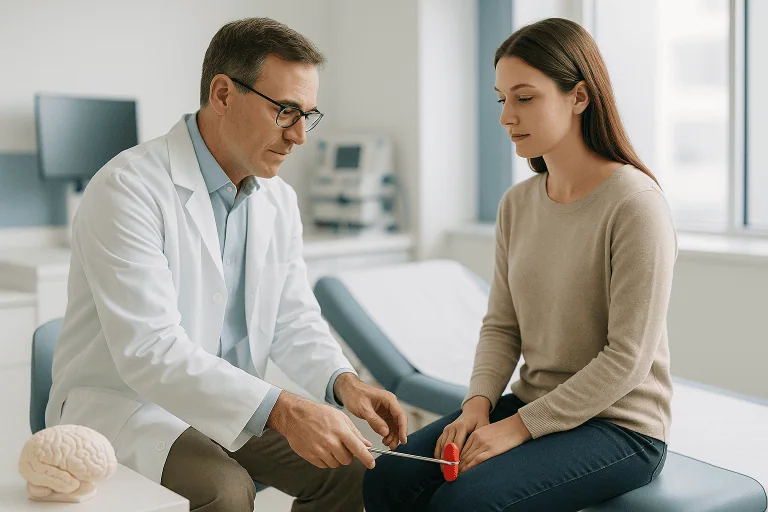
Care begins with a full neurological consultation. The physician reviews your symptoms, their timeline, family history, previous tests, medications, occupational exposures and overall health. The examination evaluates strength, reflexes, muscle tone, coordination, speech, swallowing signs, gait, and any muscle wasting or twitching. This first assessment determines which tests are needed and whether anything requires attention straight away, swallowing safety and breathing strength are checked early because problems in either area should never wait for the next appointment.
Diagnostic testing
Testing is then planned around the individual picture. Electromyography and nerve conduction studies evaluate how nerves and muscles are functioning and help separate ALS from other neuromuscular disorders. MRI may cover the brain, cervical spine, thoracic spine or lumbar spine, depending on where symptoms began. Laboratory tests are selected to rule out the conditions that can imitate ALS. The purpose is not to run every available test, but to answer the specific clinical questions your presentation raises.
Disease-modifying medication
Once ALS is diagnosed or strongly suspected, disease-modifying medication may be considered according to international guidelines. Medicines such as riluzole, and, in some countries, edaravone, are used with the aim of modestly slowing aspects of disease progression in suitable patients. These medications do not stop or reverse ALS, and whether one is appropriate is a decision for the treating neurologist, made with you after a frank discussion of expected benefit, side effects, monitoring requirements and the practicalities of continuing treatment over the long term. Any change to existing medication likewise belongs in that conversation, not on a web page.
Rehabilitation and physiotherapy
Rehabilitation is central to ALS care, but its aim is often misunderstood. The goal is not aggressive strengthening, which can increase fatigue, but safe movement: stretching, balance work, joint protection, fall prevention and energy conservation that preserve flexibility, reduce discomfort and support mobility. Occupational therapy runs alongside, adapting daily routines, home environments, work tasks and self-care activities. Braces, hand supports, bathroom adaptations, seating systems and mobility devices are recommended when they genuinely improve safety and independence, not as a matter of routine.
Speech and swallowing therapy
Speech and swallowing therapy is introduced early, especially when speech changes, coughing at meals or weight loss appear. A speech-language pathologist assesses articulation, voice strength, swallowing coordination and aspiration risk, then recommends specific strategies: speech techniques, safe swallowing methods, texture modifications and posture changes during meals. For some patients, recording and banking the voice, or preparing alternative communication tools before speech becomes more limited, is one of the most valuable early decisions in the entire care plan.
Nutrition and feeding decisions
Nutrition is monitored closely because weight loss worsens weakness and increases vulnerability. A nutrition specialist may recommend calorie-dense meals, texture changes, hydration strategies and supplements. If swallowing becomes unsafe or meals demand exhausting effort, a feeding tube is discussed. This is a personal decision, and it is best considered before breathing capacity becomes severely reduced, when the procedure is safer and the choice can be made calmly. A feeding tube does not necessarily end eating by mouth: for many patients it secures nutrition and hydration while still allowing selected foods to be enjoyed safely where appropriate.
Respiratory monitoring and support
Breathing muscle weakness develops gradually and often shows itself first at night, disrupted sleep, morning headaches, daytime sleepiness, or as a weak cough or breathlessness when lying flat. Pulmonary function testing, sleep-related assessments and measurement of cough strength detect early involvement, and the team also distinguishes ALS-related weakness from any coexisting pulmonary disease, which needs its own management. Noninvasive ventilation can support breathing during sleep and, later, during parts of the day if needed. Cough-assist techniques and secretion management reduce the risk of respiratory infections and improve day-to-day comfort.
Technology, duration and follow-up
The technology used in ALS care, advanced neurophysiology, high-resolution imaging, pulmonary function systems, swallowing assessment tools, rehabilitation and communication devices, supports clinical judgement; it does not replace it. Its value lies in helping the team understand your function, anticipate risks and time interventions well. The length of the initial evaluation depends on your condition and previous testing: some patients complete diagnosis and treatment planning over several days, while others need additional specialist assessments. ALS itself is a long-term condition, so treatment is never a one-time event. Follow-up is scheduled at regular intervals to track strength, swallowing, breathing, nutrition, communication and comfort, and Acibadem physicians provide reports and recommendations that help the doctors who follow you continue care seamlessly.
Recovery in ALS care means something different from recovery after surgery. Because the disease is progressive, the measure of success is maintained function, controlled symptoms and early adaptation. Patients genuinely feel better when breathing support improves sleep, when nutritional support stabilises weight, when spasticity is treated, when mobility aids reduce fatigue, or when swallowing strategies take the fear out of meals. These are real improvements in daily life, even though the underlying disease still requires ongoing management.
Why Acting Early Matters in ALS
Early assessment matters because ALS care works best when problems are anticipated rather than managed only after a crisis. A delayed diagnosis postpones therapies that may help preserve function, reduce discomfort and support safer eating and breathing. It also delays the identification of conditions that mimic ALS and may be treatable in entirely different ways: a possibility no patient should lose to waiting.
Swallowing changes left unaddressed can lead to choking episodes, aspiration, dehydration and weight loss. Respiratory weakness that goes unmonitored can progress quietly, especially during sleep, producing severe fatigue, morning headaches, infections or urgent breathing problems. Mobility changes without support mean more falls, injuries, pain and fear of movement. Communication difficulties without early planning leave patients frustrated at exactly the moment they most need to be heard.
Acting early also buys time for thoughtful decisions. Conversations about medication, nutrition, ventilation, travel, home adaptations, work, caregiving, legal planning and personal preferences are far easier before an emergency than during one. Early care does not soften the seriousness of ALS, but it does help patients keep more control over how their care is delivered, which, for most people, matters enormously.
Benefits of ALS Treatment and Supportive Care
The benefits of ALS care are best understood as practical improvements in safety, comfort, communication, nutrition, breathing and quality of life, not as promises about the disease itself.
| Benefit | What It Means for You |
|---|---|
| Accurate diagnosis | A careful evaluation helps confirm ALS and rule out other conditions that may require different treatment. |
| Better symptom control | Medications, therapy and supportive strategies can reduce cramps, spasticity, saliva problems, pain, sleep issues and fatigue. |
| Safer swallowing and nutrition | Swallowing assessment and nutrition planning can reduce choking risk, support weight, and make meals less stressful. |
| Respiratory support | Monitoring and noninvasive ventilation may improve sleep quality, reduce breathlessness, and help manage breathing muscle weakness. |
| Maintained independence | Rehabilitation, assistive devices and home adaptations can help you continue daily activities with less effort and lower fall risk. |
| Communication planning | Speech strategies and assistive communication tools help you remain involved in decisions, relationships and daily life. |
Recovery and Ongoing Care Timeline
Because ALS is a progressive condition, the timeline below describes what patients commonly experience during evaluation, treatment planning and continuing support, rather than a traditional surgical recovery.
| Time Period | What Patients Can Expect |
|---|---|
| Day 1 | Initial neurological consultation, review of prior records, examination, and planning of diagnostic tests or urgent supportive needs. |
| First Week | Neurophysiology testing, imaging or laboratory studies as needed, and consultations with rehabilitation, nutrition, swallowing or respiratory specialists. |
| First Month | A personalised care plan is refined. Medication options, therapy programmes, nutrition strategies, breathing monitoring and assistive devices may be introduced. |
| Next 3 to 6 Months | Regular follow-up tracks changes in strength, swallowing, weight, breathing, mobility, communication and symptom burden. |
| Longer Term | Care is adjusted as needs change, with ongoing support for mobility, nutrition, respiratory function, communication, comfort and family caregiving. |
What Influences Outcomes in ALS Care
ALS affects each person differently. Some patients experience a slower course; others progress more rapidly. Outcomes depend on several factors: the site of symptom onset, the rate of progression, age, respiratory function, nutritional status, weight stability, swallowing safety, other medical conditions, and, importantly, access to coordinated multidisciplinary care rather than fragmented single-specialty visits.
Early recognition of respiratory weakness carries particular weight. Patients who receive timely breathing assessment and appropriate support tend to sleep better, feel less exhausted and face fewer urgent respiratory problems. Nutritional status matters in the same way: maintaining weight and hydration supports strength and resilience, while untreated weight loss compounds vulnerability.
Rehabilitation outcomes depend on timing and appropriateness. Overly strenuous exercise is not usually helpful, but tailored stretching, range-of-motion activity, energy conservation, mobility planning and fall prevention make daily life measurably safer and more comfortable. Communication planning follows the same logic: it is most effective when it begins before speech is severely affected, not after.
Emotional and family support shape how patients experience the disease. ALS touches not only physical function but identity, relationships, caregiving roles, work and future planning. Psychological support, social work guidance and plain, consistent communication from the medical team help patients and families make decisions that reflect their own values rather than their fears.
Research and clinical trials
ALS research is more active now than at any point in the disease’s history. Scientists are studying gene-targeted therapies for inherited forms of ALS, blood and spinal fluid biomarkers such as neurofilament proteins that may allow earlier diagnosis and better tracking of progression, and new approaches to protecting motor neurons from the cellular stresses that damage them. None of this changes today’s clinical reality, no available therapy stops the disease, but it does mean that an accurate diagnosis, including genetic testing where appropriate, can open the door to clinical trial participation for suitable patients. Whether a trial is appropriate is a discussion for the treating neurologist, weighed honestly against its demands and unknowns.
What is life expectancy with ALS?
Life expectancy with ALS varies widely from person to person, and no honest clinician will give you a single number at diagnosis. The course is shaped by where symptoms began, how quickly they are progressing, breathing muscle function, nutritional status and age; bulbar-onset disease often follows a different trajectory from limb-onset disease. Some people decline quickly, while others live with ALS for many years. What is consistently true is that attentive respiratory and nutritional care, and early management of complications, influence how those years are lived, which is exactly where a structured care programme earns its place.
Is ALS always fatal?
There is currently no treatment that stops or reverses ALS, and for most people the disease shortens life. That is the plain truth, and pretending otherwise would not serve you. At the same time, progression is genuinely variable: a small number of patients experience an unusually slow course over long periods. Because the future cannot be predicted precisely for any individual, care focuses on what can be controlled, symptoms, complications, breathing, nutrition, communication and comfort, so that the time a patient has is lived as fully and as safely as possible.
A good result in ALS care does not mean stopping the disease completely. It means the diagnosis is clear, symptoms are actively managed, complications are anticipated, and the patient’s preferences are respected. It means decisions are made with medical accuracy and personal sensitivity, rather than in response to avoidable emergencies.
How Acibadem Approaches Coordinated ALS Care
Patients and families living with ALS usually want two things at once: medical depth and practical coordination. ALS demands specialist knowledge, but it also demands organisation across appointments, testing, rehabilitation, respiratory support, nutrition and follow-up. At Acibadem, the care process is typically led by neurology, with other specialties involved according to the patient’s symptoms, so that the plan reflects the whole clinical picture rather than one department’s view of it.
Multidisciplinary boards or specialist consultations are used when complex decisions arise, differentiating ALS from another neurological disorder, planning feeding tube placement, assessing respiratory support, or managing advanced symptoms. This collaborative model reduces fragmented care and keeps swallowing, weight, breathing, mobility, communication and comfort under one coordinated plan.
Modern diagnostic resources support the evaluation of suspected ALS: neurophysiology testing assesses motor neuron involvement, imaging excludes structural causes, laboratory testing identifies mimicking conditions, and respiratory and swallowing assessments detect risks that a standard examination can miss. The point of this technology is not to run more tests, but to answer the right clinical questions and time decisions well.
Family caregivers are treated as part of the care team, because so much of daily ALS management happens at home. Training in safe transfers, secretion management, the use of noninvasive ventilation and feeding equipment, and recognising early signs of chest infection gives caregivers confidence and reduces avoidable emergencies. Psychological support and social work guidance are available for caregivers as well as patients, since caregiver exhaustion is one of the most common, and most preventable, crises in long-term ALS care.
Care plans are documented so they can be continued wherever your ongoing care takes place. Because ALS requires ongoing management, the most useful plan is one every physician involved in your care can follow: medication recommendations, rehabilitation guidance, respiratory monitoring schedules, nutritional strategies, assistive device advice and clear follow-up instructions are set out for the doctors who will see you next. For families weighing difficult choices, a structured second opinion, confirming whether the diagnosis is well supported, whether further tests are needed and whether current symptoms are adequately managed, often provides the clarity that makes the next step possible.
Moving Forward with Clarity and Support
ALS is a serious diagnosis, and uncertainty about what comes next is a normal response to it. The most useful step is a careful, expert evaluation followed by a practical care plan that meets today’s needs while preparing for tomorrow’s changes. Although ALS cannot currently be stopped, thoughtful treatment improves comfort, reduces complications, supports communication and mobility, and keeps patients involved in the decisions that shape their own care.
The value of coordinated ALS care lies in what it prevents as much as what it provides: crises that could have been anticipated, decisions forced by emergencies, and time lost to fragmented appointments. A clear diagnosis, an honest conversation about the road ahead, and a plan that adapts as the condition changes: these are the foundations on which patients and families can build the months and years that follow.
Preparation
- Patients usually need a detailed neurological examination, electromyography, nerve conduction studies, blood tests, and imaging to confirm the diagnosis and exclude similar conditions. Bring previous medical records, medication lists, and reports from prior tests. A multidisciplinary plan may include neurology, rehabilitation, nutrition, pulmonology, and psychological support.
Aftercare
- Follow-up focuses on monitoring muscle strength, swallowing, breathing, nutrition, mobility, and communication needs. Physical therapy, respiratory support, assistive devices, and medications may help manage symptoms and maintain independence. Patients and caregivers should report breathing difficulty, choking, weight loss, or rapid functional decline promptly.
Frequently Asked Questions
What affects the cost of ALS care abroad?
The main factors are the purpose of care, diagnostic tests required, specialist consultations, rehabilitation intensity, nutrition and respiratory support needs, assistive devices, length of stay, and follow-up planning. Travel, interpreter support, accommodation, and medical report translation can also affect the total.
How can I get a personalised quote for ALS assessment or care?
A personalised quote usually requires recent medical reports, test results, medication lists, symptom history, and a summary of current mobility, swallowing, and breathing status. Acibadem International can review available records through a free consultation and prepare a care plan estimate.
Is ALS treatment a single package or ongoing care?
ALS management is usually ongoing and may change as symptoms progress. A package may cover an initial assessment and selected tests, while rehabilitation, respiratory equipment, medications, nutrition support, and later follow-up may be quoted separately.
Will the same tests need to be repeated in Turkey?
Not always. If previous records are recent, complete, and clinically useful, the specialist may avoid repeating some tests. However, tests may be repeated when results are unclear, symptoms have changed, or confirmation is needed for treatment planning.
Does international ALS care include language and travel support?
Many international patient programs can help coordinate appointments, interpreter support, medical report handling, and practical travel guidance. The exact inclusions should be confirmed before travel so the patient and companion understand what is covered.
Is this information medical or financial advice?
No. It is general educational information about factors that may influence ALS care costs and patient experience. A specialist assessment and a written quote are needed for decisions about diagnosis, treatment, travel, and budgeting.
Medically reviewed by the Acıbadem International Medical Board August 31, 2026
See our medical review board →
Update history
- PublishedJune 8, 2026
- Medical review approvedAugust 31, 2026
- Board commentary addedAugust 31, 2026
- Last content updateSeptember 8, 2026
References9
- Arslan B, Uluç K. Üst motor nöron hastalıkları [Upper motor neuron diseases]. In: Uzun Adatepe N, ed. Motor Nöron Hastalıkları. 1st ed. Ankara: Türkiye Klinikleri; 2023:22-28. (Clinical review – Prof. Dr. Kayıhan Uluç is affiliated with Acıbadem Ataşehir Hospital; reviews upper motor neuron syndromes and their differentiation within the spectrum of motor neuron diseases.)
- Turkoglu BG, Polat H, Uluç K. Amyotrophic lateral sclerosis patients with optineurin gene variants: a case series. Neurol Asia. 2025;30(4):1103-1107. doi:10.54029/2025dxv. (Case series – Co-authored by Prof. Dr. Kayıhan Uluç, currently at Acıbadem Ataşehir; describes three ALS patients with different OPTN variants and phenotypes.)
- Tunca C, Şeker T, Akçimen F, Coşkun C, Bayraktar E, Palvadeau R, et al. Revisiting the complex architecture of ALS in Turkey: expanding genotypes, shared phenotypes, molecular networks, and a public variant database. Hum Mutat. 2020;41(8). doi:10.1002/humu.24055. PMID: 32579787. (Large genomic cohort study – Analysis of 1,200 Turkish ALS patients, co-authored by Prof. Dr. Kayıhan Uluç before his Acıbadem appointment; demonstrated substantial genetic heterogeneity in both familial and apparently sporadic ALS.)
- Van Damme P, Al-Chalabi A, Andersen PM, Chiò A, Couratier P, De Carvalho M, et al. European Academy of Neurology (EAN) guideline on the management of amyotrophic lateral sclerosis in collaboration with European Reference Network for Neuromuscular Diseases (ERN EURO-NMD). Eur J Neurol. 2024;31(6). doi:10.1111/ene.16264. PMID: 38470068. (Evidence-based clinical guideline – Provides contemporary recommendations for disease-modifying therapy, multidisciplinary care, non-invasive ventilation, nutrition, communication support and symptom management in ALS.)
- Roggenbuck J, Eubank BHF, Wright J, Harms MB, Kolb SJ; ALS Genetic Testing and Counseling Guidelines Expert Panel. Evidence-based consensus guidelines for ALS genetic testing and counseling. Ann Clin Transl Neurol. 2023;10(11):2074-2091. doi:10.1002/acn3.51895. PMID: 37691292. (Evidence-based consensus guideline – Recommends that all people diagnosed with ALS be offered genetic testing, including at minimum C9orf72 testing and sequencing of SOD1, FUS and TARDBP.)
- Miller TM, Cudkowicz ME, Genge A, Shaw PJ, Sobue G, Bucelli RC, et al.; VALOR and OLE Working Group. Trial of antisense oligonucleotide tofersen for SOD1 ALS. N Engl J Med. 2022;387(12):1099-1110. doi:10.1056/NEJMoa2204705. PMID: 36129998. (Phase III randomized trial – Evaluated the SOD1-targeted antisense oligonucleotide tofersen and demonstrated substantial reductions in SOD1 protein and neurofilament biomarkers, establishing the clinical basis for gene-targeted treatment in SOD1-associated ALS.)
- Amyotrophic Lateral Sclerosis (ALS) medlineplus.gov
- Motor neurone disease nhs.uk
- Amyotrophic Lateral Sclerosis (ALS) my.clevelandclinic.org
Trusted care for international patients
From the Acibadem Blog

ALS vs Other Motor Neuron Diseases: Why the Diagnosis Changes the Care Plan
ALS is the most common motor neuron disease, but the two terms are not the same thing. Motor neuron disease is an umbrella for…
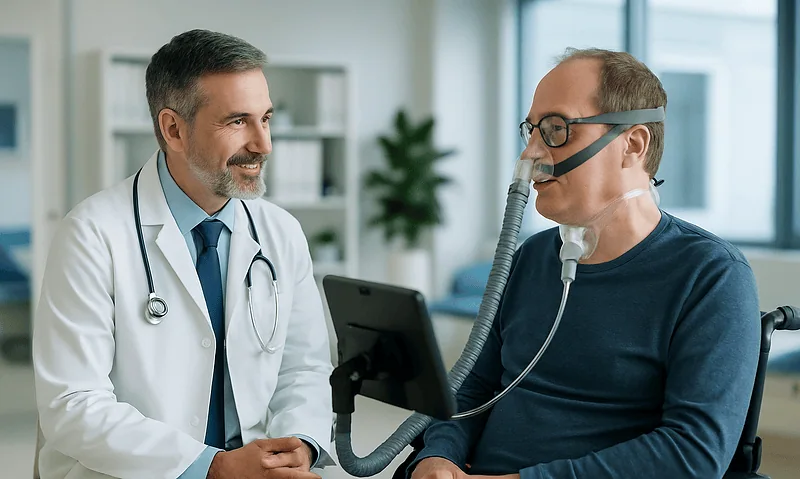
What Do Non-Invasive Ventilation and Communication Devices Change for Someone With ALS?
Non-invasive ventilation supports weakened breathing muscles through a mask, usually at night first, and in people with ALS whose speech and swallowing muscles are…